
Reviewed · MACHU PICCHU TOURS
4 Days Small Group Inca Trail Tour to Machu Picchu
The Inca Trail rewards patience. This four-day route combines classic Inca ruins with high mountain passes, cloud forest, and the dramatic arrival through the Sun Gate. I like the careful support from guides, cooks, and porters, and I like that the $800 price includes permits, meals, camping gear, transport, and the train back toward Cusco. The main drawback is the physical demand, especially the early starts, steep stone paths, and thin air at Dead Woman’s Pass.
This is a private experience for your own group, offered in English and Spanish, with pickup in Cusco. Guide Brayan Paredes receives especially warm praise for judging the group’s pace and knowing when to stop. Still, you must bring water, pay extra for a sleeping bag or trekking poles if needed, and buy your first breakfast in Ollantaytambo.
In This Review
- Key points to know before booking
- What the $800 price really covers
- Day 1: From KM 82 to Patallacta and Wayllabamba
- Day 2: The hard climb to Dead Woman’s Pass
- Day 3: Ruins, cloud forest, and the long descent
- Day 4: Entering Machu Picchu through the Sun Gate
- Guides, cooks, and porters make the difference
- Who should book this Inca Trail trek?
- My verdict: a strong choice for prepared hikers
- FAQ
- How long is the Inca Trail tour?
- What time does pickup begin?
- Is breakfast on the first day included?
- Are meals included during the trek?
- Is drinking water provided?
- Are sleeping bags and trekking poles included?
- Is the Machu Picchu entrance ticket included?
- What happens after visiting Machu Picchu?
Key points to know before booking
- Dead Woman’s Pass reaches 4,215 meters, making Day 2 the hardest climb for many hikers.
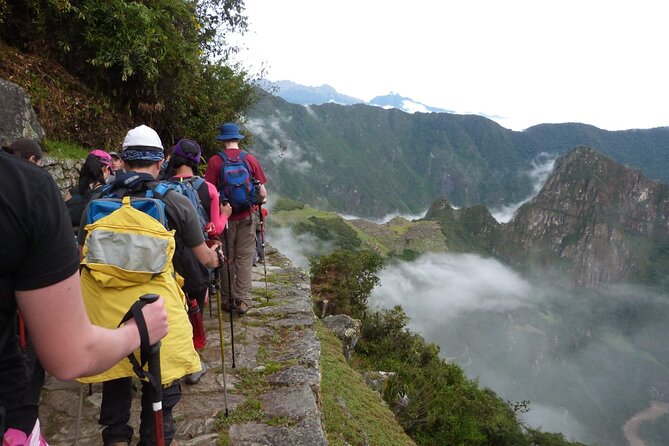
- The Sun Gate arrival is on foot, with your first view of Machu Picchu before entering the citadel.
- Porters carry camping supplies, food, and kitchen equipment, so you do not haul the full camp.
- Meals are a real strength, with three breakfasts, three lunches, and three dinners prepared along the route.
- The price includes the Inca Trail and Machu Picchu entrance tickets, plus the train from Aguas Calientes to Ollantaytambo.
- The first pickup is very early, with the meeting information listing 4:30 am at Cusco’s Plaza de Armas and hotel pickup described for 5:30 am.
What the $800 price really covers
At $800 per person, this trek is not simply four days of walking. You are paying for an organized mountain operation with permits, transport, camping equipment, porters, cooking staff, meals, a professional guide, and the return train.
The package includes transport from Cusco to KM 82, the usual starting point for the Inca Trail. It also includes three breakfasts, three lunches, and three dinners, along with comfortable tents and foam mattresses. Your porters carry the camping equipment, food, and kitchen utensils, which makes a major difference on a route with long climbs.
The final day includes a train from Aguas Calientes to Ollantaytambo and transport onward to Cusco. Those transfers can be awkward and expensive to arrange alone, so they add useful value.
You should budget separately for your first breakfast, lunch and dinner on Day 4, drinking water, tips, and optional rentals. A sleeping bag costs $20, and trekking poles cost $20 per person. The tour does not supply water during the trek, so carry enough at the start and plan to buy more along the route.
The price looks strongest for hikers who want a supported trek without arranging each moving part themselves. It is less appealing if you already own camping equipment, prefer to carry your own food, or want a shorter visit to Machu Picchu.
More Machu Picchu trips:
- Classic Inca Trail Trek 4D/3N to Machu Picchu (Group Service)
★ 5.0 · 8,653 reviews - Machu Picchu: 4-Day Inca Trail Trek with Panoramic Train Ride
★ 5.0 · 4,568 reviews - Short Inca Trail to Machu Picchu 2D/1N
★ 5.0 · 3,007 reviews
Day 1: From KM 82 to Patallacta and Wayllabamba
The day begins before sunrise. Pickup is listed from Cusco, with the meeting point at Plaza de Armas and a blue flag identifying the transfer. The drive takes you toward Ollantaytambo, where you can buy snacks and have breakfast. That breakfast is not included, so do not leave Cusco without a little food in your bag.
From Ollantaytambo, the group continues to Piscacucho at KM 82. Here the walking begins. The first section takes about two hours to Patallacta, an Inca site at 2,750 meters in the Urubamba Valley.
Patallacta is a fine opening to the route because it gives you ruins and scenery before the serious climbing starts. Its setting is green and open, with the river valley helping you understand why the Incas built settlements along this corridor. Your guide provides the context, while the path begins to show its true character: uneven stone, changing grades, and plenty of reason to keep your pace steady.
After visiting Patallacta, you walk another 45 minutes to lunch. A cook prepares the meal, and you have time to rest before the afternoon section. That pause matters. The first day is often underestimated because it does not include the highest pass, but eight hours of walking can still leave you tired.
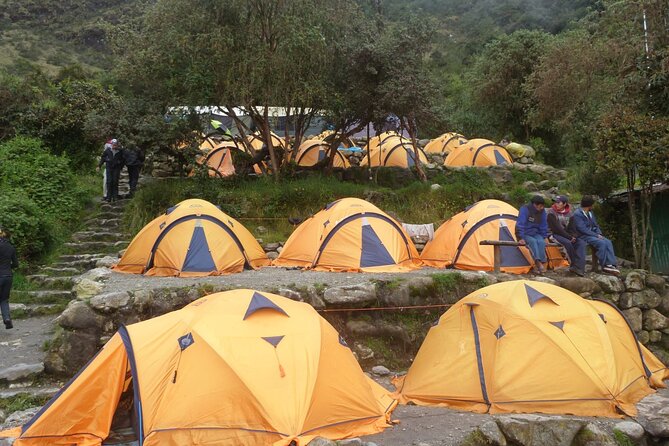
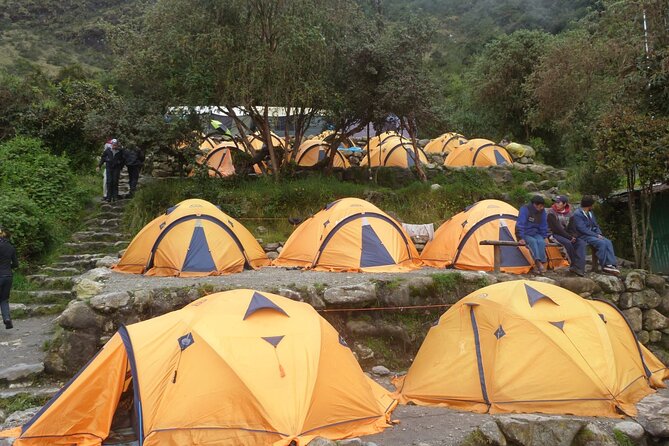
The final 1.5-hour section reaches Wayllabamba at 3,000 meters. The camp includes tents, a dining tent, and a kitchen tent. You receive an afternoon snack and dinner before bed.
I like the rhythm here: walk, eat, rest, walk again. You are not expected to rush from the trailhead to camp with no support. Still, the 5:30 am pickup description and early meeting time mean Day 1 starts long before your boots touch the trail.
Day 2: The hard climb to Dead Woman’s Pass
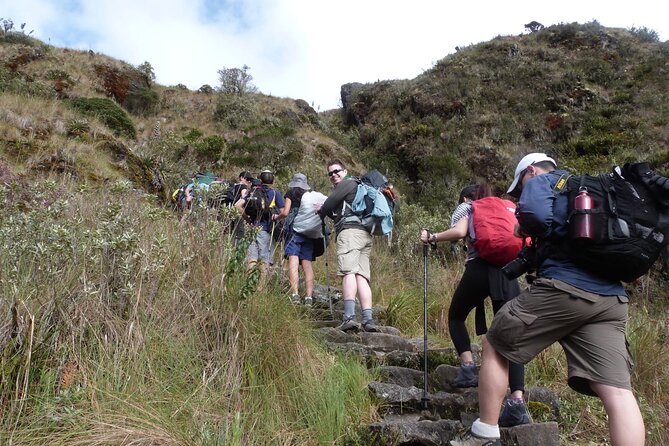
Day 2 is the mountain test. After breakfast and coca tea, you climb for roughly four hours to Warmi Wañusqa, better known as Dead Woman’s Pass.
At 4,215 meters, this is the highest point on the trek. The name is dramatic because the ridge resembles a woman lying down, but the practical issue is altitude. Even a fit person can feel slow, breathless, or light-headed here. The best approach is a patient one: short steps, regular rests, and no embarrassment about letting the guide set a modest pace.
The reward is the view from the pass and the satisfaction of reaching the route’s highest point. You stop briefly, then begin a descent of about 2.5 hours into Pacaymayo Valley at 3,600 meters.
Downhill sounds easy until your knees meet the stone steps. The descent can be tiring in a different way from the climb, especially if rain makes the path slippery. Trekking poles are optional, but the $20 rental may be worth considering if you prefer extra support.
The campsite in Pacaymayo provides tea and a freshly prepared dinner. Day 2 is shorter in the written schedule than some other days, but its four-hour ascent and long descent make it one of the most demanding sections. A guide who watches the group’s rhythm is valuable here. Brayan Paredes is praised for knowing when and where to rest, as well as for keeping people encouraged when tiredness sets in.
Day 3: Ruins, cloud forest, and the long descent
Day 3 is described as the longest and most challenging day. It brings the greatest concentration of archaeological sites, along with jungle vegetation and another demanding stretch of trail.
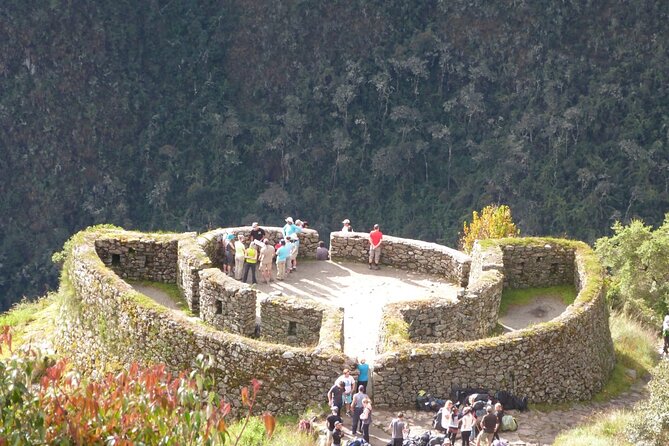
The first major site is Runcurakay at about 3,760 meters. Its circular structures give it a different appearance from the rectangular rooms and terraces you see elsewhere. After a short break, you walk for about 1.5 hours to Sayacmarka.
Sayacmarka sits on a rocky cliff at roughly 3,600 meters. Its houses, small plazas, fountains, and narrow passages create a compact, maze-like setting. This is the sort of place where a guide adds real value. Without explanation, you see stone walls on a steep slope. With careful interpretation, you begin to understand how the site used its position and water supply.
Lunch comes at Chaquicocha, where you can rest before continuing. The meal tent and cooking team are important on this day because the trail keeps asking for effort after each stop.
After about 2.5 more hours, you reach Puyuptamarca, known as the City Above the Clouds. The site includes five small stone baths and sits at approximately 3,600 meters. From there, the route drops for about three hours to Wiñayhuayna, where you spend the night.
This day gives you the best mix of ruins and changing vegetation, but do not treat the archaeological stops as easy breaks. You still have to walk between them, and the final descent can feel long. The support team helps by setting up camp and preparing food while you focus on walking, washing up, and resting.
The food receives some of the strongest praise connected with this experience. The cook, Carlos, is singled out for meals that feel better than expected on a camping route. Another group celebrated a first wedding anniversary during the trek and received a surprise cake, a thoughtful touch that shows the team can add personal moments when arrangements allow.
More hikes and treks in Cusco:
- Salkantay Classic Trek 5 Days from Cusco
★ 5.0 · 4,062 reviews - 4-Day Salkantay Trek with Sky Camp Stay
★ 5.0 · 3,346 reviews - Salkantay Trek 5D/4N with Glass Cabins, Domes and Hobbit House
★ 5.0 · 2,488 reviews - 2-Day Inca Trail to Machu Picchu with Panoramic Train
★ 5.0 · 1,876 reviews
Day 4: Entering Machu Picchu through the Sun Gate
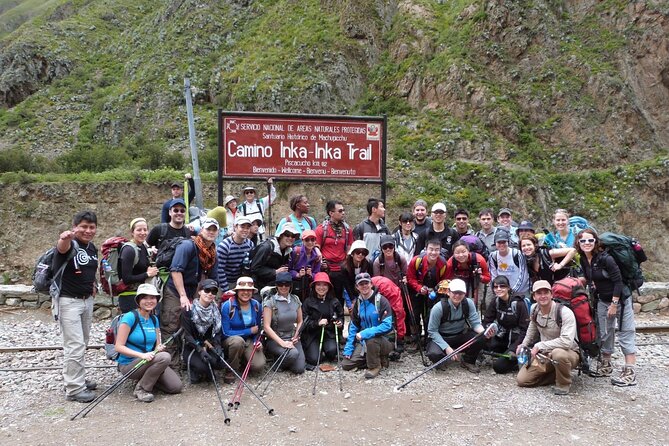
The final morning begins at 3:30 am. You eat breakfast, descend to the control point, and wait for the gates to open. The wait lasts a little over an hour, so bring a warm layer and keep your expectations realistic. The early start is not glamorous, but it helps you reach the Sun Gate on foot.
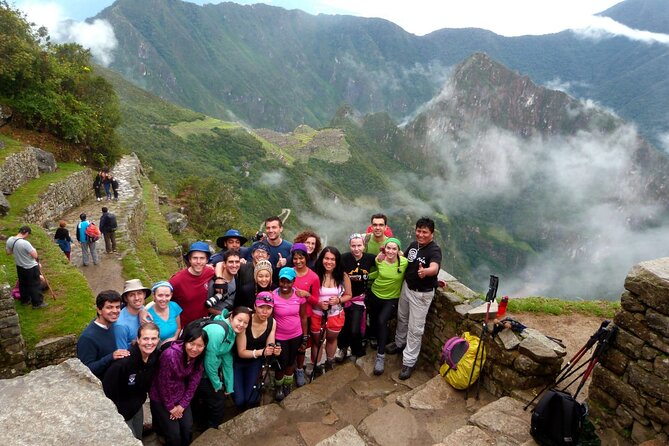
Once through the control point, you hike for about 1.5 hours to Inti Punku, the Sun Gate. This ceremonial entrance gives you your first view of Machu Picchu and Huayna Picchu. The approach feels different from arriving by bus because the citadel appears gradually, after four days of walking through the mountains.
From the Sun Gate, you descend for about 40 minutes to the main citadel. A guided visit takes about three hours and covers the stone buildings, terraces, plazas, alleys, and astronomical features. You also receive free time to explore on your own afterward.
That arrangement works well. The guide gives you a framework, then you can pause at the places that interest you most. Keep in mind that the tour information lists the Machu Picchu admission as included, but the Day 4 section marks admission as free rather than describing a separate ticket purchase. The broader package does state that Machu Picchu and Inca Trail entrance tickets are included.
After the visit, you take a bus down to Aguas Calientes. Lunch there is not included, so plan for your own meal. The train goes from Aguas Calientes to Ollantaytambo, followed by transport back to Cusco.
The return journey makes Day 4 a full day rather than a simple finish at Machu Picchu. You will have walked before breakfast, toured the citadel, transferred by bus and train, and then continued by road. Keep your final evening flexible.
Guides, cooks, and porters make the difference
The strongest part of the operation is the support team. The guide names most often praised are Brayan Paredes and Amadeus. Brayan is especially valued for his humor, kindness, route knowledge, timing, and ability to match the group’s pace.
That matters more than a polished speech at the ruins. On a high-altitude trek, you need someone who notices when the group should stop, explains what you are seeing, and keeps morale steady without pushing too hard.
The porters carry the shared camping equipment, food, and kitchen items. Several individual porters are named in one account: Toribio, Augusto, Modesto, Saturnino, and Nicanor. Their work begins before you reach camp, since tents and dining facilities are ready when you arrive and packed away again in the morning.
You should still pack responsibly. Porters are there to support the trip, not to remove every burden from your shoulders. Carry water, rain protection, warm clothing, personal medication, and anything you need during the day.
The cooks prepare three lunches, three dinners, and three breakfasts. The repeated praise for nutritious, fresh, hot food is particularly useful because meals can affect how well you manage the second and third days.
Who should book this Inca Trail trek?
This route suits you if you want the full four-day walking approach to Machu Picchu, enjoy archaeological sites, and are comfortable with long days at altitude. You should have a moderate fitness level and be ready for roughly eight hours of movement on the first and third days.
It is a good fit for someone who wants help with the heavy camp work. The included porters, cook, tents, meals, tickets, and transport remove much of the planning burden.
I would be more cautious if you dislike early mornings, camping, steep stone steps, or uncertain weather. The schedule is fixed, the first and final days begin very early, and water is your responsibility. You also need to be comfortable with basic mountain-camp conditions, even though foam mattresses and dedicated dining facilities are provided.
The tour is listed as private, with only your group participating. That gives you more room to discuss pace and interests with the guide than a large shared departure would. The information also says service animals are allowed and the route is near public transportation, but the trek itself is not presented as accessible for people with limited mobility.
Cancellation is flexible only up to three full days before the start time. After that, the payment is not refunded, and late changes are not accepted.
My verdict: a strong choice for prepared hikers
I would recommend this trek if you want an organized, active route to Machu Picchu and can handle the altitude and early starts. The best value comes from the complete support system: permits, meals, porters, tents, professional guiding, and the return train are all bundled into the $800 price.
Before booking, confirm the exact pickup time, since the details list both a 4:30 am meeting time and a 5:30 am hotel pickup. Ask about water arrangements, reserve a sleeping bag if needed, and decide if trekking poles will help you on the steep descents.
Book it for the walking, the ruins, and the arrival through the Sun Gate. Skip it if you want a relaxed Machu Picchu visit with little physical effort. For a prepared hiker, the combination of strong staff, good food, and a classic four-day route makes this a convincing option.
FAQ
How long is the Inca Trail tour?
The experience lasts approximately four days. The itinerary includes three nights of camping and the final visit to Machu Picchu, followed by transport back toward Cusco.
What time does pickup begin?
The meeting information lists a 4:30 am start at Plaza de Armas in Cusco, with a blue flag identifying the transfer. The first-day description says hotel pickup is at 5:30 am, so confirm the exact time before departure.
Is breakfast on the first day included?
No. Breakfast on the first day is not included. You have time to eat in Ollantaytambo, where you can also buy snacks.
Are meals included during the trek?
Yes. The package includes three breakfasts, three lunches, and three dinners. It also includes a professional cook, cooking equipment, a dining tent, and a kitchen tent.
Is drinking water provided?
No. Water for the trek is not included. You need to carry enough water, though water can be bought along the trekking route.
Are sleeping bags and trekking poles included?
No. Sleeping bags and trekking poles are available to rent for $20 per person each.
Is the Machu Picchu entrance ticket included?
Yes. The included services state that entrance tickets to Machu Picchu and the Inca Trail are included.
What happens after visiting Machu Picchu?
You take a bus down to Aguas Calientes, arrange your own lunch there, then take the train to Ollantaytambo. Transport from Ollantaytambo to Cusco is included.
Just added in Cusco
- Cusco Private Transportation for 2026★ 5.0 · 4 reviews
- Private Transfer from Airport to Hotel in the City of Cusco★ 4.0 · 5 reviews
- Best Cusco walking tour: dinner street food tasting★ 4.5 · 11 reviews
- Private Tour to Pisac Market and Pisac Ruins★ 5.0 · 4 reviews
- Machu Picchu Day Trip With Panoramic Train from Cusco★ 5.0 · 10 reviews
- Sacred Valley Private Tour from Cusco, Guide and Driver only★ 5.0 · 4 reviews
- Sacred Valley of the Incas Tour★ 5.0 · 12 reviews
- Private Tour of the Mountain of Colours by Quad★ 5.0 · 7 reviews
Machu Picchu Tours, compared.
Classic Inca Trail Trek 4D/3N to Machu Picchu (Group Service)
Read our review →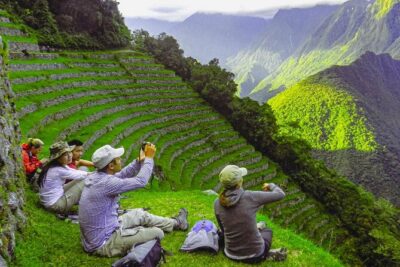
2-Day Inca Trail to Machu Picchu with Panoramic Train
Read our review →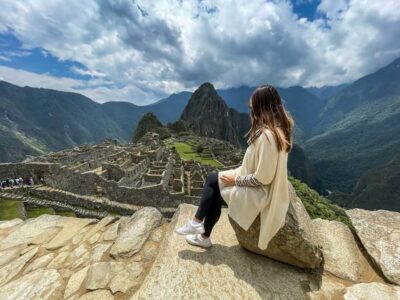
From Cusco: Full-Day Group Tour of Machu Picchu
Read our review →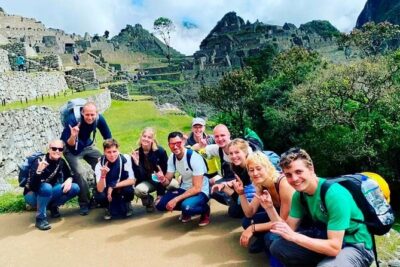
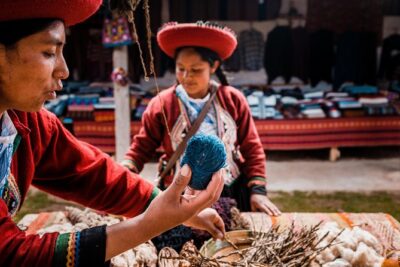
2-Day Tour: Sacred Valley and Machu Picchu by Train
Read our review →
Machu Picchu: Full-Day Tour from Cusco with Optional Lunch
Read our review →
Machu Picchu Full Day from Cusco by Panoramic Train
Read our review →Browse the lists this tour appears in