
Reviewed · MACHU PICCHU TOURS
8-Day Peru Empire of the Senses Lima Cusco and Machu Picchu
Peru serves up a lot in eight days. This small-group journey links Lima’s colonial center, Cusco, the Sacred Valley, and Machu Picchu with bilingual guides, planned transfers, hotels, breakfasts, and two lunches. I like the strong cultural range, from Santo Domingo and the Larco Museum to Inca temples and market stalls. I also like the careful organization, which matters when trains, buses, flights, and high-altitude visits all need to line up.
The main catch is the pace. Day 2 and Day 7 are called free days, but the most tempting outings cost extra, and several included days begin early or run long. You should also budget separately for domestic flights between Lima and Cusco, drinks, and optional excursions.
In This Review
- Key things to know before booking
- Lima begins with churches, saints, and ancient Peru
- Day 2 gives you choice, but not included sightseeing
- Cusco mixes market life with Inca stonework
- Sacsayhuaman and the four nearby sites
- The Sacred Valley moves from weaving to terraces
- Machu Picchu is a full day, not a quick photo stop
- Free time on Day 7 is useful, but optional plans cost extra
- What the $969 price really covers
- Who should book this Peru itinerary?
- Should you book the Empire of the Senses tour?
- FAQ
- Where does the tour begin?
- Are domestic flights between Lima and Cusco included?
- Is Machu Picchu admission included?
- Which Machu Picchu circuit will I receive?
- Are the activities on the free days included?
- What is included in the $969 price?
Key things to know before booking
- Lima opens with two excellent contrasts: colonial churches and the Larco Museum’s collection of gold, textiles, and erotic ceramics.
- Machu Picchu is a full-day outing: you take the train from Ollantaytambo, ride the bus up to the site, visit with a guide, eat lunch, and return to Cusco.
- The tour is capped at nine people: that is a useful size for moving through busy archaeological sites without joining a large coach group.
- The second and seventh days are not fully included: you choose optional activities and reserve them separately.
- Circuit 2 at Machu Picchu is the first choice: if unavailable, you will be offered Circuit 3B or Circuit 1B before tickets are issued.
- The price is only part of the budget: the $969 tour rate includes lodging and much of the ground arrangement, but not Lima to Cusco flights or optional day trips.
Lima begins with churches, saints, and ancient Peru
Your arrival starts at Jorge Chávez International Airport in Lima, where assistance is provided for the transfer to your hotel. The first sightseeing begins at 2 p.m., a sensible time after an international arrival, though you will want to allow for traffic and airport formalities before settling in.
The afternoon tour enters Lima’s UNESCO-listed Historic Center through the Convent of Santo Domingo. This is not just another church stop. The complex was built during Lima’s foundation, and the site later became home to the Universidad Mayor de San Marcos, described here as the oldest university in the Americas.
Inside, you can see old choir stalls and a library holding 25,000 books, including some printed in the 15th century. The remains of San Martín de Porres, San Juan Masías, and Santa Rosa de Lima are also kept there. Those names matter because they connect the architecture to Lima’s religious life, not just its Spanish colonial design.
You then cross the Plaza Mayor, with the Government Palace and Municipality facing the square, before entering Lima Cathedral. The visit lasts about two hours and includes admission. I like this opening because it gives you a firm sense of Lima as a colonial capital before the tour shifts to much older cultures.
The Larco Museum supplies that shift. Its collection covers the civilizations that existed in Peru before the Inca period, with gold pieces, textiles, and ceramics that explain how ancient Peruvians viewed the world. The erotic ceramics are especially distinctive, and the open warehouse adds another useful layer: instead of seeing only a few polished objects in display cases, you can view a much larger range of pottery.
You get about two hours at the museum, also with admission included. This is a strong first day, but it is not a light one. After arrival, a hotel transfer, the Historic Center, and the museum, you may be ready for a quiet evening.
More Machu Picchu trips:
- 10-Day Discover Peru: Lima, Arequipa, Puno, Cusco & Machu Picchu
★ 5.0 · 299 reviews - 7-Day New Dawn in Machu Picchu: Lima, Cusco & Sacred Valley
★ 5.0 · 220 reviews - 7-Day Lima and Cusco Tour with Sunrise at Machu Picchu
★ 4.5 · 218 reviews
Day 2 gives you choice, but not included sightseeing
The second day is officially free, though the suggested outings are substantial. None is included in the tour price, so check the extra cost before deciding how to use the day.
Caral is the most archaeological choice. The visit reaches a 5,000-year-old ancient city and includes time to explore its structures and eat a local lunch. If you want a major site without staying in Lima, this is the clearest fit.
Paracas, Huacachina, and Pisco makes for a more varied day. The plan includes the Ballestas Islands, dune buggies in Huacachina, a pisco tasting, and lunch. It is a long seven-hour outing, so the reward is variety rather than a slow day by the hotel pool.
The Islands of Lima and Callao option focuses on coastal nature and military history. It includes marine life and historical sites around San Lorenzo Island, along with the Real Felipe fortress. This may suit you if you want a different look at the capital and its port.
The Paracas and Nasca Lines option combines the Ballestas Islands with a flight over the Nasca Lines on selected days, followed by a marine lunch. The limited schedule matters, so do not assume this choice operates every day.
I would treat Day 2 as a budget and energy decision. The optional tours add cost and can make the overall trip feel much more demanding. If Lima interests you, keeping this day open may give you breathing room after the first day.
Cusco mixes market life with Inca stonework
Day 3 moves you to Cusco. The sightseeing takes place in the afternoon and lasts about four hours, beginning at San Cristóbal Square. From this high viewpoint, you get a broad view over Cusco before walking into the city itself.
San Pedro Market brings a more immediate sense of daily life. The market supplies the city and offers a look at local produce and regional products. It is the kind of stop that helps you connect the famous monuments with the people who live around them.
Qorikancha follows, and its former walls were covered in gold. What you see now reflects later changes, but the site remains one of the clearest places to consider how Inca religion and Spanish colonial rule overlap in Cusco.
The route then reaches San Blas, the artisans’ neighborhood, and continues down Hatun Rumiyoc. Along the way, you see the former palace of Inca Roca, now the Archbishop’s Palace, and the famous Twelve Angled Stone. This is a practical place to pause and look closely. The stonework is not impressive because of size, but because of how tightly the stones fit together.
The afternoon finishes in the Plaza de Armas and Cusco Cathedral, which contains important colonial works. The guide-led format is useful here. The city can look like a collection of attractive walls until someone explains what changed, what survived, and why the stonework matters.
One point deserves attention: Cusco sits at high altitude, and the supplied information notes that some people can be affected by it. The schedule gives you an afternoon city walk rather than a packed full-day program, but you should still pace yourself. Rubén, who led one Machu Picchu visit, was praised for watching the group closely when altitude caused problems. That kind of care can make a real difference.
Sacsayhuaman and the four nearby sites
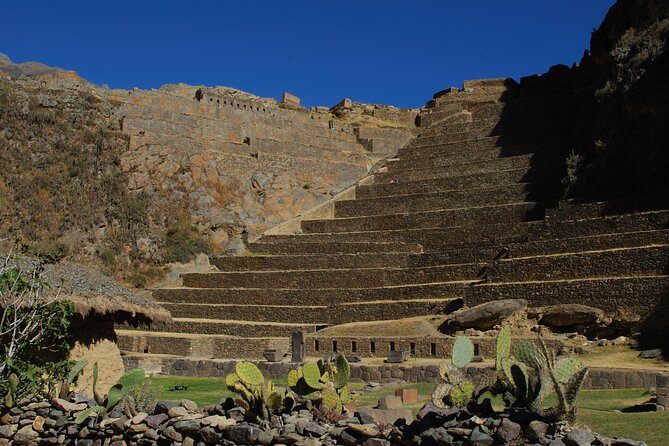
Day 4 starts with Sacsayhuaman, one of the great stone sites above Cusco. The tour describes colossal construction set among beautiful surroundings, and the short three-hour route also includes Q’enqo, Puca Pucará, and Tambomachay.
At Q’enqo, you visit an Inca ceremonial site with an altar for sacrifices inside its rocky formation. Puca Pucará functions as a lookout, while Tambomachay is known for its fine architecture and place in Andean religious thought.
The advantage is efficiency. You cover four important sites in one morning and keep the afternoon free. The drawback is that a three-hour visit across several places leaves limited time at each one. If Sacsayhuaman is your priority, stay close to the guide and use the free afternoon for a return visit only if your schedule and transport allow it.
More Lima city tours:
- Premium Paracas & Huacachina Day Trip from Lima with Sunset Toast
★ 5.0 · 7,380 reviews - Full Day Tour From Lima: Paracas and Huacachina Oasis
★ 5.0 · 3,694 reviews - Lima Ultimate Peruvian Food Tour
★ 5.0 · 1,845 reviews - Lima Half-Day City Walking Tour (Small Groups)
★ 5.0 · 1,508 reviews
The Sacred Valley moves from weaving to terraces
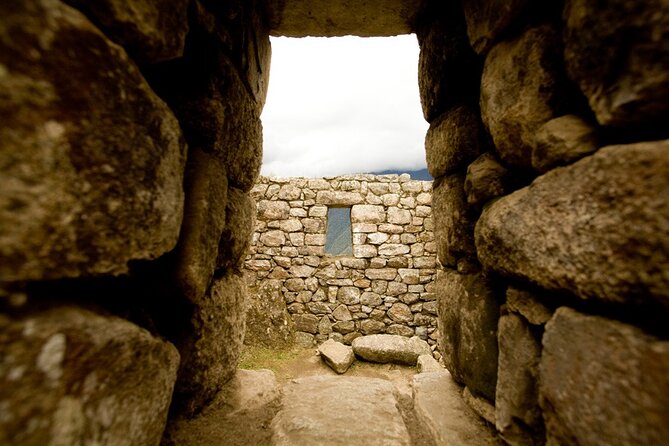
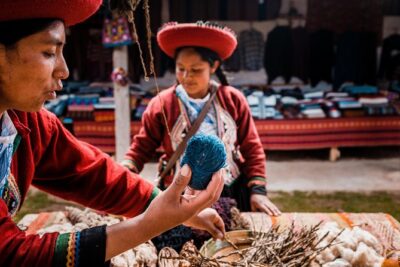
Day 5 is the most varied archaeological day before Machu Picchu. You begin in Chinchero, a colorful Sacred Valley village known for its weaving women. At a textile center, you can see older methods for dyeing and spinning alpaca wool before visiting the Inca plaza and colonial church.
This stop gives the day a human scale. You are not only looking at stones. You are seeing how local craft traditions are presented and how an Inca site and a colonial building share the same village setting.
Moray comes next. Its concentric agricultural terraces form a large circular pattern, and the site is explained as a laboratory for creating different microclimates. Even if you are not interested in farming, the shape makes the purpose easier to picture. The visit lasts about an hour and includes admission.
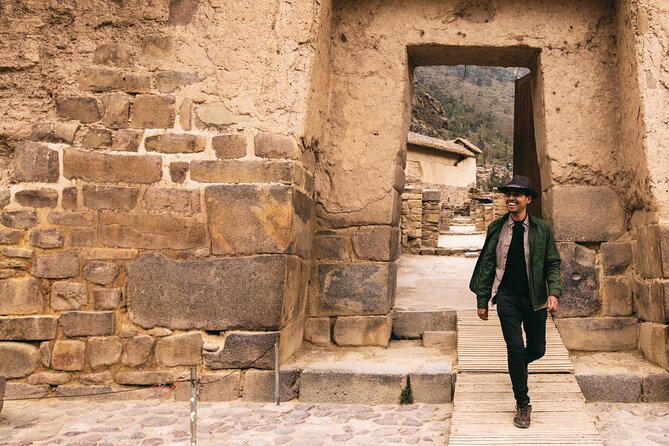
Ollantaytambo closes the day with two hours at what is described as the last living village of the Incas. You visit the Temple of the Ten Windows, the Bath of the Princess, and the Sun Temple, with time for photographs from the higher parts of the village.
This is also a key logistical day because your Machu Picchu train departs from Ollantaytambo the next day. That makes the overnight arrangement important. The provided details do not state the hotel names or exact hotel locations, so confirm where you sleep and how the morning transfer works before departure.
Machu Picchu is a full day, not a quick photo stop
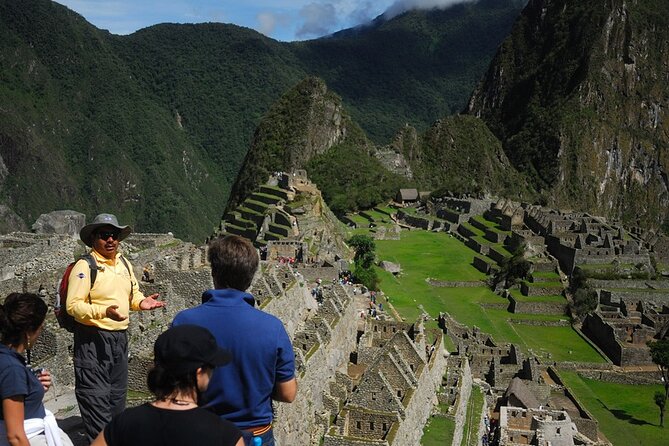
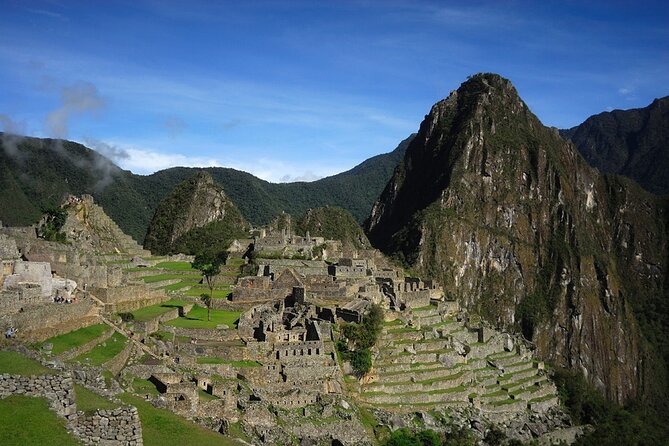
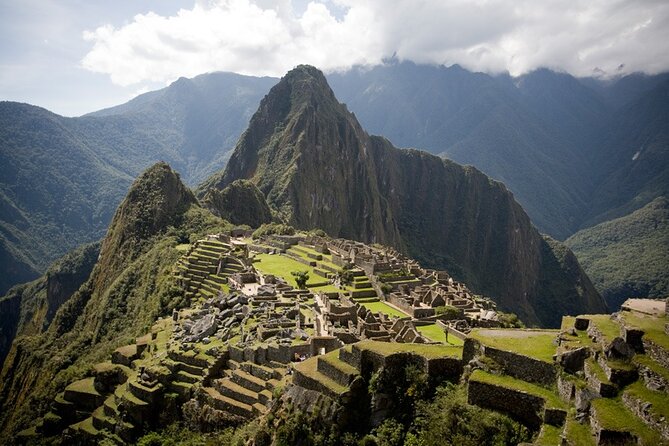
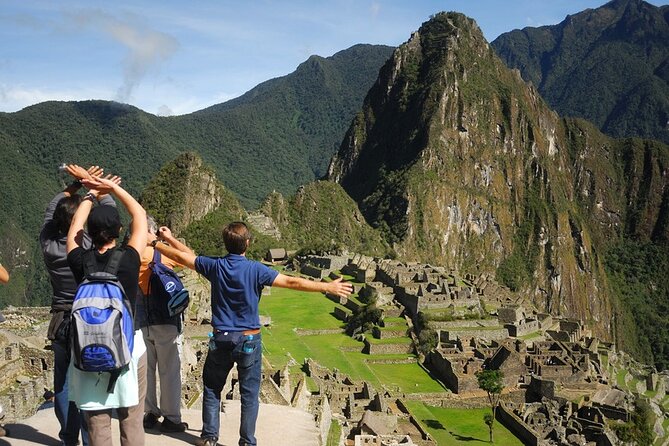
Day 6 is the centerpiece. You board your selected train at Ollantaytambo and arrive at Machu Picchu station, where staff assist you with the bus connection up the winding road. The route offers views of the Urubamba River and its canyon before you reach the archaeological site.
Inside Machu Picchu, the visit includes terraces, stairways, ceremonial areas, and urban sections. A guide in both Spanish and English explains the site, which is especially valuable because the ruins do not explain themselves. The stonework and setting are memorable, but context helps you understand how the different areas fit together.
The day lasts about eight hours and includes lunch. After the visit, you return by train and transfer to your Cusco hotel. That is a lot of movement in one day, but it is also why having the transport arranged is valuable. You are not left to figure out the bus, train, and hotel transfer after a long visit.
Pay close attention to the circuit rules. Machu Picchu now uses three main visitor routes to spread people across the site. Circuit 2 is given priority, but if it is unavailable, you will be told about Circuit 3B or Circuit 1B before the ticket is issued so you can confirm your choice.
The admission ticket is not refundable, and its date cannot be changed. If you need a different visit date, you must buy a new ticket. This is the most important booking detail in the entire trip. Check your flight plans and passport information carefully before the ticket is issued.
Free time on Day 7 is useful, but optional plans cost extra
After Machu Picchu, Day 7 is open. You can use it for more time in Cusco or arrange another activity. Suggested choices include Vinicunca, also called Rainbow Mountain, and kayaking on Huaypo Lake.
The free day helps balance the packed middle of the trip. You may want a slower morning, time in San Blas, or another look at the market and Plaza de Armas. If you choose Rainbow Mountain or kayaking, reserve ahead and add the cost to your budget.
This day also reveals the tour’s limits. The package gives you a framework, not a fully inclusive Peru holiday. The optional days are useful choices, but you need to make those decisions before the trip rather than assuming they are part of the $969 rate.
What the $969 price really covers
At $969 per person, the package offers solid value for a tightly organized eight-day route. It includes accommodations, daily breakfast, two lunches, bilingual Spanish and English guiding, shared transfer to the train station, and the round-trip railway ticket to Machu Picchu according to the selected hotel category.
The train and Machu Picchu arrangements are the biggest value points. Buying and coordinating those pieces independently can be stressful, especially when the site uses assigned circuits and tickets cannot be changed.
The price does not include domestic flights between Lima and Cusco. It also excludes drinks and all excursions suggested for the free days. Since airfare varies by airline and availability, compare the full trip cost rather than treating $969 as the final amount.
The small group limit of nine is another advantage. You still receive shared transfers, but the sightseeing group should be easier to manage than a large coach party. Clear updates before pickups were also a strong feature of the service. Guides named in the feedback include Richard, Nora, Laura, Luiz, Clara, Fatima, and Rubén, with punctuality, kindness, and clear explanations repeatedly praised.
Who should book this Peru itinerary?
I would recommend it if you want the major highlights with less planning work. It fits a first visit that needs Lima, Cusco, the Sacred Valley, and Machu Picchu in one compact package.
It also suits you if you value reliable handoffs. The positive service details focus on punctual pickups, clear information before tours, attentive guides, and help at transport points. That support is useful in Peru, where the route changes from city streets to mountain rail travel in only a few days.
I would be more cautious if you want a slow holiday. The included sightseeing is well packed, the optional Lima and Cusco activities can add long days, and Machu Picchu itself requires a full day of trains, buses, walking, and transfers.
The best approach is to reserve this tour for structure, then protect your free time. Do not automatically fill Day 2 and Day 7. Add only the optional outing that genuinely interests you, and keep enough energy for Cusco and Machu Picchu.
Should you book the Empire of the Senses tour?
Book it if you want a guided, small-group introduction to Peru’s essential sights and are comfortable paying separately for domestic flights and optional excursions. The combination of the Larco Museum, Cusco’s living streets, Sacred Valley sites, and a planned Machu Picchu visit gives you strong cultural range for eight days.
Skip it if you want a relaxed schedule, a fully inclusive price, or complete control over hotel and transport choices. For everyone else, the value is strongest in the organization, bilingual support, and train and site arrangements. Just confirm the hotel category, calculate the flight cost, and check your Machu Picchu circuit before finalizing the booking.
FAQ
Where does the tour begin?
The tour begins with pickup and assistance at Jorge Chávez International Airport in Lima, Peru.
Are domestic flights between Lima and Cusco included?
No. You must arrange and pay for the Lima to Cusco and Cusco to Lima flights separately.
Is Machu Picchu admission included?
Yes. Machu Picchu admission is included, along with the round-trip railway ticket, bus assistance, guided visit, lunch, and transfer back to your Cusco hotel.
Which Machu Picchu circuit will I receive?
Circuit 2 is given priority. If it is unavailable, you will be informed about Circuit 3B or Circuit 1B so you can confirm your choice before the ticket is issued.
Are the activities on the free days included?
No. The suggested Day 2 and Day 7 activities must be reserved separately and are not included in the tour price.
What is included in the $969 price?
The price includes accommodations, daily breakfast, two lunches, bilingual Spanish and English guide service, a shared transfer to the train station, and the Machu Picchu railway ticket according to the selected hotel category.
Just added in Lima
- Tour to the magical water circuit with dinner and dance show★ 5.0 · 4 reviews
- Tour to the sanctuary of Pachacamac★ 4.8 · 8 reviews
- Tour Huaca Pucllana: Pyramids and Pre-Columbian Antiquity★ 4.3 · 12 reviews
- Tour of Lima with a visit to the catacombs of San Francisco.★ 4.2 · 24 reviews
- Lima: Palomino Islands Speedboat Tour & Swim with Sea Lions★ 4.8 · 33 reviews
- Surfing experience in Lima★ 5.0 · 6 reviews
- Sandbording in Lima★ 5.0 · 12 reviews
- Pro Sanboarding or skiing in Huacachina from Lima – Day trip★ 4.6 · 8 reviews
Machu Picchu Tours, compared.
Classic Inca Trail Trek 4D/3N to Machu Picchu (Group Service)
Read our review →
2-Day Inca Trail to Machu Picchu with Panoramic Train
Read our review →
From Cusco: Full-Day Group Tour of Machu Picchu
Read our review →
2-Day Tour: Sacred Valley and Machu Picchu by Train
Read our review →
Machu Picchu: Full-Day Tour from Cusco with Optional Lunch
Read our review →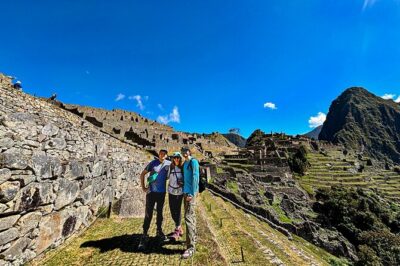
Machu Picchu Full Day from Cusco by Panoramic Train
Read our review →Browse the lists this tour appears in