
Reviewed · MACHU PICCHU TOURS
10-Day Discover Peru: Lima, Arequipa, Puno, Cusco & Machu Picchu
Machu Picchu is only part of the story. This 10-day Peru route links Lima, Arequipa, the Colca Valley, Lake Titicaca, Cusco, and the Sacred Valley in one well-packed trip. I like the mix of major sights and smaller stops, especially the Santa Catalina Monastery in Arequipa and the community visit to Taquile Island. I also like the small maximum group of 15, which can make transfers and guiding less hectic.
The main concern is the pace. You cover long distances, reach altitudes near 4,900 meters, and spend several days moving between hotels. The tour price of $1,577 per person includes nine hotel nights, breakfasts, six lunches, guides, admissions, and Machu Picchu transport, but domestic and international flights cost extra.
In This Review
- Five things to know before you book
- What this 10-day Peru route does well
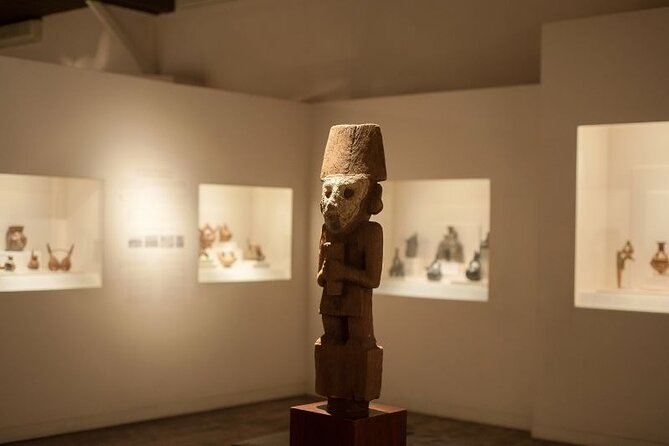
- Lima begins with convents, plazas, and the Larco Museum
- Arequipa offers Peru’s most graceful colonial stop
- Colca Valley brings altitude, vicuñas, and condors
- Lake Titicaca combines scenery with living traditions
- Pucará and Andahuaylillas make the road to Cusco worthwhile
- Cusco pairs Inca stonework with everyday markets
- Chinchero, Moray, and Ollantaytambo fill the Sacred Valley
- Machu Picchu is the grand finale, with one important condition
- Is $1,577 good value?
- Who should choose this Peru tour?
- Should you book it?
- FAQ
- How long is the tour?
- Where does the tour begin?
- Are international and domestic flights included?
- What meals are included?
- What type of train is used for Machu Picchu?
- Which Machu Picchu circuit will I visit?
- Can I change my Machu Picchu ticket date?
- How large is the tour group?
Five things to know before you book
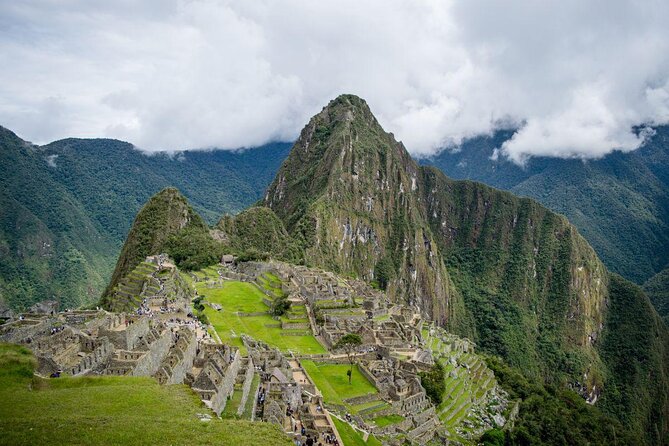
- Machu Picchu uses assigned visitor circuits: Route 2 gets priority, but Circuit 3B or Circuit 1B may be offered if Route 2 is unavailable.
- The Colca route reaches 4,900 meters: Patapampa is the highest point, so altitude is a real part of this trip.
- The journey to Cusco is part sightseeing tour, part transfer: You stop at Pucará, La Raya, Racchi, and Andahuaylillas rather than simply taking a direct ride.
- Lake Titicaca includes Uros and Taquile: The day combines a floating-island visit, a Quechua island community, lunch, music, and a lakeside walk.
- The group is capped at 15 people: Some departures may feel even more personal. One couple reported having a tour of just two people during the Cusco and Machu Picchu portion.
- Guiding is bilingual: English and Spanish are used, but the quality of spoken English can vary between guides.
What this 10-day Peru route does well
This is a broad introduction to Peru, not a slow single-region holiday. In ten days, you see the Pacific coast, volcano country, highland wildlife, Lake Titicaca, Inca sites, colonial churches, and Machu Picchu.
That range is the tour’s greatest strength. You do not spend the whole trip in Cusco waiting for the final day. Instead, each region gives you a different piece of Peru. Lima supplies museums and colonial architecture. Arequipa brings white volcanic stone and elegant courtyards. Puno and Lake Titicaca add living Andean traditions. Cusco and the Sacred Valley provide the major Inca sites.
The route is also practical for someone who wants one organized booking. Private airport-to-hotel transfers are included, as are tour admissions, hotel stays, breakfasts, and six lunches. Shared sightseeing services keep the cost lower than a fully private trip.
The tradeoff is that this is an active schedule. You have a six-and-a-half-hour bus ride from the Colca Valley to Puno, a full day on Lake Titicaca, a long transfer day from Puno to Cusco, and a very early start for the condors. You should see this as a sightseeing circuit, not a restful retreat.
More Machu Picchu trips:
- 7-Day New Dawn in Machu Picchu: Lima, Cusco & Sacred Valley
★ 5.0 · 220 reviews - 7-Day Lima and Cusco Tour with Sunrise at Machu Picchu
★ 4.5 · 218 reviews - 6-Day Peru, Connect your Energies: Lima, Cusco & Machu Picchu
★ 5.0 · 138 reviews
Lima begins with convents, plazas, and the Larco Museum
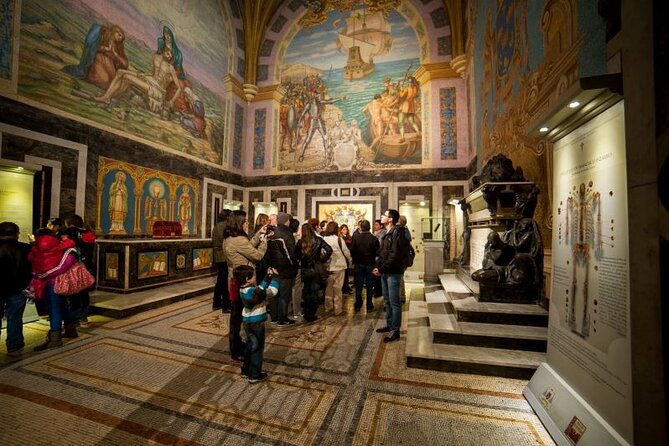
Your first full sightseeing day focuses on Lima’s Historical Center, a UNESCO World Heritage Site. The visit starts at the Convent of Santo Domingo, where the details are more interesting than a simple exterior photo stop.
Inside, you see the historic Universidad Mayor de San Marcos, the oldest choir stalls in the country, and a library containing rare fifteenth-century books. The convent also holds the remains of important saints. This gives the morning a strong sense of place, especially if you enjoy religious art and colonial institutions.
Plaza Mayor follows, with views of the Government Palace, Municipality, and Cathedral. The buildings frame the center of Lima, but the interiors matter here. Colonial art is a major part of the visit, so you get more than a quick square-and-photo experience.
The Larco Museum closes the day. Its collection covers ancient Peruvian cultures through gold objects, textiles, ceramics, and the well-known erotic pottery collection. A particularly useful feature is access to the museum’s storage area, where thousands of objects are arranged for close viewing. I like this because it gives you a clearer sense of the scale of Peru’s archaeological record than a small display case ever could.
Your arrival point is Jorge Chávez International Airport, and the stated start time is 12:00 a.m. Since flights are not included, check the exact pickup arrangement before you travel. The supplied schedule moves to Arequipa on Day 2, but it does not specify the domestic flight details. That connection needs to be confirmed with VIPAC Travel.
Arequipa offers Peru’s most graceful colonial stop
The Arequipa portion begins in San Lázaro, the colonial neighborhood linked with the city’s founding. Its narrow streets provide a gentler introduction than a long museum visit, and the tour then climbs to Carmen Alto for views of the agricultural terraces and the volcanoes Misti, Chachani, and Picchu-Picchu.
At Yanahuara, you see an Andalusian-style church and an arched viewpoint. Arequipa is famous for its pale volcanic construction, and these districts show how local stone, Spanish design, and mountain scenery work together.
The highlight for many people will be Santa Catalina Monastery. Its narrow lanes, painted walls, gardens, and enclosed courtyards feel almost like a small city inside the city. The comparison to Sevilla or Granada is useful, but the setting is distinctly Arequipeñan. Allow yourself time to notice how the monastery is organized, rather than treating it as a fast church stop.
The day ends at Plaza de Armas, the Cathedral, and the Iglesia de la Compañía de Jesús. The church is noted for its cloisters and the Dome of San Ignacio. If you enjoy architecture, this afternoon is one of the strongest sections of the route.
Colca Valley brings altitude, vicuñas, and condors
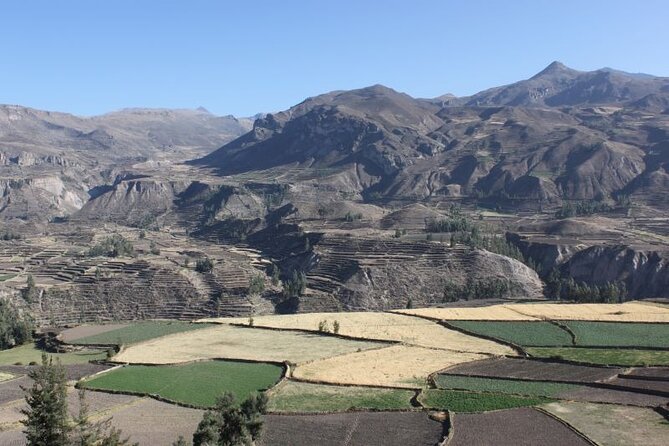
The road into the Colca Valley is one of the most dramatic transfers on the trip. You follow the Route of the Volcanoes beside Chachani, with views toward Misti and Picchu. The journey passes through Pampa Cañahuas, a protected high Andean area where vicuñas live.
The high point is Patapampa at 4,900 meters above sea level. From there, you can see the active volcano Sabancaya. This is not a minor detail. Even fit people can feel the altitude, and the schedule gives you little time to adjust before reaching the pass. Keep this day gentle, drink water, and avoid treating the high viewpoint as a place for strenuous activity.
After descending into the valley, you have lunch at the hotel and free time. The option to rest or use thermal waters is welcome after the long road journey. It also gives this part of the tour a better rhythm than a continuous chain of stops.
The following morning starts at dawn for Cruz del Cóndor. The early hour is necessary for the viewing point and also makes this one of the more demanding mornings. The great Andean condors are the main attraction, but the Colca Canyon itself is just as important. The viewpoint shows the scale of one of the world’s deepest canyons.
You then visit Maca and Yanque, two towns with colonial churches, before lunch and the approximately six-and-a-half-hour bus ride to Puno. This is a long travel day. I would choose this tour only if you are comfortable giving up some comfort in exchange for seeing more of the country.
More Lima city tours:
- Premium Paracas & Huacachina Day Trip from Lima with Sunset Toast
★ 5.0 · 7,380 reviews - Full Day Tour From Lima: Paracas and Huacachina Oasis
★ 5.0 · 3,694 reviews - Lima Ultimate Peruvian Food Tour
★ 5.0 · 1,845 reviews - Lima Half-Day City Walking Tour (Small Groups)
★ 5.0 · 1,508 reviews
Lake Titicaca combines scenery with living traditions
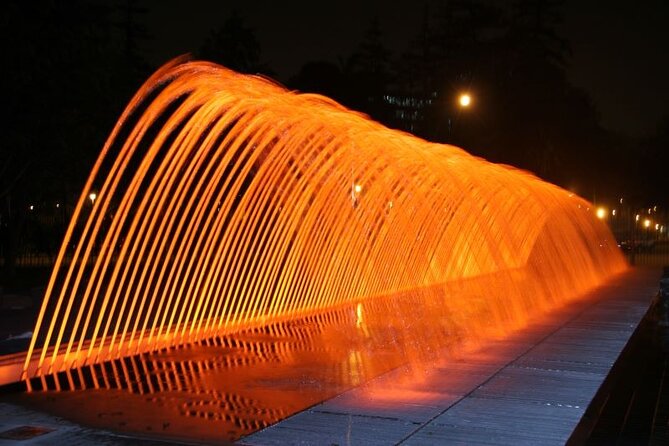
Puno is the base for a full day on Lake Titicaca. A motorboat takes you to the Uros, a community whose residents built floating islands using traditional methods. The visit explains how the islands are constructed and how local people continue to maintain them.
This is a sensitive kind of tourism. The community makes its living partly through visitors, so the stop has a clear commercial side. Go with respect, listen carefully, and remember that you are seeing a living community, not a museum exhibit.
The boat continues to Taquile Island. Taquile is notable for its Quechua identity in a region that is mainly Aymara, along with its traditional clothing and way of life. Music and dances are part of the welcome, followed by lunch at a community restaurant. The meal is described as simple and nutritious, rather than a polished restaurant experience.
You also take a walk around the island for views over Lake Titicaca. The route is worthwhile, but the day combines boat time, high altitude, community visits, and walking. If you need a slower itinerary, this is one of the days to consider carefully.
Pucará and Andahuaylillas make the road to Cusco worthwhile
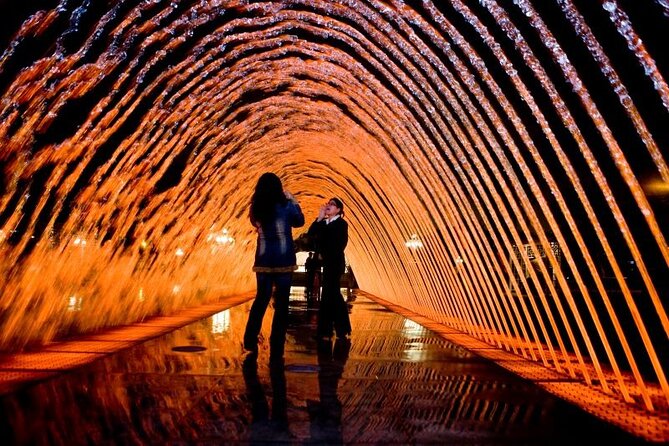
The journey from Puno to Cusco is not a plain transfer. At the Museo de Lítico de Pucará, you see monoliths and animal-shaped sculptures linked with the Pucará culture. The colorful toritos de Pucará are also featured. These small ceramic bulls are associated with protection and fertility, and you will see them used as a symbol of the region.
La Raya, at 4,335 meters, marks the watershed between the Lake Titicaca basin and the Amazonas basin. The stop gives you another high-altitude viewpoint, though it also reinforces the need to pace yourself.
After lunch, Racchi introduces the temple dedicated to Wiracocha. The site gives you a sense of the scale and planning of Inca construction, even though it is only one stop within a long day.
The final major visit is the Church of San Pedro Apóstol in Andahuaylillas, often called the Sistine Chapel of America because of its detailed ceilings and wall paintings. The nickname is grand, but the church’s painted interior is genuinely memorable. This stop is especially valuable because it shows how colonial religious art was adapted to the Andes.
You arrive in Cusco afterward and transfer to your hotel. By this point, the full travel day may leave you tired, so do not plan an ambitious evening.
Cusco pairs Inca stonework with everyday markets
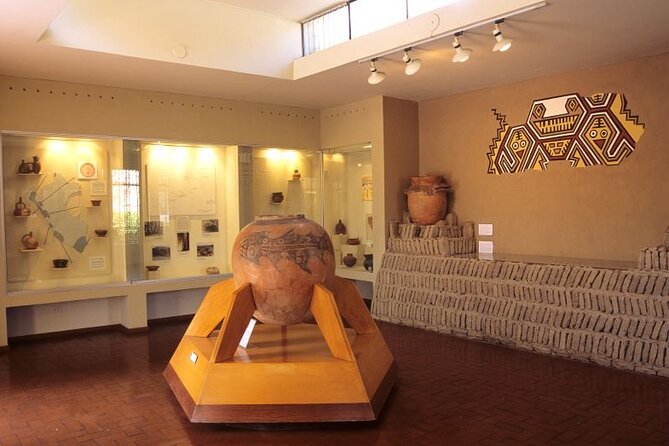
The Cusco sightseeing day begins outside the center at Sacsayhuaman. The huge fitted stones and the site’s relationship with the surrounding hills make it one of the most impressive Inca remains near the city. The schedule aims to avoid the busiest periods, though exact crowd levels depend on the day.
Q’enqo follows, with its unusual rock-cut altar associated with sacrifice. Puca Pucará serves as a lookout, while Tambomachay is linked with water and Andean religious ideas. Together, these four sites show that Cusco was not simply a city surrounded by random ruins. The nearby monuments had different roles within a larger ceremonial and defensive setting.
The afternoon returns to the city. San Cristóbal Square gives you a broad view over Cusco, then San Pedro Market brings you closer to local food and products. This is one of the best chances to see ordinary commerce rather than only official monuments.
Qorikancha, once covered in gold, shows the collision of Inca and colonial power. In San Blas, you visit an artisans’ neighborhood before walking along Hatun Rumiyoc Street. The famous Twelve Angled Stone is a small detail with a large lesson: Inca masonry depended on precise fitting, not mortar.
The day ends at Plaza de Armas and the Cathedral, known for its colonial artwork. The combination of market, street, temple, stonework, and church makes the city tour more useful than a sequence of grand buildings alone.
Chinchero, Moray, and Ollantaytambo fill the Sacred Valley
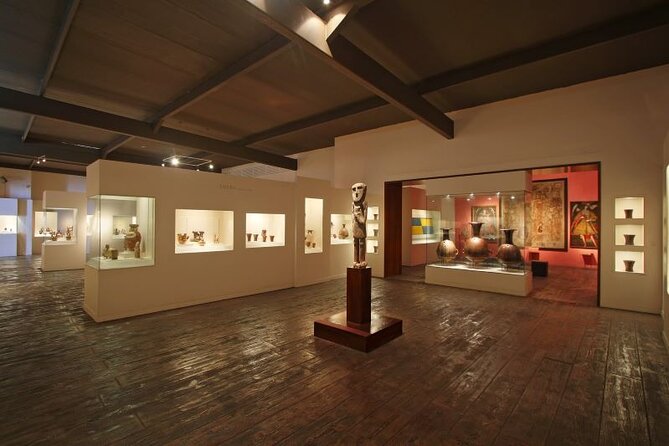
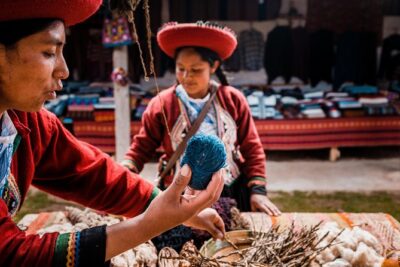
The Sacred Valley day begins in Chinchero, described as one of the most typical and colorful villages in the region. A stop at a textile center introduces traditional dyeing and spinning using alpaca wool. This is a good chance to see how weaving connects local craft with daily life.
The Inca plaza and colonial church show another common Andean pattern: earlier sacred places reused or reshaped under Spanish rule. The tour then goes to Moray, where concentric agricultural terraces form a striking archaeological site. Their design is associated with experiments in microclimates, making Moray more than a scenic stop.
Lunch comes before Ollantaytambo, described as the last living village of the Incas. The visit includes the Temple of the Ten Windows, the Bath of the Princess, and the Sun Temple. The elevated views over the village close the day with some of the best photographs on the route.
You spend the night in the area, which is useful. Staying near Ollantaytambo avoids adding a late return to Cusco before the Machu Picchu morning.
Machu Picchu is the grand finale, with one important condition
You board your selected train at Ollantaytambo and arrive at Machu Picchu station. Staff assist with the bus up the winding road, where you see the Urubamba River cutting through the canyon.
At the site, the visit covers terraces, stairways, ceremonial areas, and urban sections. The tour includes admission and a guide, which matters because the ruins make more sense when you understand how the parts relate to one another.
Machu Picchu now uses specific visitor circuits. Route 2 is the priority, but if it is unavailable, you may be offered Circuit 3B or Circuit 1B before the ticket is issued. Read that choice carefully. The route affects what you see, and the admission ticket is not refundable. Date changes and amendments are not accepted, so make sure your travel dates are firm.
Lunch is included, then you return by train and transfer to your Cusco hotel. The day lasts about 12 hours, so save your energy. The train category is Expedition or Vistadome, depending on availability. You should not assume you will receive one specific class.
Is $1,577 good value?
At $1,577 per person, the package is reasonably priced for the amount included. Nine hotel nights, daily breakfast, six lunches, sightseeing guides, entrance tickets, airport transfers, train tickets, and the Machu Picchu bus connection add up quickly when arranged separately.
The small group limit of 15 improves the value. You get the lower cost of shared touring without being placed in a huge bus group. One especially positive feature is that the group can become much smaller in quieter periods. A couple reported that their Cusco and Machu Picchu touring felt almost private.
The main limits are the excluded flights and drinks. You must budget for international airfare and domestic flights, including the connection needed to fit Lima and Arequipa into the schedule. Hotel categories are available, but the exact class depends on your selection. Food is included only where stated, so you should expect to pay for some meals.
The overall rating is 4.8 from 299 ratings, with 96 percent recommending the experience. The strongest praise centers on the complete route, good hotels and meals, prompt communication, and reliable organization by VIPAC Travel. The most useful criticism concerns uneven English among guides and the occasional mixed English-Spanish format.
Who should choose this Peru tour?
I would recommend it if you want to see the country’s major highlights in one organized trip and you are comfortable with long road transfers. It suits first-time visitors who value a clear route, included admissions, and support with complicated connections.
It is also a good fit if you want more than Machu Picchu. Arequipa, Colca, Lake Titicaca, Andahuaylillas, and the Sacred Valley give the trip variety that a Cusco-only holiday cannot match.
I would hesitate if you prefer slow mornings, independent wandering, or several nights in each city. The altitude is another serious consideration. The tour reaches 4,900 meters at Patapampa and 4,335 meters at La Raya, with more high-altitude time around Puno and Cusco.
Guiding is bilingual in English and Spanish. English ability may vary by guide, so a traveler who needs detailed English commentary at every stop should confirm the current guiding arrangements before paying.
Should you book it?
Book this tour if range and convenience matter more to you than a relaxed pace. For the price, it packs an impressive amount into ten days and handles the hardest pieces, including transfers, train arrangements, admissions, and hotel changes.
Skip it if you want to travel slowly or if high-altitude routes and long bus rides would spoil the experience. Before booking, confirm the domestic flights, hotel class, train category, and Machu Picchu circuit. If those details suit you, VIPAC Travel’s Peru route offers a strong first look at the country, with much more than a single famous ruin.
FAQ
How long is the tour?
The tour lasts approximately 10 days and includes nine nights of accommodation.
Where does the tour begin?
It begins at Jorge Chávez International Airport in Lima, Peru. The listed start time is 12:00 a.m.
Are international and domestic flights included?
No. International and domestic flight tickets are not included in the price.
What meals are included?
Daily breakfast is included, along with six lunches. Drinks are not included.
What type of train is used for Machu Picchu?
The tour uses an Expedition or Vistadome train, depending on availability.
Which Machu Picchu circuit will I visit?
Circuit 2 is the priority. If it is unavailable, Circuit 3B or Circuit 1B may be offered for your confirmation before the ticket is issued.
Can I change my Machu Picchu ticket date?
No. The Machu Picchu admission ticket is not refundable, and date changes or amendments are not accepted.
How large is the tour group?
The maximum group size is 15 people. Tours are guided bilingually in English and Spanish.
More Lake Titicaca Trips
- From Puno: Uros, Amantaní & Taquile Islands 2-Day Tour
★ 4.5 · 452 reviews - Tour to Uros and Taquile Islands in a Fast Boat
★ 5.0 · 419 reviews - From Puno: Floating Islands of the Uros Half-Day Tour
★ 4.4 · 394 reviews - Uros and Taquile Islands on New and Comfortable SpeedBoat
★ 4.5 · 254 reviews
More Colca Canyon Trips
- 2 day 1 night trek / Colca Canyon
★ 5.0 · 1,069 reviews - From Arequipa: Colca Canyon Full-Day Guided Tour with Meals
★ 4.5 · 982 reviews - Tour to the Salinas Lagoon and National Reserve in Arequipa
★ 4.5 · 548 reviews - From Arequipa: Sillar Route Trek
★ 4.2 · 461 reviews
Just added in Lima
- Tour to the magical water circuit with dinner and dance show★ 5.0 · 4 reviews
- Tour to the sanctuary of Pachacamac★ 4.8 · 8 reviews
- Tour Huaca Pucllana: Pyramids and Pre-Columbian Antiquity★ 4.3 · 12 reviews
- Tour of Lima with a visit to the catacombs of San Francisco.★ 4.2 · 24 reviews
- Lima: Palomino Islands Speedboat Tour & Swim with Sea Lions★ 4.8 · 33 reviews
- Surfing experience in Lima★ 5.0 · 6 reviews
- Sandbording in Lima★ 5.0 · 12 reviews
- Pro Sanboarding or skiing in Huacachina from Lima – Day trip★ 4.6 · 8 reviews
Machu Picchu Tours, compared.
Classic Inca Trail Trek 4D/3N to Machu Picchu (Group Service)
Read our review →
2-Day Inca Trail to Machu Picchu with Panoramic Train
Read our review →
From Cusco: Full-Day Group Tour of Machu Picchu
Read our review →
2-Day Tour: Sacred Valley and Machu Picchu by Train
Read our review →
Machu Picchu: Full-Day Tour from Cusco with Optional Lunch
Read our review →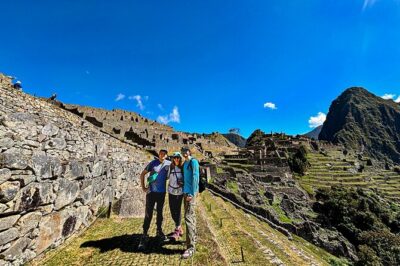
Machu Picchu Full Day from Cusco by Panoramic Train
Read our review →Browse the lists this tour appears in