
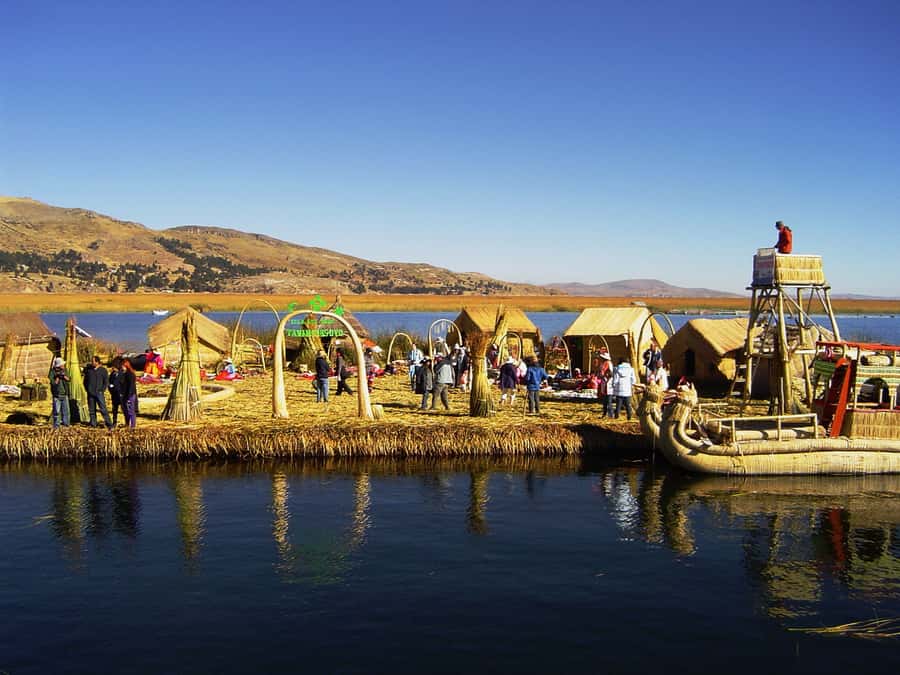
Reviewed · LAKE TITICACA AND THE UROS ISLANDS
From Puno: Floating Islands of the Uros Half-Day Tour
See a lake built of reeds. This three-hour outing from Puno takes you onto Lake Titicaca to meet the Uros people, learn how totora plants form floating islands, and see a way of life unlike anything on shore. I like the short format and the chance to learn from guides connected to the Uros community. The main drawback is that the visit includes a strong push to buy crafts, and the traditional reed boat costs extra.
I also like the excellent value at $10, since the price covers the boat, island entrance, bilingual guide, and central Puno transport when that option is selected. Just budget another 15 soles per person if you want the Balsa de Totora ride, and bring a passport or ID card rather than a large bag.
In This Review
- Key points at a glance
- Why the Uros islands are worth seeing
- Leaving Puno: a simple start
- The first island: construction, culture, and daily life
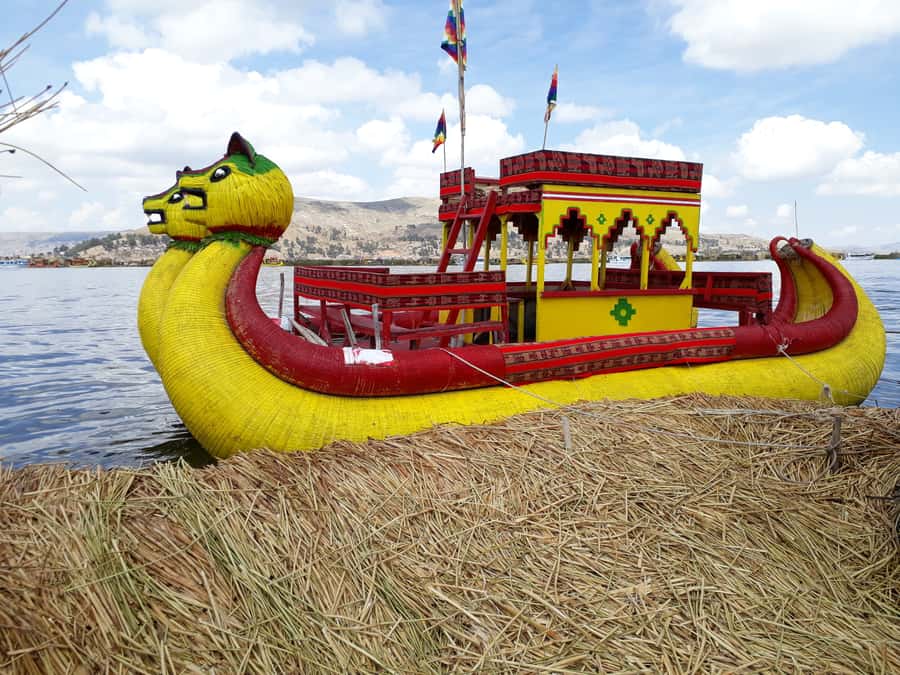
- The optional Balsa de Totora ride
- What the three-hour timing gets right
- Price, extras, and real value
- Guides make the difference
- Who should book this tour?
- Should you book the Uros half-day tour?
- FAQ
- How long does the Uros floating islands tour take?
- What is included in the tour price?
- Does the tour include the traditional reed boat ride?
- Where does hotel pickup take place?
- What languages does the guide speak?
- What should I bring?
- Can I cancel the tour for a refund?
Key points at a glance
- Three hours from Puno: The tour fits neatly into a morning or afternoon without taking your whole day.
- Totora is everywhere: The same aquatic plant helps form the islands, houses, boats, cooking materials, and parts of the local cuisine.
- Guides with local ties: Guides such as Freddy and Roly have been praised for clear English and personal knowledge of Uros life.
- About 105 minutes on the islands: You have time for the construction demonstration, walking, photographs, shopping, and optional activities.
- The reed boat costs 15 soles extra: It is paid directly to the Uros community, not included in the tour price.
- Expect a commercial side: Crafts and local products are part of the visit, so this is cultural sightseeing with a sales element.
Why the Uros islands are worth seeing
The Uros islands are one of Lake Titicaca’s most unusual sights. They are made from totora, a reed-like aquatic plant that grows in the lake. The plant is cut, woven, and laid in layers to create a surface strong enough for homes and footpaths.
That construction is the heart of the visit. You are not simply looking at reed huts from a boat. You can walk on the island itself and see how the material gives under your feet. The surface must be maintained as new layers of totora are added over time.
The Uros people have a cultural tradition reaching back more than 3,000 years, to before the Inca period. The tour presents this history through a practical demonstration, showing how the islands are built and how totora is used in everyday life.
The setting adds plenty. Lake Titicaca is the highest navigable lake in the world, and the open views from the water are a major part of the appeal. From Puno, the city soon gives way to broad water and low, distant horizons. Keep your camera ready, but also allow time to watch how the boats move across the lake.
Around 2,000 people live across the Uros communities, on roughly 80 floating islands. The tour visits one of these islands and offers a glimpse into homes, boats, crafts, and daily routines. It is a brief introduction, not a full study of Uros society, but it gives you a clear sense of why the community has adapted so closely to the lake.
More Lake Titicaca trips:
- From Puno: Uros, Amantaní & Taquile Islands 2-Day Tour
★ 4.5 · 452 reviews - Tour to Uros and Taquile Islands in a Fast Boat
★ 5.0 · 419 reviews - Uros and Taquile Islands on New and Comfortable SpeedBoat
★ 4.5 · 254 reviews
Leaving Puno: a simple start
If you choose the pickup option, a van collects you from a hotel in central Puno. The drive to the port takes about 10 minutes, so this part is short and practical.
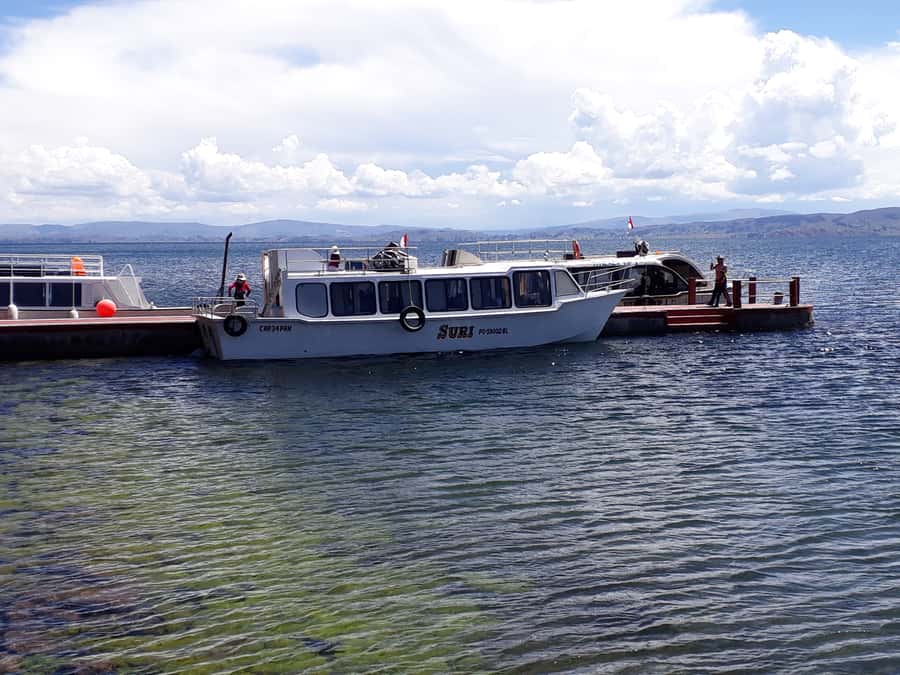
At the port, you transfer to a boat for about 30 minutes. This ride is more than a transfer. It gives you time to look back toward Puno and watch the lake open around you. Several people have praised the boats as clean and comfortable, while captains such as Brian, Christian, and Christopher have earned warm comments for safe, smooth handling.
The exact group size can vary. Some departures have been small and intimate, with only two people on board, while others have joined a larger group at the island. That means you should not book this expecting a private outing unless the specific option says so.
The tour is offered in English and Spanish. Guides named Freddy, Roly, Robbie, Franky, and Rolly have been singled out for friendly explanations and easy-to-follow language. Freddy is especially notable because he grew up in the Uros community, and several visitors valued his first-hand connection to the islands. One guide also used the boat ride to teach a few Aymara phrases.
The first island: construction, culture, and daily life
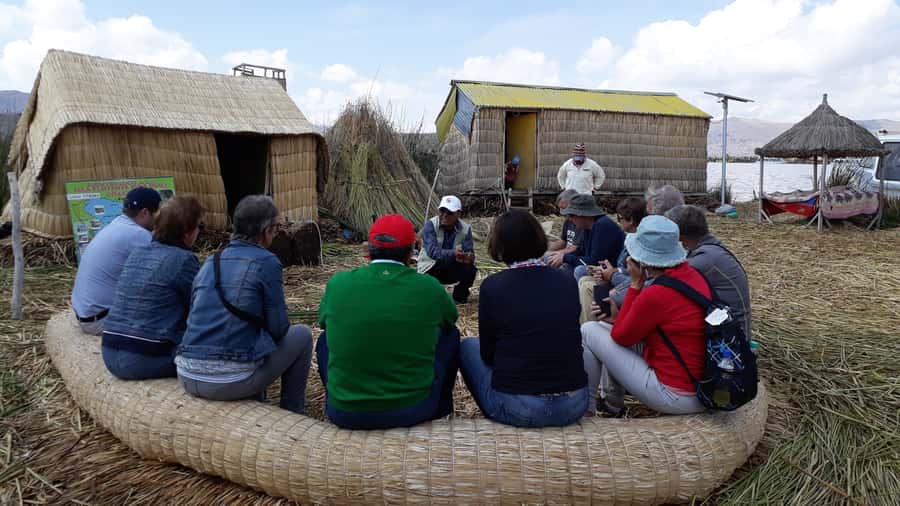
The main visit lasts about 105 minutes. Your guide introduces the island and explains how totora is harvested, woven, and layered. The Uros host then shows how the floating surface is formed and maintained.
This is the moment when the islands stop seeming like a strange photograph and start making practical sense. Totora is not just decoration. It is used in island construction, homes, boats, cooking, and food. The plant shapes nearly every part of the community’s relationship with the lake.
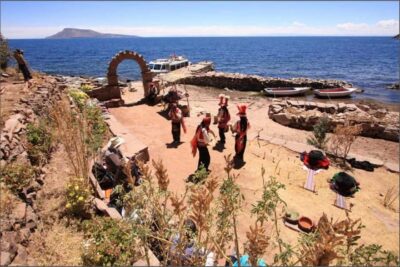
You can walk around the island, take photographs, and see the simple structures close up. Some visits include a chance to try on local clothing for photographs. The local women may also display handmade carpets and other crafts.
The welcome is usually warm, and the cultural exchange can feel personal. At the same time, you should arrive with realistic expectations. The visit is arranged partly around selling local products. Some people find the sales presentation too persistent or say prices are higher than in other places in Peru.
I suggest treating the shopping as part of the community’s income rather than as an obligation. You do not have to buy anything, and one particularly useful point from the experience is that the islanders were friendly even when visitors chose not to purchase. If you do want a souvenir, compare prices and buy only something you genuinely like.
The island visit can also feel staged. You are seeing a real community, but you are seeing it through a set route designed for short visits. One careful observer described the experience as touristy while still finding it worthwhile because the islands, houses, and boats can be seen up close.
The optional Balsa de Totora ride
The traditional reed boat is one of the most memorable parts for some people. These boats are made from totora, just like the islands and many of the structures you see during the visit.
The ride is not included in the $10 price. It costs 15 soles per person, paid directly to the Uros. Although the description calls it optional, you should confirm the arrangement with your guide because some people felt it was presented as a required part of the visit.
The boat trip can be fun and gives you another view of the islands. It is also a simple way to support the local community directly. However, do not expect the ride to take you to a completely different cultural site.
On some outings, the boat goes to a second island with a chair, toilet, and small restaurant. One visitor felt this stop offered little to see and would have preferred more time with other families or on another island. If you are more interested in daily life than food or extra photographs, ask what the second stop involves before paying.
More things to do in Puno:
- From Cusco: Vinicunca Rainbow Mountain ATV Tour with Meals
★ 4.6 · 1,060 reviews - Lake Titicaca (Day Trip) Uros & Taquile Islands
★ 4.5 · 245 reviews - Lake Titicaca 2-Day Tour to Uros, Amantani and Taquile
★ 4.4 · 199 reviews - Lake Titicaca (2 Days)
★ 4.5 · 188 reviews
What the three-hour timing gets right
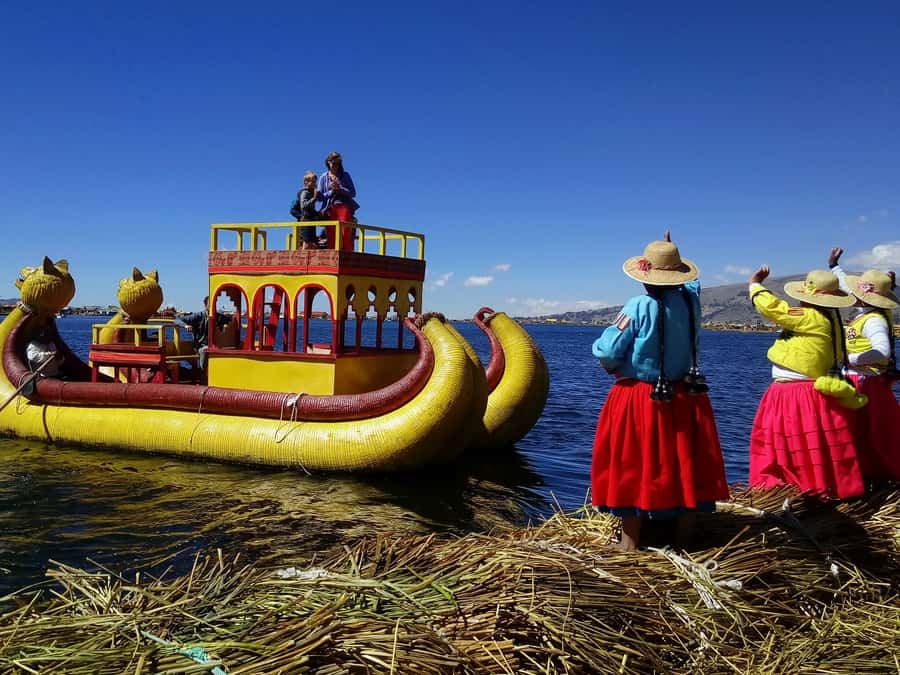
The half-day format is the tour’s strongest practical feature. The schedule allows roughly 30 minutes by boat each way and about 105 minutes on the island, with short van transfers at the start and finish.
That makes this a good choice if you have only a few hours in Puno, are catching another activity later, or want to avoid a full-day Lake Titicaca excursion. An afternoon departure can be especially attractive. One outing began at 3 p.m., with the return boat crossing timed around sunset.
The short schedule does mean limited depth. You visit one principal island and have little time to wander independently. If you want a longer exploration of Lake Titicaca or several communities, this is not the right format.
Still, the balance works well for first-time visitors. You get the essential elements: the boat ride, the island construction, an explanation of Uros culture, time for photographs, and a chance to shop. You are back in Puno after about three hours rather than spending most of the day on the water.
Price, extras, and real value
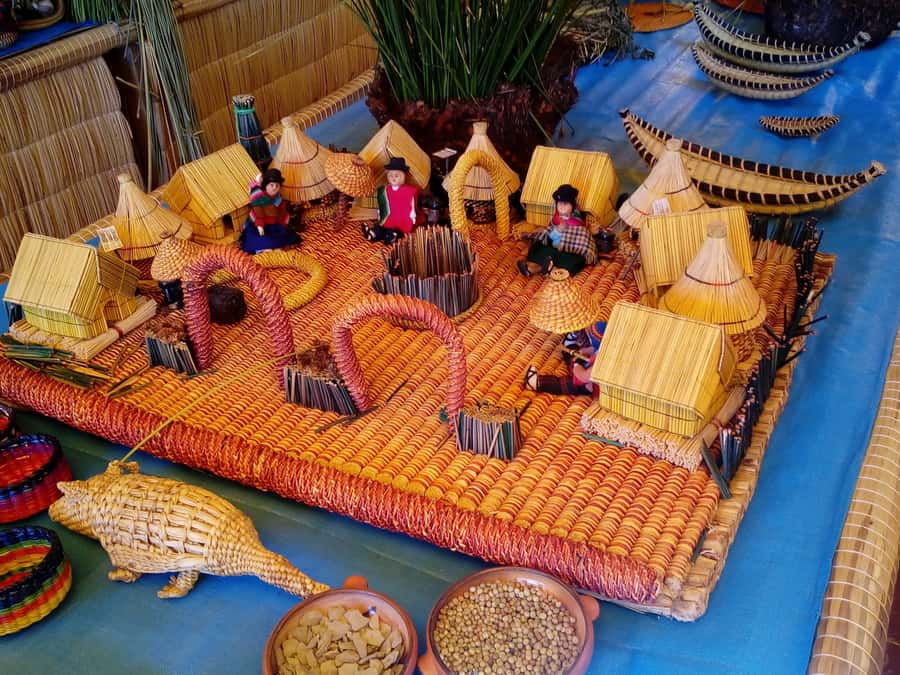
At $10 per person, this is unusually inexpensive for a guided Lake Titicaca outing. You receive boat transfer, entrance to the Uros island, and an English and Spanish-speaking guide. Central hotel pickup and drop-off are included when that option is selected.
The price is especially useful for visitors who want a focused introduction rather than a larger Lake Titicaca program. It also leaves room in your budget for the 15-sol reed boat ride or a small local purchase.
The extra costs are easy to understand, but they can surprise you if you arrive expecting an all-inclusive tour. Food and drinks are not included. The reed boat is separate, and crafts sold on the island may cost more than similar goods elsewhere.
For the fairest comparison, think of the $10 as the basic transport and guided visit. Decide in advance how much you want to spend on the optional boat and souvenirs. That keeps the commercial side from taking over what should be the main purpose of the trip: seeing the floating islands and learning how they work.
The overall rating is 4.4 out of 5 from 394 ratings, with repeated praise for the guides, organization, boat transport, and value. The occasional four-star assessment usually concerns the sales pitch, the second island, or confusion about the extra boat charge rather than the central experience.
Guides make the difference
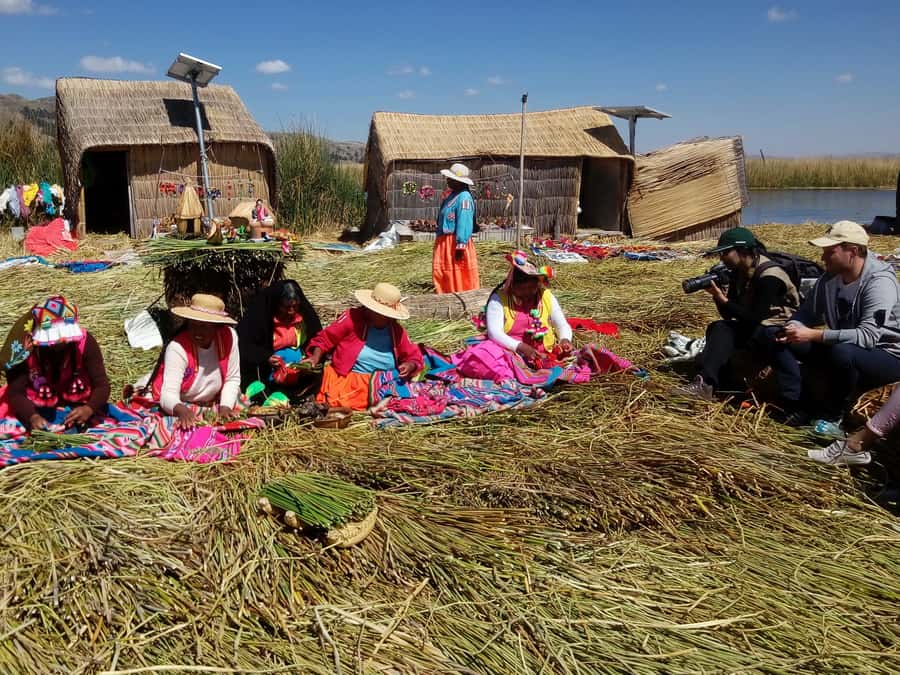
A good explanation matters here because the islands can look like a collection of reed huts unless someone explains the engineering and cultural background.
Freddy has received particularly strong praise for speaking English and Spanish fluently and for also speaking Aymara. His connection to the Uros community gives his explanations a personal touch. Roly and Rolly have also been praised for clear commentary, friendly manner, and helpful service.
The guide is important during the boat ride as well as on the island. You may hear about Lake Titicaca, the Uros people, island construction, and the uses of totora before reaching the community.
Guide quality can vary by departure, so it is best to judge the tour by its structure rather than expecting a specific person. Still, the repeated mention of local guides is a real strength. When someone grew up on the islands, you can ask questions about family life, work, and the changes brought by tourism.
Who should book this tour?
I would choose this experience if you want a short, affordable introduction to Lake Titicaca. It suits first-time visitors, people with a spare morning or afternoon in Puno, and anyone who would rather see one unusual cultural site than commit to a full day on the lake.
It is also a good match for travelers who enjoy practical demonstrations. Watching layers of totora form the island is more rewarding than simply taking photographs from a boat.
You should think twice if you dislike organized shopping or feel uncomfortable with cultural visits that include sales presentations. The experience is not a quiet, private look at island life. It is a guided community visit with a clear tourism structure.
People with mobility impairments may find the tour unsuitable. The island surface is made of layered reeds, and the supplied information specifically says the activity is not suitable for people with mobility impairments.
Bring your passport or ID card. Leave pets, luggage, and large bags behind. The tour runs in sun or rain, so a warm layer and weather protection are sensible choices, especially on an open boat, though only the identification requirement is specifically listed.
Should you book the Uros half-day tour?
Book it if you have three hours, want to keep costs low, and are curious about how totora can become an island, home, boat, and cooking material. The views of Lake Titicaca are excellent, and the chance to walk on a floating island is genuinely unusual.
Go in prepared for the sales element and the 15-sol reed boat charge. If you want more time with local families, more islands, or a slower look at community life, choose a longer program instead.
For most visitors with limited time in Puno, I would book this half-day option. It delivers the essential Uros experience without swallowing your entire day, and the guides’ local ties can turn a quick visit into a meaningful one.
FAQ
How long does the Uros floating islands tour take?
The tour lasts about three hours, including the van and boat transfers between central Puno and the islands.
What is included in the tour price?
The $10 price includes boat transfer, entrance to the Uros island, and a bilingual English and Spanish tour guide. Hotel pickup and drop-off are included when the selected option covers hotels in central Puno.
Does the tour include the traditional reed boat ride?
No. The Balsa de Totora ride is not included and costs 15 soles per person, paid directly to the Uros community.
Where does hotel pickup take place?
Pickup and drop-off are available from hotels located within Puno city center, when that option is selected.
What languages does the guide speak?
The tour offers live guiding in English and Spanish. Some guides also speak Aymara.
What should I bring?
Bring your passport or ID card. Pets, luggage, and large bags are not allowed.
Can I cancel the tour for a refund?
You can cancel up to 24 hours in advance for a full refund. The tour also offers a reserve-now-and-pay-later option.
Just added in Puno
- Sun island and Copacabana | From Puno or La Paz / Day Trip★ 4.1 · 5 reviews
- Puno: History and Culture Walking Tour★ 4.1 · 13 reviews
- Puno: Uros and Taquile Islands Full-Day Tour with Lunch★ 4.5 · 17 reviews
- Puno: Lake Titicaca, Uros, and Taquile Full-Day Tour★ 4.5 · 4 reviews
- Puno: 3-hour trip to the floating Uros Islands★ 4.5 · 9 reviews
- Puno: 2 Day Visit to Uros, Amantani and Taquile★ 4.5 · 13 reviews
- Puno: Lake Titicaca Day Tour★ 4.5 · 17 reviews
- Lake Titicaca, Uros and Taquile Full-Day Tour★ 4.3 · 69 reviews
Lake Titicaca and the Uros Islands, compared.
From Puno: Uros, Amantaní & Taquile Islands 2-Day Tour
Read our review →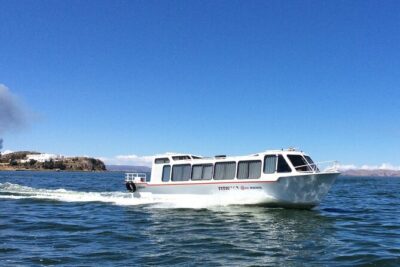
Tour to Uros and Taquile Islands in a Fast Boat
Read our review →
10-Day Discover Peru: Lima, Arequipa, Puno, Cusco & Machu Picchu
Read our review →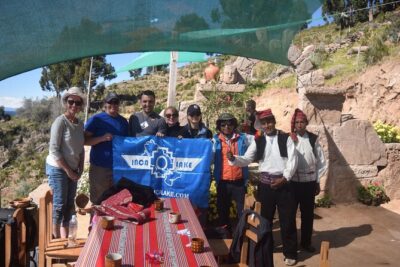
Uros and Taquile Islands on New and Comfortable SpeedBoat
Read our review →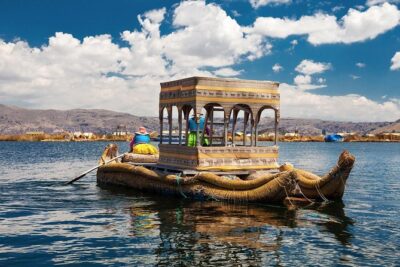
Lake Titicaca (Day Trip) Uros & Taquile Islands
Read our review →
Lake Titicaca 2-Day Tour to Uros, Amantani and Taquile
Read our review →
Browse the lists this tour appears in