
Reviewed · LAKE TITICACA AND THE UROS ISLANDS
Cusco: Scenic Sun Route to Puno with Buffet Lunch
Sunlight, stone ruins, and a very long road. The Cusco to Puno Sun Route turns a transfer day into a highland sightseeing trip, with four stops that bring together colonial art, Inca engineering, mountain views, and pre-Inca culture. I like the comfortable bus with onboard drinks and a restroom, and I like that the route includes places you would otherwise miss between Cusco and Puno. The main drawback is time: this is an approximately 10-hour day, and the schedule can feel rushed at some stops.
I also like the strong value at $45 per person, especially if you need to travel between Cusco and Puno anyway. You get transport, a guide, lunch, and several visits in one package. But budget for another 53 soles in cash for the three entrance tickets, and keep your lunch expectations flexible because the meal may not always match the advertised Andean menu.
In This Review
- Key points to know before booking
- Why this bus route is more than a transfer
- 6:00 a.m. departure from Cusco
- Andahuaylillas and the church called the Sistine Chapel of America
- Raqchi and the huge Temple of Wiracocha
- Lunch in Marangani-Sicuani
- La Raya Pass above 4,300 meters
- Pucará and the Lithic Museum
- Comfort, group size, and the long road
- Is $45 plus 53 soles a good deal?
- Who should book the Sun Route?
- FAQ
- How long does the Cusco to Puno Sun Route take?
- What time does the tour leave Cusco?
- Where does the tour start in Cusco?
- Where does the bus arrive in Puno?
- Are entrance tickets included?
- Is lunch included?
- What stops are included?
- Does the bus have a restroom?
- How many people can join the tour?
- Can I cancel for a full refund?
- Should you book it?
Key points to know before booking
- Five useful stops break up the long Cusco to Puno journey: Andahuaylillas, Raqchi, lunch in Marangani-Sicuani, La Raya Pass, and Pucará.
- The bus is the star of the practical side: air conditioning, a restroom, hot and cold drinks, comfortable seats, and an oxygen tank are included.
- Entrance fees cost extra: bring 53 soles in cash for Andahuaylillas, the Raqchi Complex, and the Pucará Lithic Museum.
- La Raya reaches more than 4,300 meters: the stop offers huge mountain views, but you may feel the altitude during the 30-minute pause.
- The lunch stop is convenient but variable: the advertised meal focuses on Andean food, while one account described a more ordinary buffet of fried dishes, pasta, and orange chicken.
- This is best for a transfer day: you see more than you would from a direct bus, but you do not get long, leisurely visits at the archaeological sites.
Why this bus route is more than a transfer
The road from Cusco to Puno crosses some of Peru’s most impressive highland country. A direct ride gets you there, but this route gives the journey a purpose. You leave Cusco in the morning, pause at churches and ruins, climb into the high Andes, then arrive at Puno’s bus terminal later in the day.
That makes the $45 price easier to understand. If you already need transport to Puno, the tour folds sightseeing into a trip you must take anyway. You are not paying for a separate day trip and then buying another ticket to Puno. You are combining both.
The tradeoff is the clock. The published duration is about 10 hours, while the actual day can reach roughly 11 hours depending on road conditions and stop timing. Visits may feel short, often around 30 to 40 minutes according to one account, even though the planned stops at several sites are listed as one hour.
The group can reach 40 people, so this is not a private guide experience. Still, the included guiding gives the places more meaning than a simple bus ride. The route has earned a 4.9 rating from 214 reviews, with 99 percent of customers recommending it, and the strongest praise centers on the comfortable bus, beautiful views, useful stops, and the quality of the overall transfer.
More Lake Titicaca trips:
- 6-Day Best of Peru: Cusco, Machu Picchu, and Lake Titicaca Tour
★ 5.0 · 123 reviews - Cusco: Scenic Route of the Sun to Puno with Buffet Lunch
★ 4.8 · 101 reviews - Full Day Lake Titicaca Tour from Cusco
★ 4.5 · 91 reviews
6:00 a.m. departure from Cusco
The day begins at 6:00 a.m. at Alameda Pachacuteq 499b in Cusco. That early start is not glamorous, but it gives you time to make the long journey without arriving in Puno at night.
You will want to arrive ready for a full day. Wear layers, carry water, and keep small cash handy for the entrance fees. The bus has hot and cold drinks, snacks have been appreciated by some passengers, and there is a restroom onboard. Those small comforts matter when you are spending much of the day on the road.
The vehicle is described as a private, luxury bus, though the experience itself may include up to 40 participants. Expect a comfortable coach rather than a private car with a guide just for your group. Air conditioning is included, and an oxygen tank is carried onboard, a sensible provision for a route that climbs well above 4,000 meters.
The end point is Puno’s bus terminal. The bus arrives at Jirón Primero de Mayo number 703, while the meeting information also identifies the terminal as Terminal Terrestre Puno. Check your onward plans carefully, since the bus does not drop you at individual hotels.
Andahuaylillas and the church called the Sistine Chapel of America
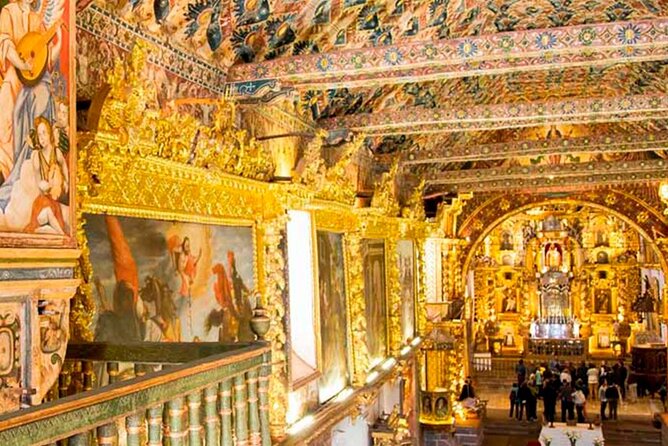
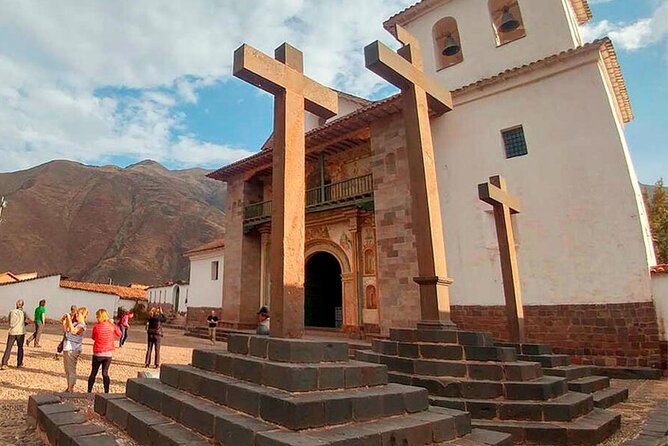
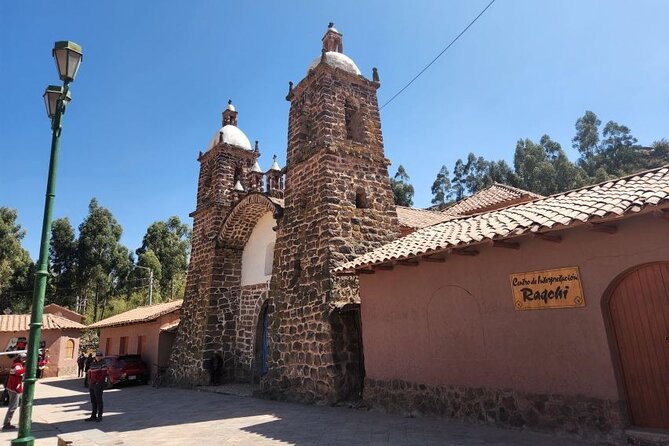
The first major stop is San Pedro Apóstol de Andahuaylillas, a church built in the 16th century by Jesuit missionaries. It was placed over a sacred Inca site, and that layering of Catholic and Andean traditions is part of what makes the visit important.
The exterior is fairly plain, made from adobe and brick. Do not judge the building from the road. Inside, the mood changes quickly. Gold-leaf altars, painted walls, frescoes, and detailed religious artwork fill the space.
The nickname Sistine Chapel of America can sound like tourist shorthand, but here it points to the church’s extraordinary interior decoration. The art helped teach Catholic ideas in a region where many people did not read, while Andean symbols and local visual language remained present.
You have about an hour here, which should give you enough time to look carefully if the group moves on schedule. Admission is not included. The entrance cost is part of the combined 53 soles charged in cash for Andahuaylillas, Raqchi, and Pucará, so do not arrive with only a credit card.
This is one of the route’s most rewarding stops for anyone interested in art, religion, or the meeting of Spanish and Andean cultures. If you prefer open-air ruins to painted churches, it may not be your favorite stop, but it gives the day a strong beginning.
Raqchi and the huge Temple of Wiracocha
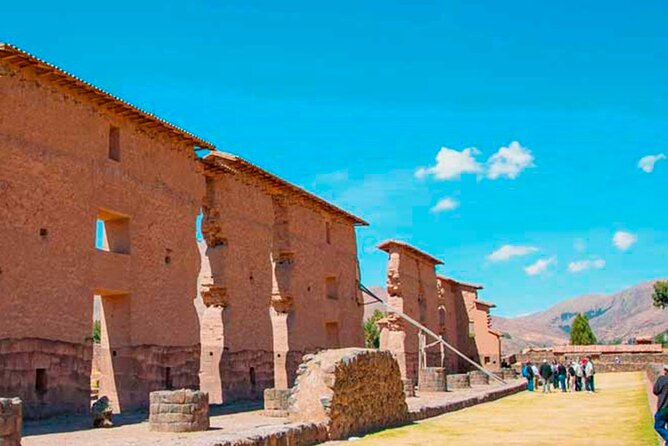
At Raqchi, the focus shifts from colonial art to Inca construction. The archaeological complex is known for the Temple of Wiracocha, built to honor Wiracocha, the invisible Supreme God of the Andean people.
The temple once reached about 15 meters high. Even in its ruined state, the scale helps you picture the skill needed to build a major ceremonial center at high altitude. The site also includes other remains, and the surrounding setting gives you a clearer sense of how a large Inca settlement functioned.
Raqchi has been named an official Best Tourism Village, and the visit offers more than a quick photo stop. It connects architecture, religion, and engineering in one place. The Inca builders worked with large stone and adobe elements, creating a structure that still commands attention centuries later.
Admission is extra, included in the same 53-soles cash payment as the other two ticketed stops. The planned visit is about one hour, although the pace may feel tighter in practice. You will get the most from Raqchi if you listen closely to the guide and focus on the main temple rather than trying to inspect every corner.
I would especially recommend this stop if you are heading to Puno after visiting Machu Picchu and want a wider view of Andean civilization. Machu Picchu gets the attention, but Raqchi shows a different side of Inca power: ceremony, scale, and a large highland settlement.
More things to do in Cusco:
- Classic Inca Trail Trek 4D/3N to Machu Picchu (Group Service)
★ 5.0 · 8,653 reviews - Cusco: Rainbow Mountain and Red Valley Day Trip with Meals
★ 4.9 · 4,893 reviews - Machu Picchu: 4-Day Inca Trail Trek with Panoramic Train Ride
★ 5.0 · 4,568 reviews - Salkantay Classic Trek 5 Days from Cusco
★ 5.0 · 4,062 reviews
Lunch in Marangani-Sicuani
The midday stop is in the Marangani-Sicuani area, at a restaurant identified as Andes Perú. Lunch lasts about one hour and is included in the tour price.
The stated menu centers on Andean ingredients such as quinoa soup, roasted vegetables, Andean potatoes, salads, and regional meats. The setting is described as a highland town with mountain views, making this a useful rest point as much as a meal.
Here is where I would keep expectations practical. One experience found the buffet disappointing and described it as mostly fried food, spaghetti, and orange chicken rather than a clearly Andean spread. That meal also caused some stomach discomfort. Since food quality can vary, do not book this route mainly for the lunch.
Still, an included buffet is useful on a day with limited options. You do not need to search for a restaurant during the transfer, and the one-hour break gives you time to eat, stretch, and return to the bus. Hot and cold drinks are also included onboard.
If you have a sensitive stomach, use ordinary caution with buffet food and bring a few familiar snacks. The meal may be perfectly acceptable, but the evidence does not support treating it as a highlight for every departure.
La Raya Pass above 4,300 meters
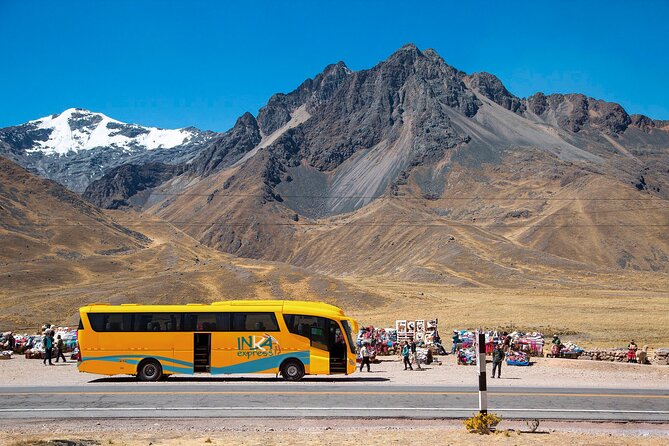
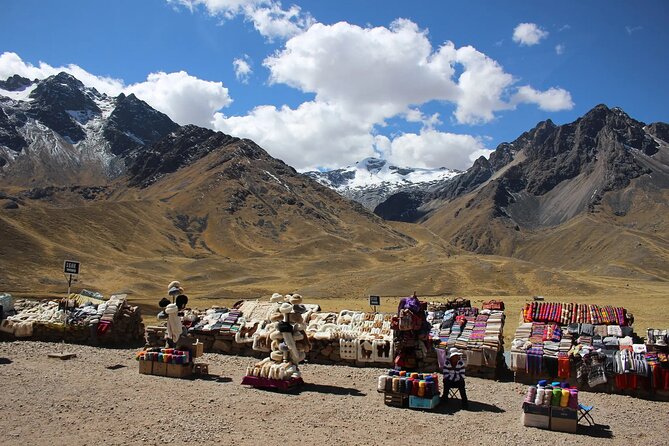
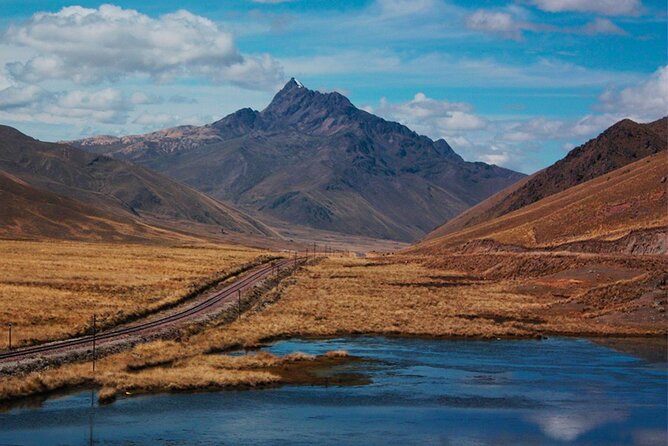
The road’s highest point is Abra La Raya, a mountain pass above 4,300 meters. This is the natural border between the Cusco and Puno regions, and it is the most dramatic scenery stop of the day.
You get about 30 minutes to step off the bus, stretch your legs, and take photos. Expect huge skies, rugged peaks, and, when conditions allow, snow-capped mountains. The open space makes the stop feel very different from the enclosed church and archaeological sites earlier in the morning.
Altitude is the practical concern. You may already be acclimatized after time in Cusco, but 4,300 meters is still high. Walk slowly, avoid treating the stop like a workout, and return to the bus if you feel unwell. The oxygen tank onboard is a useful safety measure, though its presence should not be taken as a promise that altitude symptoms will not occur.
La Raya is free to visit, so there is no ticket to worry about. Its short duration is appropriate for a viewpoint and rest stop. You are not here for a long hike. You are here to see the scale of the Andes, take a few photographs, and continue toward the Titicaca Basin.
Pucará and the Lithic Museum
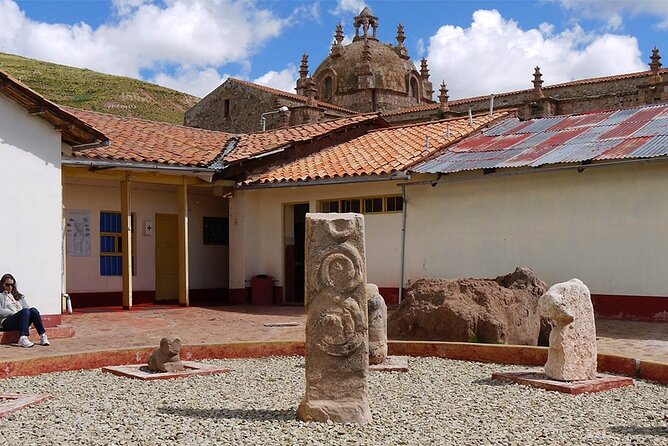
The last cultural stop is Pucará, an early major settlement in the Titicaca Basin dating to around 500 BC. This takes you beyond the Inca period and into the older roots of highland society.
Pucará was once home to priests, artisans, farmers, and warriors. The site is known for monolithic stone sculptures with geometric and animal forms, along with colorful ceramics used in daily life and sacred ceremonies.
The Lithic Museum gives you a way to see these objects at close range. After a day of churches, monumental ruins, and mountains, the museum adds a smaller, more focused look at art and ritual. It is a worthwhile stop if you want to understand that Andean culture did not begin with the Incas.
Admission is not included, and the Pucará ticket is part of the 53 soles payable in cash for all three paid visits. The planned stop lasts about one hour. If you are tired by this point, the museum may require more concentration than the mountain viewpoint, so use the bus ride before arrival to rest.
Pucará also gives the route a good chronological arc. You begin with a pre-Inca culture at the end of the trip, but the sites collectively move you through Andean religion, Spanish colonial art, Inca architecture, and modern highland life.
Comfort, group size, and the long road
The coach amenities make a real difference. A clean, comfortable bus, restroom, air conditioning, drinks, snacks, and onboard oxygen are not decorative extras on a 10-hour ride. They help turn a tiring transfer into a manageable one.
The bus has received strong praise for comfortable seats and for having enough onboard service to make the road easier. You should still expect a full day, not a quick scenic shuttle. The route covers a great distance, and each stop adds time for boarding, guiding, and departures.
With up to 40 people, the experience may feel organized rather than intimate. A friendly and professional guide can make a major difference, and one account praised the guide’s explanations. At the same time, commentary can sometimes sound rehearsed, with too much attention given to company promotion or souvenir buying.
That is worth knowing before you book. If you want a quiet ride and independent visits, a direct bus may suit you better. If you want context and appreciate having someone organize the stops, this route offers much more than point-to-point transport.
Is $45 plus 53 soles a good deal?
The advertised price is $45 per person. Add 53 soles in cash for the entrance tickets, and the final cost is higher than the headline number suggests.
Even so, the value is solid if you need to get from Cusco to Puno. You receive a long-distance bus ride, four guided visits, lunch, drinks, a restroom, air conditioning, and an oxygen tank. Paying separately for transport and site visits could easily make the day less convenient, even if another option offered more flexible sightseeing time.
The value weakens if you only want to see one or two sites. You will pay for a full route and spend much of the day on the bus. The paid admissions also feel less worthwhile when a stop is shortened to 30 or 40 minutes.
I see this as a practical package rather than a luxury sightseeing day. The coach may be comfortable, but the schedule is still built around moving a group between two cities. Book it for convenience, scenery, and variety, not for slow museum visits or a carefully planned food tour.
Free cancellation is available up to 24 hours before the 6:00 a.m. start time. Changes or cancellations inside that 24-hour window are not accepted for a refund.
Who should book the Sun Route?
I would recommend this trip to you if you are already planning to travel from Cusco to Puno and want the journey to include meaningful stops. It suits first-time visitors who want a broad introduction to Andean culture without arranging several separate excursions.
It is also a good match for anyone who values a comfortable coach and prefers a structured day. The route gives you a church, an Inca complex, a high mountain pass, a museum, and lunch without requiring you to manage the connections yourself.
I would be more cautious if you dislike early starts, group schedules, or long bus days. The sites are interesting, but you will not have unlimited time at any of them. I would also choose another option if an authentic, carefully prepared meal is central to your plans.
Book early if your dates are fixed. The experience is often reserved about 67 days ahead, which suggests that popular travel periods can fill well before departure.
FAQ
How long does the Cusco to Puno Sun Route take?
The tour lasts approximately 10 hours, though the full road day may be closer to 11 hours depending on timing and conditions.
What time does the tour leave Cusco?
Departure is at 6:00 a.m.
Where does the tour start in Cusco?
The meeting point is Alameda Pachacuteq 499b, Cusco 08007, Peru.
Where does the bus arrive in Puno?
The bus arrives at the Puno bus terminal at Jirón Primero de Mayo number 703.
Are entrance tickets included?
No. Entrance tickets for Andahuaylillas, the Raqchi Complex, and the Pucará Museum cost 53 soles in total and must be paid in cash.
Is lunch included?
Yes. An Andean buffet lunch in the Marangani-Sicuani area is included.
What stops are included?
The route visits the Church of Saint Peter the Apostle in Andahuaylillas, the Raqchi Archaeological Complex, La Raya Pass, and the Lithic Museum of Pucará. It also includes a lunch stop.
Does the bus have a restroom?
Yes. The included bus service has a restroom, hot and cold drinks, air conditioning, and an oxygen tank.
How many people can join the tour?
The maximum group size is 40 people.
Can I cancel for a full refund?
Yes, if you cancel at least 24 hours before the experience starts. Cancellations or changes made less than 24 hours before departure are not refunded or accepted.
Should you book it?
Book the Cusco to Puno Sun Route if you want an efficient transfer with real cultural stops, comfortable transport, and broad Andean scenery. Its best features are the route itself, the useful coach amenities, and the chance to visit Andahuaylillas, Raqchi, La Raya, and Pucará in one day.
Go in with clear expectations. Bring 53 soles in cash, prepare for a 10 to 11-hour day, and treat lunch as convenient rather than guaranteed culinary discovery. If those terms work for you, this is a sensible and well-liked way to travel between Cusco and Puno without wasting a whole day on a plain highway ride.
Just added in Cusco
- Private Transfer from Airport to Hotel in the City of Cusco★ 4.0 · 5 reviews
- Best Cusco walking tour: dinner street food tasting★ 4.5 · 11 reviews
- Cusco Private Transportation for 2026★ 5.0 · 4 reviews
- Private Tour to Pisac Market and Pisac Ruins★ 5.0 · 4 reviews
- Machu Picchu Day Trip With Panoramic Train from Cusco★ 5.0 · 10 reviews
- Sacred Valley Private Tour from Cusco, Guide and Driver only★ 5.0 · 4 reviews
- Sacred Valley of the Incas Tour★ 5.0 · 12 reviews
- Private Tour of the Mountain of Colours by Quad★ 5.0 · 7 reviews
Lake Titicaca and the Uros Islands, compared.
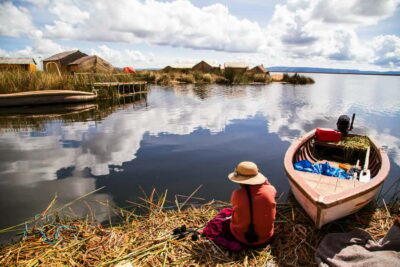
From Puno: Uros, Amantaní & Taquile Islands 2-Day Tour
Read our review →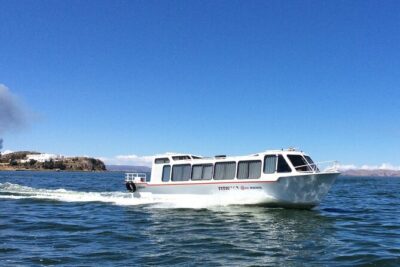
Tour to Uros and Taquile Islands in a Fast Boat
Read our review →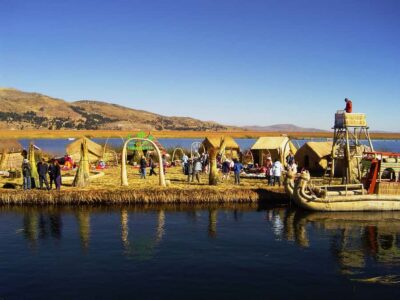
From Puno: Floating Islands of the Uros Half-Day Tour
Read our review →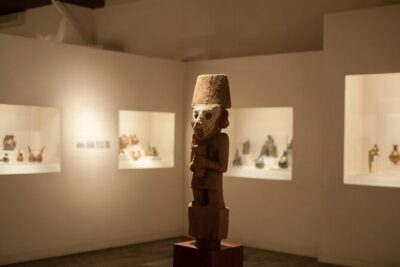
10-Day Discover Peru: Lima, Arequipa, Puno, Cusco & Machu Picchu
Read our review →
Uros and Taquile Islands on New and Comfortable SpeedBoat
Read our review →
Lake Titicaca (Day Trip) Uros & Taquile Islands
Read our review →
Lake Titicaca 2-Day Tour to Uros, Amantani and Taquile
Read our review →
Browse the lists this tour appears in