Reviewed · COLCA CANYON AND AREQUIPA TOURS
A 3-hour Guided Food Tour with 4 Iconic Restaurants of Arequipa
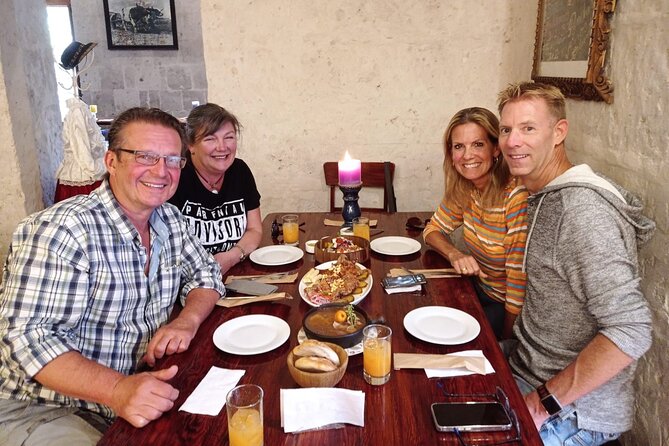
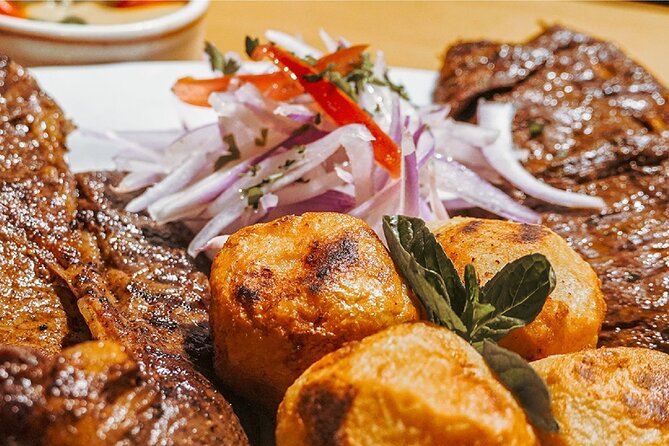
Taste Arequipa one plate at a time. This three-hour walking tour pairs six local dishes with three regional drinks, dessert, and stories about Peru’s food traditions. You move through the historic center, stopping at four well-regarded restaurants and food spots rather than trying to choose every meal yourself.
I like the small maximum of eight people, which gives the guide room to explain unfamiliar dishes and answer questions. I also like the mix of food and sightseeing, especially the chance to visit the market and try Peruvian fruits. The main concern is reliability: several bookings were cancelled at the last minute or had no guide at the meeting point, so I would confirm the tour shortly before setting out.
In This Review
- The essential details at a glance
- Why a food walk works so well in Arequipa
- Starting at Plaza San Francisco
- Stop one: Arequipa’s Historical Centre
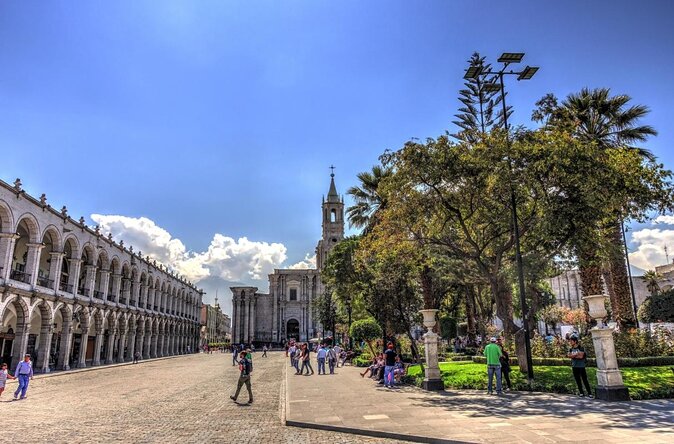
- Stop two: Plaza de Armas and the city’s public face
- Stop three: Monasterio de Santa Catalina
- Stop four: Fundo El Fierro and the final tastings
- What the food and drink package is worth
- Guide Alonso and the human side of the tour
- Reliability, timing, and who should book
- Should you book this Arequipa food tour?
- FAQ
- Where does the tour start?
- Where does the tour end?
- What time does the tour begin?
- How long does the experience last?
- How many people can join the tour?
- What food is included?
- Which Arequipa sights are included in the route?
- Is the tour suitable for most people?
- Is the tour near public transportation?
- Can I cancel for a full refund?
The essential details at a glance
- Six plates, three drinks, and dessert: This is a full food experience, not a quick tasting with one snack and a drink.
- Four historic Arequipa stops: The route includes the city’s Historical Centre, Plaza de Armas, Monasterio de Santa Catalina, and Fundo El Fierro.
- A small group of no more than eight: You get a more personal introduction to dishes, ingredients, and local customs.
- Guide Alonso has earned strong praise: He is known for his warm manner, food knowledge, history stories, and practical advice for the rest of your stay.
- A 1:00 pm start: Plan this as a substantial afternoon meal that can carry you into the evening.
- A real cancellation concern: Free cancellation applies up to 24 hours before the start, but poor communication has been a problem for some bookings.
Why a food walk works so well in Arequipa
Arequipa is a good city for a food tour because its cooking is closely tied to place. Local recipes pass through families, markets, farmers, and small restaurants. A guide can explain those links while you eat, which is more useful than simply reading dish names on a menu.
I like that this experience does not treat food as a separate activity from sightseeing. You walk through central Arequipa, see major landmarks, and then connect those places with the meals people eat in the city. The historic streets give the afternoon a sense of place, while the restaurants provide a practical reason to keep walking.
The tour is also designed to remove some guesswork. You do not need to decide which dishes are worth ordering, how much food to buy, or which local drink pairs with a particular plate. That matters in Peru, where unfamiliar ingredients and regional recipes can make a first restaurant visit feel like a small exam.
You should arrive hungry. The package includes dinner, six different plates, three drinks from the region, and dessert. Since the start time is 1:00 pm and the tour lasts about three hours, it functions more like a long afternoon meal than a standard evening dinner.
More Food Tours and Cooking Classes in Arequipa
- Peruvian Cooking Experience in Arequipa
★ 5.0 · 173 reviews - Chaqchao Chocolate Making Workshop
★ 5.0 · 104 reviews - Arequipa Food Tour: Ancestral Cuisine & City Tour
★ 5.0 · 52 reviews
Starting at Plaza San Francisco
The meeting point is Plaza San Francisco, at C. Zela 202 in Arequipa. The tour ends at the same place, so you do not need to arrange a taxi from a distant neighborhood or work out where the final restaurant is located.
The starting point puts you in the middle of the city’s historic area. That is useful for first-time visitors because the food walk also gives you a basic orientation to central Arequipa. You can use the surrounding streets and landmarks to get your bearings for later walks.
The group limit is eight people. That is a sensible size for a food tour. It is large enough to share the cost of a guide, but small enough that you should be able to hear explanations and ask about ingredients. It also makes restaurant seating and group movement easier than with a large coach tour.
The practical weakness is communication if plans change. Some bookings were cancelled on the day, with the cancellation discovered only after people reached the meeting point or contacted the operator themselves. I would check your messages before leaving your accommodation and keep enough flexibility in your afternoon to handle a change.
Stop one: Arequipa’s Historical Centre
The first part of the walk takes place in the Historical Centre of Arequipa. Here, food becomes a way to understand the city rather than just a series of dishes.
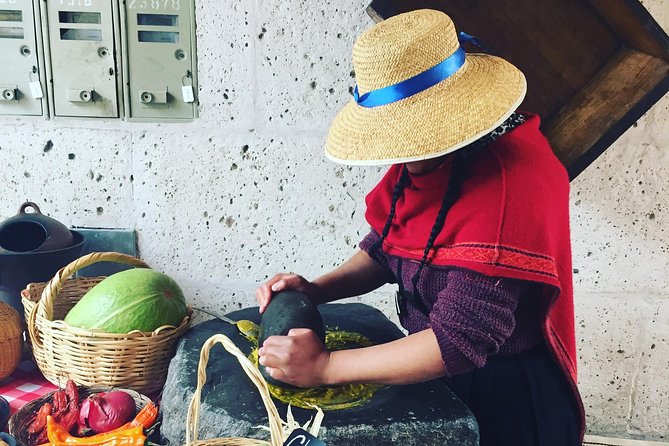
The tour description focuses on ingredients from local farmers and artisan producers. That gives the guide a chance to explain where food comes from, how regional produce reaches restaurants, and why certain recipes remain part of Arequipa’s identity. The exact dishes may vary, but the general aim is to show food as part of daily life and local tradition.
A food tour is especially useful here because you can ask questions as soon as something appears on your plate. If you do not recognize a fruit, sauce, or preparation, you have someone there to explain it instead of guessing from a menu translation.
One especially good part of the experience may be the market visit. The tour description centers on restaurants, but the guide Alonso has included a local market in past outings. There, you can try Peruvian fruits and see ingredients before they are turned into restaurant dishes. It is a small change from the polished dining stops, and it helps connect the food with ordinary shopping and local produce.
Stop two: Plaza de Armas and the city’s public face
Plaza de Armas is the natural center of Arequipa, and including it keeps the tour from becoming a string of unrelated meals. The square gives the guide a place to discuss the city, its architecture, and its place in Peruvian culture while you continue between food stops.
The strongest version of this tour seems to come when the guide treats the walk as more than a food lecture. Alonso has been praised for connecting meals with history, architecture, recent Peruvian events, and regional culture. That broader context gives the dishes more meaning.
I would not book this if you want three uninterrupted hours at restaurant tables. You will be walking, listening, and changing locations. The benefit is variety, but the tradeoff is that no single restaurant receives your full afternoon.
The paired drinks are another useful feature. Three drinks from the region are included, and each plate is meant to be matched with a drink. That makes the tasting more structured than ordering several unrelated items. It also lets you compare how a drink changes the taste of a dish.
More Colca Canyon trips:
- 2 day 1 night trek / Colca Canyon
★ 5.0 · 1,069 reviews - From Arequipa: Colca Canyon Full-Day Guided Tour with Meals
★ 4.5 · 982 reviews - Tour to the Salinas Lagoon and National Reserve in Arequipa
★ 4.5 · 548 reviews - From Arequipa: Sillar Route Trek
★ 4.2 · 461 reviews
Stop three: Monasterio de Santa Catalina
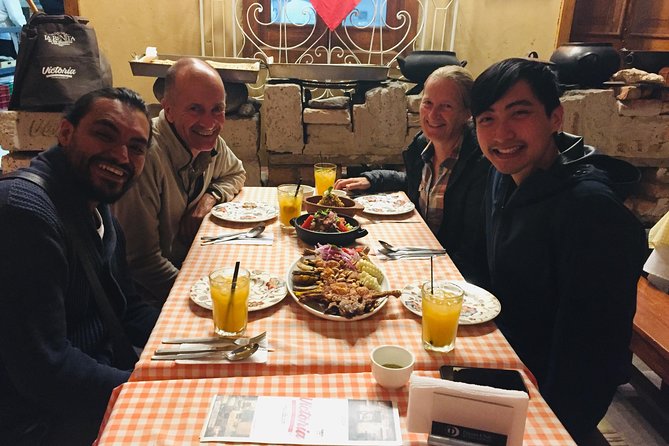
The Monasterio de Santa Catalina is one of Arequipa’s best-known sights, and it gives the food walk a strong visual pause. Even when the focus remains on eating, passing through this part of the city helps explain why the historic center is such an important setting for the tour.
The information provided does not say that admission to the monastery is included, so you should not assume this is a full guided visit inside. Treat it as one of the landmarks along the walking route unless your confirmation says otherwise.
This is also a good point to think about the tour’s pace. You are combining sightseeing with several food tastings in only three hours. I like that arrangement because it keeps the afternoon lively, but anyone who wants a slow architectural tour should book a separate visit to Santa Catalina.
Food stories can add an approachable layer to a place that might otherwise feel like a list of dates and buildings. You may learn why ingredients, recipes, or drinks matter to people in the region while moving through one of Arequipa’s major cultural areas.
Stop four: Fundo El Fierro and the final tastings
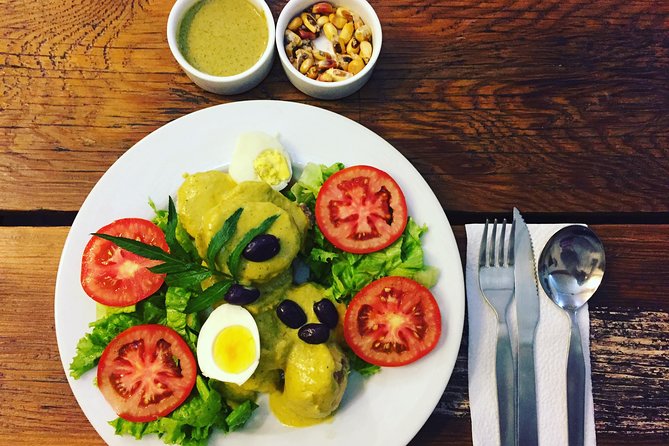
Fundo El Fierro is the fourth named stop. Together with the historic center, Plaza de Armas, and Santa Catalina, it gives the route a clear Arequipa focus rather than sending you across town between unrelated restaurants.
The tour visits four iconic restaurants and bars, with the food spread across those stops. The goal is variety: several plates, regional drinks, and a dessert rather than one large meal at a single address. That format works well if you want a broad first taste of Arequipa.
Past outings with Alonso have included traditional dishes and a preparation of guinea pig. If that appears on your route, you can decide for yourself whether to try it. The dish is presented as an important local food experience, not as a dare, and the guide can help explain its place in Peruvian cooking.
This is where a guide adds real value. A restaurant can serve a traditional dish, but it cannot always tell you how the dish fits into the region’s food culture or what else you should try later. Alonso has also helped people with practical requests, including finding an Arequipa flag and suggesting places to visit during the rest of their stay.
What the food and drink package is worth
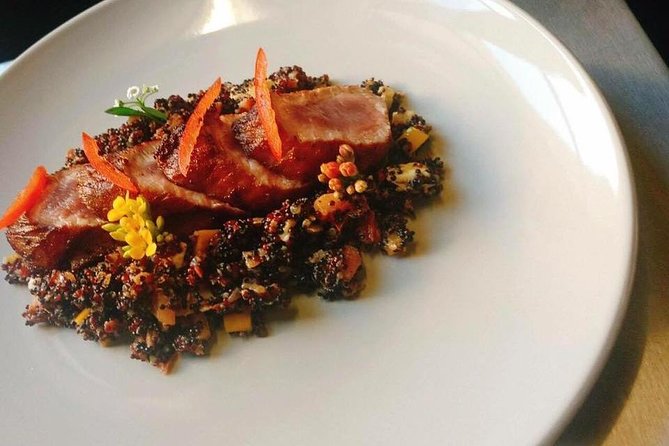
The price is $79 per person. That is not cheap for three hours, but it includes a substantial amount: six plates, three regional drinks, dessert, a guide, and the convenience of four selected restaurants.
If you ordered a full meal and several drinks at your own pace, you would still be paying for food. The added value here is selection and explanation. You can sample more dishes than you might order alone, avoid wasting money on a plate you dislike, and learn what you are eating as you go.
The value is strongest for a first visit to Arequipa. You get a food introduction, a short orientation to the historic center, and restaurant suggestions for later meals. It is less useful if you already know the city’s dining scene or prefer to spend $79 on one long restaurant dinner.
The tour is also a practical choice for couples and friends who want to share many tastes. Solo visitors can enjoy it too, though the social side depends on the small group assembled that day. The included food should be enough to replace a major meal, so avoid eating a large lunch beforehand.
Guide Alonso and the human side of the tour
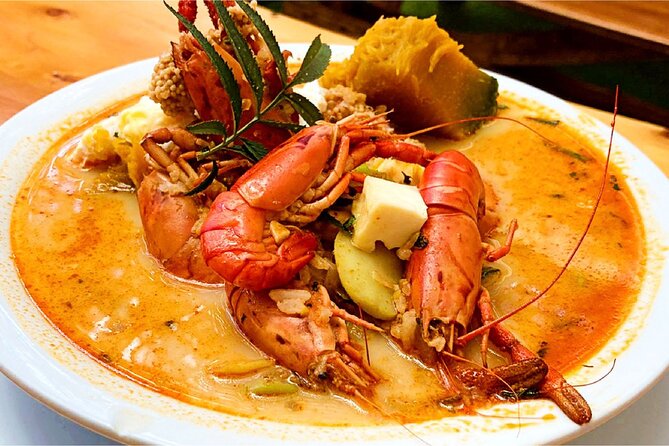
A guide can make or break this kind of experience. The most praised guide connected with the tour is Alonso, who is described as friendly, personal, flexible, and well informed about food, farming, history, architecture, and Peruvian culture.
That combination matters. You do not only want someone who can name a dish. You want someone who can explain why it is eaten, where its ingredients come from, and how it fits into the region.
Alonso has also handled special situations well. One vegetarian visitor said he adapted the food choices even though the dietary note had not reached him properly. That is encouraging, but I would still confirm dietary needs directly before the tour. Do not rely on an old booking note alone.
The guide’s local recommendations may be one of the best practical benefits. A good food walk can save you from spending the rest of your stay at places chosen only because they sit near the plaza. It can also give you the confidence to order dishes you would otherwise skip.
Reliability, timing, and who should book
The biggest issue is not the food. It is dependability. Several people arrived on time and waited without seeing a guide, while others learned about a cancellation only after contacting the operator. In some cases, refunds were processed, but the lost afternoon and wasted trip to the meeting point remained.
That does not erase the many excellent food experiences connected with the tour, but it does mean you should take simple precautions. Confirm the booking close to the date, check your phone and booking messages on the morning of the tour, and make sure you have a way to contact the provider.
The tour requires a minimum number of participants. If that number is not reached, the experience may be cancelled and you should be offered another date, another experience, or a full refund. The stated cancellation policy allows you to cancel for a full refund up to 24 hours before the start time. Changes made within 24 hours are not accepted.
I would choose this tour if you:
- Want to sample many Arequipa dishes in one afternoon
- Like combining food with city history and architecture
- Prefer a small group to a large organized outing
- Are curious about local fruits, drinks, and traditional preparations
- Want restaurant suggestions for the rest of your stay
I would think twice if you need a guaranteed schedule with no last-minute risk, dislike walking between food stops, or prefer to choose every dish yourself.
Should you book this Arequipa food tour?
Yes, with one practical warning. The food plan is generous, the route covers important central sights, and the small group format should give you more personal attention than a standard city walk. The market visit, regional drinks, traditional dishes, and Alonso’s mix of food and history make this more useful than a simple restaurant crawl.
Book it early if you want a particular date, since it is commonly reserved well in advance. Then confirm it shortly before 1:00 pm. If the operator confirms clearly, this is a good way to begin your Arequipa stay. If communication remains vague, keep a backup plan near Plaza San Francisco.
FAQ
Where does the tour start?
It starts at Plaza San Francisco, C. Zela 202, Arequipa 04001, Peru.
Where does the tour end?
The tour ends back at the meeting point.
What time does the tour begin?
The start time is 1:00 pm.
How long does the experience last?
It lasts approximately three hours.
How many people can join the tour?
The maximum group size is eight people.
What food is included?
The tour includes dinner, six different plates, three drinks from the region, and a dessert.
Which Arequipa sights are included in the route?
The named stops are the Historical Centre of Arequipa, Plaza de Armas, Monasterio de Santa Catalina, and Fundo El Fierro.
Is the tour suitable for most people?
Yes. Most people can participate, and service animals are allowed.
Is the tour near public transportation?
Yes, the meeting point is near public transportation.
Can I cancel for a full refund?
Yes, if you cancel at least 24 hours before the experience starts. Cancellations or changes made less than 24 hours before the start time are not accepted for a refund.
Just added in Arequipa
- Sillar Route★ 5.0 · 4 reviews
- Salinas Lagoon + Mini Volcano DE Lojen★ 5.0 · 9 reviews
- 3-Day Colca Canyon trek with Professional Guide★ 5.0 · 40 reviews
- Full Day Tour To The Salt Lake Salinas in Arequipa★ 4.5 · 34 reviews
- Walking City tour including the Monastery of Santa Catalina★ 5.0 · 6 reviews
- Trekking, Waterfalls and Thermal Baths★ 4.5 · 47 reviews
- Downhill Tour – Mountain Bike in Arequipa★ 3.5 · 5 reviews
- 2 Days 1 Night trekking Through Colca Canyon, Private room★ 5.0 · 16 reviews
Colca Canyon and Arequipa Tours, compared.
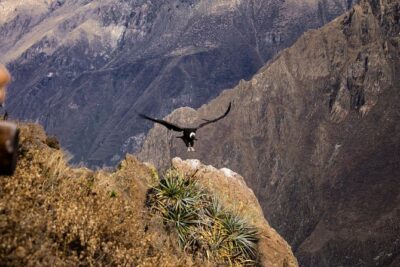
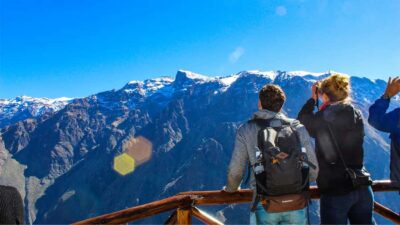
From Arequipa: Colca Canyon Full-Day Guided Tour with Meals
Read our review →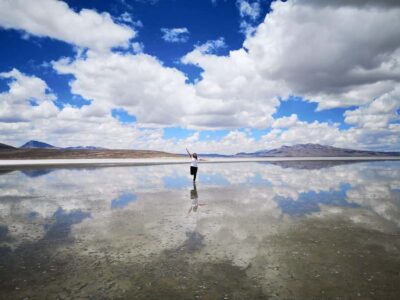
Tour to the Salinas Lagoon and National Reserve in Arequipa
Read our review →
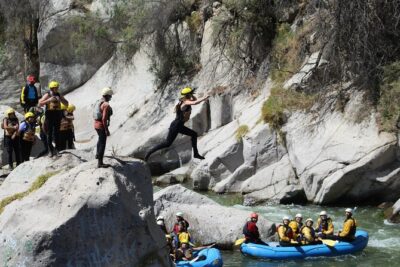
Rafting Arequipa – Chili River Canoeing – Cusipata Rafting Arequipa
Read our review →
Chili River White Water Rafting with Hotel Pickup
Read our review →