
Reviewed · PERU FOOD TOURS AND COOKING CLASSES
Chaqchao Chocolate Making Workshop
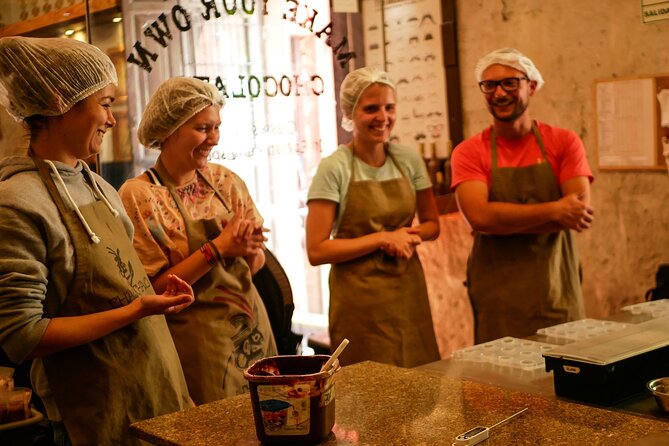
Chocolate makes a fine break from sightseeing. At Chaqchao in central Arequipa, you roast cacao beans, grind them with a granite mortar, prepare the traditional drink cacahuatil, compare commercial and artisan chocolate, and make sweets with Andean grains. I especially like the hands-on process and the chance to use local ingredients such as quinoa, kiwicha, and coca. The main point to watch is scheduling: you need to message Chaqchao with your preferred class time after booking.
The workshop costs $35 per person and lasts roughly two hours and 15 minutes to two and a half hours. It is private, so your group gets the instructor’s attention rather than being lost in a large class. Andreas, one of the instructors, is praised for his energy, patience, humor, and clear English. If you do not care much about chocolate, this may feel like a long tasting session, but for families, couples, solo visitors, and curious food lovers, it offers a lot for the price.
In This Review
- Key points at a glance
- What the Chaqchao workshop is really about
- Starting with cacao beans and chocolate history
- Roasting cacao beans by hand
- Grinding cacao in a granite mortar
- Preparing cacahuatil, an ancient cacao drink
- The blind chocolate tasting
- Making chocolates with Andean grains
- Why the private format matters
- Is $35 a fair price?
- Who should book this experience?
- Practical advice before you go
- Should you book the Chaqchao Chocolate Making Workshop?
- FAQ
- Where does the Chaqchao Chocolate Making Workshop take place?
- How long does the workshop last?
- What time does the workshop start?
- How much does the workshop cost?
- Is this a private activity?
- What will I make during the class?
- Do I get to take chocolate home?
- Can I cancel for a full refund?
Key points at a glance
- Roast and grind your own cacao: You handle the beans and turn them into cacao paste with a traditional granite mortar.
- Taste cacahuatil: This ancient Mexican cacao drink adds a cultural layer beyond ordinary chocolate sampling.
- Make chocolates with Andean ingredients: Quinoa, kiwicha, and coca become part of the sweets you take home.
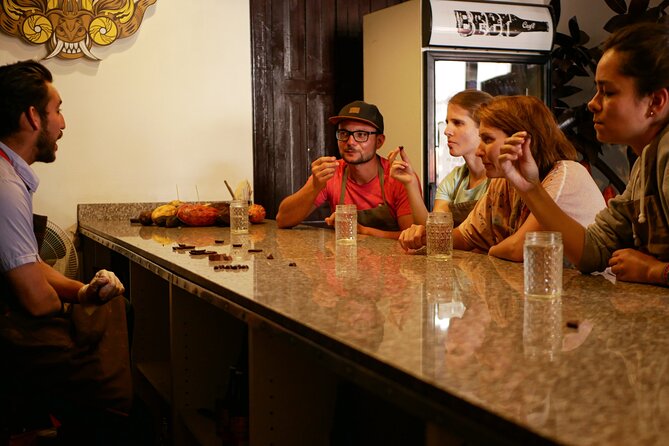
- Compare real chocolate with commercial chocolate: Blind tasting helps you notice differences in flavor and cacao content.
- Enjoy a private class: Your group participates in each stage, with time for questions and guidance.
- Meet in a central café: Chaqchao is at Santa Catalina 204, close to public transportation and within the Cercado of Arequipa.
What the Chaqchao workshop is really about
This is not a quick demonstration followed by a single chocolate mold. The class takes you through the main stages of chocolate making, beginning with the cacao bean and ending with chocolates you prepare yourself.
That order matters. You do not simply hear that chocolate comes from cacao. You handle the beans, roast them, grind them, and taste the results. The process gives you a better sense of the work behind a bar of chocolate, especially the difference between a mass-produced product and bean-to-bar chocolate.
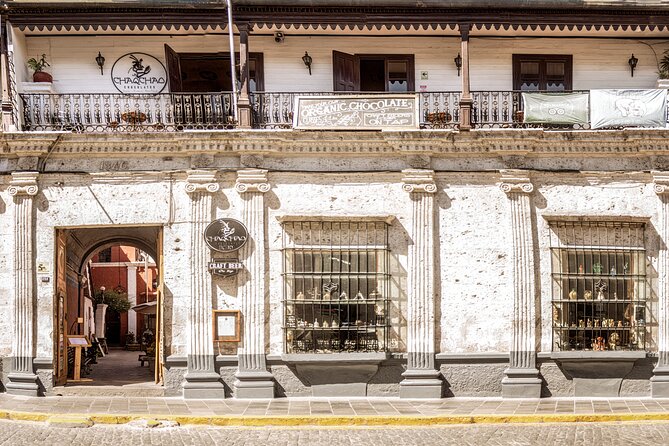
The setting is Chaqchao café, which also sells organic Peruvian coffee, homemade desserts, craft Peruvian beer, and bean-to-bar chocolates. You meet at Santa Catalina 204 in Arequipa’s Cercado district, and the class ends at the same place. That makes this an easy activity to fit between visits to the historic center, though you should allow the full class time rather than planning another appointment immediately afterward.
The workshop normally runs at 11 a.m. or 2:45 p.m. The booking information asks you to send a message by email or WhatsApp with the time you prefer. Do not assume your preferred slot is understood automatically. Send that message soon after booking.
More Food Tours and Cooking Classes in Arequipa
- Peruvian Cooking Experience in Arequipa
★ 5.0 · 173 reviews - A 3-hour Guided Food Tour with 4 Iconic Restaurants of Arequipa
★ 4.5 · 96 reviews - Arequipa Food Tour: Ancestral Cuisine & City Tour
★ 5.0 · 52 reviews
Starting with cacao beans and chocolate history
The instructor begins with the bean-to-bar process and the history of cacao. This opening gives useful context before the practical work starts.
You learn how cacao moves from bean to chocolate, then see why roasting, grinding, and preparation change the final flavor. The class also connects cacao with traditional drinks and food culture, rather than treating chocolate as only a modern sweet.
The teaching style seems to be one of the workshop’s strongest features. Andreas is repeatedly described as energetic, funny, patient, and easy to understand in English. That combination is helpful because chocolate production can become technical. A dry explanation of roasting or cacao content would slow the class down, but an enthusiastic teacher keeps you involved.
The private format also helps here. If you have a question about the beans, the taste, or the preparation, you can ask it without holding up a large group. A solo participant may receive an especially personal class, while a family can ask questions at its own pace.
Roasting cacao beans by hand
Next, you roast your own cacao beans. This is one of the small but important steps that helps you understand how raw cacao changes.
The process is tactile and practical. You are not just watching the instructor work behind a counter. You handle the beans and take part in preparing them for the next stage.
This section is useful for anyone who buys chocolate based on labels such as organic, artisan, or bean-to-bar but has never seen the starting point. It also gives children and teenagers something to do with their hands, which helps hold their attention during the history and tasting portions.
The workshop is not presented as a professional chocolatier course, so you should not expect advanced production equipment or a formal pastry-school lesson. Its strength is showing the full path in a friendly, approachable way. You leave with a clearer idea of how much happens before cacao becomes a smooth chocolate bar.
Grinding cacao in a granite mortar
After roasting, you make cacao paste in the traditional Mexican style with a granite stone mortar. This is one of the most distinctive parts of the class.
Grinding cacao by hand takes effort and patience. The mortar connects the modern café setting with an older method of preparing cacao, and the texture changes as you work. Several people describe grinding the beans and turning them into a creamy paste as a memorable part of the experience.
This stage also gives the class a strong sense of place. You are in Peru, but the workshop includes a traditional Mexican preparation method and an ancient cacao drink. That mix reflects the long cultural history of cacao across the Americas without reducing it to a simple souvenir activity.
The mortar work may be messy or tiring compared with simply tasting chocolate. That is part of the point. If you want an activity with real participation, you will appreciate it. If you prefer a polished food tasting with minimal effort, this portion may feel more demanding.
A completely different kind of day:
- 2 day 1 night trek / Colca Canyon
★ 5.0 · 1,069 reviews - From Arequipa: Colca Canyon Full-Day Guided Tour with Meals
★ 4.5 · 982 reviews - Tour to the Salinas Lagoon and National Reserve in Arequipa
★ 4.5 · 548 reviews - From Arequipa: Sillar Route Trek
★ 4.2 · 461 reviews
Preparing cacahuatil, an ancient cacao drink
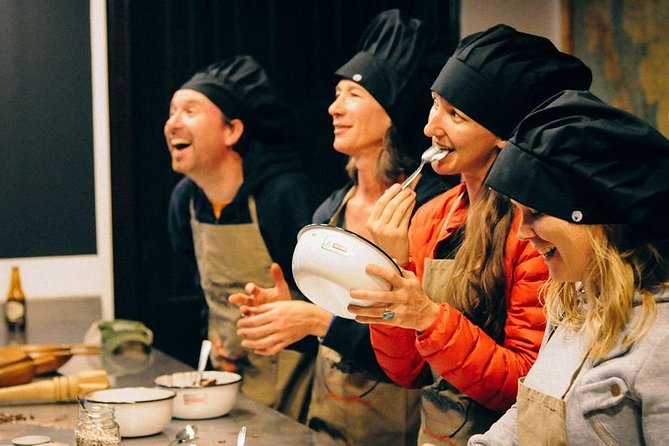
The class includes cacahuatil, described as a traditional Mexican drink and an ancient drink associated with the Inka in the workshop experience. You prepare it from the cacao paste rather than receiving a finished cup without explanation.
This is a valuable addition because it shows cacao in a form different from the sweet bars most people know. The drink helps you think about cacao as an ingredient with its own flavor, not only as a base for sugar-heavy desserts.
The drink also breaks up the workshop nicely. After handling beans and grinding paste, you get to taste something connected to older cacao traditions. It gives the class a cultural element that a basic chocolate-making activity might lack.
Keep your expectations sensible. This is a traditional cacao drink, not necessarily a familiar hot chocolate. The appeal is learning how it is prepared and tasting a historic style of cacao beverage.
The blind chocolate tasting
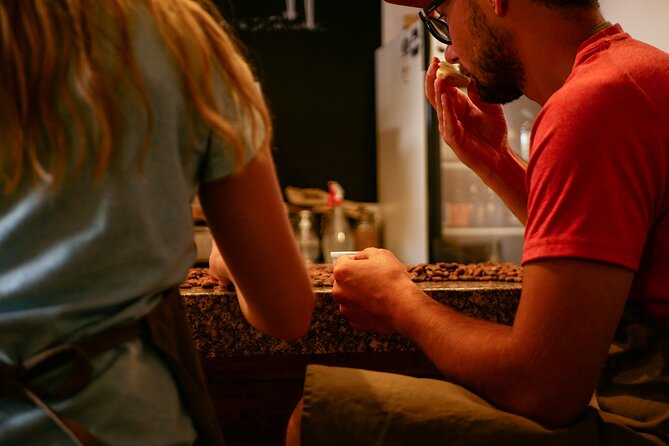
The blind tasting is one of the most useful parts for your palate. You sample different chocolates without relying on packaging or brand names, then try to understand the differences between commercial and artisan chocolate.
The aim is not to turn you into a professional taster. It is to help you notice cacao content, texture, sweetness, and overall flavor. The activity can include a friendly competition, which adds energy without making the class feel formal.
This section gives the workshop lasting value. Afterward, you may read chocolate labels with more interest and recognize why two bars with similar appearances can taste very different. It also explains why bean-to-bar chocolate costs more than many supermarket products.
The tasting is especially useful if you already enjoy chocolate but have little experience comparing styles. It can also make the class more engaging for adults who might find the basic crafting stage a little simple.
Making chocolates with Andean grains
The final practical section is the reward: you make your own chocolates to take home.
The ingredients include Andean grains such as quinoa and kiwicha, along with coca. These additions connect the finished sweets to Peru and make the result more personal than a standard chocolate bar made with generic toppings.
You work through the chocolate preparation and get to shape or finish your own pieces. The exact final form may vary, with some descriptions referring to chocolates, bonbons, or a chocolate bar, but the important point is consistent: you make the sweets yourself and leave with them.
Families seem particularly well suited to this stage. Teenagers can participate directly, and younger participants get a clear result from the work they have done. Couples and solo visitors also have plenty to do, and the private setting means nobody needs to fight for space at the worktable.
You should not expect to produce a large gift box. The workshop is about learning and making a personal batch to take with you. Still, leaving with your own chocolates gives the class a satisfying finish and adds value to the $35 price.
Why the private format matters
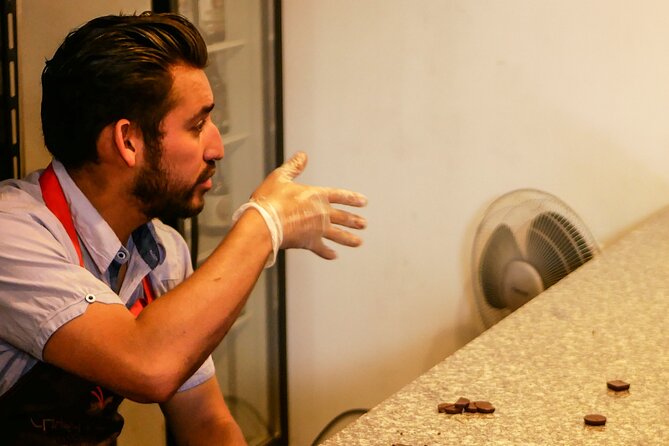
A private workshop is a real advantage here. Only your group takes part, so the instructor can adjust the pace and give each person a chance to roast, grind, taste, and make chocolate.
The format works well for a solo visit. One solo participant described having a one-on-one class that remained fun and engaging, even without a larger group. That says a lot about the instructor’s ability to keep the mood lively.
For families, privacy can make the class easier. You do not need to worry about children slowing down strangers, and the instructor can spend more time explaining things at a level that suits the group.
The tradeoff is that a private experience can feel more dependent on the instructor. Fortunately, Andreas is often praised for his enthusiasm, humor, and clear English. Other instructors, including Joshua, are also described as patient and informative. Your exact experience may depend on who leads the class, but the teaching appears to be a major strength.
Is $35 a fair price?
At $35 per person, this is not the cheapest way to spend a couple of hours in Arequipa. It is, however, a solid value if you take part in every stage and enjoy the chocolate you make afterward.
You are paying for more than a tasting. The price includes an explanation of cacao history and production, roasting, hand grinding, cacahuatil, a blind tasting, and your own chocolate-making session. The private format adds value because you receive personal instruction rather than standing at the back of a crowded demonstration.
The workshop also fills a useful half-day slot. At roughly two hours and 15 minutes to two and a half hours, it is long enough to feel substantial but short enough to combine with other plans in central Arequipa.
I would consider it good value for a chocolate lover, a family, or anyone interested in food traditions. If you dislike sweet foods or prefer outdoor activities, the cost may be harder to justify. You are spending the entire session around cacao, so your interest level matters.
Who should book this experience?
I would recommend the workshop most strongly to:
- Couples looking for a relaxed food activity
- Families with teenagers
- Solo visitors who enjoy personal instruction
- Chocolate fans who want to understand bean-to-bar production
- People interested in Peruvian ingredients and wider cacao traditions
- Anyone seeking a rainy-day or slower-paced activity in Arequipa
It works particularly well near the end of a trip. One family used it on its last day in Arequipa, and the combination of learning, tasting, and taking home chocolates makes a pleasant final activity.
The workshop may be less suitable if you have a strict schedule. The class can run up to two and a half hours, and you need to confirm your preferred time in advance. It is also not the best match for someone who wants a quick café stop rather than a structured class.
Practical advice before you go
Book ahead if your schedule is fixed. The activity is booked an average of 13 days in advance, which suggests that popular dates may fill before your arrival.
After booking, send Chaqchao a message by email or WhatsApp stating whether you prefer the 11 a.m. or 2:45 p.m. class. The listed operating period includes Monday through Sunday, with these class times given as the normal options.
The meeting point is Santa Catalina 204, Cercado de Arequipa 04001. It is near public transportation, and you return to the same location at the end.
Plan to stay for the whole workshop. The best parts build on one another: the history makes the roasting clearer, roasting prepares the beans for grinding, grinding leads to cacahuatil, and the tasting helps you understand the chocolate you make later.
Free cancellation is available up to 24 hours before the start time for a full refund. Changes or cancellations made less than 24 hours before the start are not accepted for a refund. The experience can also be moved or refunded if poor weather or an insufficient number of participants causes cancellation.
Should you book the Chaqchao Chocolate Making Workshop?
Yes, if you want an active food experience rather than a simple dessert stop. The strongest reasons to book are the private format, the full bean-to-bar process, the traditional cacao drink, and the chance to use quinoa, kiwicha, and coca in chocolates you take home.
I would book it as a two-hour break from churches, viewpoints, and city walking. Send your preferred time immediately after booking, and expect a hands-on class led by an upbeat instructor such as Andreas. If chocolate is not your thing, choose another activity. If it is, $35 buys a generous amount of tasting, learning, and making.
FAQ
Where does the Chaqchao Chocolate Making Workshop take place?
The workshop starts and ends at Chaqchao café, Santa Catalina 204, Cercado de Arequipa 04001, Peru.
How long does the workshop last?
The class runs for about two and a half hours. The tour details also describe the experience as approximately two hours and 15 minutes.
What time does the workshop start?
The normal class times are 11 a.m. and 2:45 p.m. You should message Chaqchao by email or WhatsApp after booking to state which time you prefer.
How much does the workshop cost?
The listed price is $35 per person.
Is this a private activity?
Yes. Only your group participates in the workshop.
What will I make during the class?
You roast cacao beans, grind them into cacao paste with a granite mortar, prepare cacahuatil, and make chocolates with Andean ingredients including quinoa, kiwicha, and coca.
Do I get to take chocolate home?
Yes. You make chocolates during the class to take home with you.
Can I cancel for a full refund?
You can cancel for a full refund up to 24 hours before the experience starts. Cancellations or changes made less than 24 hours before the start time are not accepted for a refund.
Just added in Arequipa
- Sillar Route★ 5.0 · 4 reviews
- Salinas Lagoon + Mini Volcano DE Lojen★ 5.0 · 9 reviews
- 3-Day Colca Canyon trek with Professional Guide★ 5.0 · 40 reviews
- Full Day Tour To The Salt Lake Salinas in Arequipa★ 4.5 · 34 reviews
- Walking City tour including the Monastery of Santa Catalina★ 5.0 · 6 reviews
- Trekking, Waterfalls and Thermal Baths★ 4.5 · 47 reviews
- Downhill Tour – Mountain Bike in Arequipa★ 3.5 · 5 reviews
- 2 Days 1 Night trekking Through Colca Canyon, Private room★ 5.0 · 16 reviews
Peru Food Tours and Cooking Classes, compared.
Peruvian Cooking Class Cocktails and Market Tour in Cusco
Read our review →

Peruvian Cooking Class, Local Market Tour & Exotic Fruit Tasting
Read our review →
3 Day Tour From Lima: Paracas, Huacachina Oasis & Pisco Vineyard
Read our review →
Peruvian Cooking Class, Cocktails & Local Market Tour
Read our review →Browse the lists this tour appears in