
Reviewed · CITY TOURS
City Tour Cusco
Cusco’s great stones tell the city’s story. I like the way this half-day outing links Sacsayhuaman, Q’enqo, Tambomachay, and Puca Pucará in one run, and I like the chance to see Inca engineering beside Spanish-era Cusco. The main drawback is that entrance tickets, food, and drinks are not included, so the $15 price is only part of your total cost.
You get tourist transportation, a professional English- or Spanish-speaking guide, guided visits at the sites, and agency assistance at any hour. A verified booking praised the guide’s kindness and strong command of many subjects, which is exactly what you want when bare stone walls need a human voice. Keep in mind that the outing may not suit you if walking is difficult, and the timing is described as five hours in one place and about five and a half hours in the itinerary.
In This Review
- Key points at a glance
- Why this short Cusco tour works
- Starting from Cusco’s Plaza de Armas
- Sacsayhuaman and the city of colossal stone
- Q’enqo, the Puma shrine and hidden ritual spaces
- Tambomachay and the living water sources
- Puca Pucará and the final view over Cusco
- What the guide adds to the stonework
- Is $15 good value?
- Timing, packing, and comfort
- Who should book this outing?
- Should you book City Tour Cusco?
- FAQ
- Where does the tour begin?
- Where does the tour finish?
- How long does the activity last?
- Which sites are included?
- Is transportation included?
- Is a guide included?
- Are entrance tickets included?
- What should I bring?
- Can I cancel for a full refund?
Key points at a glance
- Four major Inca-era sites: Sacsayhuaman, Q’enqo, Tambomachay, and Puca Pucará each show a different side of Cusco’s old ceremonial and defensive world.
- A low $15 starting price: Transportation and guiding are included, but entrance tickets and refreshments are extra.
- Useful city pickup: Collection can be arranged from your hotel, Plaza de Armas, or a coordinated neutral point.
- Live English or Spanish guiding: The guide brings context to architecture, rituals, water, and Cusco’s changing identity.
- A compact five-hour outing: You see several important places without giving up a full day in Cusco.
- Bring identification, not luggage: A passport or ID card is required, while large bags are not allowed.
Why this short Cusco tour works
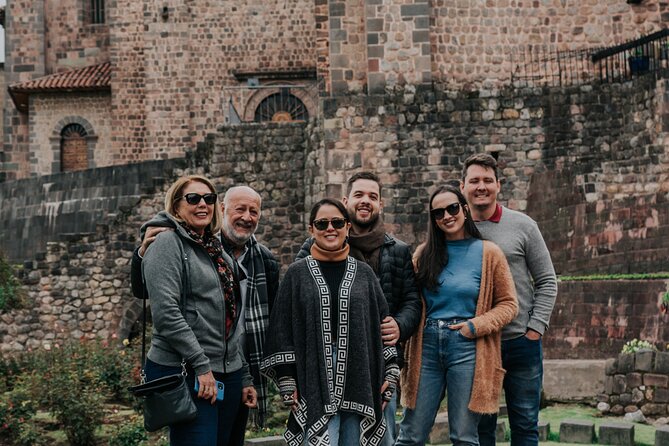
Cusco is easy to admire and surprisingly hard to understand. A plaza, a stone wall, or a church can look beautiful without explaining how the Inca capital worked. This trip helps connect the pieces by taking you beyond the city center to four important sites.
I especially like the route’s range. Sacsayhuaman gives you massive stone construction and wide views. Q’enqo shifts the mood toward ritual. Tambomachay brings water and Andean beliefs into the picture. Puca Pucará adds a strategic viewpoint over the valley and the imperial city.
That range matters. You are not repeating the same kind of ruin four times. Each stop offers a different lesson, and the guide can help you notice details that are easy to miss when you walk around alone.
The outing is also short enough to fit around other Cusco plans. At $15 per person, it can be a practical way to arrange transport and a live explanation rather than trying to organize every site yourself. Still, do not treat $15 as the final bill. Entrance fees are separate, and there is no meal, drink, snack, or travel insurance included.
More city tours in Cusco:
- Cusco: Half-Day City Tour with Sacsayhuaman and Q’enco
★ 4.6 · 1,129 reviews - City Tour Cusco Qoricancha Sacsayhuaman y Tambomachay
★ 4.7 · 617 reviews - Cusco City Tour Four Ruins in Half-Day
★ 5.0 · 530 reviews
Starting from Cusco’s Plaza de Armas
The city-center meeting point is Plaza de Armas, Cusco’s natural reference point. Pickup may also be made from your hotel, with a collection schedule provided in advance. If hotel collection is not workable, the agency can coordinate a neutral meeting point and arrange the timing with you.
This flexibility is useful in Cusco, where a clear pickup plan can save time. The details provided do not specify an exact pickup hour, so check availability and confirm the collection schedule before you set up the rest of your day.
The tour ends at Cuzco Main Square. That is handy if you want to continue with lunch, shopping, or a walk through the central streets. It also means you are not left at a distant site when the guided portion ends.
Transportation is included, but the information does not state the vehicle type or group size. I would ask about both if you care about legroom or prefer a small group. The tour is designed as a shared sightseeing outing, yet the exact size is not given.
Sacsayhuaman and the city of colossal stone
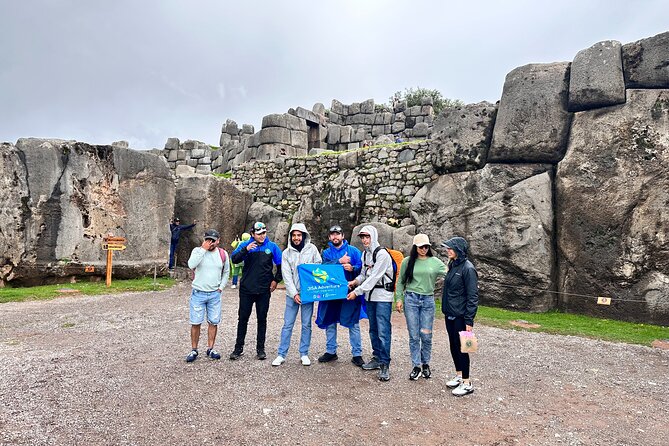
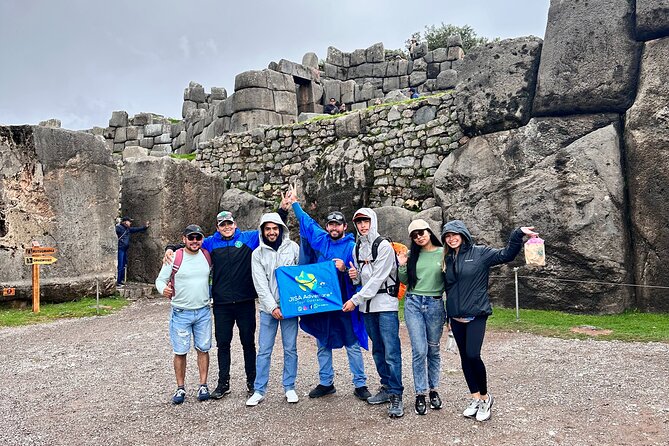
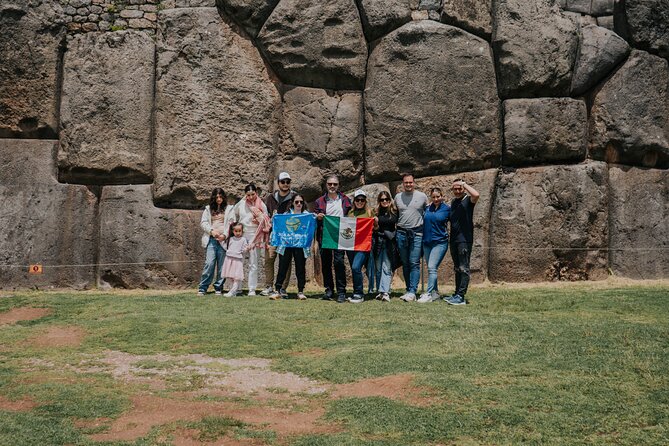
Sacsayhuaman is the first major stop and the visual heavyweight of the day. The site is described as an impressive ceremonial fortress, with huge constructions set among open scenery. You tour its three levels and look toward the bases of the great towers that once dominated Cusco in Inca times.
The scale is the point here. The stones make ordinary building blocks look almost comic. Even without knowing every technical detail, you can see that the work required careful planning, skilled stone shaping, and a great deal of organization.
The upper area is especially important because it helps you picture the site’s commanding position above Cusco. You are not simply looking at walls. You are looking at a place connected to the capital below, with views that explain why this location mattered.
Give yourself time to look beyond the most famous stones. The surrounding scenery is part of the experience, and the guide can help you read how the site fits into its setting. The supplied description makes a useful point: an experienced guide may notice things that pass unnoticed when you are focused only on taking photographs.
The practical concern is footing and access. The outing is not suitable for people with mobility impairments, and the information does not promise accessible routes. Wear shoes you can walk in comfortably and expect the site visit to involve movement across uneven archaeological ground.
Q’enqo, the Puma shrine and hidden ritual spaces
Q’enqo changes the focus from monumental walls to an Inca shrine associated with the Puma. It is described as an ancient temple with an altar for sacrifices inside Pachamama, or Mother Earth.
This is the stop where a guide’s explanation matters most. The place may not immediately reveal its meaning from the outside. The value comes from learning how the carved and enclosed spaces were understood within Andean belief.
Do not expect a long museum-style presentation. This is a site visit, not an indoor exhibition. You will be looking at the remains in place, with the guide supplying the thread that connects architecture, ritual, and the natural world.
The wording about sacrifices is serious, so listen carefully to how the guide explains the site rather than reducing it to a dramatic photo stop. Q’enqo helps you see that Inca places were not only about power and construction. Some were tied to ceremony, the earth, and sacred symbols.
More things to do in Cusco:
- Classic Inca Trail Trek 4D/3N to Machu Picchu (Group Service)
★ 5.0 · 8,653 reviews - Cusco: Rainbow Mountain and Red Valley Day Trip with Meals
★ 4.9 · 4,893 reviews - Machu Picchu: 4-Day Inca Trail Trek with Panoramic Train Ride
★ 5.0 · 4,568 reviews - Salkantay Classic Trek 5 Days from Cusco
★ 5.0 · 4,062 reviews
Tambomachay and the living water sources
Tambomachay brings water to the center of the story. The monument is presented as an example of notable architectural skill and one of the pillars of the Andean way of seeing the world.
You will observe spring water sources that still irrigate fields and terraces associated with the city. That continuing movement of water gives the stop a practical edge. It is not only an old structure to admire. It also points to the close relationship between water, farming, settlement, and belief.
I find this kind of stop valuable because it broadens your view of Inca achievement. Sacsayhuaman can make you think of stone and military power. Tambomachay shows how water and the environment were part of the same system.
The description does not provide details about the amount of walking or the exact access path at Tambomachay. If you have limited mobility, this is another reason to ask the agency for current access information before booking. The overall activity is specifically marked as unsuitable for people with mobility impairments.
Puca Pucará and the final view over Cusco
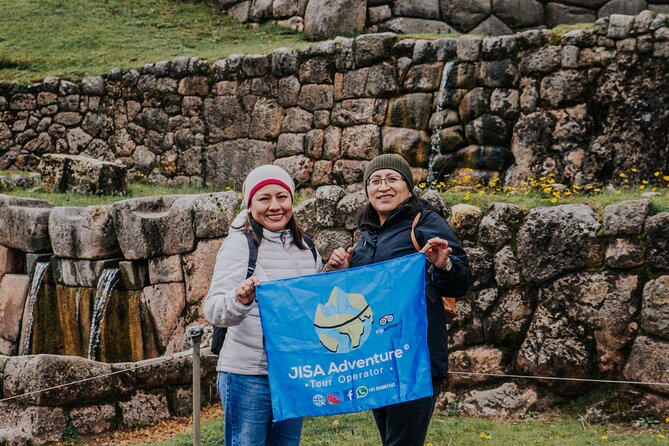
The last stop is Puca Pucará, a watchtower and strategic place overlooking the valley and imperial city. Its role gives the route a useful finish. After seeing ceremonial, sacred, and water-related sites, you end at a point linked to observation and control.
The name is often associated with a red fortress, but the supplied details focus on its watchtower function and commanding position. Your guide can explain the place in the wider route between the city and the surrounding sites.
This is a good time to look back at the day’s sequence. The four stops are not isolated ruins. Together, they show different needs of the Inca capital: ceremony, sacred practice, water, movement, and protection.
Puca Pucará is also likely to appeal to anyone who values views. The description specifically highlights its position over the valley and imperial city, so keep your camera ready. Just remember that scenic stops can be exposed, and the tour does not list weather equipment or refreshments. Bring what you need for a half-day outside, while keeping your bag small.
What the guide adds to the stonework
The strongest praise attached to this experience concerns the guide. A verified booking from Brazil described the outing as pleasant and praised the guide as very kind and well prepared, with a strong grasp of many subjects. No guide name is provided, but that detail still tells you what to value: clear explanations and a friendly manner.
Cusco’s archaeological sites reward questions. Ask how the four places relate to the capital, what the guide sees as Inca work versus later interpretation, and how the water at Tambomachay fits into Andean thought. The experience is much better when you use the guide as an interpreter instead of treating the visit as a quick photo circuit.
English and Spanish are available. Make sure you select the language that lets you ask questions comfortably. The tour includes guided visits at the sites, not just transportation between them.
The supplied details do not state the group size or whether audio equipment is used. If you have hearing concerns, ask before reserving. A small practical question can make a large difference at an outdoor site where wind, distance, and other voices may affect what you hear.
Is $15 good value?
At $15 per person, the price is appealing. You receive tourist transportation, a professional guide, site guiding for roughly five hours, and 24-hour agency assistance. For a first visit to Cusco, that covers the parts that are often awkward to arrange on your own.
The catch is the entrance fee. Tickets are not included, and no ticket price is supplied here, so you need to check the current total before booking. Food, beverages, snacks, and travel insurance are also your responsibility.
I would judge the value in two ways. If you already have admission covered and mainly need transport plus explanations, $15 looks strong. If you are building a strict daily budget, calculate the entrance tickets and personal costs before deciding.
The price also buys time. You can visit four sites in one organized outing without working out the route yourself. That is useful in Cusco, where the city center and outlying archaeological places are not the same experience.
Timing, packing, and comfort
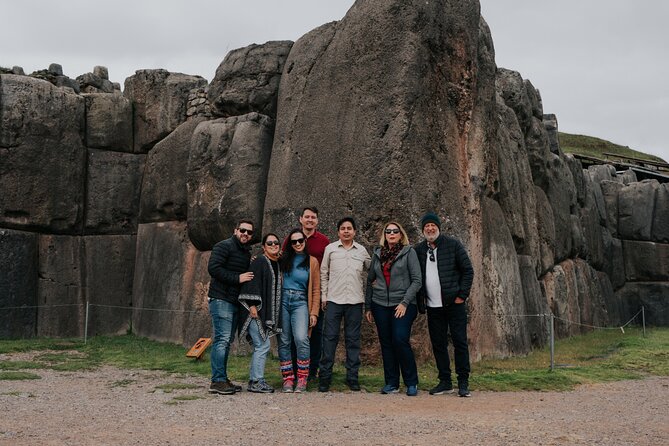
The activity is described as five hours, while the itinerary gives about five and a half hours. Plan for the longer figure so you are not rushing to another booking. The exact starting time depends on availability, and pickup details are coordinated separately.
Bring your passport or ID card. Large bags and luggage are not allowed, so carry only a small day bag with essentials. The supplied information does not list a required clothing checklist, but a compact bag is the safe approach.
Meals and drinks are not included. Since the trip lasts about half a day, arrange refreshments according to your own needs before or after the tour. Do not assume that snacks will be supplied.
Travel insurance is also not included. That is a normal add-on rather than a flaw in a low-cost sightseeing outing, but it belongs in your trip budget if you want that protection.
Free cancellation is available up to 24 hours before the activity for a full refund. You can also reserve now and pay later, which helps if your Cusco schedule is still changing. Check the final booking terms and the available starting times before confirming.
Who should book this outing?
I would recommend it to a first-time Cusco visitor who wants a clear introduction to Inca sites without spending a full day away from the city. It suits you if you value a guide’s explanations, want transportation included, and like the idea of seeing several different kinds of archaeological places in one route.
It is also a good match for anyone curious about more than famous stonework. The stops cover architecture, ceremony, water, views, and the defensive position of the old capital.
I would think twice if you dislike organized sightseeing or want long, unhurried time at one site. Four stops in roughly five hours means the schedule has a steady pace. The exact group size is not provided, so ask if that affects your choice.
This is not the right pick for someone with mobility impairments. The activity is explicitly marked unsuitable, and no accessible route details are supplied. Large luggage is another clear no, though that is easy to solve with a small bag.
Should you book City Tour Cusco?
Book it if you want an inexpensive, guided introduction to Cusco’s surrounding Inca sites and you are comfortable paying entrance fees separately. The route gives you a useful progression from Sacsayhuaman’s giant stones to Q’enqo’s sacred spaces, Tambomachay’s water, and Puca Pucará’s watchtower views.
Before you pay, confirm the total cost of tickets, your pickup location, the collection time, and the language of the guide. If those details fit your plans, this five-hour outing offers a sensible mix of transport, history, and scenery for $15.
FAQ
Where does the tour begin?
Pickup can be arranged from Plaza de Armas in Cusco. Hotel collection may also be available, and the agency can coordinate a neutral meeting point if needed.
Where does the tour finish?
The tour finishes at Cuzco Main Square.
How long does the activity last?
The activity is advertised as five hours. The itinerary gives an approximate duration of five and a half hours, so plan for that longer timeframe.
Which sites are included?
The route visits Sacsayhuaman, Q’enqo, Tambomachay, and Puca Pucará.
Is transportation included?
Yes. Tourist transportation is included.
Is a guide included?
Yes. A professional live guide is included, with English and Spanish available.
Are entrance tickets included?
No. Entrance tickets are not included in the $15 price.
What should I bring?
Bring your passport or ID card. Large bags and luggage are not allowed.
Can I cancel for a full refund?
Yes. You can cancel up to 24 hours in advance for a full refund.
Just added in Cusco
- Cusco Private Transportation for 2026★ 5.0 · 4 reviews
- Private Transfer from Airport to Hotel in the City of Cusco★ 4.0 · 5 reviews
- Best Cusco walking tour: dinner street food tasting★ 4.5 · 11 reviews
- Private Tour to Pisac Market and Pisac Ruins★ 5.0 · 4 reviews
- Machu Picchu Day Trip With Panoramic Train from Cusco★ 5.0 · 10 reviews
- Sacred Valley of the Incas Tour★ 5.0 · 12 reviews
- Private Tour of the Mountain of Colours by Quad★ 5.0 · 7 reviews
- Sacred Valley Private Tour from Cusco, Guide and Driver only★ 5.0 · 4 reviews
City Tours, compared.
Lima Half-Day City Walking Tour (Small Groups)
Read our review →
Half-Day City Tour with Sacsayhuaman and Q’enco
Read our review →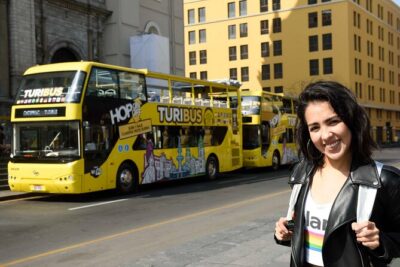
City Tour Panoramic Bus Departure From Larcomar
Read our review →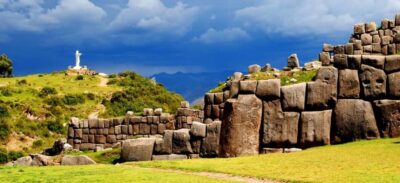
City Tour Cusco Qoricancha Sacsayhuaman y Tambomachay
Read our review →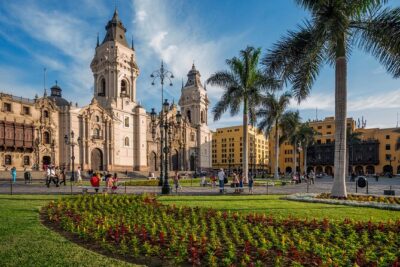
Lima’s Vibrant Heritage: Exploring the City’s Landmarks Half-day
Read our review →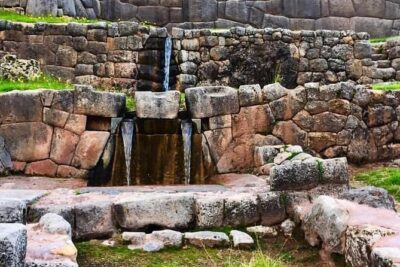
Sightseeing Tour of the City on an Open-Top Bus
Read our review →
Lima City, Central Market & Catacombs Tour (Pick-up & Drop Off)
Read our review →Browse the lists this tour appears in