
Reviewed · CUSCO CITY TOURS
Cusco: Half-Day City Tour with Sacsayhuaman and Q’enco
Cusco reveals its secrets quickly. This five-hour outing links the city center with four major Inca sites, giving you a useful first look at Cusco’s ceremonial, military, and waterworks heritage without taking up a full day. I especially like the low $13 price and the chance to visit both Qoricancha and the hilltop ruins with a live guide. The main drawback is simple: half a day means a fairly brisk pace, and entrance tickets cost extra.
I also like that the tour runs in both morning and afternoon shifts, with English and Spanish guidance plus an audio guide in both languages. Guides such as Luis, Wilson, Victor, Samuel, Jared, and William have been praised for clear explanations and patience. Still, the meeting point at the Plaza de Armas fountain can be confusing when several groups gather there at once.
In This Review
- The quick take
- Why this five-hour route works in Cusco
- Qoricancha: where two Cuscos meet
- Sacsayhuamán and its giant stones
- Q’enqo: a smaller site with a ceremonial purpose
- Puka Pukara and the Inca road system
- Tambomachay and the worship of water
- Returning to Cusco’s historic center
- What the $13 price really covers
- The guides make or break the experience
- Timing, walking, and practical comfort
- Meeting at the Plaza de Armas
- Should you book this Cusco city tour?
- FAQ
- How long does the Cusco city tour last?
- Which sites are included?
- Are entrance tickets included in the $13 price?
- Where is the meeting point?
- Is the tour offered in English?
- What should I bring?
The quick take
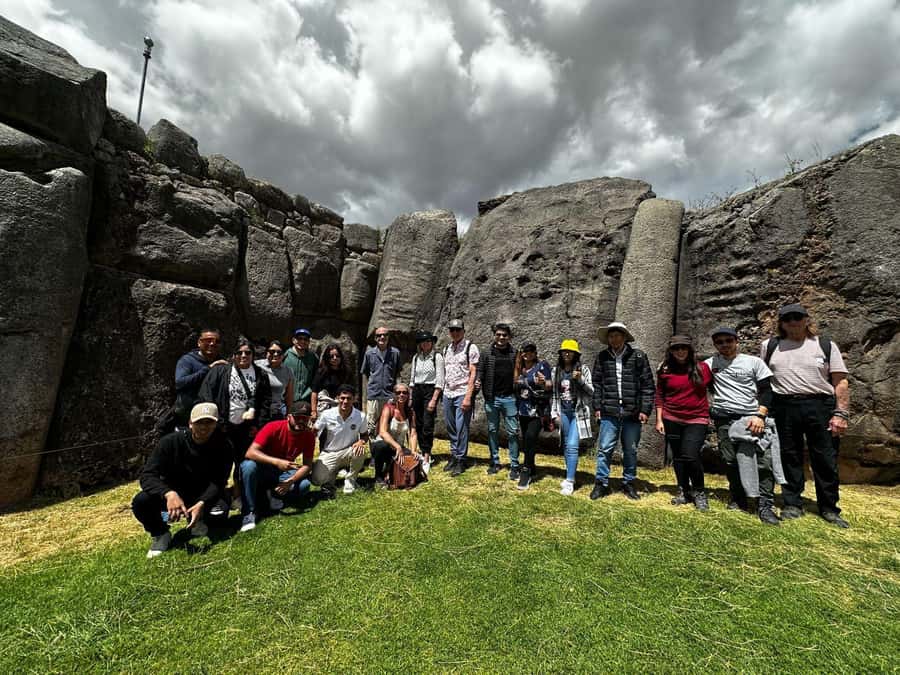
- Sacsayhuamán supplies the big visual moment: Massive fitted stones, high views over Cusco, and a strong sense of Inca engineering make this the tour’s headline stop.
- Qoricancha connects Inca and colonial Cusco: The optional temple visit helps you understand what lies beneath the city’s Spanish churches and streets.
- Four major sites fit into five hours: You see Sacsayhuamán, Q’enqo, Puka Pukara, and Tambomachay in one compact outing.
- The guides are the real value: Luis, Wilson, Victor, and others are praised for answering questions and explaining the sites in both English and Spanish.
- Budget carefully for entrance fees: Qoricancha costs S/20, while the tourist ticket is listed at S/70, both separate from the tour price.
- The route involves walking and altitude: Bring water, sun protection, and good shoes, and note that the activity is not recommended for pregnant women or people with epilepsy.
Why this five-hour route works in Cusco
Cusco can feel confusing at first. Its streets, churches, courtyards, and archaeological sites reflect several layers of the past, but the most important places are spread between the central streets and the hills above town. This tour gives you a sensible framework.
You begin at the main square, travel by minivan to the nearby ruins, and finish back in the historic center at Calle Plateros. That arrangement saves you from arranging separate taxis or trying to understand the local transport system on your first day.
The route is also efficient because the sites complement one another. Sacsayhuamán shows military architecture and stonework on a grand scale. Q’enqo brings you to a ceremonial site. Puka Pukara suggests how the Inca road system was watched and supported. Tambomachay shifts the focus to water and ritual.
I would not treat this as a slow archaeological study. You get guided time, photo stops, short walks, and free time at several locations, but each stop has a clock attached to it. That is the trade-off for seeing so much at a low price.
More Cusco city tours:
- City Tour Cusco Qoricancha Sacsayhuaman y Tambomachay
★ 4.7 · 617 reviews - Cusco City Tour Four Ruins in Half-Day
★ 5.0 · 530 reviews - Open Bus Cusco City Tour
★ 4.5 · 219 reviews
Qoricancha: where two Cuscos meet
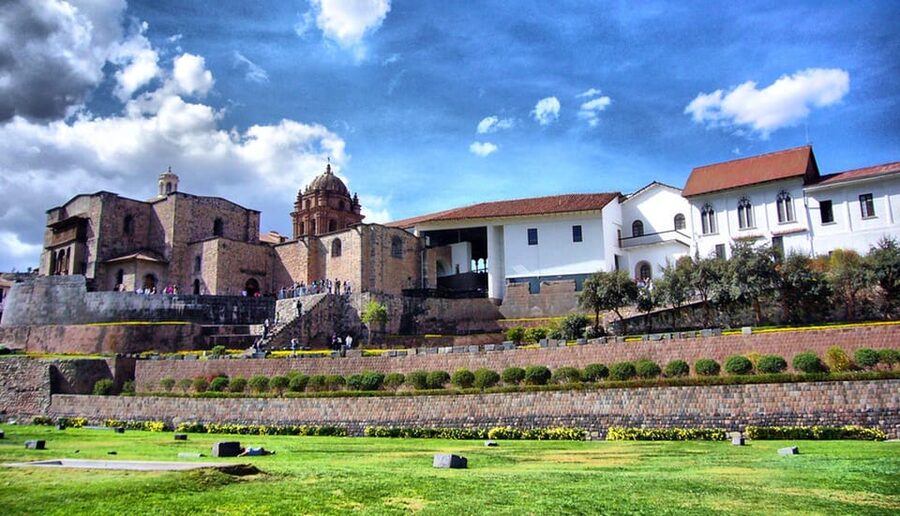
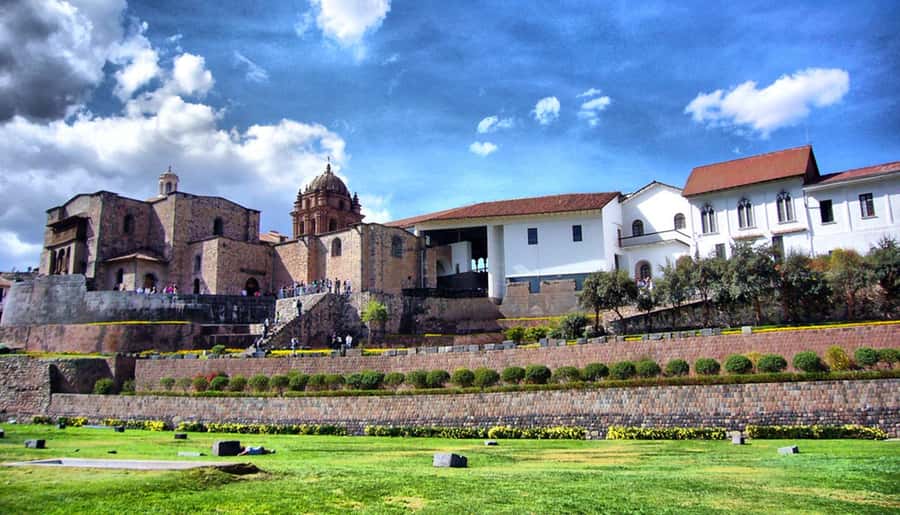
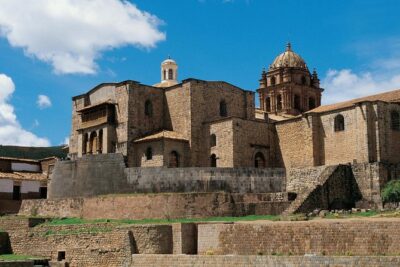
The first planned stop is Qoricancha, also written Coricancha or Qorikancha. The name refers to the Inca Temple of the Sun, and the site is especially useful for understanding how Spanish colonial Cusco was built over the earlier Inca city.
The visit is optional, and the separate entrance fee is listed as S/20. If you have already visited the temple, you may prefer to use that time elsewhere. If this is your first visit to Cusco, I think it is worth considering because the temple helps explain the relationship between Inca stonework and later Spanish construction.
Plan on about an hour here, including the visit, guided explanation, sightseeing, and walking. This is not just a quick photograph from the street. You get a chance to look closely at the masonry and hear how the site fits into Cusco’s religious and political story.
One practical point: the supplied route begins at the Cusco main square, while the wider pickup information says hotel pickup may be available in the urban area. Confirm the exact arrangement before setting out. If you meet at the fountain, arrive early and look for a guide holding a small company flag or a board with your name.
Sacsayhuamán and its giant stones
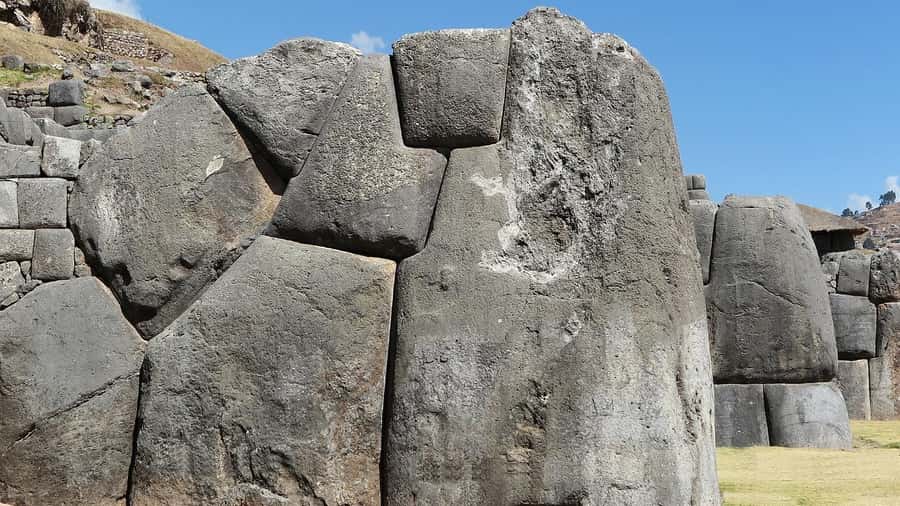
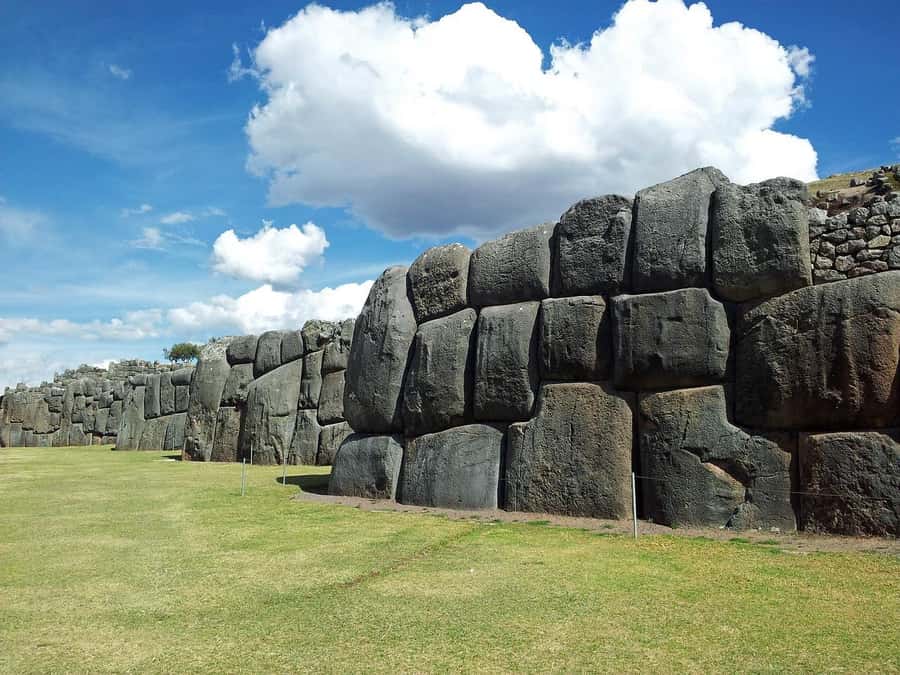
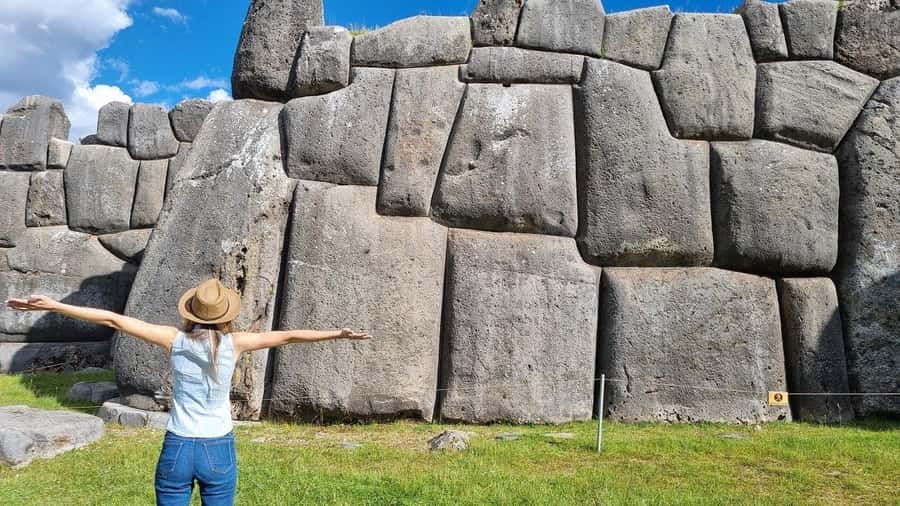
After Qoricancha, the minivan takes about 20 minutes to reach Sacsayhuamán. This is the stop most likely to make you pause before your guide even begins speaking. Huge stones fit together with remarkable precision, and the site gives you wide views back toward Cusco.
You have about 40 minutes here for a guided visit, photographs, free time, and a short walk. That is enough for a useful introduction, but not enough to inspect every terrace or linger over every view. If you like ancient engineering, use your free time carefully. Take the photographs first, then listen for the details about construction and the role of the fortress.
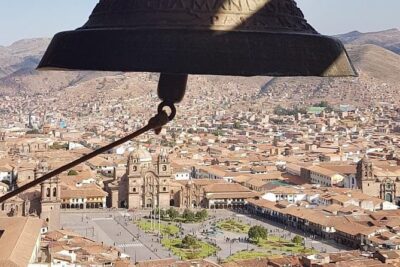
The views are part of the experience. From this height, Cusco’s bowl-shaped setting becomes easier to understand, and the city below looks less like a maze. Your guide may also help you separate fact from the dramatic stories that often surround Inca sites.
Several guides receive especially warm praise for this section. Luis is repeatedly described as clear and thorough, while Wilson is noted for answering questions patiently. That matters here because the stones can impress you in silence, but a good explanation gives the walls meaning.
Q’enqo: a smaller site with a ceremonial purpose
The drive from Sacsayhuamán to Q’enqo takes only about six minutes. Q’enqo is a smaller archaeological complex, but it changes the mood of the route. Instead of a broad fortress with grand views, you encounter a site associated mainly with ceremonial and astronomical use.
The scheduled stop lasts around 30 minutes. You get a guided explanation, a photo stop, and time to look around. The shorter visit suits the scale of the site, although you may wish for more time if you enjoy examining carved rock surfaces and asking detailed questions.
This is one place where the guide’s skill makes a major difference. The remains are not as immediately obvious as the enormous walls at Sacsayhuamán. I would listen closely, ask questions, and avoid rushing through the explanation just to collect another photograph.
The tour is conducted in English or Spanish, and mixed-language groups may receive explanations in both. Several people have praised guides for handling bilingual groups well. If your English is not fully comfortable, ask the guide to repeat an important point. The staff appear accustomed to questions, and the strongest guides make room for them.
More city tours in Cusco:
- Cusco: Sightseeing Tour of the City on an Open-Top Bus
★ 4.0 · 481 reviews - Cusco: City Tour | Half-Day Tour to 4 Archaeological Sites
★ 4.6 · 206 reviews - City Tour in Cusco & visit Museum South American Camelid Private.
★ 5.0 · 147 reviews - Cusco City Sightseeing, San Pedro Market, Cathedral and Qorikancha Temple
★ 4.5 · 139 reviews
Puka Pukara and the Inca road system
A 15-minute drive brings you to Puka Pukara, a site associated with military use. Its name is often translated as Red Fortress, and the remains include rooms, plazas, baths, aqueducts, walls, and towers.
The stop lasts about 25 minutes. That makes Puka Pukara a concise visit, with time for photographs, a guided walk, and some independent looking. The site may not have the same immediate impact as Sacsayhuamán, but it fills an important gap in the story. The Inca world required roads, administration, water, shelter, and control, not only temples and ceremonial spaces.
I like this stop because it helps you read the other ruins as part of a working system. You are not simply moving between unrelated piles of stone. You are seeing different kinds of places that served different purposes around Cusco.
Some groups also stop at an alpaca wool shop during the route. This is not described as a required purchase stop, and recent visitors have found no pressure to buy. If you want a sweater, blanket, or other wool item, the staff may explain how to tell natural alpaca fiber from imitations. If shopping is not on your list, expect this to add a little time.
Tambomachay and the worship of water
The final archaeological stop is Tambomachay, just a five-minute drive from Puka Pukara. Here, carved stone channels and flowing water take center stage. The site was possibly linked to the worship of water, giving the tour a quieter ending after the large walls and open views of the earlier stops.
The planned visit is about 40 minutes and includes walking, a guided explanation, photographs, and free time. The path can feel more demanding than the short distance suggests, especially at Cusco’s altitude. One group in its 70s appreciated Wilson’s patience when he allowed extra time to reach the upper part of Tambomachay. That is a useful sign for older people who prefer a guide who does not force everyone to hurry.
You should still judge your own pace honestly. Comfortable shoes are essential, and a small daypack is easier to manage than a large bag. Carry water, sunscreen, a hat, and sunglasses. The sun can be strong even when the air feels cool.
Tambomachay rewards attention to small details. Look at the stone channels rather than treating the stop as a final photo opportunity. The site may not be as visually overwhelming as Sacsayhuamán, but its focus on water gives the half-day route a pleasing variety.
Returning to Cusco’s historic center
After Tambomachay, the minivan takes roughly 30 minutes to return to the center. The tour ends on Calle Plateros, a convenient location for continuing on foot, finding a meal, or returning to your hotel.
The route is scheduled to finish around 2:00 p.m. for the morning shift and around 6:30 p.m. for the afternoon shift. Those times are approximate. Traffic, group pace, and the number of questions can affect the finish.
The afternoon departure is useful if you want a quiet morning or need time to recover from a long arrival. The morning option leaves the rest of the day open. If you are planning a fixed dinner reservation, allow some flexibility rather than booking something immediately after the stated finish.
What the $13 price really covers
At $13 per person, this is unusually inexpensive for five hours of transport and guided sightseeing. The price includes tourist transportation and a professional guide. It does not include meals, Qoricancha’s S/20 entrance, or the listed S/70 tourist ticket.
That means your real cost is higher than the headline price. Still, even after adding the required entrance fees, the tour can be a good deal if you want transport between four outlying sites and a guide who explains what you are seeing.
The value depends on your expectations. You are paying for access, transport, and interpretation, not a private tour or a leisurely day at each ruin. The group format keeps the price down, but it can also mean waiting for other people and listening to bilingual explanations.
I think the tour is strongest for a first day in Cusco. You get enough background to decide which sites deserve a longer return visit. It is less suitable if you already know the archaeological parks well or want to photograph each location without a schedule.
The guides make or break the experience
The most consistently praised feature is the guiding. Luis is repeatedly singled out for detailed explanations, enthusiasm, and the ability to answer questions. Wilson is praised for patience and care, particularly with older people. Victor, Samuel, Jared, William, and Joel are also described as friendly, prepared, and effective at explaining Cusco’s past.
That consistency matters because this route covers several sites in a short time. A guide who merely points at walls would leave you with a stack of photographs and little understanding. The better guides explain why each place matters and connect the ruins to one another.
You should expect the guide to speak in both English and Spanish when the group is mixed. This can lengthen some explanations or make the English sound less immediate for some listeners. One person found the English occasionally difficult to follow, although the guide remained open to questions and eager to explain.
If you need a point repeated, ask. The strongest reports describe guides who welcome questions rather than rushing past them.
Timing, walking, and practical comfort
The activity lasts about five hours, but the actual walking is broken into manageable visits. You spend about 40 minutes at Sacsayhuamán, 30 at Q’enqo, 25 at Puka Pukara, and 40 at Tambomachay, with travel between the sites.
The pace received mixed praise. Some people found there was enough time at every stop, while others felt rushed because so much is packed into a half-day. Both impressions can be true. You will see a lot, but you will not have unlimited time for quiet wandering.
This tour is listed as suitable for all ages, yet it is not recommended for pregnant women or people with epilepsy. The route also includes walking at high elevation, uneven archaeological ground, and exposure to sun. Wear comfortable clothes and shoes, carry cash for extra costs, and keep your passport or identification with you.
Pets, weapons, sharp objects, smoking in the vehicle, alcohol, drugs, fireworks, explosives, and nudity are not allowed. Food is not included, so carry water and plan a meal before or after the tour.
Meeting at the Plaza de Armas
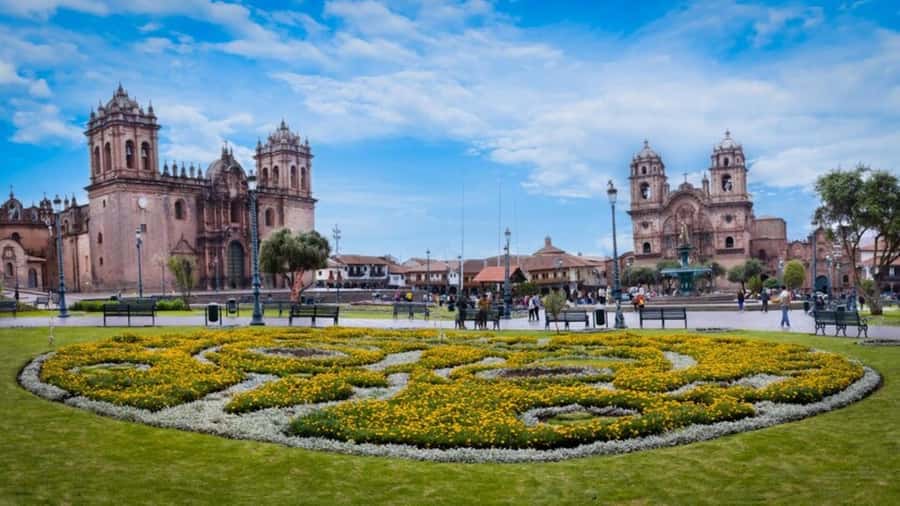
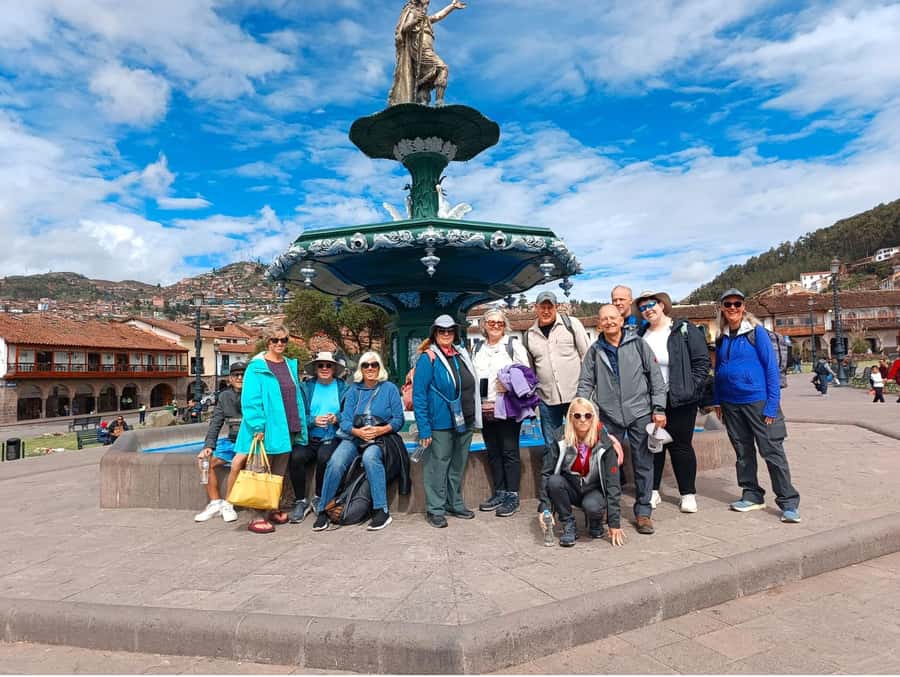
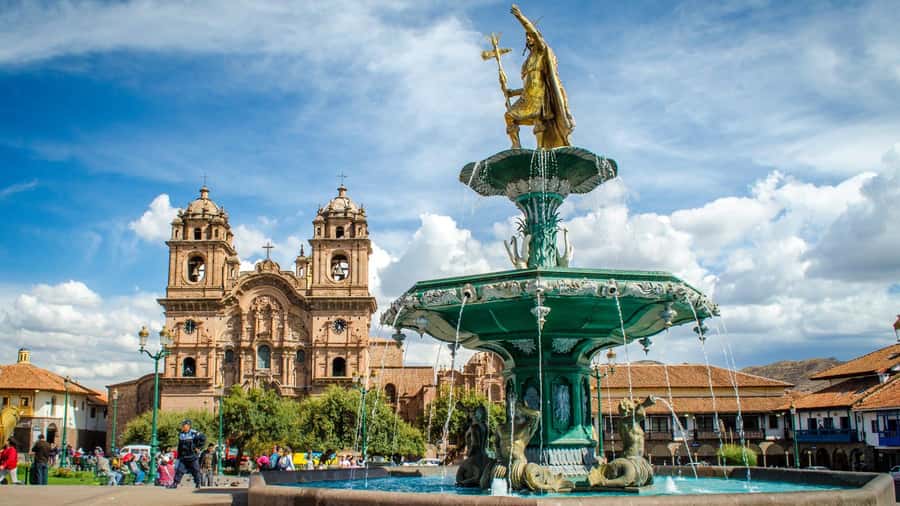
The official meeting point is by the fountain in Cusco’s main square, at coordinates -13.516772, -71.9787231. The square is easy to reach, but it can be crowded with guides and groups waiting for their own transport.
I would arrive early and keep your phone handy. Look for the guide holding a small flag with the company name and logo, or a whiteboard showing your name. The pickup information also mentions hotel pickup within the urban area, so confirm whether you are being collected or meeting at the square.
Clearer meeting instructions would improve the experience. A few people lost time searching because a nearby shop address was used instead of a plain instruction to meet at the fountain. This is a small problem, but it is worth solving before you leave your hotel.
Free cancellation up to 24 hours before departure and the option to reserve now and pay later add flexibility. Check the available start times when booking, since the morning and afternoon shifts follow different schedules.
Should you book this Cusco city tour?
I would book it if you want a low-cost introduction to Cusco’s main Inca sites, especially during your first few days. The route is well chosen, the minivan saves time, and the guides add far more value than a self-guided trip would at this price.
Book it with realistic expectations. You will move briskly, entrance fees are extra, and the fountain meeting point requires care. If you want slow photography, private attention, or a full archaeological study, choose a longer or private outing instead.
For most people with only half a day, this is a smart introduction. Bring water, arrive early, budget for the tickets, and let the guide do the connecting work. Sacsayhuamán may be the visual star, but Qoricancha, Q’enqo, Puka Pukara, and Tambomachay turn the outing into a much clearer picture of Cusco.
FAQ
How long does the Cusco city tour last?
The tour lasts about five hours. The morning shift runs approximately from 9:00 a.m. to 2:00 p.m., while the late shift runs approximately from 1:00 p.m. to 6:30 p.m.
Which sites are included?
The route visits Qoricancha as an optional first stop, followed by Sacsayhuamán, Q’enqo, Puka Pukara, and Tambomachay. The tour finishes in Cusco’s historic center on Calle Plateros.
Are entrance tickets included in the $13 price?
No. Qoricancha is listed at S/20, and the tourist ticket is listed at S/70. Meals and other services not specifically listed are also excluded.
Where is the meeting point?
Meet by the fountain in Cusco’s main square. The listed coordinates are -13.516772, -71.9787231. Hotel pickup may be available within Cusco’s urban area, so confirm the arrangement before departure.
Is the tour offered in English?
Yes. Live guides are available in English and Spanish, and an audio guide is also listed in both languages.
What should I bring?
Bring your passport or identification, comfortable shoes, sunglasses, a sun hat, sunscreen, water, a camera, comfortable clothes, cash, and a daypack. Food is not included.
Just added in Cusco
- Cusco Private Transportation for 2026★ 5.0 · 4 reviews
- Private Transfer from Airport to Hotel in the City of Cusco★ 4.0 · 5 reviews
- Best Cusco walking tour: dinner street food tasting★ 4.5 · 11 reviews
- Private Tour to Pisac Market and Pisac Ruins★ 5.0 · 4 reviews
- Machu Picchu Day Trip With Panoramic Train from Cusco★ 5.0 · 10 reviews
- Sacred Valley Private Tour from Cusco, Guide and Driver only★ 5.0 · 4 reviews
- Sacred Valley of the Incas Tour★ 5.0 · 12 reviews
- Private Tour of the Mountain of Colours by Quad★ 5.0 · 7 reviews
Cusco City Tours, compared.
City Tour Cusco Qoricancha Sacsayhuaman y Tambomachay
Read our review →
Cusco City Sightseeing, San Pedro Market, Cathedral and Qorikancha Temple
Read our review →
Cusco City Sightseeing and Sacsayhuaman Archeological Park Tour
Read our review →
Cusco 4-Hour Private Tour Including Sacsayhuaman and Qenqo
Read our review →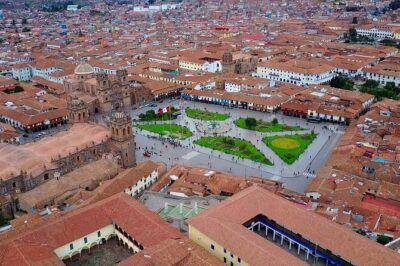
Browse the lists this tour appears in