
Reviewed · CUSCO CITY TOURS
Cusco 4-Hour Private Tour Including Sacsayhuaman and Qenqo
Cusco rewards a good first look. This private four-hour tour links the city’s main Inca sites with its Spanish colonial center, so you can get your bearings before visiting Machu Picchu or the Sacred Valley. I especially like the private vehicle and hotel pickup, which save time at Cusco’s high altitude, and the chance to have one guide explain how Sacsayhuaman, Qenko, Qorikancha, and the city fit together.
I also like the relaxed, personal format. Guides such as Alfredo, Patricia, Ruben, Soledad, Victor, and Stephanie have been praised for clear explanations, local insight, patience, and help with photos. The main drawback is that several admission fees cost extra, and four hours is brisk if you want a serious look inside every site.
In This Review
- Key points to know before booking
- Why this private Cusco tour works well
- Sacsayhuaman: giant stones above Cusco
- Plaza de Armas and Cusco Cathedral
- Qorikancha: where Inca and Spanish Cusco meet
- Puka Pukara and the Inca road
- Qenko and its mysterious carved channel
- Tambomachay: water, terraces, and a calmer finish
- The guide makes the difference
- Snacks, textile stops, and the personal touch
- What the $87 price really covers
- Who should book this four-hour route?
- Should you book it?
- FAQ
- How long does the Cusco private tour last?
- What sites are included in the route?
- Is hotel pickup and drop-off included?
- Is transportation private?
- Which entrance fees must I pay separately?
- What languages are available for the guide?
- Are snacks included?
- Can I cancel for a full refund?
Key points to know before booking
- Four major Inca sites outside Cusco: Sacsayhuaman, Qenko, Puka Pukara, and Tambomachay are covered in one outing.
- Private transport makes the timing work: You ride between sites instead of arranging taxis or waiting for a larger group.
- The guide is the heart of the experience: Alfredo, Patricia, Ruben, Soledad, Victor, and Stephanie have all been praised for their history knowledge and friendly style.
- Tickets are not fully included: Budget PEN 70 for Sacsayhuaman, PEN 40 for the cathedral, and PEN 15 for Qorikancha.
- A useful first-day tour: The mix of driving and short walks can be easier than a full-day excursion while you adjust to Cusco’s altitude.
- An optional textile stop may be added: The textile factory visit costs nothing extra, though you should confirm the day’s exact plan.
Why this private Cusco tour works well
At $87 per person, this is not the cheapest way to see Cusco. It is, however, a practical price for a private guide, private vehicle, hotel pickup and drop-off, snacks, and a tightly planned route through seven important stops.
The value comes from the time saved. Cusco’s archaeological sites are spread around the city and nearby hills. A taxi can get you from place to place, but it cannot explain why a wall matters, how an Inca road worked, or how Spanish churches were built over earlier temples. A private guide gives the sites a shared story instead of leaving you with a series of impressive stones and unanswered questions.
You also have more control over the pace. If you are tired, still feeling the effects of altitude, or want to ask many questions, your guide can adjust the rhythm more easily than a large group can. Several visitors appreciated that the walking sections were manageable and balanced with time in the vehicle.
This is especially useful soon after arriving in Cusco. The city sits at high altitude, and a four-hour outing gives you a substantial introduction without committing to a full day on the road. It is not effortless, though. You will still walk over uneven archaeological ground and spend time outdoors, so wear sensible shoes and dress for the season.
More Cusco city tours:
- Cusco: Half-Day City Tour with Sacsayhuaman and Q’enco
★ 4.6 · 1,129 reviews - City Tour Cusco Qoricancha Sacsayhuaman y Tambomachay
★ 4.7 · 617 reviews - Cusco City Tour Four Ruins in Half-Day
★ 5.0 · 530 reviews
Sacsayhuaman: giant stones above Cusco
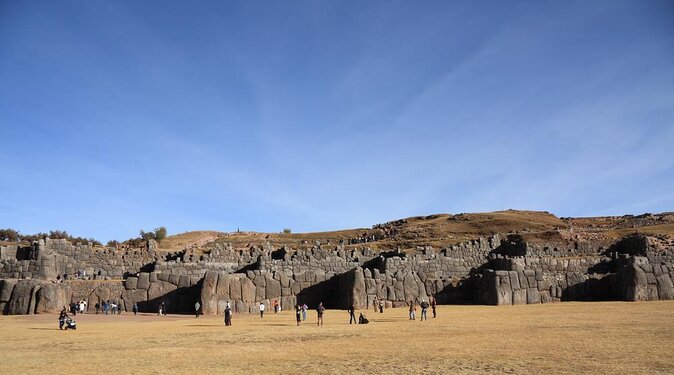
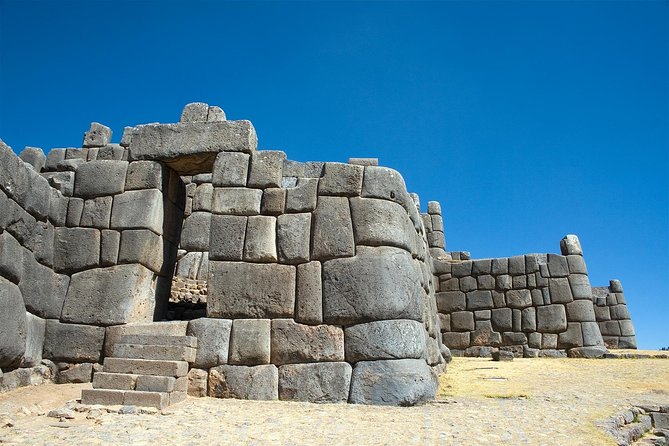
The tour usually begins with Sacsayhuaman, also spelled Saqsaywaman or several other ways. This citadel sits on the northern edge of Cusco and looks down toward the former Inca capital.
You get about 30 minutes here. That is enough to see the huge zigzag walls and hear the basic story of the site, but not enough for a slow, detailed exploration. The stonework is the reason to pay attention. Massive blocks fit together with remarkable precision, and the scale gives you a quick sense of the engineering skill behind the Inca state.
The site’s story also reaches further back than the Inca period. Sections were first built around 1100 CE by the Killke culture, which occupied the area before the Inca Empire. A good guide can help you separate what is known from what remains uncertain, rather than presenting every theory as fact.
The entrance fee is not included. The listed cost is PEN 70 per person. This is one of the three extra charges to plan for, along with the cathedral and Qorikancha. Carry local currency if possible, or confirm current payment arrangements before you go.
The setting provides some of the best city views on the route. You should bring your camera, but keep some attention on your footing. The combination of altitude, open stone surfaces, and short climbs can feel harder than the schedule suggests.
Plaza de Armas and Cusco Cathedral
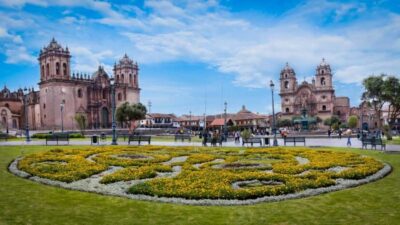
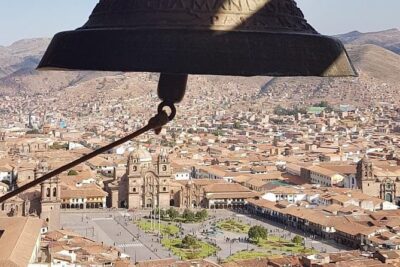
Back in central Cusco, the tour pauses at the Plaza de Armas for about 10 minutes. This is a short stop, but it gives you the clearest view of the city’s two layers: the Inca capital beneath and the Spanish colonial city built over it.
The plaza was important before the Spanish conquest. It served as a starting point for the development of the Imperial City, the capital of the Inca Empire. Later, Spanish buildings and churches changed its appearance and purpose.
I like this part of the tour because it prevents the ruins from feeling disconnected from modern Cusco. You can look at the colonial façades and then learn how the conquerors reshaped a city that already had a powerful political and religious center.
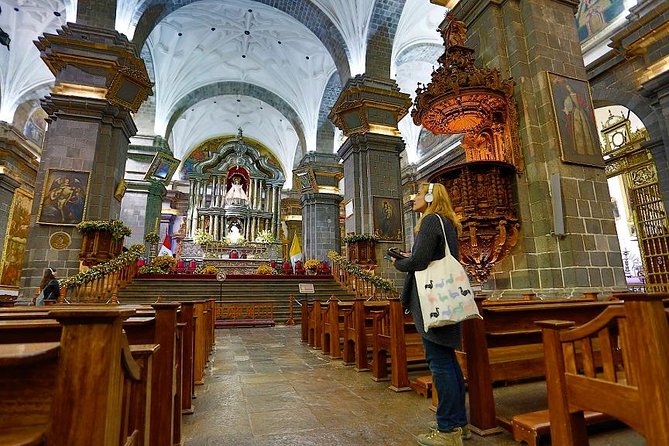
The cathedral sits directly on the plaza, with about 20 minutes allocated for the visit. Its formal name is the Cathedral Basilica of the Assumption of the Virgin, and it is the mother church of the Roman Catholic Archdiocese of Cusco.
Admission is not included and costs PEN 40 per person. The tour information does not promise that the cathedral interior will always be visited, so confirm the day’s plan with your guide. One couple chose to skip it after several hours of walking, which shows the advantage of having a private itinerary. You can make that kind of decision without holding up a coach full of people.
Qorikancha: where Inca and Spanish Cusco meet
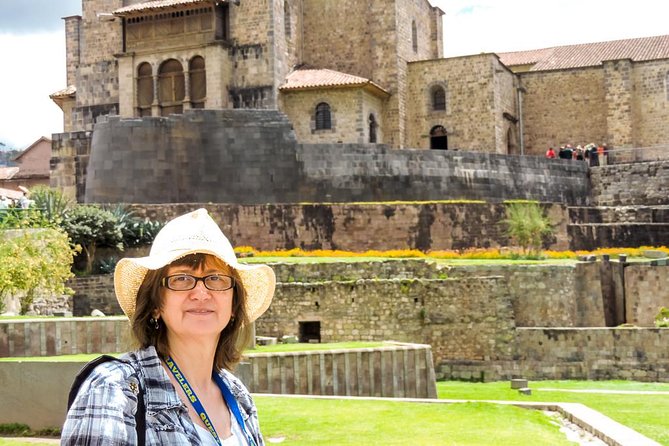
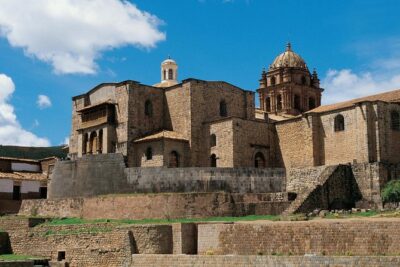
Qorikancha, also called Coricancha or Qoriqancha, is one of the most important stops for understanding the collision of Inca and Spanish traditions.
The temple was originally called Intikancha or Intiwasi and was dedicated to Inti, the sun deity. After the Spanish conquest, much of the temple was destroyed. Its stones were reused in churches and houses, and the Santo Domingo Convent was built on its foundations.
That layering is the main attraction. You are not looking at a separate Inca ruin and a separate Spanish building. You are seeing both histories occupying the same space. The 1650 earthquake destroyed the first Dominican convent, after which the later Santo Domingo Convent was built.
The visit lasts about 20 minutes. That is enough for an explanation of the site’s role and its surviving masonry, though people fascinated by Inca construction may want more time. Admission costs PEN 15 per person and is not included.
A strong guide matters here. Patricia and Ruben, among others, have been praised for connecting architecture with present-day Cusco and Peruvian culture. That kind of explanation gives Qorikancha more meaning than a quick photo stop.
More things to do in Cusco:
- Classic Inca Trail Trek 4D/3N to Machu Picchu (Group Service)
★ 5.0 · 8,653 reviews - Cusco: Rainbow Mountain and Red Valley Day Trip with Meals
★ 4.9 · 4,893 reviews - Machu Picchu: 4-Day Inca Trail Trek with Panoramic Train Ride
★ 5.0 · 4,568 reviews - Salkantay Classic Trek 5 Days from Cusco
★ 5.0 · 4,062 reviews
Puka Pukara and the Inca road
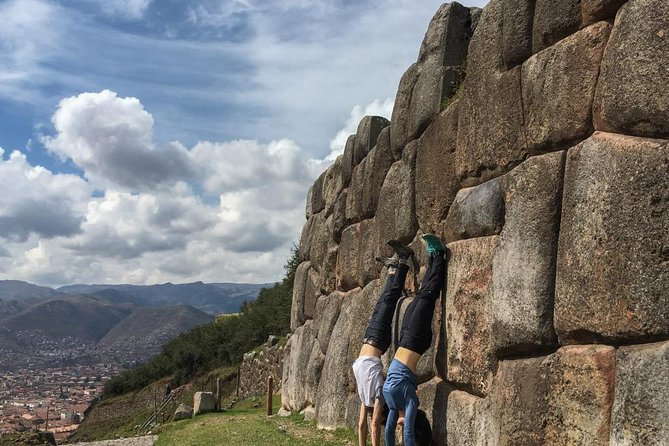
Puka Pukara is a smaller site, located about six kilometers from Cusco. The name comes from Quechua: puca means red and pucara means fortress or watchtower.
You get around 15 minutes here. The site was placed at a strategic point along the route to Antisuyo, the jungle region of the Inca Empire. It also served as a checkpoint on the Inca road and as a military and administrative center.
Puka Pukara is not as visually overwhelming as Sacsayhuaman, but it helps explain how the empire functioned. The Inca road system needed places for control, administration, and movement. This stop gives you a glimpse of that wider network.
The short visit is sensible. You can understand the site’s purpose without spending a large part of a half-day tour here. Its position also adds another open-air stop, so sun protection and seasonal clothing are useful.
Qenko and its mysterious carved channel
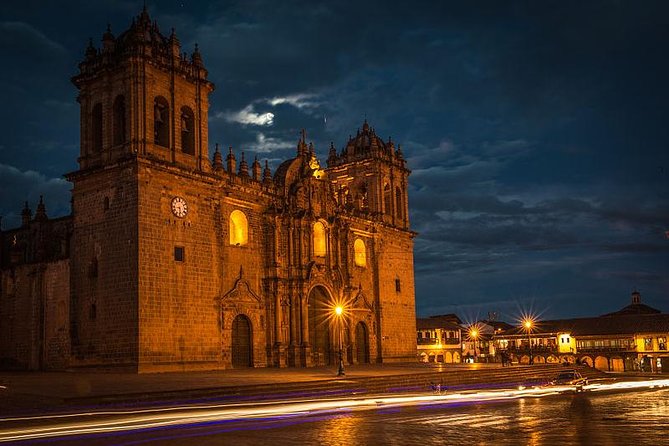
Qenko, or Q’enqo, means labyrinth or zigzag in Quechua. The name refers to the crooked channel cut into the rock.
This is one of the more intriguing stops because the central question remains unresolved. The channel clearly carried some type of liquid, but its purpose is uncertain. Possible explanations include holy water, chicha made from corn, or blood. Each theory points toward ritual use, perhaps connected with death ceremonies, embalming, or judging whether a person had lived a good life.
You spend about 15 minutes here. That may sound short, but Qenko is compact compared with Sacsayhuaman. The value lies in hearing the possible interpretations and looking closely at the carved stone rather than simply walking around a large complex.
This is where a guide who can explain uncertainty is useful. You do not need a confident answer to every ancient puzzle. Sometimes the honest explanation is that researchers still disagree, and that makes the site more interesting.
Tambomachay: water, terraces, and a calmer finish
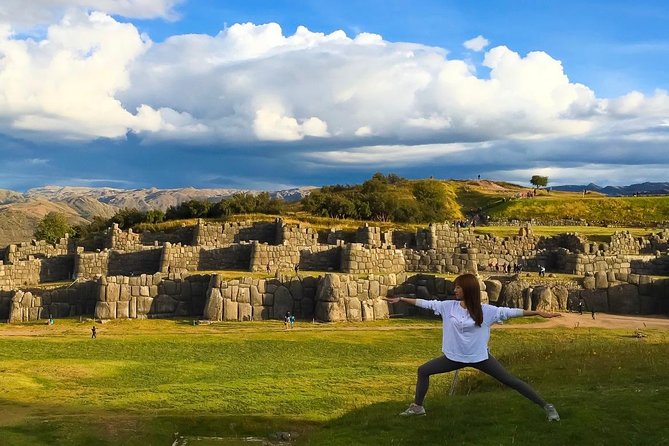
Tambomachay, also known as El Baño del Inca, receives about 25 minutes. The site consists of aqueducts, canals, and waterfalls running through terraced rocks.
After the heavier stones and ritual questions at the earlier ruins, Tambomachay offers a gentler focus: water management. The channels and flowing water show how carefully the Incas worked with natural springs and stone construction.
The name El Baño del Inca suggests a connection with bathing, though your guide will provide the local interpretation and historical context. As with Qenko, listen for the difference between established facts and later explanations.
This is another outdoor stop with uneven ground. You may find the walking easy, but altitude and the day’s accumulated stops can affect your energy. The schedule leaves enough time to see the water features without turning the visit into a long hike.
The guide makes the difference
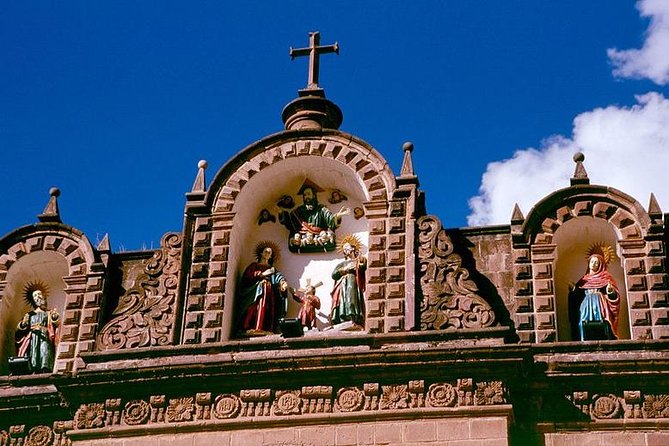
This tour succeeds or fails largely on the person leading it. The strongest guide experiences described here share several traits: clear English, strong knowledge of Inca history, local cultural perspective, patience, and flexibility.
Alfredo has been praised for explaining both the ruins and their surroundings, while Patricia has been singled out for sharing her experience as a Cusqueña and connecting past traditions with present-day life. Ruben has been described as friendly, careful, and particularly helpful when altitude sickness made a slower pace important. Soledad was praised for patience and for bringing a Peruvian snack during a walking-heavy outing.
English quality may vary. One person found the guide pleasant but less fluent in English than expected. If precise historical explanation matters to you, state your preferred language and expectations when booking. The tour offers an English- or Spanish-speaking guide, but specific guide assignment is not guaranteed.
The driver also matters. Private transport is not just a comfort here. It allows the guide to keep the route moving and makes it easier to stop at each site without arranging separate rides. One driver, Brian, was praised for safe driving and well-timed pickups.
Snacks, textile stops, and the personal touch
Snacks are included, and this small detail has real value. A simple snack bag and water can help when altitude, heat, and several stops begin to wear you down. Do not treat the snacks as a full meal, though. The tour lasts about four hours, not an entire day.
An optional textile factory visit is available at no additional charge. This can add a useful cultural element, especially if you want to see traditional fiber work rather than only archaeological sites. Some outings have also included an alpaca and llama stop, but treat that as an optional possibility rather than a guaranteed part of every departure.
The private format makes these additions easier to handle. You can ask questions, take photos, or spend a little less time at a stop that does not interest you. The trade-off is that optional stops may reduce time at the main sites, so tell your guide what matters most.
What the $87 price really covers
At $87 per person, the tour is best value for two or more people who want convenience and context. The cost covers a private English- or Spanish-speaking guide, private vehicle transport, hotel pickup and drop-off, and snacks.
You must add three admission fees:
- Sacsayhuaman: PEN 70 per person
- Cusco Cathedral: PEN 40 per person
- Qorikancha: PEN 15 per person
That makes the advertised price only part of your actual budget. The trade-off is that you are paying for a half-day service tailored to your group, rather than a basic transfer between ruins.
I would choose this tour if I had limited time in Cusco, wanted a clear introduction before Machu Picchu, or was traveling with family members who might need a flexible pace. I would choose a longer archaeological tour if I wanted extended time at each site or planned to study the ruins in detail.
Who should book this four-hour route?
This experience suits first-time visitors who want the main Inca sites near Cusco in one organized outing. It is also a good fit for couples, families, and solo visitors who prefer not to join a large group.
The mix of vehicle time and short walks can help if you are adjusting to altitude. Most people can participate, and service animals are allowed. Still, dress for the season, wear comfortable shoes, and remember that the archaeological sites are outdoor places with stone surfaces and some walking.
It also works well before a longer Peru itinerary. The route gives you useful background for Machu Picchu, Ollantaytambo, Pisac, and other Inca sites. After this tour, you will recognize the recurring ideas: road control, water engineering, ritual spaces, careful stonework, and the Spanish reuse of Inca foundations.
Free cancellation is available up to 24 hours before the start time for a full refund. The experience requires good weather, so poor conditions may lead to a new date or a full refund.
Should you book it?
Book this tour if you want a well-organized private introduction to Cusco and value a guide who can tie the city, ruins, religion, and colonial past together. The strongest experiences depend on guides such as Alfredo, Patricia, Ruben, Soledad, Victor, or Stephanie, so the guide’s communication style is worth confirming when you reserve.
Skip it if you want long, unhurried visits at every monument or dislike paying entrance fees separately. For most first visits, though, the private transport, flexible pace, snacks, and broad route make $87 a reasonable investment, especially when four hours is all the time you have.
FAQ
How long does the Cusco private tour last?
The tour lasts approximately four hours.
What sites are included in the route?
The route includes Sacsayhuaman, Plaza de Armas, Cusco Cathedral, Qorikancha, Puka Pukara, Q’enqo, and Tambomachay.
Is hotel pickup and drop-off included?
Yes. Hotel pickup and drop-off are included in the tour.
Is transportation private?
Yes. Transport is provided by private vehicle, and only your group participates in the activity.
Which entrance fees must I pay separately?
The listed separate fees are PEN 70 per person for Sacsayhuaman, PEN 40 per person for Cusco Cathedral, and PEN 15 per person for Qorikancha.
What languages are available for the guide?
The tour includes a private English- or Spanish-speaking guide.
Are snacks included?
Yes. Snacks are included in the tour.
Can I cancel for a full refund?
Yes, if you cancel at least 24 hours before the experience starts. Cancellations made less than 24 hours before the start time are not refunded.
Just added in Cusco
- Cusco Private Transportation for 2026★ 5.0 · 4 reviews
- Private Transfer from Airport to Hotel in the City of Cusco★ 4.0 · 5 reviews
- Best Cusco walking tour: dinner street food tasting★ 4.5 · 11 reviews
- Private Tour to Pisac Market and Pisac Ruins★ 5.0 · 4 reviews
- Machu Picchu Day Trip With Panoramic Train from Cusco★ 5.0 · 10 reviews
- Private Tour of the Mountain of Colours by Quad★ 5.0 · 7 reviews
- Sacred Valley Private Tour from Cusco, Guide and Driver only★ 5.0 · 4 reviews
- Sacred Valley of the Incas Tour★ 5.0 · 12 reviews
Cusco City Tours, compared.
Half-Day City Tour with Sacsayhuaman and Q’enco
Read our review →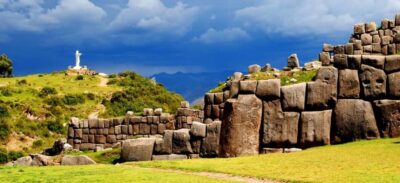
City Tour Cusco Qoricancha Sacsayhuaman y Tambomachay
Read our review →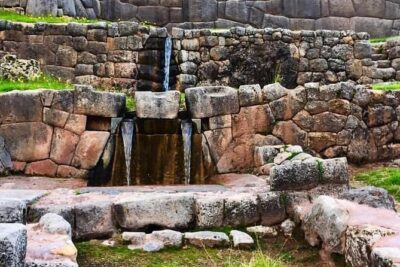
Cusco City Sightseeing, San Pedro Market, Cathedral and Qorikancha Temple
Read our review →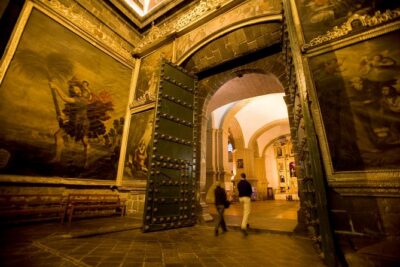
Cusco City Sightseeing and Sacsayhuaman Archeological Park Tour
Read our review →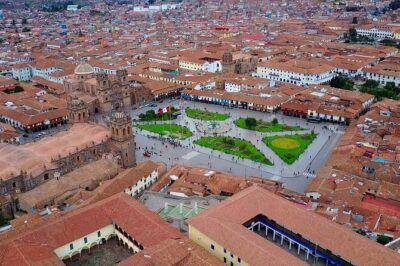
Browse the lists this tour appears in