
Reviewed · CUSCO CITY TOURS
Cusco City Sightseeing and Sacsayhuaman Archeological Park Tour
Massive stones are only the beginning. This half-day outing links Cusco’s Inca ruins, colonial churches, and hilltop views in one practical route. I like the small group of up to 15 people, which gives the guide room to explain details without turning the tour into a moving crowd. I also like the air-conditioned vehicle and hotel transport, since Cusco’s sun, hills, and high altitude can make a simple sightseeing day surprisingly tiring.
The main caution is the ticket choice. Some prices include admission, while others do not, and the difference is not minor. You should also allow more time than the advertised three and a half hours, since the listed visits add up to about four hours and some departures have lasted four to five hours.
In This Review
- Key points to know before booking
- Why this tour works well on your first Cusco day
- Sacsayhuaman: stones that make the argument for themselves
- Qenqo and the ceremonial side of Inca belief
- Puca Pucara, a small outpost with a useful purpose
- Tambomachay and the Inca respect for water
- Returning to Cusco through the Plaza de Armas
- Cusco Cathedral: colonial art and a strict dress code
- Qorikancha and the Temple of the Sun
- The guides can make or break the afternoon
- Transport, pickups, and the time question
- What the $79 price really includes
- Who should book this Cusco sightseeing tour?
- My verdict: a strong introduction with a few conditions
- FAQ
- How long does the Cusco City Sightseeing and Sacsayhuaman tour last?
- What sites are visited?
- Is transportation included?
- Is the tour conducted in English?
- How many people are in the group?
- Are entrance tickets included in the $79 price?
- Can I wear shorts?
- Can I take photographs inside Cusco Cathedral?
- Is the tour suitable for most people?
- Can I cancel for a full refund?
Key points to know before booking
- Sacsayhuaman is the visual high point: Massive stones, broad views over Cusco, and Inca symbols make this the most memorable stop.
- Four hilltop sites come in one drive: Qenqo, Puca Pucara, and Tambomachay add useful context beyond the main fortress.
- Qorikancha reveals the collision of two worlds: The Inca Temple of the Sun lies beneath the Santo Domingo Convent.
- The guide shapes the experience: Guides such as Rommel, Alvaro, Abraham, Adrial, Yuber, Aracely, Niko, Julio, and Clara have been praised for lively storytelling.
- The tour mixes English and Spanish: The service is bilingual, so English explanations may take longer or receive less time in a mixed group.
- Dress for changing weather: Shorts are not allowed in the religious sites, and photography is forbidden inside Cusco Cathedral.
Why this tour works well on your first Cusco day
Cusco can feel like several cities stacked on top of one another. Inca masonry supports colonial buildings, Catholic churches occupy former sacred spaces, and modern streets run beneath hills once guarded by imperial outposts. This tour gives you a quick framework for understanding that mixture.
I think it works best early in your stay, especially on a day when you are getting used to Cusco’s altitude. You can see the main sites without arranging several taxis, finding the correct entrances, or piecing together a route on your own. The vehicle handles the longer stretches, while your guide supplies the historical thread.
The tour is also useful if you have limited time. Sacsayhuaman sits above the city, and the other nearby ruins are spread across the surrounding hills. Seeing them independently can take more planning than their distance suggests. Here, you travel between them in one circuit and return to central Cusco for the cathedral and Qorikancha.
The tradeoff is pace. You are not getting a quiet private visit at every site. A group of up to 15 is still fairly manageable, but the day depends on pickups, bilingual explanations, and the movement of the whole group.
More Cusco city tours:
- Cusco: Half-Day City Tour with Sacsayhuaman and Q’enco
★ 4.6 · 1,129 reviews - City Tour Cusco Qoricancha Sacsayhuaman y Tambomachay
★ 4.7 · 617 reviews - Cusco City Tour Four Ruins in Half-Day
★ 5.0 · 530 reviews
Sacsayhuaman: stones that make the argument for themselves
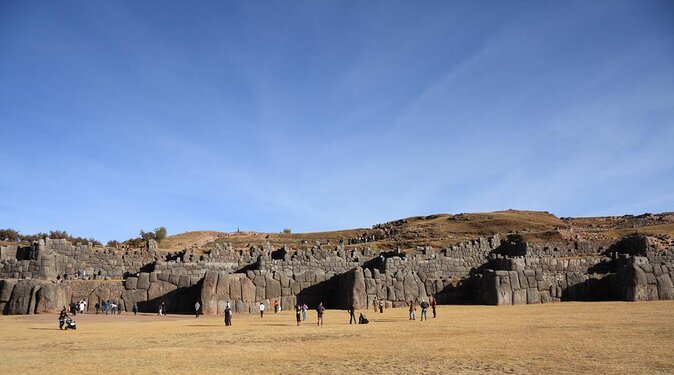
Sacsayhuaman is the reason many people book this outing. The archaeological complex sits on a hill above Cusco, with wide views across the city. Even before the explanation begins, the scale of the stonework grabs your attention.
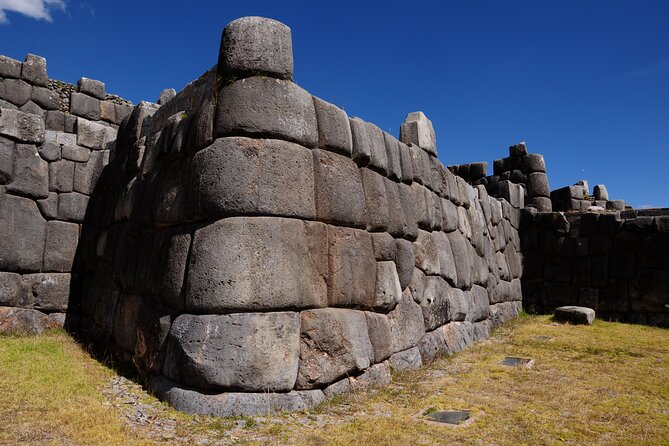
Some blocks reach about 13 feet, or 4 meters, in height. They fit together with striking precision, using irregular shapes rather than neat rectangular courses. The result feels less like a simple wall and more like a giant stone puzzle assembled without visible gaps.
Your guide explains the site’s place in the Inca world and points out carvings associated with the condor, puma, and snake. These animals represent three levels of existence in Inca belief. That small detail helps you see the stones as more than engineering marvels. Their form and setting carried meaning.
I especially value this stop because it raises good questions. How were such large blocks moved? Why were some sections built with enormous stones while others used smaller pieces? What did the complex mean as a ceremonial and defensive site? A strong guide can make these questions lively, though the depth of the answer depends on who leads your group.
Allow time to walk around uneven archaeological ground. The tour description gives roughly two hours for Sacsayhuaman and the nearby sites together, not two hours at Sacsayhuaman alone. You will see the major sections, but this is not an all-day archaeological study.
Qenqo and the ceremonial side of Inca belief
The next stop is Qenqo, associated with a ceremonial altar and a sacred temple. It offers a different feel from Sacsayhuaman. Instead of broad fortress-like walls, you encounter carved rock and a more enclosed ceremonial setting.
The site is linked with the Puma temple and a sacrificial altar. Your guide explains the ritual role of the place and the beliefs that shaped its design. This is where the tour moves from large-scale construction toward the religious life of the Inca world.
Qenqo is not as immediately grand as Sacsayhuaman, so the guide matters here. A plain walk around carved stone can feel brief without context. With a good explanation, the unusual forms and ceremonial details become easier to understand.
Puca Pucara, a small outpost with a useful purpose
Puca Pucara consists of the remains of a military outpost used for defense within the Inca Empire. It is less imposing than Sacsayhuaman, but it helps you understand how the surrounding sites worked as a network.
The name is often translated as Red Fortress, though the appeal here is not a grand fortress interior. Instead, you see an atmospheric set of ruins positioned along the route above Cusco. The stop gives your guide a chance to discuss movement, defense, and control across the empire.
This is a short sightseeing visit rather than a place where you spend a long stretch of time. I would treat it as a useful supporting stop, not the main event. Its value comes from the sequence: ceremonial Qenqo, defensive Puca Pucara, and water-focused Tambomachay.
More city tours in Cusco:
- Cusco: Sightseeing Tour of the City on an Open-Top Bus
★ 4.0 · 481 reviews - Open Bus Cusco City Tour
★ 4.5 · 219 reviews - Cusco: City Tour | Half-Day Tour to 4 Archaeological Sites
★ 4.6 · 206 reviews - City Tour in Cusco & visit Museum South American Camelid Private.
★ 5.0 · 147 reviews
Tambomachay and the Inca respect for water
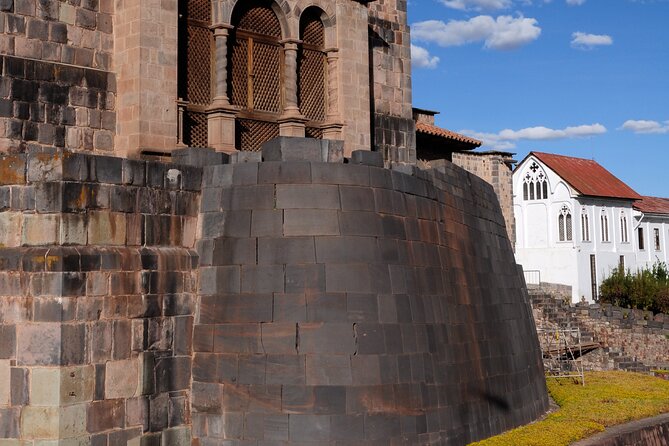
Tambomachay brings water into the story. Aqueducts, channels, waterfalls, and stone structures show how carefully water was directed through the site. It may have served as a ritual center connected with water worship, and it has also been described as a spa or retreat for wealthy Inca people.
The exact purpose is part of what makes the stop interesting. You are looking at practical hydraulic design, but the setting also had spiritual importance. The guide can help connect the channels and flowing water with the wider role of water in Inca ceremony and daily life.
Tambomachay is a good reminder that the Inca world was not built only around military strength. Engineering, ritual, agriculture, status, and sacred geography all overlapped. It also provides a calmer contrast after the size and drama of Sacsayhuaman.
Returning to Cusco through the Plaza de Armas
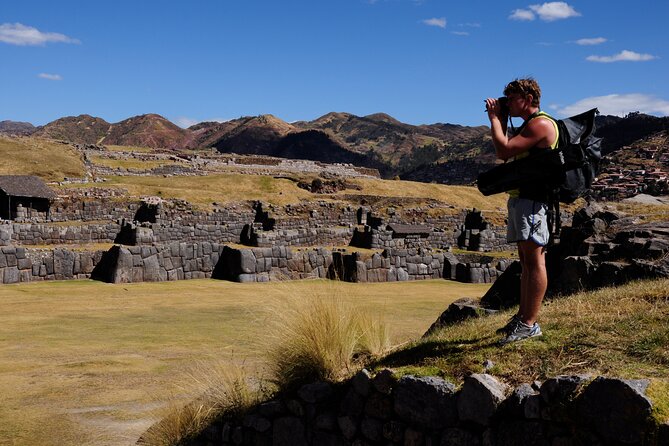
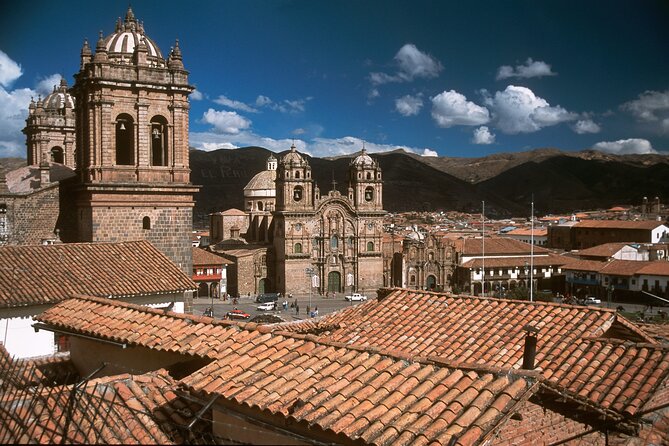
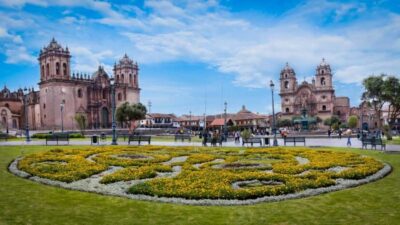
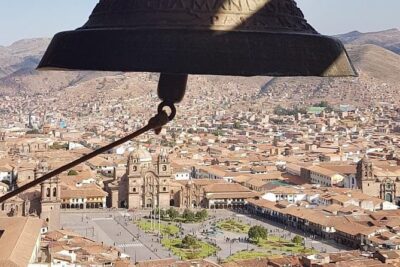
After the hilltop ruins, the tour returns toward central Cusco. The city portion begins at the Plaza de Armas, Cusco’s main square and a natural place to see how Inca and Spanish history meet.
The square is framed by major churches, including Cusco Cathedral and the Church of the Society of Jesus. You will have time to walk through the area before entering the cathedral. This is not simply a quick photo stop. The square gives you a chance to reset after the archaeological sites and see the city as a living center rather than a collection of ruins.
The city visit is shorter than a full walking tour of Cusco. If you want extensive time in side streets, markets, neighborhoods, or museums, you will need to arrange that separately. Still, the square is an efficient introduction to the city center.
Cusco Cathedral: colonial art and a strict dress code
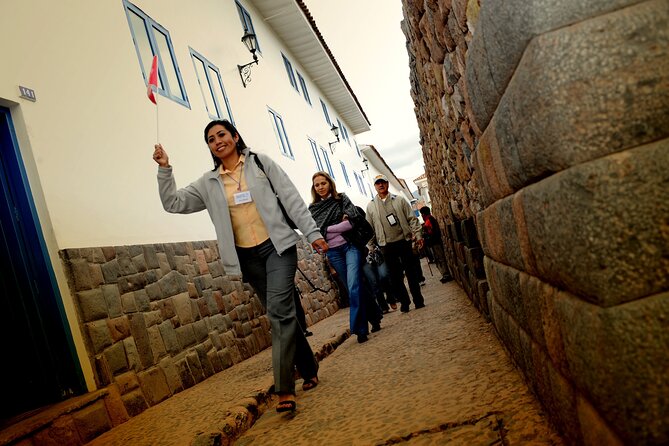
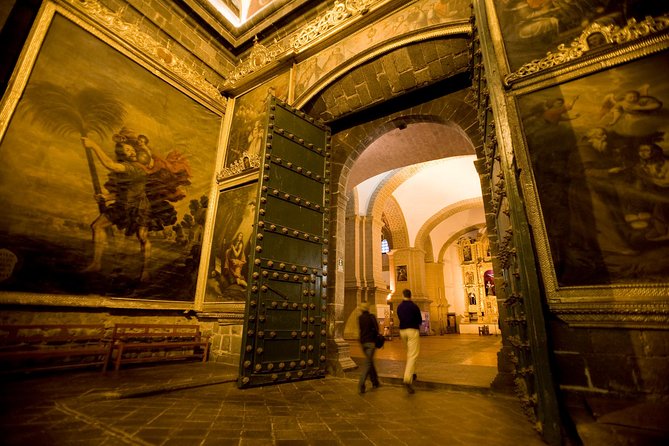
Inside Cusco Cathedral, the focus shifts to late Gothic and Baroque architecture, stained glass, colonial-era paintings, and religious treasures. The building reflects the Spanish colonial period, but much of its art developed in the Andean setting and carries local influences.
One important work is the Señor de los Temblores, described as the oldest surviving painting in Cusco. The artwork is especially revered, and your guide explains its place in local religious life. You will also see grand interiors and other notable pieces during the visit.
Photography is forbidden inside the cathedral, so put your phone away and pay attention. Shorts are not allowed in religious sites, which means modest clothing is not just a courtesy but a practical requirement for completing the tour.
The cathedral visit can feel very different from Sacsayhuaman. That contrast is one of the strengths of the day, but it can also disappoint you if you expect a longer city walking tour. The advertised city sightseeing portion is centered on the plaza and cathedral rather than a broad survey of Cusco streets.
Qorikancha and the Temple of the Sun
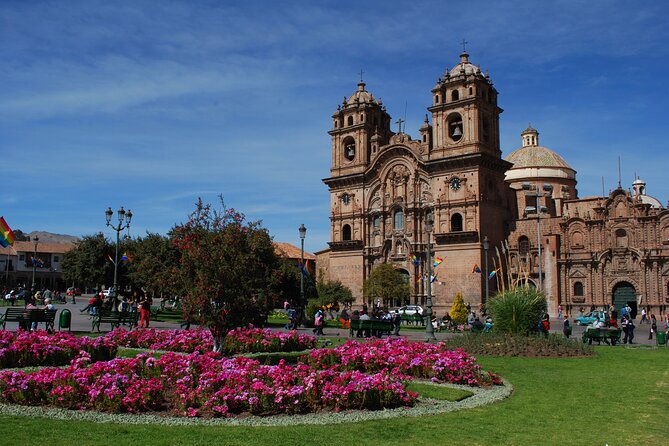
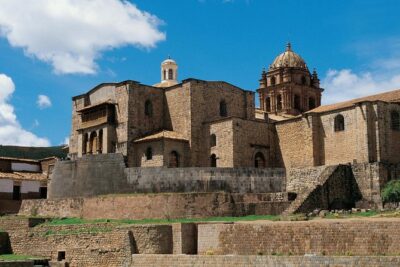
Qorikancha is one of the most important stops for understanding the Spanish takeover of Cusco. The Inca Temple of the Sun once occupied this site, and the Santo Domingo Convent was built over it.
According to the well-known account included in the tour, the temple was once covered in gold, astonishing the Spanish conquerors when they arrived. The surviving Inca foundations and the later colonial structure make the site a clear example of how conquest transformed sacred places.
The value of Qorikancha is not only the legend of gold. It lets you see two architectural systems in direct contact. Inca stonework sits beneath and beside the colonial convent, making the change in power visible in the walls.
The timing can vary in practice. The listed schedule gives about an hour for Qorikancha, but the total tour length does not perfectly match the individual stop times. If you have dinner plans, a train connection, or another timed activity, leave a generous buffer.
The guides can make or break the afternoon
The strongest part of this experience is often the person holding the microphone. Good guides turn stones, paintings, and old channels into a connected story. Names praised for clear, engaging work include Rommel, Alvaro Jimenez, Abraham, Adrial, Yuber, Aracely, Niko, Julio, and Clara.
Niko was described as a former history professor who brought humor and strong narrative skill to the subject. Other guides have tailored explanations to a particular interest, including Inca engineering and the controversial questions around Inca culture. Aracely was also praised for being patient with a family group that included children.
Because the service is bilingual Spanish and English, you should understand how the format can affect the day. A mixed-language group may require repeated explanations, and English commentary may be shorter than you expect. One particularly poor experience involved an English-speaking participant receiving only limited English explanation while most of the group was Spanish-speaking.
I would confirm the language arrangement at pickup and speak up early if you are missing information. The tour is not advertised as English-only. That distinction matters.
Transport, pickups, and the time question
Round-trip transport is included, with an air-conditioned vehicle and hotel pickup and drop-off. This is useful in Cusco, where the sites above town are linked by winding roads and walking between every stop would be tiring.
Some hotels sit in areas where vehicles cannot enter. In that case, you may need to reach an agreed pickup point. Individual hotel pickups can also slow the start, especially when the group is spread across the center. A central meeting point at the Plaza de Armas would be simpler, but the service is designed around hotel collection.
The stated duration is approximately three hours and 30 minutes. The stop breakdown lists two hours for the archaeological sites, one hour for the cathedral, and one hour for Qorikancha, which already totals four hours. Several outings have also run four to five hours.
I would plan on a half-day with extra room, not a tightly timed three-and-a-half-hour appointment. That small change in expectation can prevent a good tour from turning into a stressful race to your next booking.
What the $79 price really includes
At $79 per person, the tour can be a fair deal if you choose the option with tickets included. You are paying for the guide, vehicle, hotel transport, and a compact route covering several sites that would otherwise require separate arrangements.
The key phrase is tickets included. There are purchase options with and without admission. The non-ticket price does not cover entrance fees, and additional costs can be substantial. One account described being asked to pay 290 soles for entry, while another suggested allowing about 140 soles more when admission is excluded. The exact amount can vary by the selected option and required pass, so read the booking choice carefully before paying.
Do not assume the lowest advertised price is the final cost. Compare the all-in total, especially if you want to avoid handling tickets during the tour. The ticket-included option is usually the better value for convenience, provided the price difference is clear at checkout.
The overall rating is 4.3 from 101 ratings, which fits the experience as a whole: strong historical guiding and a smart route, balanced by occasional problems with pickups, language balance, duration, and ticket communication.
Who should book this Cusco sightseeing tour?
I would recommend it to a first-time visitor who wants a clear introduction to Cusco and the Inca sites immediately around it. It suits couples, solo visitors, and families, and the limited group size is small enough to feel more personal than a large coach outing.
It is also a good choice for your acclimatization day. You cover several major sights without spending the whole day walking, and the vehicle gives you a break between stops. Families may appreciate the efficient transport and guides who can adjust their approach for children.
I would hesitate if you want a private, highly specialized archaeology tour. You may also prefer another option if you need a guaranteed English-only group, exact timing, or a slow visit at each ruin. And if your main goal is a long city walk, this tour gives you less of that than its name might suggest.
Wear comfortable shoes, bring layers for changing weather, and avoid shorts. Most important, confirm that your selected price includes admission and keep your schedule open beyond the stated three and a half hours.
My verdict: a strong introduction with a few conditions
This is a useful way to get your bearings in Cusco’s Inca and colonial past. Sacsayhuaman supplies the drama, Qenqo and Tambomachay add ceremonial depth, Puca Pucara explains the defensive network, and Qorikancha and the cathedral show how Spanish power reshaped the city.
I would book it if you value transport, a compact route, and an engaging guide. Choose the ticket-included option, confirm the English arrangements, and do not schedule anything immediately afterward. With those details handled, the tour offers good value and a solid foundation for later visits to the Sacred Valley and Machu Picchu.
FAQ
How long does the Cusco City Sightseeing and Sacsayhuaman tour last?
The stated duration is approximately three hours and 30 minutes. The listed stop times total about four hours, and some departures have lasted four to five hours, so leave extra time in your schedule.
What sites are visited?
The route includes Sacsayhuaman, Qenqo, Puca Pucara, Tambomachay, Cusco Cathedral, the Plaza de Armas, and Qorikancha, also called the Temple of the Sun.
Is transportation included?
An air-conditioned vehicle and hotel pickup and drop-off are included. Some hotels are in areas where vehicles are not permitted, so a nearby pickup point may be required.
Is the tour conducted in English?
The guide service is bilingual in Spanish and English. It is not described as an English-only tour, so explanations may be shared between both languages.
How many people are in the group?
The maximum group size is 15 people.
Are entrance tickets included in the $79 price?
There are options with and without tickets. The non-ticket option does not include admission fees, so check the exact selection before booking.
Can I wear shorts?
No. Shorts are not allowed inside the religious sites included in the tour. Wear longer, respectful clothing.
Can I take photographs inside Cusco Cathedral?
No. Photography is forbidden inside the cathedral.
Is the tour suitable for most people?
Most people can participate, according to the tour information. The route includes archaeological sites and city visits, so comfortable shoes and preparation for changing weather are sensible.
Can I cancel for a full refund?
Yes, if you cancel at least 24 hours before the experience start time. Cancellations or changes made less than 24 hours in advance are not accepted for a refund.
Just added in Cusco
- Cusco Private Transportation for 2026★ 5.0 · 4 reviews
- Private Transfer from Airport to Hotel in the City of Cusco★ 4.0 · 5 reviews
- Best Cusco walking tour: dinner street food tasting★ 4.5 · 11 reviews
- Private Tour to Pisac Market and Pisac Ruins★ 5.0 · 4 reviews
- Machu Picchu Day Trip With Panoramic Train from Cusco★ 5.0 · 10 reviews
- Sacred Valley Private Tour from Cusco, Guide and Driver only★ 5.0 · 4 reviews
- Sacred Valley of the Incas Tour★ 5.0 · 12 reviews
- Private Tour of the Mountain of Colours by Quad★ 5.0 · 7 reviews
Cusco City Tours, compared.
Half-Day City Tour with Sacsayhuaman and Q’enco
Read our review →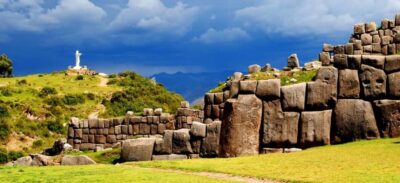
City Tour Cusco Qoricancha Sacsayhuaman y Tambomachay
Read our review →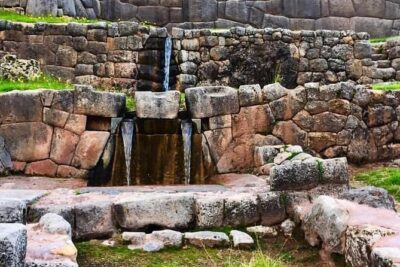
Cusco City Sightseeing, San Pedro Market, Cathedral and Qorikancha Temple
Read our review →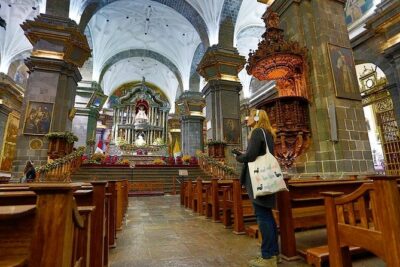
Cusco 4-Hour Private Tour Including Sacsayhuaman and Qenqo
Read our review →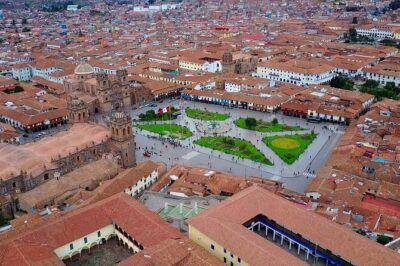
Browse the lists this tour appears in