
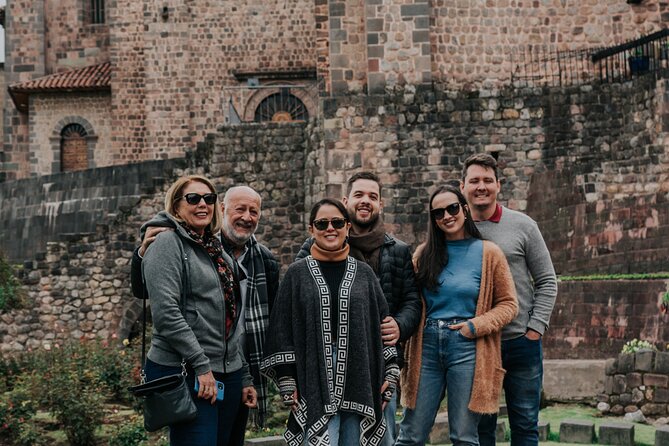
Reviewed · CITY TOURS
City Tour Cusco
Cusco’s best introduction fits into five hours. This city tour links the Temple of the Sun, the great stone walls of Saqsayhuamán, and three smaller Inca sites into one guided outing, with private transportation between stops. I especially like the wide range of sites and the chance to see both religious and military Inca buildings in a single morning or afternoon. I also like the small group limit of 12 people, which should make it easier to hear the guide and ask questions.
The main drawback is cost clarity. The $32 tour price does not include the archaeological entrance ticket, listed at $25, or the $7 admission to Qorikancha. You should budget another $32 for those admissions, plus a tip if you feel your guide did a good job.
The guides receive the warmest praise here. Jhonny is described as energetic, kind, attentive, and clear, while Victor is praised for giving people time to take photos. Saul and Jorge have also led well-liked outings. Guide assignments can change, but the pattern is encouraging: this tour depends heavily on the person holding the story together, and that seems to be one of Jisa Adventure’s strengths.
In This Review
- Key points to know before you book
- What this Cusco tour is really designed to do
- Qorikancha: Where Inca gold met Spanish stone
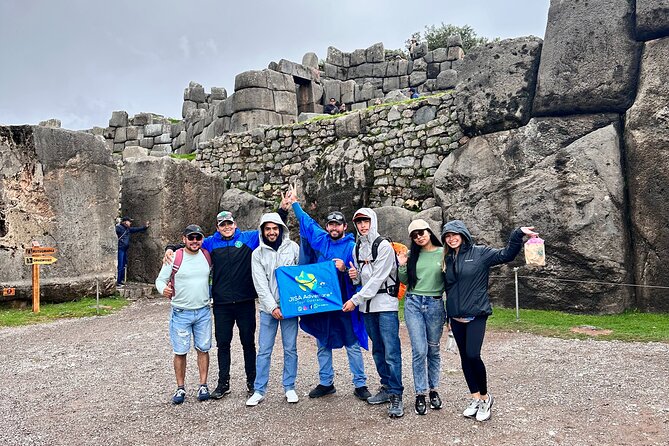
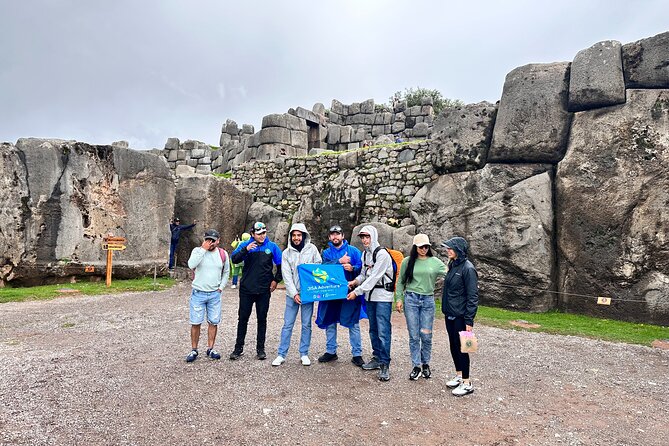
- Saqsayhuamán: Giant stones and a bigger sense of scale
- Q’enqo: A small site with a ritual focus
- Puka Pukara: A compact military post on the route
- Tambomachay: Water, ceremony, and Inca engineering
- Guide style can shape the whole experience
- Is $32 a good value?
- Timing, meeting point, and practical details
- Who should book this half-day route?
- FAQ
- How long does the Cusco city tour last?
- Where does the tour begin and end?
- Which places are included in the route?
- Are entrance tickets included?
- How many people can join the tour?
- Is transportation provided?
- Should you book City Tour Cusco?
Key points to know before you book
- Five major Cusco sights in about five hours: You visit Qorikancha, Saqsayhuamán, Q’enqo, Puka Pukara, and Tambomachay in one compact outing.
- The tour covers two separate admission costs: The $25 partial tourist ticket covers the archaeological centers, while Qorikancha requires an additional $7 payment.
- Private transportation saves time: The vehicle handles the uphill and outlying portions, including the roughly 20-minute ride to Saqsayhuamán and the 15-minute transfer to Puka Pukara.
- Small groups help with guiding: The maximum group size is 12 people, a useful limit at sites where a large crowd can make explanations hard to follow.
- Guide quality is a major part of the experience: Jhonny, Victor, Saul, and Jorge are all singled out for clear explanations, care, energy, or good photo stops.
- The route works well as a first look at Cusco: You get religion, ceremony, military planning, stonework, and water engineering before tackling longer day trips.
What this Cusco tour is really designed to do
This is not a slow archaeological study. It is a brisk introduction to the main Inca sites around Cusco, arranged so you can see a lot without organizing several separate rides.
You begin at Plaza de Armas, the natural center of Cusco, then visit Qorikancha before heading toward the hills and outer sites. That order makes sense. Qorikancha gives you the religious and colonial background first, while Saqsayhuamán and the other sites show how the Inca shaped the area beyond the colonial center.
The tour includes an official tourism guide, private transportation, and an oxygen ball. The last item may offer some peace of mind in Cusco’s high-altitude setting, though the description does not explain how or when it is used. You should still take the day at a comfortable pace and tell your guide if you feel unwell.
The group size is capped at 12 people. That is not a private tour, but it is far more manageable than a large bus group. You should have a reasonable chance to hear the explanations and stay connected with the guide as the group moves through the sites.
More city tours in Cusco:
- Cusco: Half-Day City Tour with Sacsayhuaman and Q’enco
★ 4.6 · 1,129 reviews - City Tour Cusco Qoricancha Sacsayhuaman y Tambomachay
★ 4.7 · 617 reviews - Cusco City Tour Four Ruins in Half-Day
★ 5.0 · 530 reviews
Qorikancha: Where Inca gold met Spanish stone
Qorikancha, or the Temple of the Sun, is the strongest opening stop because it shows the collision and combination of two building traditions.
The tour allows about 45 minutes of guided exploration here. You will look at Inca masonry and Spanish colonial construction occupying the same religious complex. The point is not simply that one civilization built over another. Qorikancha helps you see how Cusco’s sacred center was reshaped after the Spanish conquest.
Expect the guide to focus on the place’s religious importance, the role of the sun, and the way colonial architecture was placed on an Inca foundation. This is where a good guide matters. Jhonny, in particular, is praised for making explanations energetic and easy to follow, which suits a site with a lot of history packed into a small area.
Qorikancha is not included in the $25 archaeological ticket. Admission costs an additional $7, so check your budget before the tour begins. That extra fee is easy to overlook because the other four stops are covered by the partial tourist ticket.
Saqsayhuamán: Giant stones and a bigger sense of scale
After about 20 minutes in the vehicle, you reach Saqsayhuamán. This is the stop that gives the tour its visual punch.
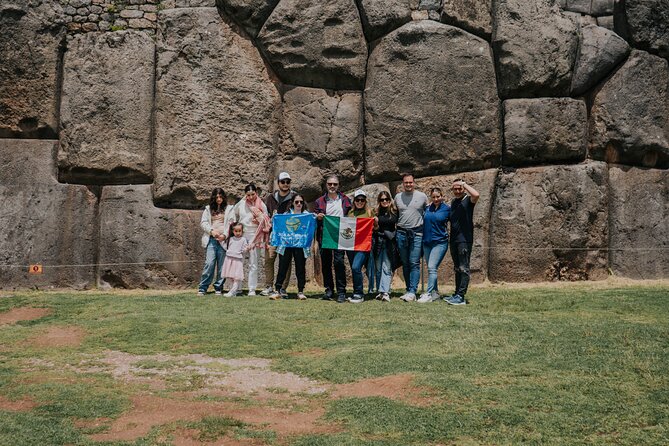
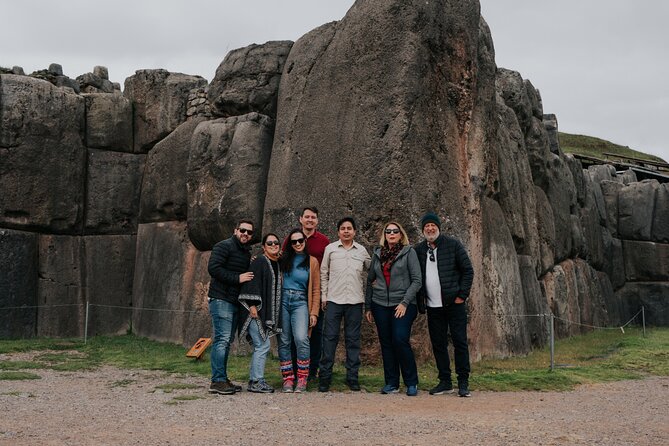
The fortress is known for enormous carved stones and imposing walls. The scale is difficult to understand from photographs alone, and the guided visit helps you notice the fit and shape of the masonry rather than simply stopping for a quick picture.
Your guide will explain Inca construction methods and the site’s ceremonial and historical roles. That combination is useful because Saqsayhuamán is often reduced to the label fortress, even though its purpose and design were more complex than a simple defensive outpost.
Give yourself room to look carefully at the stones. Victor is praised for making time for photos, and that is a valuable habit at this stop. The views are also part of the appeal, although the supplied details do not specify exact viewpoints or how much time is spent at each photo area.
The practical catch is the same as at the other archaeological centers: your entrance ticket is not included in the tour price. The $25 partial ticket is listed as covering all the archaeological centers on this route.
Q’enqo: A small site with a ritual focus
Q’enqo is reached after Saqsayhuamán and changes the mood of the outing. Instead of broad walls and huge stones, you explore a ritual center cut into a rocky outcrop.
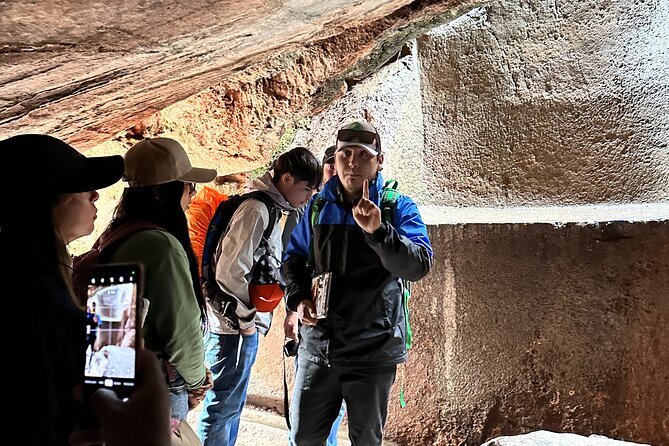
The site includes underground chambers and altars carved into the rock. Your guide will discuss Inca ceremonies and the worldview connected to this sacred place. This is an area where interpretation makes a big difference. Without a guide, the carved surfaces and chambers can be difficult to understand.
Q’enqo is also a reminder that Inca architecture was not limited to freestanding walls. Natural rock became part of the ceremonial setting. Look for the relationship between the stone outcrop, the carved spaces, and the sense of movement through the site.
The visit is listed as about one hour, although the overall tour is advertised at approximately five hours and includes driving time. Treat the stop lengths as a general guide rather than a promise that you will spend a full hour at every location. The pace is designed to connect five places in one outing.
More things to do in Cusco:
- Classic Inca Trail Trek 4D/3N to Machu Picchu (Group Service)
★ 5.0 · 8,653 reviews - Cusco: Rainbow Mountain and Red Valley Day Trip with Meals
★ 4.9 · 4,893 reviews - Machu Picchu: 4-Day Inca Trail Trek with Panoramic Train Ride
★ 5.0 · 4,568 reviews - Salkantay Classic Trek 5 Days from Cusco
★ 5.0 · 4,062 reviews
Puka Pukara: A compact military post on the route
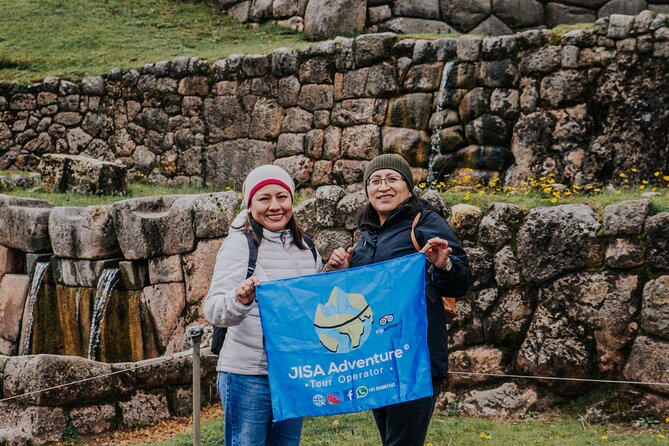
After roughly 15 minutes in the vehicle, you arrive at Puka Pukara, also written as Puca Pucara. Its name is associated with the reddish color of the construction, and the site is presented as a military fortress.
Compared with Saqsayhuamán, Puka Pukara is more compact. Its value comes from the way it fits into the wider Inca system. Your guide will explain its defensive and strategic role during the Inca Empire, helping you connect the site to movement, control, and protection along the route toward Cusco.
This stop may feel less monumental than Saqsayhuamán, but that is part of the lesson. The Inca built a network of places with different jobs. A half-day route like this lets you compare a major fortress with a smaller military position without spending another day on the road.
The red stone and open setting also make it a useful photo stop. Still, do not expect a long, stand-alone visit. Puka Pukara works best as one piece of the sequence rather than the main reason to book the tour.
Tambomachay: Water, ceremony, and Inca engineering
The final archaeological stop is Tambomachay, known as the Baño del Inca, or Bath of the Inca. It is associated with ceremonies and water worship.
Here you will see stone fountains and canals that show careful hydraulic engineering. The site has a different feel from the defensive places earlier in the route. Its focus is water, ritual, and the controlled movement of a natural resource through stone channels.
I like ending here because it rounds out the story. Qorikancha introduces solar religion, Q’enqo brings in ritual spaces, Puka Pukara shows military planning, and Tambomachay adds water management. Saqsayhuamán then links these themes through scale and construction.
The stop is listed at about one hour, followed by transportation back to Cusco. As with the other sites, admission is not included in the base price. Keep your partial tourist ticket available throughout the day rather than assuming each place has a separate included entry.
Guide style can shape the whole experience
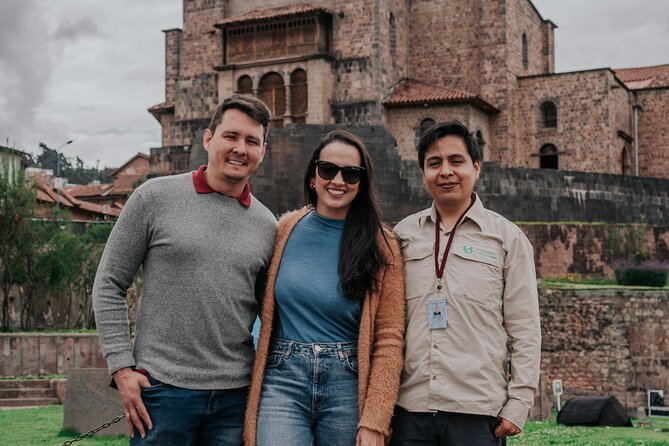
The strongest praise is reserved for the guides’ explanations and attitude. Jhonny is described as both informative and fun, with enough energy to keep the tour moving. He is also praised for being kind and attentive, qualities that matter when a group is moving between several sites.
Victor receives credit for explaining the history behind each stop and allowing time for photographs. That balance is important. A tour can become a lecture with no breathing room, or a photo run with no context. The best version gives you both.
Saul is praised for making a first day in Cusco enjoyable and for taking care of the group. Jorge is described as accommodating and highly recommended. These comments suggest a company culture that values friendly guiding, but you should remember that no tour can guarantee a specific guide unless the operator confirms one directly.
A small group of up to 12 gives the guide a better chance to respond to questions. It also means you should stay aware of the group’s pace. If you want a completely flexible schedule at every site, a private custom tour may suit you better.
Is $32 a good value?
At $32 per person, the base price is reasonable for five hours of guiding and private transportation. The real cost is higher once you add the $25 partial tourist ticket and the $7 Qorikancha admission, bringing the listed total to about $64 per person before tips.
That total can still be good value if you want to see all five sites in a single half-day. Hiring transport separately, arranging a guide, and managing the route on your own could take more time and effort. The tour also removes the need to negotiate each ride or figure out how to connect the sites.
The value is strongest for a first visit. You get a clear overview of Cusco’s Inca sites, then can decide which places deserve a longer return visit. It is less compelling if you have already visited these sites or prefer to spend a full morning at one archaeological center.
The entrance fees should be treated as part of the real price, not an optional extra. That is the main budgeting point to settle before booking.
Timing, meeting point, and practical details
The meeting point is Plaza de Armas in Cusco, and the tour returns there at the end. The listed operating period runs from September 3, 2023, through August 12, 2026, Monday through Sunday, with hours shown as 12:00 AM to 6:00 PM. Because that display is unusually broad and the tour itself lasts about five hours, confirm your exact departure time when booking.
The route includes vehicle transfers of about 20 minutes to Saqsayhuamán and about 15 minutes to Puka Pukara. The description also says you travel by vehicle between stops, including the return to Cusco.
Most people can participate, and the tour is near public transportation. The activity is not described as fully accessible, so anyone with mobility concerns should ask Jisa Adventure for current details before paying.
Confirmation is provided at booking. The experience is non-refundable and cannot be changed for any reason, so book only after your Cusco schedule is firm.
Who should book this half-day route?
I would recommend it to you if you are spending a short time in Cusco, want a guided introduction, or prefer not to arrange transport to the outer sites. It also suits families and mixed-age groups who want a structured route with a guide and vehicle.
It is a good first-day activity if your energy is solid and you want a broad look at the city’s Inca foundations. The guide’s explanations can give the rest of your Peru trip useful context, especially if you plan to visit the Sacred Valley or Machu Picchu later.
You may want something else if you dislike fixed schedules, want long periods for photography, or prefer detailed archaeological discussion at each stop. Five sites in one outing means variety, but it also means the route has to keep moving.
FAQ
How long does the Cusco city tour last?
The tour lasts approximately five hours.
Where does the tour begin and end?
It begins at Plaza de Armas in Cusco and ends back at the same meeting point.
Which places are included in the route?
The route visits Qorikancha, Saqsayhuamán, Q’enqo, Puka Pukara, and Tambomachay.
Are entrance tickets included?
No. The $25 partial tourist ticket for the archaeological centers is not included, and Qorikancha requires a separate $7 admission.
How many people can join the tour?
The maximum group size is 12 people.
Is transportation provided?
Yes. Private transportation is included for the route and the return to Cusco. An official tourism guide and an oxygen ball are also included.
Should you book City Tour Cusco?
Book it if you want an efficient, guided overview of Cusco’s major Inca sites and are comfortable paying the entrance fees separately. The route offers a useful mix of architecture, ritual, military planning, and water engineering, while the small group and repeated praise for guides such as Jhonny, Victor, Saul, and Jorge add real value.
I would not choose it for a slow, deeply focused visit to each site. For a first look, though, it is a practical way to get your bearings and understand how the pieces around Cusco connect. Confirm the start time, add $32 for the listed admissions, and you will have a clear picture of the total cost before committing.
Just added in Cusco
- Cusco Private Transportation for 2026★ 5.0 · 4 reviews
- Private Transfer from Airport to Hotel in the City of Cusco★ 4.0 · 5 reviews
- Best Cusco walking tour: dinner street food tasting★ 4.5 · 11 reviews
- Private Tour to Pisac Market and Pisac Ruins★ 5.0 · 4 reviews
- Machu Picchu Day Trip With Panoramic Train from Cusco★ 5.0 · 10 reviews
- Sacred Valley Private Tour from Cusco, Guide and Driver only★ 5.0 · 4 reviews
- Sacred Valley of the Incas Tour★ 5.0 · 12 reviews
- Private Tour of the Mountain of Colours by Quad★ 5.0 · 7 reviews
City Tours, compared.
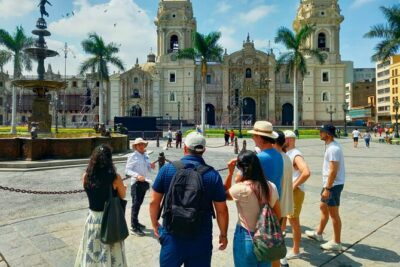
Lima Half-Day City Walking Tour (Small Groups)
Read our review →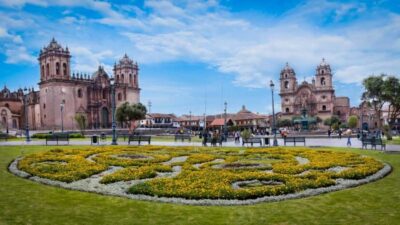
Half-Day City Tour with Sacsayhuaman and Q’enco
Read our review →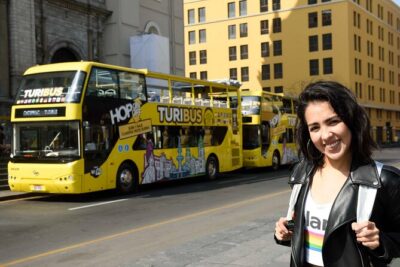
City Tour Panoramic Bus Departure From Larcomar
Read our review →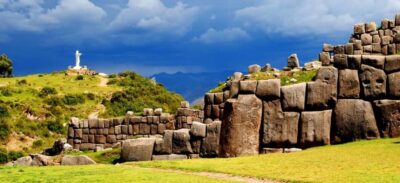
City Tour Cusco Qoricancha Sacsayhuaman y Tambomachay
Read our review →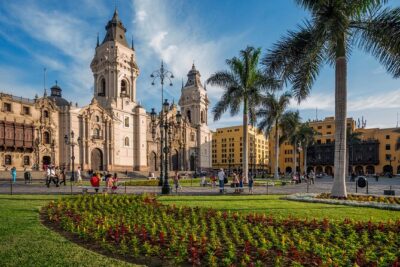
Lima’s Vibrant Heritage: Exploring the City’s Landmarks Half-day
Read our review →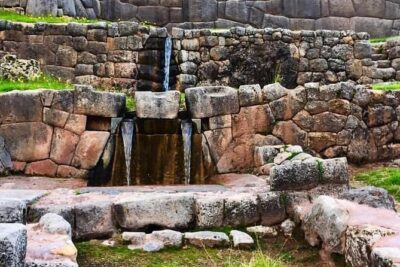
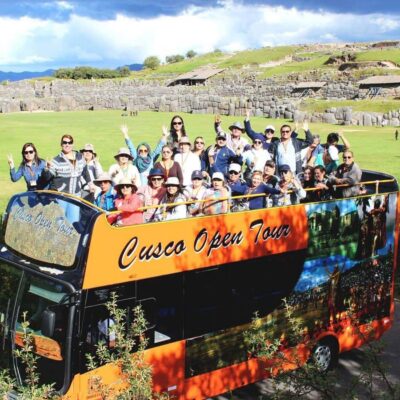
Sightseeing Tour of the City on an Open-Top Bus
Read our review →
Lima City, Central Market & Catacombs Tour (Pick-up & Drop Off)
Read our review →Browse the lists this tour appears in