
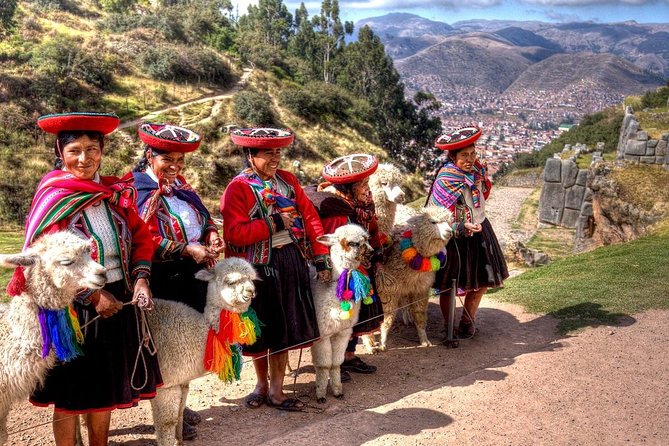
Reviewed · CITY TOURS
City Tour in the city of Cusco 1/2 Day
Cusco reveals its layers quickly. This 5-hour-30-minute tour links five major sights around the city, from the gold-lined temple site of Qorikancha to the water channels of Tambomachay. I like the efficient route and the chance to see places that are spread across the Cusco area without arranging separate transport. I also like the strong value at $23.81 per person, especially with an English- and Spanish-speaking guide included.
The main catch is that entrance tickets are not included. You may need about 90 soles for admission, according to the practical information provided by one booking customer. The bilingual format can also make explanations feel rushed, and the meeting point at Plaza Regocijo may be confusing when several companies gather there at 9 a.m.
In This Review
- Key points before you book
- Why this half-day route works in Cusco
- Qorikancha: where Inca gold met a Spanish convent
- Sacsayhuaman: colossal walls above Cusco
- Q’enqo: a ceremonial site carved into stone
- Puka Pukara: the red fortress on the route
- Tambomachay: water, ceremony, and a quiet finish
- The guide makes or breaks the experience
- What the $23.81 price really covers
- Timing, group size, and the Plaza Regocijo start
- Who should choose this Cusco tour?
- Should you book it?
- FAQ
- Where does the Cusco city tour start?
- Where does the tour end?
- How long does the experience last?
- Which sites are included?
- Are entrance tickets included?
- What is included in the tour price?
- Is lunch included?
- How large is the group?
- Can I cancel for a full refund?
Key points before you book
- Five major Cusco sights in one route: Qorikancha, Sacsayhuaman, Q’enqo, Puka Pukara, and Tambomachay.
- The ticket cost needs attention: Transport and guiding are included, but admission to every site is extra.
- A bilingual tour can affect pacing: English and Spanish are both offered, but the guide may need to repeat each explanation.
- The group is capped at 18 people: Small enough for a workable group, though the Plaza Regocijo meeting point may still feel busy.
- Qorikancha is the cultural anchor: You see the meeting point of Inca religious power, Spanish colonial architecture, and Cusco School art.
- The outer sites offer more breathing room: Sacsayhuaman, Q’enqo, Puka Pukara, and Tambomachay shift the focus to stonework, ritual, defense, and water.
Why this half-day route works in Cusco
Cusco is not a city where the central streets tell the whole story. The Inca capital reached beyond the main plaza, and several of its most important sites sit on the hills and roads around town. This tour gives you a compact way to connect them.
You begin at Plaza Regocijo at 9 a.m. The listed details also include hotel pickup, so check the exact pickup arrangement when you book. If you are told to meet at the plaza, arrive early and look for the operator, Machu Picchu Road Trip. Several companies gather around the fountain, and people may call out names. It is not the calmest start, so have your booking confirmation ready.
The transport and guide are included, with English and Spanish offered. The group maximum is 18 people. That is a reasonable size for a half-day outing, although the quality of the experience will depend heavily on how well the guide manages two languages.
The schedule gives about 50 minutes at Qorikancha, one hour at Sacsayhuaman, and 40 minutes each at Q’enqo and Puka Pukara. Tambomachay gets about 50 minutes. The remaining time is used for driving between the sites. This is a sensible balance: enough time to understand each place, but not enough time for a long, unhurried archaeological study.
More city tours in Cusco:
- Cusco: Half-Day City Tour with Sacsayhuaman and Q’enco
★ 4.6 · 1,129 reviews - City Tour Cusco Qoricancha Sacsayhuaman y Tambomachay
★ 4.7 · 617 reviews - Cusco City Tour Four Ruins in Half-Day
★ 5.0 · 530 reviews
Qorikancha: where Inca gold met a Spanish convent
Qorikancha, meaning Golden Court, was the most important Inca site devoted to the sun god. Its walls were once covered with sheets of gold, a detail that helps explain the power and wealth concentrated here. The building you see today also carries the marks of the Spanish colonial period, since a convent was built on the site.
Give yourself time to look closely at the stonework. The polished Inca structures are the main reason to come, but the Renaissance-style entrance, Baroque tower, and paintings from the Cusco School add several later layers to the visit. This is not simply an Inca ruin. It is a place where religious and political change is visible in the same walls.
The allotted 50 minutes is useful, but Qorikancha can be crowded. Several groups may be inside at once, making it hard to hear a guide or focus on the details. I would treat this as the most demanding stop for concentration and stay close to your guide.
Admission is not included. That matters here because Qorikancha is one of the main paid stops, not a quick roadside photo opportunity. Confirm the current entrance arrangement and total cost before departure.
Sacsayhuaman: colossal walls above Cusco
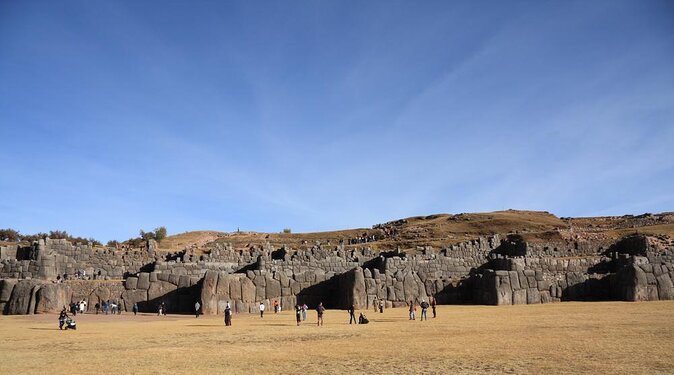
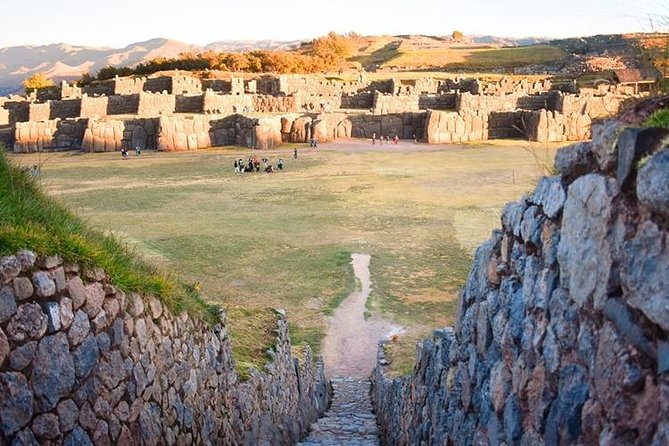
Sacsayhuaman is the tour’s largest and most dramatic site. Its Quechua name is often translated as satisfied hawk, and the fortress was built to protect Cusco from eastern invaders. Its three broad terraces are lined with enormous granite walls, some extending for roughly 300 meters.
The scale is the point. Some blocks reach about 5 meters in height and weigh as much as 350 tons. You do not need an advanced understanding of Inca engineering to appreciate the challenge of shaping, moving, and fitting stones of this size.
The site also helps explain how Cusco changed after the Inca period. Stone from Sacsayhuaman was used as a quarry for some colonial buildings in the city. That gives the guide an important subject to cover: the fortress was not only a military structure, but also a source of building material during the colonial era.
You get about an hour here, the longest stop on the route. That is appropriate. Sacsayhuaman needs space and time to make sense, and a rushed visit would reduce it to a few large walls and a viewpoint. Stay alert for uneven ground and bring sensible shoes, since archaeological sites are not arranged like city sidewalks.
Q’enqo: a ceremonial site carved into stone
Q’enqo changes the mood. Sacsayhuaman feels military and monumental, while Q’enqo is smaller and more focused on ritual. It served as an Inca ceremonial center, with tunnels, platforms, carvings, steps, holes, and channels connected to religious ceremonies.
Some channels may have been used for chicha, a corn-based drink important in Inca ritual life. The exact purpose of every feature is not always certain, so a good guide should distinguish between established information and interpretation. That is one reason the guide matters more here than at Sacsayhuaman, where the sheer size speaks for itself.
The visit lasts about 40 minutes. That is enough for an introduction and a look at the main carved features, but you will not have time to linger over every stone. Listen for explanations about how the site may have functioned, then use your free moments to inspect the channels and carved surfaces yourself.
Q’enqo is a good reminder that Inca sacred places were not always grand buildings. Ritual could center on natural rock, water, openings, and carefully shaped surfaces.
More things to do in Cusco:
- Classic Inca Trail Trek 4D/3N to Machu Picchu (Group Service)
★ 5.0 · 8,653 reviews - Cusco: Rainbow Mountain and Red Valley Day Trip with Meals
★ 4.9 · 4,893 reviews - Machu Picchu: 4-Day Inca Trail Trek with Panoramic Train Ride
★ 5.0 · 4,568 reviews - Salkantay Classic Trek 5 Days from Cusco
★ 5.0 · 4,062 reviews
Puka Pukara: the red fortress on the route
Puka Pukara means red fortress. Its stones took on a reddish tone because of their high iron content, giving the site a useful visual identity. The site includes more than defensive walls. You can also see aqueducts, enclosures, and fountains.
Because Puka Pukara sits close to Tambomachay and has defensive features, it is generally understood as part of the protection of that area. Its position also made it useful for watching movement along the route near Cusco.
The 40-minute stop is short but well judged. Puka Pukara does not require the same amount of time as Sacsayhuaman, yet it gives you another way to think about Inca planning. Defense, water management, travel, and nearby ceremonial activity were linked rather than isolated.
This is a stop where a guide’s storytelling can add real value. Without context, you might see a compact group of reddish stone structures. With a clear explanation, you can understand how the site fitted into the wider network around the Inca capital.
Tambomachay: water, ceremony, and a quiet finish
Tambomachay is known as the Inca Bath, a ceremonial center devoted to water and a resting place for the Inca ruler. Carved rocks form channels and waterfalls fed by natural springs.
Water gives this final stop a different feel from the fortress and ceremonial structures earlier in the day. The site is less about mass and more about control: water is directed through stone in a carefully designed display. It shows how practical engineering and religious meaning could work together.
You have about 50 minutes here. That gives you enough time to see the channels, listen to the explanation, and appreciate the setting without being pushed through immediately. The tour then ends back at Plaza Regocijo.
The guide makes or breaks the experience
The strongest part of this tour is the guiding. One guide praised by name was Bladimir, described as professional, friendly, enthusiastic, and good at explaining the story behind each site. Another positive account described a guide who answered questions and managed to add a quick stop at Cristo Blanco, although you should not count on that extra stop being part of every departure.
The tour is offered in English and Spanish. That widens access, but it creates a real tradeoff. If the guide gives a full explanation in both languages at every stop, the pace can feel hurried. One English-speaking customer found the guide difficult to understand and felt that the bilingual structure reduced the time available at each place.
I would ask at the start which language you want to follow most closely. Stay near the guide, especially at Qorikancha, where several groups may be speaking at once. The best guide will keep the English and Spanish sections clear rather than treating one as an afterthought.
The overall rating is 4.7 from 115 ratings, and 94 percent of customers recommend the experience. Those figures point to a generally strong product, but they do not erase the language and meeting-point concerns. Ask clear questions before the vehicle leaves if you need a detailed English explanation.
What the $23.81 price really covers
At $23.81, this is an inexpensive way to cover five sites. The price includes tourist transport, group transport, a professional guide, and hotel pickup as listed. For someone arriving in Cusco without a car or private driver, that is useful value.
The low price is less remarkable once you add admission fees. Entrance tickets are not included, and one customer put the combined cost at about 90 soles. Confirm that figure before booking because ticket prices and site access rules can change. The key point is simple: do not budget only for the advertised tour price.
Lunch is also not included. Since the activity lasts around five and a half hours and begins at 9 a.m., you may finish around early afternoon, depending on traffic and the exact return time. Carrying a small snack could be sensible, but the supplied details do not confirm that food or drinks are provided. One customer expected a bottle of water that was not delivered, so do not rely on water being included unless the operator confirms it.
The tour offers good value for a first day in Cusco if you want orientation, transport, and an overview. It is less suitable if you prefer a slow visit with time for photography, independent reading, or long conversations at each site.
Timing, group size, and the Plaza Regocijo start
The start time is 9 a.m., with the listed meeting point and end point both at Plaza Regocijo, Cusco. Hotel pickup is also listed as included, so verify whether your specific booking receives pickup or uses the plaza meeting point.
The group limit is 18 people. That is not a private tour, but it is small enough for a guide to answer some questions and keep the group together. The main problem may come before departure, when several tour companies gather around the plaza fountain and call out names. Arriving early gives you a better chance of finding the right person without starting the day in a frantic search.
The route itself is efficient. You see the central religious site first, then move to the large fortress and three outer archaeological sites. The order creates a useful progression from Inca and colonial Cusco to military, ceremonial, defensive, and water-related structures.
Who should choose this Cusco tour?
I would recommend it to a first-time visitor who wants a broad introduction to the major archaeological sites around Cusco. It suits you especially well if you have limited time, want included transport, and prefer having a guide explain what you are seeing.
It is also a sensible choice for someone who has just arrived and wants to learn the basic layout of the area before planning independent visits. The five stops cover enough ground to help you decide which sites deserve a slower return.
I would hesitate if you want a fully English-led experience with no repeated explanations in Spanish. I would also think twice if you dislike group transport, crowded meeting points, or extra admission costs that are easy to overlook.
The tour is physically manageable for most people, and the booking information says most participants can take part. Still, the sites include stone terraces, carved rock areas, and archaeological paths, so comfortable footwear is a practical choice.
Should you book it?
Book this tour if you want maximum coverage for a low starting price and can accept paying entrance fees separately. The route is well chosen, the five sites offer different kinds of Inca history, and a strong guide can turn a busy half-day into a useful introduction to Cusco.
Before paying, confirm three things: the total admission cost, the exact pickup point, and how the guide handles English and Spanish. If those details work for you, this is a worthwhile first-day tour. If you want quiet, private interpretation or a slower pace, spend more for a private outing instead.
Free cancellation is available if you cancel at least 24 hours before the local start time. Changes or cancellations made within 24 hours are not accepted for a refund.
FAQ
Where does the Cusco city tour start?
The listed meeting point is Plaza Regocijo, F2M9+5X2, Cusco 08002, Peru, with a 9 a.m. start time.
Where does the tour end?
The listed end point is also Plaza Regocijo.
How long does the experience last?
The tour lasts approximately 5 hours and 30 minutes.
Which sites are included?
The route includes Qorikancha, Sacsayhuaman, Q’enqo, Puka Pukara, and Tambomachay.
Are entrance tickets included?
No. Admission tickets to the places visited are not included in the tour price.
What is included in the tour price?
The price includes tourist transport, group transport, a professional guide in English and Spanish, and hotel pickup as listed.
Is lunch included?
No. Lunch is not included.
How large is the group?
The maximum group size is 18 people.
Can I cancel for a full refund?
Yes, if you cancel at least 24 hours before the experience start time. Cancellations made less than 24 hours before the start time are not refunded.
Just added in Cusco
- Private Transfer from Airport to Hotel in the City of Cusco★ 4.0 · 5 reviews
- Best Cusco walking tour: dinner street food tasting★ 4.5 · 11 reviews
- Cusco Private Transportation for 2026★ 5.0 · 4 reviews
- Private Tour to Pisac Market and Pisac Ruins★ 5.0 · 4 reviews
- Machu Picchu Day Trip With Panoramic Train from Cusco★ 5.0 · 10 reviews
- Sacred Valley Private Tour from Cusco, Guide and Driver only★ 5.0 · 4 reviews
- Sacred Valley of the Incas Tour★ 5.0 · 12 reviews
- Private Tour of the Mountain of Colours by Quad★ 5.0 · 7 reviews
City Tours, compared.
Lima Half-Day City Walking Tour (Small Groups)
Read our review →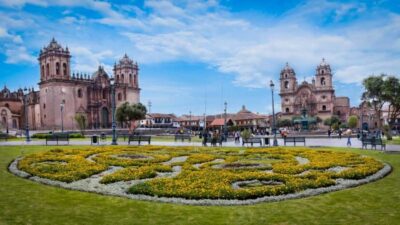
Half-Day City Tour with Sacsayhuaman and Q’enco
Read our review →
City Tour Panoramic Bus Departure From Larcomar
Read our review →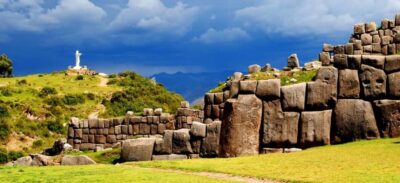
City Tour Cusco Qoricancha Sacsayhuaman y Tambomachay
Read our review →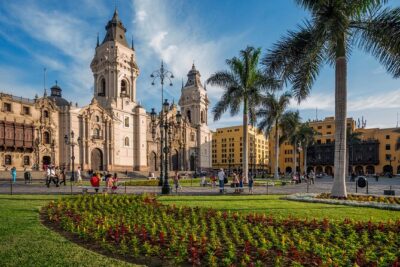
Lima’s Vibrant Heritage: Exploring the City’s Landmarks Half-day
Read our review →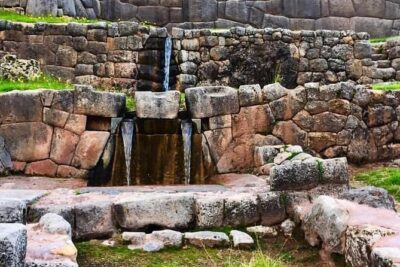
Sightseeing Tour of the City on an Open-Top Bus
Read our review →
Lima City, Central Market & Catacombs Tour (Pick-up & Drop Off)
Read our review →Browse the lists this tour appears in