
Reviewed · CITY TOURS
City tour Tour in the City of Cusco
Stone giants wait above Cusco. This 5.5-hour tour gives you a useful introduction to four major Inca sites, with Sacsayhuaman’s huge stonework and the careful design of Qorikancha as its strongest moments. I also like the small group limit of 10 people and the air-conditioned vehicle, which makes moving between scattered ruins easier. The main drawback is clear: despite its city-tour name, the experience focuses heavily on Inca sites and gives little time to Cusco’s Spanish colonial buildings, museums, or central streets.
The tour costs $15 per person, before entrance fees, and includes a bilingual guide, transportation, and a first aid box. You can choose a morning or afternoon departure. I would choose the morning if you want the rest of the day free, but I would carry water, food, and warm layers because several hours can pass at high altitude without a meal stop.
In This Review
- Five things to know before booking
- What this $15 Cusco tour actually covers
- Qorikancha: Inca precision beneath a colonial shell
- Tambomachay and Pucapucara: Water, stone, and a quick photo stop
- Q’enqo: An Inca sanctuary with underground galleries
- Sacsayhuaman: The tour’s most memorable stop
- The colonial gap you should plan around
- Timing, food, weather, and altitude
- How the guides shape the day
- What is included, and what costs extra
- Who should book this Cusco experience?
- FAQ
- How long does the Cusco city tour last?
- What sites are included?
- Is transportation included?
- Are entrance fees included?
- Where does the tour start and finish?
- How many people can join the tour?
- Can I cancel for a full refund?
- Should you book it?
Five things to know before booking
- Four major Inca sites in about five and a half hours: You visit Qorikancha, Tambomachay, Q’enqo, and Sacsayhuaman, with transport connecting the sites.
- Sacsayhuaman provides the big payoff: The site sits about 3 kilometers from Cusco’s center at roughly 3,700 meters, or 12,139 feet, with broad views over the city.
- Qorikancha combines Inca and colonial history: Its stonework, gardens, fountains, and museum displays cover pre-Inca, Inca, and colonial periods.
- Admission costs are extra: Qorikancha costs $7 per person, while the listed tourist ticket for Moray costs $19, although Moray is not one of the four stops described here.
- Small groups can improve the experience: The maximum is 10 people, and guides such as Lisbeth, also spelled Lizbeth, and Holjer have been praised for clear explanations and attentive service.
What this $15 Cusco tour actually covers
At $15, this is an inexpensive way to reach several archaeological sites outside the center. The price covers the vehicle and bilingual guide, but not the entrance fees. That distinction matters in Cusco, where admission costs can quickly exceed the tour price itself.
The published duration is approximately 5 hours 30 minutes. The named stops account for about five hours, with the remaining time used for transfers and group organization. The morning version ends at about 2:00 p.m., while the afternoon version ends around 6:00 p.m.
The starting information lists Plaza de Armas as the meeting point and ending point. The tour description also says the group can be picked up directly from accommodation. Confirm the exact pickup arrangement when you book, especially if you are not staying near the plaza.
This is not a walking tour of Cusco’s full historic center. You use tourist transport to reach the sites, then get out for explanations, sightseeing, and photographs. That format is efficient, but it changes the experience. You see important Inca remains, not a broad introduction to the city’s churches, colonial mansions, markets, and everyday streets.
More city tours in Cusco:
- Cusco: Half-Day City Tour with Sacsayhuaman and Q’enco
★ 4.6 · 1,129 reviews - City Tour Cusco Qoricancha Sacsayhuaman y Tambomachay
★ 4.7 · 617 reviews - Cusco City Tour Four Ruins in Half-Day
★ 5.0 · 530 reviews
Qorikancha: Inca precision beneath a colonial shell
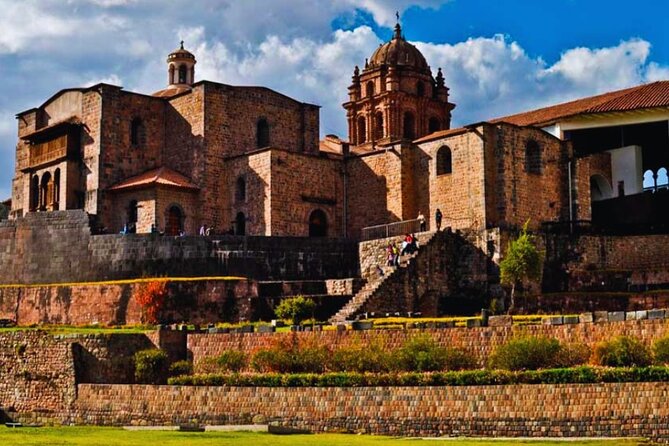
Qorikancha, often written as Coricancha or Qorikancha, was the Temple of the Sun and one of the most important religious places in the Inca world. The attraction here is the stonework. Walls were built with tight-fitting blocks and a level of care that still catches your eye before the guide has said much at all.
The site also includes gardens and fountains, plus a museum covering pre-Inca, Inca, and colonial periods. That makes Qorikancha the most complete historical stop on this route. You are not looking at one isolated period. The displays help connect the older cultures of the region with the Inca period and the colonial changes that followed.
About two hours are assigned to Qorikancha, the longest stop of the day. That gives you time to examine the construction and see the museum, but the entrance fee is not part of the $15 price. Admission is listed at $7 per person.
One point needs careful attention. The tour description says the group is transferred to Qorikancha, while some feedback describes access to the museum and shops at destinations. Do not assume every cost or optional visit is covered. Ask exactly what your guide plans to enter and which tickets you need to buy.
Qorikancha is also the stop most likely to satisfy someone looking for a connection between Cusco’s Inca and colonial layers. Still, two hours here does not turn the whole tour into a colonial city tour. If you want churches, art collections, and Spanish-era architecture, reserve separate time in central Cusco.
Tambomachay and Pucapucara: Water, stone, and a quick photo stop
The next portion includes Tambomachay and Pucapucara, two archaeological sites with different characters. The supplied schedule groups them into one hour, so expect a concise visit rather than a slow exploration.
Tambomachay is associated with water features and carefully arranged stone channels. Pucapucara, nearby, is known for its defensive-looking stone structures. Together, they show how the Incas worked with the mountain setting for practical, ceremonial, and strategic purposes.
Your guide gives a short explanation and allows time for photographs. That wording is important. This is a compact stop, useful for seeing the sites and learning their basic role, but not ideal if you want a long archaeological lecture or a quiet hour at each place.
At Cusco’s altitude, even a brief walk can feel more demanding than the distance suggests. The tour requires a moderate level of physical fitness, and you should take the pace seriously. Wear shoes with a firm sole, bring water, and avoid treating the day like a simple ride through town.
Q’enqo: An Inca sanctuary with underground galleries
Q’enqo means labyrinth, and the site earns that name through its carved rock, passageways, and underground galleries. The complex also includes an amphitheater and an Intiwatana, described here as an astronomical observatory.
This stop is less about a single giant structure and more about examining a carved ceremonial site. Your guide’s explanation helps give meaning to spaces that may otherwise look like scattered stone. Without context, Q’enqo can seem spare. With a good guide, the layout becomes easier to read.
The scheduled visit lasts one hour. That should be enough for an introduction and photographs, but it leaves limited room for lingering. If you enjoy ruins that require interpretation, you will likely find Q’enqo rewarding. If you prefer grand views or monumental walls, Sacsayhuaman will probably make the stronger impression.
This is also one of the places where weather and comfort matter. Some areas can feel exposed or chilly, and the day includes no stated breakfast, lunch, or water service. Carry your own supplies rather than waiting for a refreshment stop.
More things to do in Cusco:
- Classic Inca Trail Trek 4D/3N to Machu Picchu (Group Service)
★ 5.0 · 8,653 reviews - Cusco: Rainbow Mountain and Red Valley Day Trip with Meals
★ 4.9 · 4,893 reviews - Machu Picchu: 4-Day Inca Trail Trek with Panoramic Train Ride
★ 5.0 · 4,568 reviews - Salkantay Classic Trek 5 Days from Cusco
★ 5.0 · 4,062 reviews
Sacsayhuaman: The tour’s most memorable stop
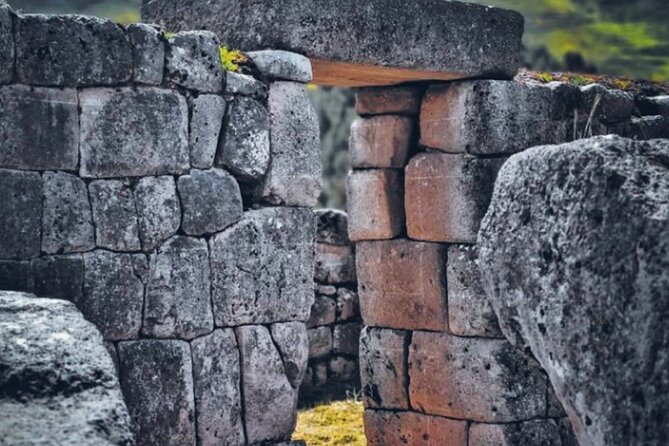
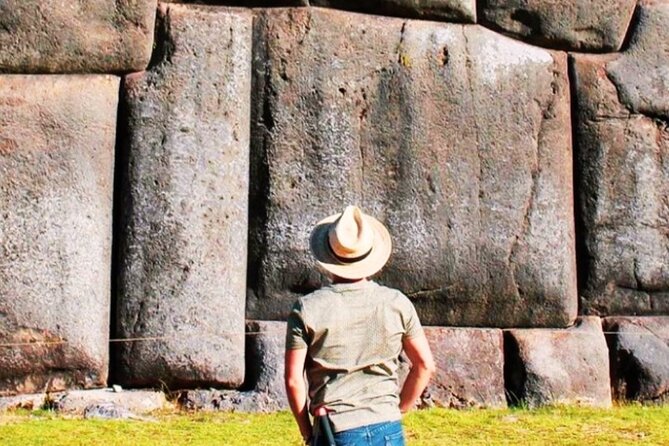
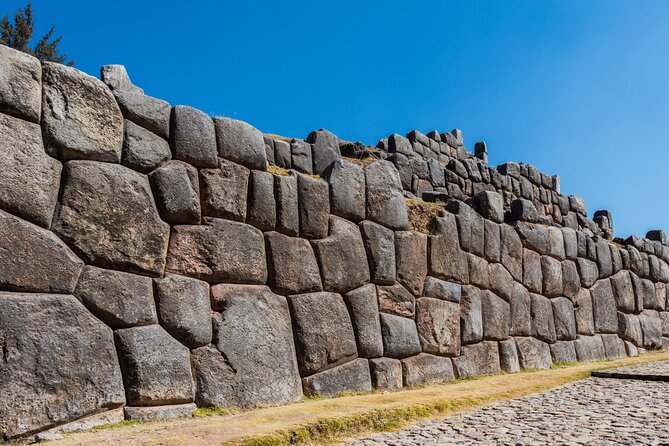
Sacsayhuaman is the visual high point of the route. Massive stones, some reaching about 5 meters high, are fitted into broad defensive and ceremonial structures. The construction is impressive not only because of the size of the blocks, but because the walls follow the shape of the ground rather than flattening it.
The site lies about 3 kilometers from Cusco’s center at approximately 3,700 meters. From here, you get a wide view over the city. That view helps you understand Cusco’s position in the surrounding mountains and why this hill mattered so much to the Inca capital.
The schedule allows one hour. That is enough to see the principal structures, listen to the guide, and take photographs. It is not enough for an unhurried examination of every corner. Keep your camera ready, but also give yourself time to look closely at the stone joints. The engineering is the point.
Sacsayhuaman carries major cultural and mythological meaning, and a bilingual guide can add useful context about the Inca Empire. The quality of that explanation matters. Several visitors specifically praised Lisbeth, also spelled Lizbeth, for being friendly, helpful, and clear with questions. Holjer was also described as attentive and well informed. Guide quality can make a major difference at a site where the stones speak more loudly than the signs.
The colonial gap you should plan around
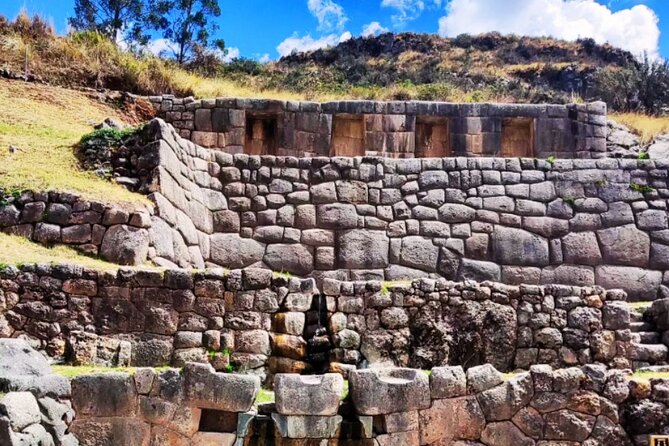
The biggest mismatch is between what some people expect from the phrase city tour and what this schedule provides. The route includes Qorikancha, but the other three stops are archaeological sites outside the central streets. You will not receive a full tour of Cusco’s colonial heritage through this experience.
That means you should not book this as your only introduction to the city if you want to see its churches, colonial art, Spanish-era courtyards, or central museums. Some visitors found the focus too narrow and felt they had lost their only chance to see Cusco itself.
I see this as a planning issue rather than a reason to dismiss the tour. The route works well as an Inca-focused half-day outing. Pair it with independent time around Plaza de Armas, or choose a separate walking tour if your main interest is the city center.
The title and the route should be read carefully. Think Inca heritage tour around Cusco, not a complete stroll through the historic center. That simple adjustment will give you a much better idea of what you are buying.
Timing, food, weather, and altitude
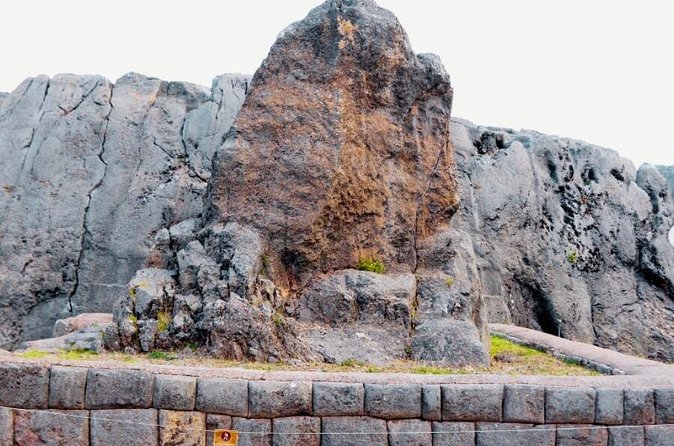
The morning tour ends at approximately 2:00 p.m. The afternoon option ends around 6:00 p.m. If you choose the morning departure, you can still have dinner at a normal hour and use the afternoon for the city center. The afternoon schedule may work better if you arrive late or want a slower morning, but it finishes after several hours at altitude.
Breakfast and lunch are not included. No meal or water stop is promised, so pack what you need. This is especially important because the route can take longer than the basic stop times once transfers and group movement are included.
Weather is another real concern. The experience requires good weather and can be canceled if conditions are poor. In that case, you are offered another date or a full refund. Cusco can feel cold, especially when you are standing still at exposed sites, so take a warm layer even if the afternoon begins pleasantly.
The group size is capped at 10. That is small enough for a more personal explanation than a large coach tour usually allows. It does not guarantee a fast pace, though. One unhappy account described long waits and a day that felt closer to six hours. Build in flexibility rather than scheduling a flight, train, or fixed appointment immediately afterward.
How the guides shape the day
The tour includes a bilingual professional guide, which is important at Q’enqo and Tambomachay, where the remains need explanation. A guide can also help connect individual stones and structures to the wider Inca religious and political system.
Lisbeth received repeated praise for her support, friendly manner, and answers to questions. Families with children found her explanations and attitude helpful. Holjer was also singled out for attentiveness and useful information.
That positive pattern is worth noting, but guide assignments can vary. Treat those names as useful examples, not a promise that a specific guide will lead your departure. The best practical move is to ask questions during the tour and tell the guide early if you need a slower pace or clearer instructions.
The vehicle is air-conditioned, which is a welcome feature for transfers. It gives you a place to rest between sites, though you still need to walk around the ruins and manage the altitude yourself.
What is included, and what costs extra
Your $15 covers:
- Air-conditioned transportation
- A bilingual professional guide
- A first aid box
It does not cover breakfast or lunch. Qorikancha admission is listed at $7 per person. A tourist ticket for Moray is listed at $19 per person, although Moray is not included among the four stops described for this tour. Ask about that item before paying so you understand which entrance fees apply to your actual route.
The low base price is good value if your goal is simply to reach several major sites with transport and an explanation. It is less of a bargain if you expected all tickets, meals, or a full central Cusco walking tour to be included.
I would budget beyond the advertised price for entrance fees, food, water, and possibly small purchases at stops. The tour itself is inexpensive, but the complete half-day cost will be higher.
Who should book this Cusco experience?
I would recommend this tour to you if you want a compact introduction to major Inca sites and prefer organized transport. It suits people who have limited time, families who want a guide, and anyone who would rather not arrange separate rides to four locations.
It is also a good fit if Sacsayhuaman is high on your list. The city view and huge masonry provide the day’s clearest sense of scale.
I would choose another option, or add a separate city walk, if your main aim is colonial Cusco. This route will not give you enough time for the central churches, art, and streets that make the city more than an archaeological base.
I would also avoid placing an important connection immediately after the tour. The planned length is 5 hours 30 minutes, but group timing can vary. Give yourself a buffer.
Free cancellation is available until 24 hours before the start time for a full refund. Changes or cancellations inside that window are not accepted for a refund. The activity can also be canceled if the minimum number of people is not reached, with a different date, another experience, or a full refund offered.
FAQ
How long does the Cusco city tour last?
The experience lasts approximately 5 hours 30 minutes. The morning schedule ends at about 2:00 p.m., while the afternoon schedule ends around 6:00 p.m.
What sites are included?
The route includes Qorikancha, Tambomachay, Pucapucara, Q’enqo, and Sacsayhuaman. Tambomachay and Pucapucara are covered together in one portion of the visit.
Is transportation included?
Yes. The tour includes an air-conditioned vehicle for transfers between the meeting point and the archaeological sites.
Are entrance fees included?
No. Admission to Qorikancha is listed at $7 per person. The listed tourist ticket for Moray costs $19 per person, although Moray is not one of the scheduled stops described for this experience.
Where does the tour start and finish?
The stated meeting point is Plaza de Armas in Cusco, and the activity ends back at the meeting point. The description also says pickup may be available directly from your accommodation, so confirm the exact arrangement when booking.
How many people can join the tour?
The maximum group size is 10 people.
Can I cancel for a full refund?
Yes. You can cancel at least 24 hours before the experience start time for a full refund. Cancellations or changes made less than 24 hours before the start time are not accepted for a refund. If poor weather or an insufficient number of bookings causes cancellation, you are offered another date or a full refund.
Should you book it?
Book this $15 tour if you want an affordable, guided route through Cusco’s main Inca sites, especially Qorikancha and Sacsayhuaman. Bring water, food, warm clothing, and money for entrance fees.
Do not book it expecting a complete tour of colonial Cusco. For that, add a separate walking tour or protect time around Plaza de Armas. With the right expectations, this is a practical half-day introduction to the Inca remains above and around the city, led by guides who have earned strong praise for their friendly help and clear information.
Just added in Cusco
- Cusco Private Transportation for 2026★ 5.0 · 4 reviews
- Private Transfer from Airport to Hotel in the City of Cusco★ 4.0 · 5 reviews
- Best Cusco walking tour: dinner street food tasting★ 4.5 · 11 reviews
- Private Tour to Pisac Market and Pisac Ruins★ 5.0 · 4 reviews
- Machu Picchu Day Trip With Panoramic Train from Cusco★ 5.0 · 10 reviews
- Private Tour of the Mountain of Colours by Quad★ 5.0 · 7 reviews
- Sacred Valley Private Tour from Cusco, Guide and Driver only★ 5.0 · 4 reviews
- Sacred Valley of the Incas Tour★ 5.0 · 12 reviews
City Tours, compared.
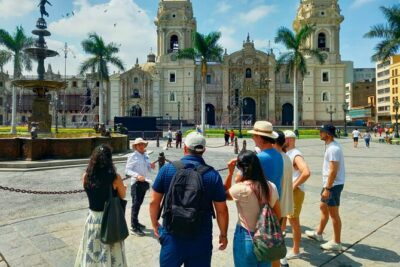
Lima Half-Day City Walking Tour (Small Groups)
Read our review →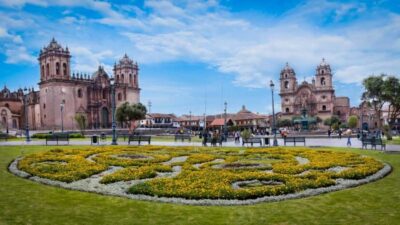
Half-Day City Tour with Sacsayhuaman and Q’enco
Read our review →
City Tour Panoramic Bus Departure From Larcomar
Read our review →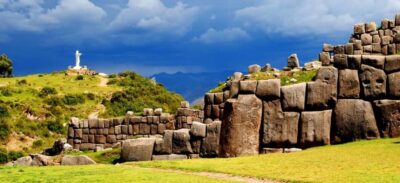
City Tour Cusco Qoricancha Sacsayhuaman y Tambomachay
Read our review →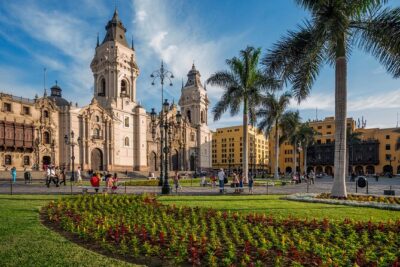
Lima’s Vibrant Heritage: Exploring the City’s Landmarks Half-day
Read our review →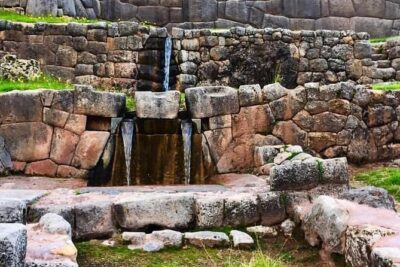
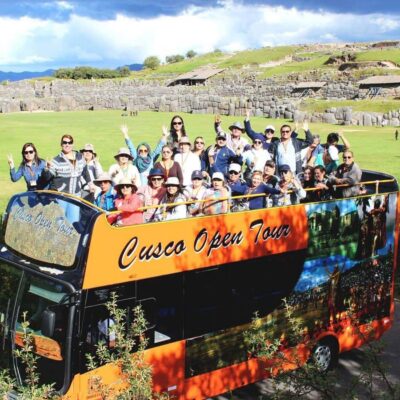
Sightseeing Tour of the City on an Open-Top Bus
Read our review →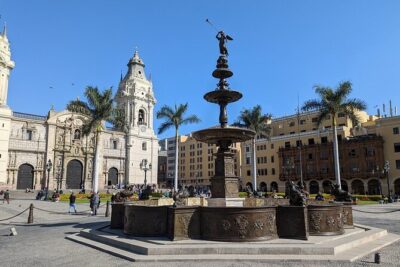
Lima City, Central Market & Catacombs Tour (Pick-up & Drop Off)
Read our review →Browse the lists this tour appears in