
Reviewed · MACHU PICCHU TOURS
Classic Inca Trail 4 Days to Machu Picchu
The mountains make you earn Machu Picchu. This four-day trek follows the historic Inca Trail from kilometer 82 to the Sun Gate, with archaeological sites, high passes, cloud forest, and a final arrival at Machu Picchu. I especially like the small maximum group of eight and the strong support team, with porters, a cook, camping equipment, and a bilingual guide included.
I also like that this is not just a hike to a famous ruin. You spend time at Llactapata, Runkuracay, Puyupatamarca, and other Inca sites along the way. The main consideration is the physical demand: Day 2 reaches 4,216 meters, or 13,828 feet, and the tour requires a moderate fitness level. You should also arrive in Cusco early enough to adjust to the altitude.
In This Review
- Key points before you book
- What the $820 price really covers
- Day 1: From kilometer 82 to Llactapata
- Day 2: The hard climb to 4,216 meters
- Day 3: Runkuracay, Puyupatamarca, and the cloud forest
- Day 4: Walking through the Sun Gate
- The food, tents, and support crew
- How hard is the Classic Inca Trail?
- Group size and the feel of the trek
- Booking details and cancellation risk
- Should you book this trek?
- FAQ
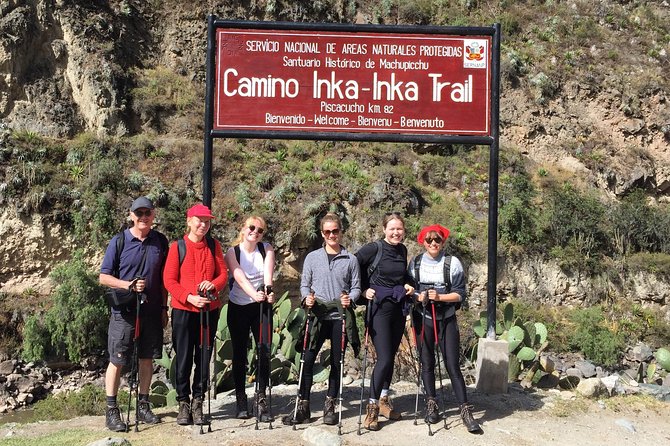
- Where does the Classic Inca Trail trek begin?
- How long is the trek?
- How high does the trail go?
- What is the hardest day?
- Is Machu Picchu reached through the Sun Gate?
- How large is the group?
- Are meals included?
- Is camping equipment provided?
- Is the train included?
- Can I cancel for a refund?
Key points before you book
- The highest point is 4,216 meters: Day 2 is the toughest section, with about five hours of uphill hiking before the pass.
- The group is capped at eight people: That makes the trek more personal and should help with guide access and group management.
- The cook and porters are included: They carry shared camping gear and prepare three breakfasts, three lunches, and three dinners.
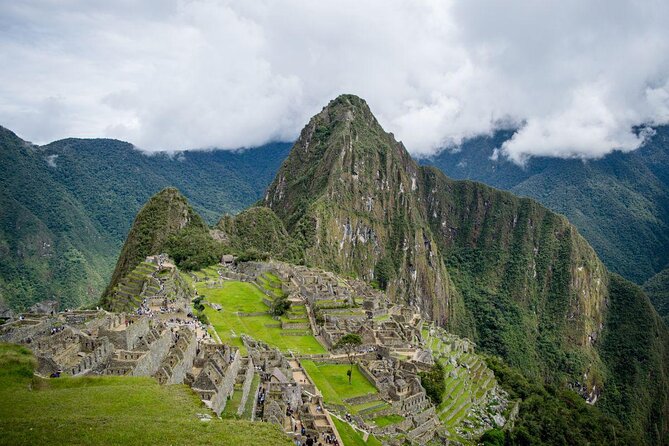
- Machu Picchu is reached through the Sun Gate: You enter the sanctuary on foot, rather than arriving first by bus from Aguas Calientes.
- The price is $820 per person: That covers camping, meals, staff, the Machu Picchu guide, and the tourist train to Ollantaytambo.
- You need to supply a few basics: Day 1 breakfast, Day 4 lunch, bottled water, a sleeping bag, and any optional inflatable mattress are not included.
What the $820 price really covers
At $820 per person, this is not a bare-bones walking trip. The price includes four days on the trail, three nights of camping, a tent for two people, a basic sleeping pad, porters, a cook, three breakfasts, three lunches, three dinners, and a professional bilingual guide for both the trail and Machu Picchu.
The return transport is also partly handled. After visiting Machu Picchu, you go down to Aguas Calientes, take the tourist train to Ollantaytambo, then continue by bus to Cusco. That saves you from arranging the most complicated part of the return journey yourself.
The value depends on how much support you want. If you already own camping equipment and prefer to carry your own food, a cheaper independent arrangement might appeal to you. But the Inca Trail involves permits, organized camping, porters, meals, and a guide. Having those pieces arranged is a major part of what you are paying for.
The small group matters too. With a maximum of eight people, you are not dealing with a large procession moving at one fixed pace. The size should allow the guide to spend more time explaining the sites and keeping an eye on the group. One particularly positive detail is the attention given by the chef and porter team. They even prepared a birthday cake during one trek, a cheerful reminder that camp meals can be more thoughtful than you might expect.
You should still budget for extras. Bottled water is not included, and the tour does not provide a sleeping bag. An inflatable sleeping mattress is available for an additional $15, but it is optional. Tips are also optional and depend on the service you receive.
More Machu Picchu trips:
- Classic Inca Trail Trek 4D/3N to Machu Picchu (Group Service)
★ 5.0 · 8,653 reviews - Machu Picchu: 4-Day Inca Trail Trek with Panoramic Train Ride
★ 5.0 · 4,568 reviews - Short Inca Trail to Machu Picchu 2D/1N
★ 5.0 · 3,007 reviews
Day 1: From kilometer 82 to Llactapata
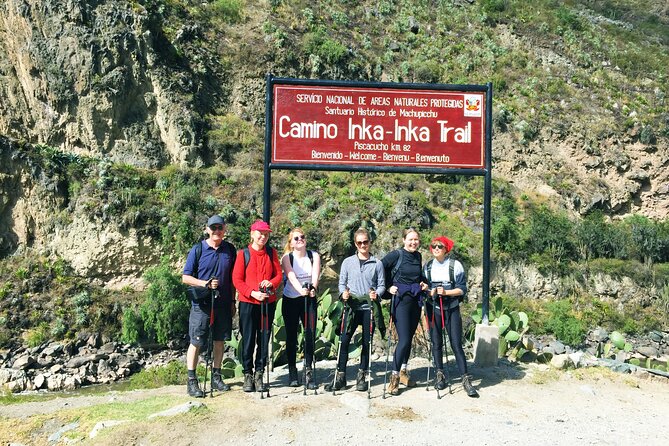
The first morning begins with hotel pickup in Cusco, followed by the drive to kilometer 82. This is the trail checkpoint and the practical starting point for the hike. Once the group clears the checkpoint, you begin walking into the route used by the Incas centuries ago.
The first day is a gentle introduction compared with what follows. You visit an Inca archaeological site early in the hike, where the guide explains what you are seeing before the group continues toward lunch. The route then includes Llactapata, a site valued for its mountain views and historical setting.
Llactapata is a good early stop because it gives you a clear sense of the purpose of the trail. You are not simply walking through attractive scenery. The route connects old settlements, ceremonial places, terraces, and paths built for movement across difficult terrain.
The listed visit to Llactapata takes about 20 minutes. That is enough for an explanation and photographs, but it is not a long archaeological tour. If you prefer to linger at every stone wall, you may find the schedule brisk.
Day 1 includes lunch, though breakfast is not provided. You should eat before pickup or arrange your own morning meal. The exact camping details for this first night are not specified in the provided information, so confirm the camp location and expected arrival time before departure.
Day 2: The hard climb to 4,216 meters
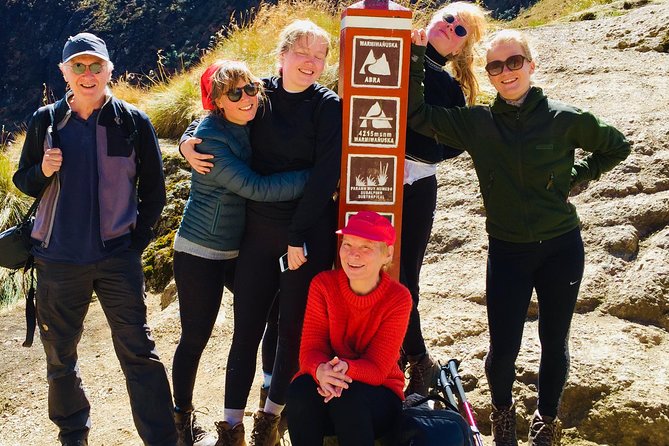
Day 2 is the physical test. The route climbs for about five hours to the highest pass, at 4,216 meters. At this altitude, the steepness is only part of the challenge. Thin air can make a normal walking pace feel surprisingly slow.
The reward is a powerful mountain setting and the feeling of following the old Inca route over a serious pass. Once you reach the summit, you have time to rest and look around before beginning the descent.
This is the day when preparation pays off. The tour advises a moderate level of fitness, but I would treat that as a minimum rather than a target. You should be comfortable walking uphill for several hours and then continuing after the main climb. Arriving in Cusco a few days early to acclimatize is one of the most useful suggestions attached to this trip.
After the pass, the route descends for several hours to the lunch area and campsite. The second night is spent around 3,600 meters at Pacaymayu. That high camp makes the day feel demanding from start to finish, even though the major climb is behind you.
You will want warm layers, water, and a sleeping bag. Neither bottled water nor a sleeping bag is included. The basic sleeping pad supplied with the tent may be enough for some people, but the $15 inflatable mattress could be worthwhile if you sleep poorly on firm ground.
Day 3: Runkuracay, Puyupatamarca, and the cloud forest
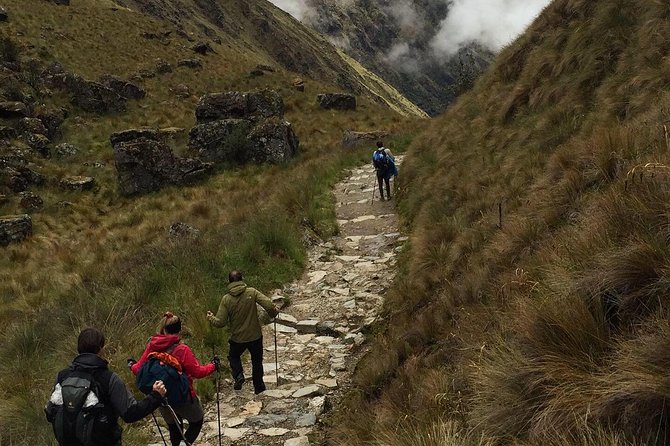
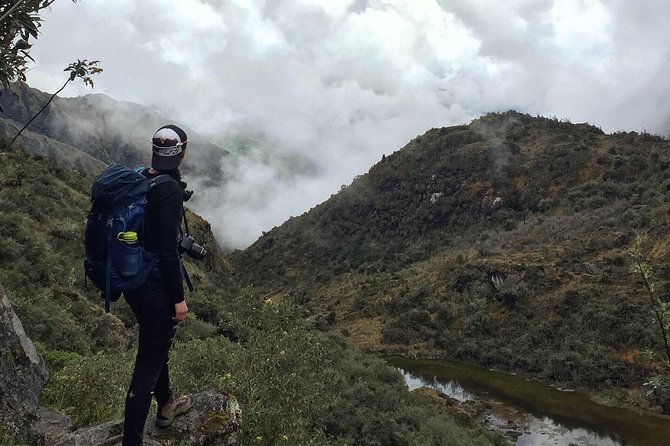
Day 3 is described as the most beautiful part of the route because it moves between high mountain terrain and cloud forest. It also brings more archaeological stops, so the day feels varied rather than like one long march.
After breakfast, you climb toward another pass at 3,960 meters. Along the way, the guide explains several Inca sites. The pattern is appealing: walk for a while, reach an important place, hear the story behind it, and continue with a better sense of how the route functioned.
Runkuracay is one of the named stops. You have time to explore and take photographs after the guide explains its history. The visit is listed at about 20 minutes, so expect a focused stop rather than a slow, open-ended wander.
After lunch, the trail climbs gradually toward a final pass at 3,660 meters. From here, you can see Machu Picchu Mountain. That preview changes the mood of the hike. You are still not at the sanctuary, but the destination is now visible.
The route then descends for a couple of hours to the campsite. Along this section, you visit further Inca sites with broad views. The combination of stonework, forest, and mountain ridges is what gives this day its special character.
At dinner, the guide organizes a ceremony to thank the team. This is a meaningful touch after several days of shared work between the group, guide, porters, and cook. The description also says you will take another path to the town, though the exact timing and route are not explained. It is worth asking the operator how this part connects with the final camp and Day 4 departure.
More hikes and treks in Cusco:
- Salkantay Classic Trek 5 Days from Cusco
★ 5.0 · 4,062 reviews - 4-Day Salkantay Trek with Sky Camp Stay
★ 5.0 · 3,346 reviews - Salkantay Trek 5D/4N with Glass Cabins, Domes and Hobbit House
★ 5.0 · 2,488 reviews - 2-Day Inca Trail to Machu Picchu with Panoramic Train
★ 5.0 · 1,876 reviews
Day 4: Walking through the Sun Gate
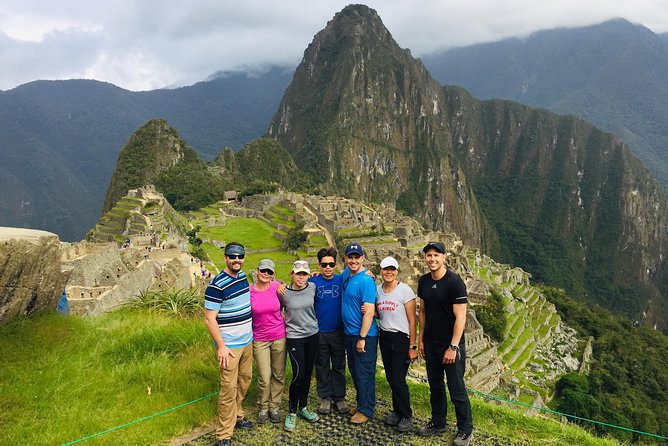
The final morning begins with the next checkpoint and a hike through dense high rainforest toward Inti Punku, the Sun Gate. This is the traditional first viewpoint of Machu Picchu for people completing the full Inca Trail.
The Sun Gate is not just a quick photo stop. It is the emotional payoff for the four-day route. After 42 kilometers of hiking, you reach the opening with your first view of Machu Picchu. The tour allows about 30 minutes here, giving you time for a snack, a rest, and photographs.
From Inti Punku, you continue down toward Machu Picchu. You have time to take the classic photograph before leaving the sanctuary briefly to use the restrooms or have a coffee. Then you re-enter Machu Picchu for a guided visit of the main areas, lasting about three hours.
This arrangement has a practical advantage. You first see Machu Picchu from the trail, then return for the formal guided exploration. The sequence preserves the sense of arrival while still giving you time to understand the site with an explanation from your guide.
The day is long, so do not treat the final descent as an easy stroll. You have already completed the hardest days, but the route includes the Sun Gate, the walk to Machu Picchu, the sanctuary visit, and the trip down to Aguas Calientes.
Lunch in Aguas Calientes is not included, so plan to pay for it yourself. After lunch, you say goodbye to the guide and take the train to Ollantaytambo, followed by a bus to Cusco. The train journey is listed at about two hours.
The food, tents, and support crew
Three breakfasts, three lunches, and three dinners are included. That is important on a strenuous trek, since you need regular meals without carrying all your food. A cook prepares the meals, while porters carry shared camping equipment.
The strongest praise for this experience centers on the food and care from the support team. The chef and porters are described as attentive, and the birthday cake is a memorable extra. You should not mistake that for a promise of restaurant-style dining, but it does suggest a team that takes camp service seriously.
Camping is shared in a tent for two people. A basic sleeping pad is included. The tour does not specify tent sizes beyond two-person accommodation, so if you have particular sleeping arrangements in mind, ask before booking.
The experience is also supported by a bilingual professional guide who leads both the trek and the Machu Picchu tour. That continuity is useful. You do not have to explain your group’s pace or questions to a new guide when you reach the sanctuary.
How hard is the Classic Inca Trail?
The tour is suitable for people with a moderate fitness level, but the altitude makes the word moderate important. Day 2 reaches 4,216 meters and includes about five hours of climbing. Later days still include passes, descents, and long periods on foot.
I would prepare by building endurance rather than focusing only on speed. Long uphill walks, regular stair work, and carrying a daypack can help. The supplied advice to arrive in Cusco several days early is especially practical because acclimatization can affect how you handle the high passes.
You should also bring proper clothing for changing conditions, sturdy walking shoes, sun protection, and enough personal water. The operator does not include bottled water, so you need to plan for hydration.
This is not the right choice if you want a relaxed visit to Machu Picchu with minimal walking. It is a good fit if you want the approach to be part of the achievement and are willing to accept basic camping and demanding altitude.
Group size and the feel of the trek
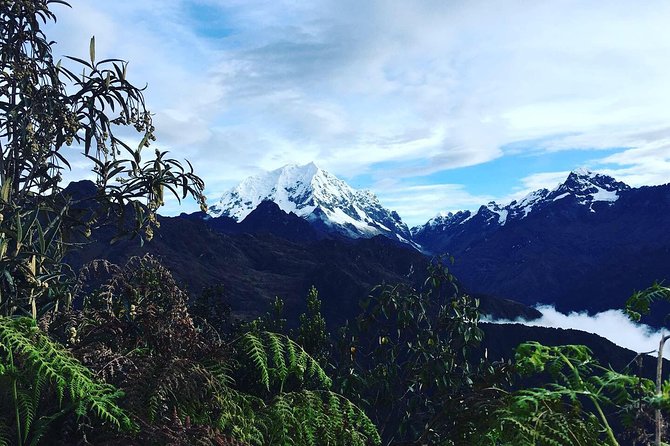
The maximum group size is eight people. That is small enough to create a more personal atmosphere and large enough to provide the social energy that can help during a hard climb.
A small group also gives you a better chance to hear the guide clearly at archaeological sites. The guide can explain how the trail and ruins fit together instead of rushing through a speech for a large crowd.
The experience described by the group of two couples was especially positive because the participants felt safe and well supported. That does not guarantee that every departure will have the same group chemistry, but the limited size gives the operator a good foundation for a friendly trek.
Booking details and cancellation risk
The meeting point for ticket redemption is Vidal Expeditions Peru, Urb, Santiago, Cusco 08007, Peru. The stated opening hours are Monday through Friday from 9:00 a.m. to 8:00 p.m., for the dates shown as April 8, 2020 through September 3, 2027.
Confirmation is issued within 48 hours of booking, subject to availability. The experience is non-refundable and cannot be changed after booking, so check your dates, fitness, and travel plans carefully before paying.
There are two exceptions tied to the operator canceling the experience. If poor weather causes cancellation, you are offered a different date or a full refund. If the minimum number of people is not reached, you are offered a different date or experience, or a full refund.
Should you book this trek?
I would choose this tour if you want the full four-day approach to Machu Picchu, value a small group, and prefer having meals, porters, camping, and transport organized. The combination of archaeological sites, high passes, cloud forest, and entry through the Sun Gate gives you much more than a quick visit to the sanctuary.
I would hesitate if you dislike camping, cannot manage long uphill days, or need flexible cancellation terms. The $820 price is fair for the staff, meals, equipment, guided visit, and return train, but you must add the cost of water, a sleeping bag, Day 4 lunch, and optional extras.
The best preparation is simple: arrive in Cusco early, get in shape, pack the right kit, and take the altitude seriously. If you do that, Vidal Expeditions offers a well-supported way to earn your first view of Machu Picchu.
FAQ
Where does the Classic Inca Trail trek begin?
The tour collects participants from their hotels in Cusco and drives to kilometer 82, where the group completes the checkpoint process and begins hiking.
How long is the trek?
The experience lasts approximately four days. The route covers 42 kilometers before reaching Machu Picchu.
How high does the trail go?
The highest pass reaches 4,216 meters, or 13,828 feet, on Day 2.
What is the hardest day?
Day 2 is the most challenging section. The climb to the highest pass takes about five hours, followed by a descent to lunch and the campsite.
Is Machu Picchu reached through the Sun Gate?
Yes. On Day 4, the group hikes to Inti Punku, also called the Sun Gate, and gets a first view of Machu Picchu before continuing down to the sanctuary.
How large is the group?
The maximum group size is eight people.
Are meals included?
Three breakfasts, three lunches, and three dinners are included. Day 1 breakfast and Day 4 lunch are not included.
Is camping equipment provided?
Camping accommodation includes a tent for two people and a basic sleeping pad. Porters carry shared camping equipment, but a sleeping bag is not included.
Is the train included?
The tourist train from Aguas Calientes to Ollantaytambo is included. The trip is listed as taking about two hours, followed by a bus to Cusco.
Can I cancel for a refund?
The experience is normally non-refundable and cannot be changed. If the operator cancels because of poor weather or because the minimum number of participants is not met, you are offered another date, another experience, or a full refund.
Just added in Cusco
- Cusco Private Transportation for 2026★ 5.0 · 4 reviews
- Private Transfer from Airport to Hotel in the City of Cusco★ 4.0 · 5 reviews
- Best Cusco walking tour: dinner street food tasting★ 4.5 · 11 reviews
- Private Tour to Pisac Market and Pisac Ruins★ 5.0 · 4 reviews
- Machu Picchu Day Trip With Panoramic Train from Cusco★ 5.0 · 10 reviews
- Sacred Valley Private Tour from Cusco, Guide and Driver only★ 5.0 · 4 reviews
- Sacred Valley of the Incas Tour★ 5.0 · 12 reviews
- Private Tour of the Mountain of Colours by Quad★ 5.0 · 7 reviews
Machu Picchu Tours, compared.
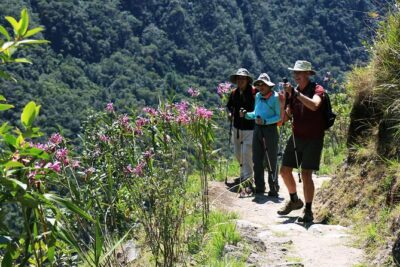
Classic Inca Trail Trek 4D/3N to Machu Picchu (Group Service)
Read our review →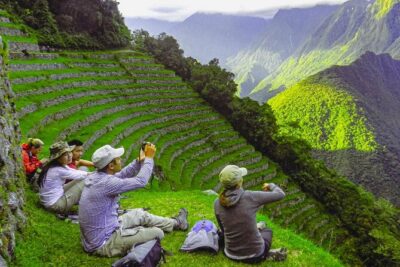
2-Day Inca Trail to Machu Picchu with Panoramic Train
Read our review →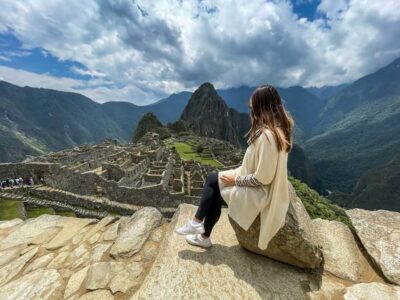
From Cusco: Full-Day Group Tour of Machu Picchu
Read our review →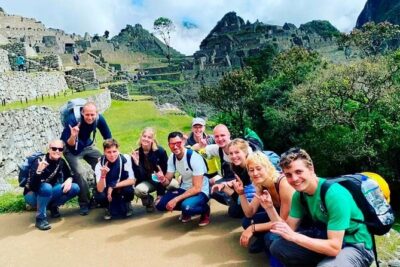
2-Day Tour: Sacred Valley and Machu Picchu by Train
Read our review →
Machu Picchu: Full-Day Tour from Cusco with Optional Lunch
Read our review →
Machu Picchu Full Day from Cusco by Panoramic Train
Read our review →Browse the lists this tour appears in