
Reviewed · MACHU PICCHU TOURS
Classic Inca Trail Expedition to Machu Picchu 4D/3N
Four days turns a famous ruin into a journey. This Classic Inca Trail trek combines ancient stone paths, high Andean passes, cloud forest, and a sunrise approach to Machu Picchu. I especially like that the price includes trail permits, Machu Picchu admission, transport, meals, tents, and hotel pickup in Cusco. You get the full route without having to arrange each piece yourself.
I also like the human side of the expedition. The cook, porters, and guide form the working heart of the trip, and past guests have praised the food, including a memorable cake, as well as the care shown by the porter team. The main drawback is plain: this is a hard trek. Dead Woman’s Pass reaches 4,215 meters, camping lasts three nights, and sleeping bags and walking sticks cost extra.
In This Review
- Key points to know before booking
- What the $990 price really buys you
- Day 1: From KM-82 to Ayapata
- Day 2: Dead Woman’s Pass and the hardest climb
- Day 3: Phuyupatamarca, Inti Pata, and Wiñay Wayna
- Day 4: Entering Machu Picchu through the Sun Gate
- The food, tents, and porter team
- Guides and group size
- Who should choose this four-day route
- Why the Sun Gate arrival matters
- Should you book the Classic Inca Trail Expedition?
- FAQ
- How long is the Classic Inca Trail Expedition?
- What time does pickup begin?
- Is hotel pickup included?
- Is the Inca Trail permit included?
- Are meals included during the trek?
- Where do you sleep during the expedition?
- Is camping equipment included?
- How difficult is the trek?
Key points to know before booking
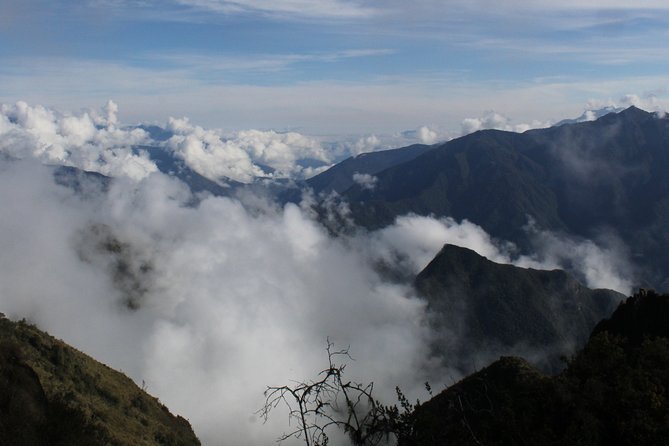
- Dead Woman’s Pass reaches 4,215 meters: Day 2 is the physical test, with a long climb followed by steep Inca steps.
- The Sun Gate approach comes on foot: You enter Machu Picchu early, walk to the Sun Gate, and get your first view from above.
- Meals are a real part of the service: Breakfast, lunch, dinner, snacks, and a daily happy hour are provided on the first three days.
- Your porters carry the camp operation: Tents, cooking, and camp support are arranged, making the trek easier to manage.
- The group is limited to 15 people: That is small enough for a more personal guide-led outing.
- The $990 price covers major permits and transport: You still need to budget for tips, a sleeping bag, a walking stick, and your own lunch on Day 4.
What the $990 price really buys you
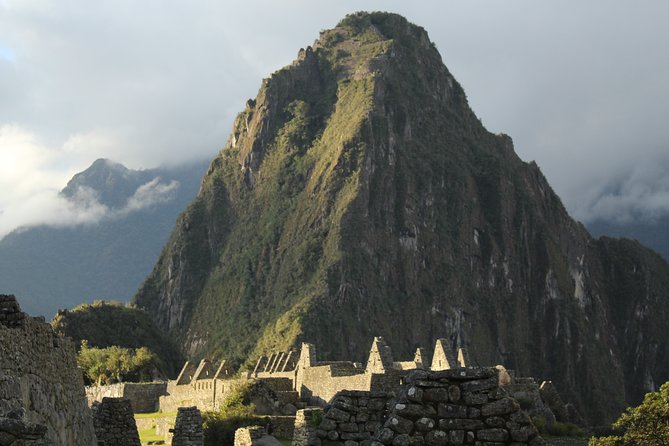
At $990 per person, this is not a cheap hike. It is also not simply four days of walking. The cost covers the Inca Trail permit, Machu Picchu admission, transport, three breakfasts, three lunches, three dinners, snacks, tents, and the support team needed to run a multi-day camp.
The permits are especially important. Access to the Classic Inca Trail is controlled, so having the trail and site tickets arranged removes one of the biggest planning hurdles. You also avoid piecing together transport from Cusco to the trailhead, then from Machu Picchu Pueblo back toward Cusco.
The value becomes clearer if you want a traditional expedition rather than a day trip. Your meals are organized, the camp is supplied, and porters and a cook support the group. Past guests have singled out the food, guide, cook, and porters as major strengths. One person even called out the cake, which is a fine reminder that a hot meal can feel like a small luxury after a hard climb.
You should still set aside extra money for tips. Sleeping equipment and walking sticks are not included, so check what you already own before departure. On Day 4, lunch in Aguas Calientes, also called Machu Picchu Pueblo, is on your own.
More Machu Picchu trips:
- Classic Inca Trail Trek 4D/3N to Machu Picchu (Group Service)
★ 5.0 · 8,653 reviews - Machu Picchu: 4-Day Inca Trail Trek with Panoramic Train Ride
★ 5.0 · 4,568 reviews - Short Inca Trail to Machu Picchu 2D/1N
★ 5.0 · 3,007 reviews
Day 1: From KM-82 to Ayapata
The day starts at about 5:00 a.m., with pickup from your Cusco hotel. That early departure is practical because the trailhead, KM-82, lies outside the city and the walking schedule is long.
At the first checkpoint, you show your passport. The name must match the permit, so this is not the moment to discover that a booking detail is wrong. Keep your passport easy to reach.
From KM-82, the trail follows the Sacred Valley through an easier, relatively flat opening. The first archaeological stop is Llactapata. This gives you an early sense of what makes the Classic Inca Trail different from an ordinary mountain hike: the ruins are part of the route, not a separate sightseeing stop at the end.
After roughly two hours, you reach the first lunch place, where the porters and cook prepare fresh organic food. That meal matters because the afternoon continues uphill. The route then takes about another two hours toward Ayapata, the first campsite.
The first day includes a snack, lunch, happy hour, and dinner. You sleep in a tent shared by two people. The supplied schedule lists the main stop as about one hour, but the actual day involves several hours of walking, breaks, meals, and the approach to camp. Treat the stated stop duration as an outline, not a full measure of the trekking day.
Day 2: Dead Woman’s Pass and the hardest climb
Day 2 is the demanding one. After breakfast, you climb for about five hours toward Dead Woman’s Pass, the expedition’s high point at 4,215 meters, or 13,779 feet.
At this altitude, the climb is not just about distance. The air is thinner, and the steady uphill grade can make every step feel deliberate. You should arrive with a moderate level of fitness and a realistic attitude toward pacing. This is a day for short breaks, water, and listening to your guide.
The reward is not limited to reaching the pass. The route changes character as you move through high mountain scenery and then descend on steep Inca steps. The downhill section lasts about two hours before lunch, and steep steps can be just as tiring as the climb. If your knees are sensitive, a walking stick may be worth arranging, though it is not included.
After lunch, the route continues through more archaeological sites. You climb for about two hours and descend for another two hours, with breaks along the way. Runkurakay and Sayacmarca are key stops, and each adds a dose of ancient stonework to an already varied day.
Chaquicocha camp is about 30 minutes beyond Sayacmarca. The second day includes breakfast, a snack, lunch, happy hour, and dinner, followed by another night in a two-person tent. The structure is sensible: eat, walk, rest, and repeat. Still, this is the day when the trek’s physical demands become impossible to ignore.
Day 3: Phuyupatamarca, Inti Pata, and Wiñay Wayna
Day 3 is generally less punishing than the previous day, but it is packed with scenery and ruins. After breakfast, you hike for about two hours toward Phuyupatamarca, known as the City in the Clouds.
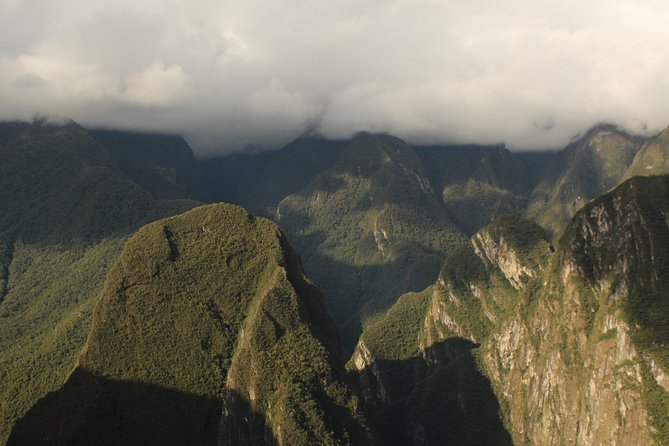
This area is described as one of the best places for flora, fauna, and views. The name fits the setting, though you should expect conditions to vary. The mountain route can look completely different depending on cloud and weather.
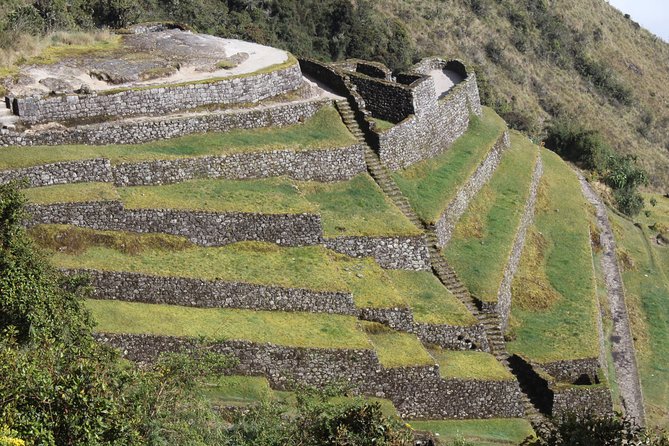
You also visit Inti Pata, or Sun above the Terraces. The terraces and stonework show how closely the Inca built their sites into the mountain. Here, the path feels like both a hike and an open-air archaeological visit.
After lunch, you reach Wiñay Wayna, translated as Forever Young. It is one of the major sites on the route and an important prelude to Machu Picchu. The combination of terraces, steep stonework, and surrounding highland scenery makes this a strong day for taking your time, even if the schedule is moving toward camp.
The group returns to camp for dinner and a small farewell ceremony for the porter team. This is a meaningful part of the expedition, but it can also feel slightly formal if you prefer a quiet evening. Tips are appreciated, and this is the last time you see the porters. Their work is easy to underestimate until you consider that they help move the food, tents, and camp equipment that make the trek possible.
Day 3 includes breakfast, a snack, lunch, happy hour, and dinner. You spend the third night in a two-person tent.
More hikes and treks in Cusco:
- Salkantay Classic Trek 5 Days from Cusco
★ 5.0 · 4,062 reviews - 4-Day Salkantay Trek with Sky Camp Stay
★ 5.0 · 3,346 reviews - Salkantay Trek 5D/4N with Glass Cabins, Domes and Hobbit House
★ 5.0 · 2,488 reviews - 2-Day Inca Trail to Machu Picchu with Panoramic Train
★ 5.0 · 1,876 reviews
Day 4: Entering Machu Picchu through the Sun Gate
The final morning starts early. Your team wakes you, and you head to the checkpoint to enter Machu Picchu when the site opens.
Rather than arriving by bus, you approach on foot and walk first to the Sun Gate. This is a powerful way to meet the citadel. Your first view comes from above, after three nights on the trail, rather than from a transport queue at the main entrance.
The walk to the Sun Gate is also the last reminder that the trek is not finished simply because Machu Picchu is in sight. You still need to keep a steady pace and follow the group’s timing.
Once inside the citadel, you receive a guided visit of about two hours. The guide takes you through the most important sacred sectors and explains the site as you move through it. The value here is context. Without a guide, it is easy to see Machu Picchu as a collection of impressive walls. With an explanation of the spaces and their purpose, the ruins become easier to read.
Breakfast is included on the fourth day, but lunch is not. You arrange lunch for yourself in Aguas Calientes or Machu Picchu Pueblo. In the afternoon, you take the train to Ollantaytambo and continue by bus to Cusco. The tour does not include a Cusco hotel night, so your accommodation there is your responsibility.
The food, tents, and porter team
Food can make or break a long trek. Here, the first three days include full meal service, along with snacks and a happy hour. The cook prepares the food at camp, and the supplied comments give special credit to the chef and kitchen assistant.
Do not expect restaurant comfort. You are camping at altitude after hours of walking. That is exactly why a hot dinner, a good breakfast, or a piece of cake can feel so welcome.
Tents are provided for two people. The arrangement keeps the gear simple, but you should be comfortable sharing a small camping space. A sleeping bag is not included, and neither is a walking stick. Those omissions are easy to overlook when comparing prices, so add them to your planning list.
The porters are not just background support. They help carry and organize the camp, and several past guests praised their friendliness, attention, and hard work. The farewell ceremony on Day 3 gives you a chance to recognize that effort. Tips are not included, but they are part of the expected final gesture described for the group.
Guides and group size

The maximum group size is 15 people. That is large enough to provide the energy and companionship of a group trek, but small enough that the guide should be able to keep the group together and offer personal support.
The guide’s role matters most on Day 2, when pacing and encouragement are important, and on Day 4, when the ruins need explanation. Past guests have praised guides for their support and their ability to explain Inca culture. Mauro is specifically recommended in the supplied feedback, so ask at booking if he is assigned to your departure. The information does not guarantee his availability.
The tour is offered in English. If you want a trip with regular cultural explanation rather than a walk led only by route instructions, that is an important benefit.
Who should choose this four-day route
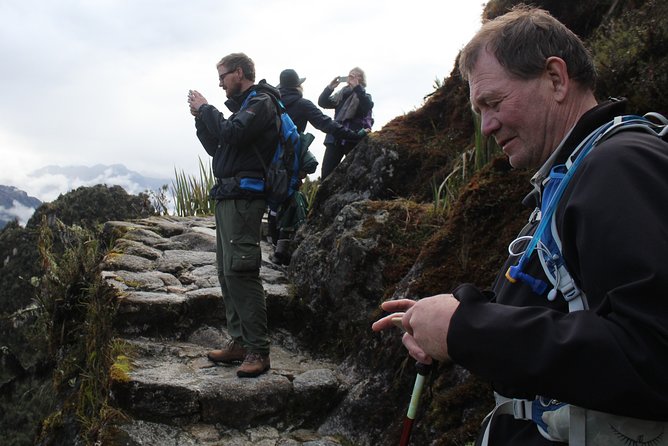
I would choose this expedition if you want the complete classic approach to Machu Picchu and enjoy the idea of earning the arrival. The route suits people who value ruins, mountain scenery, group camaraderie, and a structured support team.
You should be ready for:
- Four days of sustained walking
- A high point of 4,215 meters
- Steep uphill and downhill sections
- Three nights in tents
- A 5:00 a.m. start
- A moderate physical fitness requirement
This is not the right choice if you want a relaxed visit with minimal exertion. It is also a poor match if you dislike early mornings, shared tents, or changing weather. The trip requires good weather, and if poor conditions force cancellation, you are offered another date or a full refund.
The non-refundable policy deserves attention. After booking, you cannot cancel or amend the experience for a refund. Make sure your dates, passport details, fitness level, and equipment plans are settled first.
Why the Sun Gate arrival matters
Machu Picchu is famous enough to feel almost too familiar before you arrive. The four-day approach helps restore a sense of scale and anticipation.
You pass through Llactapata, Runkurakay, Sayacmarca, Phuyupatamarca, Inti Pata, and Wiñay Wayna before reaching the citadel. Each stop breaks up the trek and gives the route a clear rhythm. You are not only counting miles. You are moving through a chain of Inca sites, with the final view held until the last morning.
That does not make the climb easy. It makes the effort feel connected to a story. The Sun Gate view is the payoff, especially for anyone who prefers arriving under their own power instead of stepping directly from a train or bus into the main entrance.
Should you book the Classic Inca Trail Expedition?
Book it if you want the full four-day Inca Trail, a guided Machu Picchu visit, organized camp support, and a sunrise approach from the Sun Gate. The $990 price is strongest for you if you would otherwise struggle to arrange permits, meals, tents, porters, and return transport on your own.
Think twice if you need a gentler schedule or dislike fixed plans. The pass is high, Day 2 is hard, and the cancellation terms are strict. For a fit hiker who wants history and scenery built into every day, this is a well-supported route with the right kind of reward at the finish: Machu Picchu appears after you have walked to it.
FAQ
How long is the Classic Inca Trail Expedition?
The expedition lasts four days and three nights.
What time does pickup begin?
Pickup begins at approximately 5:00 a.m. from your hotel in Cusco.
Is hotel pickup included?
Yes. Pickup from Cusco hotels is provided.
Is the Inca Trail permit included?
Yes. The price includes Inca Trail and Machu Picchu admission tickets.
Are meals included during the trek?
Breakfast, lunch, and dinner are included on the first three days. Snacks and happy hour are also provided on Days 1 through 3. Day 4 includes breakfast, but lunch is on your own.
Where do you sleep during the expedition?
You sleep in tents for two people on each of the three trekking nights. Your Cusco accommodation after the trek is not included.
Is camping equipment included?
Tents are provided, but sleeping bags and walking sticks are not included.
How difficult is the trek?
A moderate physical fitness level is required. Day 2 is the hardest section, with a climb to Dead Woman’s Pass at 4,215 meters, or 13,779 feet.
Just added in Cusco
- Private Transfer from Airport to Hotel in the City of Cusco★ 4.0 · 5 reviews
- Best Cusco walking tour: dinner street food tasting★ 4.5 · 11 reviews
- Cusco Private Transportation for 2026★ 5.0 · 4 reviews
- Private Tour to Pisac Market and Pisac Ruins★ 5.0 · 4 reviews
- Machu Picchu Day Trip With Panoramic Train from Cusco★ 5.0 · 10 reviews
- Sacred Valley Private Tour from Cusco, Guide and Driver only★ 5.0 · 4 reviews
- Sacred Valley of the Incas Tour★ 5.0 · 12 reviews
- Private Tour of the Mountain of Colours by Quad★ 5.0 · 7 reviews
Machu Picchu Tours, compared.
Classic Inca Trail Trek 4D/3N to Machu Picchu (Group Service)
Read our review →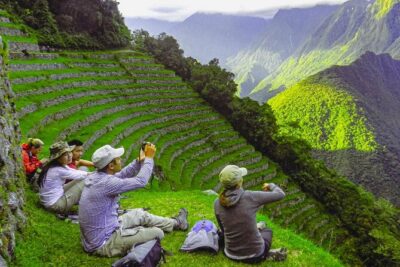
2-Day Inca Trail to Machu Picchu with Panoramic Train
Read our review →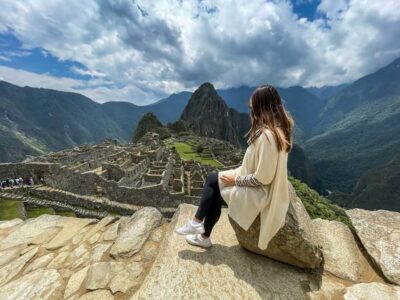
From Cusco: Full-Day Group Tour of Machu Picchu
Read our review →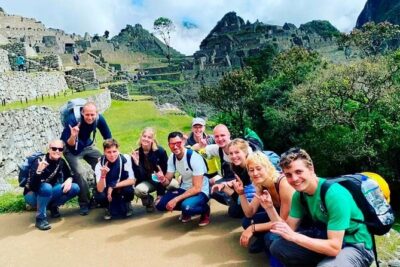
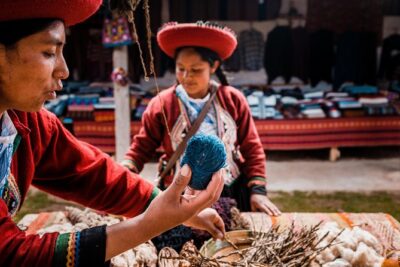
2-Day Tour: Sacred Valley and Machu Picchu by Train
Read our review →
Machu Picchu: Full-Day Tour from Cusco with Optional Lunch
Read our review →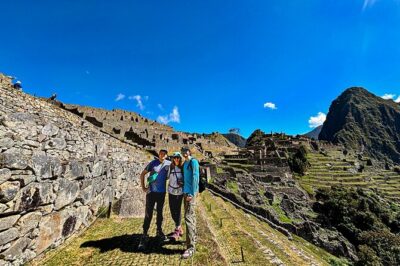
Machu Picchu Full Day from Cusco by Panoramic Train
Read our review →Browse the lists this tour appears in