
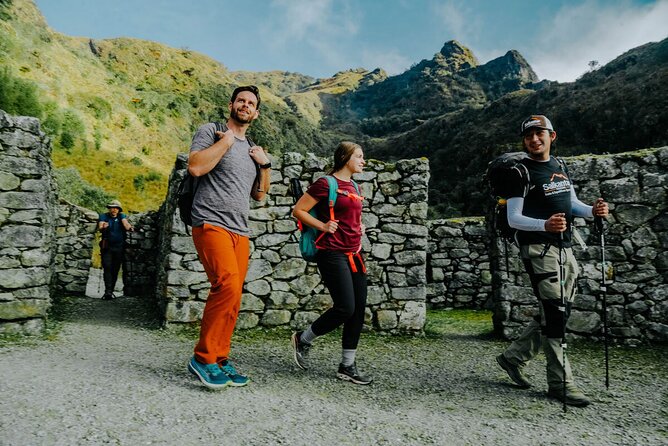
Reviewed · MACHU PICCHU TOURS
Classic Inca Trail to Machu Picchu – 4 Days / 3 Nights
The mountains make you earn Machu Picchu. This four-day Classic Inca Trail trek combines high passes, ancient ruins, Andean scenery, and a dawn arrival at the Sun Gate. I especially like the small group size, capped at 10 people, and the excellent support from the cooks, porters, and bilingual guides. Guides such as Carlos, Elias, Marco Antonio Centeno, and Cesar Quispe have been praised for making the history and local traditions come alive.
The main drawback is simple: this is a hard hike, not a sightseeing stroll. You face a 4:30 a.m. pickup, steep stone steps, high altitude, an early morning climb to Dead Woman’s Pass, and a 3:30 a.m. start on the final day. Arrive in Cusco at least two days early, and book roughly five months ahead, especially from May through September.
In This Review
- Key points to know before booking
- What the $1,095 price really covers
- Day one: Cusco to Ayapata through the first ruins
- Day two: Dead Woman’s Pass is the big test
- Day three: Phuyupatamarka, Intipata, and Wiñay Wayna
- Day four: The Sun Gate at dawn
- The guides, cooks, and porters matter
- How hard is the Classic Inca Trail?
- Group size, timing, and booking pressure
- Who should book this trek?
- FAQ
- How long is the Classic Inca Trail tour?
- What time does pickup begin?
- How far in advance should I book?
- How high is Dead Woman’s Pass?
- How early do I leave for the Sun Gate?
- Is Machu Picchu admission included?
- Is the return train included?
- Are meals included?
- Can I request vegetarian or vegan food?
- Are sleeping bags and trekking poles provided?
- Should you book the Classic Inca Trail?
Key points to know before booking
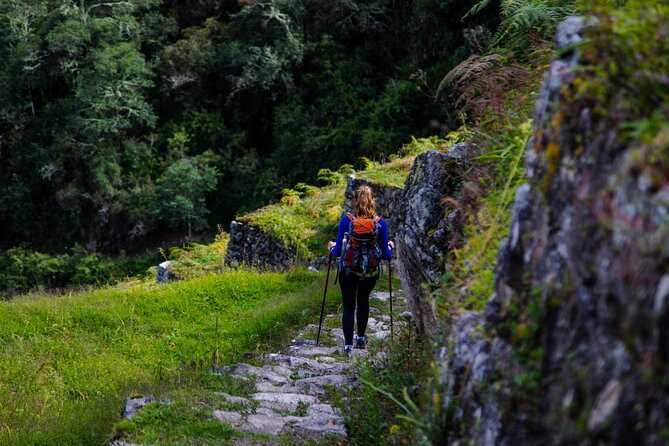
- Dead Woman’s Pass reaches 4,215 meters: Day two is the physical test, with a long climb followed by more passes and ruins.
- You enter Machu Picchu through the Sun Gate: The first view comes after hiking the ancient route, not from a bus.
- The food is a real strength: Cooks prepare three meals a day in camp, with vegetarian and vegan choices available if requested.
- Your main luggage is handled for you: Porters carry camping equipment and up to 5 kilograms of your personal items in a supplied duffle bag.
- The group stays small: A maximum of 10 people makes it easier to hear your guide and keep a shared pace.
- The price covers much of the hard-to-arrange work: Permits, camping, meals, porters, transfers, Machu Picchu entry, and the return train are included.
What the $1,095 price really covers
At $1,095 per person, this trek is not cheap by Peruvian day-trip standards. It is a four-day expedition with permits, camps, food, staff, transport, and Machu Picchu tickets, so the price needs to be judged as a package rather than compared with a single guided hike.
The permit for the Inca Trail is one of the most important inclusions. Access is limited, and spaces are in high demand. The operator also handles the route permit and Machu Picchu entry, which removes several difficult pieces of planning from your hands.
You receive three nights in two-person tents, a dining tent, chairs, a cook, porters for camp equipment, and transport for your personal belongings. A duffle bag allows up to 5 kilograms, or 11 pounds, of your items to be carried. That makes a real difference on steep sections, since you only need to carry your daypack.
The package also includes three lunches, three dinners, four breakfasts, water, tea time, and daily snacks. A tourist-class train takes you from Aguas Calientes to Ollantaytambo, and private transport continues to Cusco. Bus transport from Machu Picchu to Aguas Calientes is covered too.
You still need to budget for a sleeping bag, trekking poles, personal clothing, hiking gear, lunch in Aguas Calientes, dinner in Cusco, travel insurance, and optional tips. Those exclusions are fair, but they can add up. Ask about the sleeping bag and poles before departure so you are not sorting out essential gear at the last minute.
More Machu Picchu trips:
- Classic Inca Trail Trek 4D/3N to Machu Picchu (Group Service)
★ 5.0 · 8,653 reviews - Machu Picchu: 4-Day Inca Trail Trek with Panoramic Train Ride
★ 5.0 · 4,568 reviews - Short Inca Trail to Machu Picchu 2D/1N
★ 5.0 · 3,007 reviews
Day one: Cusco to Ayapata through the first ruins
Your morning begins early, with pickup from your Cusco accommodation at 4:30 a.m. The two-hour drive to Ollantaytambo is part of the price, and it gets you toward the trailhead before the day becomes hot.
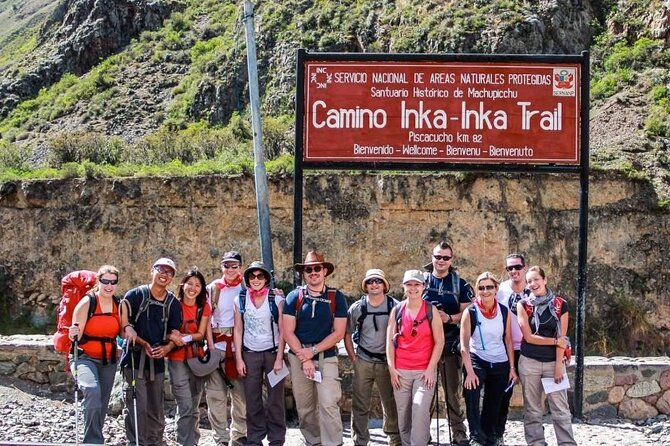
Ollantaytambo is described as the last living Inca city. You stop there for breakfast before continuing to Piscacucho, also called Kilometer 82. This first pause matters because the trek begins soon after, and a proper meal is better than trying to manage the morning on snacks alone.
At Piscacucho, the trail starts gently. That opening stretch gives you time to find your walking rhythm and take in the Andean scenery around the Urubamba River. You are not thrown straight into the hardest climb, which is helpful if you are still adjusting to the early start.
The route then reaches archaeological sites including Canabamba, Wilkarakay, and Llactapata. These early ruins help set the tone for the next four days. The trail is not only a route to Machu Picchu. It is also a chain of old settlements, terraces, ceremonial spaces, and mountain passes.
After lunch in Tarayoc, you continue toward Ayapata. The first day can last about 10 hours, depending on the group’s pace and the timing of stops. That is a long opening day, even though the first section is described as gentle.
Ayapata is your first camp. Dinner is served in the dining tent, and the staff set up the sleeping arrangements. The combination of hot food, a warm drink, and a proper tent is more valuable than it may sound after hours on stone paths. You should expect a simple night in the mountains, not hotel comforts.
Day two: Dead Woman’s Pass is the big test
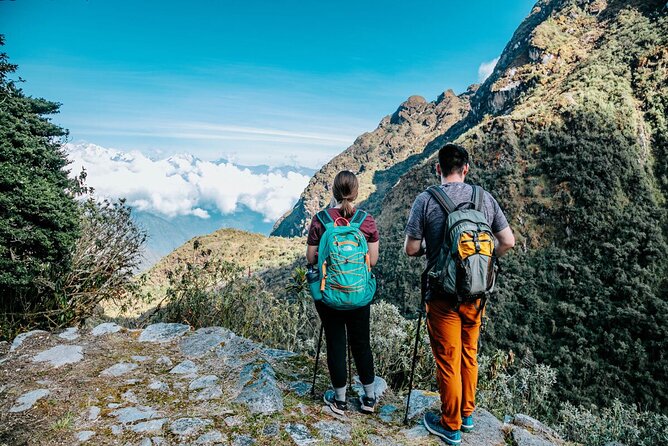
Day two begins with coca tea and breakfast before the toughest section of the trek. Your goal is Warmi Wañusqa, better known as Dead Woman’s Pass, at 4,215 meters, or 13,829 feet.
The name tells you enough. This is the day to walk steadily, drink water, and avoid racing stronger members of the group. Altitude affects people differently, so your best strategy is to keep a calm pace and listen to your guide.
At the pass, the views are a major reward. A short ceremony honors the sacred Apus, or mountain spirits, before you begin the descent toward Pacaymayo. This pause gives the climb a cultural meaning beyond simply reaching the highest point.
The descent is not an easy victory lap. Going downhill on uneven stone can be hard on knees and thighs, especially after the climb. At Pacaymayo, you stop for lunch and a rest before continuing.
The next section visits Runkurakay and the Runkurakay Pass. You can make a brief offering to Pachamama, Mother Earth, at the pass. These small moments of ceremony help connect the physical route with the beliefs that shaped it.
Sayaqmarka comes next, an Inca complex high in the mountains. The route then leads to Chaquicocha campsite, with views toward the Vilcabamba mountain range and, if timing and weather cooperate, sunset light. Day two can also take about 10 hours, so the camp dinner will be welcome.
This is the day that separates a moderate fitness level from genuine preparation. The operator calls for good health and physical shape, and that warning deserves attention. You do not need to be a competitive athlete, but you should be comfortable with long uphill and downhill walking at altitude.
Day three: Phuyupatamarka, Intipata, and Wiñay Wayna
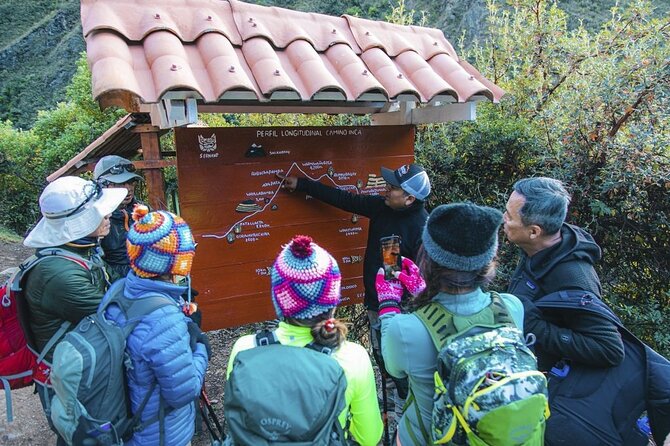
Day three is described as the most relaxed day, though you are still hiking for several hours. Breakfast comes at 6:30 a.m., followed by roughly 90 minutes of walking to Phuyupatamarka at 3,650 meters, or 11,975 feet.
Phuyupatamarka is known as a place above the clouds. Its setting gives you a quieter, more reflective part of the route, with wide mountain views and a strong sense of distance from modern life. After the effort of Dead Woman’s Pass, this morning can feel like a change in tempo.
The trail then descends for about two and a half hours to Intipata. Here, agricultural terraces look out toward the Sacred Valley and the winding Urubamba River. The descent brings a different challenge from day two’s climb, so trekking poles are useful if you have them. They are not included, but they can help with balance and reduce strain.
The camp is near Wiñay Wayna, whose name means forever young. This is one of the most impressive archaeological sites on the trail, and you explore it with your guide after lunch. The setting, terraces, stairways, and stonework make this more than a quick roadside stop.
The day ends with a small celebration for the porters and cooks. It is a fitting pause because their work makes the trek possible. They carry tents, food, and supplies, set up camp, and keep meals coming in places where there is no normal kitchen or road access.
You should use the evening to rest. The next morning starts in the middle of the night, and the final approach to Machu Picchu is much more enjoyable if you do not stay awake late celebrating.
More hikes and treks in Cusco:
- Salkantay Classic Trek 5 Days from Cusco
★ 5.0 · 4,062 reviews - 4-Day Salkantay Trek with Sky Camp Stay
★ 5.0 · 3,346 reviews - Salkantay Trek 5D/4N with Glass Cabins, Domes and Hobbit House
★ 5.0 · 2,488 reviews - 2-Day Inca Trail to Machu Picchu with Panoramic Train
★ 5.0 · 1,876 reviews
Day four: The Sun Gate at dawn
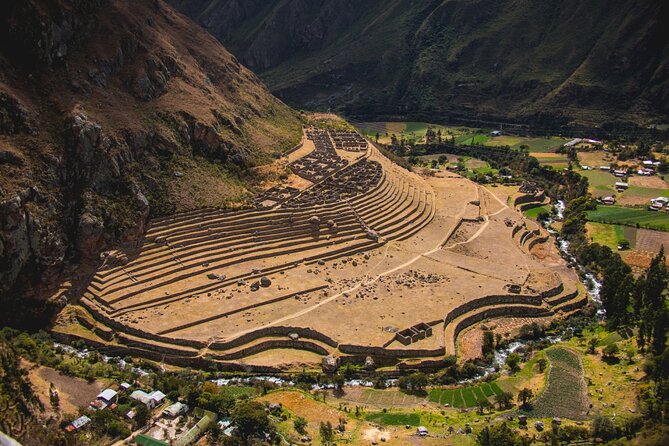
Breakfast arrives at about 3:30 a.m., followed by an approximately one-hour hike to Inti Punku, the Sun Gate. This is an early start even by trekking standards, but it gives you the chance to reach the overlook around dawn.
From the Sun Gate, you watch the first light reach Machu Picchu. The approach feels different from arriving by bus because you have spent three days walking through the mountains and ruins. The citadel appears as the final scene of a long route, not as an isolated attraction.
After reaching the citadel, you have time for the prescribed Machu Picchu visit and photographs. The package includes entry to Machu Picchu, with Circuit 1C and Circuit 3B listed for the relevant visits. If you reserve ahead, you can also climb Huayna Picchu or Huchuy Picchu for higher views.
Those extra mountain climbs should be treated as additions to an already demanding day. They require advance booking, and the supplied information does not promise availability as part of the base tour. Confirm the details before counting on either summit.
You then descend by bus to Aguas Calientes. Lunch there is not included, so keep money ready and allow room in your budget. After lunch, the tourist-class train runs to Ollantaytambo, where private transport takes you back to Cusco.
The return journey is long. Arrival in Cusco is expected around 7:30 p.m., so do not plan an important evening activity or an early flight that night.
The guides, cooks, and porters matter
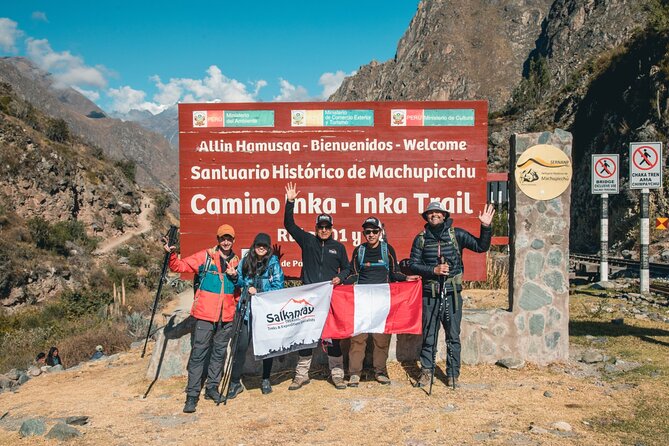
The strongest part of this experience may be the human support. Carlos is praised for his humor, energy, and ability to keep morale up on steep climbs. Elias is described as equally warm and lively, and the pair are credited with sharing detailed lessons about Inca culture and local traditions.
Other named guides include Marco Antonio Centeno, Cesar Quispe, Fredy Apaza, and Fredy Chaleco. Their strengths include explaining Inca heritage, mountain ecology, and local customs. Guide quality can shape an experience like this because the ruins are more meaningful when you understand what you are seeing.
The cooks receive especially strong praise. Wilfred, Denis, and Apolinario are each singled out for preparing high-quality meals in difficult conditions. One meal remembered especially well was stuffed avocado on the first day, while other comments describe dinners as closer to restaurant food than expected from a mountain camp.
You can request vegetarian or vegan meals, but do so when booking. The cooks also provide breakfast, lunch, dinner, tea time, water, and snacks, which helps keep your energy steady.
The porters carry the camping gear and food, and their work is central to the operation. You should pack thoughtfully and stay within the 5-kilogram personal-item limit. Optional tips are not included, so carry enough local currency if you want to thank the crew directly.
One useful ethical point concerns gifts for children in mountain communities. Do not bring candy. Pencils, paper, or crayons are a better choice, according to the advice supplied with the experience.
How hard is the Classic Inca Trail?
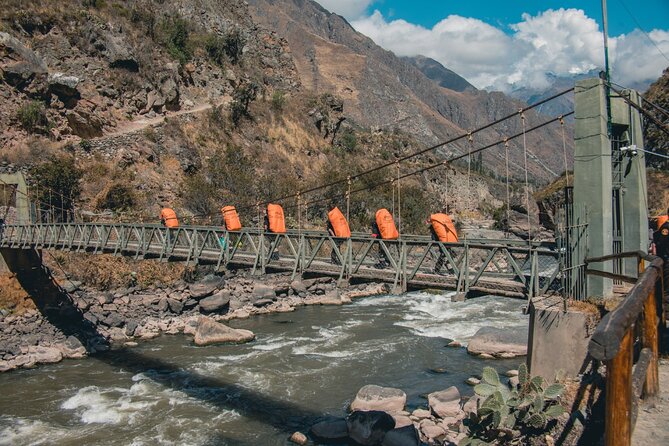
The tour is rated for people with moderate physical fitness, but that phrase should not make the trek sound easy. The route includes long days, steep stairs, high altitude, and very early starts.
Dead Woman’s Pass is the obvious high point, but the repeated climbing and descending can be just as tiring. The final morning also asks you to wake around 3:30 a.m. after three nights in tents.
Altitude preparation is essential. You are advised to arrive in Cusco at least two days before the trek to adjust. That advice is practical, not decorative. Building in extra time also gives you a buffer if you need a quiet day before starting.
Children aged 12 and over may take part, but they must remain with a responsible adult. The trek requires good health, and anyone with concerns should consider professional medical advice before booking.
The tour provides first aid equipment and oxygen, as well as walkie-talkies and emergency satellite phones. These are reassuring safety measures, but they do not replace preparation. Bring suitable clothing, rain protection, sturdy footwear, and personal hiking equipment.
Group size, timing, and booking pressure
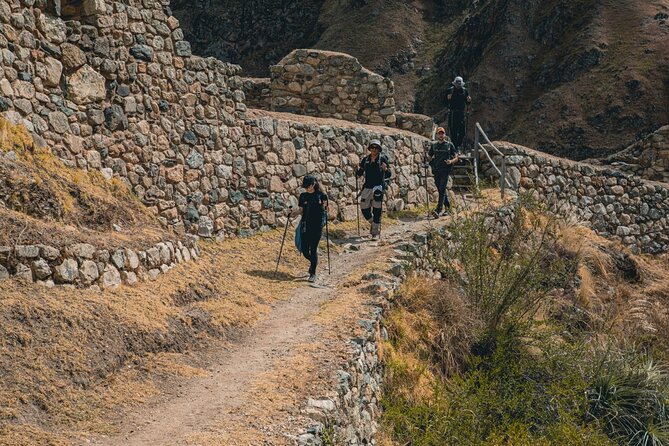
The maximum group size is 10 people. That is small enough for a guide to explain ruins without shouting, and it gives the group a better chance of moving at a similar pace. It also means that one slow or tired member can affect the day, so patience is part of the deal.
The Inca Trail is highly demanded, especially between May and September. Booking at least five months ahead is recommended, and the average booking lead time is about 129 days. Confirmation arrives within 48 hours of booking, subject to availability.
You must provide each participant’s passport name, number, expiry date, and country at booking. Make sure your passport is current and ready for use on the travel date. This is not a trip to arrange casually a few days before departure.
The cancellation policy is strict. The experience is non-refundable and cannot be changed for any reason. If poor weather or a failure to meet the minimum number of participants causes cancellation, you are offered another date or experience, or a full refund.
Who should book this trek?
I would recommend it to you if reaching Machu Picchu on foot matters as much as seeing the citadel itself. You get ancient sites throughout the route, a small group, meals in camp, porters for heavy equipment, and guides who can add cultural context.
It suits hikers who can manage long days and who are willing to prepare for altitude. It is also a good fit if you value organization. Transfers, camps, meals, permits, buses, and the return train are arranged in one package.
I would not choose it for a relaxed holiday, a late riser, or anyone uncomfortable with tents and basic mountain conditions. The price is reasonable for the level of support, but only if you use the included services and understand that the trek remains physically demanding.
FAQ
How long is the Classic Inca Trail tour?
The experience lasts four days and three nights, with the final return to Cusco expected around 7:30 p.m. on day four.
What time does pickup begin?
Pickup from your accommodation in Cusco begins at 4:30 a.m. on the first day.
How far in advance should I book?
Booking at least five months ahead is recommended, especially for travel between May and September. The average booking time is about 129 days in advance.
How high is Dead Woman’s Pass?
Dead Woman’s Pass reaches 4,215 meters, or 13,829 feet.
How early do I leave for the Sun Gate?
You receive breakfast at about 3:30 a.m. on day four, then begin the roughly one-hour hike to Inti Punku.
Is Machu Picchu admission included?
Yes. Entrance to Machu Picchu is included, with Circuit 1C and Circuit 3B listed for the scheduled visits.
Is the return train included?
Yes. A tourist-class return train from Aguas Calientes to Ollantaytambo is included.
Are meals included?
Breakfast is included four times, lunch three times, and dinner three times. Lunch in Aguas Calientes and dinner in Cusco on day four are not included.
Can I request vegetarian or vegan food?
Yes. Vegetarian and vegan options are available, but you should advise the operator when booking.
Are sleeping bags and trekking poles provided?
No. Sleeping bags and trekking poles are not included, so you need to arrange them separately.
Should you book the Classic Inca Trail?
Book this trek if you want the full route to Machu Picchu, not simply a visit to the ruins. The combination of Dead Woman’s Pass, Phuyupatamarka, Intipata, Wiñay Wayna, and the dawn arrival at the Sun Gate gives the journey real substance.
The standout strengths are the small group, skilled guides, strong food, and hard-working porters. Just respect the altitude, prepare for long days, arrive in Cusco early, and reserve well ahead. If you do that, the $1,095 cost buys more than transport and admission. It buys a carefully supported walk through one of South America’s great historic routes.
Just added in Cusco
- Private Transfer from Airport to Hotel in the City of Cusco★ 4.0 · 5 reviews
- Best Cusco walking tour: dinner street food tasting★ 4.5 · 11 reviews
- Cusco Private Transportation for 2026★ 5.0 · 4 reviews
- Private Tour to Pisac Market and Pisac Ruins★ 5.0 · 4 reviews
- Machu Picchu Day Trip With Panoramic Train from Cusco★ 5.0 · 10 reviews
- Sacred Valley Private Tour from Cusco, Guide and Driver only★ 5.0 · 4 reviews
- Sacred Valley of the Incas Tour★ 5.0 · 12 reviews
- Private Tour of the Mountain of Colours by Quad★ 5.0 · 7 reviews
Machu Picchu Tours, compared.
Classic Inca Trail Trek 4D/3N to Machu Picchu (Group Service)
Read our review →
2-Day Inca Trail to Machu Picchu with Panoramic Train
Read our review →
From Cusco: Full-Day Group Tour of Machu Picchu
Read our review →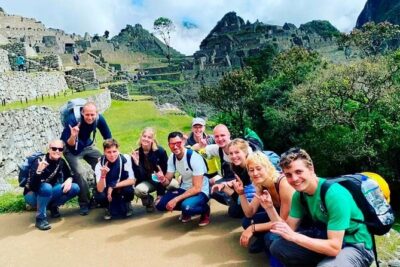
2-Day Tour: Sacred Valley and Machu Picchu by Train
Read our review →
Machu Picchu: Full-Day Tour from Cusco with Optional Lunch
Read our review →
Machu Picchu Full Day from Cusco by Panoramic Train
Read our review →Browse the lists this tour appears in