
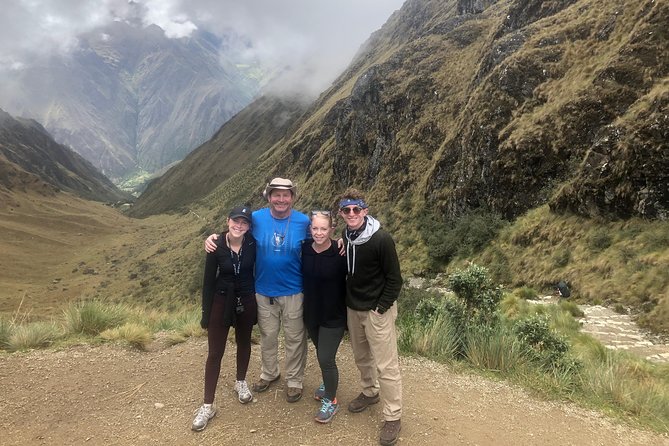
Reviewed · MACHU PICCHU TOURS
Classic Inca Trail To Machu Picchu 4 Days And 3 Nights 2026
Wake before dawn, then walk into history. This four-day Classic Inca Trail trek links high mountain passes, cloud forest, stone ruins, and Machu Picchu, with Action Peru Treks handling the permits, transport, meals, camps, and guiding. I especially like the small maximum group of 15 and the unusually strong camp support, including cooks, porters, safety equipment, and private transport. The main catch is simple: this is a hard trek, not a sightseeing stroll, and Day 2 reaches 4,215 meters.
I also like that the route gives you time with several Inca sites instead of rushing straight to Machu Picchu. Guides such as Ali, Nilton, and Lino have earned strong praise for their storytelling and trail care on past departures, while cooks including Andres and Ruben have produced remarkably elaborate meals in camp. At $870 per person, the price is fair for what is included, but you still need to budget for a sleeping bag, possible pole rental, tips, and a personal porter.
In This Review
- Key details to know before booking
- What the $870 price really covers
- Day 1: Kilometer 82, Patallacta, and Ayapata
- Day 2: Dead Woman’s Pass and the high trail
- Day 3: Phuyupatamarca, Inti Pata, and Wiñay Wayna
- Day 4: The Sun Gate and Machu Picchu
- Food, porters, and camp comfort
- Who should book this Inca Trail trek?
- Booking advice and final verdict
- FAQ
- How long is the Classic Inca Trail tour?
- What time does pickup begin?
- Where does the trek start?
- How high is Dead Woman’s Pass?
- What meals are included?
- Is breakfast included during the stop in Ollantaytambo?
- Is camping equipment included?
- Are trekking poles included?
- What should I bring to the trek?
- How many people can join the group?
- Does the tour include a guided visit to Machu Picchu?
- When do you return to Cusco?
Key details to know before booking
- The trek begins at 4:30 a.m. in Cusco, with a scenic Sacred Valley drive to Kilometer 82.
- Dead Woman’s Pass reaches 4,215 meters, making Day 2 the physical test of the route.
- Your meals are cooked at camp, with several accounts praising the food as far beyond basic trekking fare.
- Wiñay Wayna receives a guided visit, a valuable stop that many hikers remember as one of the finest ruins on the trail.
- The group can include up to 15 people, small enough for personal attention but not necessarily private.
- You reach Machu Picchu through the Sun Gate, then receive a two-hour guided visit before returning to Cusco around 8 p.m.
What the $870 price really covers
The $870 cost looks reasonable once you separate the trail work from the headline price. You are paying for a guide, pre-trek briefing, private transport, camping tents, mattresses, three breakfasts, three lunches, and three dinners. The support team also carries cooking and camping equipment, prepares the food, sets up camp, and helps keep the group moving.
Safety support is part of the package too. The operator supplies a first aid kit, oxygen, and emergency radios. That matters on a route where altitude, steep steps, changing weather, and fatigue can turn a minor problem into a serious one.
The two-person sleeping arrangement uses a four-person tent, which gives you more room than a tight two-person shelter. A mattress is included, but a sleeping bag is not. You can rent one from the company, as well as trekking poles, or bring your own.
The value is strongest if you want a fully organized trek. You do not need to arrange trail transport, cooks, porters, campsite equipment, or the return journey yourself. Tips are not included, and a personal porter costs extra if you want someone to carry your own main bag. The included support porters carry group equipment, not every item in your luggage.
More Machu Picchu trips:
- Classic Inca Trail Trek 4D/3N to Machu Picchu (Group Service)
★ 5.0 · 8,653 reviews - Machu Picchu: 4-Day Inca Trail Trek with Panoramic Train Ride
★ 5.0 · 4,568 reviews - Short Inca Trail to Machu Picchu 2D/1N
★ 5.0 · 3,007 reviews
Day 1: Kilometer 82, Patallacta, and Ayapata
Your day begins early, with hotel pickup in Cusco at 4:30 a.m. That hour may hurt, but it gives you a dawn drive through the Sacred Valley. The route pauses briefly in Ollantaytambo for photographs and breakfast, though breakfast here is not included, so bring money and expect to pay separately.
At Kilometer 82, the Classic Inca Trail begins. This is where the porters and chef meet the group, and where the trek changes from road travel to a full day on foot. The opening section is fairly gentle, with about two and a half hours of mostly level walking toward Wilkaraqay.
From Wilkaraqay, you get broad views toward the Llactapata ruins. Your guide provides the first trail talk and explains how the Inca road functioned as more than a path between two famous sites. It was part of a larger system used by messengers, officials, pilgrims, and workers.
The route continues for about two hours to Hatunchaca, at 2,598 meters, where lunch is served. After lunch, expect another two and a half hours of hiking to Ayapata, your first campsite. The full day is listed at about 10 hours, so do not mistake the lower altitude for an easy start.
Patallacta is a key archaeological stop on this first day. Its terraces, buildings, and position beside the Urubamba River suggest several roles, including a rest point, administrative station, shrine, and food source for Machu Picchu. The solar alignments add another layer, hinting at ceremonial use.
You spend only about 30 minutes at Patallacta, but that is enough to see why the site matters. It was discovered by Hiram Bingham in 1912, when he recorded a small group of buildings and what may have been the home of an Inca leader. The ruins are not simply an opening photo stop. They introduce the practical and spiritual sides of the road ahead.
Day 2: Dead Woman’s Pass and the high trail
Day 2 is the toughest part of the trek for many people. After breakfast, you climb for about two hours through changing mountain zones, moving from the cloud forest toward the high Puna. The route reaches Lluchapampa at 3,800 meters, where you get a short 15-minute break before the main climb.
From Lluchapampa, it takes roughly two hours to reach Dead Woman’s Pass at 4,215 meters. The name is dramatic, but the real issue is altitude combined with steep, sustained effort. You should walk slowly, drink regularly, and treat the guide’s pacing advice as practical help, not a challenge to race uphill.
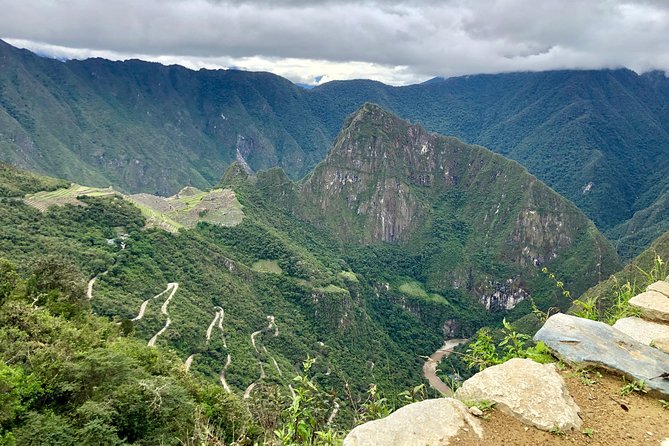
The pass offers a powerful moment, with mountain views and the long stone route visible around you. Weather can change quickly at this height, so keep your warm layer and rain jacket easy to reach. The supplied packing advice is sensible: fleece, warm underwear, gloves, sun protection, and sturdy trekking boots all earn their place here.
After the pass, you descend to Pacaymayu for lunch. The downhill section can be hard on knees, which is why trekking poles are recommended. They can be rented from the company, but you may prefer to bring familiar poles if you already own a pair.
The afternoon still has plenty in store. A 45-minute climb takes you to Runkurakay, a circular Inca structure near the pass of the same name. It is thought to have served as a resting point for chaski messengers, the fast runners who carried messages across the Inca road system.
You then climb for about an hour to Runkurakay Pass at 3,950 meters. A 90-minute descent brings you to Sayacmarca, a compact ruin built into the rock. Its stairways and stone buildings show how the Inca adapted construction to steep ground rather than flattening the mountain.
Sayacmarca receives a short guided visit of about 25 minutes. From here, it is another 25 minutes to Chaquicocha camp at 3,600 meters. By the time you arrive, the combination of altitude, climbing, and descending will make a hot meal and dry clothing feel like luxury.
The human support is an important part of the value here. Past groups have praised guides who adjusted the pace and recognized when a break was needed. Hipo, for example, was singled out for keeping hikers on schedule while still watching their condition. That sort of judgment matters more than a memorized speech when the trail gets steep.
Day 3: Phuyupatamarca, Inti Pata, and Wiñay Wayna
Day 3 trades the hardest climb for a wonderfully varied route. You walk for about two hours to Phuyupatamarca at 3,680 meters, known as the City Above the Clouds. From this high point, the route offers views toward Aguas Calientes, Machu Picchu Mountain, and Huayna Picchu Mountain.
Phuyupatamarca includes Inca ruins and five small stone baths. During the wet season, the baths carry fresh running water, giving you a glimpse of how the site may have supported people moving along the road. Your guide leads a visit before the route turns downhill.
The next two and a half hours take you into the forest. This long descent is scenic, but it is not effortless. Stone steps can be uneven, and tired legs may make the downhill work feel harder than expected. Again, poles are useful, and you should keep your rain protection close.
Inti Pata is one of the route’s fine photo points. The terraces and mountain views open up in a way that makes the earlier effort feel worthwhile. Your guide can help place the site within the wider trail system, so do not rush through the stop for photographs alone.
After about 40 more minutes, you reach Wiñay Wayna camp at 2,680 meters. The lower altitude should feel welcome. Lunch comes before some rest time, followed by a guided visit to Wiñay Wayna itself.
Wiñay Wayna is often considered the most impressive ruin on the trail. Its name means forever young in Quechua, and the complex includes large agricultural terraces, stone buildings, stairways, and dark caves that may have had spiritual use. The scale and setting make this a stop worth protecting your energy for.
A guided visit is a real advantage here. You can walk among the terraces on your own, but a guide helps connect the water system, farming areas, buildings, and ceremonial possibilities. Lino, who has guided the route many times, was praised for explaining both the smaller ruins and Machu Picchu with equal care.
The food also becomes part of the evening’s pleasure. Cooks such as Andres and Ruben have been praised for preparing multi-course meals, snacks, and even a homemade cake in the camp kitchen. Do not book this expecting restaurant service, but the cooking is clearly a serious part of the operation rather than an afterthought.
More hikes and treks in Cusco:
- Salkantay Classic Trek 5 Days from Cusco
★ 5.0 · 4,062 reviews - 4-Day Salkantay Trek with Sky Camp Stay
★ 5.0 · 3,346 reviews - Salkantay Trek 5D/4N with Glass Cabins, Domes and Hobbit House
★ 5.0 · 2,488 reviews - 2-Day Inca Trail to Machu Picchu with Panoramic Train
★ 5.0 · 1,876 reviews
Day 4: The Sun Gate and Machu Picchu
The final morning starts early again. After breakfast, you walk for about an hour along the last section of the trail to the Sun Gate, the traditional entrance point for hikers arriving from the Inca road.
This is your first major view of Machu Picchu. If the weather cooperates, you may see the site with the Andes behind it and perhaps catch sunrise. Clouds are part of the mountain setting, so keep your expectations flexible. The view is still meaningful even when the sun refuses to perform on schedule.
From the Sun Gate, the route descends for about 45 minutes to the entrance gates. The tour includes time at the classic photo point, followed by a short break and a two-hour guided visit through Machu Picchu.
Having the same trail guide continue into Machu Picchu can help. Guides such as Ali, Nilton, and Lino have been praised for bringing Inca beliefs, engineering, and mythology into the visit rather than simply naming buildings. You will get more from the citadel if you listen first and save some time for your own photographs afterward.
The schedule remains demanding even after reaching the ruins. You take a bus to Aguas Calientes, then a train to Poroy, where private transport takes you back to your Cusco hotel. The expected arrival is around 8 p.m. This is not a relaxed final afternoon, but it is efficient and gets you back to Cusco the same day.
Food, porters, and camp comfort
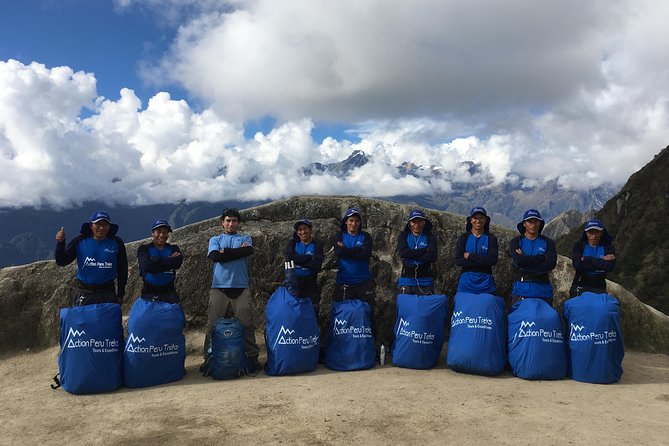
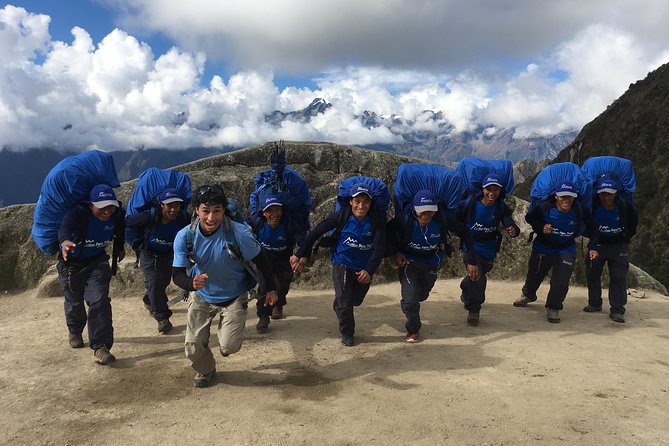
The support crew is one of the strongest reasons to choose this trek. Porters carry tents, mattresses, cooking gear, food, and other group supplies, then set up camp before or around the time you arrive. A past group described nine porters carrying heavy loads over difficult ground, often moving with striking speed.
That work deserves respect. Ask about tipping guidance during the pre-trek briefing, and carry only what you truly need. The included support does not remove the need to pack sensibly.
The cooks receive exceptional praise for the quality and presentation of camp meals. Three breakfasts, three lunches, and three dinners are included. Vegetarian needs were handled well on past departures, but you should still raise dietary requirements before the trek so the kitchen team can prepare properly.
Camping remains camping. You need a sleeping bag, toiletries, toilet paper, wet wipes, a towel, a headlamp, and suitable clothing. Bring spare camera batteries because cold and altitude can drain them faster. Sunglasses, sunscreen rated SPF 35 or higher, insect repellent, and a rain jacket are practical items, not clutter.
Who should book this Inca Trail trek?
This trek suits you if you want the historic route itself, not just a quick visit to Machu Picchu. It also fits people who prefer having transport, meals, camp work, safety supplies, and guiding organized in advance.
You should have moderate physical fitness. The most difficult elements are the long first day, Dead Woman’s Pass, repeated stone steps, and the final return to Cusco. The small group helps, but it cannot make high-altitude climbing easy.
Families with active older children have completed the route, including children aged 11 and 13 on a past trip. That does not mean the trek is suitable for every child. You need to judge your family’s fitness, hiking experience, and response to altitude carefully.
The trek is less suitable if you want private space, leisurely mornings, or a soft landing after Machu Picchu. A maximum of 15 people is small by bus-tour standards, but it is still a group. The 4:30 a.m. pickup and 8 p.m. Cusco arrival on the last day also require stamina.
Booking advice and final verdict
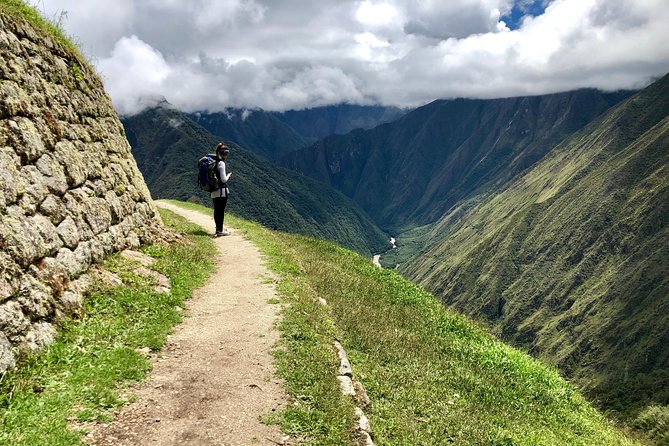
The permit-based Classic Inca Trail is popular enough that people book an average of 120 days ahead. For a 2026 departure, early planning is sensible, especially if your dates are fixed.
Free cancellation is available up to 24 hours before the start time for a full refund. Changes or cancellations inside that 24-hour window are not accepted for a refund, and the cut-off follows local time.
I would book this tour if you want the full four-day route with strong logistical support and a guide who treats the ruins as more than background scenery. The best reasons are the guided archaeological stops, the Sun Gate arrival, the capable camp crew, and the serious cooking.
I would look elsewhere only if you dislike early starts, high-altitude hiking, or group schedules. For most fit hikers who want to reach Machu Picchu by the old road rather than by train alone, $870 is a solid package price. Bring your original passport, prepare for the altitude, pack light, and leave room in your plans for the trail to take more energy than the timetable suggests.
FAQ
How long is the Classic Inca Trail tour?
The tour lasts four days and three nights.
What time does pickup begin?
Hotel pickup in Cusco begins at 4:30 a.m.
Where does the trek start?
The trek starts at Kilometer 82, after transport from Cusco through the Sacred Valley.
How high is Dead Woman’s Pass?
Dead Woman’s Pass reaches 4,215 meters, or 13,825 feet.
What meals are included?
The tour includes three breakfasts, three lunches, and three dinners.
Is breakfast included during the stop in Ollantaytambo?
No. The group stops in Ollantaytambo for breakfast and photographs, but breakfast there is not included.
Is camping equipment included?
Tents and mattresses are included. A sleeping bag is not included, but it can be rented from the company.
Are trekking poles included?
No. Trekking poles can be rented from the company.
What should I bring to the trek?
Bring your original passport, trekking boots, warm and light clothing, gloves, a rain jacket, toiletries, sunscreen, a headlamp, sunglasses, spare camera batteries, insect repellent, and trekking poles if you use them.
How many people can join the group?
The tour can have a maximum of 15 travelers.
Does the tour include a guided visit to Machu Picchu?
Yes. The final day includes a two-hour guided visit to Machu Picchu.
When do you return to Cusco?
The planned arrival back at your Cusco hotel is around 8 p.m. on Day 4.
Just added in Cusco
- Cusco Private Transportation for 2026★ 5.0 · 4 reviews
- Private Transfer from Airport to Hotel in the City of Cusco★ 4.0 · 5 reviews
- Best Cusco walking tour: dinner street food tasting★ 4.5 · 11 reviews
- Private Tour to Pisac Market and Pisac Ruins★ 5.0 · 4 reviews
- Machu Picchu Day Trip With Panoramic Train from Cusco★ 5.0 · 10 reviews
- Sacred Valley Private Tour from Cusco, Guide and Driver only★ 5.0 · 4 reviews
- Sacred Valley of the Incas Tour★ 5.0 · 12 reviews
- Private Tour of the Mountain of Colours by Quad★ 5.0 · 7 reviews
Machu Picchu Tours, compared.
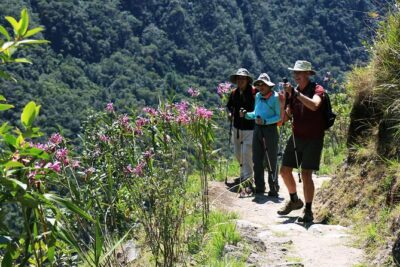
Classic Inca Trail Trek 4D/3N to Machu Picchu (Group Service)
Read our review →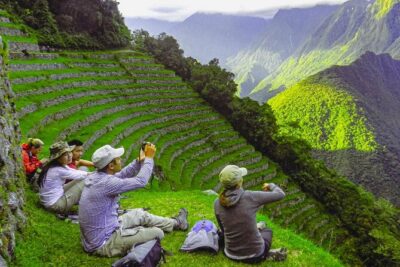
2-Day Inca Trail to Machu Picchu with Panoramic Train
Read our review →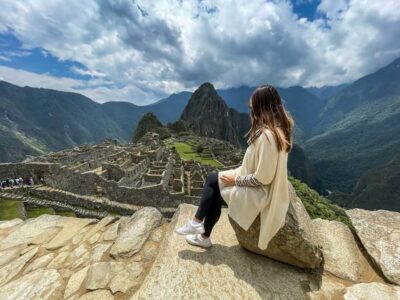
From Cusco: Full-Day Group Tour of Machu Picchu
Read our review →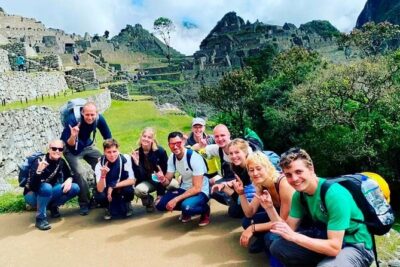
2-Day Tour: Sacred Valley and Machu Picchu by Train
Read our review →
Machu Picchu: Full-Day Tour from Cusco with Optional Lunch
Read our review →
Machu Picchu Full Day from Cusco by Panoramic Train
Read our review →Browse the lists this tour appears in