
Reviewed · COLCA CANYON AND AREQUIPA TOURS
Colca Canyon Sightseeing Tour 2D1N and Transfer to Puno
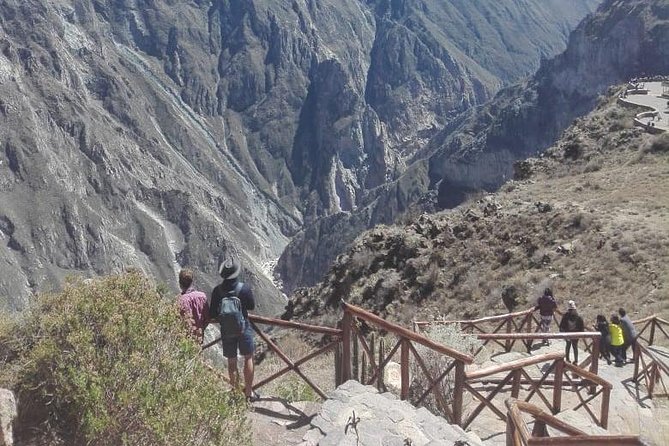
Condors turn a long transfer into a fine journey. This two-day trip links Arequipa and Puno while taking you through the Colca Valley, high Andean viewpoints, llama country, and one of Peru’s great canyon sights. I like the efficient route and the chance to see the Cruz del Condor viewpoint without arranging separate transport. I also like the helpful guides, including Patrizia, Orlando, Mileine, and Peter, who added local history and cultural detail.
The main drawback is the amount of time spent in a shared van or bus. The Puno transfer can feel cramped, and the overnight hotel is simple rather than polished. Still, at $147 per person, the included hotel, breakfast, guide, Colca entrance, and transport make this a useful choice if you want to move between Arequipa and Puno without losing a day.
In This Review
- Key points to know before booking
- Why this Arequipa to Puno route works
- Day one: from Arequipa to the high reserve
- Chivay overnight: useful, simple, and well located
- Day two: the early road to Cruz del Condor
- Villages, churches, and canyon viewpoints
- The Chivay to Puno transfer
- What the $147 price really covers
- Guides, pacing, and the human side of the trip
- Who should book this Colca Canyon tour?
- Should you book it?
- FAQ
- What time does the tour start?
- Is the hotel included?
- Is the Colca Canyon entrance fee included?
- Is La Calera hot spring admission included?
- What time does the bus arrive in Puno?
- How many people can join the tour?
Key points to know before booking
- The condor stop begins early: Breakfast is at 5:00 a.m., followed by the 6:00 a.m. drive to Cruz del Condor.
- The altitude is serious: Patapampa reaches 4,830 meters, so the first day includes high mountain air before you sleep in Chivay.
- This is a sightseeing transfer: You see the Colca region and continue to Puno, rather than returning to Arequipa.
- La Calera costs extra: Hot spring admission is not included and costs 15 soles per person.
- The ride to Puno is long: The bus leaves around 12:45 p.m. and reaches Puno at about 7:30 p.m.
- The group may reach 28 people: A shared vehicle keeps the price down but can make the schedule feel less flexible.
Why this Arequipa to Puno route works
A normal transfer between Arequipa and Puno would get you from one city to the other, but it would miss the Colca Canyon. This tour makes the journey the main event. You leave Arequipa at 7:30 a.m., spend the first day crossing the high country and staying in Chivay, then visit the canyon on the second morning before continuing to Puno.
That route saves time. You do not need to return to Arequipa after visiting Colca, and you do not need to arrange a separate bus to Puno. For many visitors, that practical connection is the best reason to book.
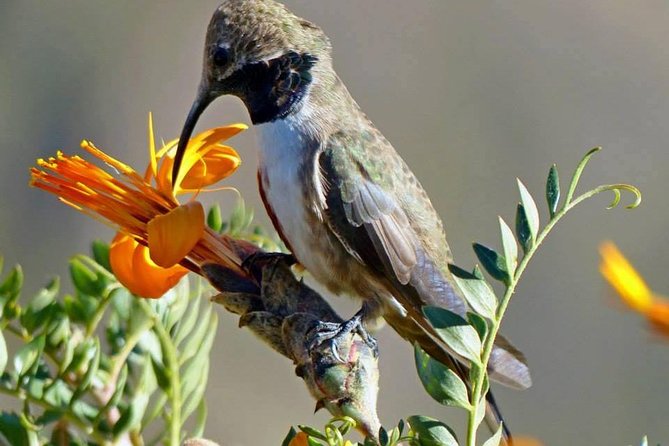
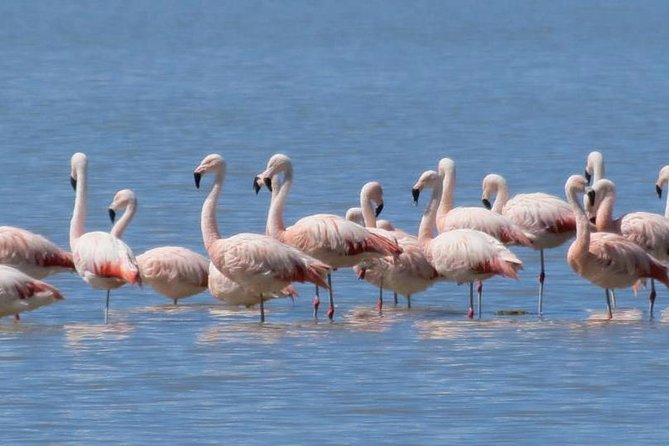
The trip is also more than a canyon viewpoint. You pass through the Salinas y Aguada Blanca National Reserve, see vicuñas, alpacas, and llamas, stop at Andean wetlands, cross high mountain passes, and visit traditional villages. Guides have added useful information about Arequipa, the Colca Valley, pre-Inca and Inca societies, and modern local life.
The tradeoff is simple: you gain scenery and convenience, but you spend many hours on the road. If you dislike early mornings or long bus rides, this will feel demanding.
More Colca Canyon trips:
- 2 day 1 night trek / Colca Canyon
★ 5.0 · 1,069 reviews - From Arequipa: Colca Canyon Full-Day Guided Tour with Meals
★ 4.5 · 982 reviews - Tour to the Salinas Lagoon and National Reserve in Arequipa
★ 4.5 · 548 reviews
Day one: from Arequipa to the high reserve
Your pickup begins at 7:30 a.m. from a hotel in central Arequipa. If you stay outside the downtown area, you need to meet the group at the main square, in front of the cathedral. That detail matters, since a late arrival could hold up a shared departure.
The first major area is the Salinas y Aguada Blanca National Reserve. The reserve is known here for its vicuña population, and the roadside stops give you a chance to see these graceful wild camelids in their natural setting. You may also see alpacas and llamas. Several people especially enjoyed the animal sightings, and one stop even allowed time to get close to some of them.
The road then passes Tocrapampa, where ponds and wetlands add another type of Andean scenery. These pauses break up the drive and give you a chance to take photographs. They are also useful reminders that this part of Peru is not just about dramatic peaks. Water, grazing animals, open plains, and small settlements all shape daily life at high altitude.
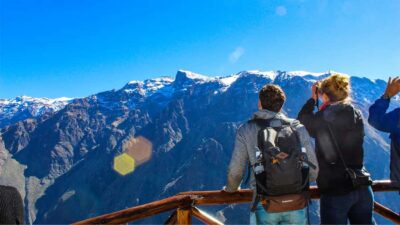
At Patapampa, the road reaches about 4,830 meters. The viewpoint gives you broad views of the Andes and the volcano country around Arequipa. This is a striking stop, but the altitude can affect you. Walk slowly, keep your expectations modest, and do not treat the viewpoint as a place for strenuous activity.
From Patapampa, the road drops toward the Colca Valley and Chivay. The changing elevation is part of the appeal, but it also makes the first day feel long. You arrive in Chivay for lunch, then check into the hotel.
Chivay overnight: useful, simple, and well located
Chivay is the capital of the Colca Valley. It is a practical overnight base, with local food, souvenirs, mountain views, and a central setting. The hotel used for this tour is standard two-star accommodation. One especially useful detail is its reported location near the main square, which makes it easier to walk around during your free time.
Do not expect a luxury stay. One booking included a room without heating during cold weather, so the accommodation can be basic. The hotel is included in the price, along with breakfast, but the exact property may not be selectable. If warmth and hotel comfort are important to you, ask about the accommodation before departure.
After check-in, the group is picked up around 3:00 p.m. for the optional visit to La Calera hot springs. The water is about 30 Celsius and is described as medicinal. Admission is not included, with a listed cost of 15 soles per person. It is a pleasant way to loosen up after the morning drive, but you can skip it if you would rather rest or explore Chivay.
Dinner with a traditional dance show is also optional. Lunch and dinner are not included in the tour price, so budget for those meals. The optional structure gives you some choice, though the shared schedule means you should not expect a completely free evening.
Day two: the early road to Cruz del Condor
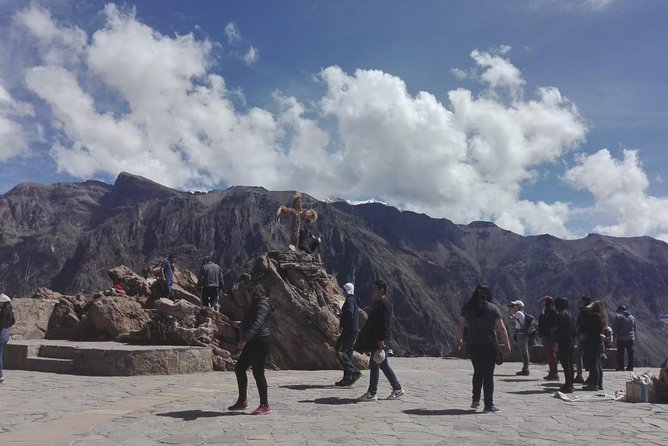
Breakfast begins at 5:00 a.m. The early start is not a minor detail. You leave around 6:00 a.m. for Cruz del Condor, the best-known viewing point in this itinerary.
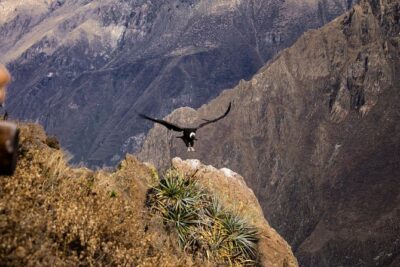
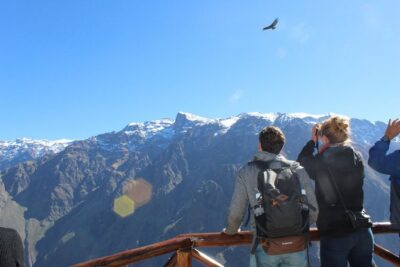
The reward is the chance to watch Andean condors ride the rising air above the Colca Canyon. Some departures have seen a dozen or more birds, including condors flying low enough for a clear view. Sightings are never something a tour can guarantee, and birds may remain far from the viewpoint, so bring patience as well as a camera.
You have about two hours at the viewpoint. That is enough time to look for condors, study the canyon, and take in the scale of the valley. The canyon is immense, but the experience is not only about size. It is the movement of the birds against the cliffs that gives this stop its special character.
A good guide can make a real difference here. Timing affects crowd levels and viewing conditions, and one guide was praised for reaching the sights when they were relatively quiet. Guides such as Mileine and Patrizia also added explanations about local culture and the valley, turning a photo stop into something more meaningful.
More Lake Titicaca trips:
- 2-Day Tour Colca Canyon in Arequipa with end in Puno
★ 4.6 · 248 reviews - From Arequipa: Colca Canyon Day Trip with Transfer to Puno
★ 4.6 · 90 reviews - Turist Bus Colca Canyon (Chivay) To Puno
★ 5.0 · 83 reviews - From Puno to Arequipa: 2 Days/1 Night Colca Canyon Tour
★ 3.6 · 83 reviews
Villages, churches, and canyon viewpoints
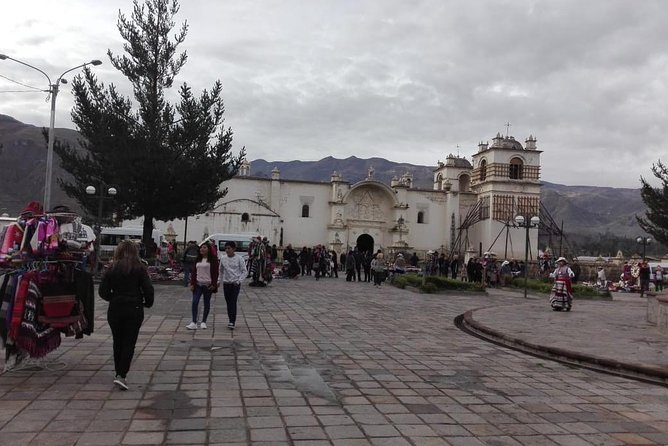
After Cruz del Condor, the route returns toward Chivay with several short stops. Pinchollo, Maca, and Yanque offer a glimpse of the settled Colca Valley rather than just its famous viewpoints.
Yanque is a quiet village with a beautiful church. The stop is brief, about 10 minutes, so you will not have time for a long visit. Maca is another small village near the condor viewpoint, with surrounding mountain scenery and local shops. These pauses may feel rushed to anyone who prefers slow village visits, but they help show how people live in the valley.
The route also includes viewpoints such as Choquetico and Antahuillque. Their value is the broader view of the valley and the surrounding mountains. Compared with Cruz del Condor, these stops are less about one headline sight and more about seeing the cultivated valley, village pattern, and steep terrain from different angles.
You return to Chivay for lunch around noon. Lunch is not included, and the stop lasts about an hour. This is your last substantial pause before the long road to Puno, so use the time to eat, refill water, and prepare for several more hours in transit.
The Chivay to Puno transfer
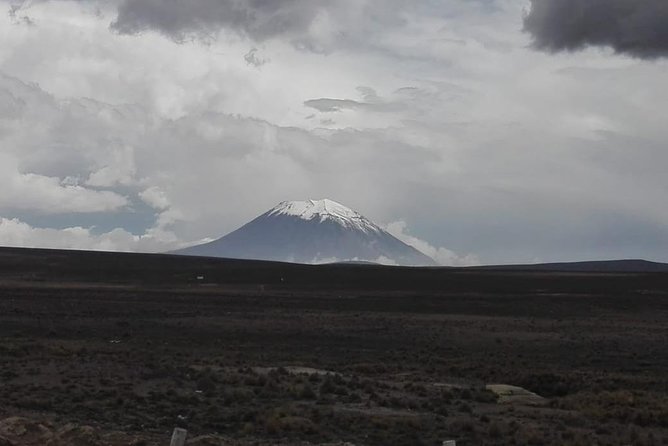
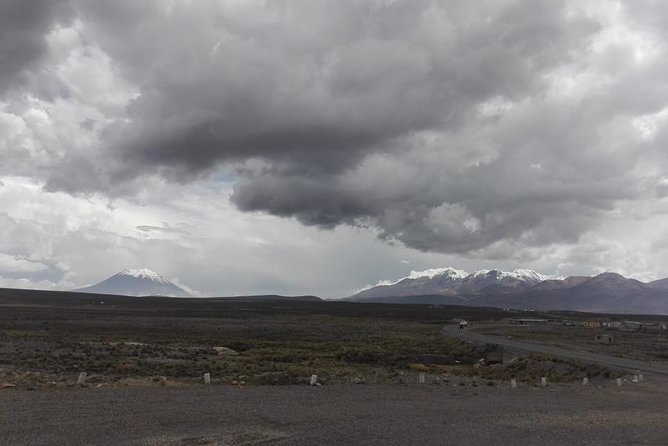
Around 12:45 p.m., the guide takes you to the bus for Puno. The vehicle continues through the Salinas y Aguada Blanca area, where you may see vicuñas, alpacas, and llamas again. You also stop at Lake Lagunillas, a quiet Andean lake with open high-country scenery.
Additional stops include volcano viewpoints and the national park area. The ride is scenic, but it is still a ride. Arrival in Puno is scheduled for about 7:30 p.m., generally at the bus station. Drop-off may also be at the main square, depending on the arrangement.
This is the weakest part for comfort. One booking found the seat space particularly tight, even compared with an airplane. Another described the whole journey as tiring because of the many hours in a van and the short stops. If you are tall, prone to motion sickness, or simply dislike confined transport, take that seriously.
The benefit is that you arrive in Puno without buying a separate ticket or arranging another connection. You also get a final stretch of Andean scenery instead of spending the entire day on a direct highway transfer.
What the $147 price really covers
At $147, this tour is priced as a combined sightseeing trip and intercity transfer. The package includes hotel pickup in Arequipa, shared tourist transport, an English-speaking guide, one hotel night, breakfast, the Colca entrance fee, and transport to Puno.
That is good value if you already plan to travel from Arequipa to Puno. The Colca entrance fee alone is covered, and the overnight stay removes the need to pay for a separate hotel in Chivay. You also receive the benefit of having the route and stops organized for you.
The price does not include lunch, dinner, or the La Calera entrance fee. Add those costs when planning your budget. The hot springs cost 15 soles per person, and the meals are optional rather than part of the package.
A shared group of up to 28 people explains much of the low price. It also explains the fixed departure times and short village stops. Private transport would likely give you more control, but this option is designed for value and convenience.
Guides, pacing, and the human side of the trip
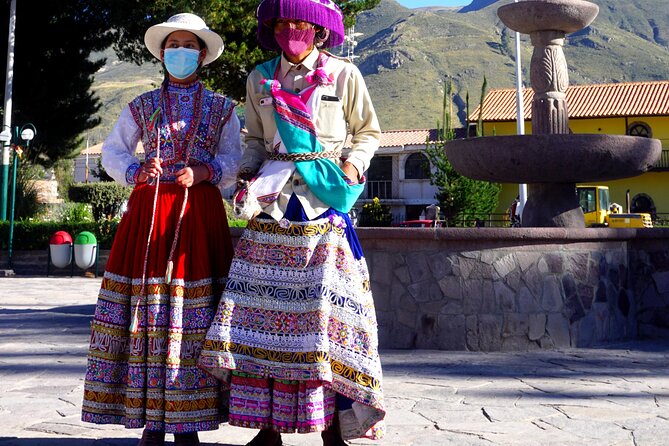
The strongest part of the experience is the guiding. Patrizia was praised for explaining history in both languages and for adding detail throughout the route. Mileine helped explain contemporary life as well as pre-Inca and Inca cultures. Orlando made extra effort to accommodate the small number of people who wanted the hot springs, and Peter was described as energetic and clear during the visits.
These details matter because the scenery can otherwise become a string of roadside photographs. A good guide explains why the reserve matters, how the Colca Valley supports local communities, and what you are seeing beyond the obvious mountain view.
Drivers also matter on a route with steep roads and long hours. Rudy received praise for careful driving. Still, the schedule is busy. You should be comfortable with early breakfast, repeated boarding, short stops, and a long afternoon transfer.
The tour has received a 4.6 rating from 11 ratings, with full recommendation from the people who rated it. That points to a strong overall experience, while the lower marks focus mainly on the cramped Puno ride and basic accommodation rather than the canyon itself.
Who should book this Colca Canyon tour?
I would choose this trip if you want to connect Arequipa and Puno efficiently and would otherwise need to pay for a separate Colca excursion. It suits people who value scenery, wildlife, local villages, and clear logistics more than leisurely pacing.
It is also a good fit if you want to see condors but do not want to organize transport, hotels, entrance tickets, and the Puno connection yourself. The guide support is useful, especially for understanding the cultural setting around the canyon.
I would think twice if you want a soft bed, a warm hotel room, long walks through villages, or generous personal space on the bus. The tour is active and road-heavy. Pack warm layers for Chivay, prepare for high altitude at Patapampa, and keep your camera ready, but do not forget that the main product is a two-day transfer with sightseeing attached.
Free cancellation is available if you cancel at least 24 hours before the start time. Changes or cancellations made later are not accepted for a refund.
Should you book it?
Book this tour if you want the most practical route from Arequipa to Puno with a genuine Colca Canyon visit along the way. The condors, high reserve, volcano views, villages, and capable guides give the journey real substance.
Skip it if comfort and free time matter more than efficiency. The Puno ride can be cramped, the hotel is basic, and the early start is demanding. For most people making this exact journey, though, $147 is a fair price for two days of transport, guiding, canyon access, breakfast, and an overnight stop in Chivay.
FAQ
What time does the tour start?
The tour starts at 7:30 a.m. Hotel pickup is available for people staying downtown in Arequipa. If you stay elsewhere, meet at the main square in front of the cathedral.
Is the hotel included?
Yes. One standard two-star hotel night in Chivay and breakfast are included.
Is the Colca Canyon entrance fee included?
Yes. The Colca entrance fee is included in the tour price.
Is La Calera hot spring admission included?
No. The visit is optional, and admission costs 15 soles per person.
What time does the bus arrive in Puno?
The bus is scheduled to arrive in Puno around 7:30 p.m. Drop-off is at the bus station or the main square.
How many people can join the tour?
The shared tour can have a maximum of 28 travelers.
Just added in Arequipa
- Sillar Route★ 5.0 · 4 reviews
- Salinas Lagoon + Mini Volcano DE Lojen★ 5.0 · 9 reviews
- 3-Day Colca Canyon trek with Professional Guide★ 5.0 · 40 reviews
- Full Day Tour To The Salt Lake Salinas in Arequipa★ 4.5 · 34 reviews
- Walking City tour including the Monastery of Santa Catalina★ 5.0 · 6 reviews
- Trekking, Waterfalls and Thermal Baths★ 4.5 · 47 reviews
- Downhill Tour – Mountain Bike in Arequipa★ 3.5 · 5 reviews
- 2 Days 1 Night trekking Through Colca Canyon, Private room★ 5.0 · 16 reviews
Colca Canyon and Arequipa Tours, compared.
From Arequipa: Colca Canyon Full-Day Guided Tour with Meals
Read our review →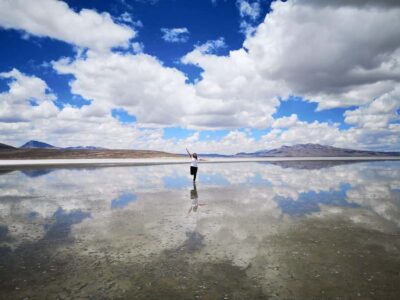
Tour to the Salinas Lagoon and National Reserve in Arequipa
Read our review →
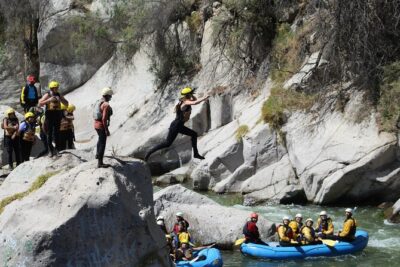
Rafting Arequipa – Chili River Canoeing – Cusipata Rafting Arequipa
Read our review →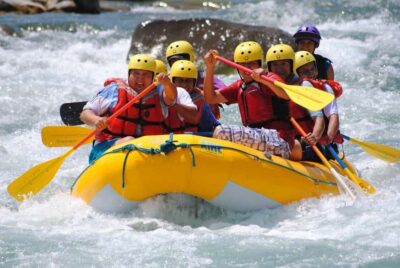
Chili River White Water Rafting with Hotel Pickup
Read our review →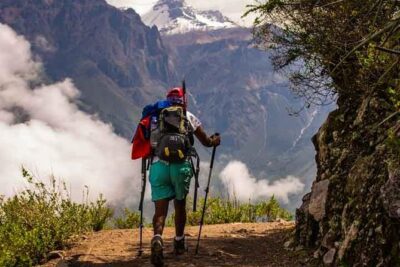
Browse the lists this tour appears in