
Reviewed · MACHU PICCHU TOURS
Cusco: 4-Day Inca Trail to Machu Picchu with Accommodation
Adventure starts before sunrise. This four-day route mixes a long downhill bike ride, jungle walks, local coffee, hot springs, and Machu Picchu, giving you far more variety than a standard trek. I especially like the small groups of up to nine and the way guides such as Francis, Gerson, Luis, Amaru, and Armando add local knowledge and good humor. The main drawback is that the lodging is practical rather than polished, especially near Machu Picchu, and several activities cost extra.
You should also understand what you are booking. This is the Inca Jungle route, not the classic four-day trek on the famous stone-paved Inca Trail. You still walk on sections of the Qhapaq Ñan and reach Machu Picchu on foot, but you also bike, ride in vans, follow a railway, and have optional adventure activities. At $470 per person, the package offers strong value if you want transport, meals, lodging, entrance tickets, and a return train bundled together.
In This Review
- Five things to know before you book
- What the $470 price really covers
- Day one: from Abra Málaga to the forest
- Day two: coffee, Qhapaq Ñan, and Cocalmayo
- Day three: plantations, Hidroeléctrica, and the railway walk
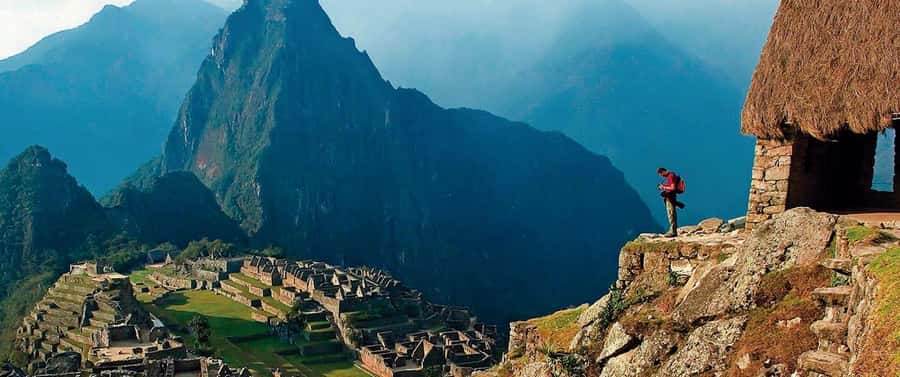
- Day four: the climb to Machu Picchu
- The guides are a major part of the value
- Food, lodging, and daily comfort
- Who should choose this route?
- Should you book it?
- FAQ
- Where does the tour begin?
- Is this the classic Inca Trail?
- Is the mountain bike and safety equipment included?
- Are the Cocalmayo thermal baths included?
- Is the bus from Aguas Calientes to Machu Picchu included?
- What meals and lodging are included?
Five things to know before you book
- A 50-kilometer downhill ride begins at Abra Málaga, dropping from the high Andes through Puna and cloud forest scenery.
- The coffee session is hands-on, with time to roast and grind beans at the forest eco-house in Pispitayoc.
- Day two is the hardest walking day, with a climb to the Huancarcasa viewpoint followed by a long descent toward Qellomayo and Santa Teresa.
- Cocalmayo thermal baths are optional and not included, but they offer a welcome rest after the day’s hike.
- Machu Picchu entrance and the return train are included, while the bus up to the citadel and optional rafting or ziplining cost extra.
- Your guide makes a major difference, especially with pacing, Machu Picchu entry arrangements, meals, and support on the trail.
What the $470 price really covers
This package is priced well for a four-day trip to Machu Picchu. You receive three breakfasts, three lunches, three dinners, three nights of lodging, entrance to Machu Picchu, a professional bilingual guide, transport from Cusco to the trail, the return train to Ollantaytambo, and the bus back to Cusco.
That list matters because individual costs around Machu Picchu add up quickly. The train alone can be expensive, and arranging a Machu Picchu ticket, transfers, meals, and lodging separately takes time and care. Here, the main transport chain is handled for you.
The price does not cover your first breakfast, your final lunch in Aguas Calientes, the Cocalmayo entrance fee, or the optional bus between Aguas Calientes and Machu Picchu. The mountain climb is included, so you can avoid the bus if you prefer to walk. A bus is still useful if you want to save energy for the citadel or if your legs are tired after three active days.
Optional rafting and ziplining are also offered on some departures. These are not part of the advertised price. One combined rafting and zipline package was reported at 240 soles, while an additional 10-sol car ride to a zipline site was also noted. Ask about all add-ons at the briefing so your budget does not get ambushed by small charges.
More Machu Picchu trips:
- Classic Inca Trail Trek 4D/3N to Machu Picchu (Group Service)
★ 5.0 · 8,653 reviews - Machu Picchu: 4-Day Inca Trail Trek with Panoramic Train Ride
★ 5.0 · 4,568 reviews - Short Inca Trail to Machu Picchu 2D/1N
★ 5.0 · 3,007 reviews
Day one: from Abra Málaga to the forest
The day begins early, with a 6:00 AM pickup at Cusco’s Plaza Mayor. Look for the guide calling your name and wearing the agency jacket. Bring your passport or identification, with a copy accepted according to the tour details.
The drive passes through Chinchero, Urubamba, and Ollantaytambo. These places give you a fast introduction to the Sacred Valley before the road climbs toward Abra Málaga. The high pass offers views toward Huacay Willca, and the change in climate is striking as you leave the cold mountain air behind.
At the pass, you receive a Kona bicycle, helmet, gloves, goggles, elbow pads, knee pads, and a rain jacket. The downhill route covers about 50 kilometers and takes roughly three hours, though exact timing depends on stops, road conditions, and the group’s pace.
This is the day’s big thrill. You pedal through Puna and then into cloud forest, with the road doing most of the work. The route is mainly downhill, but it is not a carefree amusement-park ride. You need to stay alert, follow the guide, and feel comfortable controlling a bicycle for a long period. If you are nervous on steep roads or have limited cycling experience, ask about the route during the briefing.
The ride ends near the Huaman Marq’a ruins. From there, a short van journey and a walk take you toward Santa María and then Pispitayoc. Your first night is in an eco-house in the forest, with dinner included.
This overnight stop is one of the most appealing parts of the trip because it feels connected to local life rather than designed as a conventional hotel. The setting is simple, and comfort can be basic. Still, the forest location and the family-run feel give the first night a warmth that a standard hostel may lack.
Pack a small bag for the four days and keep valuables protected from rain. Some people arrange to have larger bags moved forward, sometimes for an extra fee. The tour supplies rain gear for the bike ride, but I would still bring a dry change of clothes and a waterproof bag for electronics.
Day two: coffee, Qhapaq Ñan, and Cocalmayo
Day two starts with breakfast and a coffee lesson. Your guide explains the roasting process, then you take part in roasting and grinding the beans. This is more than a quick demonstration. It gives you a direct link to one of the region’s important crops and makes the forest stop feel personal.
The hike follows part of the Qhapaq Ñan, the wide network of roads built and used across the Inca world. Along the way, you pass plantations of coffee, coca, and fruit trees. You may also see a variety of birds, depending on conditions and luck.
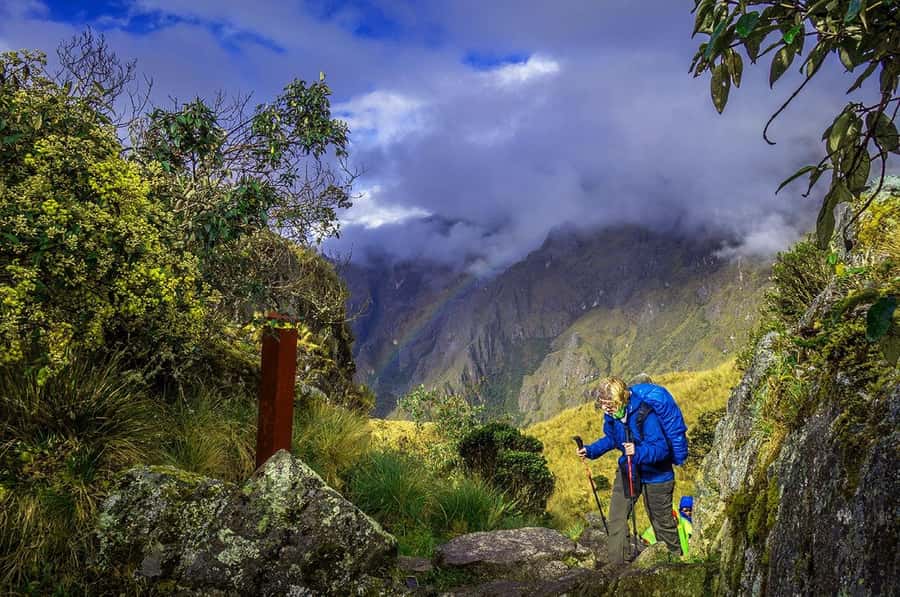
The morning includes a climb to the Huancarcasa viewpoint at about 1,750 meters. The view is a useful reward because the route then drops toward Qellomayo at around 1,200 meters for lunch. This is a day of changing temperatures and surfaces, so keep water, sun protection, and rain protection within reach.
The walking is not technical, but it is demanding. The total day includes several hours on foot, and the combination of heat, humidity, uneven paths, and repeated climbs can catch you off guard. The guides receive frequent praise for keeping groups together, taking breaks, and encouraging people without turning the trek into a race.
After lunch, you continue for about two more hours toward Santa Teresa. Cocalmayo’s thermal baths sit along this section at roughly 1,450 meters. Entrance is extra, but the pools can be the perfect antidote to tired legs. Treat the hot springs as a bonus, not a guaranteed included stop, and carry enough cash if you want to use them.
You spend the night in Santa Teresa at a hostel, with dinner provided. Compared with the forest eco-house, this is a more straightforward overnight stop. Accommodation throughout the trip is clean and serviceable according to the available details, but you should not expect boutique rooms or resort comforts.
Day three: plantations, Hidroeléctrica, and the railway walk
After breakfast in Santa Teresa, the route continues through coffee and coca plantations. The morning hike takes about three hours and leads to Hidroeléctrica at approximately 1,900 meters.
Hidroeléctrica is the practical turning point of the journey. You stop for lunch and a rest before joining the railway route toward Aguas Calientes. The afternoon walk takes about three hours and is relatively gentle compared with day two, but you still need to watch your footing around the tracks and remain with the group.
This railway section provides a different view of the route to Machu Picchu. Instead of climbing constantly, you follow the corridor used by trains and watch the valley close in around you. It is a good day for enjoying the setting without rushing, although the track itself is not a scenic hiking trail in the traditional sense.
You arrive in Aguas Calientes, the town below Machu Picchu, at around 1,950 meters. The afternoon is free. You can rest, walk through town, buy snacks, or prepare for the early start ahead.
Your third night is in a hostel in Aguas Calientes. This is where expectations matter most. The room provides a base for the night, but the accommodation may feel plain compared with what you imagined for a trip costing $470. The package is built around access, meals, and transport rather than luxury.
Dinner is included, and the guide explains the next morning’s timing, meeting arrangements, and route into Machu Picchu. Pay attention here. Entry schedules and circuit rules can be strict, and a well-organized guide helps the group arrive at the right place at the right time.
More hikes and treks in Cusco:
- Salkantay Classic Trek 5 Days from Cusco
★ 5.0 · 4,062 reviews - 4-Day Salkantay Trek with Sky Camp Stay
★ 5.0 · 3,346 reviews - Salkantay Trek 5D/4N with Glass Cabins, Domes and Hobbit House
★ 5.0 · 2,488 reviews - 2-Day Inca Trail to Machu Picchu with Panoramic Train
★ 5.0 · 1,876 reviews
Day four: the climb to Machu Picchu
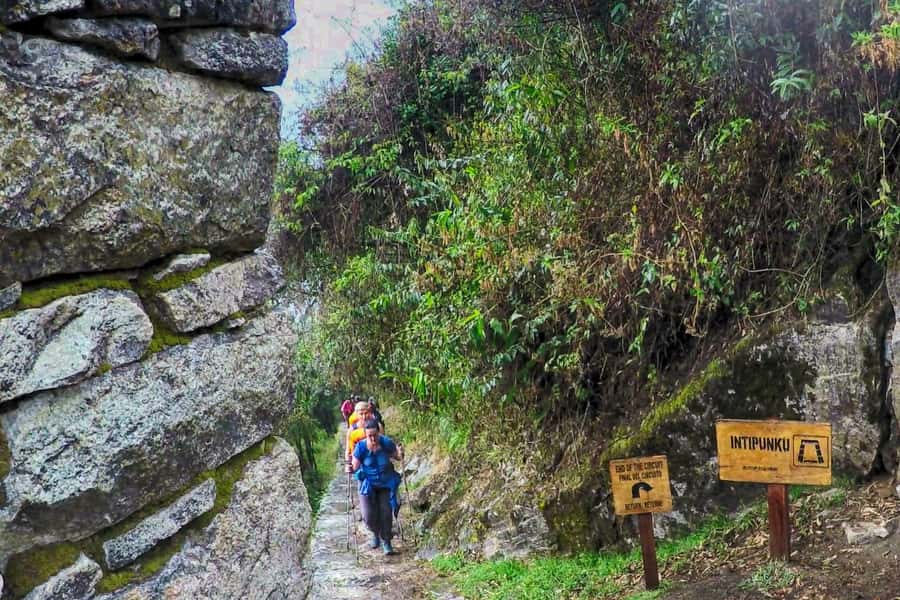
The final morning begins around 4:00 AM. You hike from Aguas Calientes to Machu Picchu, gaining about 450 meters to reach the citadel at approximately 2,400 meters. The climb takes about an hour and a half.
This is an early start, but it gives you the chance to reach the entrance before the day feels hot. The stairway is steady and can be tiring after three active days. You can also pay for the optional bus instead, saving your legs for the guided visit.
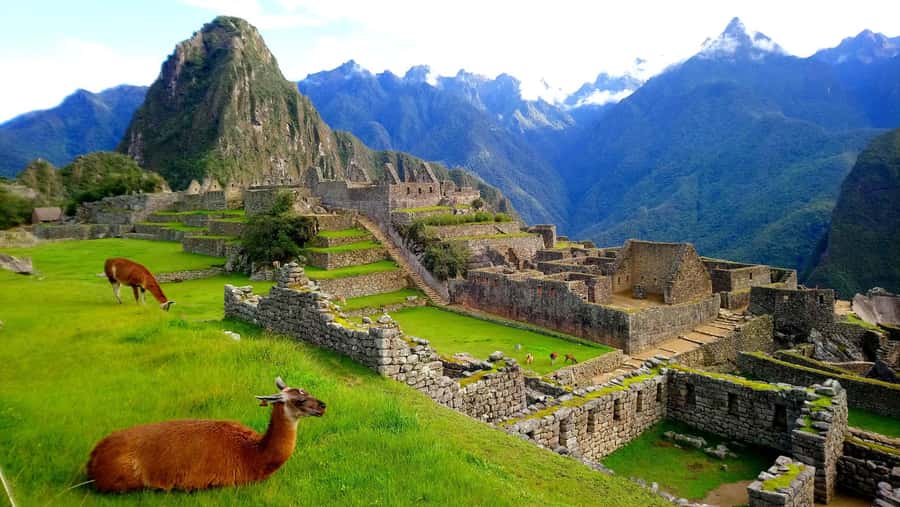
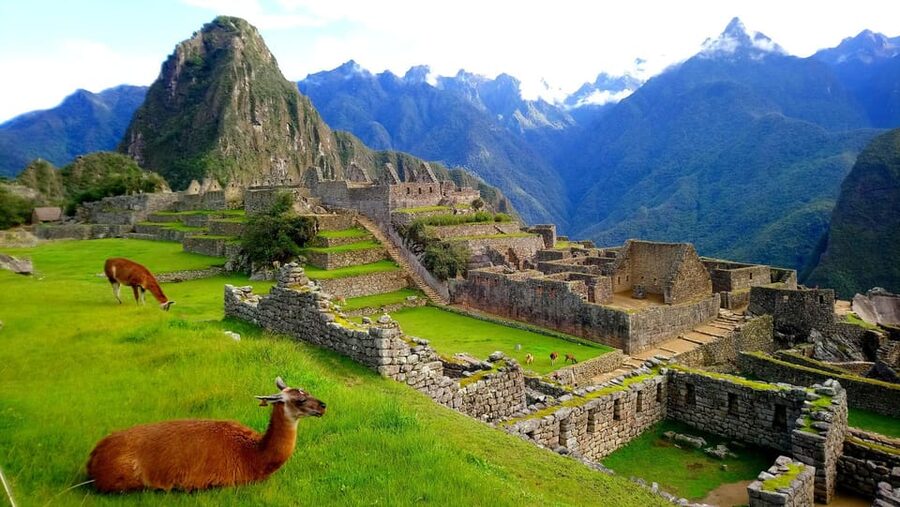
Inside Machu Picchu, the guide leads a tour of about two hours, covering the principal parts of the citadel. The guide is especially valuable here because the stonework and terraces can look like a collection of impressive ruins without context. Guides such as Gerson, Francis, Luis, and Amaru are praised for explaining Andean culture, Inca history, local plants, and the meaning of the places along the route.
After the guided portion, you have free time for personal exploration, subject to the entry rules and circuit assigned to your ticket. Machu Picchu tickets can be difficult to arrange close to the departure date, so do not treat the booking casually. One useful strength of the operation is that guides have helped sort out entry arrangements for people who booked only a week ahead, but availability is never something you should assume.
Later, you return to Aguas Calientes to collect your belongings. The return train takes you to Ollantaytambo, where a bus continues to Cusco. The train is a comfortable finish after the hiking, biking, and early morning climb. Your last lunch in Aguas Calientes is not included, so plan for that expense.
The guides are a major part of the value
The strongest part of this trip is the guide service. Names that receive repeated praise include Francis, Gerson, Luis, Amaru, Armando, Franchesco, Guillermo, Richard, and Gustavo. Their roles go well beyond pointing out landmarks.
A good guide sets a group pace, explains what is coming next, checks on tired walkers, handles meal arrangements, and helps solo visitors feel included. That matters in a small group, where personalities and fitness levels can vary.
The cultural side also adds real value. You learn about coffee production, coca and fruit crops, Andean beliefs, Inca roads, and local customs. Some departures include a traditional mountain ceremony led by the guide. The quality can vary by guide, but the repeated praise for personal attention and cultural explanation is a strong reason to choose this trip over a bare-bones transfer package.
Food, lodging, and daily comfort
Three breakfasts, three lunches, and three dinners are included. The meals are often described as generous and satisfying, including by people eating vegetarian food. That is important on a four-day active route, since buying every meal independently can become costly.
Water is not included. You can buy it along the route, but prices at stops may be high, with one bottle reported at 18 soles. Carry some water from the start of each day and bring cash for refills, snacks, hot springs, and optional activities.
The lodging follows the route rather than offering a uniform standard. The forest eco-house in Pispitayoc is the most distinctive stay. Santa Teresa and Aguas Calientes use hostels that provide the basics. If you need polished rooms, private comforts, or predictable hotel standards, this is not the right package.
Who should choose this route?
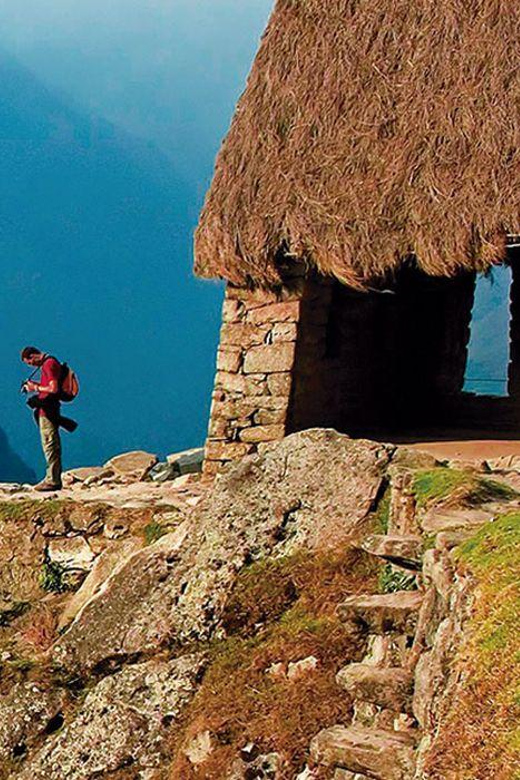
I would choose this tour if you want Machu Picchu with a strong mix of activities. It suits people who like to alternate between biking, hiking, cultural stops, local food, and optional thrills instead of walking the same type of trail for four straight days.
It is also a good fit for solo visitors. The small group and social guides can create a friendly atmosphere, and several solo participants found it easy to connect with others. You do need a reasonable level of fitness, though. The route is not a full-on mountaineering challenge, but day two is long, day four starts very early, and the total trip includes several active hours each day.
This is not suitable for pregnant people, wheelchair users, or people with back problems. You should also think carefully about the bike ride if you are uncomfortable on downhill roads.
Should you book it?
Book this four-day Inca Jungle route if you want excellent variety and strong practical value rather than a luxury trek. For $470, the combination of Machu Picchu entry, meals, lodging, guide, bike equipment, transfers, and return train is hard to dismiss.
Skip it if your dream is the traditional full Inca Trail, a quiet wilderness trek, or upscale accommodation. For everyone else, the route offers a lively way to reach Machu Picchu: ride down from the Andes, walk through plantations, make coffee, soak in hot springs, follow the railway, and finish at one of South America’s great archaeological sites.
FAQ
Where does the tour begin?
Pickup is from Cusco’s Main Square, also called Plaza Mayor de Cusco, at around 6:00 AM on day one. The guide calls the guest’s name and wears the agency jacket.
Is this the classic Inca Trail?
No. This is the Inca Jungle route. It includes sections of the Qhapaq Ñan, but also mountain biking, road transport, jungle hiking, a railway walk, and the climb to Machu Picchu.
Is the mountain bike and safety equipment included?
Yes. The tour includes a Kona bicycle, helmet, gloves, goggles, elbow pads, knee pads, and a rain jacket.
Are the Cocalmayo thermal baths included?
No. The walk passes by the Cocalmayo thermal baths, but the entrance ticket is an additional cost.
Is the bus from Aguas Calientes to Machu Picchu included?
No. The hike from Aguas Calientes to Machu Picchu is part of the route. The bus is optional and costs extra.
What meals and lodging are included?
The package includes three breakfasts, three lunches, three dinners, one night in an eco-house in Pispitayoc, one hostel night in Santa Teresa, and one hostel night in Aguas Calientes. Your first breakfast and final lunch in Aguas Calientes are not included.
Just added in Cusco
- Cusco Private Transportation for 2026★ 5.0 · 4 reviews
- Private Transfer from Airport to Hotel in the City of Cusco★ 4.0 · 5 reviews
- Best Cusco walking tour: dinner street food tasting★ 4.5 · 11 reviews
- Private Tour to Pisac Market and Pisac Ruins★ 5.0 · 4 reviews
- Machu Picchu Day Trip With Panoramic Train from Cusco★ 5.0 · 10 reviews
- Sacred Valley Private Tour from Cusco, Guide and Driver only★ 5.0 · 4 reviews
- Sacred Valley of the Incas Tour★ 5.0 · 12 reviews
- Private Tour of the Mountain of Colours by Quad★ 5.0 · 7 reviews
Machu Picchu Tours, compared.
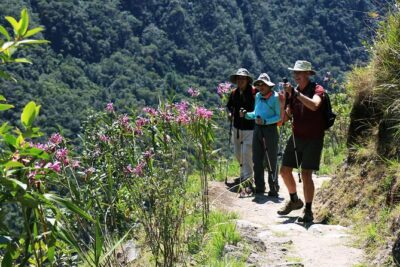
Classic Inca Trail Trek 4D/3N to Machu Picchu (Group Service)
Read our review →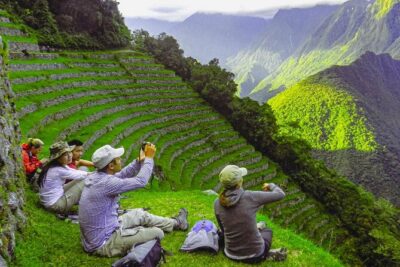
2-Day Inca Trail to Machu Picchu with Panoramic Train
Read our review →
From Cusco: Full-Day Group Tour of Machu Picchu
Read our review →
2-Day Tour: Sacred Valley and Machu Picchu by Train
Read our review →
Machu Picchu: Full-Day Tour from Cusco with Optional Lunch
Read our review →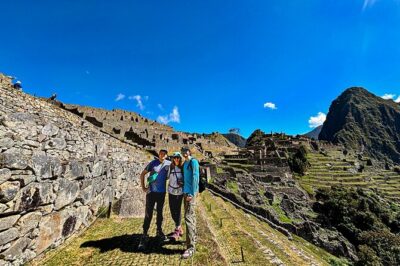
Machu Picchu Full Day from Cusco by Panoramic Train
Read our review →Browse the lists this tour appears in