
Reviewed · MACHU PICCHU TOURS
Cusco: 4-Day Lares Trek to Machu Picchu with Panoramic Train
High passes, warm springs, ancient stones. This four-day route gives you a quieter way to reach Machu Picchu, with mountain villages, weaving communities, two nights of camping, and a comfortable final hotel stay. I like the Lares Hot Springs and the chance to meet local textile makers, and I also like that muleteers carry up to 7 kilograms of camping gear for you.
The trek is demanding, especially at 4,750 meters on Condor Pass. Cold nights, thin air, and long hiking days are the main drawbacks. You need a good level of fitness, proper warm clothing, and a willingness to sleep simply before the reward of Machu Picchu and the panoramic Vistadome train.
The food is another real strength. The trekking chefs prepare four breakfasts, three lunches, and three dinners, with vegan meals handled well when dietary needs are given in advance. If your guide is Manolo, expect a warm and encouraging leader. Filio has also earned praise for making a private departure feel special.
In This Review
- Key points to know before you book
- Why the Lares route is a good alternative
- Day 1: Markets, hot springs, and the Blue Lagoon
- Day 2: The hard climb to Condor Pass
- Day 3: From Canchacancha to Maras and Ollantaytambo
- Day 4: Sunrise at Machu Picchu and the Vistadome home
- The food, equipment, and camping setup
- Is $690 a fair price?
- Who should choose this trek?
- Should you book the Lares Trek?
- FAQ
- How long is the Lares Trek to Machu Picchu?
- What languages does the guide speak?
- What is the highest point on the trek?
- Is hotel pickup included?
- Are meals included?
- Is camping equipment included?
- Are Machu Picchu entrance fees included?
- What should I bring?
Key points to know before you book
- Condor Pass reaches 4,750 meters: The highest point is serious altitude, even for fit hikers.
- Lares Hot Springs starts the trip gently: You can soak in mountain views before the hard walking begins.
- Two nights are spent camping: Expect cold conditions, basic comfort, coca tea, and impressive stars.
- Canchacancha offers personal local contact: You visit homes and a school, learn a few Quechua phrases, and can donate supplies.
- The final route mixes culture with comfort: Maras, Ollantaytambo, Machu Picchu, and a three-star hotel follow the trek.
- The $690 price covers a lot: Guides, meals, camping, entrances, horses, transfers, buses, and the Vistadome return train are included.
Why the Lares route is a good alternative
The classic routes to Machu Picchu can feel busy and tightly packed. The Lares route takes you through a quieter part of the Cusco region, where potato fields, alpaca herds, mountain lakes, and small Quechua communities shape the experience.
This is not just a walk from point A to point B. The first three days connect several different sides of Peru. You see farming life in the highlands, learn about Andean weaving, camp beside a turquoise lake, visit a living Inca town, and finish with one of the world’s great archaeological sites.
I especially like the way this trip builds gradually. You begin with a market, an archaeological site, and hot springs before climbing to high camp. You then tackle the hardest day, descend through village country, and shift to hotels, trains, and Machu Picchu.
The trade-off is that the program is full. You cover long distances by foot and vehicle, and the altitude is not a minor detail. The second day reaches 4,750 meters, so you should be comfortable with sustained uphill walking and cold conditions.
More Machu Picchu trips:
- Classic Inca Trail Trek 4D/3N to Machu Picchu (Group Service)
★ 5.0 · 8,653 reviews - Machu Picchu: 4-Day Inca Trail Trek with Panoramic Train Ride
★ 5.0 · 4,568 reviews - Short Inca Trail to Machu Picchu 2D/1N
★ 5.0 · 3,007 reviews
Day 1: Markets, hot springs, and the Blue Lagoon
Pickup begins early from your accommodation in Cusco or the Sacred Valley. If your hotel is outside the Cusco district, you need to reach a meeting point near the main square. At the agreed time, wait in the lobby for 10 minutes. The driver carries a sign with your last name.
The first main stop is Calca market. This gives you a look at everyday buying and selling before the trek begins. It is a useful start because the trip is rooted in local life, not only famous sights.
You then visit Ancashmarca, an old Inca site. Afterward, the route climbs toward a high plateau where you may see Puyas de Raimondi, unusual giant bromeliads found in the Andes. This stop breaks up the drive and gives you an early taste of the high-altitude setting.
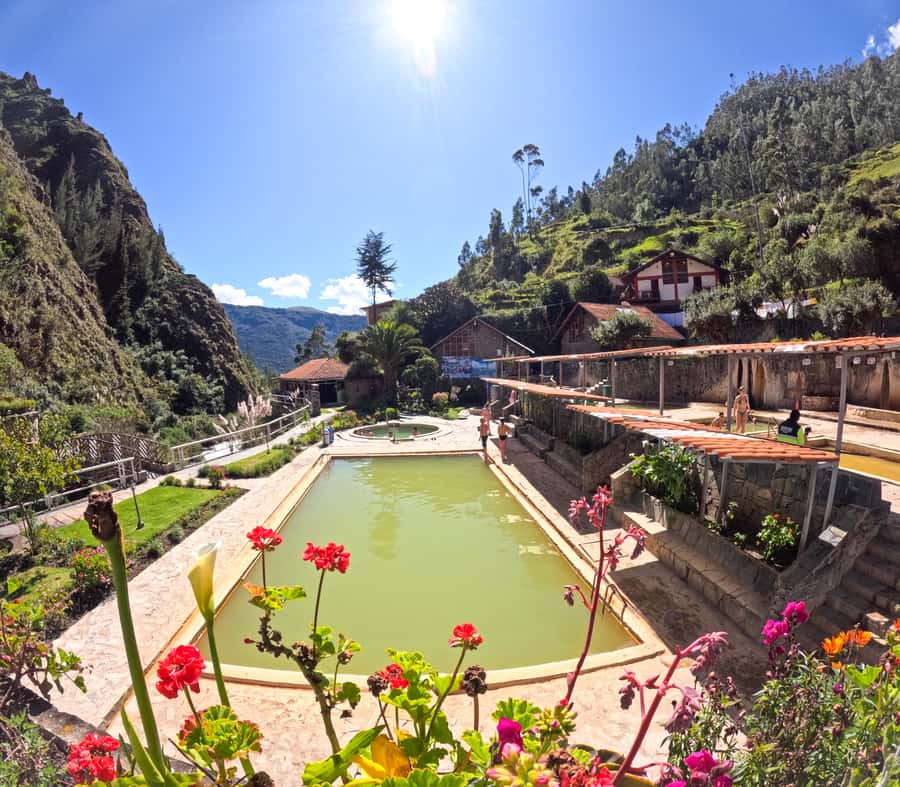
Lares Hot Springs is the day’s most welcome pause. You have breakfast with mountain views and time to soak in the natural pools. After an early pickup, a warm bath is exactly the sort of practical luxury that helps you face the walking ahead.
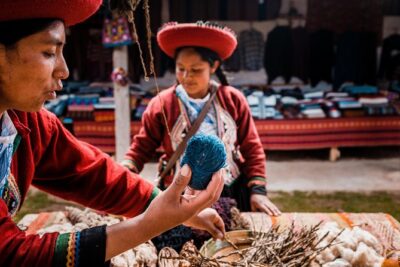
The weaving cooperative adds a human side to the trip. You learn about Andean textile traditions and see how women-run groups support local income. Buying directly or simply listening to the makers gives this stop more meaning than a quick souvenir shop visit.
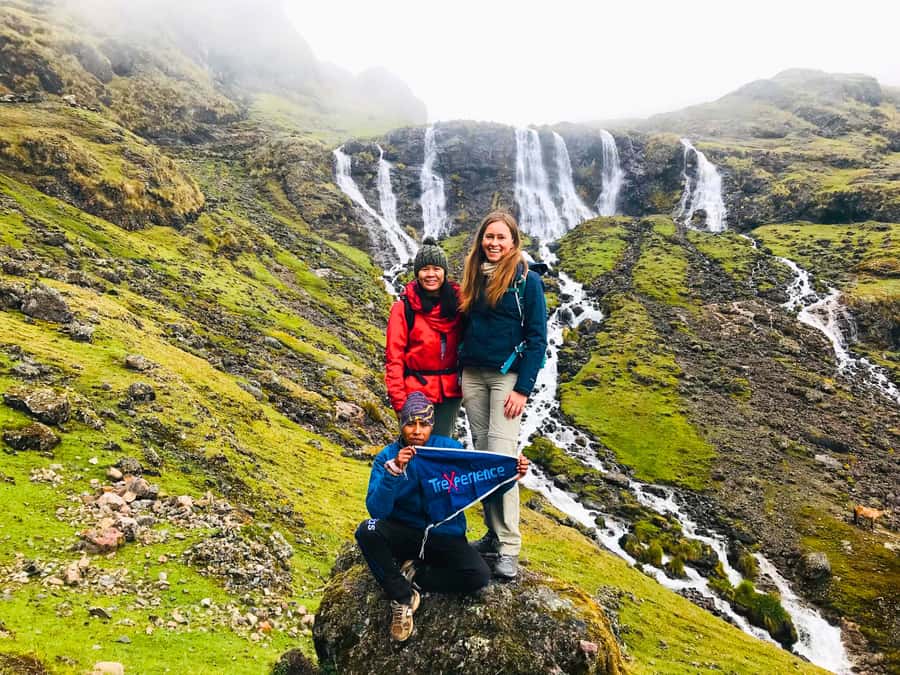
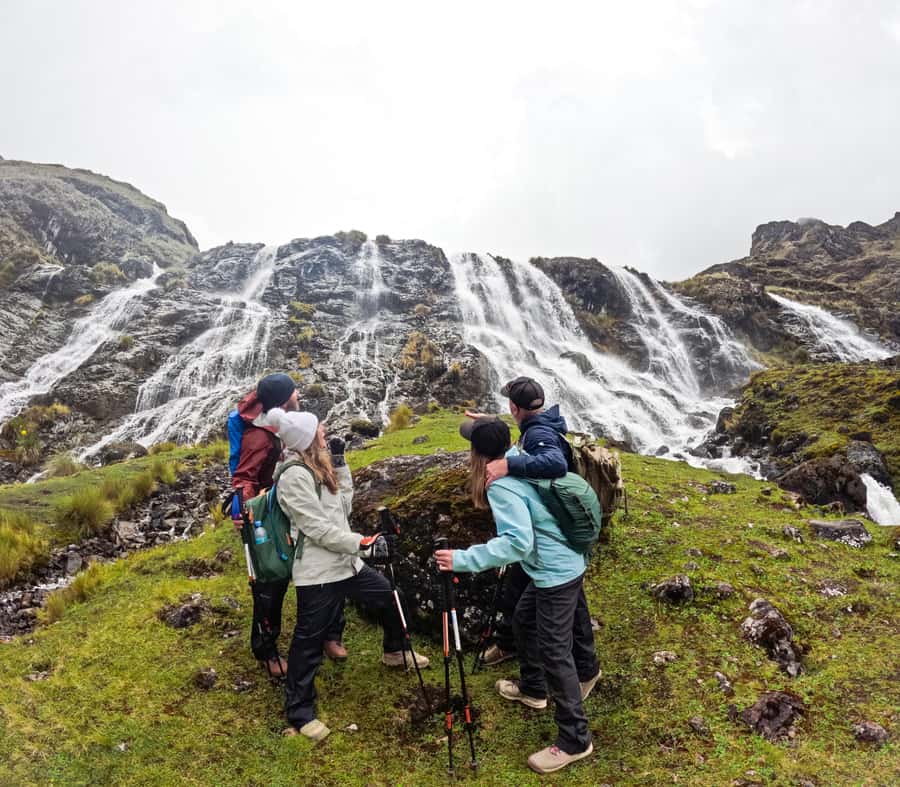
The drive continues to Pampacorral, where the hike begins. The path passes through valleys dotted with alpacas and fields of potatoes. You stop in Kiswarani for a fresh lunch, then follow a waterfall toward the Blue Lagoon campsite at 3,900 meters.
Coca tea, dinner, and stargazing close the day. Do not expect a soft landing into camp life. The altitude can make a moderate walk feel tougher, and the temperature drops sharply after dark. Bring a warm sleeping bag, or rent one in advance, since sleeping bags and air mattresses are not included.
Day 2: The hard climb to Condor Pass
The second morning starts with coca tea or coffee at your tent, followed by breakfast. This small service matters in camp, especially when the air is cold and you need food before a major climb.
The route rises through valleys filled with lakes and Andean wildlife. The climb is steady rather than a short scramble, but the altitude makes every step count. Condor Pass reaches 4,750 meters, and that is the point where physical preparation matters most.
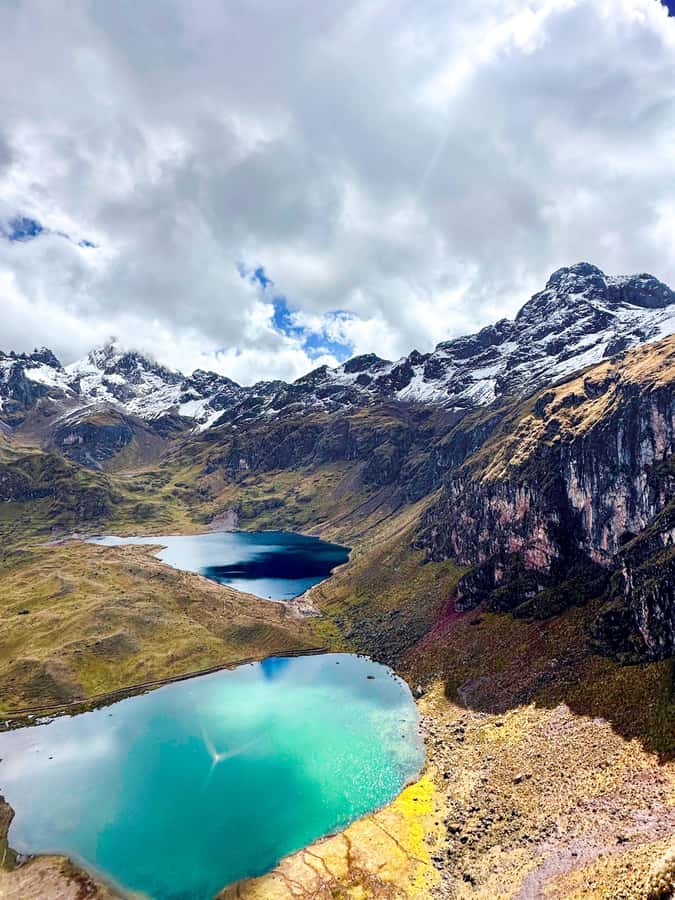
At the top, you get broad views of snowy peaks and turquoise lagoons. The scenery is the payoff, but you should not treat the pass as a casual photo stop. Thin air can affect even fit people, and your guide should set the pace and allow pauses.
A traditional offering ceremony takes place before the descent. This adds cultural context to the walk and gives you a moment to recognize the importance of the mountains in Andean life. The experience is stronger if you approach it respectfully rather than treating it as a performance.
You descend for a hot lunch in Acopata, then continue through valleys where llamas and alpacas appear along the route. The day ends in Canchacancha village at 3,750 meters.
Here, you meet local families and learn a few Quechua phrases. It is a simple exchange, but it gives the route a personal quality that a faster trip through the region would miss. Dinner and mountain views finish another long day.
Cold is the practical issue tonight. Warm socks, a hat, gloves, and layers are more useful than extra casual clothes. Keep your sleeping gear dry, and remember that the personal duffle bag has a 7-kilogram limit.
Day 3: From Canchacancha to Maras and Ollantaytambo
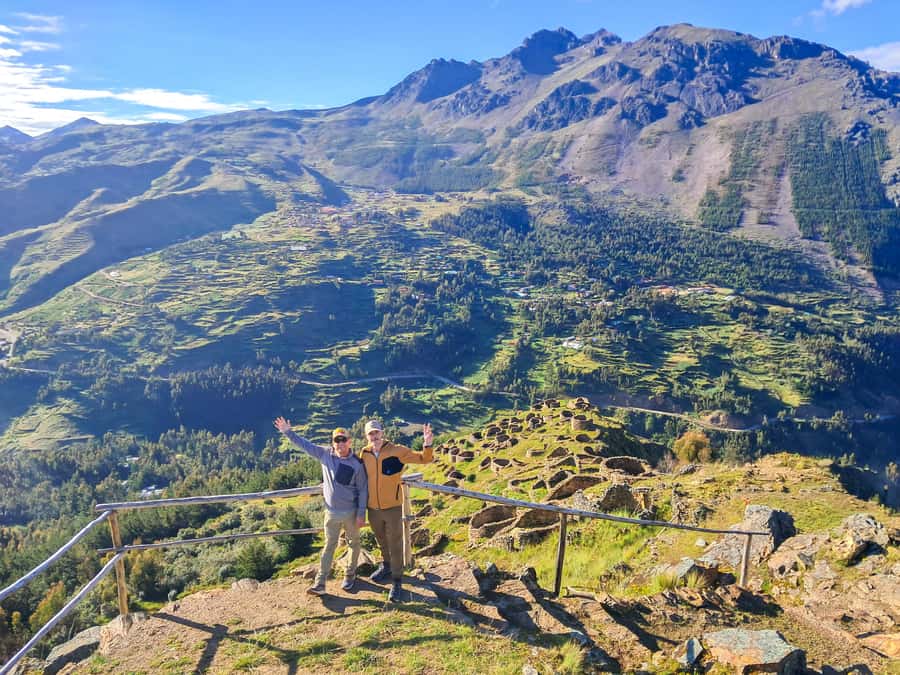
Day three begins with breakfast and time in Canchacancha. You visit homes and the local school, with an opportunity to donate supplies. If you want to help, bring suitable materials and ask the tour company what the school needs rather than handing out random items.
The hike then turns downhill for about four hours into the Sacred Valley. The change in altitude is striking. Potato fields give way to corn and avocado crops as the route descends toward Huaran at 2,700 meters.
This downhill section is easier on your lungs than the pass, but it can be hard on your knees. Trekking poles are not included, though you can request them for rent. I would seriously consider using them, especially if you are more accustomed to uphill walking than long descents.
At Huaran, you have a picnic lunch and say goodbye to the muleteers and chef. They have carried food and equipment through the high country, so this farewell is more than a routine change of transport. Their work makes the camping portion possible without forcing you to carry a full pack.
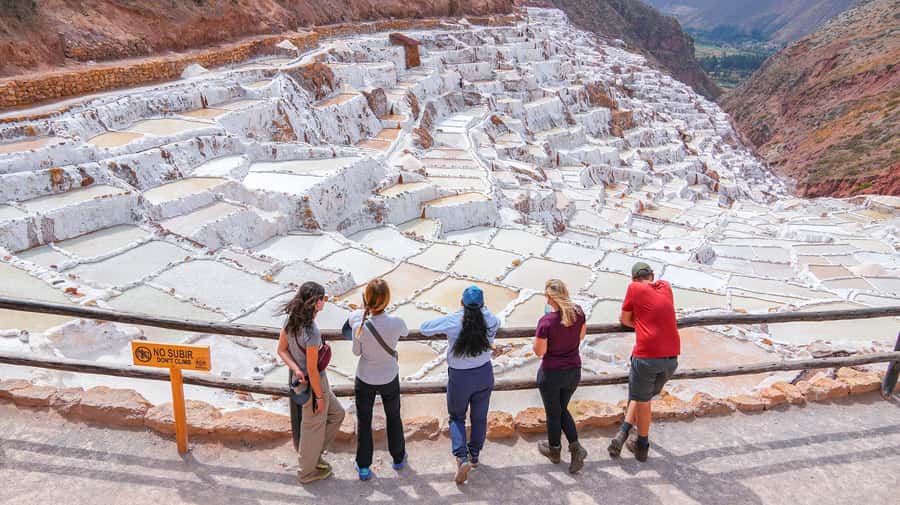
A private van takes you to the Salineras of Maras. These salt terraces are still used for traditional salt harvesting. The site is a good cultural stop after the trek because you can see how local production fits into the region’s older systems of work and trade.
Next comes Ollantaytambo, often described as the last living Inca town. Its streets and stonework connect the present town with its Inca foundations. The stop gives you time to see an inhabited historic place, rather than only a preserved archaeological site.
After dinner, you board the train to Aguas Calientes, also called Machu Picchu Pueblo. You spend the night in a comfortable three-star hotel. This change from tent to hotel is perfectly timed. After two nights outside, a proper bed and a calmer evening feel well earned.
More hikes and treks in Cusco:
- Salkantay Classic Trek 5 Days from Cusco
★ 5.0 · 4,062 reviews - 4-Day Salkantay Trek with Sky Camp Stay
★ 5.0 · 3,346 reviews - Salkantay Trek 5D/4N with Glass Cabins, Domes and Hobbit House
★ 5.0 · 2,488 reviews - 2-Day Inca Trail to Machu Picchu with Panoramic Train
★ 5.0 · 1,876 reviews
Day 4: Sunrise at Machu Picchu and the Vistadome home
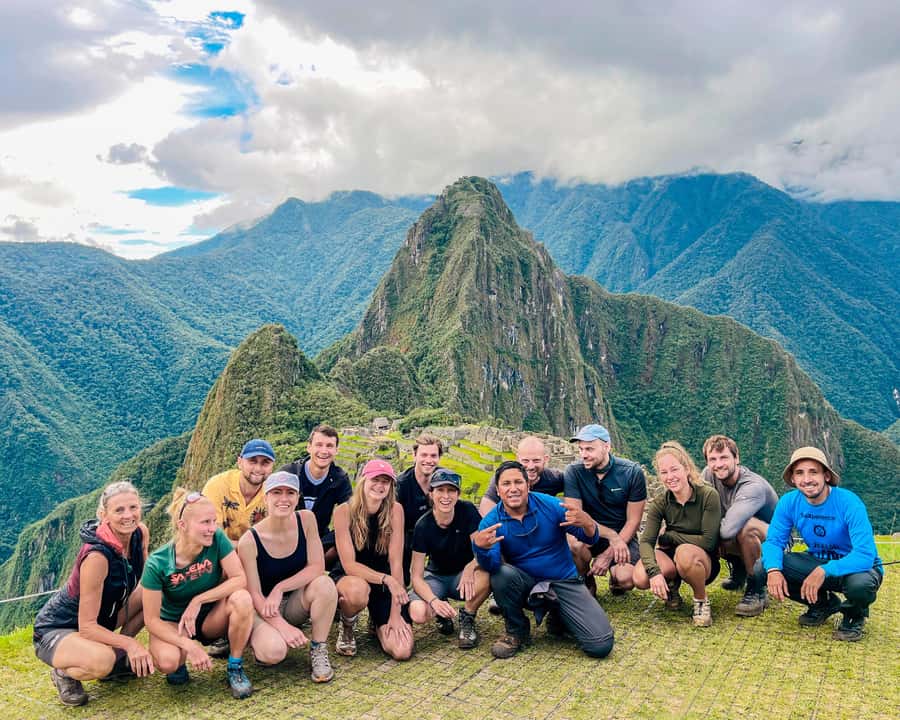
You have breakfast at the hotel before taking the bus up to Machu Picchu. The early start aims to put you at the citadel around sunrise, when the first light reaches the stone terraces and surrounding peaks.
The visit includes iconic viewpoints for wide photographs, followed by a guided walking tour lasting about two to three hours. Your guide explains Inca engineering, daily life, and the purpose of the main landmarks.
The guided visit is important here. Machu Picchu can look like a collection of impressive walls if you walk without context. A certified guide helps you understand how the site’s water systems, terraces, stonework, and buildings fit together.
The morning can be tiring after three active days, but the schedule gives you a clear reward. You return to Aguas Calientes for lunch and free time. Lunch is not included, so keep cash available and allow enough time to eat before the train.
The return journey uses the Vistadome train to Ollantaytambo. Large windows and broad views make this more than a basic transfer. You can watch the valley pass by without having to hike, which is a pleasant final chapter after the trek.
At Ollantaytambo, a private transfer brings you back to Cusco by evening. Hotel pickup and drop-off are included, although the precise return time can depend on the train and road conditions.
The food, equipment, and camping setup
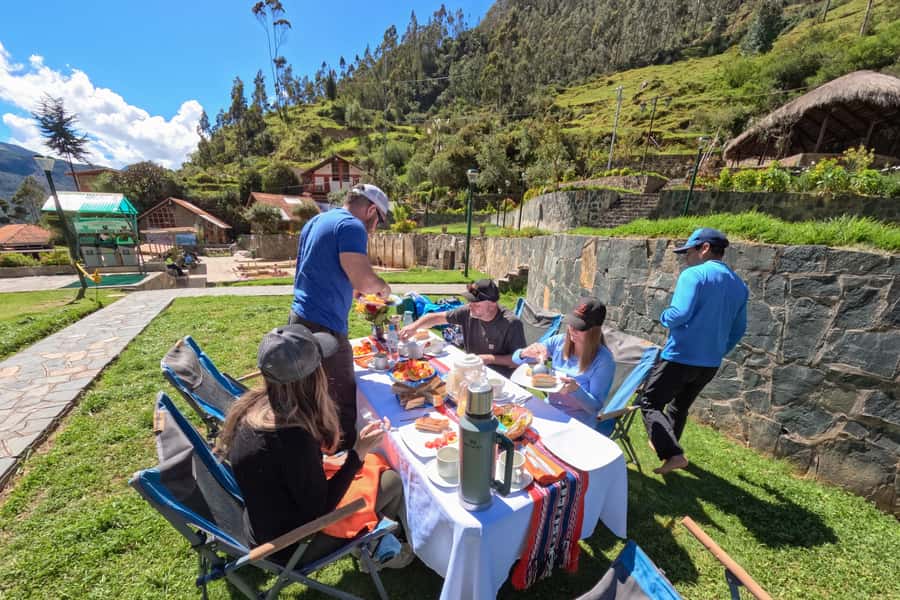
The tour includes four breakfasts, three lunches, and three dinners prepared by trekking chefs. That is a major part of the $690 value. Carrying supplies to high camps and cooking for a group takes planning, and the meals remove much of the practical burden from you.
Special diets should be provided when you book. Vegan meals have been handled successfully, but you should not wait until the first breakfast to mention your needs.
Horses and muleteers carry food and equipment. You receive a personal duffle bag for up to 7 kilograms, while you carry only your day-use items. Pack light, because the limit is firm enough to affect how you prepare.
You need to arrange or rent your sleeping bag, air mattress, and trekking poles. The trip includes two nights of scenic camping, but the word scenic does not mean warm or luxurious. Cold nights were a clear concern, so take the equipment seriously.
Bring hiking shoes, rain gear, sun protection, insect repellent, toiletries, hand sanitizer or tissues, and weather-appropriate layers. A passport is required, and you should carry cash for personal costs and the final lunch in Aguas Calientes.
Is $690 a fair price?
At $690 per person, this is not a bare-bones trek. The fee includes a professional guide, safety briefing, luggage storage in Cusco, hotel pickup and drop-off, entrance fees to Machu Picchu, Maras, and the Lares Hot Springs, two nights of camping, one three-star hotel night, meals, mule support, the Machu Picchu bus, and the Vistadome return train.
Those inclusions matter because transport and entrance fees around Machu Picchu can add up quickly. You also avoid arranging separate transfers between the trek, Maras, Ollantaytambo, Aguas Calientes, and Cusco.
The price makes the most sense if you want one organized package with cultural stops and support staff. It makes less sense if you already have camping gear, prefer to arrange your own trains, or want a slower itinerary with more free time.
The non-refundable policy also means you should be confident about your dates and physical readiness before paying. Travel insurance is recommended, especially for a high-altitude trip with several moving parts.
Who should choose this trek?
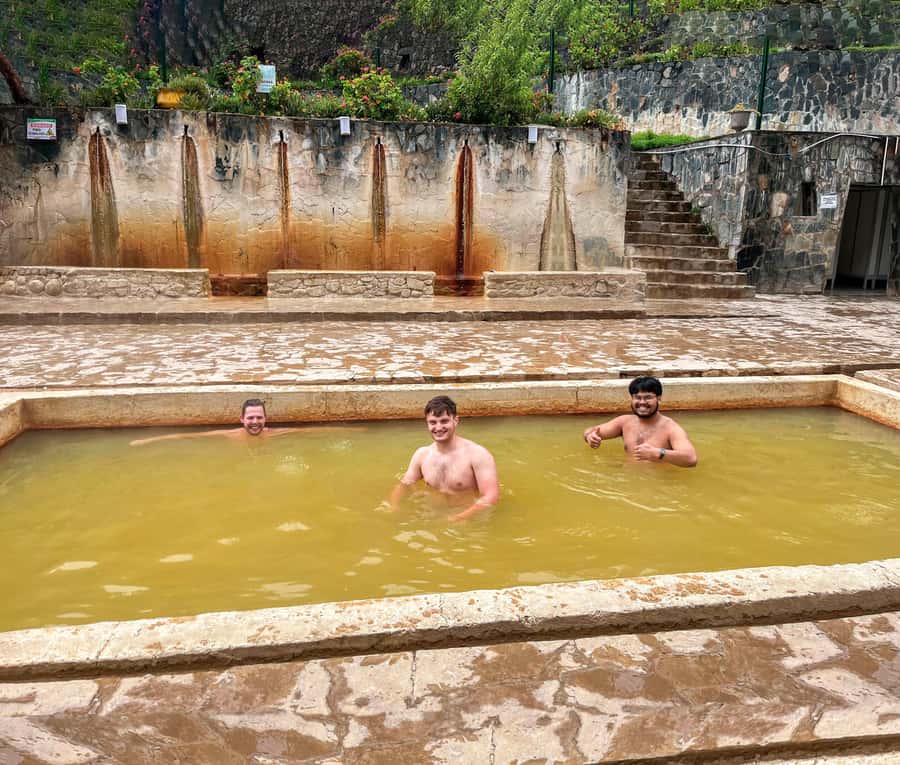
This route suits you if you want more than a direct Machu Picchu visit. You get mountain walking, local communities, textile traditions, archaeological sites, hot springs, and a scenic train in one four-day plan.
It also suits families with older children and friends who are already reasonably active. One French family described the difficulty as manageable but stressed that low oxygen and cold nights reduce your normal strength. That is exactly the right way to view it: accessible for fit people, but not easy.
You should think twice if you have heart problems, back problems, mobility limitations, or are pregnant. Wheelchair users cannot take part, and children must be accompanied by an adult.
The guide’s approach can make a major difference. The trip has been praised for guides who allow frequent breaks and match the group’s pace. Manolo is known for being especially supportive, while Filio has been praised for handling a very small departure. Still, your experience depends on who is assigned and on group conditions.
Should you book the Lares Trek?
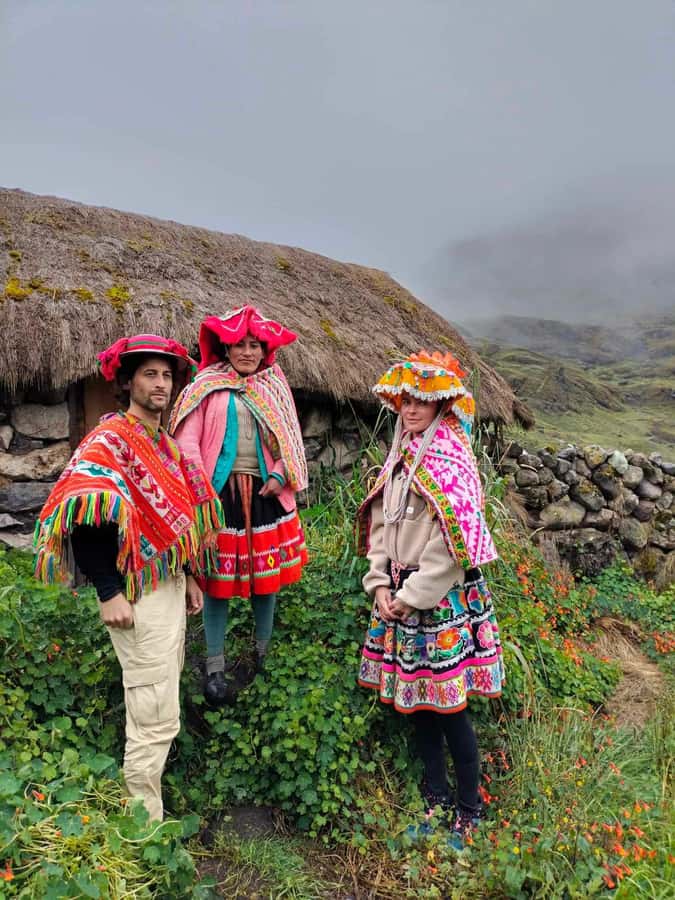
Book it if you want a full Andean experience rather than a simple Machu Picchu transfer. The strongest reasons are the Lares Hot Springs, the weaving cooperative, the high pass, Canchacancha, excellent cooked meals, and the comfortable finish by hotel and Vistadome train.
Do not book it casually. You need to prepare for 4,750 meters, cold camping, long hiking days, and a fixed non-refundable booking. Pack warmly, disclose dietary needs early, consider renting poles, and leave room in your plan for rest before the trek.
For an active person who values local contact and varied scenery, the $690 package offers strong value. It gives you the big prize of Machu Picchu, but the mountain villages and people you meet along the way are what make this route worth choosing.
FAQ
How long is the Lares Trek to Machu Picchu?
The experience lasts four days. It includes two nights of camping, one night in a three-star hotel, the Lares trek, and the Machu Picchu visit.
What languages does the guide speak?
The live guided experience is available in English and Spanish.
What is the highest point on the trek?
The route reaches Condor Pass at 4,750 meters.
Is hotel pickup included?
Yes. Pickup and drop-off are included for accommodations in Cusco. If your accommodation is outside the Cusco district, you must go to a meeting point near the main square.
Are meals included?
The tour includes four breakfasts, three lunches, and three dinners prepared by trekking chefs. Lunch on the final day in Aguas Calientes is not included.
Is camping equipment included?
Two nights of camping are included, along with a personal duffle bag carried by muleteers. Sleeping bags, air mattresses, and trekking poles are not included, but they can be rented on request.
Are Machu Picchu entrance fees included?
Yes. The Machu Picchu entrance, round-trip bus, Maras Salt Mines entrance, and Lares Hot Springs entrance are included. Huayna Picchu and Machu Picchu Mountain tickets require optional add-ons.
What should I bring?
Bring your passport, hiking shoes, comfortable clothing, hiking pants, rain gear, sunscreen, sunglasses, a sun hat, insect repellent, toiletries, a camera, cash, and hand sanitizer or tissues. You should also bring warm clothing for the cold camping nights.
Just added in Cusco
- Cusco Private Transportation for 2026★ 5.0 · 4 reviews
- Private Transfer from Airport to Hotel in the City of Cusco★ 4.0 · 5 reviews
- Best Cusco walking tour: dinner street food tasting★ 4.5 · 11 reviews
- Private Tour to Pisac Market and Pisac Ruins★ 5.0 · 4 reviews
- Machu Picchu Day Trip With Panoramic Train from Cusco★ 5.0 · 10 reviews
- Sacred Valley Private Tour from Cusco, Guide and Driver only★ 5.0 · 4 reviews
- Sacred Valley of the Incas Tour★ 5.0 · 12 reviews
- Private Tour of the Mountain of Colours by Quad★ 5.0 · 7 reviews
Machu Picchu Tours, compared.
Classic Inca Trail Trek 4D/3N to Machu Picchu (Group Service)
Read our review →
2-Day Inca Trail to Machu Picchu with Panoramic Train
Read our review →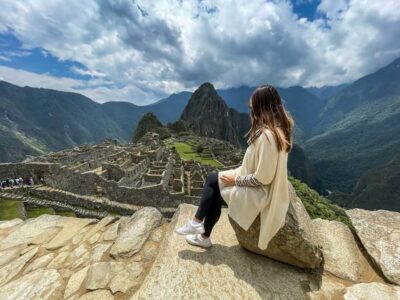
From Cusco: Full-Day Group Tour of Machu Picchu
Read our review →
2-Day Tour: Sacred Valley and Machu Picchu by Train
Read our review →
Machu Picchu: Full-Day Tour from Cusco with Optional Lunch
Read our review →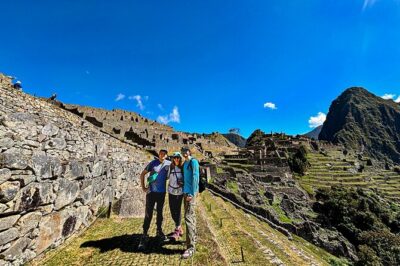
Machu Picchu Full Day from Cusco by Panoramic Train
Read our review →Browse the lists this tour appears in