
Reviewed · MACHU PICCHU TOURS
Cusco: 4-Day Salkantay Trek to Machu Picchu, Panoramic Train
The mountains change by the hour. This four-day Salkantay route takes you from Cusco’s high Andes to Humantay Lake, across the 4,630-meter Salkantay Pass, and down into warm cloud forest before reaching Machu Picchu. I like the mix of serious mountain hiking and comfortable overnight stays, especially the glamping camp and the hotel in Aguas Calientes. I also like the local food experiences, including Pachamanca cooking and coffee preparation.
The main caution is simple: this is not a gentle walk to Machu Picchu. Day two includes the trek’s highest point, and day one begins with a 4:30 a.m. pickup. The second night’s Andean huts and shared facilities may feel basic, and warm showers can cost extra. At $552 per person, the trip offers a lot, but you should be comfortable with long hiking days and confirm exactly which Machu Picchu ticket is included before booking.
In This Review
- Key points to know before you book
- What $552 covers, and where to look closely
- Day one: Humantay Lake and the first night at SalkaGlamp
- Day two: The 4,630-meter Salkantay Pass
- Day three: Pachamanca, coffee, and the road to Aguas Calientes
- Day four: Machu Picchu before the crowds build
- Guides, group size, and the human side of the trip
- Sleeping arrangements and what to pack
- Who should book this Salkantay route?
- Should you book it?
- FAQ
- How long is the Salkantay Trek to Machu Picchu?
- What time does pickup begin in Cusco?
- What is the highest point of the trek?
- Where do you sleep during the trek?
- Are meals included?
- Is the Machu Picchu entrance ticket included?
- Is Circuit 2 used at Machu Picchu?
- Can I visit Huayna Picchu or Machu Picchu Mountain?
- Is the return train included?
Key points to know before you book
- Humantay Lake comes first: You reach the turquoise lake on day one, before the main Salkantay Pass crossing.
- The highest point is 4,630 meters: Day two is the hardest section, with a two-hour climb to Salkantay Pass.
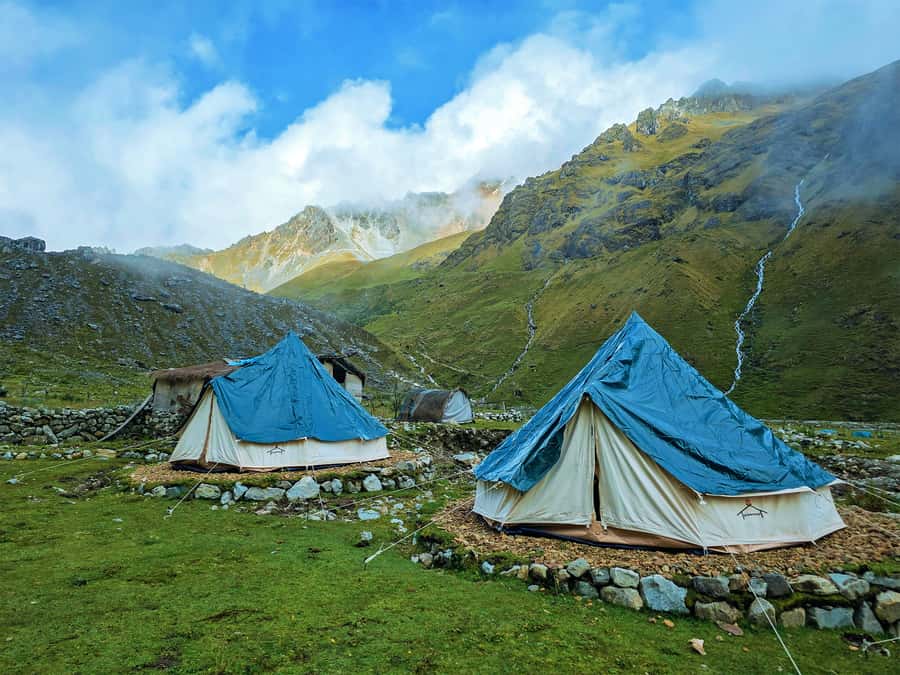
- You sleep in three different ways: The route includes a glamping tent, Andean hut, and 3-star hotel.
- Food is part of the experience: You get trail meals, a Pachamanca barbecue, and a coffee-making session at a local farm.
- The group is limited to 16 people: That is small enough for more personal contact with the guide and support crew.
- Your return is by panoramic train: The Vistadome or 360° service brings you from Aguas Calientes toward Cusco.
What $552 covers, and where to look closely
At $552, this is not a bare-bones Salkantay hike. The price includes transport, hotel pickup and drop-off, a professional guide, trail meals, three nights of accommodation, a 7-kilogram duffle bag, snacks, water, and the return train.
You also get a safety briefing one day before departure. That matters here. The trek moves through large changes in altitude and climate, so a clear explanation of the route, packing, and luggage system is useful before you leave Cusco.
The support equipment is reassuring. The crew carries a satellite phone, first-aid kit, and oxygen tank. That does not remove the need to prepare properly, but it shows that the operator treats the high-altitude section as a real mountain trek rather than a simple sightseeing walk.
There is one important pricing detail to clarify. The included section says entrance tickets for the Salkantay Trek and Machu Picchu are covered, but the exclusions say Machu Picchu tickets must be booked ahead. Ask the operator to confirm in writing whether your specific Machu Picchu admission is included, and which circuit you receive.
Circuit 2 is the default. If it sells out, Circuit 1 or Circuit 3 may be assigned. Huayna Picchu and Machu Picchu Mountain are optional and require advance booking, so do not assume either mountain climb is part of the $552 price.
The return train adds real value. A panoramic train is more pleasant than a basic service after several days on foot, and your transfer back to your Cusco hotel is included. The last lunch in Aguas Calientes is not included, and you will also need to rent or bring a sleeping bag, air mattress, or trekking poles if you want them.
More Machu Picchu trips:
- Classic Inca Trail Trek 4D/3N to Machu Picchu (Group Service)
★ 5.0 · 8,653 reviews - Machu Picchu: 4-Day Inca Trail Trek with Panoramic Train Ride
★ 5.0 · 4,568 reviews - Short Inca Trail to Machu Picchu 2D/1N
★ 5.0 · 3,007 reviews
Day one: Humantay Lake and the first night at SalkaGlamp
Your morning starts early, with pickup at about 4:30 a.m. from accommodation in Cusco’s historic center. Be in the lobby ten minutes early. If your hotel is outside the Cusco district, you will meet the group near the main square instead.
The drive goes through Andean valleys to Mollepata, where you stop for breakfast. From there, the vehicle continues to Challacancha, the starting point for the hike to Humantay Lake.
The walk to Humantay Lake is short compared with later sections, but it is steep. You climb at altitude, and the first morning is a good test of how your body handles the Andes. Take your time. The point is not to race uphill for a photograph.
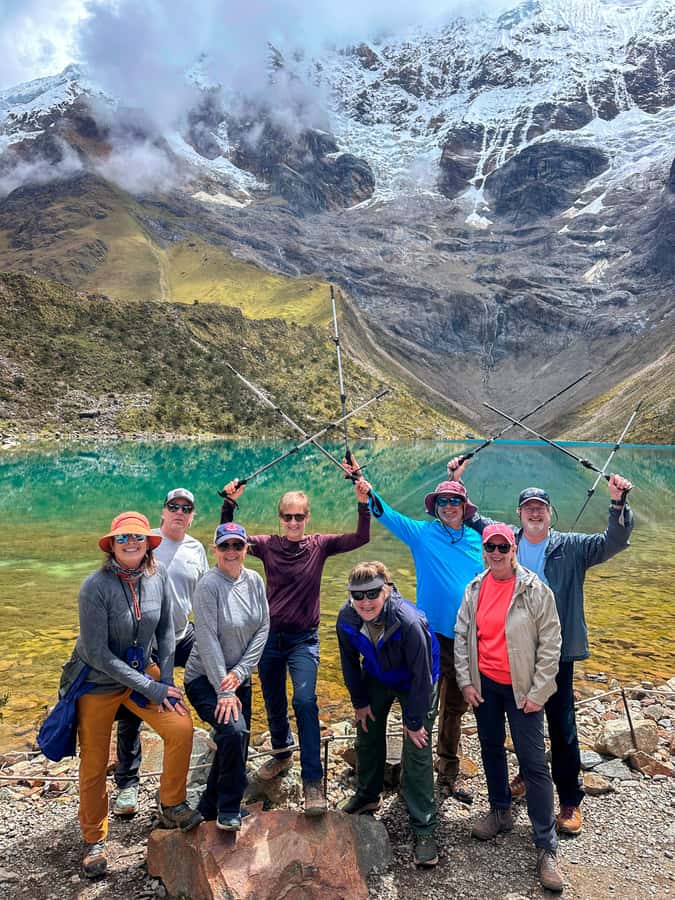
Humantay Lake is the visual reward. Its clear turquoise water sits below high mountain peaks, and the setting feels stark and open. The visit also gives you an early taste of the route’s main appeal: the scenery changes quickly, and you are walking through it rather than viewing it from a bus window.
After seeing the lake, you descend to Soraypampa for lunch. That descent is welcome after the climb, though tired legs may still feel the day’s effort. From Soraypampa, you continue to the Salkantaypampa camp.
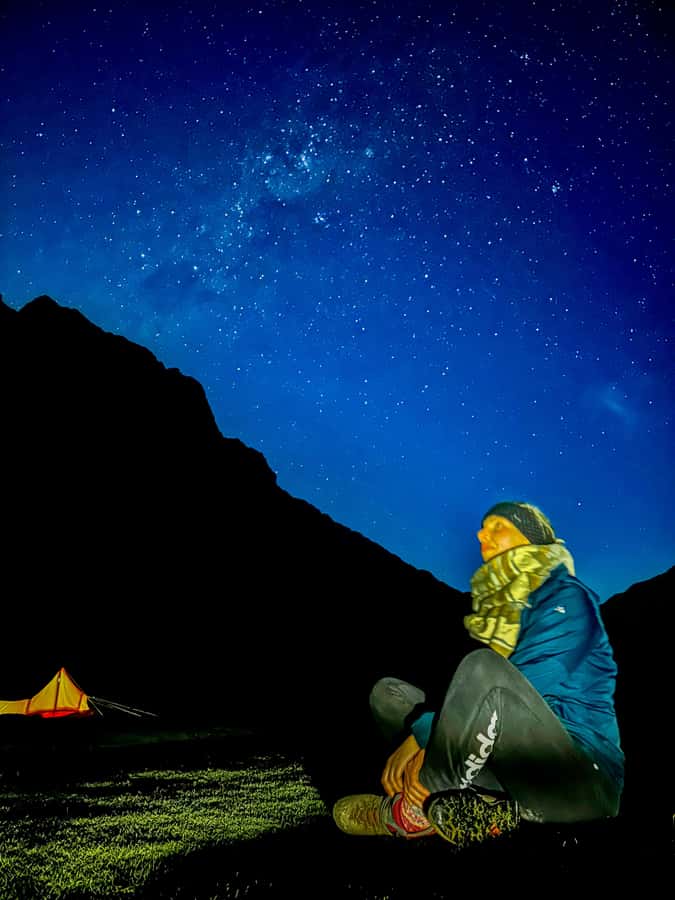
The glamping setup is a useful comfort upgrade. You sleep in a tent with a pillow and sleeping pad provided, rather than carrying a full camping load. Dinner is served at camp, and the night brings a quiet setting beneath the Andes. The high location can also help you adjust before the next day’s pass crossing.
Bring warm clothing and a flashlight. The camp is in a remote mountain setting, not a hotel compound, so comfort is relative. You have shelter and bedding basics, but you should still expect cold conditions and simple facilities.
Day two: The 4,630-meter Salkantay Pass
Day two is the physical heart of the trek. Coffee or coca tea is brought to your tent in the morning, followed by breakfast. Then you begin the roughly two-hour climb to Salkantay Pass.
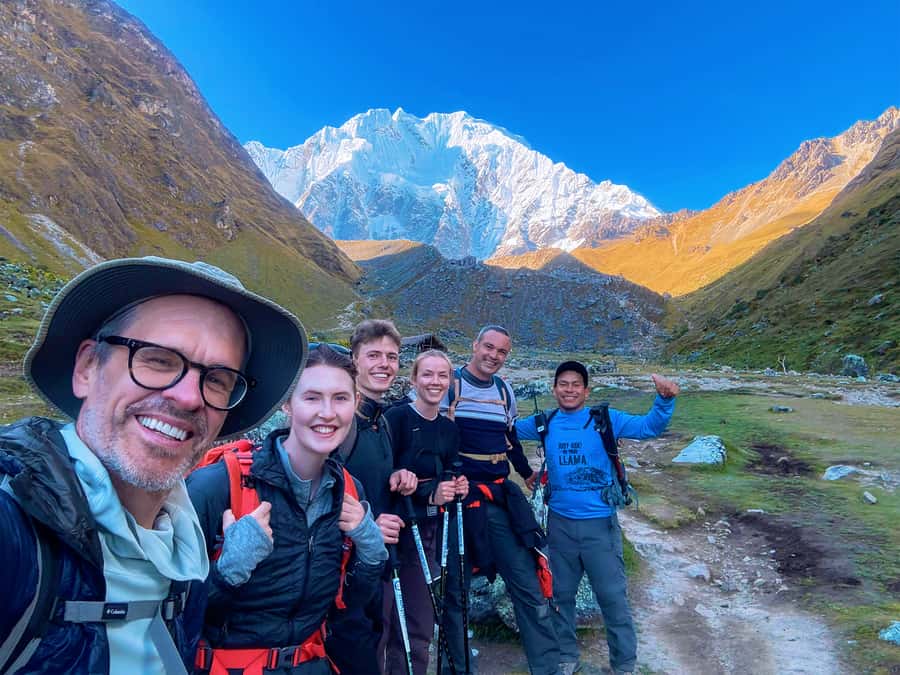
At 4,630 meters, the pass is high enough to make altitude a serious concern. The air is thin, and the climb may take longer if you need frequent breaks. Your guide should set the pace for the group, but you still need to speak up if you feel unwell.
At the top, you see snow-capped peaks and the lake below Salkantay Mountain. This is the moment many people picture when they imagine the Salkantay Trek: a broad mountain pass, powerful peaks, and a sense of being far above the ordinary route to Machu Picchu.
The descent to Wayracmachay takes about three hours, where lunch provides a needed pause. After lunch, you continue downhill for another three hours toward the cloud forest.
This is a long day, with about eight hours of walking described across the climb and descents. The reward is the dramatic shift in climate. High mountain rock and cold air give way to flowers, orchids, and hummingbirds as you lose altitude.
I like this section because it gives the trek a strong sense of movement. You are not simply walking through one type of scenery. You begin among high peaks and finish in a warmer, greener forest zone. Still, the downhill miles can be tough on knees and ankles, so trekking poles are worth considering. They are available for rent if you do not bring your own.
The night is spent in Collpapampa, in Andean huts. This accommodation is more basic than the glamping camp and the Aguas Calientes hotel. The condition of the huts and bathrooms can vary, and a warm shower may require an extra fee. Pack your expectations accordingly, and keep hand sanitizer and tissues easy to reach.
Day three: Pachamanca, coffee, and the road to Aguas Calientes
After breakfast, the route continues for about three hours to Lucmabamba. By now, the setting is warmer and more tropical, and the walk feels very different from the exposed pass above.
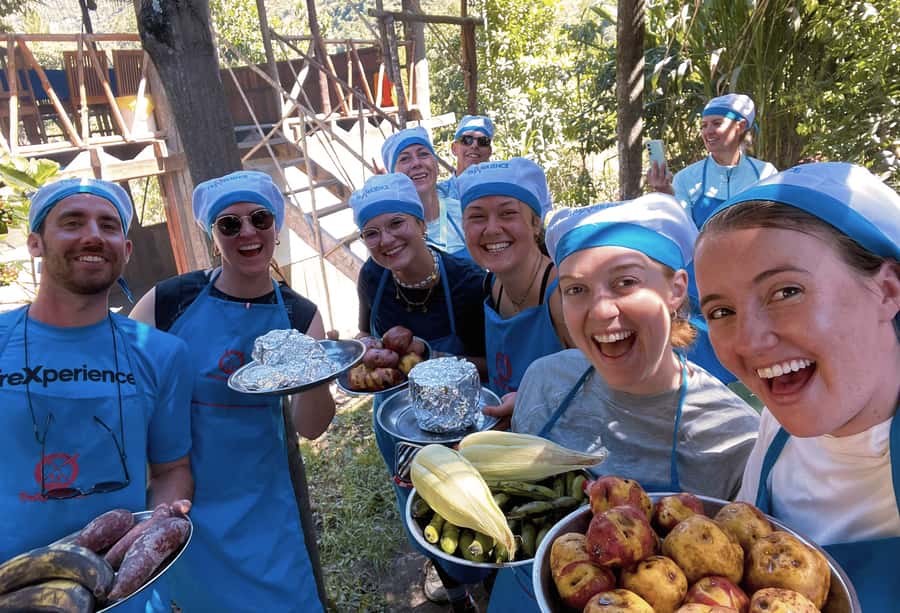
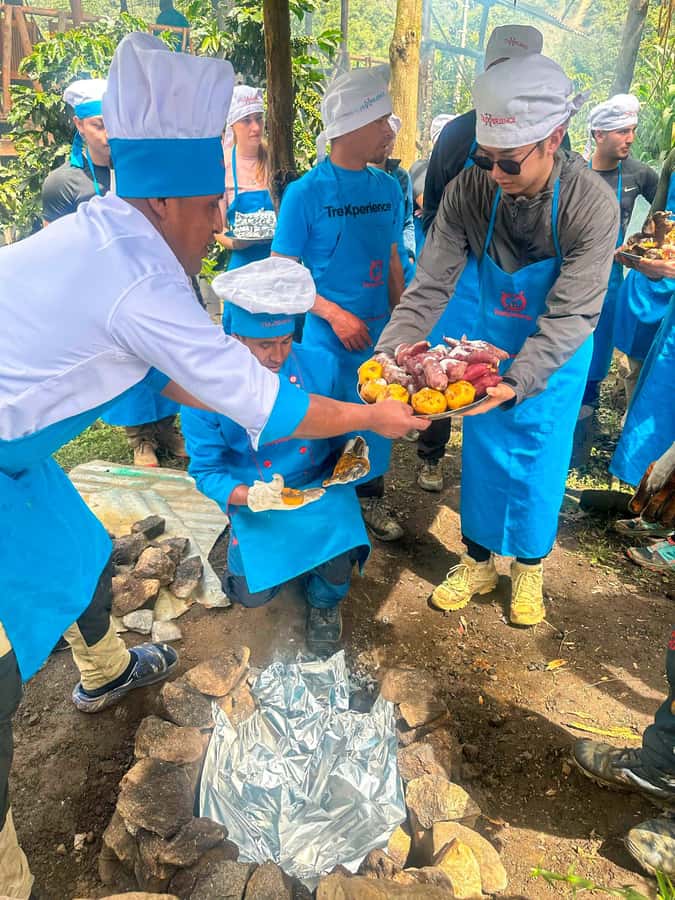
Lucmabamba is the cultural highlight of the day. You take part in a Pachamanca barbecue, an Andean cooking method in which vegetables, fruits, and meats are placed underground and slow-cooked with hot stones. This is more than a standard group lunch. It connects the meal to an established Andean cooking tradition and gives you something to do with local food rather than simply being served another plate.
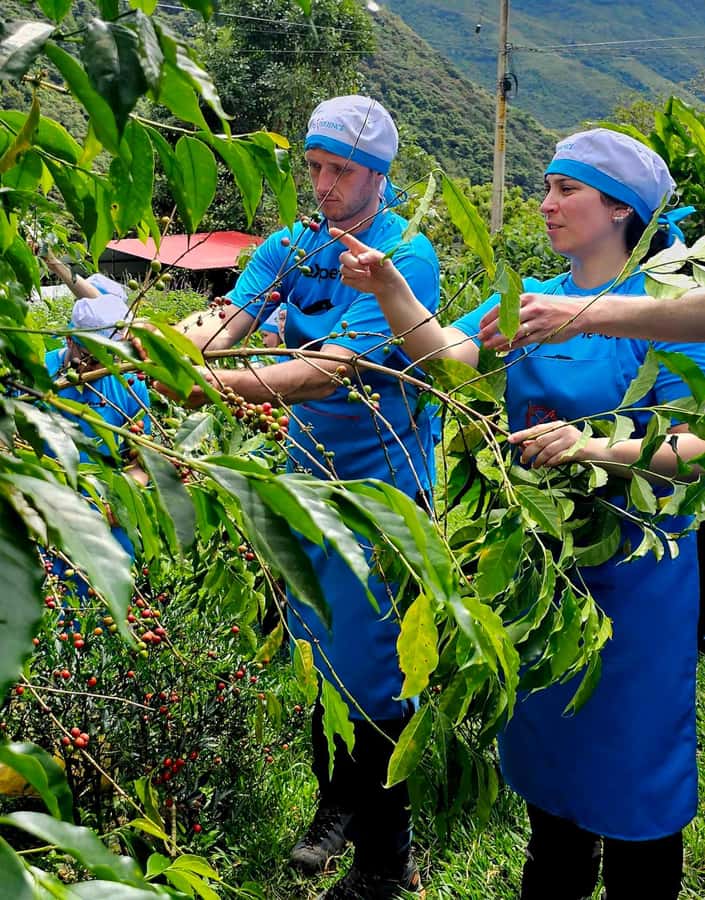
You also visit a coffee farm and follow the process from bean to cup. The experience includes preparing your own espresso. Coffee fans will appreciate the practical side of this stop, while everyone else gets a welcome taste of local agriculture and daily work.
The meal schedule is one of the tour’s strongest points. The kitchen crew prepares three breakfasts, three lunches, and three dinners on the trail, with snacks and water as well. Several past participants gave special praise to the chefs, including Zenobio, Ismael, Felix, and Dionissios, noting the variety, fresh preparation, and generous portions.
That matters on a trek like this. Good food is not decoration. It helps you keep going when the route feels long, and the local dishes add character to the trip. Dietary needs should be reported when you book.
After Lucmabamba, a vehicle takes you to Hidroeléctrica. From there, you walk for about three hours to Aguas Calientes. This final approach follows the railway route and gives you a less strenuous finish than another full mountain crossing, though three hours on foot still requires energy.
In Aguas Calientes, you check into a 3-star hotel, eat dinner at a local restaurant, and get a proper bed before Machu Picchu. After two nights in mountain camps, this hotel night is well timed. You can wash, repack, and set out the items needed for the next morning.
More hikes and treks in Cusco:
- Salkantay Classic Trek 5 Days from Cusco
★ 5.0 · 4,062 reviews - 4-Day Salkantay Trek with Sky Camp Stay
★ 5.0 · 3,346 reviews - Salkantay Trek 5D/4N with Glass Cabins, Domes and Hobbit House
★ 5.0 · 2,488 reviews - 2-Day Inca Trail to Machu Picchu with Panoramic Train
★ 5.0 · 1,876 reviews
Day four: Machu Picchu before the crowds build
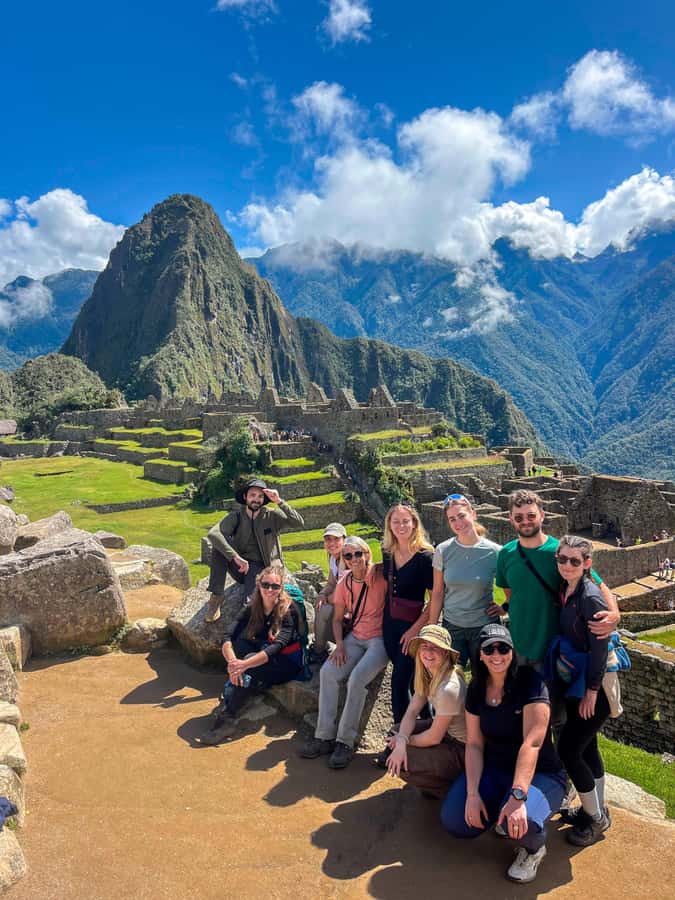
The final morning begins early. You take one of the first buses to Machu Picchu, aiming to see the morning light over the surrounding mountains before the guided visit.
The standard guided exploration lasts about two to three hours. Your guide explains the citadel’s major areas, its Inca background, and the questions that still surround the site. The tour includes Circuit 2 by default, but the exact circuit can change if availability is limited.
Do not treat the Machu Picchu visit as a quick box to tick. After three days of walking through remote valleys and mountain passes, the citadel has more meaning when you understand the route that led you there. The guide also helps you use your limited time well, since access circuits control where you can walk.
After the visit, you return to Aguas Calientes. Lunch is not included, so budget for it separately. Then you board either the Vistadome or 360° panoramic train for the return journey.
The panoramic train is a fitting finish. Large windows let you watch the scenery pass as you come down from the mountains, and the reserved rail journey saves you from dealing with a long independent transfer after the trek. On arrival in Cusco, the team transfers you to your hotel.
Guides, group size, and the human side of the trip
The group limit is 16 people, which is a sensible size for a demanding route. It gives the guide a better chance to monitor the pace and help people who need more time, while still providing the social feel of a shared trek.
The strongest praise has gone to the guiding and kitchen teams. Guides named Alex, José, Evangelino, Filio, Roger, and William were singled out for patience, organization, historical explanations, and practical support. Alex was especially valued for giving regular updates about the daily plan and sharing stories about the Inca past and the mountains.
The support is not only at the front of the group. William was praised for staying with slower walkers and keeping a positive attitude. That is important because groups rarely move at one speed on the pass day. You should still be honest about your fitness, but the guide team appears prepared to support different walking paces.
English and Spanish are available. The quality of communication can vary by guide, but the feedback describes the team as attentive and easy to understand. The pre-trek safety briefing is another chance to ask about altitude, luggage, meal times, and the next morning’s departure.
Sleeping arrangements and what to pack
The three nights are deliberately different:
- Salkantay Camp: glamping tent, pillow, sleeping pad, dinner, and a remote mountain setting.
- Collpapampa: Andean hut, with more basic bathrooms and possible extra charges for a warm shower.
- Aguas Calientes: 3-star hotel with breakfast before the Machu Picchu morning.
You receive a duffle bag for up to 7 kilograms, or about 11 pounds, of personal belongings. Pack only what you need for the trail, and keep your daypack organized with water, rain gear, sunscreen, snacks, and a warm layer.
Your useful checklist includes hiking shoes, comfortable clothing, a sun hat, sunglasses, insect repellent, toiletries, a flashlight, cash, and a passport. Carry a student card if you plan to use it for an applicable ticket or discount, but confirm the rules before departure.
Weather can change from cold mountain conditions to warm, wet forest conditions. Rain gear is not optional. A change of clothes and hand sanitizer or tissues will also make the basic camp night easier.
The trek is not suitable for people with mobility impairments, wheelchair users, serious back or heart problems, or pregnant women. Children must be accompanied by a responsible adult, and unaccompanied minors are not accepted.
Who should book this Salkantay route?
I would recommend it to you if you want Machu Picchu to be part of a real multi-day journey rather than a single train ride. It suits hikers who can manage long days, steep climbs, altitude, and changing weather, but who still want meals prepared by a dedicated chef and a hotel at the end.
It is also a good choice if you value local food and human contact. The Pachamanca meal, coffee preparation, and conversations with the guide team add more than scenery alone.
I would hesitate if you want consistent hotel comfort every night, dislike early starts, or need a relaxed schedule. The pass day is demanding, and the Collpapampa accommodation may disappoint anyone expecting polished facilities.
The non-refundable booking condition also makes preparation important. Confirm the Machu Picchu ticket, circuit, optional mountain tickets, sleeping equipment, and any extra shower fees before you commit.
Should you book it?
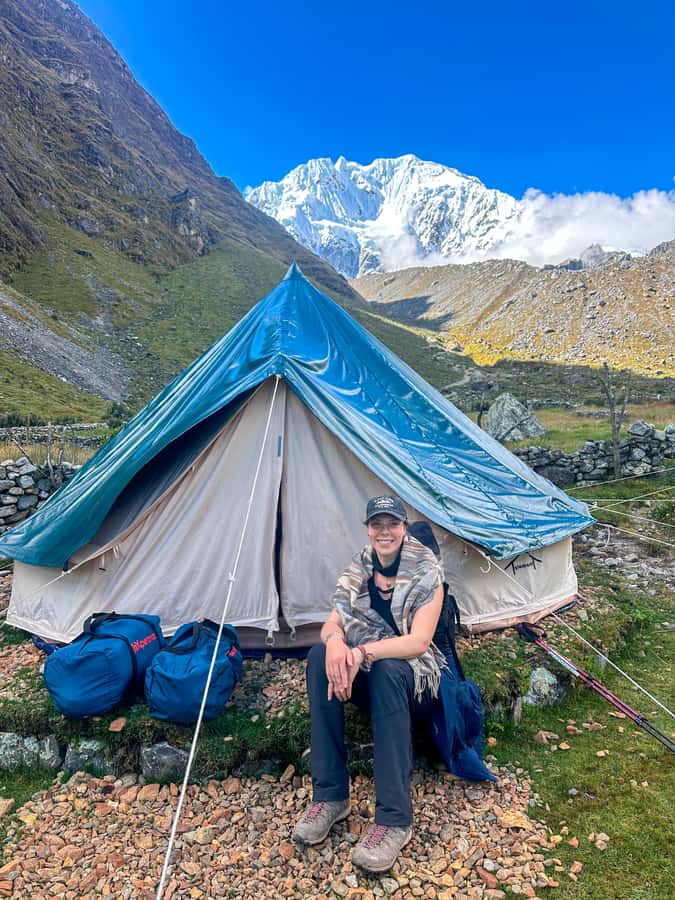
Book this Salkantay trek if you want strong scenery, serious hiking, helpful crew support, and a comfortable finish by panoramic train. The combination of Humantay Lake, Salkantay Pass, cloud forest, Pachamanca, coffee, and Machu Picchu gives the four days a clear sense of place.
Skip it if your priority is easy transport and uniform accommodation. For the right hiker, $552 is a solid value because it covers much more than the walk itself. Just confirm the ticket details and prepare for the basic second night.
FAQ
How long is the Salkantay Trek to Machu Picchu?
The experience lasts four days, beginning in Cusco and ending with a transfer back to your Cusco hotel after the panoramic train.
What time does pickup begin in Cusco?
Pickup begins at about 4:30 a.m. from accommodation in Cusco’s historic center. You should be in the lobby ten minutes before the scheduled time.
What is the highest point of the trek?
The highest point is Salkantay Pass, at 4,630 meters, or 15,190 feet above sea level.
Where do you sleep during the trek?
You spend one night in a glamping tent at Salkantay Camp, one night in Andean huts at Collpapampa, and one night at a 3-star hotel in Aguas Calientes.
Are meals included?
Three breakfasts, three lunches, three dinners, water, and daily snacks are included on the trail. Breakfast is included at the Aguas Calientes hotel. Lunch on the final day is not included.
Is the Machu Picchu entrance ticket included?
The tour information says Machu Picchu entrance tickets are included, but also says Machu Picchu tickets must be booked ahead. Confirm the exact ticket arrangements before booking.
Is Circuit 2 used at Machu Picchu?
Circuit 2 is the default route. If it is sold out, Circuit 1 or Circuit 3 may be assigned.
Can I visit Huayna Picchu or Machu Picchu Mountain?
Yes, optional hikes to Huayna Picchu or Machu Picchu Mountain are available with advance booking. They are not part of the standard experience unless arranged separately.
Is the return train included?
Yes. The return to Cusco is by either the Vistadome or 360° panoramic train, followed by a transfer to your hotel.
Just added in Cusco
- Cusco Private Transportation for 2026★ 5.0 · 4 reviews
- Private Transfer from Airport to Hotel in the City of Cusco★ 4.0 · 5 reviews
- Best Cusco walking tour: dinner street food tasting★ 4.5 · 11 reviews
- Private Tour to Pisac Market and Pisac Ruins★ 5.0 · 4 reviews
- Machu Picchu Day Trip With Panoramic Train from Cusco★ 5.0 · 10 reviews
- Sacred Valley of the Incas Tour★ 5.0 · 12 reviews
- Private Tour of the Mountain of Colours by Quad★ 5.0 · 7 reviews
- Sacred Valley Private Tour from Cusco, Guide and Driver only★ 5.0 · 4 reviews
Machu Picchu Tours, compared.
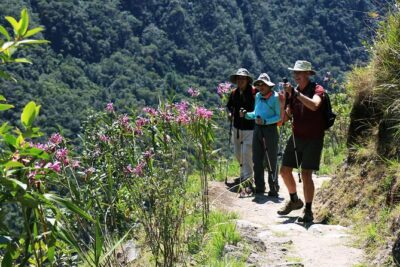
Classic Inca Trail Trek 4D/3N to Machu Picchu (Group Service)
Read our review →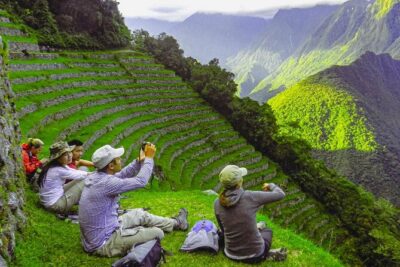
2-Day Inca Trail to Machu Picchu with Panoramic Train
Read our review →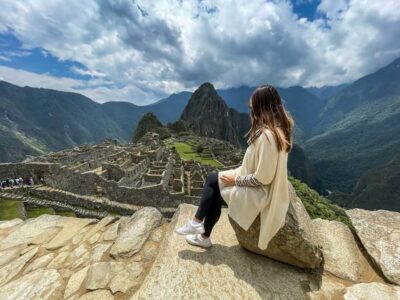
From Cusco: Full-Day Group Tour of Machu Picchu
Read our review →
2-Day Tour: Sacred Valley and Machu Picchu by Train
Read our review →
Machu Picchu: Full-Day Tour from Cusco with Optional Lunch
Read our review →
Machu Picchu Full Day from Cusco by Panoramic Train
Read our review →Browse the lists this tour appears in