Reviewed · TOURS
Cusco: Archeological Sites Tour and Forest Photo Experience
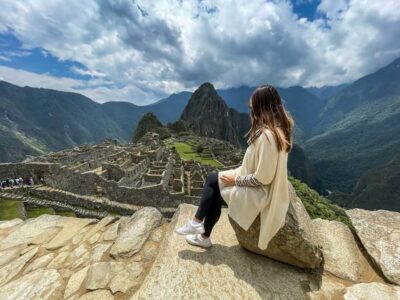
Five sites, one half-day. This Cusco outing packs Qenqo, Puca Pucara, Sacsayhuaman, Tambomachay, and Coricancha into a single route, which makes it useful if your time in the city is short. I like the mix of major Inca sites and the Qenqo forest photo session, and I like that hotel pickup, a guide, and one digital souvenir photograph are included. The main caution is that the advertised $17 price leaves out the 70-sol Tourist Ticket and 15-sol Coricancha admission, while a documented complaint raises concerns about timing, organization, and whether the promised photograph is actually delivered.
This is not a slow, scholarly tour. It is a quick introduction to Cusco’s major archaeological sites, with a short creative photo stop added to the usual ruins circuit. You will need comfortable shoes, sun protection, rain gear, and cash for the extra entrance fees.
In This Review
- Key points at a glance
- What this half-day route is really offering
- Qenqo, a ceremonial site shaped by stone
- Puca Pucara and the practical side of Inca control
- Sacsayhuaman and the giant limestone blocks
- Tambomachay, water and purification
- The Qenqo forest photo session
- Coricancha, the city-center finale
- Price, extra fees, and overall value
- Pickup, weather, and what to bring
- Who should book this Cusco outing?
- Should you book it?
- FAQ
- How long does the Cusco archaeological sites tour last?
- Which archaeological sites are included?
- Is Coricancha included?
- How much is the Tourist Ticket?
- Is hotel pickup included?
- Where does the tour end?
- Is the Qenqo Forest entrance included?
- Are photographs included?
- What languages are available?
Key points at a glance
- Five historic stops in about five hours: You visit four Inca sites around Cusco, then finish at Coricancha, the former Temple of the Sun.
- Qenqo forest photo session: A photography guide is supposed to take photos in the forest and provide one digital souvenir image.
- The $17 price is only the starting cost: Add 70 soles for the Tourist Ticket and 15 soles for Coricancha.
- Sacsayhuaman is the visual high point: Huge limestone blocks and broad views give this stop the most impact.
- Pickup timing matters: Wait in your hotel lobby 10 minutes early. The driver reportedly waits no more than five minutes.
- Service has some risk: A verified booking complaint described a missed final ruin, poor seating treatment, and no photo delivery.
What this half-day route is really offering
The appeal is simple. You get transport, a bilingual guide, five cultural stops, and a forest photo session without arranging several separate visits. At $17 per person, the base price is low for a five-hour guided outing, especially if pickup and return are convenient for you.
The real cost is higher. The 70-sol Tourist Ticket is not included, and neither is the 15-sol entrance to Coricancha. Food and drinks are also extra. Before booking, calculate the total in soles, not just the headline dollar price.
The route also moves quickly. Four archaeological sites plus Coricancha in five hours leaves little room for long walks, extended photography, or a detailed lesson at every stop. I would view this as a broad first look at Cusco, not a specialist archaeology tour.
The itinerary may change for operational reasons, but all listed sites are supposed to be visited. That promise matters because one verified booking account reported arriving too late for the last ruin. The same account said the included photos were not offered. Those are not small details if the forest session is one of your main reasons for booking.
More things to do in Cusco:
- Classic Inca Trail Trek 4D/3N to Machu Picchu (Group Service)
★ 5.0 · 8,653 reviews - Cusco: Rainbow Mountain and Red Valley Day Trip with Meals
★ 4.9 · 4,893 reviews - Machu Picchu: 4-Day Inca Trail Trek with Panoramic Train Ride
★ 5.0 · 4,568 reviews
Qenqo, a ceremonial site shaped by stone
Qenqo is the first archaeological stop. The site began with a natural rock formation that was adapted into a ceremonial center. That combination gives Qenqo a different character from the more formal terraces and walls elsewhere on the route.
Look closely at the carved stone and the way the site uses the natural rock. Your guide should explain how the formation may have supported ceremonies and religious activity. The supplied information does not promise a specific ceremony or demonstration, so expect interpretation rather than a live reenactment.
Qenqo also matters because the forest photo session takes place nearby. That makes this stop do double duty: you see an Inca ceremonial site, then use the surrounding forest as a setting for posed photographs.
The timing here deserves attention. If the group is late leaving Cusco or spends too long at an earlier stop, the photography session may be shortened. If the photo is important to you, ask at the start when it will happen and how the digital file will be delivered.
Puca Pucara and the practical side of Inca control
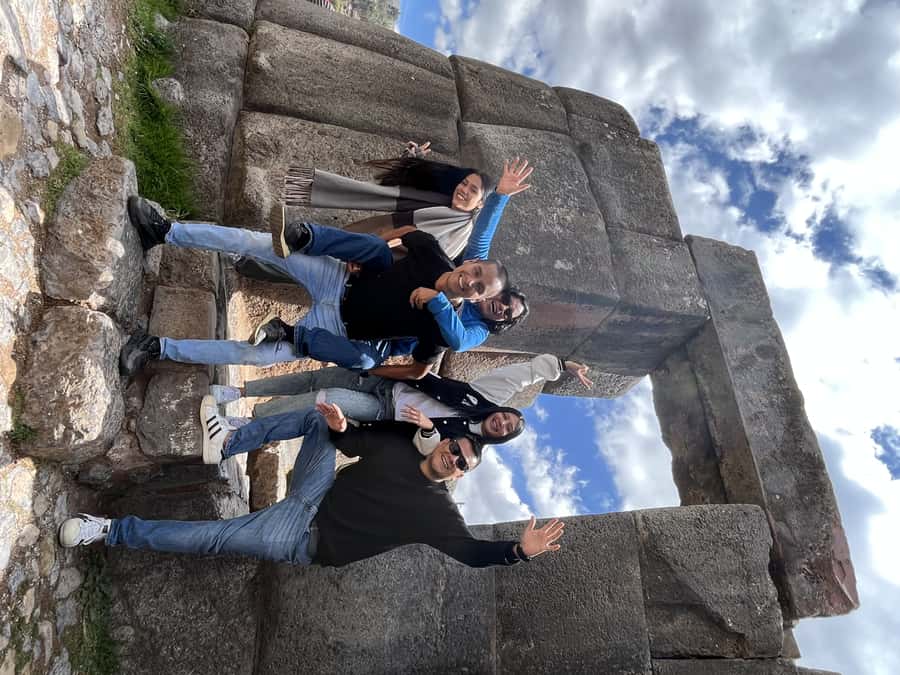
Puca Pucara is presented as a military site, with remains of guard posts, stairs, streets, houses, and patios. Its name is often translated as Red Fortress, but the supplied tour details focus on its role as a defensive and control point rather than on a single dramatic building.
This stop helps you see how the Inca road system and city defenses worked as part of a larger network. You are not simply looking at isolated stones. The site includes spaces connected with movement, observation, and daily use.
The visit may feel less immediately impressive than Sacsayhuaman. That is normal. Puca Pucara rewards a guide who can explain what the separate foundations and passages once did. Without that context, you might make a short walk around the ruins and wonder what you are looking at.
The route is also practical for anyone who wants several sites in one outing. You do not need to arrange a separate taxi to reach Puca Pucara, and the transport connects it with the other stops. That convenience is a large part of the tour’s value.
Sacsayhuaman and the giant limestone blocks
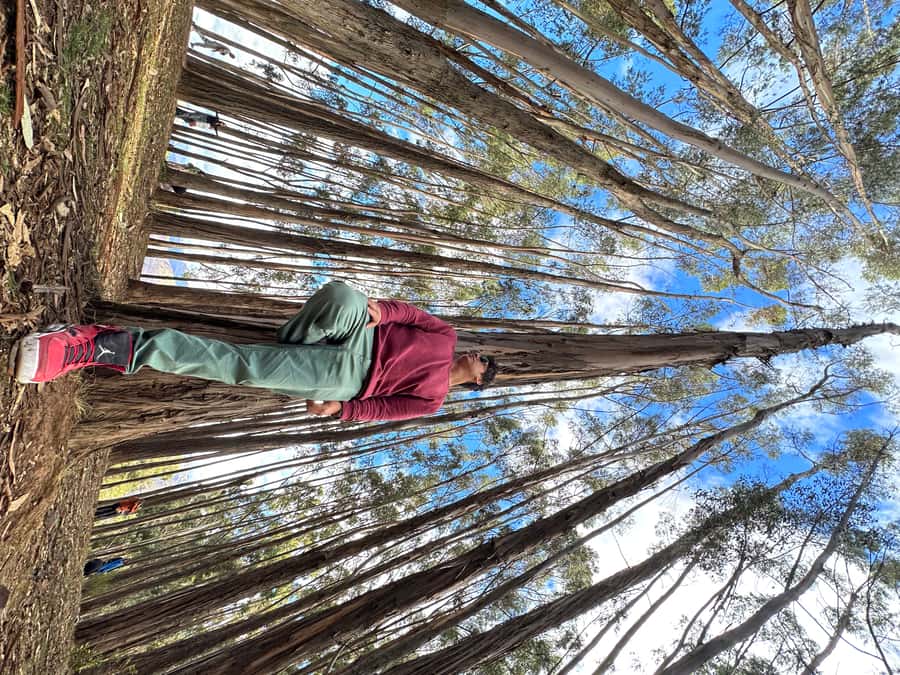
Sacsayhuaman is likely to be the most memorable ruin on this circuit. The site was built by the final Inca dynasties as a solar sanctuary and as a defensive structure protecting Cusco from attack. Its massive limestone blocks are the main event.
The walls show the precision of Inca stone construction. Large blocks fit together without the neat, regular appearance you might expect from modern masonry. Your guide can give the site meaning beyond its size, explaining its religious and defensive roles.
Allow yourself a moment to take in the scale. This is the stop where a quick group schedule can feel restrictive. You may want photographs, a view across the city, and time to study the wall construction. The exact amount of free time is not stated, so do not assume you can linger.
Sacsayhuaman is also one reason comfortable shoes matter. The tour involves archaeological grounds rather than a polished indoor attraction. Bring a jacket and rain gear as well as a sun hat. Cusco weather can shift during a short outing, and the instructions specifically recommend preparing for both sun and rain.
A completely different kind of day:
- Salkantay Classic Trek 5 Days from Cusco
★ 5.0 · 4,062 reviews - 4-Day Salkantay Trek with Sky Camp Stay
★ 5.0 · 3,346 reviews - Short Inca Trail to Machu Picchu 2D/1N
★ 5.0 · 3,007 reviews - Excursion to Rainbow Mountain Full Day Optional Red Valley
★ 5.0 · 2,996 reviews
Tambomachay, water and purification
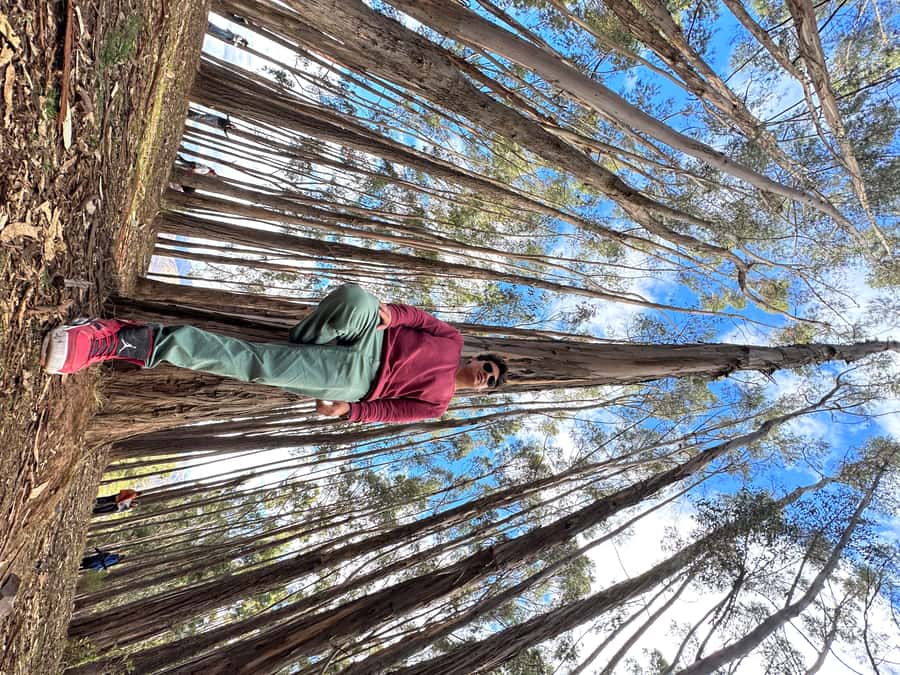
Tambomachay sits about nine kilometers from Cusco and is known for its water fountains. The structure may have served as a temple connected with water and purification, and its flowing water gives the site a calmer feel than the heavy stonework at Sacsayhuaman.
The site is sometimes called the Baths of the Inca because of the fountain design. That name can be misleading if you expect a place for swimming. The tour information describes fountains and a possible religious purpose, not bathing facilities open to visitors.
Tambomachay adds an important idea to the route. The Inca world was not only about walls, roads, and military strength. Water could also carry religious meaning and form part of ceremonial practice.
Because Tambomachay is outside the central city area, transport is especially useful here. The site is one of the places that would be less convenient to reach on foot from central Cusco. Still, the added distance makes time management important, particularly if traffic or late pickups delay the group.
The Qenqo forest photo session
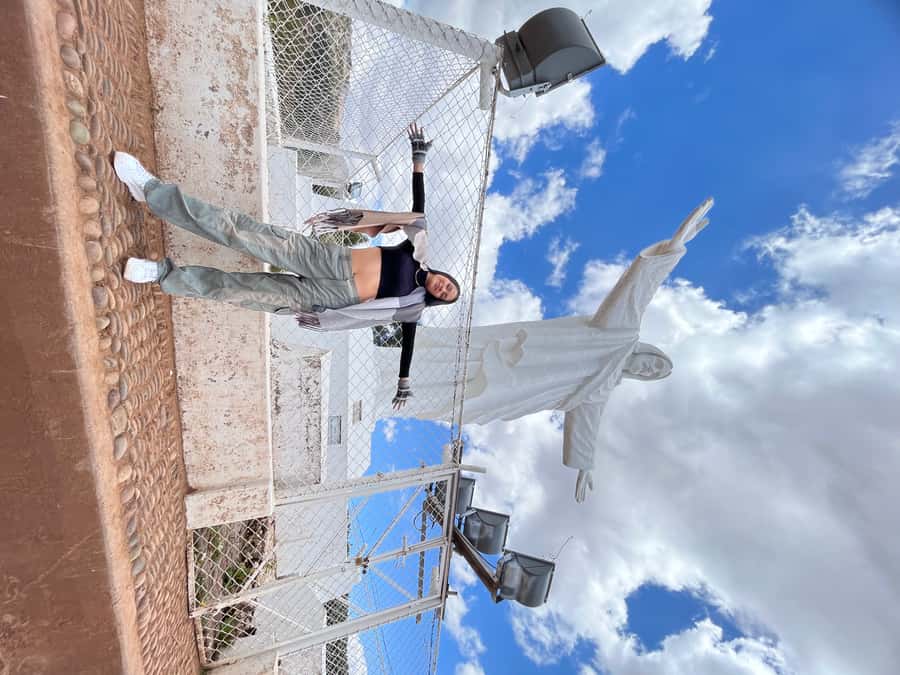
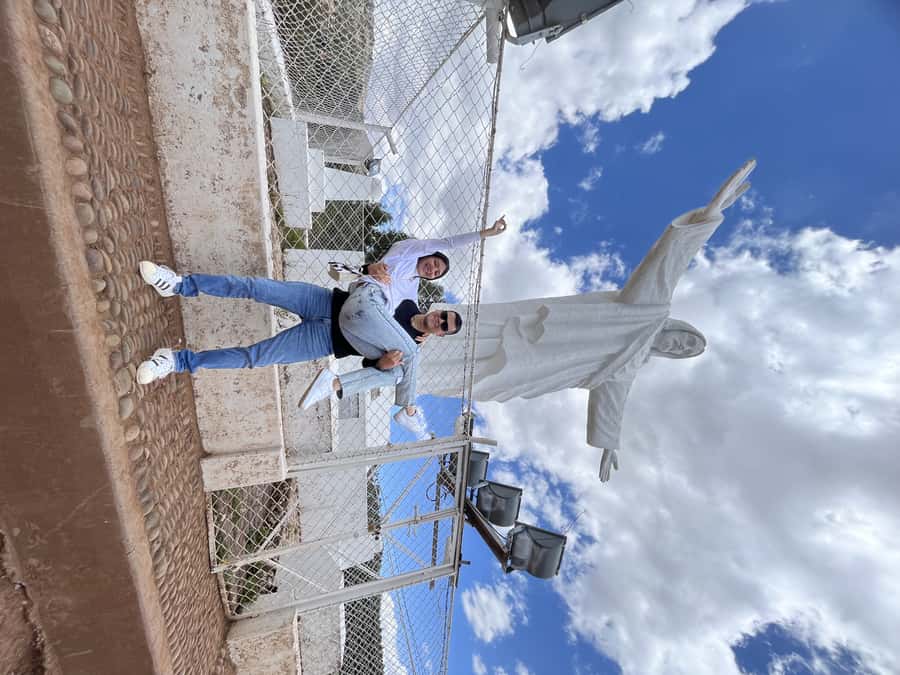
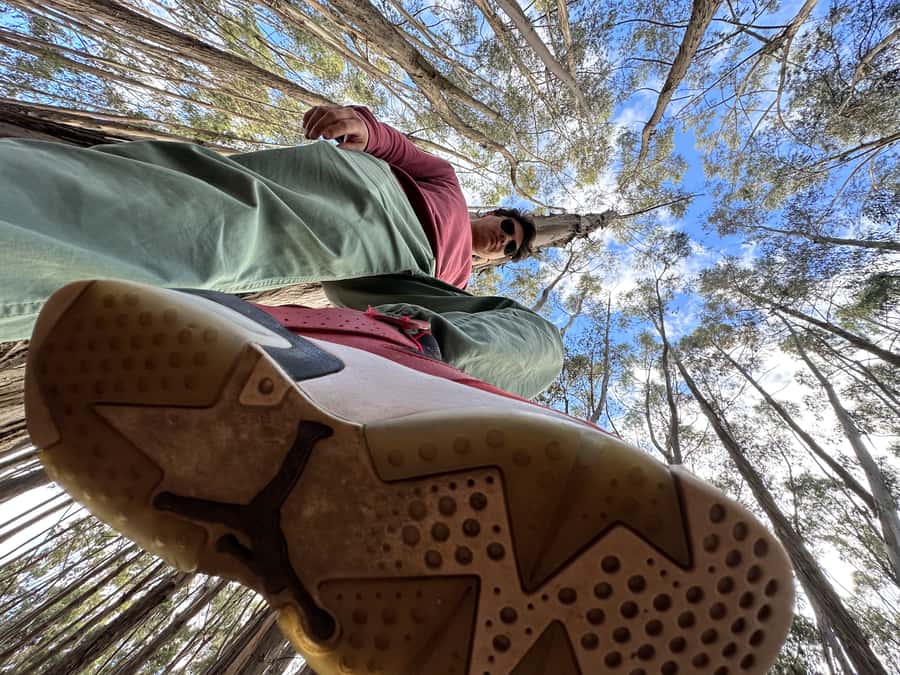
The photo session is the tour’s unusual feature. After the archaeological visits, you enter the Qenqo forest for photographs in a natural setting. An expert photography guide is supposed to take the images, with one souvenir photograph provided as a digital file.
This can be a nice change of pace after several ruins. You get a personal keepsake rather than only another set of stone-wall pictures. The forest setting also gives the outing a more relaxed and creative moment, at least when the schedule allows enough time.
I would clarify three points before leaving the first stop:
- When exactly will the photo session take place?
- How many photographs are included?
- When and how will the digital file be sent?
The published inclusion says one digital souvenir photograph, not a full gallery. The wording about incredible shots may sound broader, so keep your expectation to one included digital image unless the guide offers more.
A verified complaint reported that the photographs were not offered. It also described a failure to reach the final ruin because the group arrived too late. That account does not prove every departure will have the same problem, but it gives you a useful practical step: confirm the photo arrangement directly and keep track of the promised schedule.
Coricancha, the city-center finale
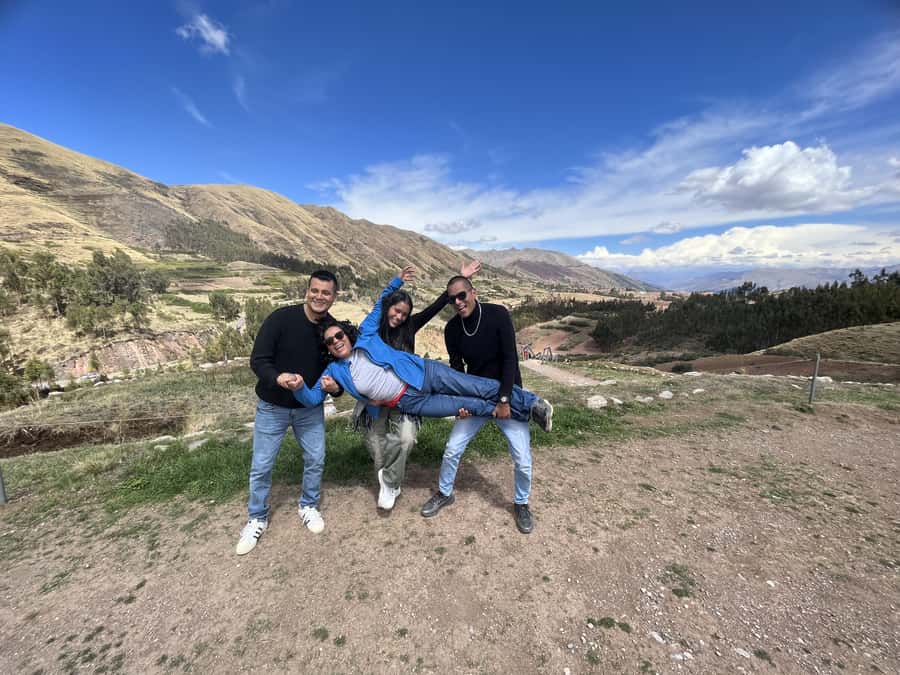
The final stop is Coricancha, the Temple of the Sun. The site is described as the most important temple of the Inca Empire, and its carefully fitted stone construction shows why it deserves a place after the hilltop ruins.
Coricancha is different from the four outdoor sites. It sits within the city and connects Inca religious architecture with Cusco’s later layers. The tour description emphasizes the temple’s precise architecture and stonework, so pay attention to the construction rather than rushing through for a final photograph.
Admission costs 15 soles and is not included. That fee is separate from the 70-sol Tourist Ticket for the archaeological sites. Carry cash, as the practical instructions specifically recommend it.
The outing is supposed to finish with a return to central Cusco. The inclusion section also says pickup and return to the hotel are provided, so confirm your exact drop-off point when you book. If you need to be back at a particular hotel by a fixed time, this is worth clarifying in advance.
Price, extra fees, and overall value
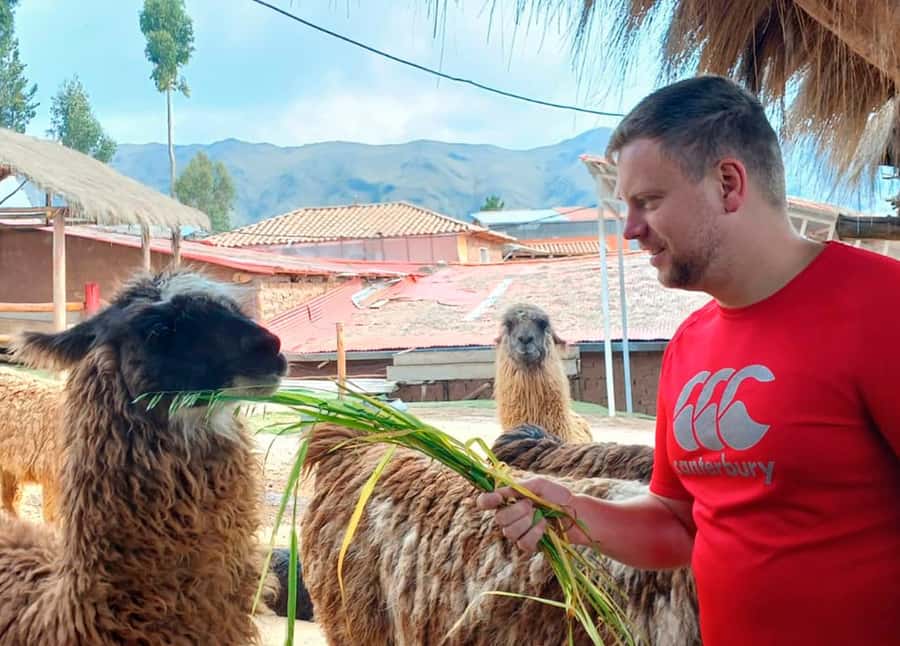
At $17, the base price is attractive. You receive transportation, a live guide in English or Spanish, entry to the Qenqo Forest, a guided visit to the four ruins and Coricancha, and one digital photograph.
But the required extras change the calculation. The Tourist Ticket costs 70 soles, and Coricancha costs another 15 soles. Food and drinks are not included. You should budget for at least 85 soles beyond the advertised price, plus anything you buy during the day.
That can still be fair value if you want a short, organized introduction and do not want to arrange transport yourself. It is less compelling if you already have access to a taxi, prefer long visits at each ruin, or want a dedicated photographer.
The rating supplied for the activity is 3.3 out of 5 from four reviews. That is a mixed service signal, not a clear endorsement. The one detailed verified complaint described being separated from local participants, being told to sit at the back of the bus, missing the last ruin, and not receiving the advertised photos. It also referred to a tea tasting and a shop visit, but neither is part of the stated inclusions, so you should not book expecting tea or shopping stops.
The seating complaint is especially relevant if you care about group treatment. The available information does not explain why the seating arrangement happened, so I would not assume it is standard practice. Still, it is reasonable to ask how the group is organized and whether the guide speaks to everyone in your preferred language.
Pickup, weather, and what to bring
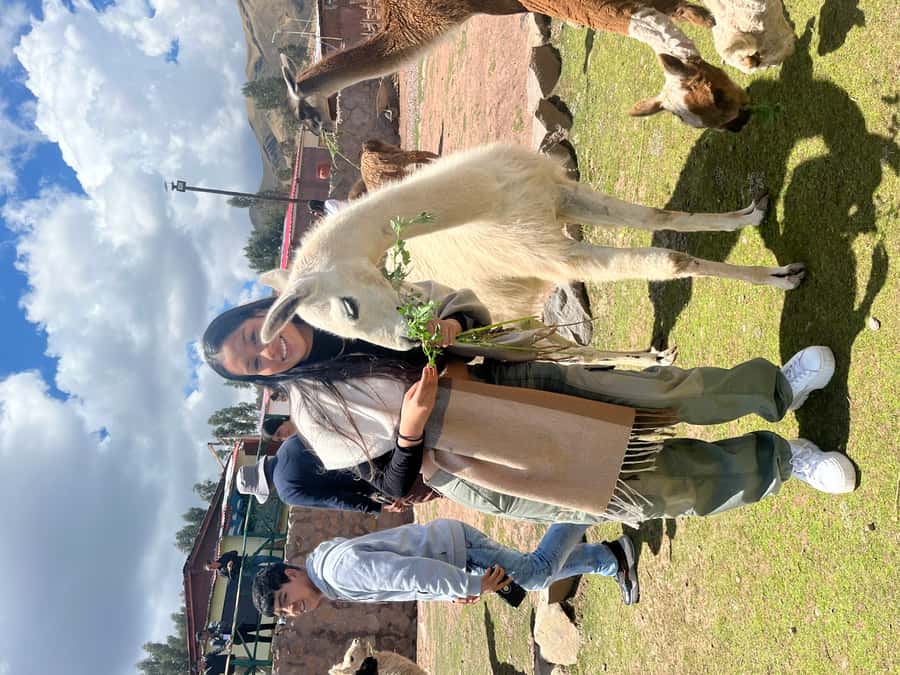
Pickup is included, but the timing rules are strict. Wait in the hotel lobby 10 minutes before the scheduled time, and look for a driver holding a sign with your last name. The driver will not wait more than five minutes after pickup time.
That means you should not be walking down to the lobby at the exact pickup minute. Have your ticket money, jacket, and phone ready before the driver arrives. A late start can affect the final site and the photo session.
The recommended packing list is sensible:
- Comfortable shoes for uneven archaeological ground
- A sun hat and biodegradable sunscreen
- A jacket
- Rain gear
- Comfortable clothing
- Cash
- Food or a drink if you need something during the five-hour outing
No meal or drink is included. The activity description also does not promise a tea tasting, so treat any refreshment stop as uncertain rather than part of the deal.
The itinerary can be modified according to operations, but all mentioned sites are supposed to be visited. That wording gives the operator some flexibility, so keep the rest of your day open rather than scheduling a tight connection immediately afterward.
Who should book this Cusco outing?
I would recommend it most to a first-time Cusco visitor with limited time. You see the city’s main nearby Inca sites, get transport to Tambomachay, finish at Coricancha, and add a photograph without committing to a full-day excursion.
It also suits you if you want a simple English or Spanish guided route and prefer not to negotiate separate taxis. The low base price makes the trip easy to consider, as long as you add the entrance fees before comparing it with other options.
I would be more cautious if you care deeply about photography. The included benefit is only one digital file, and the documented failure to provide the photos is a real concern. Confirm the process at the beginning and ask the guide when you will receive the file.
This is also not the best choice for you if you want a slow, detailed visit. Five sites in five hours is a lot. Sacsayhuaman, in particular, may deserve more time than the schedule permits.
Should you book it?
Book this tour if you value low-cost transport and broad coverage more than long visits at each site. The route gives you a useful first picture of Cusco’s Inca temples, defenses, water sanctuary, and city-center religious architecture.
Book with caution if the forest photograph is your main goal. Ask about the one digital image, confirm that the Qenqo session is still scheduled, and make sure the total price includes the 70-sol Tourist Ticket and 15-sol Coricancha admission.
I would skip it if you need dependable timing for another appointment or want guaranteed, high-touch service. The cancellation policy is generous, with free cancellation up to 24 hours before departure, and you can reserve now and pay later, so the financial risk is limited. The bigger risk is an overpacked schedule.
FAQ
How long does the Cusco archaeological sites tour last?
The activity lasts five hours.
Which archaeological sites are included?
The tour visits Qenqo, Puca Pucara, Sacsayhuaman, and Tambomachay.
Is Coricancha included?
Yes, a guided visit to Coricancha is included in the route, but the 15-sol entrance fee is not included.
How much is the Tourist Ticket?
The Tourist Ticket costs 70 soles and is not included in the tour price.
Is hotel pickup included?
Yes. Pickup is included, and you should wait in your hotel lobby 10 minutes before the scheduled time.
Where does the tour end?
The description says the return is to the center of Cusco, while the inclusions also describe return to the hotel. Confirm the exact drop-off point when booking.
Is the Qenqo Forest entrance included?
Yes, entrance to the Qenqo Forest is included.
Are photographs included?
One souvenir photograph in a digital file is included. The supplied information does not state how many additional photographs, if any, are available.
What languages are available?
The live guide is available in Spanish and English.
Just added in Cusco
- Cusco Private Transportation for 2026★ 5.0 · 4 reviews
- Private Transfer from Airport to Hotel in the City of Cusco★ 4.0 · 5 reviews
- Best Cusco walking tour: dinner street food tasting★ 4.5 · 11 reviews
- Private Tour to Pisac Market and Pisac Ruins★ 5.0 · 4 reviews
- Machu Picchu Day Trip With Panoramic Train from Cusco★ 5.0 · 10 reviews
- Sacred Valley Private Tour from Cusco, Guide and Driver only★ 5.0 · 4 reviews
- Sacred Valley of the Incas Tour★ 5.0 · 12 reviews
- Private Tour of the Mountain of Colours by Quad★ 5.0 · 7 reviews
Tours, compared.
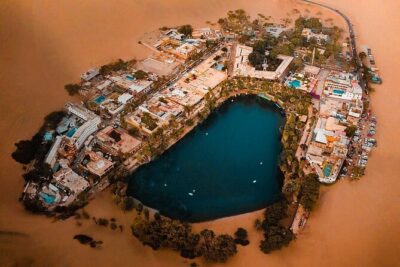
Full Day Tour From Lima: Paracas and Huacachina Oasis
Read our review →
Excursion to Rainbow Mountain Full Day Optional Red Valley
Read our review →
Humantay Lake Tour with Breakfast and Buffet Lunch
Read our review →
From Cusco: Sacred Valley & Maras Salt Mines Tour with Lunch
Read our review →
From Cusco: Moray, Maras Salt Mines & Chinchero Weavers Tour
Read our review →
From Lima: Paracas and Huacachina Oasis Full Day Guided Tour
Read our review →