
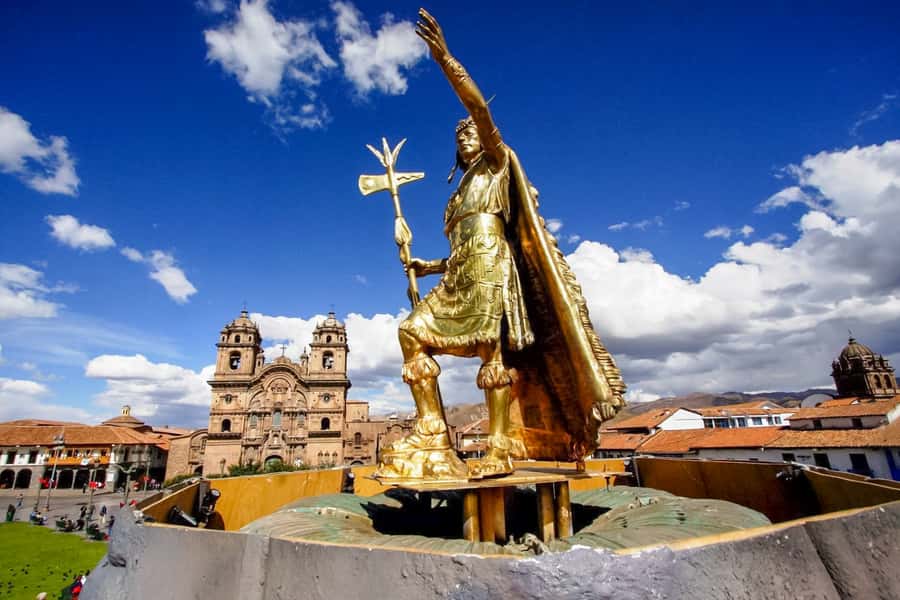
Reviewed · CITY TOURS
Cusco: City and Nearby Ruins 5-Hour Guided Tour
Cusco’s stones tell two stories. This five-hour afternoon tour links the city’s Inca and colonial landmarks with four nearby archaeological sites, giving you a useful first look at the Cusco area for $22 per person. I especially like the combination of Coricancha and the Plaza de Armas, followed by the huge stones of Sacsayhuaman, and I like that transportation connects the outlying ruins without requiring you to arrange separate taxis.
The strongest guides add real value. Peto, one guide praised for his clear explanations and passion for Inca culture, helped make the tour memorable. The main drawback is pacing: a textile shop stop has sometimes taken about 45 minutes, leaving the final ruins in fading light or darkness, and language interpretation may be uneven in a mixed Spanish and English group.
In This Review
- Key points at a glance
- Why this five-hour Cusco tour works well
- Coricancha, where Inca ceremony meets Spanish church
- Plaza de Armas and the Cathedral’s colonial interior
- Sacsayhuaman and the power of fitted stone
- Qenqo’s carved stones and underground passages
- Tambomachay’s waterworks and Puka Pukara’s lookout
- The textile shop issue and how to handle it
- Guides, language, and group size
- What the $22 price really includes
- Who should book this route?
- Should you book the Cusco City and Nearby Ruins tour?
- FAQ
- How long does the tour last?
- What time does the tour begin?
- Where does pickup take place?
- Which places are included?
- Are entrance fees included?
- Is the tour available in English?
- Is this a private tour?
- Can I cancel or change my booking?
Key points at a glance
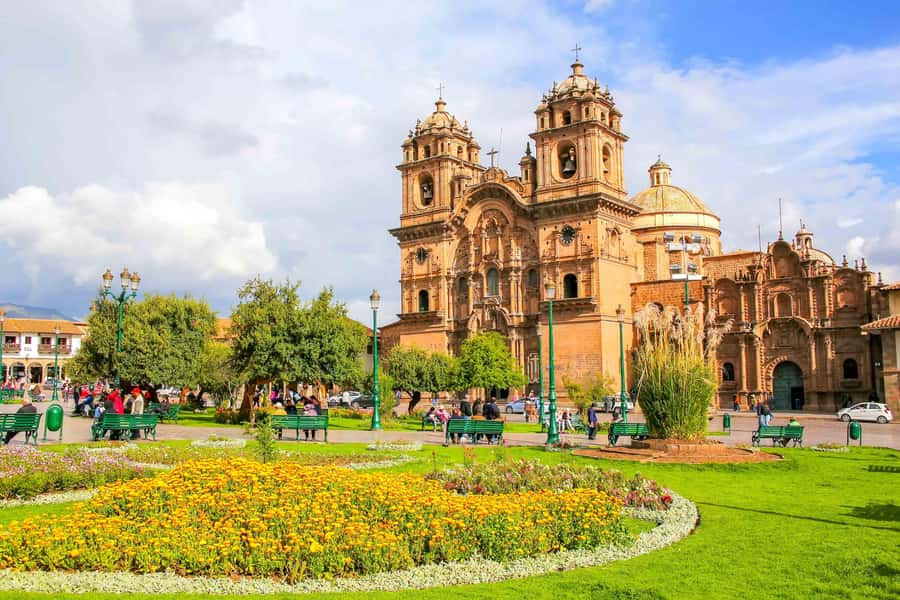
- Coricancha reveals Cusco’s layered past: See an important Inca ceremonial site before moving to the Spanish colonial center.
- Sacsayhuaman is the visual knockout: Massive stones, some said to weigh up to 180 tons, fit together with striking precision.
- Qenqo is unusual rather than grand: Its carved stone interior and underground passages give the visit a darker, more mysterious feel.
- Four outer sites come by small bus: Tambomachay and Puka Pukara join Sacsayhuaman and Qenqo in one practical loop.
- The $22 price is attractive: It covers a professional guide and transport, but entrance tickets are extra.
- Build in flexibility: The tour is non-refundable, tickets cannot be changed after confirmation, and a shopping stop may affect the final timing.
Why this five-hour Cusco tour works well
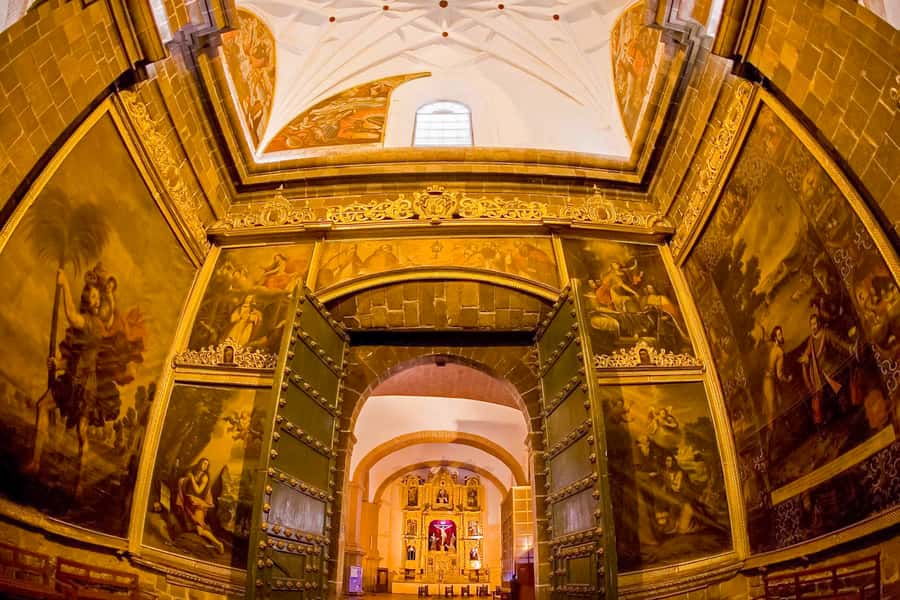
Cusco can feel confusing at first. The streets rise and twist, the main sights sit in different parts of town, and the most famous ruins are outside the historic center. This tour gives you a broad introduction in one afternoon, starting with downtown monuments and then heading north to the major Inca sites.
The schedule begins with pickup at your accommodation in downtown Cusco. Two central stops are within walking distance of each other, while a small bus carries you to the three outer destinations. That arrangement saves you from finding separate transport, though it also means you follow the group’s timetable rather than setting your own pace.
You receive a professional guide and transportation. Entrance fees are not included, so the advertised price is not the final cost. Still, $22 is a fair starting price for five hours of guiding and transport, especially if you want the basic route without booking a larger, more expensive package.
The tour is offered in Spanish and English, with private or small-group options. Group size matters here. At Sacsayhuaman and Qenqo, a good guide can help you notice details in the stonework that are easy to miss when you walk around alone.
More city tours in Cusco:
- Cusco: Half-Day City Tour with Sacsayhuaman and Q’enco
★ 4.6 · 1,129 reviews - City Tour Cusco Qoricancha Sacsayhuaman y Tambomachay
★ 4.7 · 617 reviews - Cusco City Tour Four Ruins in Half-Day
★ 5.0 · 530 reviews
Coricancha, where Inca ceremony meets Spanish church
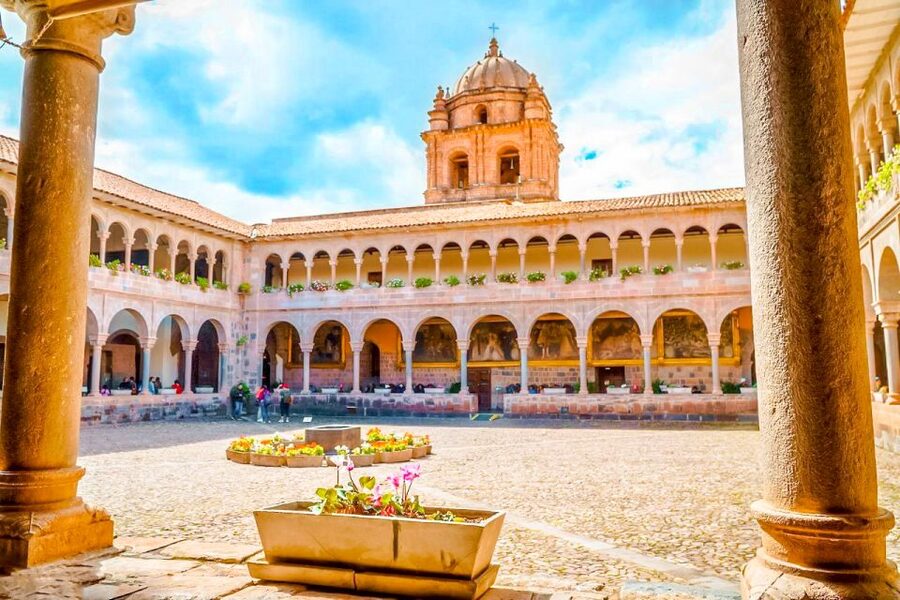
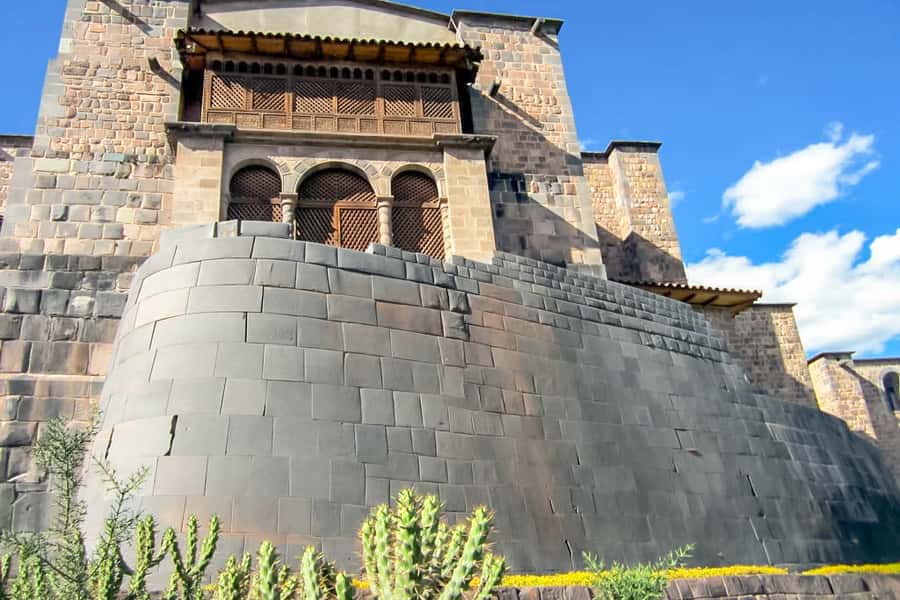
Coricancha is the right place to begin. This was a major Inca ceremonial construction during the height of the empire, and its surviving stonework gives you an immediate sense of the skill behind Cusco’s old foundations.
The site is not just another set of stone walls. It helps explain how Cusco was rebuilt after the Spanish conquest. Inca construction formed the base, while later colonial buildings changed the religious and political face of the city.
I like this stop because it prepares you for the rest of the afternoon. Once you have seen Coricancha, the walls around Cusco make more sense. You begin to notice the tight joints, carefully shaped blocks, and the way newer buildings sit on older foundations.
The guide’s explanation is important here. A quick walk through the site can feel abstract without context. With clear commentary, Coricancha becomes a lesson in how power, worship, and architecture were connected in Inca Cusco.
Plaza de Armas and the Cathedral’s colonial interior
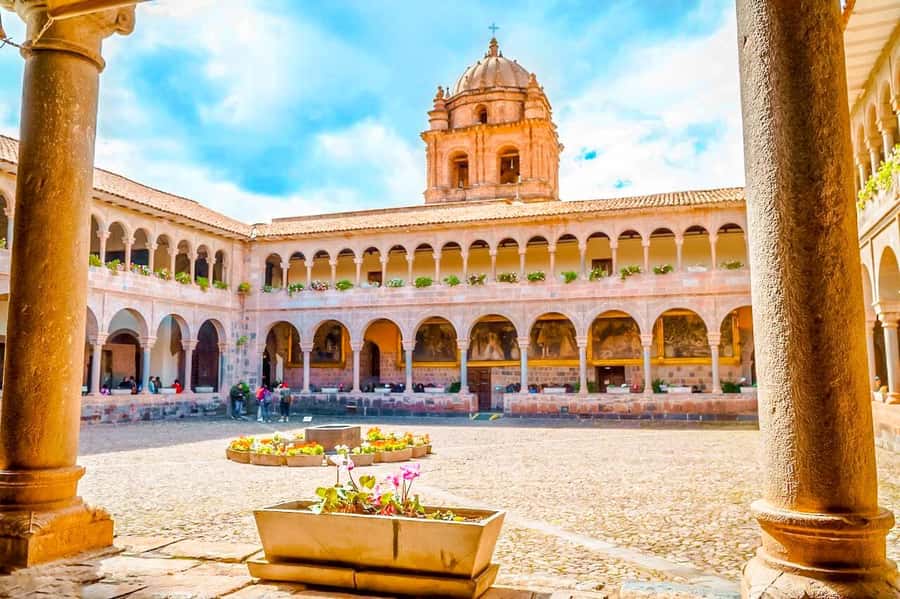
Next comes the Plaza de Armas, Cusco’s main square. This is the city’s colonial center, and the stop gives you a sharp contrast with Coricancha.
The Cathedral is particularly important. Its interior is included on the afternoon tour described here, and the guide explains how it was built over Inca structures. That detail is central to understanding Cusco. The Spanish did not simply build a new city somewhere else. They placed their churches and public buildings directly within an existing Inca center.
The Cathedral visit is one of the most worthwhile parts for anyone interested in art, religion, or colonial architecture. The interior is described as spectacular, but you should remember that this is a guided visit within a tightly timed route. You may not have the same long, quiet period you would get by visiting independently.
There is also an important timing note. The Cathedral is not included on the morning tour, but this experience is scheduled for the early afternoon. If you book a different departure time, confirm exactly which stops are included.
Sacsayhuaman and the power of fitted stone
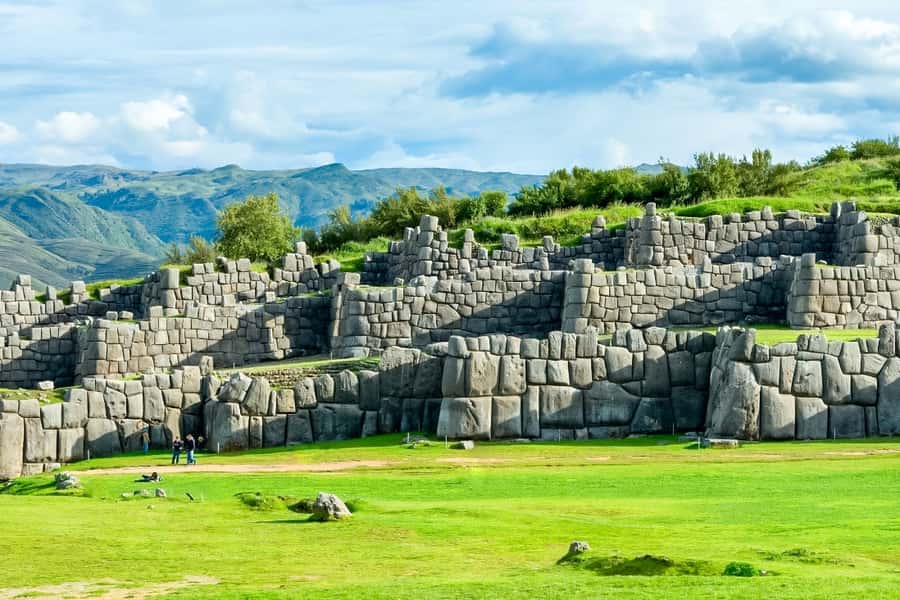
From downtown, the tour drives to Sacsayhuaman on the northern edge of Cusco. This is the stop that gives the route its biggest visual impact.
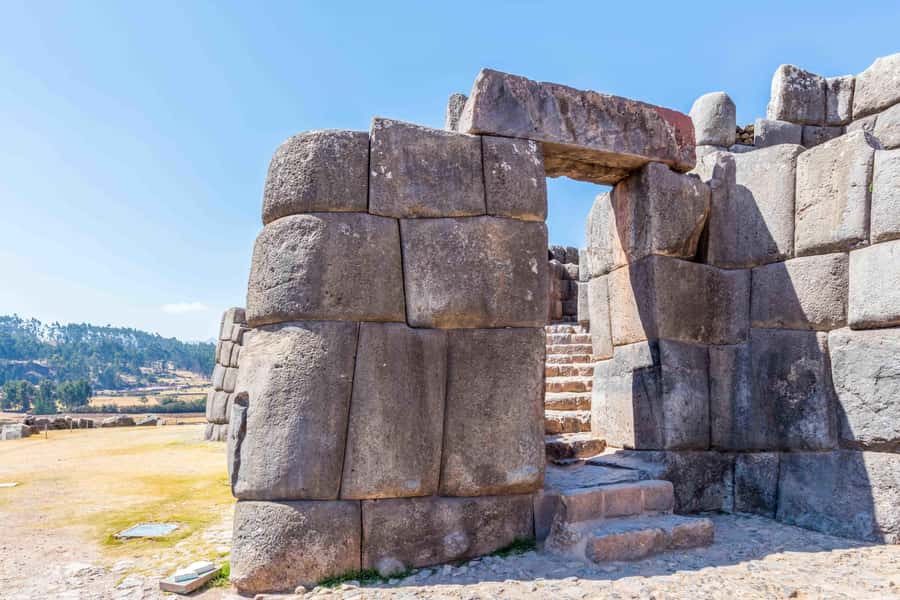
The walls are built from massive rocks, with some blocks described as weighing up to 180 tons. What grabs me is not only their size. It is the precision. The stones fit together so closely that the joints appear almost measured rather than assembled.
You pass through openings in the walls while the guide explains the complex. That is useful because Sacsayhuaman can be hard to read at a glance. Without guidance, you see enormous stonework but may not understand how the different sections relate to one another.
This is also where the tour’s pace can become a concern. Sacsayhuaman deserves time, and so do the next three sites. If a shopping stop comes between the city and outer ruins, the later visits may happen in dim light. Ask at the start how the afternoon will be divided so you know what to expect.
More things to do in Cusco:
- Classic Inca Trail Trek 4D/3N to Machu Picchu (Group Service)
★ 5.0 · 8,653 reviews - Cusco: Rainbow Mountain and Red Valley Day Trip with Meals
★ 4.9 · 4,893 reviews - Machu Picchu: 4-Day Inca Trail Trek with Panoramic Train Ride
★ 5.0 · 4,568 reviews - Salkantay Classic Trek 5 Days from Cusco
★ 5.0 · 4,062 reviews
Qenqo’s carved stones and underground passages
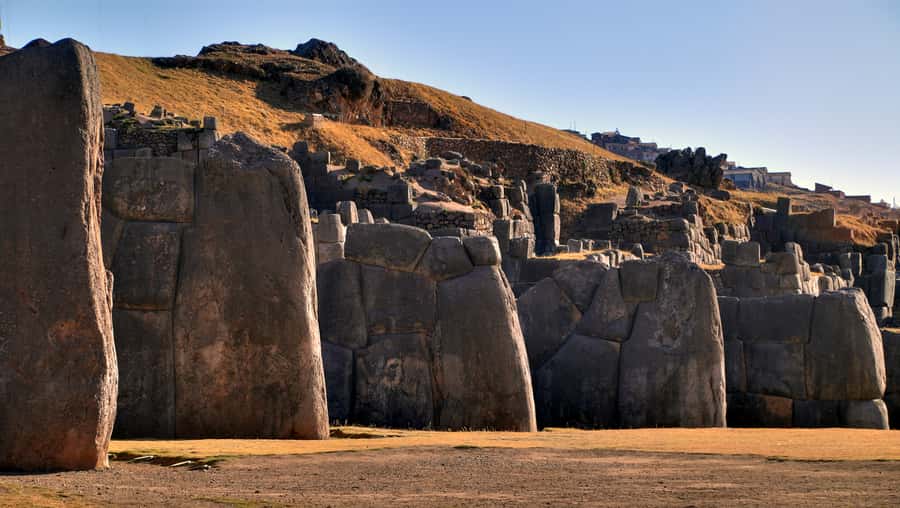
Qenqo is very different from Sacsayhuaman. It is not chiefly about giant walls. Its appeal comes from the unusual stone interior, zigzag forms, carved surfaces, and subterranean passages.
The name Qenqo means zigzag, which fits the site’s shape. The passages make the visit feel more enclosed and mysterious than the broad open spaces at Sacsayhuaman. The site is also linked with the possibility that the Incas mummified their dead there.
That explanation should be treated as part of the site’s interpretation rather than a certainty. A good guide can explain what is known and what remains uncertain, which makes the stop more interesting than a simple list of facts.
Qenqo is a place where lighting and time matter. If you arrive late in the day, the carved areas and passages may be harder to see. This is one reason the reported 45-minute shopping stop is not a minor issue. It can reduce the time available at the final ruins.
Tambomachay’s waterworks and Puka Pukara’s lookout
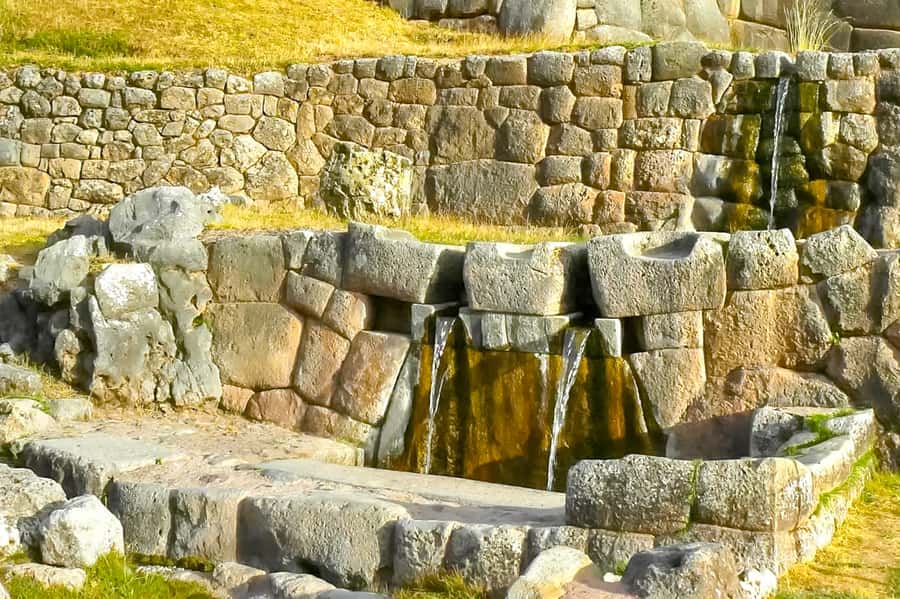
The route continues to Tambomachay, known for its Inca baths. This stop adds water and ritual architecture to the story. After the enormous defensive-looking walls at Sacsayhuaman and the carved interior at Qenqo, Tambomachay offers a more delicate type of stone construction.
The tour then visits Puka Pukara, described as a military lookout point. Its role helps you understand the wider network around Cusco. These sites were not isolated attractions. Together, they formed part of the approach to the Inca capital.
Both stops are brief parts of a busy circuit. I would not book this tour expecting a long, slow study of each complex. You are seeing four outer sites in one afternoon, so the value lies in the connections among them.
The order and daylight are important. A well-run tour lets you see the outer sites clearly before returning downtown. If the schedule slips, Tambomachay and Puka Pukara may feel more like quick photo stops than full visits.
The textile shop issue and how to handle it
The most consistent practical warning in the supplied feedback concerns a textile shop, especially one selling baby alpaca clothing, gloves, and similar goods. On some departures, the stop has lasted around 45 minutes and felt like a sales presentation.
That can be frustrating when you paid for archaeological sites. One report specifically noted that the final two locations were reached in twilight or darkness after the shopping stop. Another person found the shop useful for buying high-quality baby alpaca items and avoiding poor-quality street merchandise.
My advice is simple: ask before departure if a textile stop is planned, how long it will last, and whether you can skip it. If you want to shop for alpaca products, the stop may suit you. If your priority is ruins, request that the shopping visit come at the end, as one person suggested.
This is also a good reason to choose a small group or private option if the price difference is reasonable. A private departure may offer more control, though the supplied details do not promise that every private tour can remove the stop.
Guides, language, and group size
The guide can make or break this experience. Peto received especially warm praise for his clear explanations and strong interest in Cusco and Inca culture. That kind of energy is valuable during a route with several short stops because it helps tie the monuments together.
The tour operates in Spanish and English. Be careful with mixed-language groups. One English-speaking participant reported that the guide often spoke Spanish and did not always translate everything into English when most of the group was Spanish-speaking.
I would confirm the language at pickup and make sure the guide knows which language you need. If your understanding is limited, a private English-language option may be worth considering. The listed service does not guarantee a separate guide for every language in a mixed group.
A small group is generally a good fit for this route. It keeps the bus and explanations manageable, while still giving you the efficiency of shared transport. If you prefer complete control over stops and timing, choose the private option if available for your date.
What the $22 price really includes
At $22 per person, this is one of the less expensive ways to cover Cusco’s central sights and nearby ruins in one outing. You receive a professional guide and transportation, which are the two costs most likely to complicate an independent half-day visit.
You still need to budget for entrance fees. The amount is not provided here, so do not assume the $22 covers every admission. Ask what tickets are required and how payment works before you leave. Buying the entrance tickets at the sites was described as straightforward, but the tour price itself does not include them.
The value is strongest if you want orientation. In five hours, you get Coricancha, the Plaza de Armas and Cathedral, Sacsayhuaman, Qenqo, Tambomachay, and Puka Pukara. You trade independence and extended time at each site for simple transport and a guide who can explain the connections.
The value is weaker if you dislike group schedules or shopping stops. A taxi-based self-guided plan might give you more control, though you would need to arrange transport and learn the sites on your own.
Who should book this route?
I would recommend this tour to a first-time Cusco visitor who wants a quick introduction before spending more time at individual sites. It is also useful if you have only one free afternoon and want to see both the city center and the main nearby ruins.
History-minded visitors should enjoy the progression from Coricancha to the Cathedral, then from Sacsayhuaman to Qenqo, Tambomachay, and Puka Pukara. The route shows different types of Inca construction rather than repeating the same kind of ruin.
You should think twice if you need long visits, dislike commercial stops, or require perfectly consistent English interpretation. The non-refundable policy also matters. Once confirmed, tickets cannot be modified, exchanged, or refunded, so check your date, pickup details, and language before booking.
Pets are not allowed. The tour ends back in downtown Cusco after the outer sites, which is useful if you want to continue your evening in the center.
Should you book the Cusco City and Nearby Ruins tour?
Book it if you want a low-cost, guided overview with transport and you can accept a brisk schedule. The combination of Coricancha, the Cathedral, Sacsayhuaman, Qenqo, Tambomachay, and Puka Pukara gives you a strong first orientation to Cusco.
Before confirming, ask three things: Will the tour run in English, is there a textile shop stop, and how will entrance tickets be handled? If the answers suit you, $22 is good value for a five-hour route.
I would choose the small-group option for a balance of price and personal attention. Choose private if timing and language are your top concerns. Either way, protect the final ruins by asking that any shopping stop be placed at the end, not between the major archaeological sites.
FAQ
How long does the tour last?
The tour lasts five hours.
What time does the tour begin?
It begins in the early afternoon. Exact starting times depend on availability.
Where does pickup take place?
Pickup is provided at accommodations in downtown Cusco.
Which places are included?
The route includes Coricancha, the Plaza de Armas, the Cathedral of Cusco on the afternoon tour, Sacsayhuaman, Qenqo, Tambomachay, and Puka Pukara.
Are entrance fees included?
No. Entrance fees are not included in the tour price.
Is the tour available in English?
Yes. Live guiding is available in English and Spanish.
Is this a private tour?
Private and small-group options are available.
Can I cancel or change my booking?
The activity is non-refundable. Once confirmed, tickets cannot be modified, exchanged, or refunded.
Just added in Cusco
- Cusco Private Transportation for 2026★ 5.0 · 4 reviews
- Private Transfer from Airport to Hotel in the City of Cusco★ 4.0 · 5 reviews
- Best Cusco walking tour: dinner street food tasting★ 4.5 · 11 reviews
- Private Tour to Pisac Market and Pisac Ruins★ 5.0 · 4 reviews
- Machu Picchu Day Trip With Panoramic Train from Cusco★ 5.0 · 10 reviews
- Sacred Valley Private Tour from Cusco, Guide and Driver only★ 5.0 · 4 reviews
- Sacred Valley of the Incas Tour★ 5.0 · 12 reviews
- Private Tour of the Mountain of Colours by Quad★ 5.0 · 7 reviews
City Tours, compared.
Lima Half-Day City Walking Tour (Small Groups)
Read our review →
Half-Day City Tour with Sacsayhuaman and Q’enco
Read our review →
City Tour Panoramic Bus Departure From Larcomar
Read our review →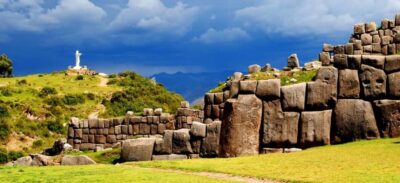
City Tour Cusco Qoricancha Sacsayhuaman y Tambomachay
Read our review →
Lima’s Vibrant Heritage: Exploring the City’s Landmarks Half-day
Read our review →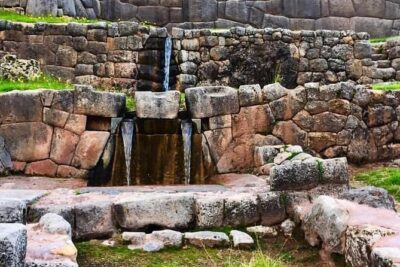
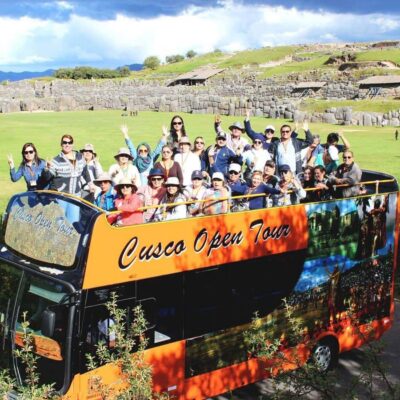
Sightseeing Tour of the City on an Open-Top Bus
Read our review →
Lima City, Central Market & Catacombs Tour (Pick-up & Drop Off)
Read our review →Browse the lists this tour appears in