
Reviewed · CITY TOURS
Cusco: Half-Day City Tour
Cusco reveals its layers quickly. This six-hour tour packs the city’s main sights into one useful introduction, moving from the Plaza de Armas and cathedral to Qoricancha, Sacsayhuaman, Qenqo, Puka Pukara, and Tambomachay. I like the bilingual guide, who explains the meeting of Inca culture and Catholicism in both English and Spanish, and I like the mix of city walking and out-of-town ruins. The main caution is time: one guest found the first stop rushed and felt an extra hour would have helped.
I also like the low $22 price, especially for transport and a professional guide. But the tour is not truly all-inclusive, since entrance fees add 130 soles for the cathedral, Qoricancha, and the archaeological sites outside Cusco. Plan for those costs before you book.
In This Review
- Key points at a glance
- Starting at Cusco’s Plaza de Armas
- Walking the Inca streets to Qoricancha
- Leaving the city for Sacsayhuaman
- Qenqo and its carved altars
- Puka Pukara and Tambomachay’s fountains
- What the guide adds to the day
- The real price: $22 plus 130 soles
- Six hours, walking, buses, and a firm pace
- Who will get the most from this tour?
- Should you book the Cusco city tour?
- FAQ
- How long is the Cusco city tour?
- What languages are available?
- Where is the meeting point?
- Is hotel pickup included?
- Are entrance fees included in the $22 price?
- What should I bring?
- Can I cancel for a full refund?
Key points at a glance
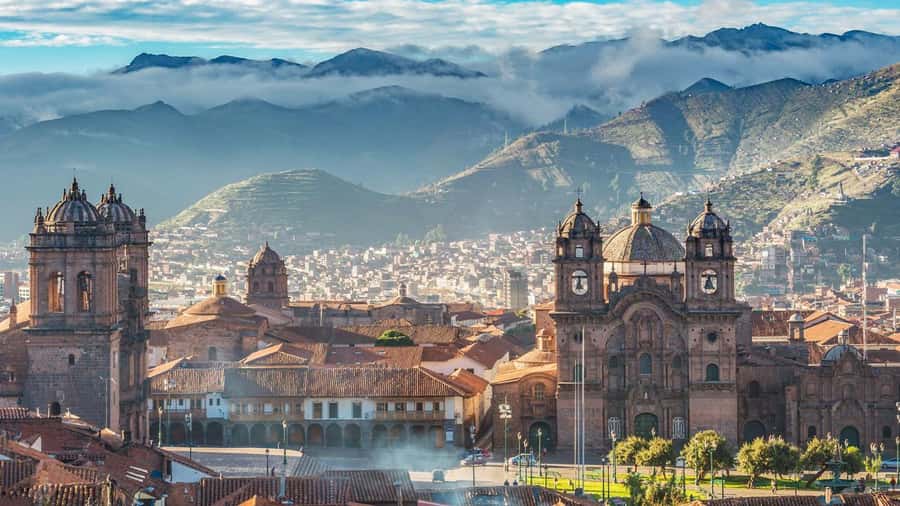
- Six major sights in six hours: You cover the Plaza de Armas, cathedral, Qoricancha, Sacsayhuaman, Qenqo, Puka Pukara, and Tambomachay.
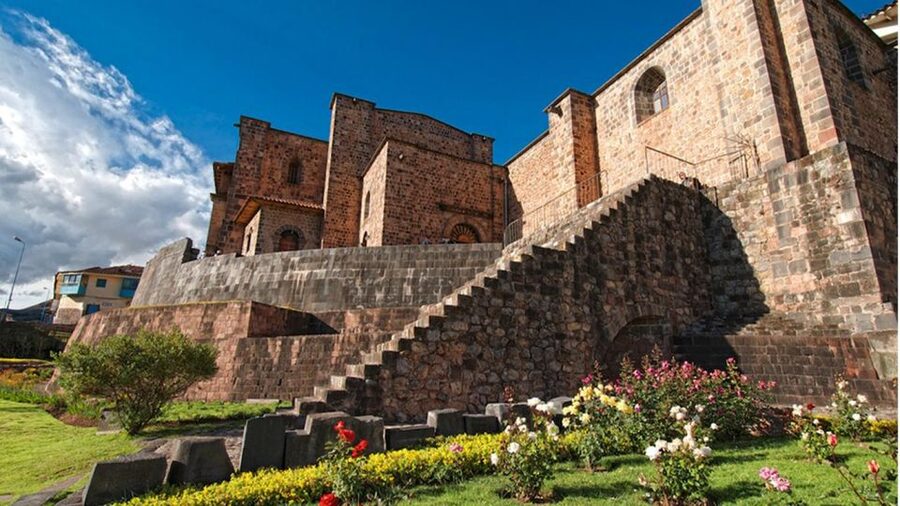
- A clear Inca and Catholic comparison: Qoricancha helps you see how Spanish religious buildings were placed beside, and in some cases over, Inca construction.
- The strongest site is outside the city: Sacsayhuaman gives you large stonework, open space, and time to explore beyond the guide’s explanation.
- Transport saves your legs: The tour combines walking through central Cusco with bus rides to the outer archaeological sites.
- A bilingual guide is included: English and Spanish guiding, plus an audio guide in both languages, are part of the experience.
- Budget carefully: The $22 tour fee does not include 130 soles in listed entrance charges.
Starting at Cusco’s Plaza de Armas
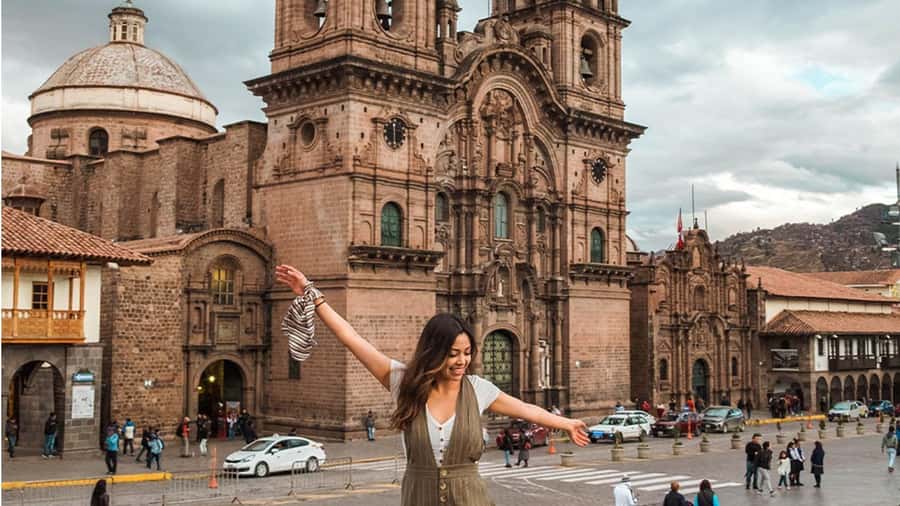
The tour begins at Cusco’s main square, with the meeting point near the monument to the Inca. Some bookings offer hotel pickup, but the stated meeting point is Plaza de Armas, so check your confirmation carefully before heading out.
This square is a good place to begin because Cusco’s past and present meet here. You will see the cathedral, local activity, and a steady flow of people moving through the city center. The tour gives you a short orientation before turning to the cathedral itself.
The cathedral entrance costs 40 soles and is not included in the tour price. That fee matters when you compare the advertised $22 with your actual spending. If you want to keep the cost low, you can still enjoy the square and the exterior setting, but the planned cathedral visit requires the separate ticket.
Inside, the guide explains the role of Catholicism in colonial Cusco. The most useful part of this stop is not simply seeing a church. It is understanding how Spanish religious power became part of a city already shaped by Inca beliefs, streets, and stonework.
The possible weakness is the pace. Six hours sounds generous until you count seven places, transportation, and multiple guided explanations. One person found the opening stop too rushed and suggested adding an hour. I would keep that in mind if you like to linger over paintings, altars, or architectural details.
More city tours in Peru:
- Lima Half-Day City Walking Tour (Small Groups)
★ 5.0 · 1,508 reviews - Cusco: Half-Day City Tour with Sacsayhuaman and Q’enco
★ 4.6 · 1,129 reviews - City Tour Panoramic Bus Departure From Larcomar
★ 4.5 · 733 reviews
Walking the Inca streets to Qoricancha
From the cathedral area, you continue on foot through old Inca streets toward Qoricancha, also spelled Coricancha. This is one of the most important parts of the route because you are not only looking at a ruin. You are walking through the city’s older structure.
The streets show the precision of Inca building methods. Stones were cut and fitted with great care, while later Spanish construction introduced different forms and materials. A good guide can make those contrasts easy to spot, and the bilingual explanations are especially useful if your group includes both English and Spanish speakers.
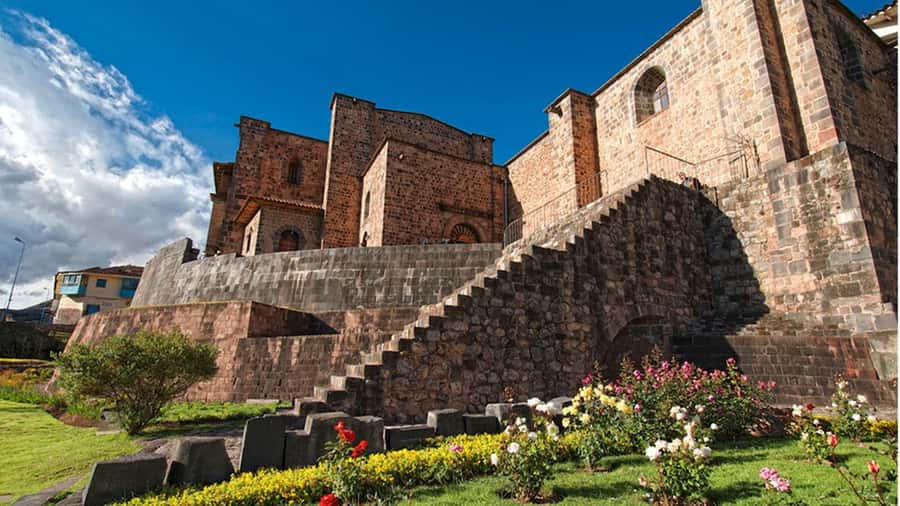
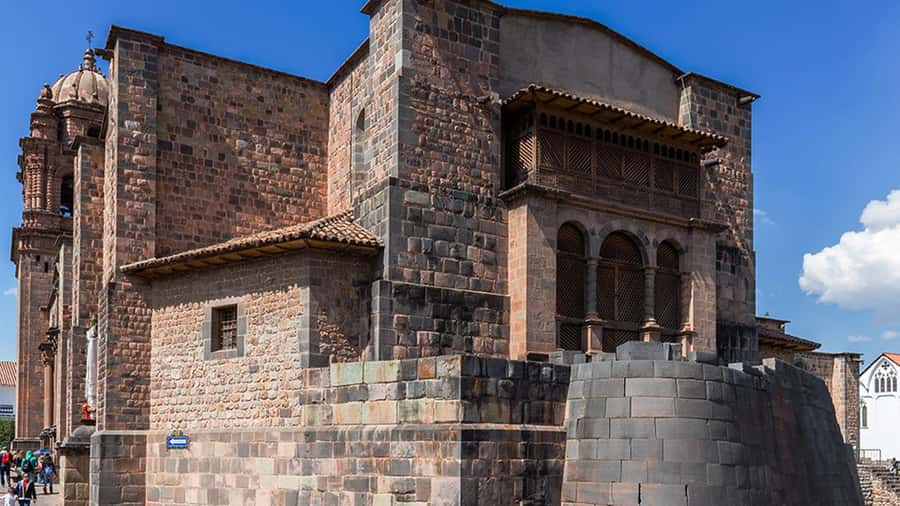
Qoricancha contains the Temple of the Sun, once a major sacred center. The site gives you a direct lesson in cultural collision. Inca religious traditions and Spanish Catholic power were placed side by side, creating one of Cusco’s most important architectural stories.
Admission costs 20 soles and must be paid separately. I consider it worthwhile for this particular tour because Qoricancha connects the central walking portion with the larger archaeological sites later in the day. Without it, the itinerary would be mostly a quick city orientation followed by ruins.
Still, this is another place where time can feel tight. You walk from the square, visit the site, and then continue down Avenida El Sol. If you enjoy reading every sign or taking many photographs, you may need to choose your priorities.
Leaving the city for Sacsayhuaman
After Qoricancha, the group walks along Avenida El Sol before boarding tourist transportation to Sacsayhuaman. This change of pace is welcome. The first part of the tour is urban and close-up, while Sacsayhuaman gives you open space and much larger Inca stonework.
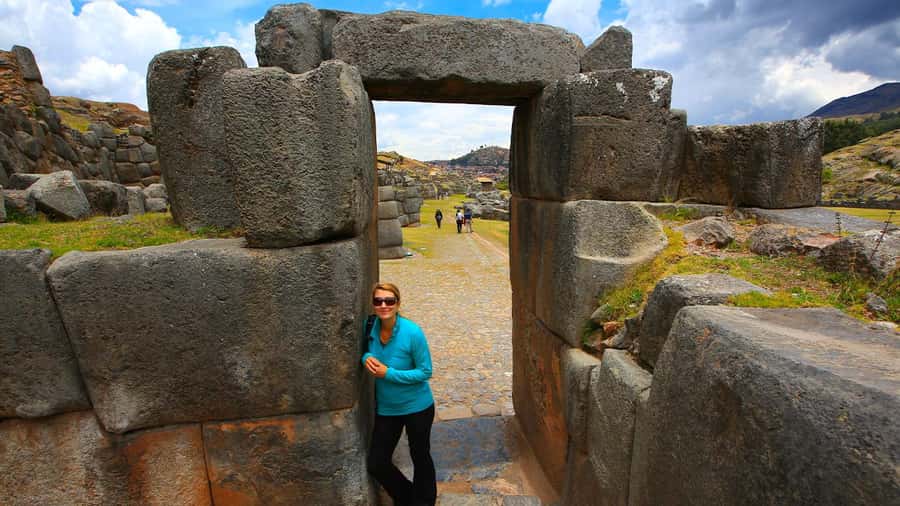
Sacsayhuaman is the likely high point for anyone interested in engineering. The site is known for its massive fitted stones, and the guided visit helps explain what you are seeing rather than leaving you to stare at walls without context. The guide leads the main visit, then gives you time to explore on your own.
That personal time is important. Guided explanations help you understand the site, but a few quiet minutes among the stones let you notice the scale for yourself. I would use this time for photographs, a slower look at the masonry, and any questions that came up during the explanation.
The archaeological sites outside Cusco require a separate tourist ticket listed at 70 soles. That ticket is a major extra cost, but it covers the group of outer sites included in the route. Add it to the 40 soles for the cathedral and 20 soles for Qoricancha, and your entry fees total 130 soles.
The bus ride makes Sacsayhuaman practical in a half-day format. Walking the full distance would take energy away from the sites. The included tourist transportation also gives you a chance to rest after the central-city section.
Qenqo and its carved altars
From Sacsayhuaman, the bus continues to Qenqo. This stop is smaller and more mysterious than Sacsayhuaman, with sacred altars that invite interpretation. The guide’s explanation is useful here because the remains may not immediately make sense if you are looking at them without context.
Qenqo works well as part of a sequence. Sacsayhuaman shows power and construction on a grand scale. Qenqo shifts toward ritual spaces and sacred features. You get a broader sense of how the surrounding area served different purposes in Inca times.
Do not expect a long, independent visit at every outer site. The schedule has to keep moving toward Puka Pukara and Tambomachay. If you prefer a slow archaeological day, a private visit with fewer stops would suit you better. If you want an efficient first look at the major sites, this format makes good use of limited time.
A completely different kind of day:
- Classic Inca Trail Trek 4D/3N to Machu Picchu (Group Service)
★ 5.0 · 8,653 reviews - Premium Paracas & Huacachina Day Trip from Lima with Sunset Toast
★ 5.0 · 7,380 reviews - Cusco: Rainbow Mountain and Red Valley Day Trip with Meals
★ 4.9 · 4,893 reviews - Machu Picchu: 4-Day Inca Trail Trek with Panoramic Train Ride
★ 5.0 · 4,568 reviews
Puka Pukara and Tambomachay’s fountains
The route also includes the small circular Puka Pukara. Compared with Sacsayhuaman, it is a brief stop, but it adds another piece to the area’s network of Inca sites. The tour gives you a chance to see it without arranging separate transport.
Tambomachay is described as the Temple of Water, with impressive fountains. This final archaeological stop changes the mood again. After the heavy stonework at Sacsayhuaman and the sacred altars at Qenqo, the fountains offer a more refined and flowing example of Inca design.
Water is central to the site, so look closely at the channels and fountain structures rather than rushing past them. The stop may appeal most to you if you enjoy seeing how the Incas worked with natural resources and made practical systems part of sacred places.
The listed route combines Qenqo, Puka Pukara, and Tambomachay in the outer-site portion. That makes the 70 soles archaeological ticket more useful, but it also means each stop receives only part of the available time. The tour is designed for range, not a leisurely study of one ruin.
What the guide adds to the day
The professional guide is central to the value of this tour. The most praised feature in the available feedback is the explanation of Cusco and the Inca sites, especially in both English and Spanish. One guide was described as happy to answer questions about the Inca and Cusco, which matters because many of the sites raise questions that a sign cannot answer.
The guide also helped a late-arriving participant catch up with the group. That suggests a helpful approach, though I would not treat it as a reason to arrive late. The tour has a packed schedule, and delays can reduce time at the sites for everyone.
An audio guide is included in English and Spanish. It is useful as a backup or for extra detail, but the live guide is likely to be the main source of interpretation during the moving parts of the tour. You should confirm how the audio guide is provided at the start, since the supplied details do not specify the device or format.
A bilingual tour can make explanations slightly longer, since key points may be repeated in two languages. That is a fair trade if you need English or Spanish support, but it may contribute to the feeling of a rushed first stop.
The real price: $22 plus 130 soles
At $22 per person, the base price is attractive. You receive tourist transportation and a professional bilingual guide for six hours, covering both the central city and the outer archaeological sites. Arranging all of that independently could require more planning, especially if you are unfamiliar with Cusco.
The entry charges change the calculation:
- Cathedral: 40 soles
- Qoricancha: 20 soles
- Archaeological sites outside Cusco: 70 soles
- Total listed entrance fees: 130 soles
Bring cash, as specifically advised. The tour price does not include food, drinks, or personal purchases after the tour. It ends in Cusco’s main square, where you can continue independently, eat street food, shop, or bargain.
I see this as a good-value orientation tour rather than a rock-bottom sightseeing deal. You pay for a clear route, transport, and live interpretation. The value is strongest if you want to cover many major places in one day and do not want to arrange taxis or research the order yourself.
Six hours, walking, buses, and a firm pace
The stated duration is six hours, with starting times dependent on availability. The itinerary includes walking in central Cusco, a bus ride to Sacsayhuaman, guided visits, independent exploration, and more bus travel among the outer sites.
Wear comfortable shoes and carry water, although the supplied information only specifically requires a passport or ID card and cash. The walking is not presented as a long hike, but old streets and archaeological grounds are easier to handle with practical footwear.
You should also keep your schedule clear around the six-hour window. The tour finishes at the main square, not necessarily back at your hotel. That ending is convenient if you want to remain in central Cusco, but you need to plan your own return or next activity.
The free cancellation policy allows a full refund when you cancel at least 24 hours in advance. You can also reserve now and pay later, which helps if your Cusco plans are still shifting. These terms are useful, but the main practical matter remains the meeting point and the separate entrance fees.
Who will get the most from this tour?
I would choose this tour for a first visit to Cusco when I want a strong overview before deciding where to spend more time. It suits you if you like having a guide explain the major sites, prefer included transport, and want a mix of churches, city streets, temples, and ruins.
It also suits English or Spanish speakers who appreciate live explanations in their own language. The guide’s willingness to answer questions is a real advantage for anyone who wants more than a list of dates and names.
I would be cautious if you dislike group schedules or want a slow visit. The route covers a lot, and the first stop may feel hurried. A private tour or a self-guided day would give you more control, but it would not offer the same simple all-in-one route at this base price.
Families and older visitors should consider the amount of walking and the time spent moving between sites, though no specific accessibility details are provided. The bus transportation reduces the distance between the city and the outer ruins, but it does not turn the archaeological visits into a step-free experience.
Should you book the Cusco city tour?
Book it if you want a practical first look at Cusco’s main sights, especially Sacsayhuaman and Qoricancha, with bilingual guiding and transport handled for you. At $22, the base fee is fair, as long as you budget another 130 soles for the listed entrance charges.
Skip it if you want long, quiet visits or already know Cusco well. The route is packed, and the pace can be brisk. For most first-time visitors with only one free day for an overview, though, this is a sensible way to connect the city’s Spanish cathedral, Inca streets, Temple of the Sun, and nearby sacred sites in one well-organized outing.
FAQ
How long is the Cusco city tour?
The tour lasts six hours. Starting times depend on availability.
What languages are available?
The live tour guide speaks English and Spanish. An audio guide is also included in English and Spanish.
Where is the meeting point?
The meeting point is in Plaza de Armas, near the monument to the Inca. Hotel pickup may be available if you select that option when booking.
Is hotel pickup included?
Hotel pickup is available for those who choose that option at the time of booking. The stated meeting point for the activity is Plaza de Armas.
Are entrance fees included in the $22 price?
No. The cathedral costs 40 soles, Qoricancha costs 20 soles, and the tourist ticket for the archaeological sites outside Cusco costs 70 soles.
What should I bring?
Bring your passport or ID card and cash. Cash is needed for the separate entrance charges and personal purchases.
Can I cancel for a full refund?
Yes. You can cancel up to 24 hours in advance for a full refund. The reserve-now-and-pay-later option is also available.
Just added in Peru
- Cusco Private Transportation for 2026★ 5.0 · 4 reviews
- Private Transfer from Airport to Hotel in the City of Cusco★ 4.0 · 5 reviews
- Best Cusco walking tour: dinner street food tasting★ 4.5 · 11 reviews
- Private Tour to Pisac Market and Pisac Ruins★ 5.0 · 4 reviews
- Machu Picchu Day Trip With Panoramic Train from Cusco★ 5.0 · 10 reviews
- Sacred Valley Private Tour from Cusco, Guide and Driver only★ 5.0 · 4 reviews
- Sacred Valley of the Incas Tour★ 5.0 · 12 reviews
- Private Tour of the Mountain of Colours by Quad★ 5.0 · 7 reviews
City Tours, compared.
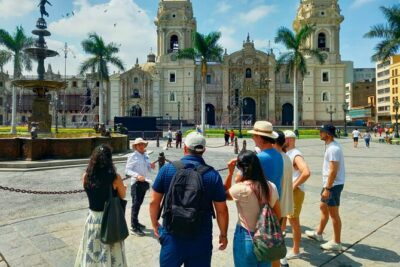
Lima Half-Day City Walking Tour (Small Groups)
Read our review →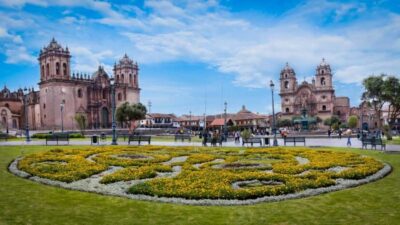
Half-Day City Tour with Sacsayhuaman and Q’enco
Read our review →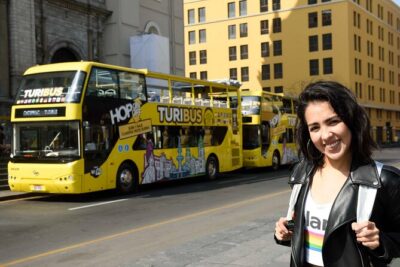
City Tour Panoramic Bus Departure From Larcomar
Read our review →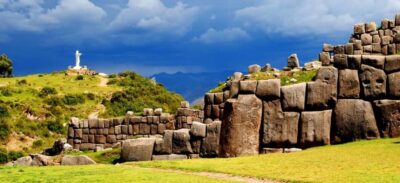
City Tour Cusco Qoricancha Sacsayhuaman y Tambomachay
Read our review →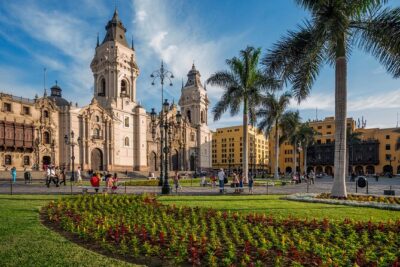
Lima’s Vibrant Heritage: Exploring the City’s Landmarks Half-day
Read our review →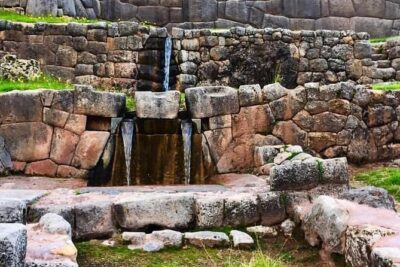
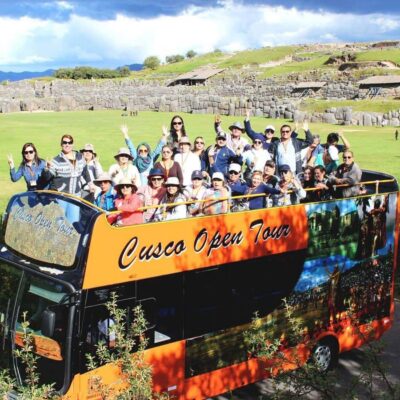
Sightseeing Tour of the City on an Open-Top Bus
Read our review →
Lima City, Central Market & Catacombs Tour (Pick-up & Drop Off)
Read our review →Browse the lists this tour appears in