
Reviewed · CITY TOURS
Cusco Half Day City Tour: Four Ruins
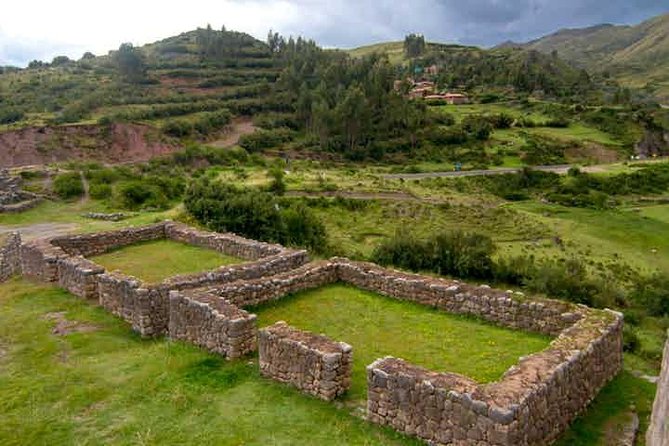
Cusco’s stonework gets bigger fast. This six-hour outing takes you from the huge zigzags of Sacsayhuaman to the spring-fed terraces of Tambomachay, with two smaller Inca sites between them. I like the small-group limit of 15 and the way one morning covers four important archaeological places without requiring you to arrange transport.
I also like the bilingual guides, especially the clear, considerate approach praised by guests who toured with Edith and Freddy. The main concern is time at each ruin: some visits may feel rushed, and one booking ran only about four hours after a late pickup.
In This Review
- Four details that shape the experience
- Why this half-day tour works in Cusco
- Sacsayhuaman: Cusco’s great stone puzzle
- Qenqo: A carved monolith with no easy answers
- Puca Pucara: The red fort beside the old road
- Tambomachay: Water, terraces, and a quieter ending
- Transport, group size, and the real pace
- Altitude and walking advice for this route
- Is $45 a fair price?
- Who should book this four-ruin route?
- Final verdict: a strong introduction with a few conditions
- FAQ
- How long does the Cusco Four Ruins tour last?
- Which archaeological sites are included?
- Is transportation included?
- Is a guide included?
- What is the maximum group size?
- Are entrance tickets included in the $45 price?
- Where does the tour start and end?
Four details that shape the experience
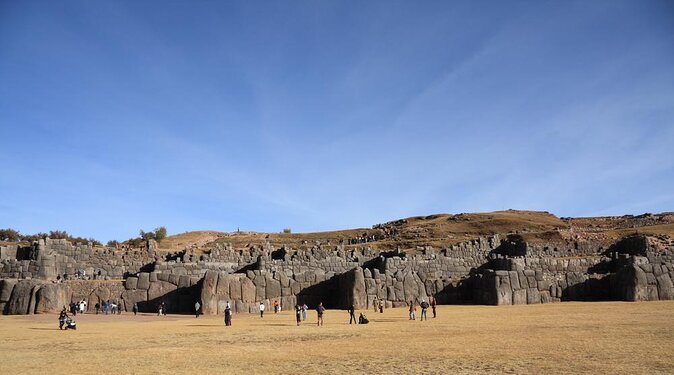
- Sacsayhuaman’s giant stones can weigh up to 90 to 125 tons, making it the visual high point of the morning.
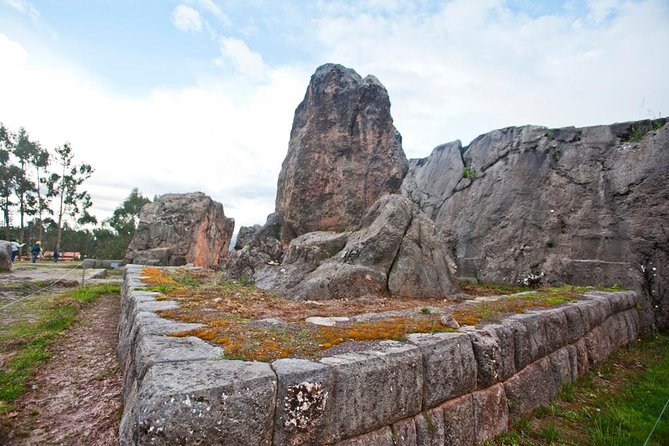
- Qenqo remains mysterious, with a carved rock channel whose original use is still uncertain.
- Puca Pucara once worked as a stopping place, possibly serving soldiers and an Inca entourage near Tambomachay.
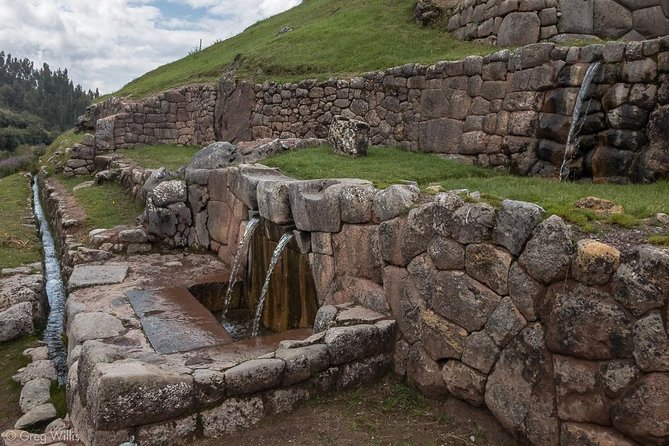
- Tambomachay’s water still flows through canals, aqueducts, and small waterfalls built into its terraces.
- The $45 price excludes admission, with site tickets listed at PEN70 per person and a separate Qorikancha charge of PEN20.
- Altitude matters, since the ruins sit above Cusco and include uphill walking and stairs.
Why this half-day tour works in Cusco
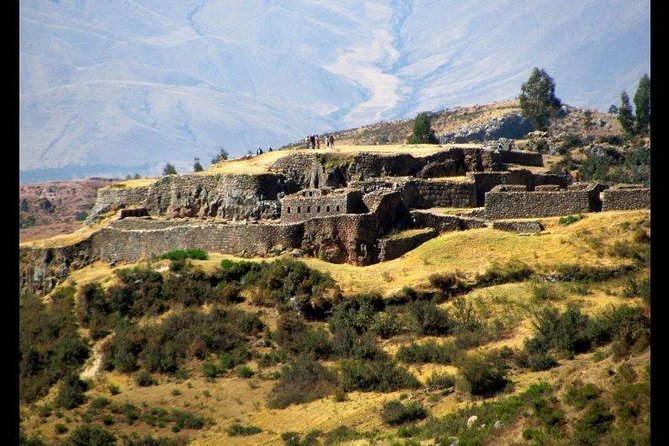
Cusco is full of Inca remains, but the four ruins north of the city are spread across the hills. You can hire transport and visit them on your own, yet a guide adds the missing layer: what each place may have meant, how the sites connect, and why the stonework differs from one stop to the next.
For $45, you receive transport and an English and Spanish-speaking guide. The group limit is 15, which should keep the outing more manageable than a large coach trip. The tour begins at 10:00 am at Heidi Travel EIRL, on Plateros 324, and returns there at the end.
The advertised duration is about six hours, with roughly one hour at Sacsayhuaman, one hour at Qenqo, one hour at Puca Pucara, and 45 minutes at Tambomachay. In real use, the schedule can vary. A late pickup of 35 minutes caused one outing to run short, while another felt well timed. I would treat six hours as an approximate window, not a guarantee.
You should also budget for admission. The price does not include the site entrance fee of PEN70 per person. A PEN20 entrance fee for Qorikancha is also listed, although Qorikancha is not one of the four main ruins described here. Ask exactly which tickets you need before departure. One guest specifically wished the entrance costs had been explained before booking.
More city tours in Cusco:
- Cusco: Half-Day City Tour with Sacsayhuaman and Q’enco
★ 4.6 · 1,129 reviews - City Tour Cusco Qoricancha Sacsayhuaman y Tambomachay
★ 4.7 · 617 reviews - Cusco City Tour Four Ruins in Half-Day
★ 5.0 · 530 reviews
Sacsayhuaman: Cusco’s great stone puzzle
Sacsayhuaman is the reason many people choose this tour. Its Quechua name means place where the hawk is satiated, a fitting name for a site with wide views over Cusco and the surrounding peaks. The complex has often been called a fortress because of its military appearance, though it may also have served as a ceremonial center.
The zigzag walls do most of the talking. Some stones reach about 5 meters high and 2.5 meters wide, with estimated weights between 90 and 125 tons. The stones fit together with remarkable precision, and the long, polished wall on the south side stretches for about 400 meters.
Your guide can help you read the site beyond its dramatic scale. Sacsayhuaman included buildings, towers, shrines, storehouses, roads, and water channels. It was not simply a military wall on a hill. Its planning, stonework, and setting connect it to other sacred Inca places, including Machu Picchu.
The views are another major reward. From here, you can see Cusco and, in clear conditions, the summits of Ausangate, Pachatusan, and Cinca. These mountains held sacred meaning for the Incas, so your guide’s explanation can turn a scenic pause into a lesson about geography and belief.
The drawback is pace. One hour sounds generous, but the site is large and the ground rises and falls. You may spend much of the visit walking between the major walls, listening to the guide, and taking photographs. If Sacsayhuaman is your top priority, stay close to the guide and save your questions for this stop.
Qenqo: A carved monolith with no easy answers
Qenqo offers a different kind of interest. Instead of massive freestanding walls, you find a ceremonial place carved into a huge natural rock. The name means labyrinth or zigzag, referring to a crooked channel cut into the stone.
The channel clearly carried some liquid, but its purpose is not known. It may have held holy water, chicha, or blood. These possibilities suggest ceremonies linked to death, sacrifice, purification, or judging a person’s conduct. Your guide should explain these ideas as theories rather than settled facts.
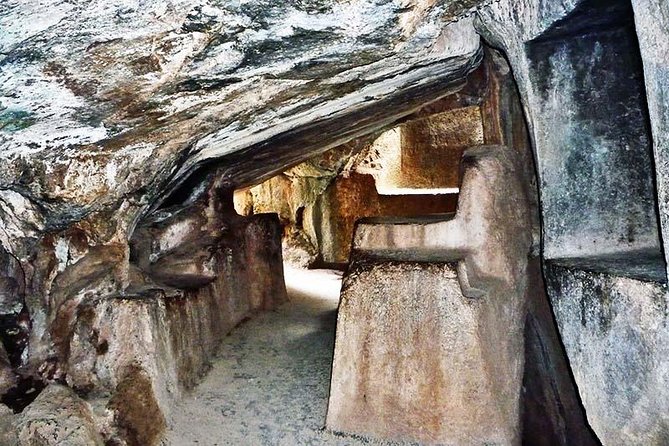
That uncertainty is part of Qenqo’s appeal. The Spanish conquest destroyed much of the Inca religious system, and later generations had to interpret places whose original meanings were no longer recorded clearly. At Qenqo, natural chambers and man-made passages work together, creating a site that feels more enclosed and puzzling than Sacsayhuaman.
One chamber includes 19 small niches and an amphitheater-like area. It may have been used for ceremonies honoring the sun, moon, and stars. Some interpretations connect it with sacrifice, but you should expect informed possibilities rather than a tidy answer.
Allow about an hour here. The site is smaller than Sacsayhuaman, but there is still enough detail to miss if you rush. If your guide is strong, this may be the stop where questions and careful explanation matter most. If your guide gives only a quick talk and moves on, Qenqo can feel brief.
Puca Pucara: The red fort beside the old road
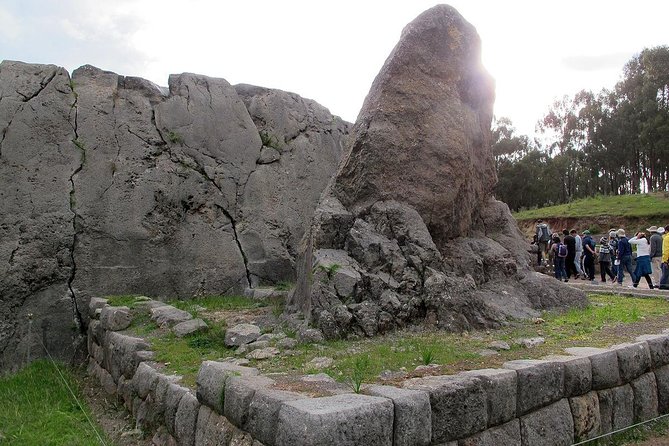
Puca Pucara means red fort, a name linked to the reddish earth and the site’s position. The name came into use in the twentieth century, so it is not necessarily the original Inca name. The ruins are built from small and medium stones with a rougher surface than the carefully fitted masonry at Sacsayhuaman.
The site has three levels formed by three irregular walls. You can see inner courtyards, channels, aqueducts, baths, rooms, platforms, and part of an ancient road associated with the Qhapaq Ñan, the Inca road network. The layout follows the shape of the hill and avoids cutting through exposed rock.
That practical design gives Puca Pucara its character. It does not offer the same monumental shock as Sacsayhuaman, but it helps you see how the Inca built useful infrastructure into difficult terrain. Some rooms are rectangular, while others have trapezoidal floors, a familiar feature of Inca architecture.
Historical accounts suggest that Puca Pucara may have served as a barracks and tambo, or roadside lodging place. When the Inca ruler visited the baths at Tambomachay, soldiers, dancers, and other members of the entourage may have waited here. There are also stories of a possible tunnel linking Puca Pucara with Tambomachay, though that should be treated as a rumor, not a confirmed feature.
The scheduled hour gives you time to examine the walls and hear the explanation. Still, the site can seem less impressive if you expect another Sacsayhuaman. I see it as a useful middle stop, one that explains movement, lodging, and road travel within the Inca world.
More things to do in Cusco:
- Classic Inca Trail Trek 4D/3N to Machu Picchu (Group Service)
★ 5.0 · 8,653 reviews - Cusco: Rainbow Mountain and Red Valley Day Trip with Meals
★ 4.9 · 4,893 reviews - Machu Picchu: 4-Day Inca Trail Trek with Panoramic Train Ride
★ 5.0 · 4,568 reviews - Salkantay Classic Trek 5 Days from Cusco
★ 5.0 · 4,062 reviews
Tambomachay: Water, terraces, and a quieter ending
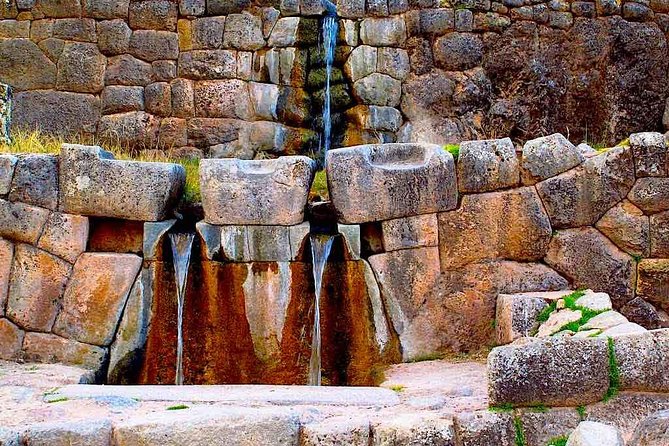
Tambomachay is the most peaceful stop. It sits about four miles north of Cusco at roughly 12,150 feet, or 3,700 meters, above sea level. The site is built around a natural spring that feeds small aqueducts, canals, and waterfalls.
Three stepped terraces show the Inca preference for precise stonework and carefully controlled water. Trapezoidal niches appear in some retaining walls, adding both structure and visual order. The water continues to flow through the site, which makes Tambomachay feel more immediate than a ruin made only of dry stone.
The name El Baño del Inca, or Bath of the Inca, comes from the long-held idea that this was a spa for the ruler and perhaps members of the nobility. It may have been a ceremonial site, a military post, or a combination of functions. The spring, secluded setting, and controlled channels support the bathing theory, but the full purpose remains uncertain.
You get about 45 minutes here. That is enough to see the terraces, follow the water, and listen to the guide, though not enough for a long, slow visit. Because this is the highest stop and includes walking near 3,700 meters, the final section can feel harder than its short duration suggests.
Transport, group size, and the real pace
Transport is included, and the vehicle was described as comfortable in one account. The group may include up to 15 people, with every seat filled on at least one outing. That is not a private tour, but it is still a smaller format than a large sightseeing bus.
The short drives between the plaza and the ruins help. You spend the morning visiting sites rather than sitting on the road. Still, pickup organization can affect the whole day. A 35 to 40 minute wait at the start left one group confused about whether it had been moved into another tour. Communication was also difficult at first because of language issues.
The guide made a big difference. Freddy kept the English communication clear and offered useful suggestions for other things to see in Cusco. Edith was praised for giving detailed explanations in both English and Spanish while also adjusting the pace for people who found the stairs difficult. Those are meaningful strengths for a history tour, since the quality of the explanation shapes how much you take away from each ruin.
There may also be an additional stop at an alpaca wool shop, where different fibers and materials are explained. This was a pleasant surprise for one family, but it was not part of the stated four-ruin itinerary. If you want every minute at the ruins, ask whether such a stop is planned.
Altitude and walking advice for this route
You should take the altitude seriously. Cusco is already high, and Tambomachay reaches about 3,700 meters. The tour includes uphill walking, steps, and uneven archaeological ground.
Most people can participate, but being able to walk does not mean the altitude will feel easy. One guest found the walking manageable but still felt breathless without time to adjust. The guide did not pressure anyone to hurry or climb stairs, which is exactly the right approach.
Wear shoes with a firm grip, carry water, and keep your pace steady. You do not need to race from one wall to the next. Stay near the guide during explanations, but take a slower position if your breathing becomes difficult.
The tour is a good first look at Cusco’s Inca sites, especially if you want transport and historical context. It is less suitable if you need long stretches of independent exploration or if you want to photograph each ruin without a schedule.
Is $45 a fair price?
At $45 per person, this is a reasonable package if you value transport and a bilingual guide. Arranging separate rides to four sites can take time and create uncertainty, while this outing links them into one route. A group cap of 15 also adds value, even if the vehicle may be full.
The price is not the complete cost. Add PEN70 per person for the archaeological sites. The separate PEN20 Qorikancha fee is also listed, so confirm whether that applies to your booking. The key point is simple: ask for the full entrance total before you pay.
The strongest value comes from the guide. A good explanation gives Qenqo’s strange channels and Tambomachay’s water a purpose and context, while a weak one leaves you looking at stones without much understanding. The experience received a 4.8 rating from 30 ratings, with 97 percent recommending it, but the mixed timing and pickup reports show why expectations matter.
Who should book this four-ruin route?
I would choose this tour if you have one morning for the hills north of Cusco and want the basic Inca circuit handled for you. It suits families, couples, solo visitors, and anyone who prefers a guide to explain the sites in English or Spanish.
Families may appreciate the flexible pace, especially if someone struggles with stairs. Couples and solo visitors gain the convenience of shared transport without paying for a private vehicle. If you are beginning a longer Peru trip, this route also gives you useful context before a visit to Machu Picchu.
I would hesitate if your main goal is quiet photography or detailed archaeology. The schedule can be tight, and the tour may finish earlier than advertised if pickup or group changes cause delays. I would also avoid booking it as your first high-altitude activity if you are feeling unwell in Cusco.
Booking at least 18 days ahead is sensible, since that is the average advance booking pattern. Free cancellation is available up to 24 hours before the 10:00 am start. Changes or cancellations inside that window are not accepted for a refund.
Final verdict: a strong introduction with a few conditions
This is a useful, fairly priced introduction to four very different Inca sites. I especially like the contrast between Sacsayhuaman’s giant walls, Qenqo’s unresolved ceremonial spaces, Puca Pucara’s road-side function, and Tambomachay’s living water.
Book it if you want efficient transport, a small group, and a guide who can make the ruins understandable. Before booking, confirm the entrance fees, pickup plan, final timing, and language of your guide. If you do that, the tour offers a good first morning in Cusco, with enough variety to keep the stonework from becoming one long blur.
FAQ
How long does the Cusco Four Ruins tour last?
The tour is advertised as approximately six hours, beginning at 10:00 am and returning to the meeting point. Actual timing can vary, and one outing lasted about four hours because of a late pickup.
Which archaeological sites are included?
The route includes Sacsayhuaman, Qenqo, Puca Pucara, and Tambomachay.
Is transportation included?
Yes. Transport from the meeting point and back is included in the tour price.
Is a guide included?
Yes. An English and Spanish-speaking guide is included.
What is the maximum group size?
The tour accepts a maximum of 15 people.
Are entrance tickets included in the $45 price?
No. Entrance to the sites costs PEN70 per person. A separate PEN20 entrance fee for Qorikancha is also listed, so confirm the exact tickets needed for your booking.
Where does the tour start and end?
It starts at Heidi Travel EIRL, Plateros 324, Cusco 08000, Peru, at 10:00 am. The activity ends back at the same meeting point.
Just added in Cusco
- Cusco Private Transportation for 2026★ 5.0 · 4 reviews
- Private Transfer from Airport to Hotel in the City of Cusco★ 4.0 · 5 reviews
- Best Cusco walking tour: dinner street food tasting★ 4.5 · 11 reviews
- Private Tour to Pisac Market and Pisac Ruins★ 5.0 · 4 reviews
- Machu Picchu Day Trip With Panoramic Train from Cusco★ 5.0 · 10 reviews
- Sacred Valley Private Tour from Cusco, Guide and Driver only★ 5.0 · 4 reviews
- Sacred Valley of the Incas Tour★ 5.0 · 12 reviews
- Private Tour of the Mountain of Colours by Quad★ 5.0 · 7 reviews
City Tours, compared.
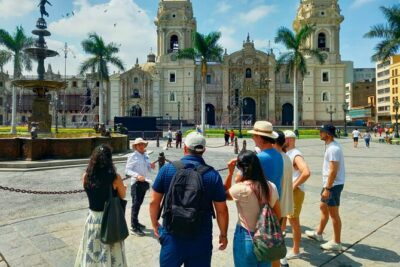
Lima Half-Day City Walking Tour (Small Groups)
Read our review →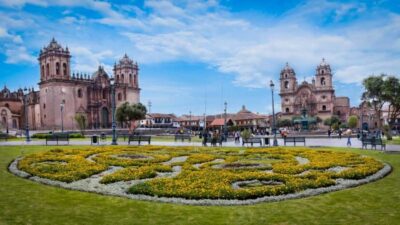
Half-Day City Tour with Sacsayhuaman and Q’enco
Read our review →
City Tour Panoramic Bus Departure From Larcomar
Read our review →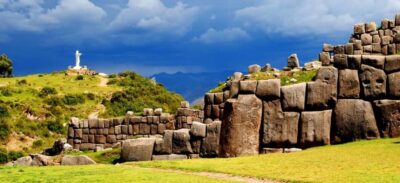
City Tour Cusco Qoricancha Sacsayhuaman y Tambomachay
Read our review →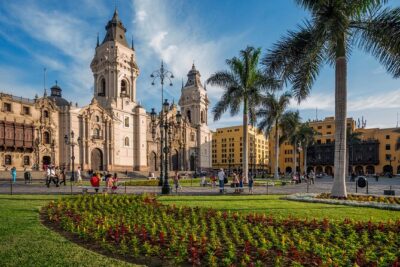
Lima’s Vibrant Heritage: Exploring the City’s Landmarks Half-day
Read our review →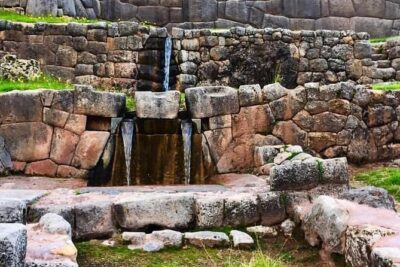
Sightseeing Tour of the City on an Open-Top Bus
Read our review →
Lima City, Central Market & Catacombs Tour (Pick-up & Drop Off)
Read our review →Browse the lists this tour appears in