
Reviewed · CITY TOURS
Cusco: Half-Day City Tour
Cusco reveals itself in layers. This six-hour tour is a smart way to see the city’s main Inca sites when your time is tight. I like the mix of dramatic stonework and smaller ceremonial places, and I like that hotel pickup, transport, and a bilingual guide are included for only $17. The main catch is that entrance fees cost extra, and some departures may include a textile shop stop that feels out of place if you are not shopping.
The tour works best as an orientation to Cusco rather than a slow, detailed study of every site. Guides such as Clara, Silvia, Janet, Wally, and José have earned especially warm praise for their energy, patience, and storytelling. You should also know that the morning version visits only the four archaeological sites outside the city, while the afternoon departure adds Coricancha and the cathedral.
In This Review
- Key points to know before booking
- What this six-hour Cusco tour actually covers
- Qenko: a ceremonial center shaped by rock
- Puca Pucara and the practical side of the empire
- Tambomachay and the Inca focus on water
- Sacsayhuaman: the tour’s great stone spectacle
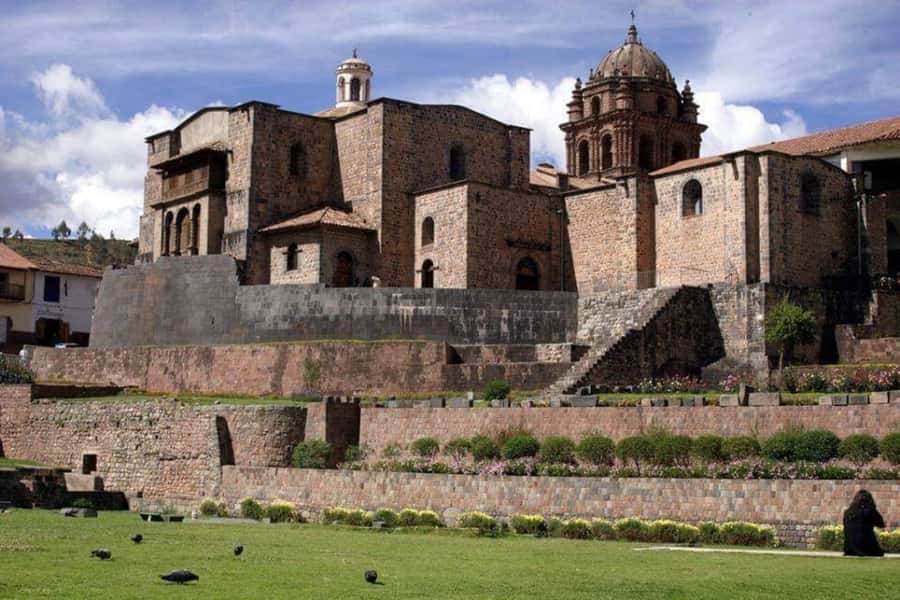
- Coricancha: where Inca precision meets Spanish Cusco
- Cusco Cathedral and the final walk to Plaza Mayor
- The price is low, but budget for the tickets
- Guides can shape the whole experience
- Small drawbacks to keep in mind
- Who should choose this Cusco tour?
- Should you book the Cusco Half-Day City Tour?
- FAQ
- How long does the Cusco city tour last?
- Where does pickup take place?
- Which languages are available?
- Which sites are visited on the morning tour?
- Are the entrance fees included?
- What should I bring?
- Can I bring luggage or a pet?
- Can I cancel the booking?
Key points to know before booking
- Four major Inca sites outside Cusco: See Qenqo, Puca Pucara, Tambomachay, and Sacsayhuaman in one organized outing.
- Afternoon departures add two city landmarks: The cathedral and Coricancha are included only with afternoon tours.
- $17 is a low starting price: Transport and a bilingual guide are included, but site tickets are separate.
- Guides are a major strength: Clara, Silvia, Janet, Wally, and José are praised for clear explanations and lively stories.
- Expect a full six hours: Each main stop is planned for about 40 minutes, with one hour at Coricancha.
- Bring gear for Cusco weather: Wear sturdy shoes, use sunscreen, carry water, and pack a waterproof jacket.
What this six-hour Cusco tour actually covers
The day begins with pickup from a hotel in Cusco’s historic center. If your lodging cannot be reached by vehicle, or if you are staying in private accommodation, you receive a nearby meeting point instead.
The listed route includes about 40 minutes of transport at the start, followed by guided visits at Qenko, Puca Pucara, Tambomachay, and Sacsayhuaman. The city portion adds one hour at Coricancha and about 40 minutes at the cathedral, ending at Plaza Mayor del Cusco.
That is a lot for six hours. I would think of the outing as a broad first look, with enough time to understand why each site matters but not enough time to inspect every wall or wander without a clock. This is useful early in a Cusco stay. You get the basic map in your head, then you can decide which places deserve a return visit.
The transport matters more than it may seem. The outer sites are spread beyond central Cusco, and visiting them independently means arranging several rides or working out a route on your own. Here, the vehicle connects the stops while the guide supplies the thread between them.
More city tours in Cusco:
- Cusco: Half-Day City Tour with Sacsayhuaman and Q’enco
★ 4.6 · 1,129 reviews - City Tour Cusco Qoricancha Sacsayhuaman y Tambomachay
★ 4.7 · 617 reviews - Cusco City Tour Four Ruins in Half-Day
★ 5.0 · 530 reviews
Qenko: a ceremonial center shaped by rock
Qenko, also written Q’enco or Qenqo, begins the archaeological circuit. The site uses a natural rock formation as part of a ceremonial center. Rather than looking for a huge fortress, you are looking at how the Incas worked with an existing outcrop and gave it religious purpose.
A guide is useful here because the remains can appear cryptic at first. The carved rock, channels, and ceremonial spaces do not announce their function in the way a restored building might. This is one of the places where a good explanation turns a short stop into a meaningful one.
The planned visit lasts about 40 minutes. That is enough for an introduction and basic orientation, though you should not expect a long archaeological study. Wear shoes with a firm sole, since the route involves ancient stone surfaces and outdoor paths.
Puca Pucara and the practical side of the empire
Puca Pucara is often described as a military site, and its remains include guard posts, staircases, streets, houses, and courtyards. The name is commonly translated as Red Fortress, though the value of the stop is not limited to military ruins.
This is where you can picture the practical network around Cusco. The site shows that Inca construction was not only about temples and royal spaces. Roads, checkpoints, housing, and courtyards supported movement and control across the region.
The 40-minute guided visit keeps the stop focused. I like that this tour does not spend all its time at only the most famous monument. Puca Pucara adds a different piece of the puzzle, though the remains are less visually grand than Sacsayhuaman. If you prefer a slow pace and lots of photographs, the schedule may feel brisk.
Tambomachay and the Inca focus on water
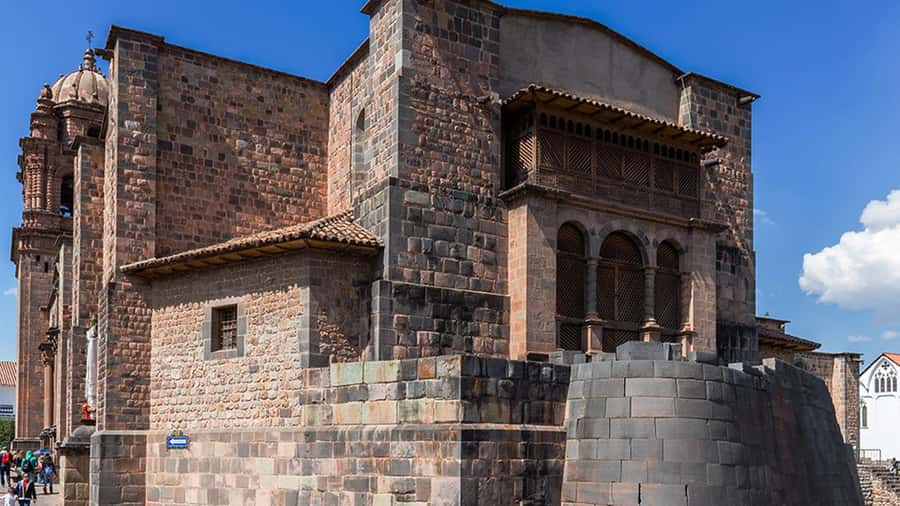
Tambomachay sits about nine kilometers from Cusco and is known as the baths of the Incas. Its water source and carefully built channels give the place a calm, precise character.
The site may also have served as a temple devoted to water and purification. That uncertainty is worth keeping in mind. A strong guide should explain the possible meanings without pretending that every question has a final answer.
Tambomachay is a good contrast with Puca Pucara. One site reflects protection and administration, while the other points toward water, ritual, and purification. The planned 40-minute stop gives you time to hear the explanation and see the stonework, but not much room to linger alone.
Bring water for yourself, even though you are visiting a water site. Cusco’s high altitude, strong sun, and dry air can make a short outdoor walk feel harder than expected. Long pants, a hat, and sunscreen rated SPF 30 or higher are sensible choices.
More things to do in Cusco:
- Classic Inca Trail Trek 4D/3N to Machu Picchu (Group Service)
★ 5.0 · 8,653 reviews - Cusco: Rainbow Mountain and Red Valley Day Trip with Meals
★ 4.9 · 4,893 reviews - Machu Picchu: 4-Day Inca Trail Trek with Panoramic Train Ride
★ 5.0 · 4,568 reviews - Salkantay Classic Trek 5 Days from Cusco
★ 5.0 · 4,062 reviews
Sacsayhuaman: the tour’s great stone spectacle
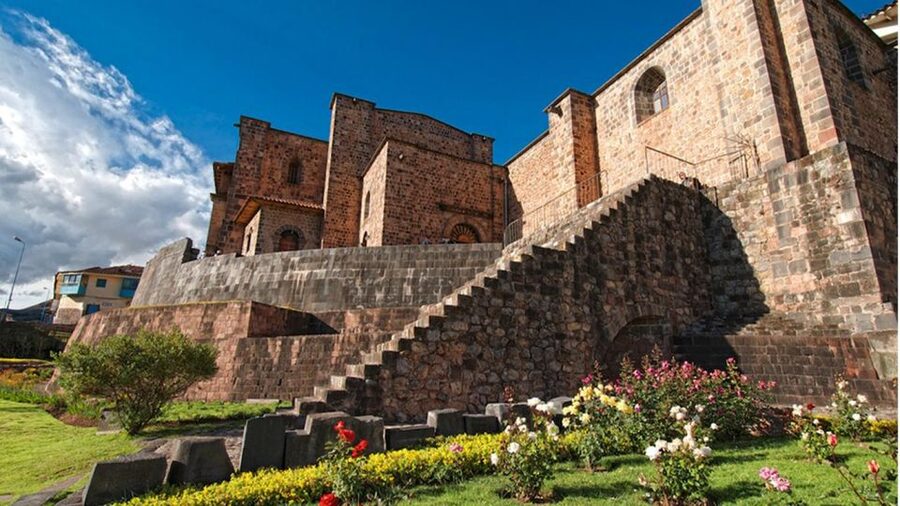
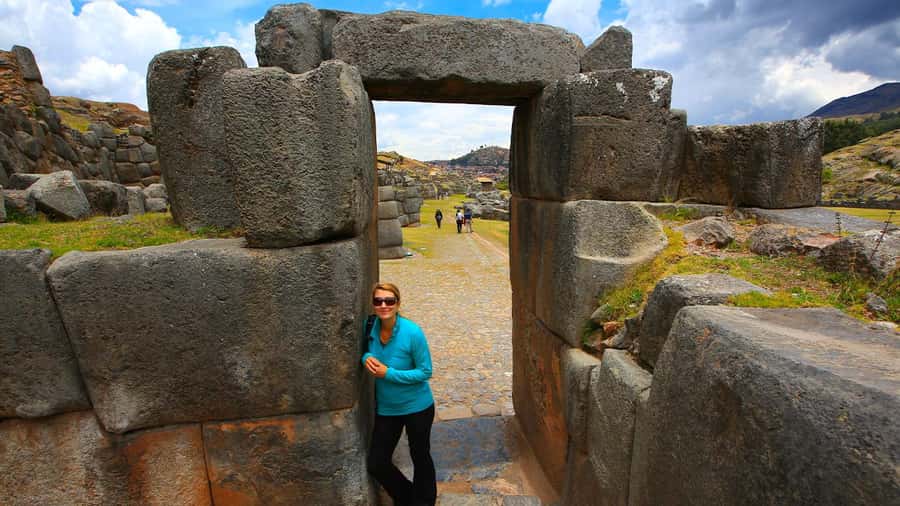
Sacsayhuaman is the most visually striking stop on the outer circuit. Massive limestone blocks fit together in walls that show the precision of Inca stonemasons. The scale is the point. Even with a guide, you need a moment to take in the size of the stones and the care behind their placement.
Chroniclers described Sacsayhuaman as a solar shrine built by the later Inca dynasties. It also served a defensive purpose, protecting Cusco from attacks from the east, the region associated with the Antis. The site’s exact role is part of what makes it interesting: ceremonial and military functions could overlap.
You are scheduled for about 40 minutes here. That gives you the main explanation and a chance to see the monumental walls, but one 4-star assessment raised a practical concern: the guide offered only one stop before meeting the group at the exit. If you want more time to explore Sacsayhuaman, ask early where the group will pause and how much independent time you have.
This is also the place where the pace can feel most noticeable. Sacsayhuaman rewards looking closely, yet a group tour must keep moving. I would book this outing for orientation and return later only if the site becomes your priority.
Coricancha: where Inca precision meets Spanish Cusco
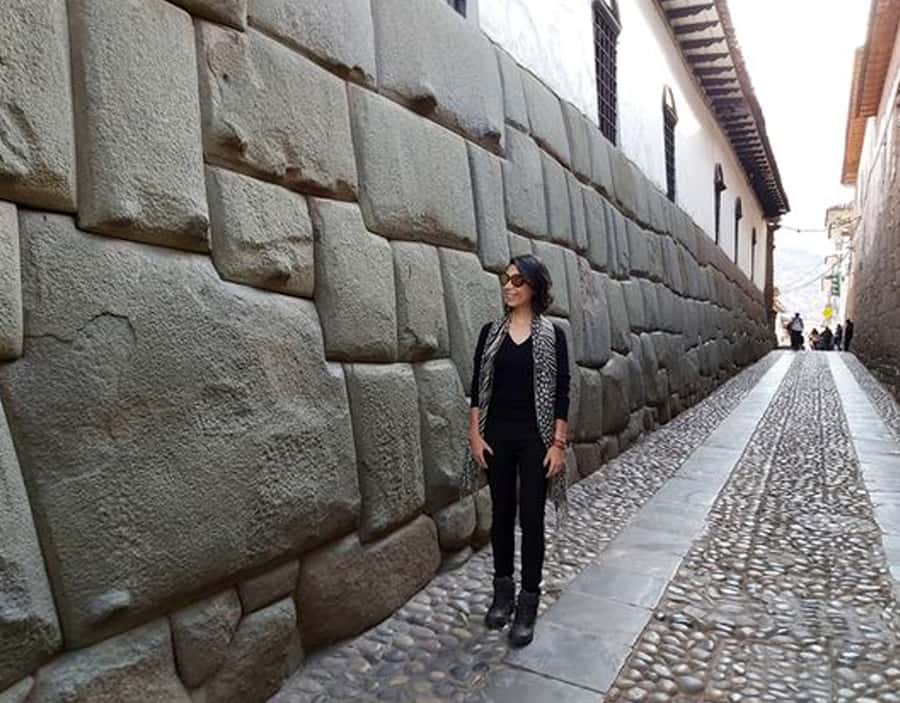
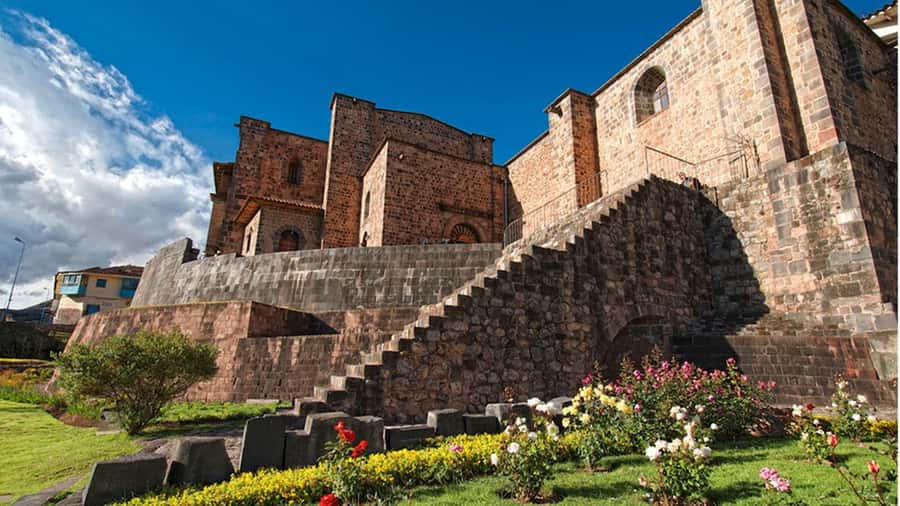
Afternoon departures add Coricancha, the most important temple of the Inca empire. The site is known for exceptionally precise architecture and finely fitted stone construction.
Coricancha matters because it makes the city’s layered past visible in one place. The Inca temple and the later Spanish religious setting are not separate chapters on a page. They occupy the same urban space, allowing you to see how Cusco was reshaped after the conquest.
The guided visit lasts about an hour, longer than the four outer archaeological stops. That extra time is welcome. The stonework deserves close attention, and the guide’s explanation helps you understand why Coricancha was more than another temple.
If you care most about Inca architecture, choose the afternoon version. The morning route does not include Coricancha, so check the departure time carefully before paying.
Cusco Cathedral and the final walk to Plaza Mayor
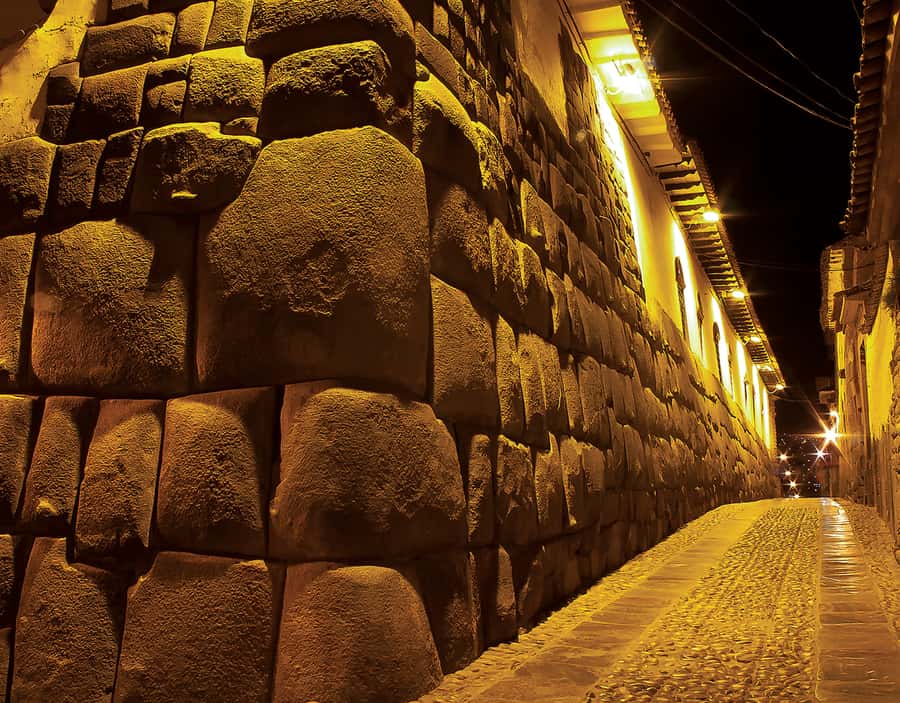
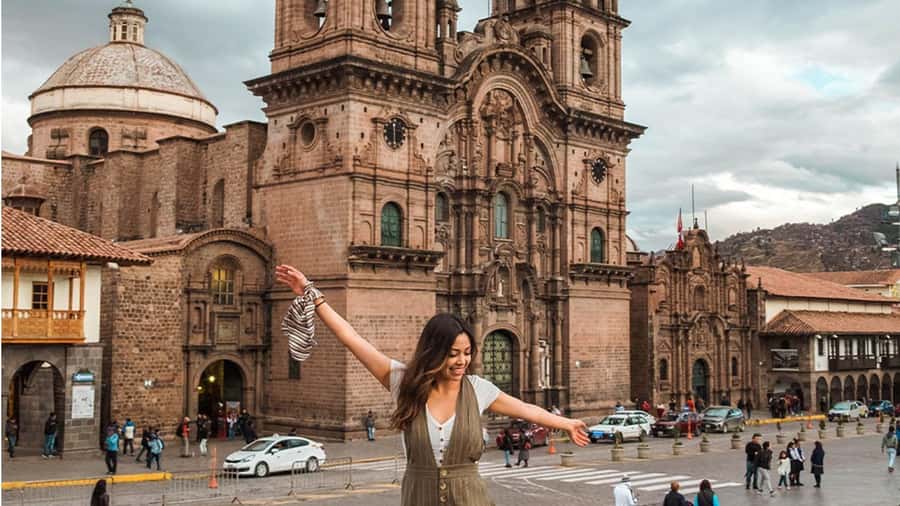
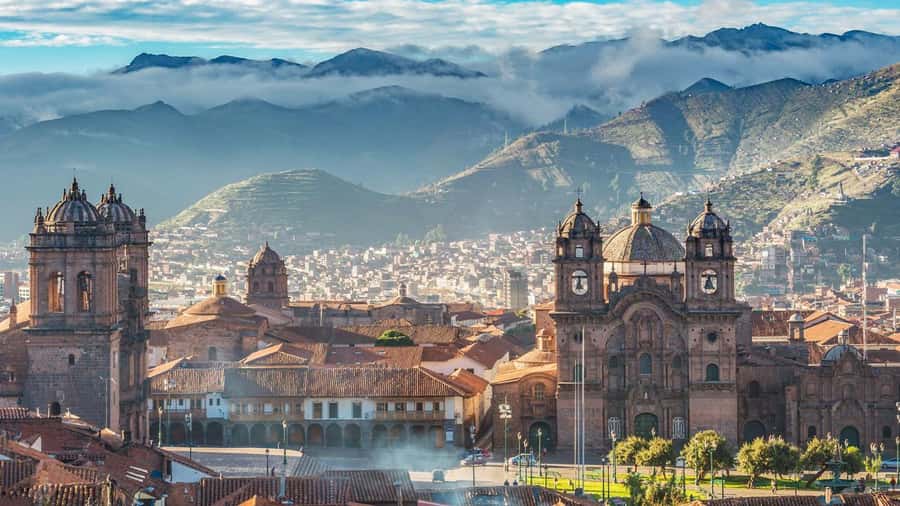
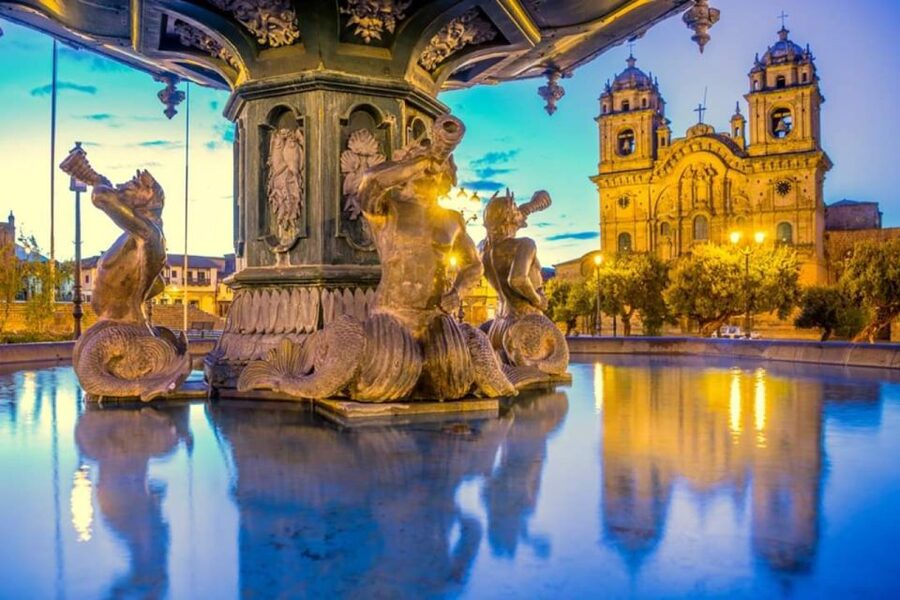
The Basilica Cathedral of Cusco was built in 1560 and sits on the city’s main square. It adds a Spanish colonial and Catholic layer to a tour that has mostly focused on Inca ceremonial and defensive sites.
The cathedral visit lasts about 40 minutes. It is not simply a final indoor stop. It helps explain the visual and political changes that shaped central Cusco after the Inca period.
The tour ends at Plaza Mayor del Cusco, which is useful if you want to continue exploring on foot. You are not returned to your hotel according to the stated route, so plan your next step from the square. The cathedral also has a separate entrance fee of 40 soles.
The price is low, but budget for the tickets
At $17 per person, this is inexpensive for six hours of transport and guided sightseeing. The low price makes sense because the entry fees are not included.
The additional costs listed are:
- Cathedral entrance: 40 soles
- Coricancha entrance: 15 soles
- Tourist ticket for the outer archaeological sites: 70 soles
That makes 125 soles in listed entrance fees if you take the afternoon route and visit everything. The $17 price is still useful, but it is not the complete cost of the day.
The archaeological ticket covers the four outer sites together, while the cathedral and Coricancha have their own charges. Carry cash, and check ticket arrangements before departure. One person found it easy to buy tickets at the sites, while another advised buying archaeological tickets ahead of time. The practical lesson is simple: do not assume your $17 booking covers admission.
For a private tour, the price would be unusually low, but this is a group outing. One positive account described a small group, though group size can vary. Another person booked an English tour and received less English commentary because they were the only English speaker in a mixed-language group. If detailed English interpretation is essential, confirm how the bilingual guiding is handled.
Guides can shape the whole experience
The strongest part of this tour is often the guide. A good guide turns a line of ruins into a connected story about Inca engineering, religion, water, defense, and city life.
Clara received special praise for her detailed explanations of Cusco and Inca life, as well as her energy across a demanding route. Silvia was noted for patience with children. Janet was singled out for making the day especially strong, while Wally provided a good introduction to Cusco. José was praised for clear English explanations.
That range of comments suggests that the company has several capable guides, but it also reminds you that guiding is personal. The tour is bilingual in Spanish and English, not necessarily a private English-only experience. The guide and driver handle different jobs, and the driver was also praised for safe, attentive service.
Tips are not included. One person felt a tip was received poorly, so bring cash if you plan to tip and use your own judgment. There is no stated required amount.
Small drawbacks to keep in mind
The route is efficient, but it is not leisurely. Four outdoor archaeological sites, transport, Coricancha, and the cathedral make for a packed six hours. Families can manage it, and Silvia was praised for working patiently with children, but younger children may find the repeated stops and walking tiring.
Some departures may include a textile shop stop. One person considered this unnecessary because the tour was not meant to be a shopping outing. If you do not want to buy alpaca clothing or textiles, this may feel like lost sightseeing time.
The no-luggage rule is practical but important. Large bags and luggage are not allowed, so leave suitcases at your hotel. Pets are also not permitted, and video recording is listed as prohibited. Bring a passport, cash, water, comfortable shoes, a hat, sunscreen, and a waterproof jacket or raincoat.
Cusco weather can change quickly. Even if the morning begins bright, rain protection is worth carrying. You should also avoid treating the six hours as a casual city stroll. The combination of outdoor sites, high-altitude conditions, sun, and stairs calls for steady shoes and sensible pacing.
Who should choose this Cusco tour?
I would recommend it to you if you have only one free day or half a day for Cusco’s main sights, want transport arranged, and prefer learning from a guide rather than handling the route alone.
It is especially useful for:
- First-time visitors who want a clear introduction to Cusco
- Families who value pickup and a planned route
- People who want both outer Inca sites and central landmarks
- Budget-minded visitors who do not mind paying entrance fees separately
- Anyone interested in stone engineering, water worship, military sites, and colonial architecture
I would hesitate if you want long, quiet visits at each ruin, dislike group schedules, or want a dedicated shopping-free route. I would also check the departure time carefully if Coricancha and the cathedral are priorities.
Should you book the Cusco Half-Day City Tour?
Book it if you want broad coverage at a low transport price. The combination of Sacsayhuaman, Qenko, Puca Pucara, Tambomachay, Coricancha, and the cathedral gives you a useful first picture of Cusco’s past. The guides are the main reason to book, with Clara, Silvia, Janet, Wally, and José all praised for warmth and strong storytelling.
Choose an afternoon departure if you want the full city-and-ruins route. Add the entrance fees to your budget, carry weather protection, and ask about any textile stop and the amount of free time at Sacsayhuaman. With those details clear, this is a practical $17 introduction to Cusco, not a slow archaeological expedition.
FAQ
How long does the Cusco city tour last?
The tour lasts six hours.
Where does pickup take place?
Pickup is available from hotels in the historic center of Cusco. If your hotel cannot be reached by vehicle or you are staying in private accommodation, you receive the nearest meeting point.
Which languages are available?
The live guide is available in English and Spanish.
Which sites are visited on the morning tour?
Morning departures visit Sacsayhuaman, Qenko, Puca Pucara, and Tambomachay. The cathedral and Coricancha are not included in the morning version.
Are the entrance fees included?
No. The cathedral costs 40 soles, Coricancha costs 15 soles, and the tourist ticket for the archaeological sites outside the city costs 70 soles.
What should I bring?
Bring comfortable shoes, water, a passport, and cash. A sun hat, sunscreen with SPF 30 or higher, and a waterproof jacket or raincoat are also recommended.
Can I bring luggage or a pet?
No. Pets, luggage, and large bags are not allowed.
Can I cancel the booking?
You can cancel up to 24 hours in advance for a full refund. You can also reserve the tour and pay later.
Just added in Cusco
- Cusco Private Transportation for 2026★ 5.0 · 4 reviews
- Private Transfer from Airport to Hotel in the City of Cusco★ 4.0 · 5 reviews
- Best Cusco walking tour: dinner street food tasting★ 4.5 · 11 reviews
- Machu Picchu Day Trip With Panoramic Train from Cusco★ 5.0 · 10 reviews
- Private Tour to Pisac Market and Pisac Ruins★ 5.0 · 4 reviews
- Sacred Valley Private Tour from Cusco, Guide and Driver only★ 5.0 · 4 reviews
- Sacred Valley of the Incas Tour★ 5.0 · 12 reviews
- Private Tour of the Mountain of Colours by Quad★ 5.0 · 7 reviews
City Tours, compared.
Lima Half-Day City Walking Tour (Small Groups)
Read our review →
Half-Day City Tour with Sacsayhuaman and Q’enco
Read our review →
City Tour Panoramic Bus Departure From Larcomar
Read our review →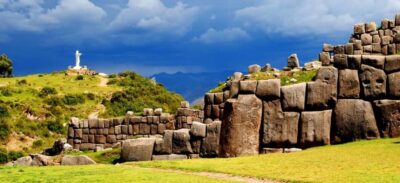
City Tour Cusco Qoricancha Sacsayhuaman y Tambomachay
Read our review →
Lima’s Vibrant Heritage: Exploring the City’s Landmarks Half-day
Read our review →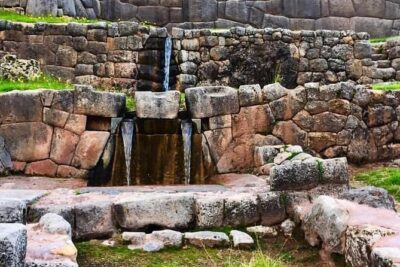
Sightseeing Tour of the City on an Open-Top Bus
Read our review →
Lima City, Central Market & Catacombs Tour (Pick-up & Drop Off)
Read our review →Browse the lists this tour appears in