
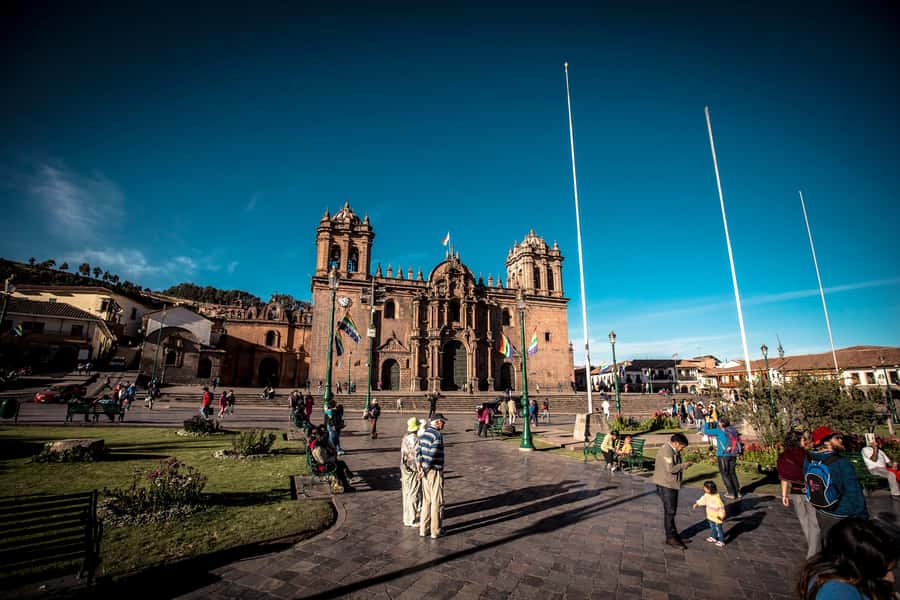
Reviewed · CITY TOURS
Cusco: Private City Tour and Trip to Archeological Sites
Cusco reveals its layers fast. This four-hour private tour gives you a useful first look at the city, moving from the Spanish colonial center to major Inca sites above town. I especially like the mix of Coricancha and Cusco Cathedral, followed by the wide views from Sacsayhuaman. I also like that your own guide can adjust the pace and explain what you are seeing instead of sending you through the ruins alone.
The main catch is the extra cost of the Cusco Tourist Ticket, or BTC. It is not included, and you need it for Sacsayhuaman, Qenqo, Puka Pukara, and Tambomachay. The tour also covers a lot in four hours, so this is a strong orientation tour, not a slow archaeological study.
The private format makes the price of $101 per person easier to assess. You get hotel pickup and drop-off, a professional guide, and transport between sites, with no larger group to wait for. Still, if you want long visits at each ruin, you may prefer a longer excursion.
In This Review
- Key Points to Know Before Booking
- Why This Four-Hour Route Works
- Coricancha and Santo Domingo Convent
- Cusco Cathedral in the Main Square
- Sacsayhuaman Above Cusco
- Qenqo and Its Ritual Spaces
- Puka Pukara, the Red Fortress
- The Private Van and Guide Service
- Is the $101 Price Good Value?
- Who Should Book This Tour?
- Should You Book It?
- FAQ
- How long does the Cusco private tour last?
- What sites are included in the route?
- Is hotel pickup included?
- How early should I arrive for pickup?
- Is the Cusco Tourist Ticket included?
- Which sites require the BTC?
- Is admission to Coricancha included?
- Is admission to Cusco Cathedral included?
- Which languages are available?
- Can wheelchair users join the tour?
Key Points to Know Before Booking
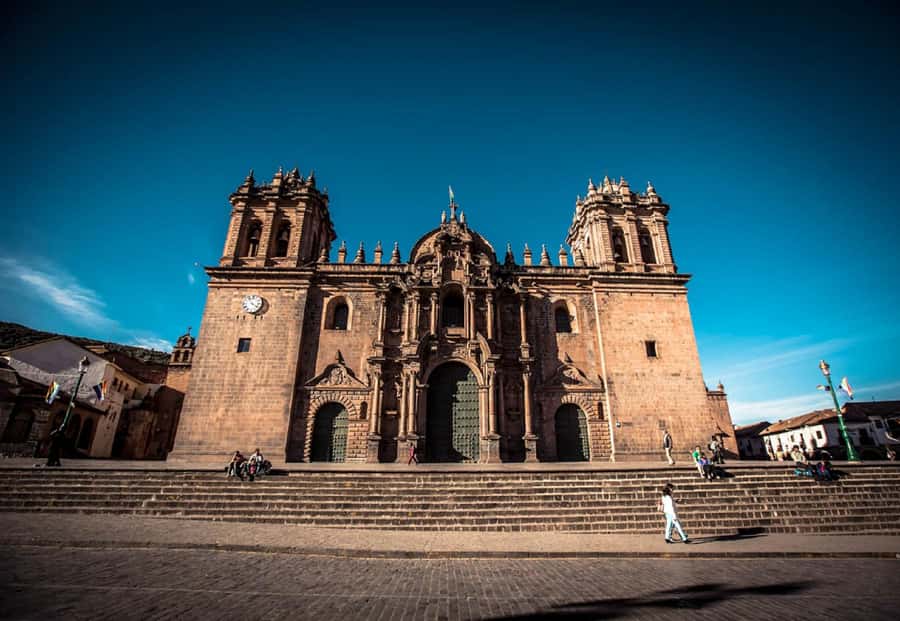
- Coricancha sits beneath a Spanish convent: The Santo Domingo Convent was built over the Inca sun temple, and the old stone foundations remain visible.
- Sacsayhuaman gives you the big Cusco view: The hilltop fortress has massive ramparts and a broad outlook over the city.
- Your guide speaks your language: Tours are offered in English, Spanish, or Portuguese, and the format is private.
- The BTC is a separate expense: You must arrange the Cusco Tourist Ticket to enter the hilltop archaeological sites.
- A comfortable van helps: Direct feedback praised the vehicle, punctual pickup, and the attention of a Cusco-born guide.
- The route is best for first-time visitors: You see the city center and four important sites without spending a full day away from Cusco.
Why This Four-Hour Route Works
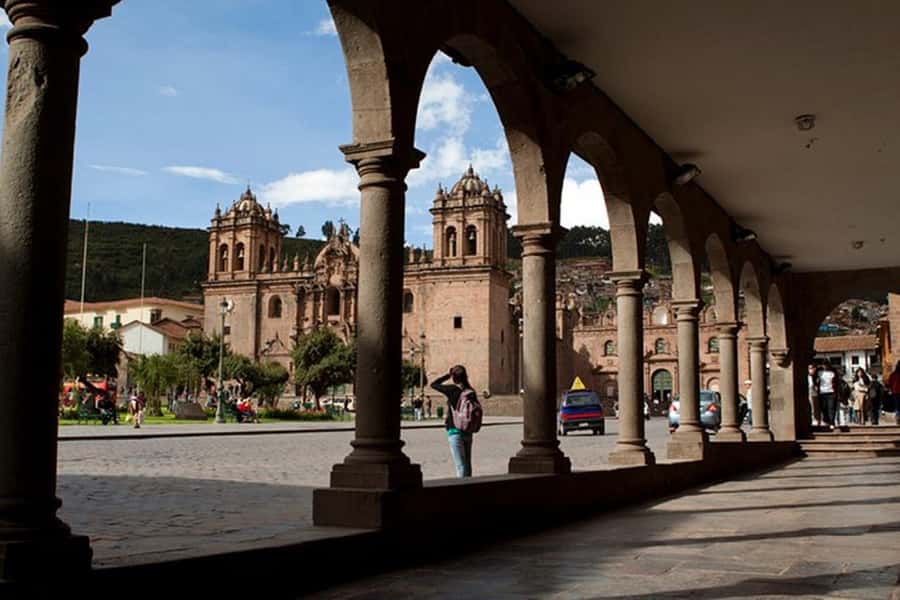
Cusco can feel confusing at first. The streets climb, the Inca and Spanish layers overlap, and the important sites are spread between the central square and the hills above town. This tour gives you a map in your head before you start exploring on your own.
The route has two clear parts. First, you visit the central monuments, including Coricancha, Santo Domingo Convent, and the Cathedral. Then a private vehicle takes you uphill to Sacsayhuaman, Qenqo, and Puka Pukara.
That order makes sense. You begin in the historic core, where Cusco’s religious and political story is easiest to follow. Then you move to the ruins that guarded, supported, or served the Inca capital.
The four-hour limit is both a benefit and a constraint. You can fit the main sights into a single morning or afternoon, which is useful if you have limited time. But each stop receives a compact visit, so you should not expect a long, quiet wander through every site.
Pickup is available from hotels in Cusco’s Historic Center. You should be in the lobby 15 minutes before the scheduled time. The private group setup means you are not coordinating with a bus full of strangers, and the vehicle takes you directly between the stops.
More city tours in Cusco:
- Cusco: Half-Day City Tour with Sacsayhuaman and Q’enco
★ 4.6 · 1,129 reviews - City Tour Cusco Qoricancha Sacsayhuaman y Tambomachay
★ 4.7 · 617 reviews - Cusco City Tour Four Ruins in Half-Day
★ 5.0 · 530 reviews
Coricancha and Santo Domingo Convent
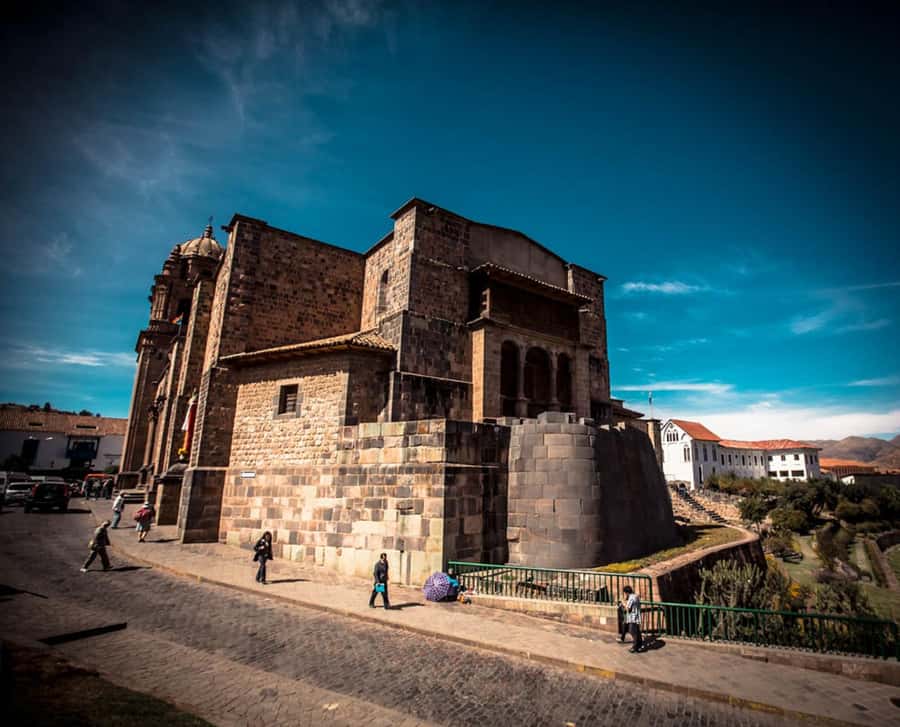
The tour begins at the Santo Domingo Convent, a large Renaissance-baroque complex built over Coricancha, one of the most important Inca temples. This is where the city’s two major eras meet most clearly.
Coricancha was dedicated to the worship of the sun. Ancient accounts describe a temple covered in gold leaf and filled with golden representations of the natural world. The precious materials are gone, but the foundations remain. Look closely at the stonework at the base of the convent, where the Inca structure still makes its presence known.
I like this stop because it corrects a common misunderstanding. Spanish churches did not simply replace Inca buildings in a clean break. In places such as Coricancha, colonial construction sits directly on the older sacred and political center.
The included admission here is a real advantage. You do not need to spend extra for Coricancha and the convent portion of the visit. Your guide can help you read the building as both a religious site and a record of conquest.
The stop may feel crowded with information, especially if you are new to Inca architecture. Pay attention to the contrast between the precise Inca foundations and the later convent above them. That visual comparison tells you much of the story without a long lecture.
Cusco Cathedral in the Main Square
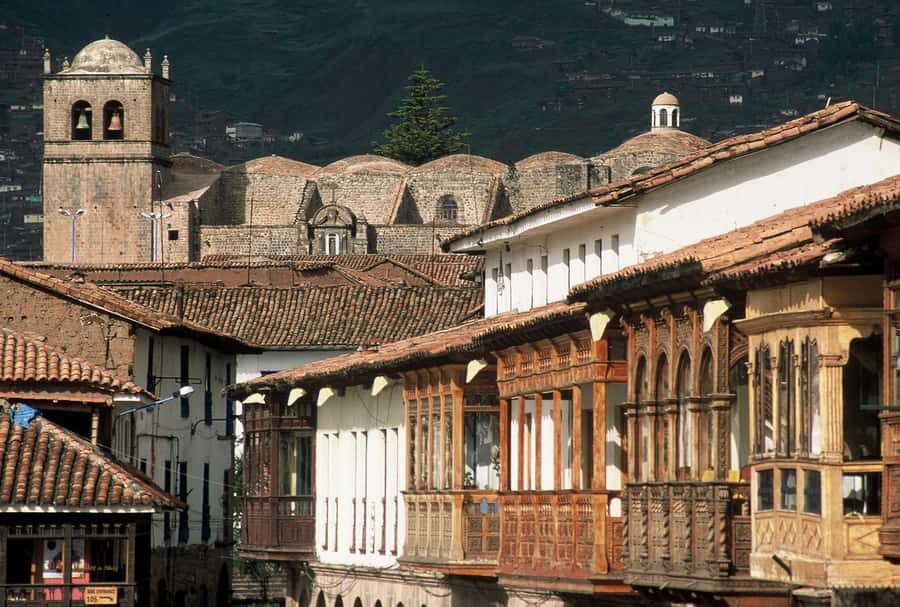
Next comes Cusco Cathedral, the most imposing monument in the Main Square. Its scale and position make it hard to miss, but the guided visit helps you understand why it matters beyond its appearance.
The Cathedral represents the Spanish colonial layer of Cusco. After seeing Coricancha, you can compare the two religious centers and see how the colonial city claimed the old Inca capital for a new faith and government.
Admission to the Cathedral is included in the tour price. That is useful because the central sights can add up when visited separately. The exact amount of time inside is not specified, so you should expect your guide to manage the visit around the rest of the route.
This stop is also a practical introduction to the Main Square. You can get your bearings here, then return later on your own if you want more time in the center. The tour does not try to replace a full walking tour of Cusco’s streets, markets, and museums. Its purpose is to connect the biggest historic pieces quickly.
Sacsayhuaman Above Cusco
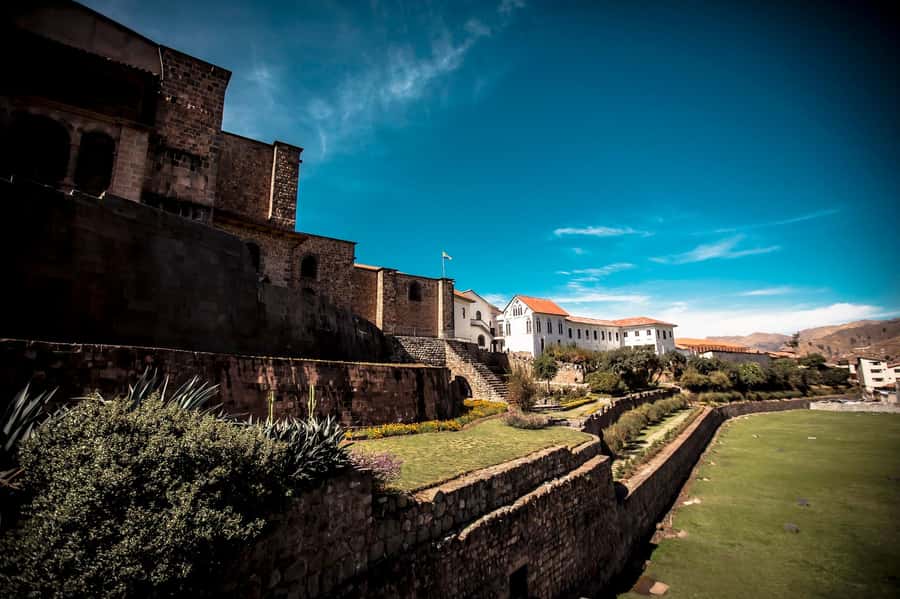
From the city center, you head uphill to Sacsayhuaman, the largest and most dramatic archaeological stop on this route. Its enormous stone ramparts rise above Cusco, and the position gives you a sweeping view back toward the city.
The fortress is often the place where the scale of the Inca state becomes clear. At Coricancha, you study fine stone foundations and religious purpose. At Sacsayhuaman, you face huge defensive walls and a site built to dominate the hills above the capital.
The panoramic view is a major reason to visit. You can see how Cusco occupies a high basin surrounded by steep slopes. The climb by vehicle saves time and energy, but you will still walk around the site, so comfortable shoes are important.
Sacsayhuaman can be physically demanding for some people. The tour is not suitable for wheelchair users, and the route includes uneven archaeological ground. Bring sunscreen and wear comfortable clothing. The high position also makes this a place where you should avoid rushing your footing while trying to take photographs.
Admission here requires the BTC, which is not included. This is the most important cost detail to settle before booking. If you arrive without the required ticket, the central sites may still be accessible through their included admissions, but the hilltop portion cannot be treated as fully covered by the $101 price.
More things to do in Cusco:
- Classic Inca Trail Trek 4D/3N to Machu Picchu (Group Service)
★ 5.0 · 8,653 reviews - Cusco: Rainbow Mountain and Red Valley Day Trip with Meals
★ 4.9 · 4,893 reviews - Machu Picchu: 4-Day Inca Trail Trek with Panoramic Train Ride
★ 5.0 · 4,568 reviews - Salkantay Classic Trek 5 Days from Cusco
★ 5.0 · 4,062 reviews
Qenqo and Its Ritual Spaces
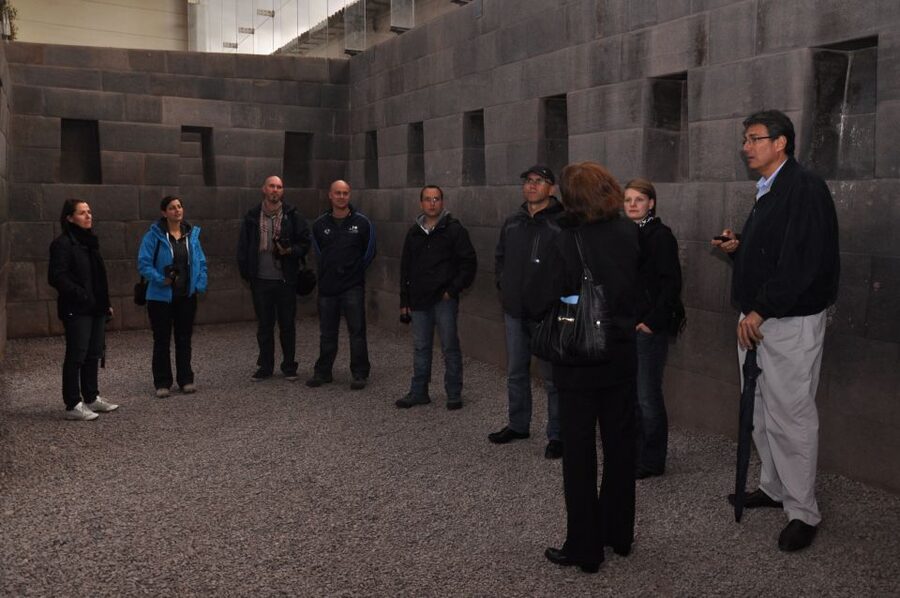
Qenqo is a smaller and more unusual stop than Sacsayhuaman. The remains include a temple and amphitheater, and the site is associated with agricultural rituals practiced by the Incas.
The value of Qenqo comes from its ceremonial setting. You are not simply looking at walls or terraces. The visit raises questions about how the Incas connected farming, religion, and the natural world.
The available details do not specify how long you remain at Qenqo, so expect a brief guided visit within the four-hour schedule. Your guide’s explanation matters here because the surviving stone forms may not be immediately obvious without context.
This is also another BTC site. Keep your ticket ready for the hilltop route rather than assuming that the admissions included at Coricancha and the Cathedral cover the entire tour.
Puka Pukara, the Red Fortress
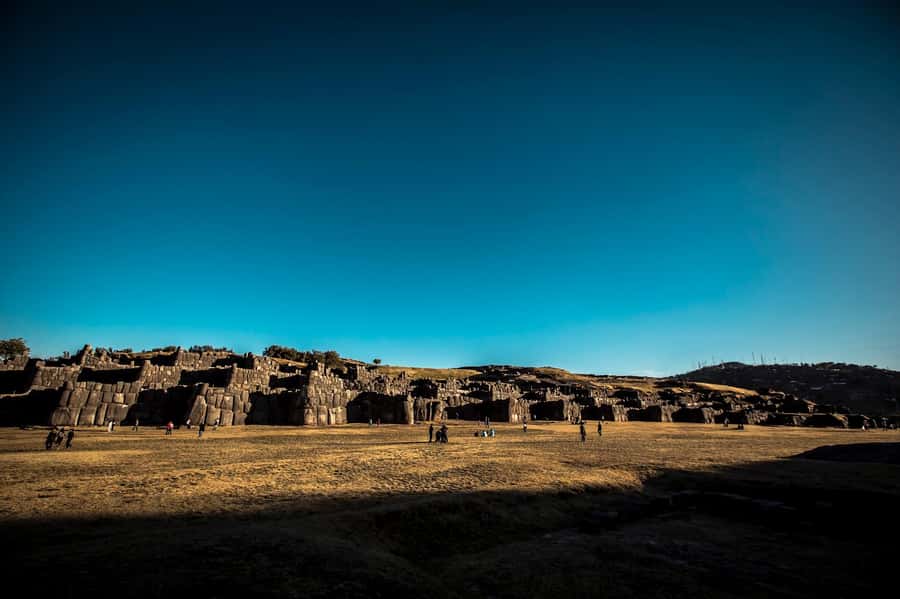
The final listed stop is Puka Pukara, whose name means Red Fortress in Quechua. It is an Inca military complex on a prominent hill, with remains that include dwellings, squares, bathrooms, aqueducts, walls, and towers.
Puka Pukara helps complete the picture of Cusco’s defenses. Sacsayhuaman gives you the grand fortress, while Puka Pukara shows a smaller complex with practical features tied to movement, water, and military control.
The hilltop location also makes the stop visually interesting. You can look at the walls and towers while considering why the Incas placed the complex where they did. The ruins are less monumental than Sacsayhuaman, but the range of surviving features gives your guide plenty to point out.
Puka Pukara also requires the BTC. The tour information mentions Tambomachay in the ticket guidance, although the stated route lists Sacsayhuaman, Qenqo, and Puka Pukara. If you want to visit Tambomachay too, confirm the plan with the local operator before setting out.
The Private Van and Guide Service
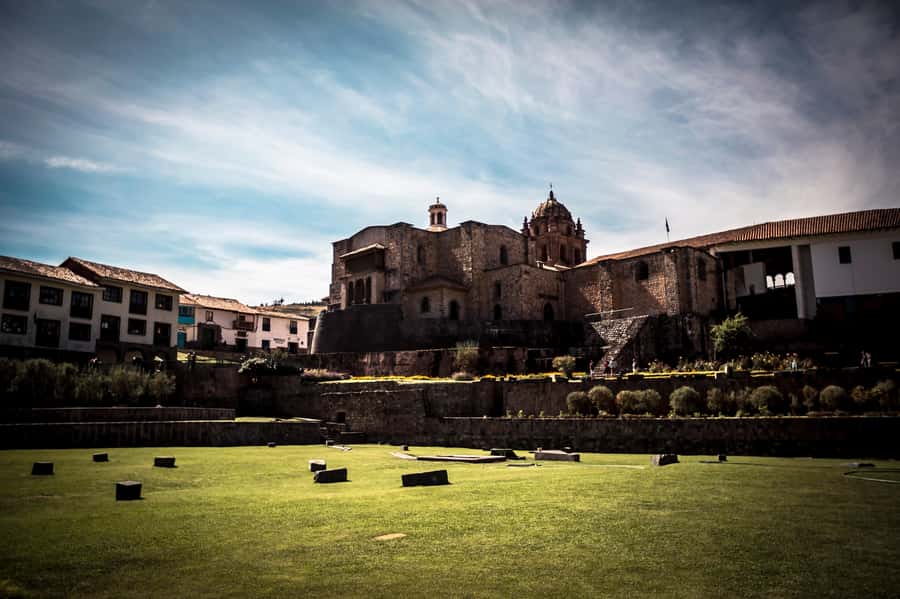
Transport matters on this route. The sights are not all within an easy walk of one another, and the uphill sites would take much longer to reach without a vehicle. Direct feedback praised the van as very comfortable, along with punctual pickup and an attentive guide.
That is encouraging because a rushed or late start would eat into a four-hour tour. A private vehicle also means you are not waiting for a large group at every hotel or stop.
Guiding is available in English, Spanish, and Portuguese. One especially useful detail from the feedback is that the guide was a native of Cusco. A local guide can give the sites a stronger sense of place, particularly when explaining how the modern city sits over the Inca capital.
The provider is LimaTours, and the tour is described as a private group experience. The guide’s role is important here. With several stops packed into four hours, you need clear explanations and sensible time management more than a long, formal speech at every monument.
Is the $101 Price Good Value?
At $101 per person, this is not the cheapest way to see Cusco. The price includes hotel pickup and drop-off, private transport, a professional guide, admission to Coricancha, and admission to Cusco Cathedral. It does not include the BTC, food, drinks, or personal expenses.
The private format is the main value. If you are traveling with family or a small group, the cost may be reasonable because you get direct transportation and a guide focused on your party. You also avoid the stop-and-go pattern of a large shared tour.
The price is harder to justify if you are traveling alone and mainly want transportation. In that case, a regular group excursion or self-guided visit may cost less, though it may not offer the same flexibility or personal attention.
Remember to budget for the BTC separately. This is not a minor detail because three of the main listed archaeological sites require it. The price also does not include gratuity, so plan to tip your guide if the service meets your expectations.
For people from Peru or foreign residents staying in Peru for more than 60 days, the listed rate may not apply. Sales taxes are not included in the stated total for those cases and may be collected by the local operator.
Who Should Book This Tour?
I would recommend this experience to first-time visitors who want a clear introduction to Cusco without giving up an entire day. It suits people who prefer a private guide, hotel pickup, and a short route covering both central monuments and hilltop ruins.
It is also a good fit if you want a guide in English, Spanish, or Portuguese. The local perspective can make a real difference at sites such as Qenqo, where the remains need explanation to become meaningful.
Families can consider it, but children must be accompanied by an adult. The walking surfaces and uphill sites may be tiring, and the tour is not suitable for wheelchair users.
You should think twice if you want a slow, detailed archaeological visit. Four hours is enough for a well-paced introduction, but not enough for unlimited time at every stop. You also need to arrange the BTC before visiting the hilltop sites.
Bring comfortable shoes, sunscreen, and comfortable clothing. Pets, luggage, and large bags are not allowed. Food and drink are not provided, so plan accordingly without carrying oversized bags.
Should You Book It?
Book this tour if you want an efficient first day in Cusco, especially if your hotel is in the Historic Center and you value private transport. The combination of Coricancha, the Cathedral, Sacsayhuaman, Qenqo, and Puka Pukara gives you a solid sense of how Inca and colonial Cusco fit together.
I would skip it if you already know the city well or want to spend a full day at the ruins. The extra BTC cost also needs to be part of your budget from the beginning.
For most first-time visitors with only a few days in Cusco, this is a practical introduction. Just treat it as a well-organized overview, not the final word on the city’s archaeological sites.
FAQ
How long does the Cusco private tour last?
The tour lasts four hours.
What sites are included in the route?
The route includes Santo Domingo Convent and Coricancha, Cusco Cathedral, Sacsayhuaman, Qenqo, and Puka Pukara.
Is hotel pickup included?
Yes. Hotel pickup and drop-off are included for hotels located in Cusco’s Historic Center.
How early should I arrive for pickup?
You should arrive in your hotel lobby 15 minutes before the scheduled pickup time.
Is the Cusco Tourist Ticket included?
No. The Cusco Tourist Ticket, or BTC, is not included in the tour price.
Which sites require the BTC?
The BTC is required for Sacsayhuaman, Qenqo, Puka Pukara, and Tambomachay.
Is admission to Coricancha included?
Yes. Admission to Coricancha is included.
Is admission to Cusco Cathedral included?
Yes. Admission to Cusco Cathedral is included.
Which languages are available?
The live guide is available in English, Spanish, and Portuguese.
Can wheelchair users join the tour?
No. The experience is not suitable for wheelchair users.
Just added in Cusco
- Cusco Private Transportation for 2026★ 5.0 · 4 reviews
- Private Transfer from Airport to Hotel in the City of Cusco★ 4.0 · 5 reviews
- Best Cusco walking tour: dinner street food tasting★ 4.5 · 11 reviews
- Private Tour to Pisac Market and Pisac Ruins★ 5.0 · 4 reviews
- Machu Picchu Day Trip With Panoramic Train from Cusco★ 5.0 · 10 reviews
- Sacred Valley Private Tour from Cusco, Guide and Driver only★ 5.0 · 4 reviews
- Sacred Valley of the Incas Tour★ 5.0 · 12 reviews
- Private Tour of the Mountain of Colours by Quad★ 5.0 · 7 reviews
City Tours, compared.
Lima Half-Day City Walking Tour (Small Groups)
Read our review →
Half-Day City Tour with Sacsayhuaman and Q’enco
Read our review →
City Tour Panoramic Bus Departure From Larcomar
Read our review →
City Tour Cusco Qoricancha Sacsayhuaman y Tambomachay
Read our review →
Lima’s Vibrant Heritage: Exploring the City’s Landmarks Half-day
Read our review →
Sightseeing Tour of the City on an Open-Top Bus
Read our review →
Lima City, Central Market & Catacombs Tour (Pick-up & Drop Off)
Read our review →Browse the lists this tour appears in