Reviewed · SACRED VALLEY TOURS
Cusco: Sacred Valley + Maras and Moray
Start early, see a lot. This full-day trip links Chinchero, Moray, Maras, Ollantaytambo, and Pisac in one long sweep through the Cusco Region. I like the strong mix of farming, archaeology, salt production, textiles, and Andean food. I also like the small group limit of 15 and the chance to travel with an English- or Spanish-speaking guide such as Sandro, who received especially warm praise for his explanations and friendly manner. The trade-off is clear: six or more stops in one day can feel rushed, and the extra entrance fees push the real cost well above the advertised $35.
The Urubamba buffet lunch is another welcome feature, especially after an early pickup from Cusco. Still, I would approach the meal with some care because one booking ended with food poisoning. The tour also includes a crafts market and silver store, which some people may enjoy, but you could feel pressure to buy.
In This Review
- The essential facts at a glance
- Why this one-day route works
- Chinchero: textiles, ruins, and a colonial church
- Moray’s circular terraces and agricultural purpose
- Maras and the salt pools still in use
- Urubamba buffet lunch and a needed break
- Ollantaytambo: one of the day’s strongest archaeological stops
- Pisac closes the sightseeing day
- The real cost of a $35 tour
- Guide quality and communication
- Who should book this Sacred Valley route?
- Should you book this tour?
- FAQ
- Where does the tour pick up passengers?
- What time does the tour start and finish?
- Which places are included in the route?
- Is lunch included?
- Are entrance fees included in the $35 price?
- What languages are available for the guide?
- How large is the group?
The essential facts at a glance
- Five major cultural stops: Chinchero, Moray, Maras, Ollantaytambo, and Pisac give you a wide look at the Sacred Valley in one day.
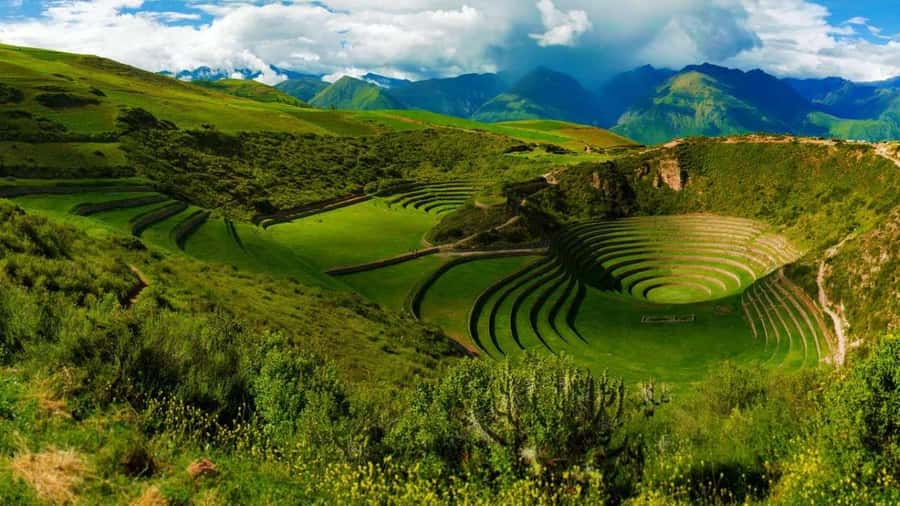
- Moray’s circular terraces: The unusual agricultural site looks like a giant bowl cut into the earth and is one of the tour’s most distinctive stops.
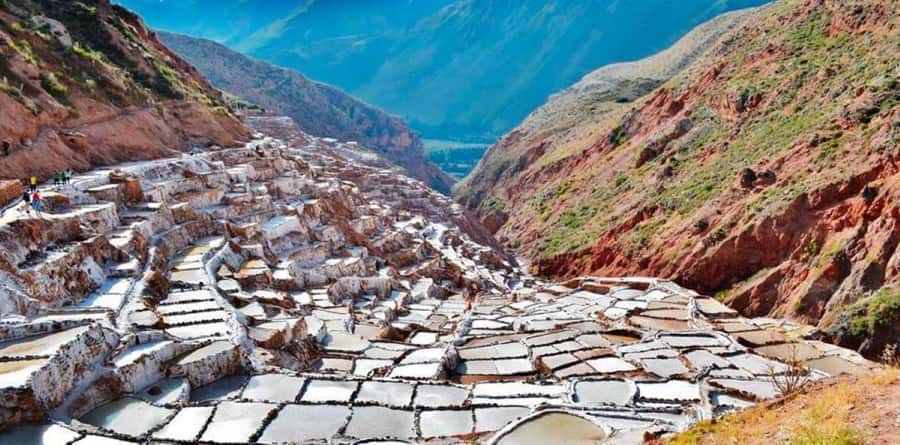
- Maras salt mines: Hundreds of salt pools have been worked since pre-Inca and Inca times, giving this visit a strong connection to living local production.
- A 6:30 am start: Hotel pickup is available near or inside Cusco’s Historic Center, with a return expected at about 7:00 pm.
- Extra admission costs: Plan on $20 for the partial tourist ticket plus $5 for Maras, in addition to the $35 tour price.
- Small-group format: The group is limited to 15 people, with guiding in English or Spanish and WhatsApp contact required.
Why this one-day route works
Cusco offers so many nearby sites that planning a route can become a puzzle. This excursion solves that problem by joining several well-known places into one day, with transportation, a guide, and lunch arranged for you.
You get more than a single type of sight. Chinchero brings textiles and colonial architecture. Moray shows the Inca use of carefully shaped agricultural terraces. Maras connects the area to salt production. Ollantaytambo gives you a major archaeological center, while Pisac adds another important Andean site before the ride back to Cusco.
That variety is the tour’s main strength. If you have limited time in Cusco, you can cover a great deal without hiring separate transport between each location.
The downside is pace. The day begins around 6:30 am and ends close to 7:00 pm, so you are looking at roughly 12 and a half hours from pickup to return. With five principal stops, lunch, road time, and commercial visits, your time at each archaeological site may feel more like an introduction than a full study.
I would choose this trip if you want broad coverage. I would not choose it if you prefer slow walks, long photo stops, or detailed archaeological exploration.
More Sacred Valley trips:
- From Cusco: Sacred Valley & Maras Salt Mines Tour with Lunch
★ 4.8 · 2,227 reviews - From Cusco: Moray, Maras Salt Mines & Chinchero Weavers Tour
★ 4.8 · 1,925 reviews - 2-Day Tour: Sacred Valley and Machu Picchu by Train
★ 5.0 · 1,127 reviews
Chinchero: textiles, ruins, and a colonial church
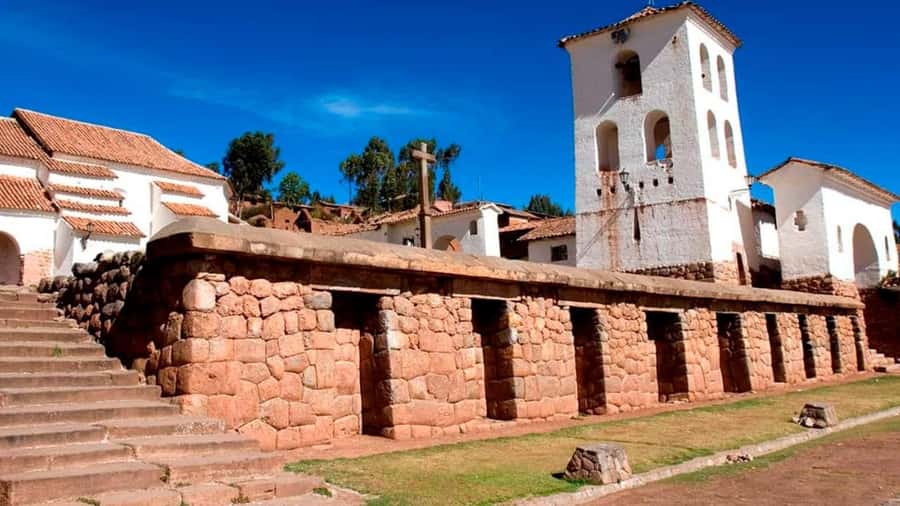
Chinchero is the first major stop after pickup. The program includes a textile interpretation center, an archaeological area, and a colonial temple, giving you three different ways to read the town.
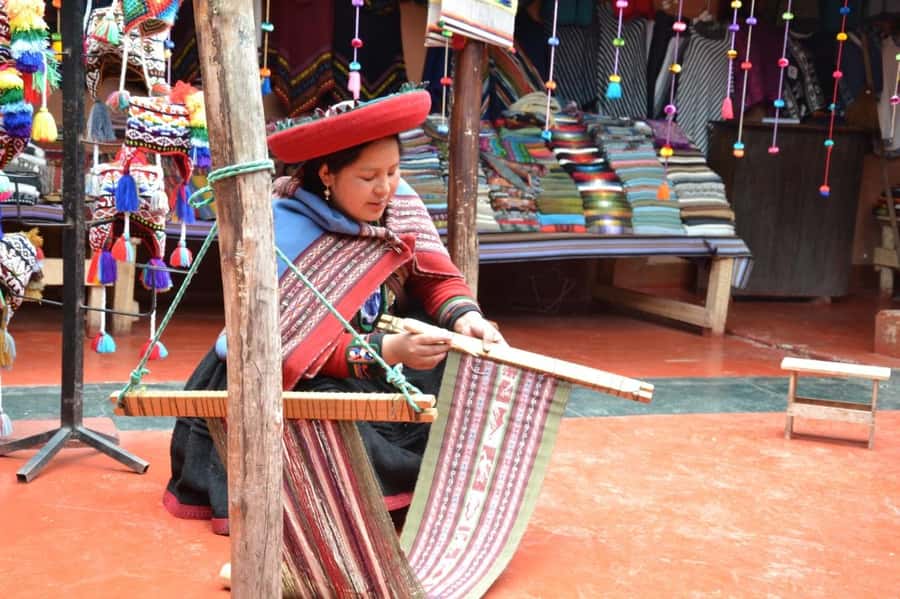
The textile center is intended to explain local weaving traditions. That can be useful because Andean textiles are not simply colorful souvenirs. Patterns, materials, and methods carry links to local identity and daily life. The experience may also include a demonstration or presentation connected with the crafts market.
Keep your expectations measured. One person found the craft and silver stops too focused on selling, with little practical demonstration before the sales pitch. You can look, ask questions, and buy if something genuinely interests you, but you should not feel obliged to purchase.
The archaeological area adds a second layer to Chinchero. You may find the contrast between older stonework and the later colonial temple especially interesting. This combination appears often in the Cusco Region, where Spanish buildings were placed into communities with much older foundations and traditions.
Because Chinchero comes early, you may still be adjusting to the altitude and the early hour. Keep your first visit simple. Listen to the guide, take in the main points, and save your energy for the long day ahead.
Moray’s circular terraces and agricultural purpose
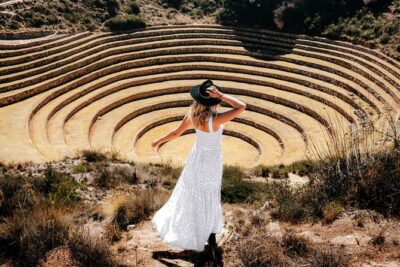
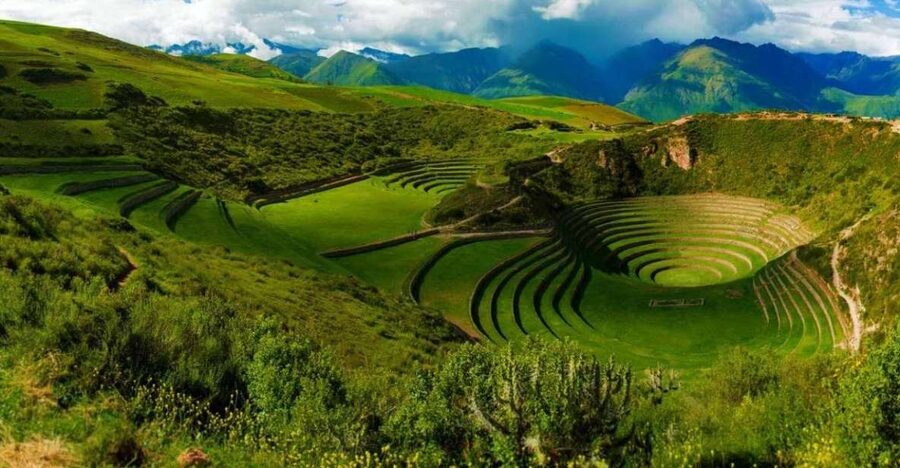
Moray is one of the day’s most unusual sights. Its terraces form broad circular rings that drop into the ground, creating a pattern unlike the more familiar straight agricultural terraces around the Andes.
The site is described as an agricultural laboratory, a phrase that points to its practical purpose. The Incas shaped the land carefully for farming, using different terrace levels to create changing conditions. Your guide can help explain why this design mattered and how it fits into wider Andean farming practices.
I like Moray because it gives you something to think about beyond stone walls and carved blocks. It shows engineering used for food production. The form is also easy to appreciate quickly, which matters on a packed schedule. You can see the main shape, hear the explanation, and understand why the site is special without needing hours on foot.
That said, a short stop limits the amount of detail you can absorb. If Moray is high on your personal list, pay close attention during the guide’s explanation and use your time for the main viewpoints rather than trying to inspect every terrace.
The route also places Moray before Maras, so the morning moves from agricultural planning to salt production. That is a sensible sequence because both sites show how Andean communities adapted land and resources for daily use.
Maras and the salt pools still in use
The salt mines of Maras are not mines in the usual underground sense. They are a spread of small salt pools built along the mountainside, where salt is collected through evaporation.
The pools have been exploited since pre-Inca and Inca times. That long working tradition gives the stop more weight than a simple scenic viewpoint. You are seeing a production system tied to local resources and a practice that has continued across many generations.
Maras is also a strong photographic stop. The repeated white and brown pools create a striking pattern across the slope. Conditions can change the appearance, so you might find the pools more or less bright depending on the day.
The visit requires a separate $5 entrance fee. That charge is not included in the $35 tour price, so bring enough money for admission and any other personal expenses.
As with Moray, you should expect an overview rather than a long, private visit. The group must keep to a schedule, and the guide has several more locations to cover. Still, Maras is one of the places that makes this route worthwhile because it feels tied to work and local production, not only to ancient monuments.
A completely different kind of day:
- Cusco: Sacred Valley, Pisac, Ollantaytambo, Salt Mines Moray
★ 4.6 · 1,058 reviews - Cusco:Chinchero,Moray & Salt Mines drop-off in Ollantaytambo
★ 4.8 · 793 reviews - Sacred Valley and Maras Moray Tour with Full Day Buffet Lunch
★ 5.0 · 670 reviews - The Ultimate Full Day Sacred Valley Tour
★ 5.0 · 644 reviews
Urubamba buffet lunch and a needed break
After the morning visits, the group stops in Urubamba for an Andean buffet lunch. This is not just a convenient meal. It breaks up a demanding day and gives you time to recover before the afternoon archaeological sites.
A buffet can suit a mixed group because you choose what you want and how much you want. It also gives you a chance to sample Andean-style food without having to select from an unfamiliar menu. The exact dishes are not specified, so you should treat the meal as a broad buffet experience rather than expecting particular specialties.
I would be cautious here. One booking reported food poisoning after lunch, which is a serious concern and the main reason I would not describe the meal as an unqualified highlight. That single report does not prove a general problem, but it is enough to justify sensible care. Choose food that looks freshly replenished, avoid anything that seems questionable, and carry a small personal snack in case you want a safer backup.
The timing of lunch matters, too. This stop is the main chance to sit down during a day filled with road travel and sightseeing. You will likely appreciate it even more if you are tired from the early start.
Ollantaytambo: one of the day’s strongest archaeological stops
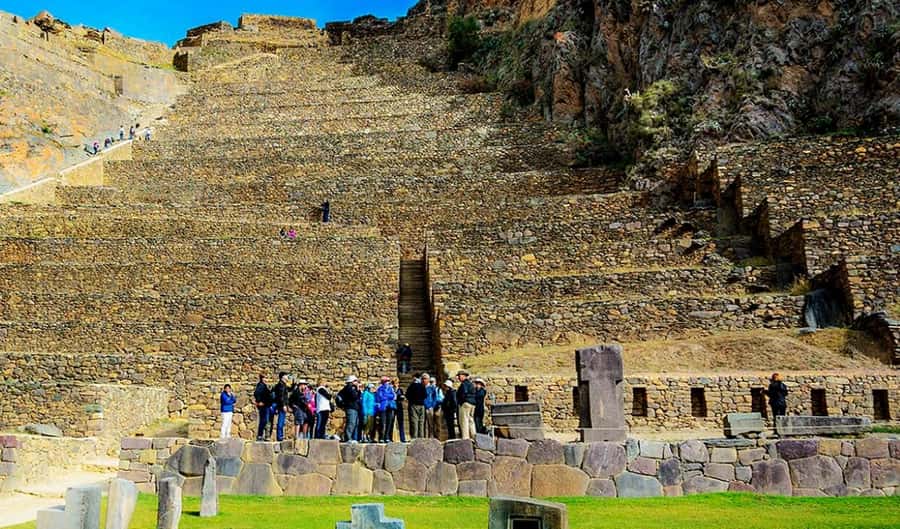
Ollantaytambo is visited after lunch. The archaeological center is one of the route’s major historical stops, and its preserved stonework gives the afternoon a strong focus.
The site is valuable because it is not just a collection of isolated ruins. It reflects the planning and construction skill of the Inca period, while the town around it helps connect the remains to a continuing Andean setting. The tour description identifies the archaeological center as well preserved, so you can expect the guide to focus on the main structures and their place in the wider Sacred Valley.
This is another point where time may feel tight. Ollantaytambo deserves more attention than a quick photograph, but the route still has Pisac ahead and a long return to Cusco. I would listen closely to the guide’s overview and decide in advance what matters most to you.
If you are especially interested in Inca architecture, you may wish the schedule offered longer here. If your aim is to see the principal sites in one day, the stop provides a useful first look.
Pisac closes the sightseeing day
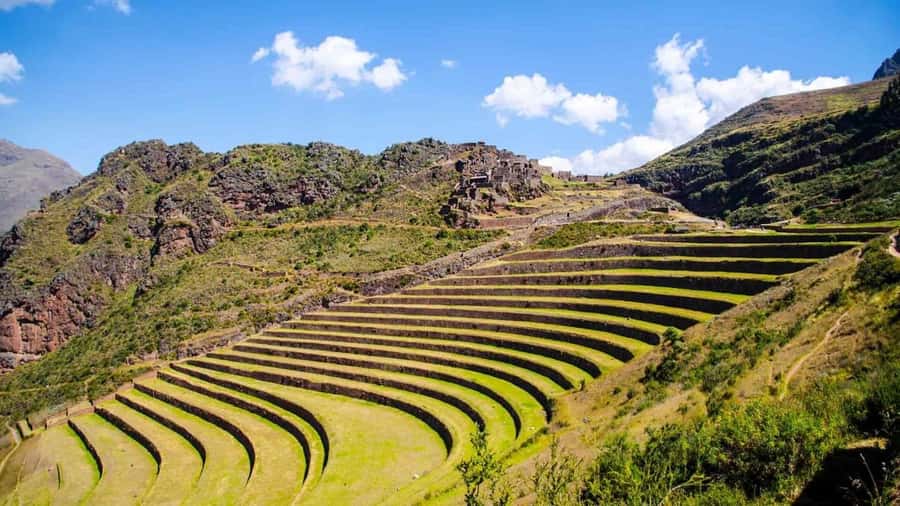
Pisac is the final archaeological center before the return to Cusco. It adds another major Andean site and gives you a final chance to compare different forms of Inca construction, settlement, and farming.
The tour presents Pisac as a place with a great deal of Andean history. That broad description is fair, but it also signals that the guide will need to summarize rather than cover every detail. After a full morning and lunch, you may be running low on energy by this point.
I would treat Pisac as the last major chapter of the day, not as a relaxed afternoon visit. Stay near the group, keep track of the meeting time, and use the guide’s explanation to understand the site’s main importance. The return to Cusco is expected at about 7:00 pm, so delays at this final stop could make the journey back even later.
The reward is breadth. By the time you leave Pisac, you have seen several different kinds of cultural sites rather than repeating the same type of ruin all day.
The real cost of a $35 tour
The advertised price is $35 per person, but the required admissions bring the practical cost closer to $60 before personal spending.
The listed fees are:
- Tour price: $35
- Partial tourist ticket: $20
- Maras entrance: $5
- Total before personal extras: approximately $60
For that amount, you receive hotel pickup near or inside Cusco’s Historic Center, tourist transportation, a buffet lunch, and a professional guide. The value is strongest if you want convenience and broad coverage. Arranging transport to five separate sites would take more planning, and private transport would normally cost more than this shared option.
The price is less attractive if you only care about one or two stops. You are paying for the full route, the vehicle, the guide, and the coordination of the day. You are also giving up control over how long you stay at each place.
The small-group limit of 15 improves the setup. It is not a private tour, but it is more manageable than a large coach group. A smaller group can also make it easier to hear the guide and move between sites without too much delay.
Guide quality and communication
The guide can operate in English or Spanish. That choice matters because the day includes places where a short explanation adds real value. Moray’s terraces, Maras’s salt pools, and the archaeological centers all make more sense when someone explains their purpose and setting.
Sandro received particularly strong praise for being friendly, attentive, and clear. That is the kind of guiding that helps on a long day. A good guide does more than repeat names. The guide should help you connect the textile traditions, farming systems, salt production, and archaeological sites into one picture of Andean life.
Communication begins before pickup. You must provide a correct phone number with your country code and have WhatsApp. This is important because hotel pickup details and changes depend on reaching you. If you are staying outside the Historic Center, confirm the meeting point because included pickup is specified only for locations near or inside that area.
Free cancellation is available up to 24 hours before the tour for a full refund. You can also reserve and pay later, which helps if your Cusco schedule is still shifting. These policies make the booking less risky, but they do not change the demanding nature of the day itself.
Who should book this Sacred Valley route?
I would recommend it most to:
- You want to see several major sites in one day.
- You are staying in or near Cusco’s Historic Center.
- You prefer arranged transport to figuring out local connections.
- You enjoy a guide-led introduction to archaeology and local traditions.
- You are comfortable with an early start and a return around 7:00 pm.
- You value a buffet lunch and small-group travel.
I would think twice if you need a slow pace, have limited stamina for a very long day, or want uninterrupted time at each ruin. The schedule covers a lot, but it cannot provide deep time at every stop.
I would also set aside money beyond the headline price. The $25 in stated entrance fees is not minor, and it changes the value calculation. The crafts and silver stop may also not suit you if you dislike sales-oriented visits.
Should you book this tour?
Book it if your priority is maximum coverage in one day. Chinchero, Moray, Maras, Urubamba, Ollantaytambo, and Pisac give you an impressive range of Andean culture and history, while transport, guiding, and lunch remove much of the planning work.
Skip it in favor of a slower or more focused outing if you want long visits at the archaeological sites. At $35, it is an appealing base price, but you should budget about $60 after the stated admissions and remain alert to the lunch concern.
For the right person, this is a practical first look at the Sacred Valley, especially with a strong guide such as Sandro. Just start rested, carry your WhatsApp-enabled phone, and accept that this is a big day built around variety rather than leisurely exploration.
FAQ
Where does the tour pick up passengers?
Hotel pickup is available near or inside Cusco’s Historic Center. You should provide your phone number with the country code and have WhatsApp for communication.
What time does the tour start and finish?
Pickup begins at about 6:30 am. The return to Cusco is expected at approximately 7:00 pm.
Which places are included in the route?
The route includes Chinchero, Moray, Maras, Urubamba, Ollantaytambo, and Pisac. Chinchero includes a textile interpretation center, an archaeological area, and a colonial temple.
Is lunch included?
Yes. A buffet lunch in Urubamba is included. Other food or drinks not specifically mentioned are not included.
Are entrance fees included in the $35 price?
No. The stated additional fees are $20 for the partial tourist ticket and $5 for entrance to Maras.
What languages are available for the guide?
Guiding is available in English and Spanish.
How large is the group?
The tour is described as a small-group experience limited to 15 participants.
Just added in Sacred Valley
- Private Tour to Pisac Market and Pisac Ruins★ 5.0 · 4 reviews
- Sacred Valley Private Tour from Cusco, Guide and Driver only★ 5.0 · 4 reviews
- Sacred Valley of the Incas Tour★ 5.0 · 12 reviews
- Sacred Valley VIP Private Tour★ 5.0 · 32 reviews
- Private Tour Sacred Valley Vip Chinchero Ollantaytambo+lunch★ 5.0 · 10 reviews
- Private transfer Cusco to Ollantaytambo★ 5.0 · 7 reviews
- 6-Day Machu Picchu, Sacred Valley and Humantay Lake Tour★ 5.0 · 10 reviews
- Private Tour: 2-Day Exploration of the Sacred Valley and Machu Picchu★ 5.0 · 69 reviews
Sacred Valley Tours, compared.
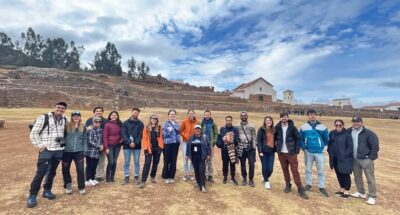
From Cusco: Sacred Valley & Maras Salt Mines Tour with Lunch
Read our review →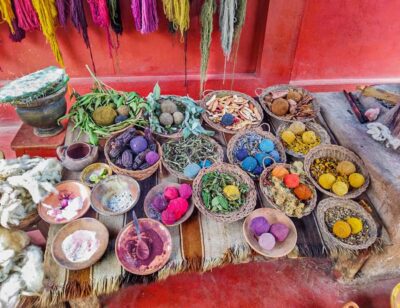
From Cusco: Moray, Maras Salt Mines & Chinchero Weavers Tour
Read our review →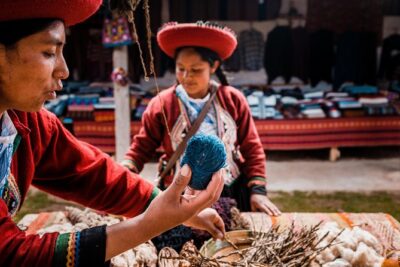
2-Day Tour: Sacred Valley and Machu Picchu by Train
Read our review →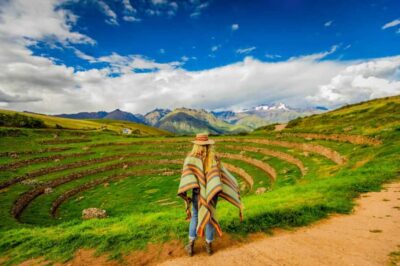
Sacred Valley, Pisac, Ollantaytambo, Salt Mines Moray
Read our review →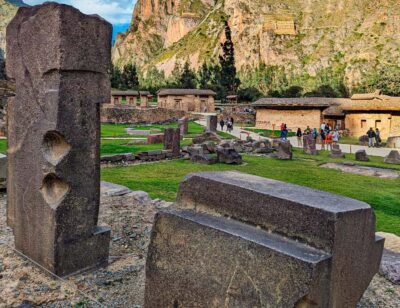
Chinchero,Moray & Salt Mines drop-off in Ollantaytambo
Read our review →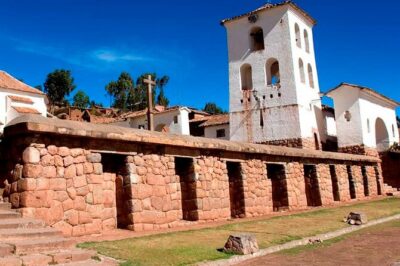
Sacred Valley and Maras Moray Tour with Full Day Buffet Lunch
Read our review →