
Reviewed · SACRED VALLEY TOURS
Cusco: Zipline in the Sacred Valley
Four cables turn a valley view into a flight. This three-hour Sacred Valley zipline outing combines four different cables with wide views from the Mirador de Racchi, making it a lively break from Cusco’s museums and ruins. I especially like the clear progression from a gentle first ride to faster and more playful runs.
I also like that transport, helmets, gloves, and harnesses are included in the $45 price. The guides have been praised as friendly, helpful, informative, and experienced, with one ride offering Superman or Superwoman positioning. The main consideration is the terrain and physical demand: this activity is not suitable for pregnant women, wheelchair users, or people with pre-existing medical conditions.
The fourth cable earns special attention because it offers the best views of the canyon, Sacred Valley, and mountain peaks. Bring a camera and some cash, but keep your expectations practical: food and personal expenses are not included, and the pickup service applies to hotels near or within Cusco’s historic center.
In This Review
- Four things to know before you book
- Leaving Cusco for the Mirador de Racchi
- Getting fitted with a harness, helmet, and gloves
- Cable One: a gentle start for finding your balance
- Cable Two: the fastest ride of the morning or afternoon
- Cable Three: Superman position and extra movement
- Cable Four: the strongest views across the Sacred Valley
- What the $45 price really covers
- Who will enjoy this four-cable adventure
- Practical tips for a smoother outing
- Should you book the Sacred Valley zipline?
- FAQ
- How long does the Sacred Valley zipline activity last?
- How much does the zipline cost?
- Where does the activity take place?
- Is hotel transportation included?
- How long is the transfer from Cusco to the zipline base?
- How many zipline cables are included?
- What equipment is provided?
- Can I cancel for a refund?
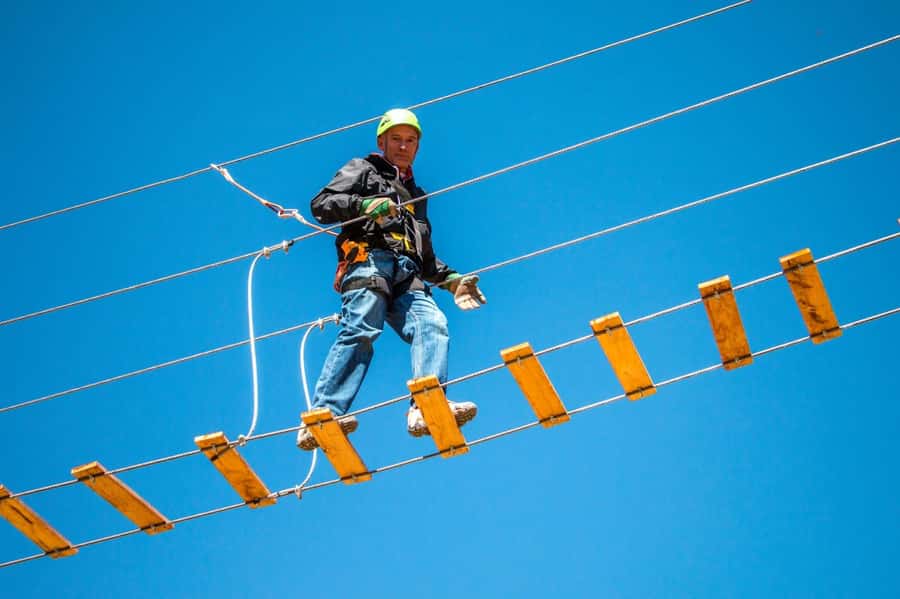
Four things to know before you book
- Four cables build confidence: The first ride is gentle, while the later cables add speed, tricks, and stronger views.
- The second cable is the fastest: This is the run for the biggest feeling of flight.
- The third cable allows Superman style: You can try an extreme body position if the guides and your comfort level allow it.
- The fourth cable has the best scenery: Expect views toward the canyon, Sacred Valley, and snowy mountain peaks.
- The $45 price covers the basics: Round-trip transport, safety equipment, instruction, and the zipline are included.
- Pickup begins near central Cusco: The drive to the Mirador de Racchi takes about 40 minutes.
Leaving Cusco for the Mirador de Racchi
Your outing begins with hotel pickup near or within Cusco’s historic center. The ride to the base at the Mirador de Racchi takes about 40 minutes, so the three-hour schedule includes more than time in the air. It is a useful detail when you are fitting this activity between sightseeing plans.
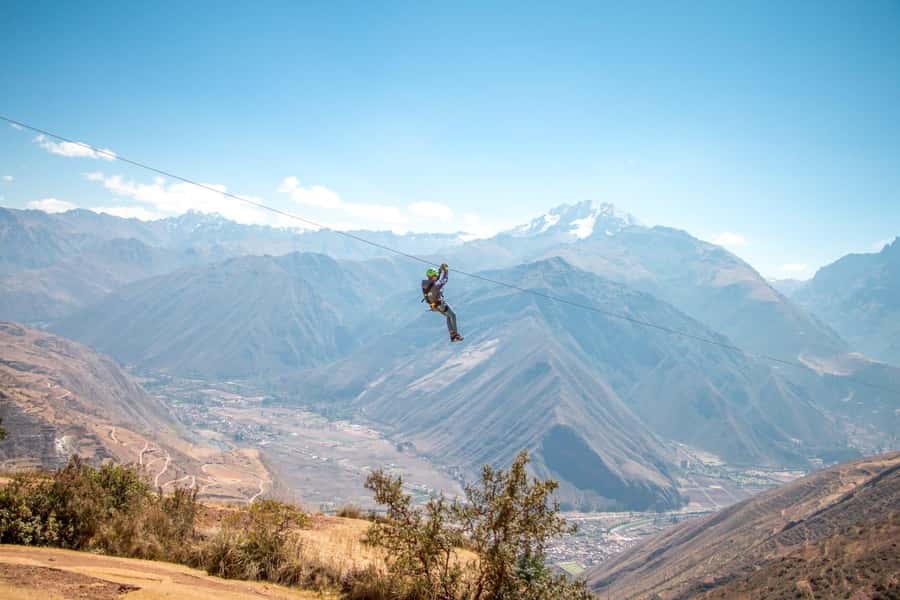
The transfer gives you a short change of pace from Cusco’s stone streets and highland city setting. At the Mirador de Racchi, the focus shifts to open views across the Sacred Valley, with mountain peaks and the canyon forming the backdrop for the activity.
The pickup area has limits. If your hotel sits outside or far from the historic center, the included transfer may not apply in the same way. Check the pickup details before paying, especially if you are staying in a neighborhood beyond the central area.
Starting times vary, so you need to check availability for the date you want. That matters if you are also planning a Sacred Valley day trip, a train connection, or a visit to Cusco’s major sights. The activity lasts three hours, but it is wise to allow extra breathing room around the scheduled start and finish.
More Sacred Valley trips:
- From Cusco: Sacred Valley & Maras Salt Mines Tour with Lunch
★ 4.8 · 2,227 reviews - From Cusco: Moray, Maras Salt Mines & Chinchero Weavers Tour
★ 4.8 · 1,925 reviews - 2-Day Tour: Sacred Valley and Machu Picchu by Train
★ 5.0 · 1,127 reviews
Getting fitted with a harness, helmet, and gloves
At the base, you receive the equipment needed for the ride: a harness, helmet, and gloves. The guides also provide safety instructions before anyone uses the cables. This briefing is not filler. It explains how the equipment works and helps you understand the body position needed for each run.
I like the way the four-cable setup gives you time to adjust. A single long zipline can feel like a test you either pass or fail. Here, the first cable works as a practice run, allowing you to learn the basic movement before the faster and more demanding sections.
The guides have earned strong praise for being nice, informative, helpful, and experienced. That is important for an activity where clear instructions matter as much as scenery. English and Spanish instruction is available, so you can choose the language that makes the safety briefing easiest to follow.
You should listen closely even if you have used a zipline before. The cable sequence includes different speeds and riding styles, and the third run may involve a more extreme position. Your comfort should guide how far you take the optional movements.
Cable One: a gentle start for finding your balance
The first cable is described as soft. Its purpose is to help you gain confidence and become familiar with the activity. That makes it a good opening run, especially if you are new to ziplining or feel unsure about the height and equipment.
Do not expect the first cable to deliver the biggest rush. Its value is practical. You can focus on the instructions, your posture, and the basic sensation of moving above the valley without starting at full speed.
I see this as one of the strongest parts of the design. The gradual start makes the activity more approachable for people with mixed experience levels. One person in a group can get comfortable while another person, already eager for speed, knows that more demanding cables are coming.
The first run also helps you decide how much you want to attempt later. If you find the initial ride exciting but manageable, you can look forward to the faster second cable. If you feel nervous, the first cable gives you a chance to settle in before making any decisions about Superman style or other movements.
Cable Two: the fastest ride of the morning or afternoon
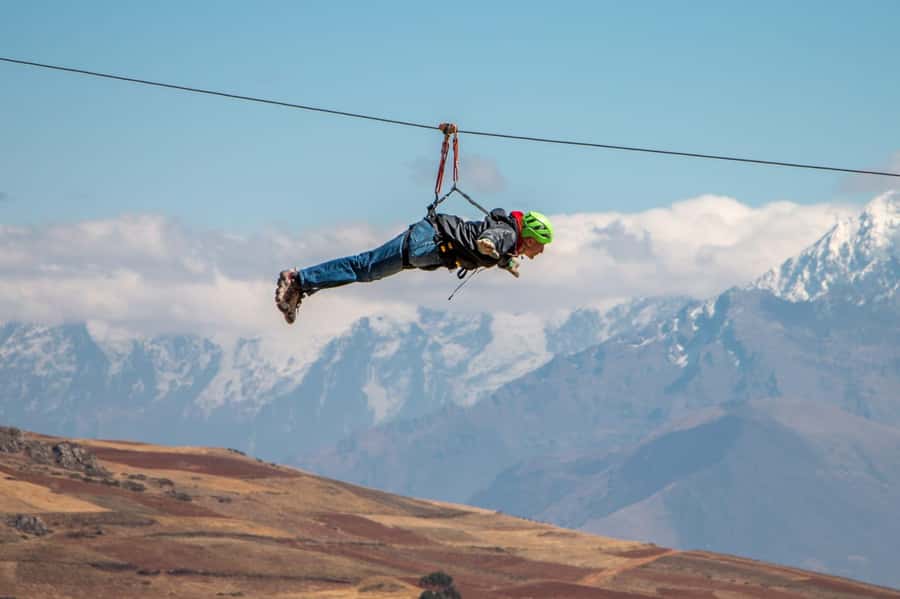
The second cable is the fastest of the four. This is where the activity shifts from practice to pure speed, with the strongest sensation of flying.
The exact speed and length are not provided, so I would not promise a specific duration or distance. What is clear is the role of this cable in the sequence. It is designed to give you the maximum rush, making it the highlight for anyone who values velocity more than tricks.
You may find the second cable especially memorable because you already know how the harness and launch process work. The first run has removed some of the uncertainty. Now you can pay more attention to the air, the valley, and the feeling of crossing the cable.
That said, fast does not always mean best for every person. If you prefer scenery, the fourth cable may be more rewarding. If you want a strong adrenaline hit, the second cable is the one to watch for.
More zip lines in Peru:
- 4-Day Inca Jungle Tour: Machu Picchu Biking, Rafting, and Zipline
★ 5.0 · 241 reviews - 4-Day Inca Jungle Adventure, Mountain Biking, Rafting and Zipline
★ 5.0 · 60 reviews - Cusco Rafting and Zipline Adventure
★ 4.5 · 47 reviews - From Cusco: Via Ferrata and Sky Lodge Zipline
★ 5.0 · 16 reviews
Cable Three: Superman position and extra movement
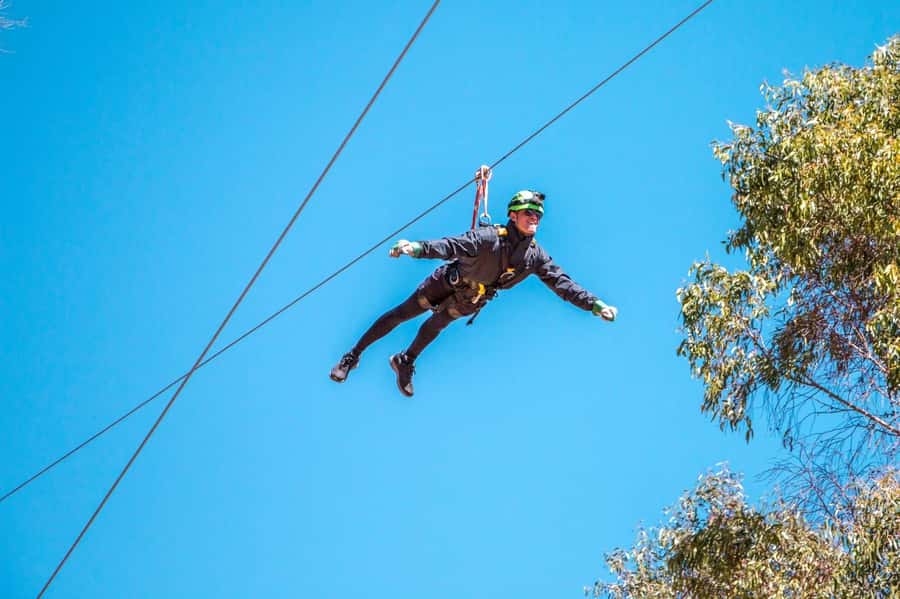
The third cable is intended for extreme movements, including the Superman or Superwoman position. This is the most playful section of the four-cable sequence, and it gives confident participants a chance to change the usual seated or upright riding style.
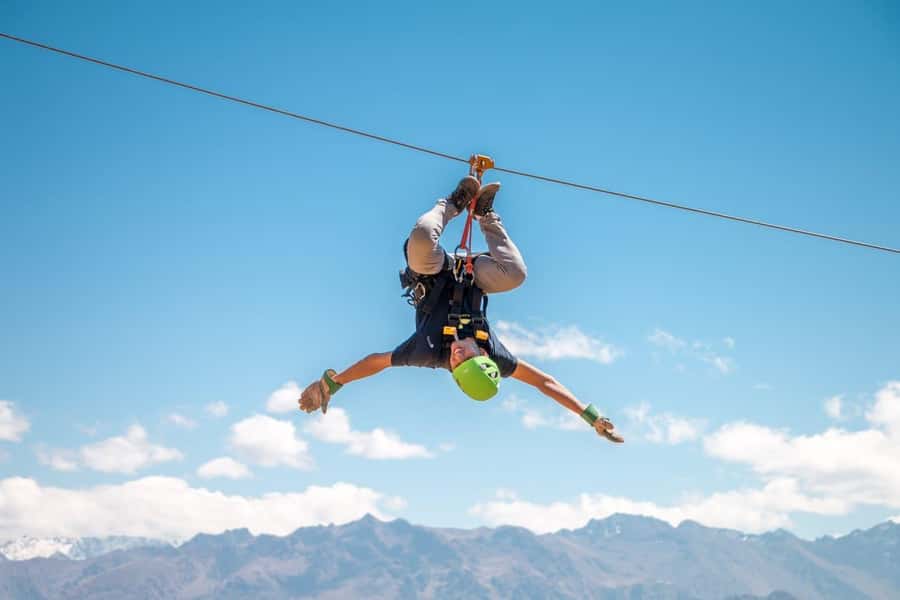
The upside-down or monkey-style option has also been highlighted as an available choice. Since the supplied information does not spell out the exact rules for every position, listen to the guide before attempting anything beyond the standard ride. The equipment and instructions come first.
I like that the activity offers this option without making it the whole point. You can enjoy the four rides without performing a stunt. If you are comfortable and the guide approves the movement, the third cable lets you add a little theatrical flair.
This section may not suit everyone. People with medical concerns should not book the activity, and nobody should feel pressured to copy the most daring position. The best version of this experience is the one that leaves you smiling rather than regretting a decision made for a photograph.
Cable Four: the strongest views across the Sacred Valley
The fourth cable offers the best views of the canyon, Sacred Valley, and mountains. It is the scenic payoff after the gentler first run, the fast second run, and the playful third.
The views include snowy peaks and the broad valley below. Exact visibility can change with weather, and no specific peak names are given, so I would treat the scenery as a highland panorama rather than a guaranteed view of one famous mountain.
This final cable may appeal most to people who are less interested in speed. You still get the zipline sensation, but the main reward is the setting. Keep your eyes open during the ride, and bring a camera if you want to record the day. You should also follow the guide’s advice about when it is safe to handle a camera.
The fourth run gives the activity a good finish. You do not simply return to the ground after the fastest cable. Instead, you close with a wider look at the canyon and valley, giving the outing a stronger sense of place.
What the $45 price really covers
At $45 per person, the price includes round-trip transport, the safety equipment, the instructions, and all four zipline cables. Food is not included, nor are other personal expenses.
I consider that a reasonable package for a short adventure because transport from central Cusco can be useful on its own. You do not need to arrange a separate ride to the Mirador de Racchi, and the core equipment is supplied. The value is strongest if you want a compact activity rather than a full-day Sacred Valley program.
The price does not include lunch or snacks, so plan accordingly. The instructions specifically recommend bringing cash, which can help with personal expenses during the outing. No food arrangement is described, so do not book this expecting a meal to be part of the schedule.
You also need to weigh the cost against the three-hour duration. This is not a full-day excursion with several archaeological stops. You are paying for transport, safety preparation, four rides, and the views. If your priority is a focused adrenaline activity, the price makes sense. If you want a broad tour of Sacred Valley culture and ruins, you need a different type of excursion.
Who will enjoy this four-cable adventure
I would recommend this activity to you if you want a simple way to add outdoor excitement to a Cusco visit. It suits people who enjoy mountain views, controlled adventure, and a short itinerary with a clear beginning and end.
It is also a good match for mixed groups because the cables progress in difficulty and style. A first-time participant can use the opening cable to get comfortable, while a more confident person can look forward to the fastest run and Superman position.
The activity is not suitable for pregnant women, wheelchair users, or people with pre-existing medical conditions. Those restrictions are important, not minor footnotes. Ziplining requires you to wear a harness, follow instructions, and take part in an activity with physical demands.
You should also be comfortable with the idea of height and open-air movement. The supplied details do not state an age limit, weight limit, or maximum group size, so ask the provider directly if any of those points affect your booking.
Practical tips for a smoother outing
Wear clothing that lets you move easily under a harness. The available information does not specify a dress code, but comfort matters when you are seated or positioned in different ways across four cables.
Bring a camera for the views, but protect it carefully. The fourth cable is the best scenic run, and the snowy peaks and valley are likely to be the images you most want to keep. Follow the guide’s instructions before using a camera during a ride.
Carry cash because extra expenses are not included. Food is also excluded, so consider your meal schedule before pickup. The activity lasts three hours, but the timing of your starting slot affects the rest of the day.
Choose your language for instruction when booking if possible. English and Spanish are available. Clear safety directions are especially useful if you are new to ziplining or plan to attempt the Superman or Superwoman position.
Finally, keep the cancellation rule in mind. You can cancel up to 24 hours in advance for a full refund, and you can reserve now while paying later. That flexibility helps if your Cusco schedule is still changing.
Should you book the Sacred Valley zipline?
Book it if you want four distinct rides, strong valley views, and a short activity that adds real motion to a Cusco itinerary. The gentle first cable, fastest second cable, optional tricks on the third, and scenic fourth cable create more variety than a single basic zipline.
I would be more cautious if you are looking for food, cultural interpretation, ruins, or a full Sacred Valley tour. Those are not part of this outing. I would also skip it if you have a pre-existing medical condition, use a wheelchair, or are pregnant.
For an active half-day addition near Cusco, $45 is fair because transport and safety gear are included. The strongest reasons to book are the excellent mountain views, the four-stage design, and guides who have been praised for friendly and capable help.
FAQ
How long does the Sacred Valley zipline activity last?
The activity lasts about three hours. Starting times vary, so check availability for the date you want.
How much does the zipline cost?
The price is $45 per person.
Where does the activity take place?
The zipline base is at the Mirador de Racchi in the Cusco Region, with views across the Sacred Valley, canyon, and mountains.
Is hotel transportation included?
Yes. Outward and return transport are included for hotel pickup near or within Cusco’s historic center.
How long is the transfer from Cusco to the zipline base?
The ride to the Mirador de Racchi takes approximately 40 minutes.
How many zipline cables are included?
Four cables are included. The first is gentle, the second is the fastest, the third allows extreme movements such as Superman or Superwoman, and the fourth offers the best views.
What equipment is provided?
You receive a harness, helmet, and gloves. Safety instructions are also provided before the activity.
Can I cancel for a refund?
Yes. You can cancel up to 24 hours in advance for a full refund. You can also reserve the activity and pay later.
Just added in Peru
- Cusco Private Transportation for 2026★ 5.0 · 4 reviews
- Private Transfer from Airport to Hotel in the City of Cusco★ 4.0 · 5 reviews
- Best Cusco walking tour: dinner street food tasting★ 4.5 · 11 reviews
- Private Tour to Pisac Market and Pisac Ruins★ 5.0 · 4 reviews
- Machu Picchu Day Trip With Panoramic Train from Cusco★ 5.0 · 10 reviews
- Sacred Valley Private Tour from Cusco, Guide and Driver only★ 5.0 · 4 reviews
- Sacred Valley of the Incas Tour★ 5.0 · 12 reviews
- Private Tour of the Mountain of Colours by Quad★ 5.0 · 7 reviews
Sacred Valley Tours, compared.
From Cusco: Sacred Valley & Maras Salt Mines Tour with Lunch
Read our review →
From Cusco: Moray, Maras Salt Mines & Chinchero Weavers Tour
Read our review →
2-Day Tour: Sacred Valley and Machu Picchu by Train
Read our review →
Sacred Valley, Pisac, Ollantaytambo, Salt Mines Moray
Read our review →
Chinchero,Moray & Salt Mines drop-off in Ollantaytambo
Read our review →
Sacred Valley and Maras Moray Tour with Full Day Buffet Lunch
Read our review →

Browse the lists this tour appears in