
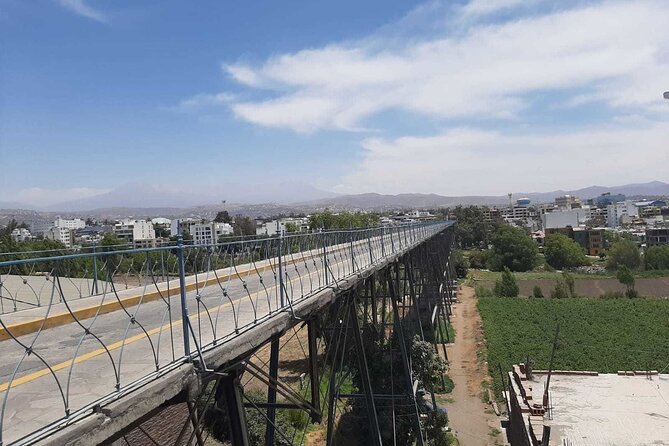
Reviewed · WALKING TOURS IN AREQUIPA
Excursion to the Sillar Route with Walk in Culebrillas
White stone gives Arequipa its character. This half-day outing takes you from the city toward the Sillar Route, where volcanic stone is cut, carved, and shaped for the White City. I like the low price and the chance to see working quarries rather than only admire finished buildings. I also like the short walk through pink sillar at Culebrillas, a striking natural canyon.
The main caution is organization. One visit arrived close to closing time, leaving little time at the quarry, and an English-language booking did not always guarantee an English-speaking guide. You should also expect a basic minibus ride and a fairly quick pace.
In This Review
- Key points to know before booking
- Why Arequipa’s white stone matters
- A short introduction near Arequipa
- Entering the Canteras de Sillar
- What the quarry visit is really like
- The Culebrillas canyon walk
- Transport, group size, and the pace
- What the $12.50 price includes
- The strongest parts of the experience
- Drawbacks you should weigh carefully
- Who should book this outing
- Practical details for your day
- Should you book the Sillar Route and Culebrillas walk?
- FAQ
- How long does the Sillar Route and Culebrillas tour last?
- What is included in the tour price?
- Is the entrance fee included?
- Where does the tour start and end?
- How long is the walk at Culebrillas?
- How many people can join the tour?
- Can I cancel for a full refund?
Key points to know before booking
- The white stone comes from volcanic ash: See how sillar is extracted, cut, carved, and turned into architectural works.
- Culebrillas adds a different kind of scenery: The canyon is made from pink sillar and includes a roughly 25-minute walk.
- The tour lasts about four to five hours: Much of the time is spent reaching and returning from the quarries.
- The advertised price is very low: The tour costs $12.50 per person, but the 12-sol entrance fee is extra.
- The group is limited to 14 people: That is small enough for a more personal outing, though guide quality still matters.
- Timing can shape the whole experience: Arriving near closing time may turn the quarry visit into a rushed stop.
Why Arequipa’s white stone matters
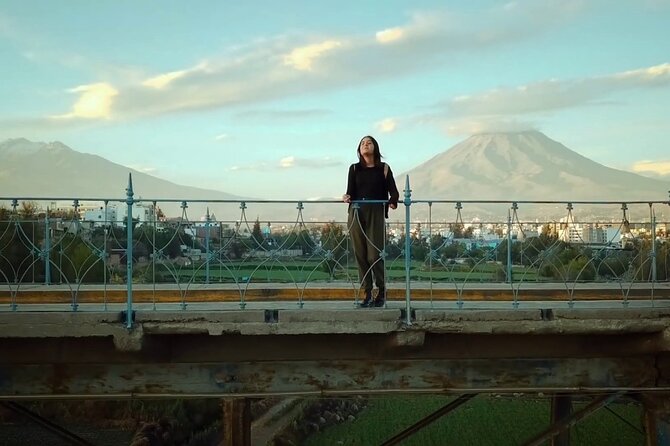
Arequipa is often called the White City because so many older buildings use sillar, a pale volcanic stone. The material gives the city’s churches, courtyards, and walls a soft, bright look that is different from ordinary cut stone.
On this excursion, you get to see the material before it becomes architecture. That change in viewpoint is the real value. Instead of simply taking photographs of white façades in central Arequipa, you see where the stone comes from and how workers shape it.
The route runs through the Cerro Colorado area, where the quarries and stone-working sites are located. The setting combines human work with dramatic volcanic scenery. It is not a polished museum visit. You are seeing an active cultural and industrial tradition, with rough stone, carved pieces, and large-scale works spread through the quarry area.
I find that helpful context. Afterward, the white stone in Arequipa’s historic center feels less decorative and more tangible. You can picture the labor behind every block.
More Walking Tours in Arequipa
- Walking tour in the Historic Center of Arequipa
★ 4.4 · 180 reviews - Arequipa: Walk through the Historic Center of the City
★ 4.9 · 87 reviews - Arequipa Walking Tour city center and drinks experience
★ 5.0 · 72 reviews
A short introduction near Arequipa
The first stop takes about 20 minutes and serves as an orientation point. The group stops at a square or another main location where you can look toward the volcanoes and the Arequipeña countryside.
This sounds modest, and it is. Do not book the tour mainly for a sweeping city view. One especially negative account described seeing the volcanoes through buildings, cables, and wires. Your view will depend on the exact stopping point and local conditions.
Still, I like having this short pause at the beginning. It gives you a quick sense of Arequipa’s setting before the vehicle heads toward the stone quarries. If the view is partly blocked, the stop remains useful as a simple introduction rather than a major sightseeing event.
The short duration also keeps the tour moving. You will not spend an hour waiting for the perfect photograph.
Entering the Canteras de Sillar
The main stop is the Canteras de Sillar in Cerro Colorado. Allow about two and a half hours for this part of the outing, including the vehicle time connected with reaching the principal area and returning.
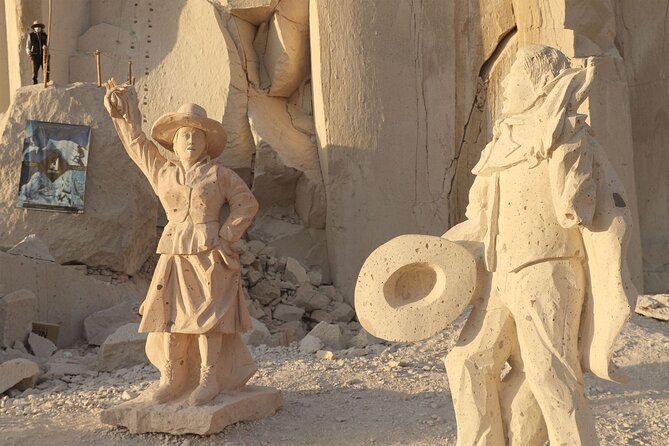
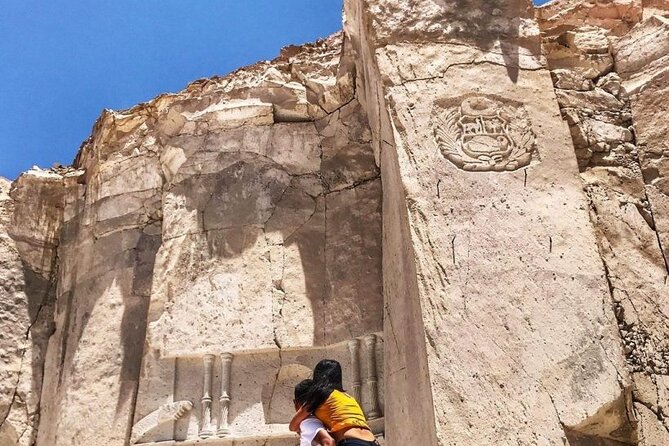
The quarry is the heart of the tour. Here, you learn about the extraction process and see the stages of working sillar. The route includes examples of extraction, carving, and mega carving, along with artistic pieces made from the same white volcanic stone.
That gives the visit more range than a simple quarry overlook. You are not only looking at a hole in the ground. You are seeing the material being prepared for buildings and shaped into decorative or sculptural forms.
The setting can be visually impressive, with pale stone cut into walls and open areas. The quarry itself also helps explain why Arequipa’s traditional architecture looks the way it does. The city’s white appearance is not an abstract design choice. It begins here, in volcanic rock worked by hand and tools.
What the quarry visit is really like
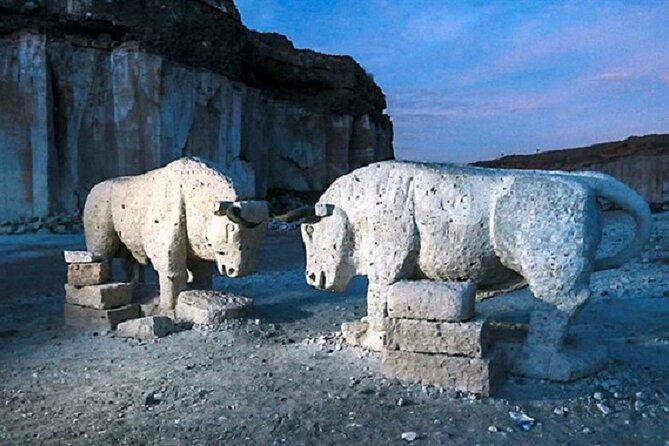
You should expect a practical, fairly simple presentation. The quality of the visit depends heavily on the guide and the time available.
One account described arriving only 30 minutes before the site closed. The result was a very fast visit with little explanation. That is a serious concern because the quarry is most worthwhile when you understand what you are seeing. If the stop is rushed, you may get photographs but miss the process that makes the place special.
The English-language issue also deserves attention. A booking made for English was reportedly handled by a guide who spoke only Spanish. The passenger felt unable to ask questions and learned little from the visit. If English guiding is important to you, confirm the language before departure rather than treating it as automatic.
At its best, this stop should give you a clear explanation of how sillar is removed, shaped, and used. At its weakest, it becomes a short walk past stone carvings with limited context. The difference is large.
A completely different kind of day:
- 2 day 1 night trek / Colca Canyon
★ 5.0 · 1,069 reviews - From Arequipa: Colca Canyon Full-Day Guided Tour with Meals
★ 4.5 · 982 reviews - Tour to the Salinas Lagoon and National Reserve in Arequipa
★ 4.5 · 548 reviews - From Arequipa: Sillar Route Trek
★ 4.2 · 461 reviews
The Culebrillas canyon walk
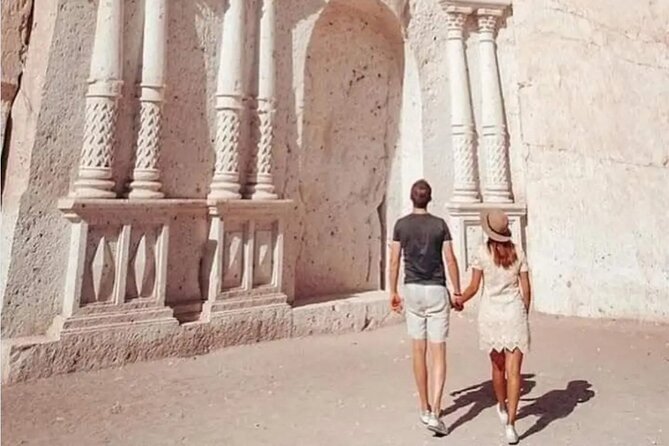
After the quarry area, the outing continues toward the Quebrada de Culebrillas. The transport takes about 30 minutes each way from the Añashuayco quarries, and the walk inside the ravine lasts about 25 minutes.
Culebrillas is naturally formed from pink sillar. That color change makes it a useful companion to the main quarry visit. At the Canteras de Sillar, the focus is on human labor and white volcanic stone. At Culebrillas, you see a canyon shaped by nature, with pink ashlar walls and views along the ravine.
The walk requires care. The description specifically calls for walking carefully, so this is not a flat city stroll or a paved attraction. You should pay attention to your footing and follow the guide through the canyon.
The total stop is listed at about one and a half hours, which includes the driving time and the walk. The actual walking portion is short, but it gives the tour a welcome change of pace. A simple half-day quarry visit could feel repetitive. Culebrillas adds color, rock formations, and a more direct sense of the area’s geology.
A particularly appealing detail is the mention of caves and a waterfall at Culebrillas. These features add interest to the ravine, though the available information does not promise a large waterfall or a long cave exploration. Think of them as parts of the short canyon walk, not as a separate adventure.
Transport, group size, and the pace

The excursion uses an air-conditioned vehicle and accepts a maximum of 14 people. For a low-cost outing, that is a reasonable arrangement. A small group makes it easier to hear the guide and reduces the chance of a large crowd filling the quarry path.
The vehicle journey is an important part of the schedule. The stated driving times add up to roughly two hours for the quarry and Culebrillas transfers. That means you should not expect four or five hours of continuous walking or sightseeing.
The ride itself has received mixed impressions. One account called the minibus ride comfortable and noted that the group left on time. Another described the bus as uncomfortable and the overall tour as rushed. I would treat this as a basic transport service, not a premium excursion.
That distinction helps set the right expectation. You are paying $12.50 for a short guided trip in an air-conditioned vehicle, not for a spacious coach or a private car. If the vehicle is full, space may feel limited despite the small maximum group size.
The timing deserves equal attention. The full duration is approximately four to five hours, but the day can feel compressed if the quarry is reached late. A prompt departure and an open site are important here. If you care most about the quarry explanation, timing matters more than the air conditioning.
What the $12.50 price includes
At $12.50 per person, this is one of the more affordable ways to visit the sillar sites outside Arequipa. The price includes transportation and a professional guide. For someone with limited time or a tight budget, that combination offers clear value.
The entrance fee is not included. The supplied information lists the site ticket at 12 soles per person. There has been confusion about this cost because one booking expected an extra three soles, while the provider explained that the advertised amount was three dollars, equal to about 11 soles at that exchange rate.
The practical lesson is simple: budget the 12-sol entrance fee in addition to the tour price. That avoids a small but annoying surprise at the entrance. Prices and exchange rates can shift, but the stated fee is the figure to plan around.
The tour is good value if you want transport, a guide, and access to both the quarry zone and Culebrillas without arranging separate rides. It is less convincing if you expect a long educational presentation, polished vehicles, or highly reliable language service.
The strongest parts of the experience
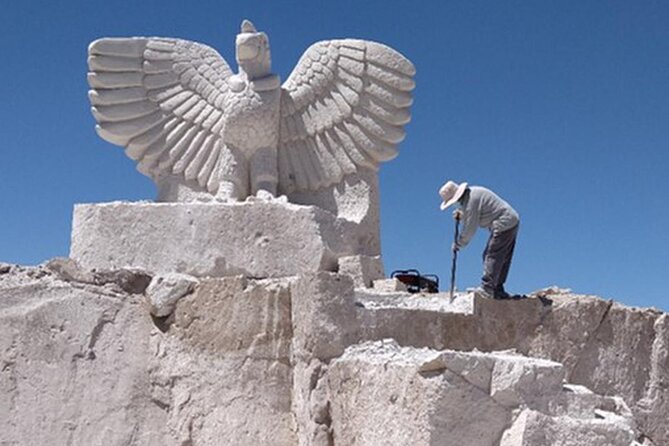
I like the connection between Arequipa’s city architecture and the working source of its stone. That link gives the tour a clear purpose. You are not simply ticking off another nearby attraction.
I also like the contrast between the two main stops. The quarry shows sillar being handled by people, while Culebrillas shows the stone in a natural canyon. The shift from white stone to pink stone gives the half-day route visual variety.
The low cost is another clear advantage. Even after adding the 12-sol entrance ticket, the outing remains accessible for many budgets. The 14-person limit is useful too, at least in principle, because it avoids the scale of a large bus tour.
The most important positive practical detail is that the trip can leave on time and the minibus can be perfectly serviceable. When the schedule works and the guide explains the quarry well, this is a pleasant, inexpensive way to see a side of Arequipa that city sightseeing alone cannot provide.
Drawbacks you should weigh carefully
The largest weakness is inconsistency. A guide who arrives at the site near closing time cannot provide the same visit as one who has a full two and a half hours. The quarry is the centerpiece, so a rushed arrival has an outsized effect.
Language is another concern. If you book in English, confirm that an English-speaking guide will be present. The experience loses much of its value if you can see the stone but cannot understand the extraction and carving process.
The vehicle may also be basic. One poor account described an uncomfortable ride, while another found the minibus fine. I would not make this your choice if you need generous legroom or a highly polished transport service.
Finally, the first viewpoint may not deliver the clear volcano panorama suggested by the idea of an introductory stop. Buildings, wires, and local conditions can interfere. Enjoy it as a brief orientation, not as the day’s main scenic moment.
Who should book this outing
I would recommend it to you if you have a half-day in Arequipa and want to understand the source of the city’s white architecture. It suits budget-conscious visitors, photographers interested in stone and texture, and anyone who prefers a local production site to another formal monument.
It also works for people who want a short walk without committing to a full-day trek. The Culebrillas walk lasts about 25 minutes, though the uneven canyon means you still need to walk carefully.
You may want another option if your priority is fluent English guiding, extensive historical explanation, or a relaxed schedule. Families and most people can participate, and service animals are allowed, but the supplied information does not provide specific details about surfaces, restrooms, or facilities at the quarries. Ask directly if those needs matter to you.
The tour is usually booked about 16 days ahead. That timing gives you a useful planning guide, especially if you are visiting during a busy period. The maximum group is 14, but you should still confirm the language and departure details before paying.
Practical details for your day
The meeting point is C. Álvarez Thomas 115 in Arequipa. The outing ends at Av. La Marina 400, so note that the finish is not the same as the starting point.
Wear something suitable for a short, careful walk through a natural ravine. The information does not specify a required dress code or equipment, but Culebrillas is not described as a smooth urban path. You should be ready for uneven ground and keep your attention on where you step.
The tour includes an air-conditioned vehicle, but the driving sections are long enough that transport comfort will affect your impression. If you dislike cramped minibus rides, keep that tradeoff in mind.
Cancellation is flexible up to 24 hours before the local start time, with a full refund. Inside that 24-hour window, cancellations and changes are not accepted for a refund. That policy is useful if your Arequipa plans may shift, but it does not protect a last-minute change.
Should you book the Sillar Route and Culebrillas walk?
Book it if you want a cheap, compact introduction to Arequipa’s volcanic stone and you are comfortable with a basic minibus, a short canyon walk, and some uncertainty about guide quality. The combination of quarry work, carved sillar, pink rock, caves, and a possible waterfall gives the outing more substance than its price suggests.
I would book only after confirming the guiding language and expected departure time. Those two details can decide if you receive a useful quarry visit or a rushed photo stop. If the operator can provide a full visit and clear explanations, this is a worthwhile half-day add-on to Arequipa.
FAQ
How long does the Sillar Route and Culebrillas tour last?
The experience lasts approximately four to five hours.
What is included in the tour price?
The price includes an air-conditioned vehicle and a professional guide.
Is the entrance fee included?
No. The stated entrance fee is 12 soles per person and must be paid separately.
Where does the tour start and end?
It starts at C. Álvarez Thomas 115 in Arequipa and ends at Av. La Marina 400 in Arequipa.
How long is the walk at Culebrillas?
The walk inside the ravine lasts approximately 25 minutes. The transport from the Añashuayco quarries takes about 30 minutes each way.
How many people can join the tour?
The maximum group size is 14 people.
Can I cancel for a full refund?
Yes, if you cancel at least 24 hours before the experience start time. Cancellations or changes made within 24 hours are not refunded.
Just added in Arequipa
- Sillar Route★ 5.0 · 4 reviews
- Salinas Lagoon + Mini Volcano DE Lojen★ 5.0 · 9 reviews
- 3-Day Colca Canyon trek with Professional Guide★ 5.0 · 40 reviews
- Full Day Tour To The Salt Lake Salinas in Arequipa★ 4.5 · 34 reviews
- Walking City tour including the Monastery of Santa Catalina★ 5.0 · 6 reviews
- Trekking, Waterfalls and Thermal Baths★ 4.5 · 47 reviews
- Downhill Tour – Mountain Bike in Arequipa★ 3.5 · 5 reviews
- 2 Days 1 Night trekking Through Colca Canyon, Private room★ 5.0 · 16 reviews
Walking Tours in Arequipa, compared.
Walking tour in the Historic Center of Arequipa
Read our review →
Arequipa Walking Tour city center and drinks experience
Read our review →
Walking Tour through the Historic Center of Arequipa
Read our review →
Walking Tour Arequipa Including Santa Catalina Monastery
Read our review →
Walking City tour including the Monastery of Santa Catalina
Read our review →Arequipa Walking Tour and Santa Catalina Monastery
Read our review →Browse the lists this tour appears in