
Reviewed · MACHU PICCHU TOURS
From Cusco: 4-Day Inca Jungle Adventure to Machu Picchu
Adventure starts before sunrise. This four-day route mixes mountain biking, jungle hiking, rafting, and ziplining before delivering you to Machu Picchu by train. I like the variety, and I like that the route passes coffee farms, family-run agricultural plots, hot springs, and small Andean settlements rather than rushing straight to the ruins. Guides such as Wilbert, Jonny, and Freddy have earned special praise for their warmth, organization, history knowledge, and good humor.
The main caution is physical: day one begins at 5:30 a.m. and reaches 4,350 meters before a long bike descent, while day two and day three include several hours of walking. The basic lodging and early starts may not suit anyone looking for a soft, polished holiday, but the $519 price includes an impressive amount of transport, meals, equipment, activities, Machu Picchu entry, and guiding.
In This Review
- Key points to know before booking
- Why this route is different from a standard Machu Picchu trip
- Day one: Malaga Pass to Santa Maria on two wheels
- Day two: Coffee farms, an old trail, and Cocalmayo hot springs
- Day three: Zipline thrills and the walk to Aguas Calientes
- Day four: First buses and Machu Picchu at sunrise
- Fitness, altitude, and what to pack
- Small groups and the value of the guiding
- Who should book this Inca Jungle Adventure?
- Should you book it?
- FAQ
- How long is the Inca Jungle Adventure from Cusco to Machu Picchu?
- Is transportation included?
- Is Machu Picchu admission included?
- Are rafting and ziplining included?
- Are the hot springs included?
- Can I hike Huayna Picchu or Machu Picchu Mountain?
Key points to know before booking
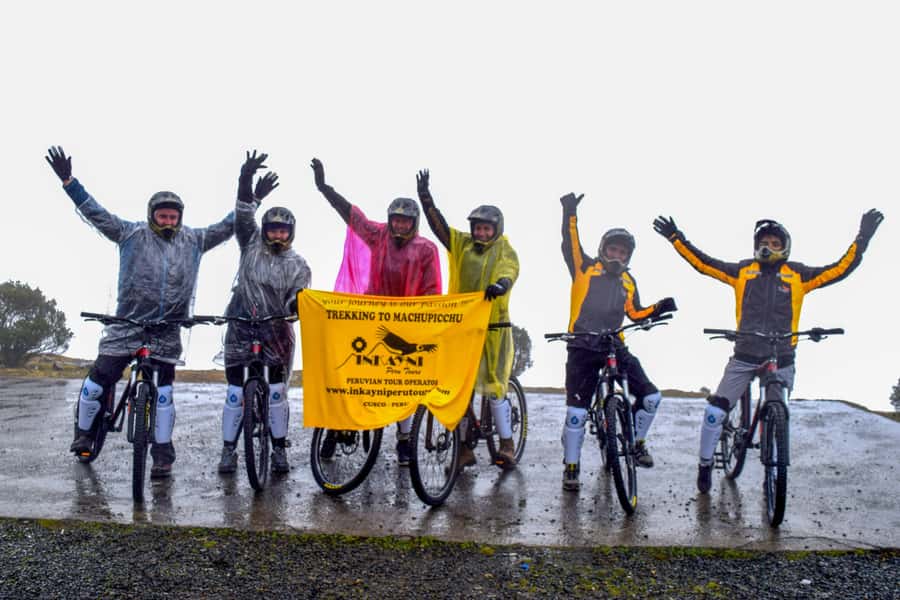
- The highest point comes before the fun begins: You reach Malaga Pass at 4,350 meters, then cycle downhill for about three hours.
- The route is active but varied: Biking, hiking, rafting, hot springs, ziplining, and a train ride break up the effort.
- Day two offers the most local contact: You visit plantations and a family home, taste regional fruit, and learn about coffee, bananas, coca, and farming.
- The final walk follows the railway: From the Hydroelectric checkpoint, you walk about three hours beside the tracks to Aguas Calientes.
- Machu Picchu entry is included: The tour provides a guide, entrance ticket, and one-way bus to the ruins.
- The price is strong for what you receive: Transport, three meals a day after the first morning, lodging, activities, safety gear, and the return train are all covered.
Why this route is different from a standard Machu Picchu trip
Many Machu Picchu packages treat the ruins as the whole event. This one makes the journey part of the attraction. You leave Cusco by road, cross a high mountain pass, cycle into warmer country, walk through plantations, soak in thermal pools, and reach Aguas Calientes on foot beside the railway.
That variety is the tour’s greatest strength. If you enjoy switching from one activity to another, you will rarely feel stuck in a long transfer. You also get a better sense of how the high Andes change into the humid valleys below.
The trade-off is that this is not a relaxed sightseeing trip. You are moving every day, usually with a group of no more than 10 people. Pickup is available from hotels in central Cusco and surrounding areas, but you should ask the local operator about pickup from your exact address.
The tour costs $519 per person. That is a fair price when you count the bikes, helmets, gloves, rafting equipment, zipline activity, meals, hotels, transportation, Machu Picchu ticket, bus, train, and bilingual guide. You still pay separately for the hot springs, optional mountain hikes, travel insurance, the first breakfast, and the last lunch in Aguas Calientes.
More Machu Picchu trips:
- Classic Inca Trail Trek 4D/3N to Machu Picchu (Group Service)
★ 5.0 · 8,653 reviews - Machu Picchu: 4-Day Inca Trail Trek with Panoramic Train Ride
★ 5.0 · 4,568 reviews - Short Inca Trail to Machu Picchu 2D/1N
★ 5.0 · 3,007 reviews
Day one: Malaga Pass to Santa Maria on two wheels
Your morning begins with a 5:30 a.m. hotel pickup. The drive to Malaga Pass takes about three and a half hours, so you should be ready for a long vehicle ride before the cycling begins.
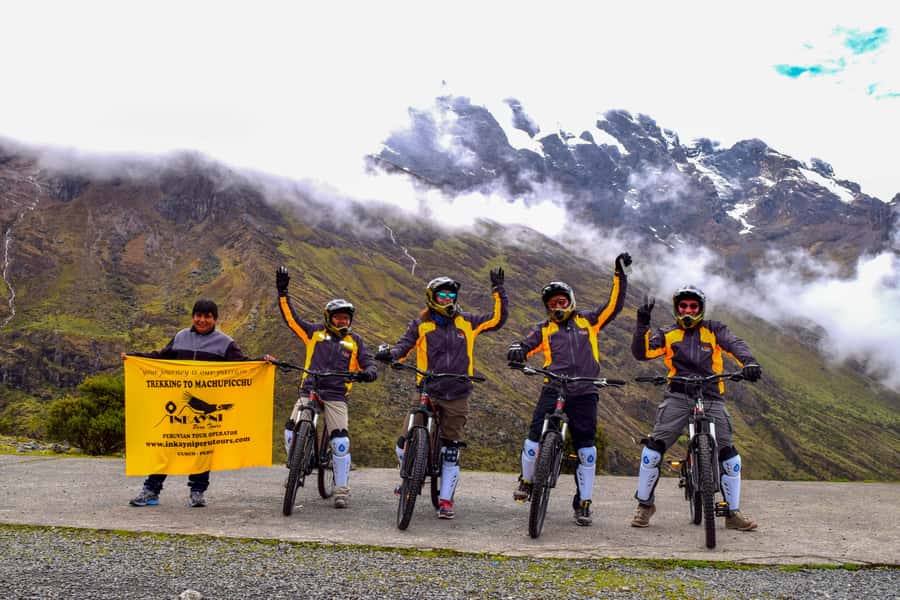
At 4,350 meters, Malaga Pass is the highest point on the route. The air can feel thin, and the temperature may be cold, so keep your warm jacket handy rather than burying it in your bag. This is also the point where the trip changes character. From the high pass, you begin a roughly three-hour mountain bike descent.
The tour provides full-suspension bikes, helmets, gloves, and safety equipment. You ride through forest, past rivers, and by small Andean villages on the way to Huamanmarca. The route is mainly a descent, which is easier on your legs than a long uphill ride, but you still need confidence on a bike and enough control for a sustained mountain road.
This portion is a good fit if you want active scenery without committing to a multi-day high-altitude trek. It is less suitable if you have back or heart problems, or if you are not comfortable with a long bike descent.
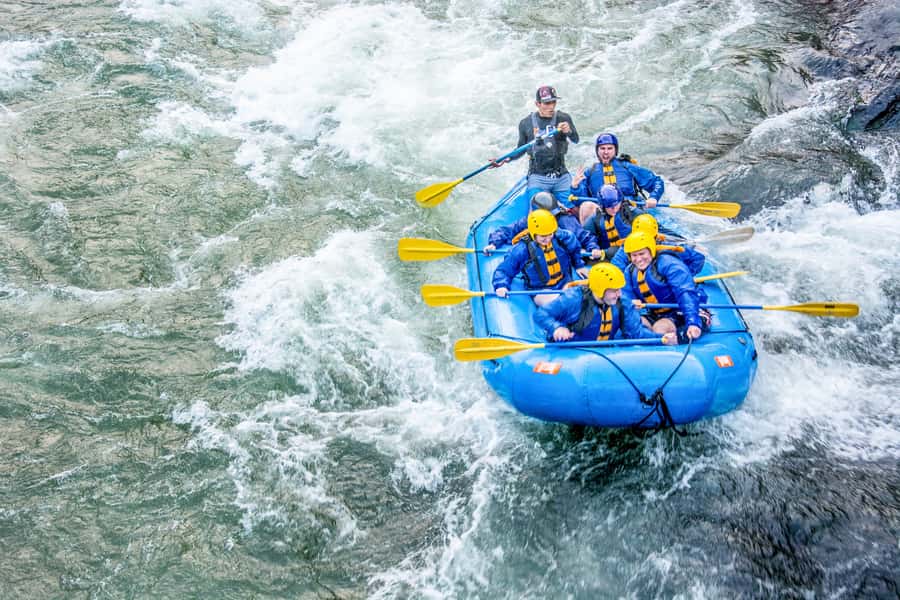
After reaching Huamanmarca, you stop for lunch. The schedule then offers optional rafting on Class III and IV rapids. This is a serious step up from a gentle float, so it should be treated as a real white-water activity, not a casual add-on. Swimwear is worth packing if you choose it.
The day ends in Santa Maria with dinner and a night in a lodge. Since the first day includes an early start, a long drive, biking, and possibly rafting, you will probably value the simple evening more than extra sightseeing.
Day two: Coffee farms, an old trail, and Cocalmayo hot springs
After breakfast, you walk for about two hours through plantations growing coffee, bananas, and coca. This section gives the trip a human scale. Instead of only looking at mountains from a vehicle, you see the crops that support local households and learn about traditional farming.
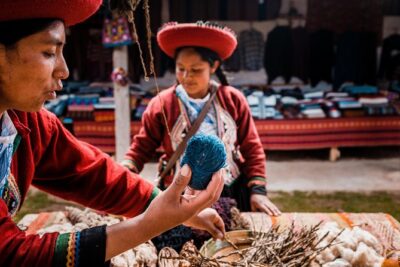
A stop at a local family home adds useful context. You taste regional fruit and hear about agricultural life directly. The tour does not turn this into a staged cultural show, at least from the description provided, and that kind of small visit is one of the better reasons to choose this route over a simple bus-and-train package.
The walk continues along an ancient Inca route that once linked Machu Picchu with Vilcabamba. You follow mountain ridges with views toward Huancarccasa Canyon, then descend toward Quellomayo for lunch.
This is likely the most rewarding walking day, but it is not effortless. Ridge paths and descents can be tiring, especially after the previous day’s activity. Wear proper walking boots, not casual trainers. A waterproof jacket or rain poncho is also important because weather can change quickly in the mountains and jungle.
At Quellomayo, you get time to rest in hammocks before continuing to Cocalmayo. That pause matters. The itinerary gives you a break before the thermal pools, rather than treating every hour as a race to the next stop.
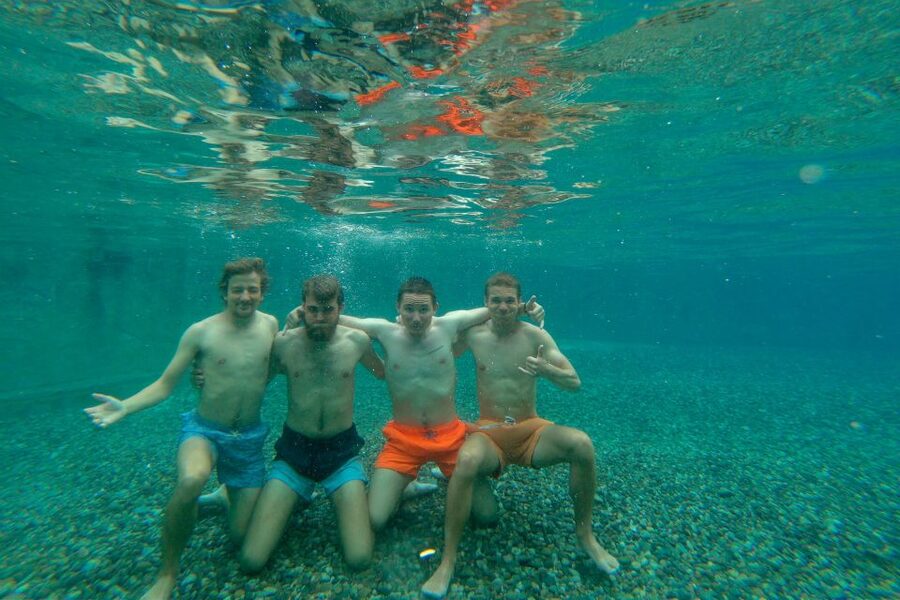
The entrance to the hot springs costs 20 Peruvian soles and is not included. Bring swimwear and a small towel if you plan to soak. Cocalmayo is a welcome change of pace, with warm water after several hours on foot.
You spend the night in Santa Teresa at a basic hotel. The word basic is worth taking seriously. This is an adventure tour, and the accommodation is functional rather than luxurious. In return, you get a route that reaches places a more polished package often skips.
Day three: Zipline thrills and the walk to Aguas Calientes
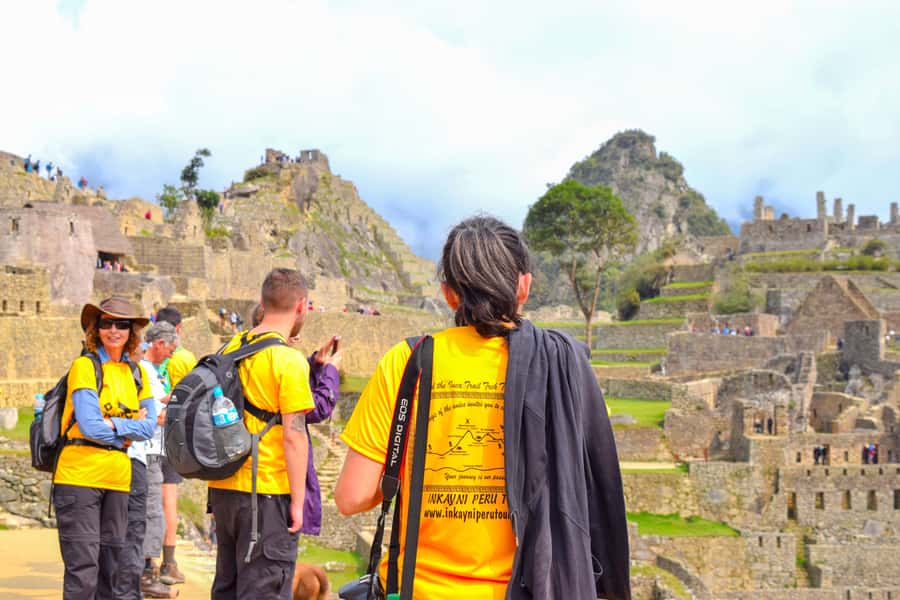
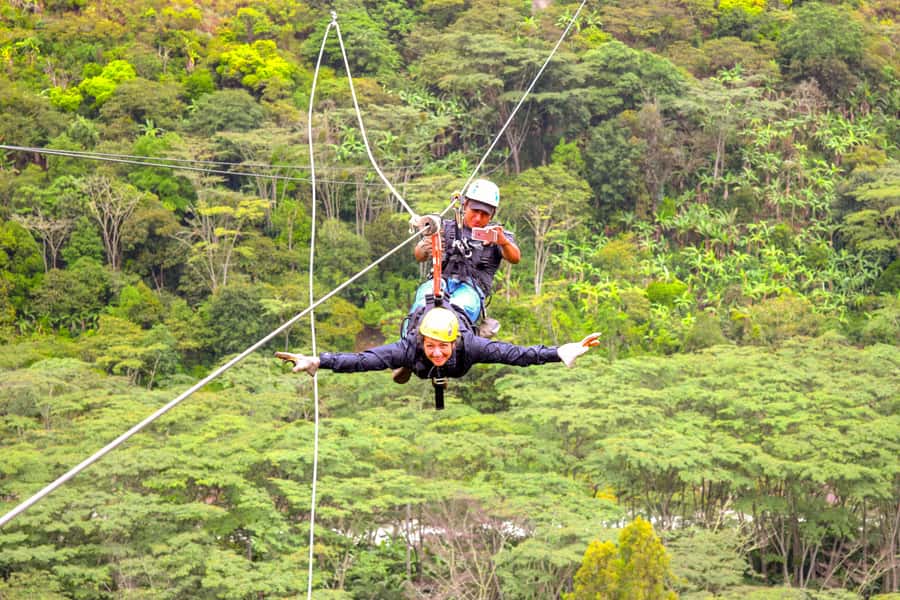
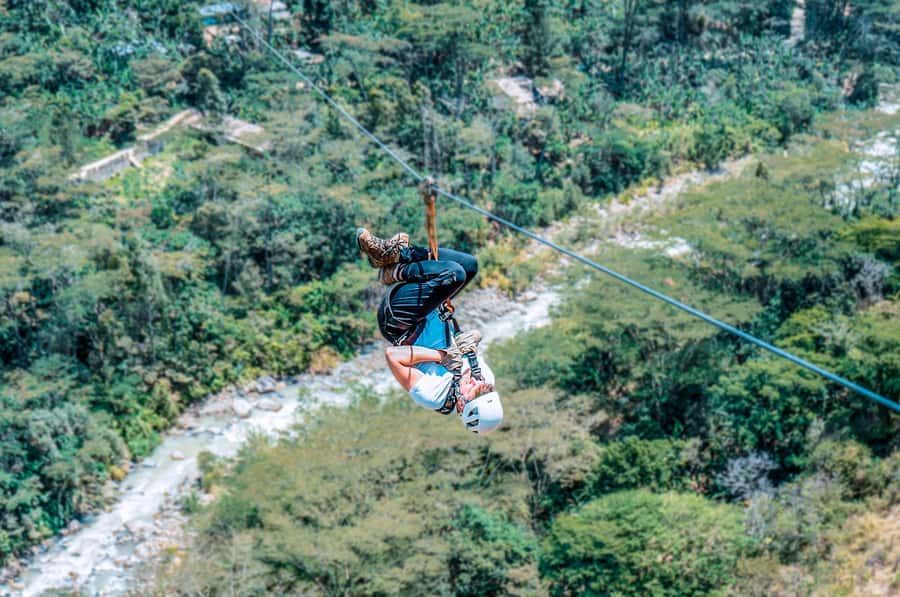
The morning offers an optional ziplining session over the valleys. The schedule treats it as an extra activity, while the package includes zipline equipment and the activity itself. Confirm the exact arrangement with the operator before departure if this matters to your budget or plans.
Ziplining is a natural fit here because the route has already brought you into warm, steep-sided country. You get a quick burst of speed and a broad view without adding another long hike. It is still optional, so you can save your energy for the walk if heights or speed are not your thing.
You then travel to the Hydroelectric checkpoint. Lunch is planned at a scenic stop, giving you time to eat before the final three-hour walk to Aguas Calientes.
This walk follows the railway tracks, passing waterfalls and thick jungle. It is not the grandest hiking trail in Peru, but it is memorable because the railway becomes your guide into Machu Picchu’s base town. Keep your pace steady and watch your footing. Three hours on a mostly level route can still feel long after two active days.
You reach Aguas Calientes in the late afternoon and check into the three-star Golden Sunrise Hotel. This is a step up from the first two nights, and the location provides a more comfortable base before the early visit to Machu Picchu.
At dinner, your guide explains the next morning’s plan. That briefing is useful because Machu Picchu entry times and bus queues make a little preparation worthwhile. The strongest part of this tour is often the guide relationship. Wilbert has been praised for his history knowledge, translations, photographs, humor, and care with the group. Jonny has been described as helpful and informative, with the easy manner of a good companion. Freddy also receives high marks for careful organization and friendly company.
More Amazon jungle trips:
- 4-Day Inca Jungle Trail to Machu Picchu Hiking and Biking Tour
★ 5.0 · 438 reviews - 4-Day Adventure Tour: Inca Jungle Trail to Machu Picchu
★ 5.0 · 426 reviews - 4-Day Inca Jungle Tour: Machu Picchu Biking, Rafting, and Zipline
★ 5.0 · 241 reviews - Manu National Park 4-Day Eco Tour from Cusco
★ 5.0 · 216 reviews
Day four: First buses and Machu Picchu at sunrise
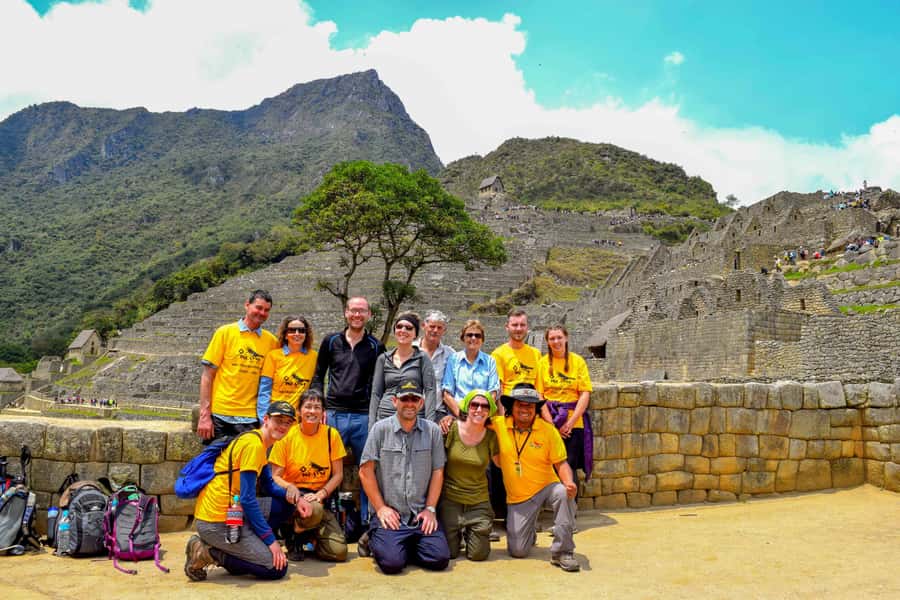
You rise early and take one of the first buses from Aguas Calientes to Machu Picchu. The ruins sit at 2,430 meters, well below Malaga Pass but still high enough that the morning can feel cool.
Arriving early gives you the best chance of seeing the terraces and temples in softer morning light. The included guided tour focuses on the site’s main areas and explains its purpose, construction, and importance within the Inca world.
This guided visit is where a good tour leader earns the fee. Machu Picchu can look impressive even without explanation, but a guide helps you understand why the terraces were built, how the ceremonial and residential areas fit together, and what you are actually seeing among the stone walls.
After the guided portion, you have time to explore on your own. You can also book Huayna Picchu or Machu Picchu Mountain, but these are not casual same-day additions. Each requires a separate ticket and limited spaces mean you need to reserve months ahead.
Huayna Picchu rises to 2,720 meters. Machu Picchu Mountain reaches 3,082 meters and involves a higher climb. Neither hike is included in the base price, so check your ticket before the trip rather than assuming it comes with the main entrance.
After visiting the ruins, you return to Aguas Calientes for lunch. The final lunch is not included, so budget for it separately. In the afternoon, you take the train to Ollantaytambo, then continue by private van to Cusco.
The train is a sensible ending. After four active days, you can sit back and watch the scenery pass instead of facing another long hike or crowded public transfer. The return to Cusco marks a full day of travel, so avoid planning an important evening commitment.
Fitness, altitude, and what to pack
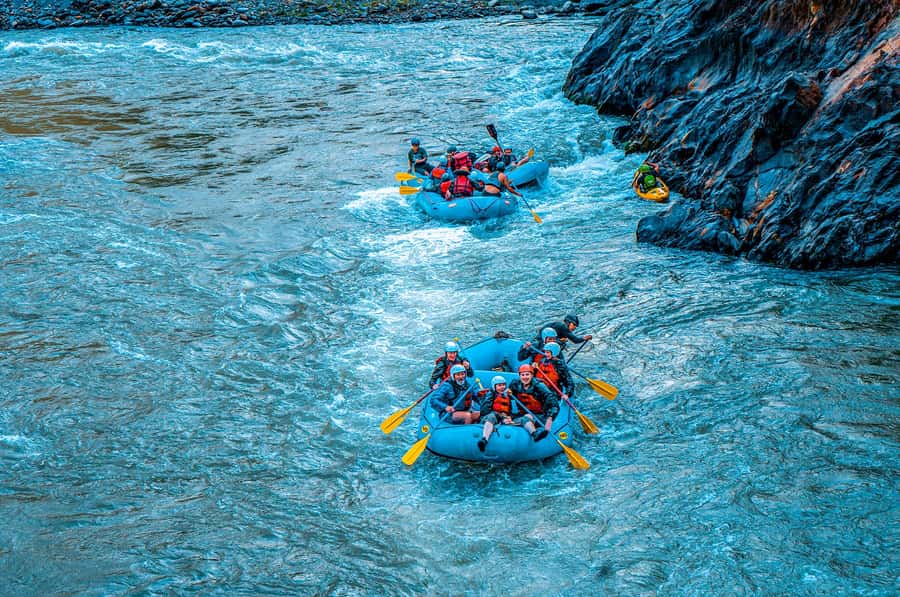
You do not need to be a serious trekker, but you should be active and comfortable walking for several hours. The biking, rafting, ziplining, ridge paths, railway walk, and early starts create a demanding mix.
The biggest altitude issue is Malaga Pass at 4,350 meters. Even though you cycle downhill from there, the morning drive and first hours at altitude can be hard on some people. The tour is not suitable for people with back problems, heart problems, or wheelchair users.
Pack light but prepare for several climate zones:
- Passport or national ID card
- Student card if you want to request the student discount
- Walking boots
- Warm jacket, hat, and gloves
- T-shirts and comfortable trousers
- Waterproof jacket or rain poncho
- Sun hat and sunscreen of factor 35 or higher
- Insect repellent
- Toiletries and hand sanitizer
- Personal medication
- Flashlight with spare batteries
- Camera
- Swimwear for rafting and the hot springs
Your passport is needed for the trip and Machu Picchu entry. Keep it somewhere dry and easy to reach.
Small groups and the value of the guiding
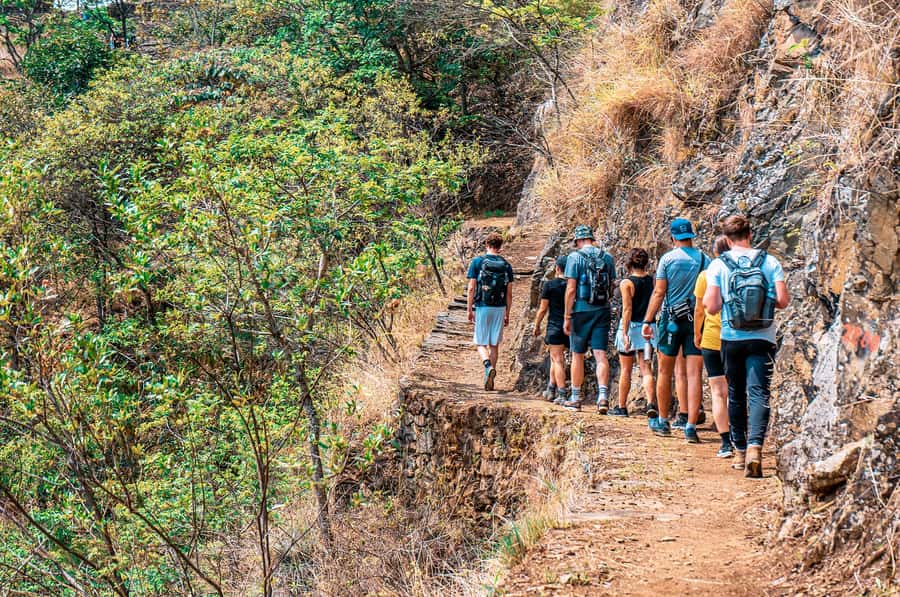
The group is limited to 10 people, which is a useful size for a trip with bikes, safety equipment, meals, and several activity changes. You are less likely to get lost in a large crowd, and it should be easier to ask questions or get help during the walking sections.
An assistant guide joins groups of eight or more. That extra person can matter during biking, rafting, and ziplining, when the group may spread out or need closer supervision.
The guide speaks English and Spanish. The most highly praised part of the operation is not one particular hotel or meal. It is the human service: clear briefings, punctual transfers, help with logistics, history explanations, and friendly support over four days.
That is important because this route has many moving parts. A late vehicle, unclear meeting point, or poorly explained activity could sour the experience quickly. The strong feedback for guides including Wilbert, Jonny, and Freddy suggests that the operator has put real attention into that side of the trip.
Who should book this Inca Jungle Adventure?
I would choose this tour if you want Machu Picchu paired with physical activity and local scenery. It suits people who would find a normal sightseeing package too tame but do not want a four-day high-altitude trek.
It is especially good for:
- Active couples, friends, and families with older children
- Anyone who enjoys trying several outdoor activities
- Visitors who want coffee farms and family contact along with ruins
- People who value a small group and bilingual guiding
- Anyone looking for a strong all-in price
I would hesitate if you want luxury hotels, late mornings, or complete control over your schedule. I would also think twice if you dislike heights, rougher roads, white-water rafting, long walks, or basic accommodation.
Free cancellation up to 24 hours before the start and reserve-now, pay-later terms give you useful flexibility. Travel insurance is strongly recommended, and you should arrange your own policy.
Should you book it?
Yes, if your ideal Machu Picchu trip includes movement, scenery, and a little controlled chaos. For $519, you get far more than a transfer to the ruins: you get a mountain descent, jungle route, optional rafting, farming visits, thermal pools, ziplining, a railway walk, guided Machu Picchu entry, and a scenic train back toward Cusco.
The smart way to book is to confirm your pickup point, ask about the exact zipline and rafting arrangements, and reserve Huayna Picchu or Machu Picchu Mountain months ahead if you want either climb. Pack for cold high-altitude weather and warm, wet jungle conditions.
Choose this tour for variety and value. Skip it if comfort matters more than adventure.
FAQ
How long is the Inca Jungle Adventure from Cusco to Machu Picchu?
The experience lasts four days and includes pickup in Cusco, the journey to Machu Picchu, a guided visit, and return transportation to Cusco.
Is transportation included?
Yes. The package includes hotel pickup, all scheduled transportation, the train from Aguas Calientes to Ollantaytambo, and a private van from Ollantaytambo to Cusco.
Is Machu Picchu admission included?
Yes. The Machu Picchu entrance ticket, guided visit, and one-way bus to the site are included.
Are rafting and ziplining included?
Rafting and ziplining are listed as optional activities in the schedule. Rafting uses Class III and IV rapids. Confirm any activity fee or exact participation details with the local provider before departure.
Are the hot springs included?
No. The Cocalmayo hot springs entrance fee costs 20 Peruvian soles and must be paid separately.
Can I hike Huayna Picchu or Machu Picchu Mountain?
Yes, but either hike requires a separate ticket. Spaces are limited, so you need to reserve months in advance.
Just added in Cusco
- Private Transfer from Airport to Hotel in the City of Cusco★ 4.0 · 5 reviews
- Best Cusco walking tour: dinner street food tasting★ 4.5 · 11 reviews
- Cusco Private Transportation for 2026★ 5.0 · 4 reviews
- Private Tour to Pisac Market and Pisac Ruins★ 5.0 · 4 reviews
- Machu Picchu Day Trip With Panoramic Train from Cusco★ 5.0 · 10 reviews
- Sacred Valley Private Tour from Cusco, Guide and Driver only★ 5.0 · 4 reviews
- Sacred Valley of the Incas Tour★ 5.0 · 12 reviews
- Private Tour of the Mountain of Colours by Quad★ 5.0 · 7 reviews
Machu Picchu Tours, compared.
Classic Inca Trail Trek 4D/3N to Machu Picchu (Group Service)
Read our review →
2-Day Inca Trail to Machu Picchu with Panoramic Train
Read our review →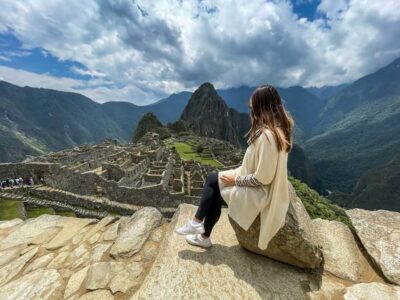
From Cusco: Full-Day Group Tour of Machu Picchu
Read our review →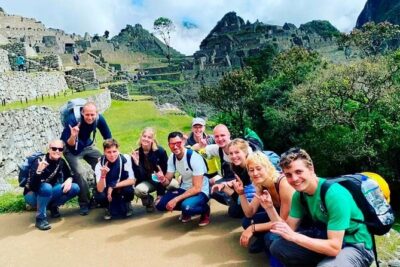
2-Day Tour: Sacred Valley and Machu Picchu by Train
Read our review →
Machu Picchu: Full-Day Tour from Cusco with Optional Lunch
Read our review →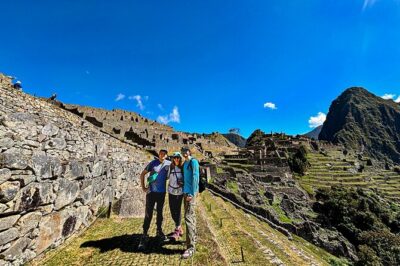
Machu Picchu Full Day from Cusco by Panoramic Train
Read our review →Browse the lists this tour appears in