
Reviewed · MACHU PICCHU TOURS
From Cusco: 5-Night Trip with Salkantay Trek & Machu Picchu
Big mountain views come with real walking. This five-day, five-night trip from Cusco combines the Salkantay Trek with unusual stays, including a glass cabin, a Hobbit house, campsites, and a hotel in Machu Picchu Town. I especially like the route’s changing scenery and the chance to reach Machu Picchu by foot rather than simply arriving by train. The $650 price also covers meals, transport, entry fees, porters, and the return train, which makes the package easy to budget.
The main consideration is the physical demand. You will cross high mountain terrain, walk for several days, and sleep outdoors for two nights. The route is not suitable for pregnant women or people with back, heart, or other pre-existing medical conditions, so honest preparation matters more here than fancy gear.
In This Review
- Key points to know before booking
- Why choose the Salkantay route from Cusco?
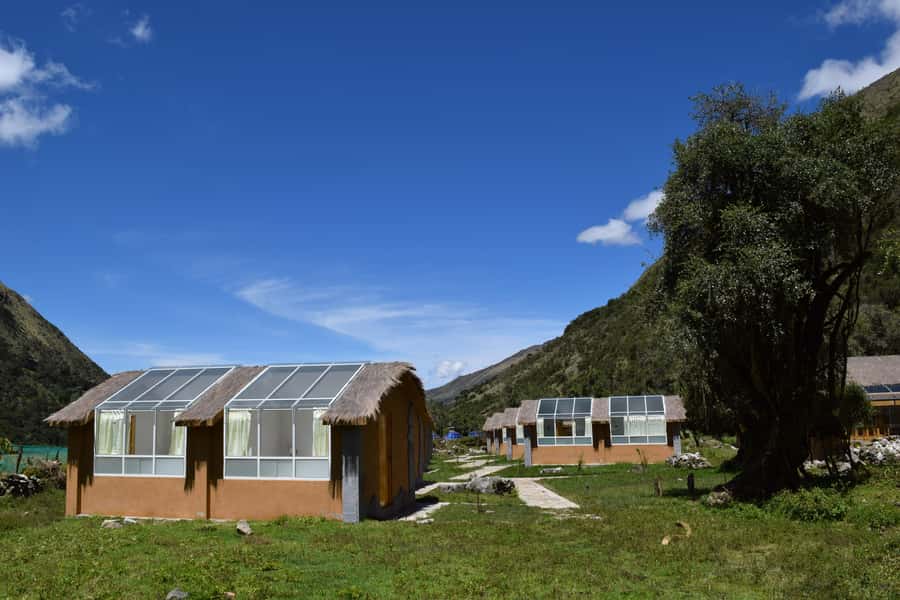
- Afternoon arrival at the Salkantay Glass Cabins
- Day one: Humantay Lake, Salkantay Pass, and Wayracpunko
- Day two: From Wayracmachay down to the Hobbit house
- Day three: Coffee country, Llactapata, and a view toward Machu Picchu
- Day four: Llactapata, Mandor Waterfalls, and Aguas Calientes
- Day five: Machu Picchu and the return to Cusco
- Food, water, porters, and safety support
- What the $650 price really covers
- Group size, guide support, and preparation
- Who should book this Salkantay trip?
- Should you book it?
- FAQ
- How long is the Salkantay trip from Cusco?
- What accommodation is included?
- Is Machu Picchu entry included?
- Is the return train to Cusco included?
- Is Huayna Picchu included?
- What meals are included?
- What equipment do I need to bring?
Key points to know before booking
- Humantay Lake and Salkantay Pass are the demanding highlights: Expect high-altitude walking, big views, and a full first trekking day.
- The sleeping arrangements change every night: You get one glass cabin, two camping nights, one Hobbit house, and one hotel night.
- The route reaches Machu Picchu Town on foot: Day four takes you through Llactapata and Mandor Waterfalls before arriving in Aguas Calientes.
- Meals are part of the package: Five breakfasts, four lunches, and four dinners are included, with professional chefs preparing the food.
- A small group keeps the trip manageable: The group is limited to 16 people, with an English-speaking guide and personal porter space for up to 7 kilograms.
- The $650 cost covers major extras: Transport, entry fees, return train, buses, accommodation, water, porters, and safety equipment are included.
Why choose the Salkantay route from Cusco?
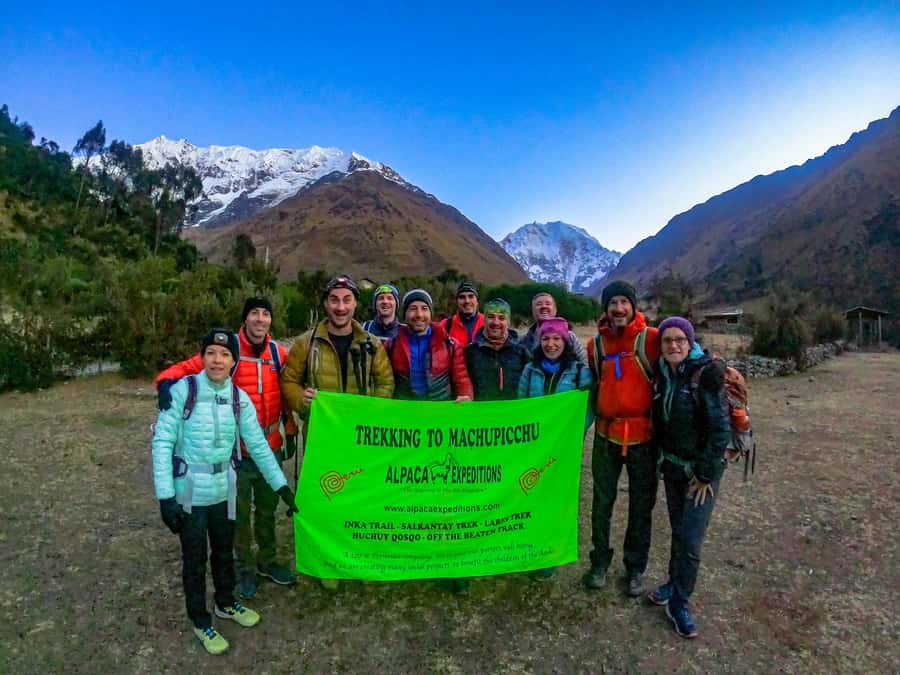
The Salkantay route gives you a different approach to Machu Picchu. Instead of spending the entire journey among ruins and crowded paths, you begin in open Andean country, pass below glaciated Salkantay Mountain, and then move through several ecosystems before reaching the Inca citadel.
That change is the great strength of the trip. One day puts you among high mountain lakes and snowy peaks. Later, the scenery shifts toward warmer valleys, coffee farms, waterfalls, and thick vegetation. You get a sense of how quickly Peru’s terrain changes with altitude.
I also like that the route leads you into Machu Picchu Town on foot. You do not simply wake up in Cusco, take a train, and appear at the ruins. The walk gives the final visit some build-up, even though the last section includes a train ride back to Cusco.
The tradeoff is simple: this is more work than a standard Machu Picchu day trip. You need to be comfortable walking for several days, carrying a day pack, and dealing with changing temperatures. The route is designed for people who want the journey to matter as much as the destination.
More Machu Picchu trips:
- Classic Inca Trail Trek 4D/3N to Machu Picchu (Group Service)
★ 5.0 · 8,653 reviews - Machu Picchu: 4-Day Inca Trail Trek with Panoramic Train Ride
★ 5.0 · 4,568 reviews - Short Inca Trail to Machu Picchu 2D/1N
★ 5.0 · 3,007 reviews
Afternoon arrival at the Salkantay Glass Cabins
The trip begins with pickup from your hotel in Cusco at about 3 p.m. The guide comes to your hotel, so you do not need to find a separate meeting point in the city.
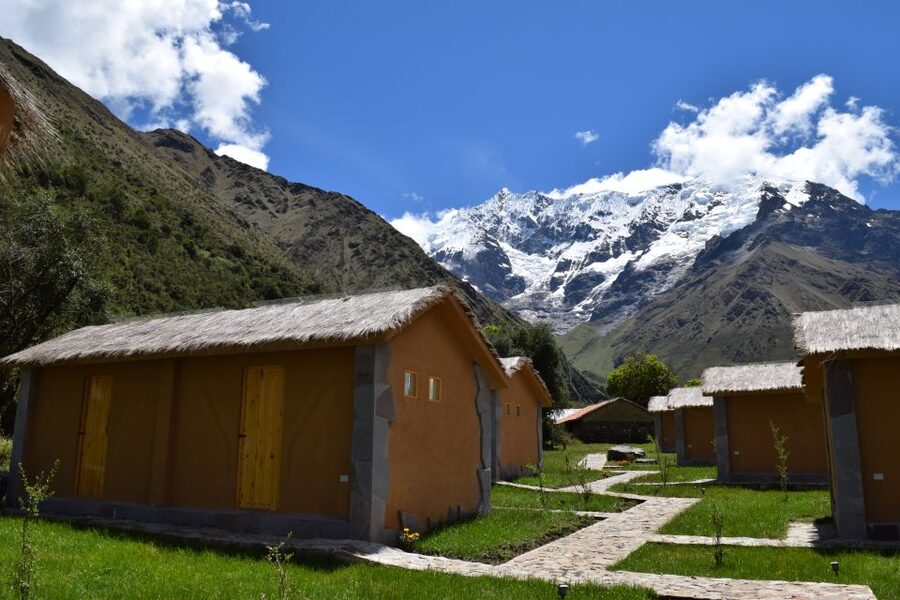
Your first night is at the Salkantay Glass Cabins. This is a clever way to begin the trip. The cabin gives you a more comfortable introduction to the route while keeping you close to the high mountain setting. You can expect the first evening to focus on settling in, organizing your gear, and preparing for the first full day of walking.
The glass cabin is also one of the more unusual parts of the package. It is not a basic campsite, but it is not a regular hotel either. If you want a special place to sleep before the hardest walking begins, this accommodation adds real appeal.
Do not treat this first afternoon as a full sightseeing session. Pickup is scheduled for the afternoon, and the next day involves Humantay Lake and Salkantay Pass. Use the time to sort your warm layers, headlamp, water, and rain gear.
Day one: Humantay Lake, Salkantay Pass, and Wayracpunko
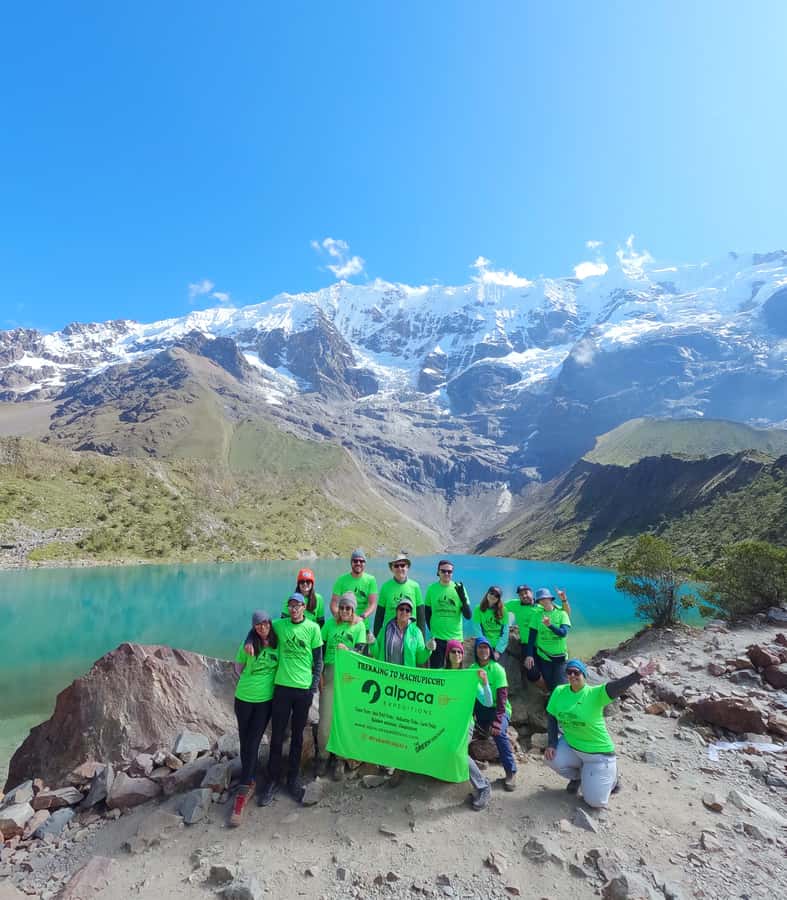
The first trekking day covers the route from Soraypampa campsite to Humantay Lagoon, then onward to Salkantay Pass and Wayracpunko. This is the day that sets the tone for the whole trip.
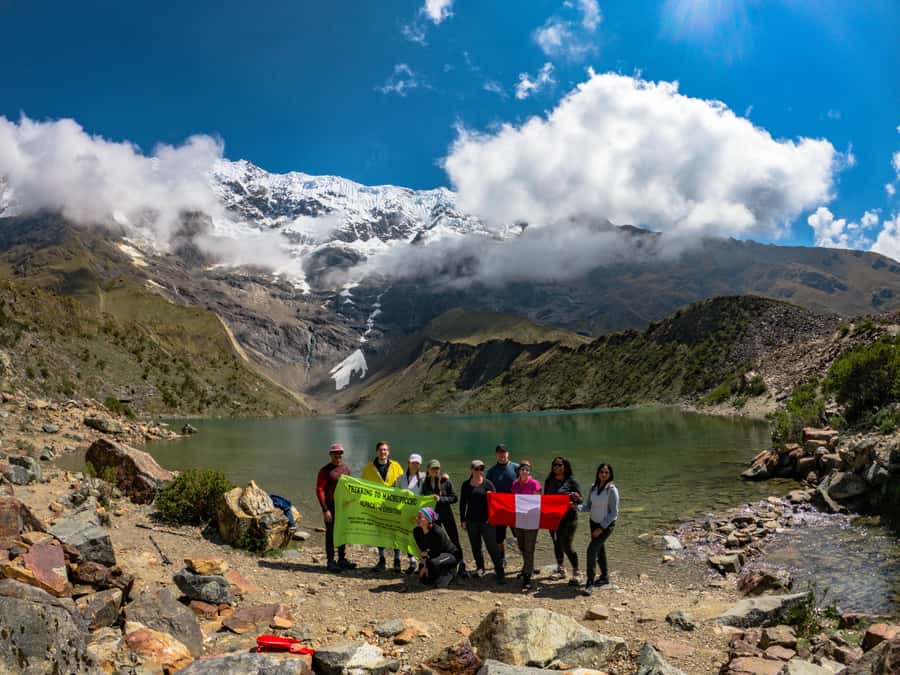
Humantay Lake is the major photo stop. Its mountain setting makes it one of the most memorable points on the route, and you should have your camera ready. The climb to the lake is not simply a quick roadside stop, so good hiking shoes and steady pacing will help.
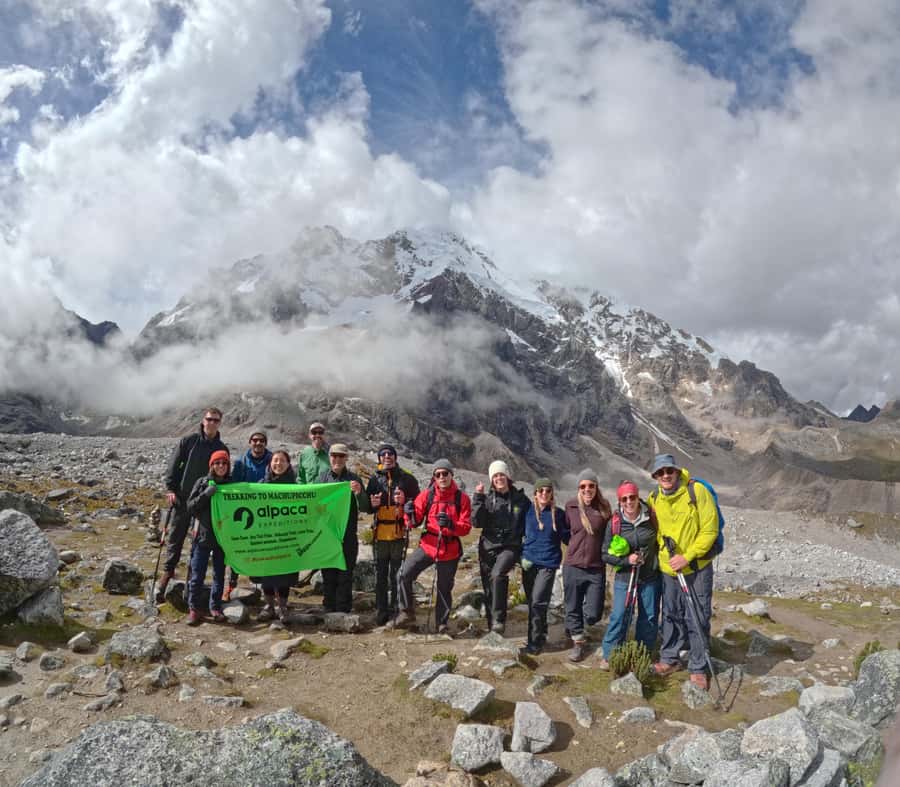
After the lagoon, the trail continues toward Salkantay Pass. This is the high point of the trek and the place where the scale of the Andes becomes most apparent. The glaciated mountain scenery is the reason many people choose this route instead of a shorter visit to Machu Picchu.
The altitude makes this day demanding. The supplied information does not give walking distances, elevation figures, or exact hiking times, so you should check the specific departure details before booking. What is clear is that this is a serious mountain day, not a gentle nature walk.
The night is spent camping at Wayracpunko. Camping here gives you a close connection to the high-country setting, but it also means you must be ready for cold conditions and basic sleeping arrangements. A sleeping bag and air mattress are not included, so arrange those before departure.
Day two: From Wayracmachay down to the Hobbit house
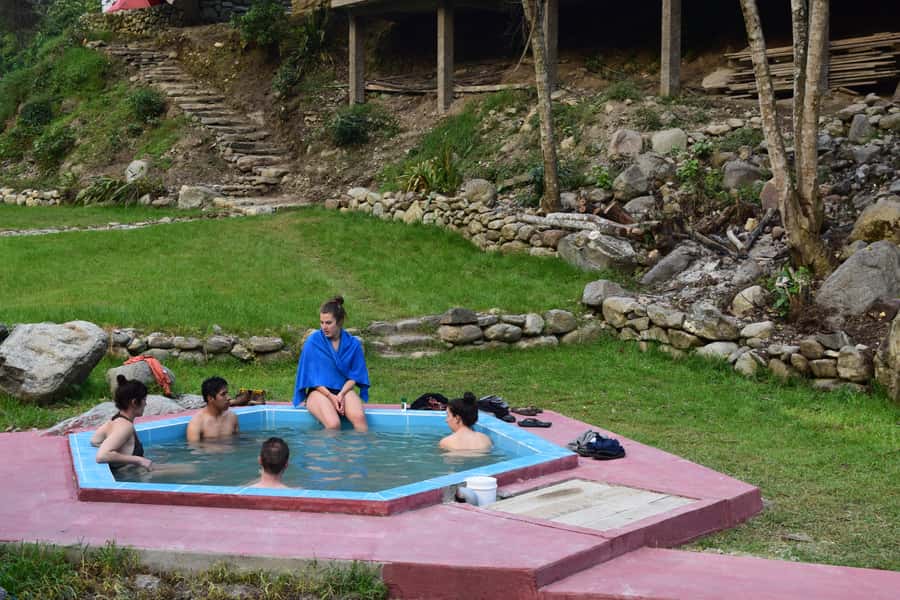
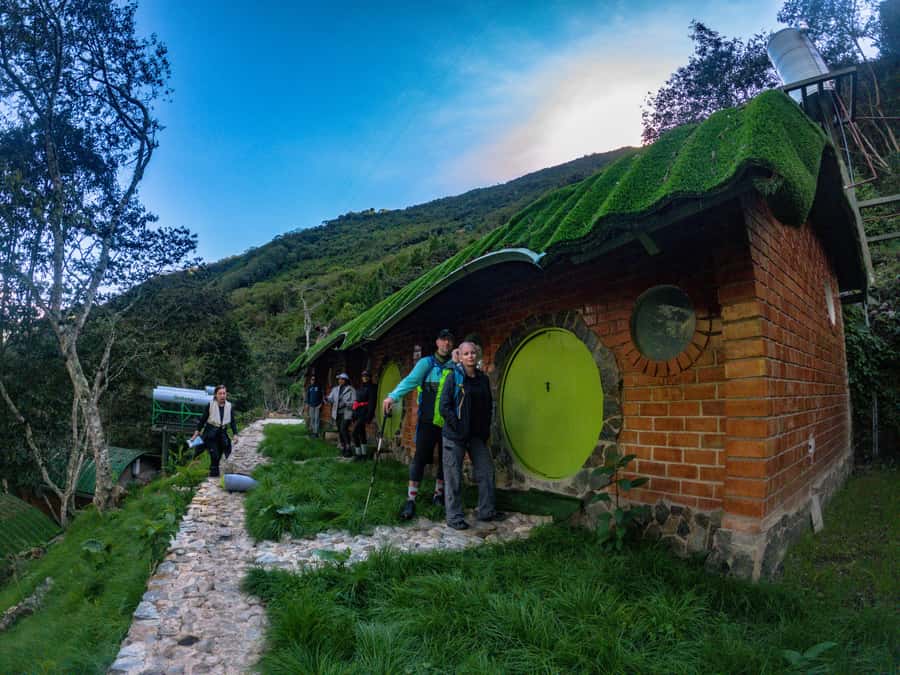
Day two travels from Wayracmachay through Chaullay and Ccollpapampa Loreta, where you spend the night in a Hobbit house. The route shifts away from the highest mountain section and begins moving through warmer terrain.
This change is one of the pleasures of the Salkantay route. You start with cold, exposed mountain country and gradually enter a lower environment with different plant life and a softer feel. The scenery changes as much as the temperature.
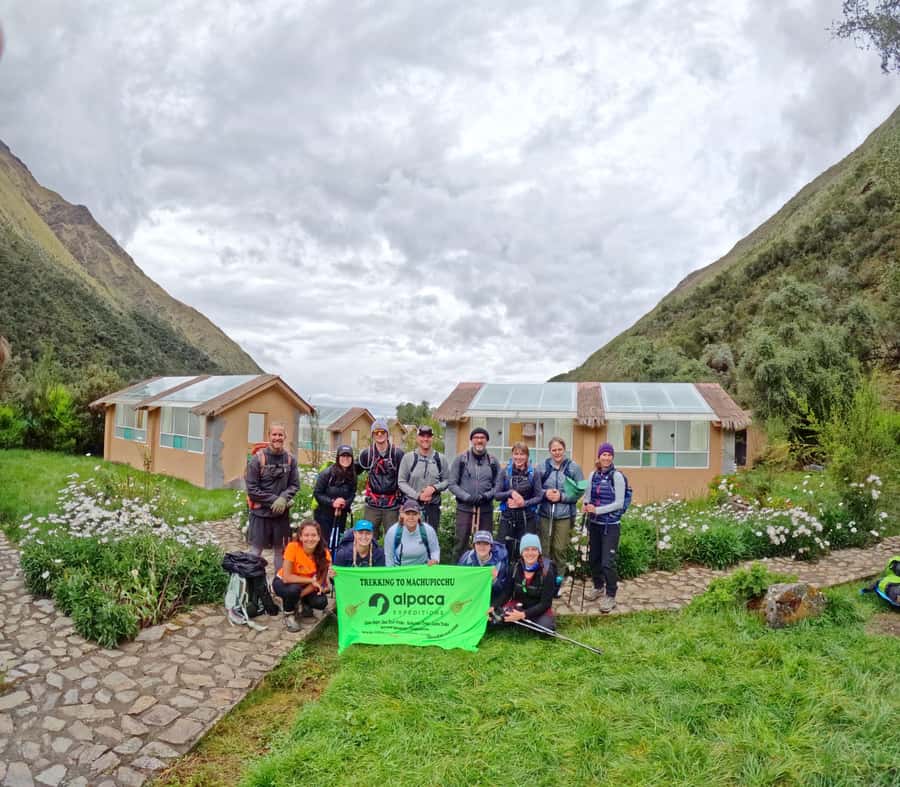
The Hobbit house is a fun contrast to the previous night’s campsite. It gives you a memorable place to rest without turning the trip into a luxury holiday. The outdoor jacuzzi is a welcome feature after a day on the trail, especially if you want a more comfortable evening before the next walking stage.
Still, keep expectations sensible. A distinctive room and jacuzzi do not remove the physical demands of the route. You will still need to manage wet clothing, muddy footwear, and the daily process of packing and unpacking.
More hikes and treks in Peru:
- Salkantay Classic Trek 5 Days from Cusco
★ 5.0 · 4,062 reviews - 4-Day Salkantay Trek with Sky Camp Stay
★ 5.0 · 3,346 reviews - Salkantay Trek 5D/4N with Glass Cabins, Domes and Hobbit House
★ 5.0 · 2,488 reviews - 2-Day Inca Trail to Machu Picchu with Panoramic Train
★ 5.0 · 1,876 reviews
Day three: Coffee country, Llactapata, and a view toward Machu Picchu
Day three runs from Loreta to La Playa Sahuayaku, then continues to the Lucmabamba coffee farm and Llactapata. You camp at Llactapata with a view toward Machu Picchu.
This is perhaps the most varied day. The route leaves the high mountain setting behind and takes you toward coffee-growing country. The stop at the Lucmabamba coffee farm adds a local agricultural detail that many standard Machu Picchu packages lack.
I like this part because it connects the scenery with daily life. You are not only looking at mountains. You are also seeing a place where coffee production forms part of the local economy and the route’s identity.
Camping at Llactapata, facing Machu Picchu, gives the trip a strong sense of arrival, even though you have not yet entered the citadel. It is a quieter and more dramatic way to approach the ruins than a direct train journey from the Sacred Valley.
This is another night when you need proper camping gear. The package includes tents and camping accommodation, but it does not include a sleeping bag, air mattress, or trekking poles. You can bring your own or arrange rentals through the operator if available.
Day four: Llactapata, Mandor Waterfalls, and Aguas Calientes
Day four begins at the Llactapata lookout and continues to Mandor Waterfalls before reaching Aguas Calientes, also called Machu Picchu Town. This is the final walking day and the point where the route meets the famous archaeological site.
The Llactapata lookout offers a different view of Machu Picchu from the one you get inside the citadel. That matters because it lets you see the site in relation to the surrounding mountains, rather than as an isolated collection of stone terraces.
Mandor Waterfalls adds another natural stop before the town. The combination of lookout, waterfall, and final approach gives the day a satisfying rhythm. You move from a high viewpoint to a lower, greener setting, then into the town at the foot of Machu Picchu.
Your final night is in a hotel. After two camping nights and several days of walking, this change will feel useful rather than merely decorative. You can repack, rest, and prepare for an early visit to Machu Picchu.
The trip description does not state the exact hotel name or room arrangement, so check those details before paying if accommodation standards are important to you.
Day five: Machu Picchu and the return to Cusco
The final day is reserved for Machu Picchu. Entry fees are included, along with a round-trip bus ticket to the citadel. Your English-speaking guide accompanies the visit, which is valuable because the ruins mean more when you understand how the site fits into the wider Inca world.
The exact visiting time is not provided, so confirm the schedule when you book. You should also remember that Machu Picchu is the busiest part of the route. The quiet mountain sections give way to a major sightseeing stop, and the experience will feel more structured and crowded than the trek itself.
Huayna Picchu is not included. If you want that additional mountain pass, it costs $75 per person and must be booked in advance. Do not assume you can add it at the last minute.
The return journey includes an Expedition-class train and transportation back to Cusco. Including the train is a major benefit. You avoid the hassle of arranging a separate return ticket after a long trek, and the train provides a practical finish to the route.
Food, water, porters, and safety support
The package includes five breakfasts, four lunches, and four dinners. Professional chefs prepare the meals, which is important on a trek where food quality and timing affect your energy. Gourmet meals are part of the stated offering, though exact menus are not provided.
Water is included. You should still carry a refillable bottle or day pack that keeps water easy to reach. A day pack is not included, so bring one yourself.
A personal porter can carry up to 7 kilograms per person. That limit is helpful, but it does not mean you can avoid packing carefully. Keep your passport, medication, camera, rain gear, and warm layer in your day pack rather than sending everything with the porter.
The operator also provides a first aid kit and oxygen tank. Those items are sensible safety support at high altitude, but they are not a substitute for travel insurance, acclimatization, or a realistic view of your fitness.
What the $650 price really covers
At $650 per person, the package offers strong value if you want an organized trek. The price includes the guide, five nights of accommodation, meals, water, transport, entry fees, chefs, porters, personal porter service, the return train, Machu Picchu buses, and basic safety equipment.
Buying these items separately would take time and make the total harder to control. The included Expedition train and bus tickets are especially useful because they cover the key transport links around Machu Picchu.
You still need to budget for several items. A day pack, headlamp, sleeping bag, air mattress, and trekking poles are not included. Travel insurance is advisable, and Huayna Picchu costs an additional $75 if you want that pass.
The package is a better deal for someone who values convenience and support. If you already own camping gear and prefer arranging every part yourself, an independent route might offer more control. For most people, the combination of meals, porter service, transport, and entry tickets makes the price easier to justify.
Group size, guide support, and preparation
The group is limited to 16 people, which is small enough to feel organized without making the trip private. A group of this size also helps with transport, meal service, and trail pacing, though you should expect different walking speeds within the group.
The guide speaks English and provides hotel pickup. Local indigenous guides are part of the experience, and that local knowledge can make a real difference on a route where weather, altitude, and trail conditions shape each day.
Pack for four kinds of weather: cold mountain air, strong sun, rain, and warmer lower valleys. Your useful basics include:
- Passport
- Hiking shoes
- Sunglasses and sun hat
- Sunscreen and insect repellent
- Rain gear
- Thermal clothing
- Long-sleeved shirt
- Outdoor clothing
- Towel
- Headlamp
- Day pack
- Sleeping bag
- Air mattress
- Trekking poles
The route is not suitable for pregnant women, people with back problems, people with heart problems, or people with pre-existing medical conditions. If any of those concerns apply to you, ask a medical professional before booking.
Who should book this Salkantay trip?
I would recommend this trip to you if you want Machu Picchu to be part of a larger mountain journey. It suits hikers who like changing scenery, unusual accommodation, organized meals, and a guide-led route with practical support.
It is also a good fit if you want a more open and less direct approach than the classic train-and-ruins visit. The glass cabin, Hobbit house, coffee farm, waterfalls, and Llactapata camp give the trip plenty of character.
I would not choose it for a relaxed holiday, a luxury break, or a simple first visit with little walking. The high pass, camping nights, and changing conditions require preparation. A five-day trek also leaves less flexibility than a short Machu Picchu excursion.
Should you book it?
Book this Salkantay trip if you want the mountains, the walking, and the gradual approach to Machu Picchu. The strongest features are the changing ecosystems, Humantay Lake, Salkantay Pass, the Llactapata view, and the practical bundle of food, transport, porters, and entry tickets for $650.
Skip it if you dislike camping, cannot manage demanding high-altitude walking, or need complete control over your daily schedule. Before booking, confirm starting times, the hotel details, gear rental options, and your Machu Picchu visiting time. If those points suit you, this is a well-rounded way to reach one of Peru’s great sights by making the journey part of the reward.
FAQ
How long is the Salkantay trip from Cusco?
The trip lasts five days and five nights. Pickup begins from your hotel in Cusco, with the first transfer scheduled for about 3 p.m.
What accommodation is included?
You receive one night in a glass cabin, two nights of camping, one night in a Hobbit house, and one night in a hotel.
Is Machu Picchu entry included?
Yes. Entry fees to Machu Picchu and a round-trip bus ticket to the citadel are included.
Is the return train to Cusco included?
Yes. The package includes an Expedition-class train ticket for the return journey.
Is Huayna Picchu included?
No. The Huayna Picchu mountain pass costs $75 per person and must be booked in advance.
What meals are included?
The package includes five breakfasts, four lunches, and four dinners. Professional chefs prepare the meals.
What equipment do I need to bring?
You need to bring or arrange a day pack, headlamp, sleeping bag, air mattress, and trekking poles. You should also bring your passport, hiking shoes, sun protection, rain gear, thermal clothing, and insect repellent.
Just added in Peru
- Cusco Private Transportation for 2026★ 5.0 · 4 reviews
- Private Transfer from Airport to Hotel in the City of Cusco★ 4.0 · 5 reviews
- Best Cusco walking tour: dinner street food tasting★ 4.5 · 11 reviews
- Private Tour to Pisac Market and Pisac Ruins★ 5.0 · 4 reviews
- Machu Picchu Day Trip With Panoramic Train from Cusco★ 5.0 · 10 reviews
- Sacred Valley Private Tour from Cusco, Guide and Driver only★ 5.0 · 4 reviews
- Sacred Valley of the Incas Tour★ 5.0 · 12 reviews
- Private Tour of the Mountain of Colours by Quad★ 5.0 · 7 reviews
Machu Picchu Tours, compared.
Classic Inca Trail Trek 4D/3N to Machu Picchu (Group Service)
Read our review →
2-Day Inca Trail to Machu Picchu with Panoramic Train
Read our review →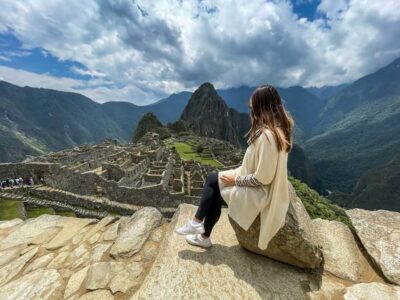
From Cusco: Full-Day Group Tour of Machu Picchu
Read our review →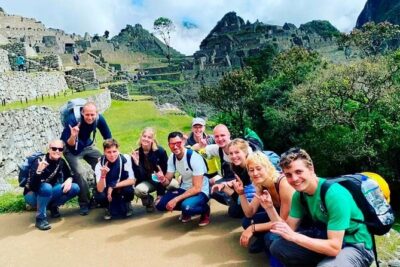
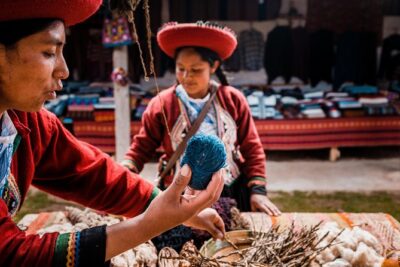
2-Day Tour: Sacred Valley and Machu Picchu by Train
Read our review →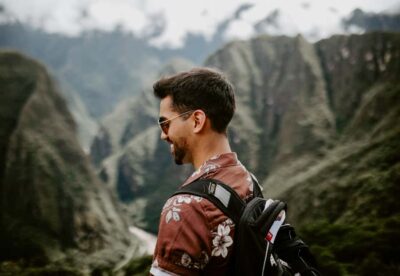
Machu Picchu: Full-Day Tour from Cusco with Optional Lunch
Read our review →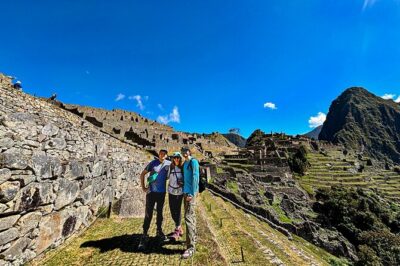
Machu Picchu Full Day from Cusco by Panoramic Train
Read our review →Browse the lists this tour appears in