Reviewed · SACRED VALLEY TOURS
From Cusco: Chinchero, Moray, Maras, Ollantaytambo, Pisaq
The Sacred Valley packs a lot into one long day. This $45 tour links five major sites with a bilingual guide, hotel pickup, and an Andean buffet lunch, making it a useful first look at the Cusco region. I especially like the mix of famous Inca sites and living traditions, from Chinchero textiles to the salt pans at Maras.
I also like the small-group transport, with room for no more than 18 people, and the route’s clear variety. You see farms, terraces, fortresses, salt pools, and a hillside cemetery rather than repeating the same type of ruin all day.
The tradeoff is time. You cover a great deal in 12 hours, but several visits are brief. If you want quiet walks and long photo stops, this schedule may feel hurried.
In This Review
- Key points to know before you go
- Why this Sacred Valley route works
- Chinchero begins with alpaca fiber and Inca stonework
- Moray turns agriculture into a giant circle
- Maras shows salt production on a huge scale
- Urubamba provides a needed lunch break
- Ollantaytambo feels like the day’s great fortress stop
- Pisaq closes the day with terraces and a cemetery
- The guide and driver matter more than usual
- What the $45 price really covers
- Who should book this full-day outing?
- Should you book the Chinchero to Pisaq route?
- FAQ
- How long is the tour?
- Does the tour include hotel pickup?
- Where does the tour finish?
- What languages are available?
- Is lunch included?
- Are entrance fees included in the $45 price?
- Can I cancel the booking?
Key points to know before you go
- Five major stops in one day: Chinchero, Moray, Maras, Ollantaytambo, and Pisaq give you a broad view of the Sacred Valley.
- Chinchero combines archaeology and craft: You visit a textile center before seeing the Inca site and the enclosure linked with Tupac Yupanqui.
- Moray is a short but memorable stop: Its circular agricultural terraces are the visual highlight for many people.
- Maras has more than 4,000 salt pits: You learn how salt is collected and how local families continue the practice.
- Lunch is included in Urubamba: The Andean buffet has a vegetarian option, though drinks cost extra.
- Budget for entrance fees: The $45 price does not include the 70-sol tourist ticket or the 20-sol Maras entrance fee.
Why this Sacred Valley route works
This is a sightseeing marathon, not a slow day in the countryside. You leave Cusco in the morning and return around 12 hours later, with transport connecting each stop. That makes it practical if you have limited time and want to understand which places deserve a longer return visit.
The route also gives you more than a string of archaeological sites. At Chinchero, you see how alpaca fiber becomes cloth. At Maras, salt production still follows a local tradition. At Urubamba, lunch brings a break from the bus and a chance to sample Andean dishes in a buffet setting.
The vehicle holds up to 18 people, a manageable size for a group excursion. Pickup is available from hotels and Airbnb accommodations in central Cusco, but the tour finishes at Plaza Regocijo, one block from the city’s main square. Check your exact pickup point carefully, since four central meeting locations are also listed: C. Sta. Clara 2, Coa Cuno Gudith, Portal de Confituria 257, and Concevidayoc 143.
The price looks low for a full day, but you need to add the mandatory admission costs. The tourist ticket is 70 soles, and Maras requires another 20 soles. Snacks and drinks are not included, so carry extra money and water.
More Sacred Valley trips:
- From Cusco: Sacred Valley & Maras Salt Mines Tour with Lunch
★ 4.8 · 2,227 reviews - From Cusco: Moray, Maras Salt Mines & Chinchero Weavers Tour
★ 4.8 · 1,925 reviews - 2-Day Tour: Sacred Valley and Machu Picchu by Train
★ 5.0 · 1,127 reviews
Chinchero begins with alpaca fiber and Inca stonework
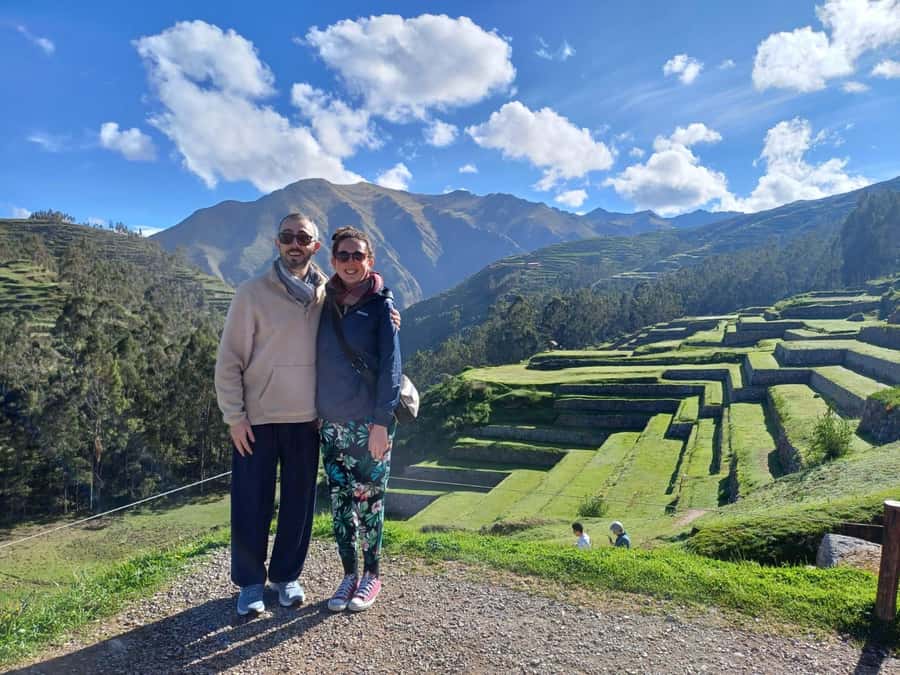
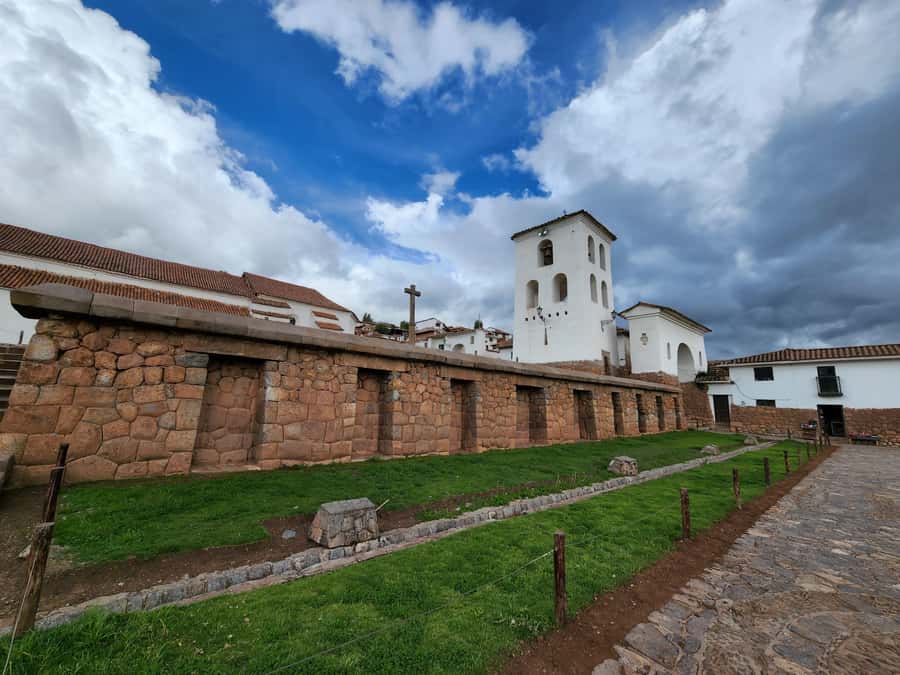
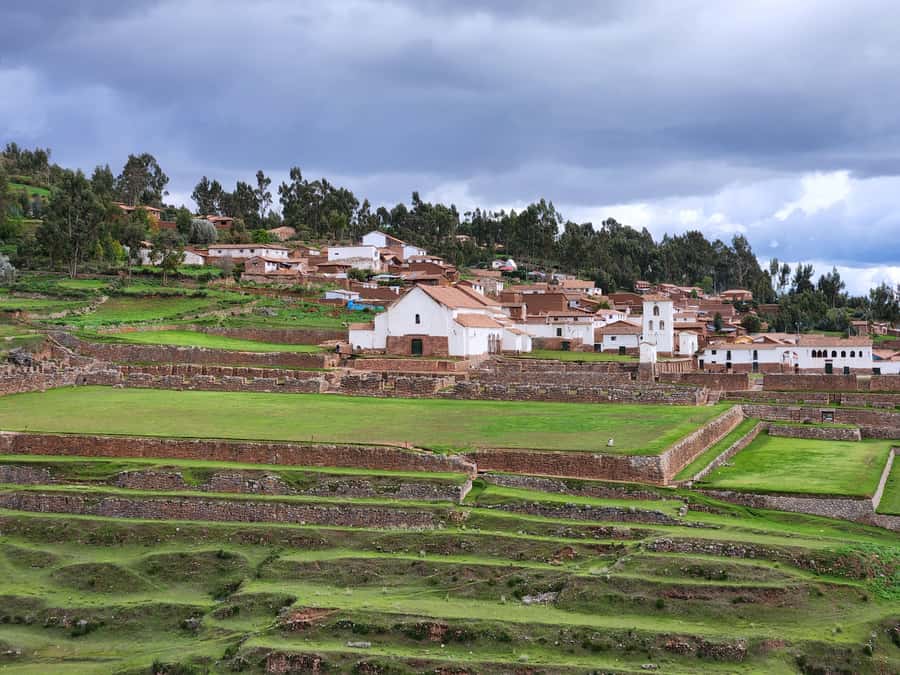
The first major stop is Chinchero, about an hour from Cusco according to the tour description, with the scheduled bus portion listed as 40 minutes. The visit starts at a textile center, where you learn how alpaca fiber is made into finished textiles.
This opening stop matters because it connects the region’s old traditions with daily work today. You are not looking only at stones behind a fence. You see a craft that remains part of local life, and you can look closely at the finished goods in the center’s shop.
After the textile demonstration, the guide explains the Chinchero archaeological site. The focus includes the enclosure associated with the Inca ruler Tupac Yupanqui. The visit lasts about an hour, giving you more time here than at some later stops.
Chinchero is a good place to listen closely to the guide. The value comes from understanding how the site, weaving, and Quechua culture fit together. One especially praised part of the experience is the explanation of Quechua people and their crafts.
The practical caution is familiar on organized tours: the textile center can feel like a shopping stop. You do not have to treat it as a buying obligation. Take the demonstration for what it is, compare prices calmly, and keep your focus on the cultural explanation.
Moray turns agriculture into a giant circle
From Chinchero, the bus continues for about 30 minutes before reaching Moray. The guided visit is scheduled for 30 minutes, so expect a focused stop rather than a long walk.
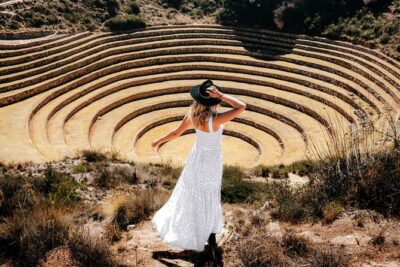
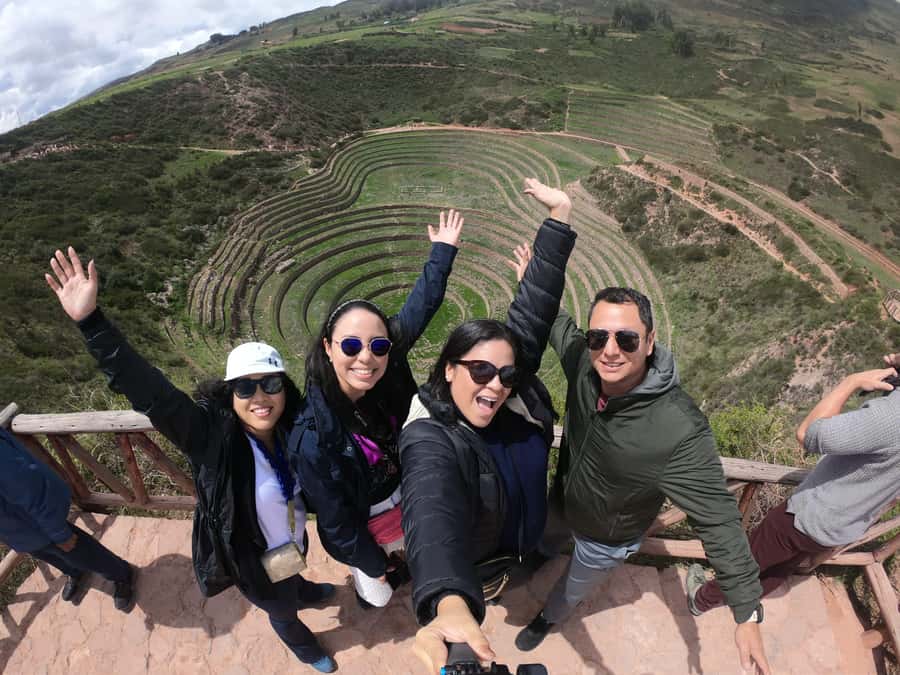
Moray’s circular terraces are easy to recognize and hard to forget. The rings descend into a natural hollow, creating one of the most unusual forms of Inca agricultural engineering in the region. The site is often described as an experimental agricultural laboratory, and your guide explains that interpretation during the visit.
The shape gives you a clear sense of how carefully the Incas worked with altitude, sun, and soil. You do not need a long lecture to appreciate the design, but a good explanation helps turn a striking view into a meaningful one.
Bring your camera, but do not count on a leisurely photography session. The whole day has many stops, and Moray receives only about half an hour. If this is the place you most want to study, note what interests you and consider returning independently.
Maras shows salt production on a huge scale
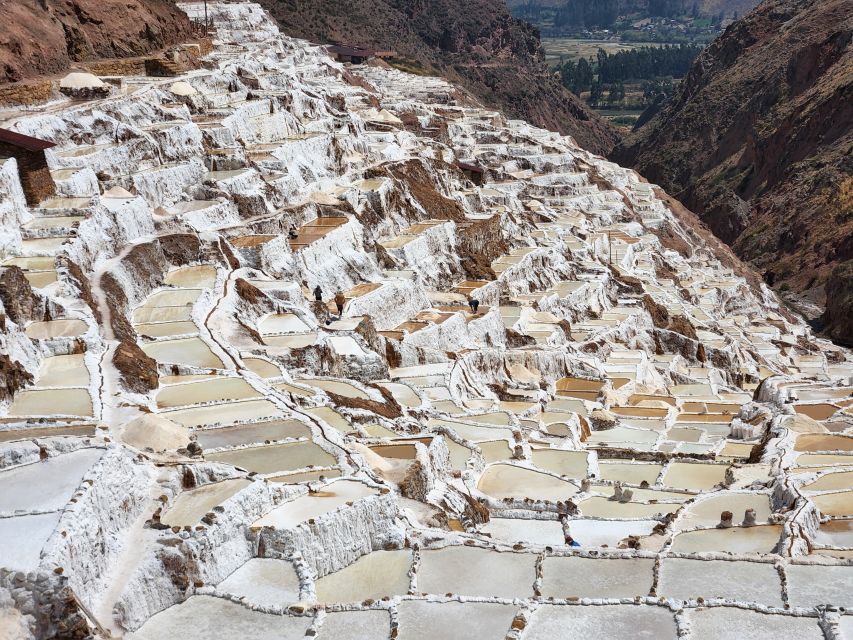
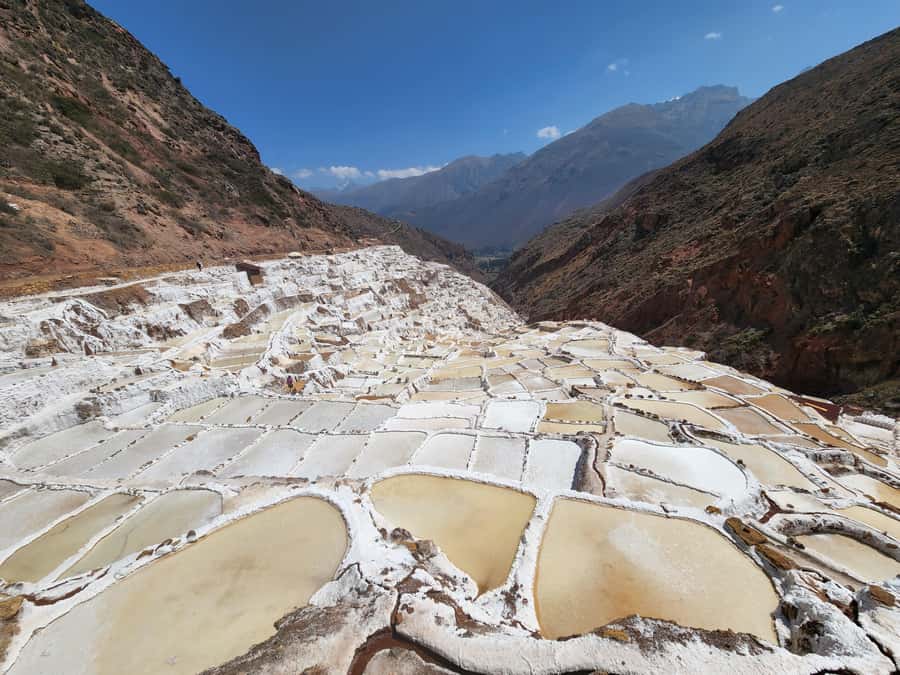
A 20-minute bus ride brings you near the Maras Salt Mines. The guided stop lasts around 40 minutes, and admission is not part of the tour price. Set aside 20 soles for the entrance ticket.
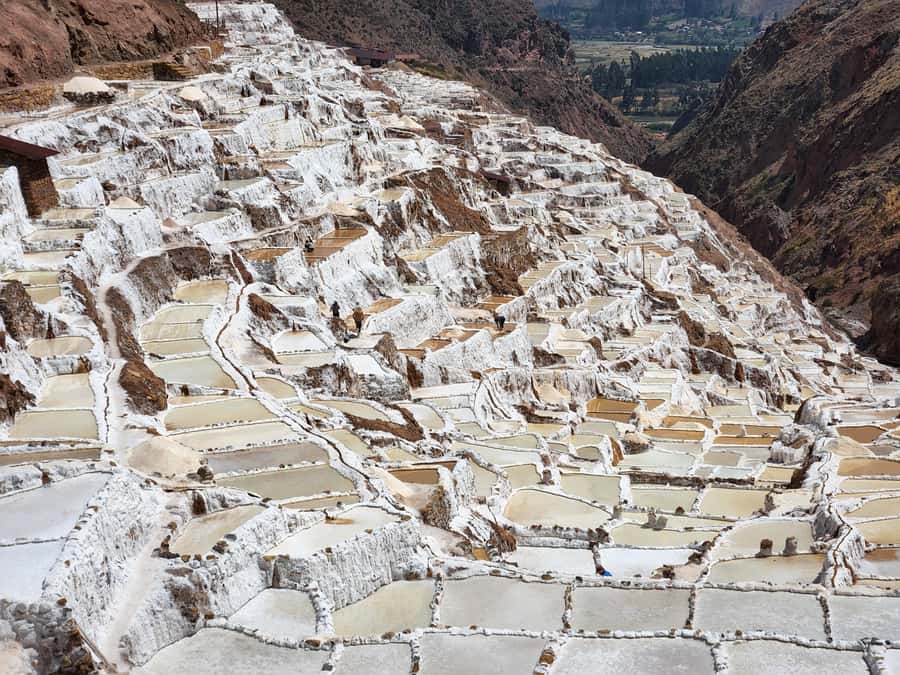
Maras contains more than 4,000 salt pits, arranged across the slopes in a dense patchwork. The Incas extracted salt here, and local people continue the same basic tradition today. That ongoing work gives the stop a human side that a purely ancient ruin cannot provide.
Your guide explains the extraction process, helping you understand why the pools are divided into so many small units. The view is impressive, but the real interest is in the method: water, evaporation, and repeated collection turn a natural resource into a product for local use and sale.
Again, the schedule is tight. Forty minutes is enough for an explanation and photographs, but it may not be enough if you want to examine every part of the site. The route near the salt mines can also involve uneven ground, so wear secure walking shoes.
Drones are not allowed. Leave yours at the hotel rather than hoping to use it for an overhead view.
A completely different kind of day:
- Cusco: Sacred Valley, Pisac, Ollantaytambo, Salt Mines Moray
★ 4.6 · 1,058 reviews - Cusco:Chinchero,Moray & Salt Mines drop-off in Ollantaytambo
★ 4.8 · 793 reviews - Sacred Valley and Maras Moray Tour with Full Day Buffet Lunch
★ 5.0 · 670 reviews - The Ultimate Full Day Sacred Valley Tour
★ 5.0 · 644 reviews
Urubamba provides a needed lunch break
After Maras, the bus travels for about 30 minutes to Urubamba. Lunch lasts roughly 40 minutes and comes as an Andean buffet, with a vegetarian option.
This is a welcome pause in a packed day. You can choose from several dishes instead of waiting for one fixed plate, which is helpful when a group has different tastes. The restaurant and food receive strong praise, with a good range of choices noted as one of the day’s successes.
Do not expect lunch to become a long cultural meal. Forty minutes keeps the schedule moving, and drinks are extra. If you need snacks between stops, bring them with you. A full day of sightseeing, mountain roads, and short walks can make a small snack useful.
The bus ride between sites is part of the experience, but it also explains why the tour feels long. You spend significant time moving through the Cusco Region, with several curves and changes in elevation. One particularly useful detail from the feedback is that the driver handled the tough curves well. If winding roads bother you, sit where you feel most comfortable and keep water close.
Ollantaytambo feels like the day’s great fortress stop
After lunch, the route continues for about 20 minutes to Ollantaytambo. The guided visit lasts around 40 minutes.
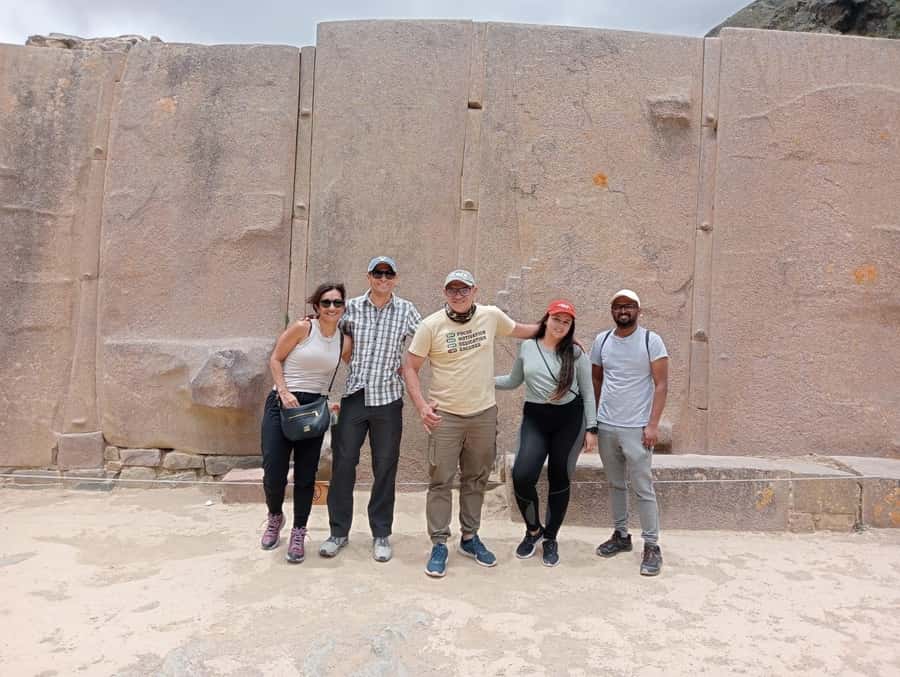
Ollantaytambo is presented as a major Inca fortress built to defend the entrance toward Machu Picchu. You walk inside the fortress and see its principal enclosures, along with the massive stone construction that gives the place its force.
This is the stop where scale matters most. The stonework and defensive setting make it easier to picture Ollantaytambo as a strategic stronghold rather than simply another archaeological site. The guide’s explanation helps you connect the visible walls with the site’s military role.
Forty minutes is enough to receive the main explanation and walk through the key areas, but it is not a full exploration. If Ollantaytambo is high on your personal list, you may prefer to stay overnight in the town on another trip. On this excursion, treat the visit as an introduction.
The route’s order also has a practical benefit: by the time you reach Ollantaytambo, you have already seen agriculture and local craft traditions. The fortress then becomes part of a larger picture of how the Incas organized food, work, settlement, and defense.
Pisaq closes the day with terraces and a cemetery
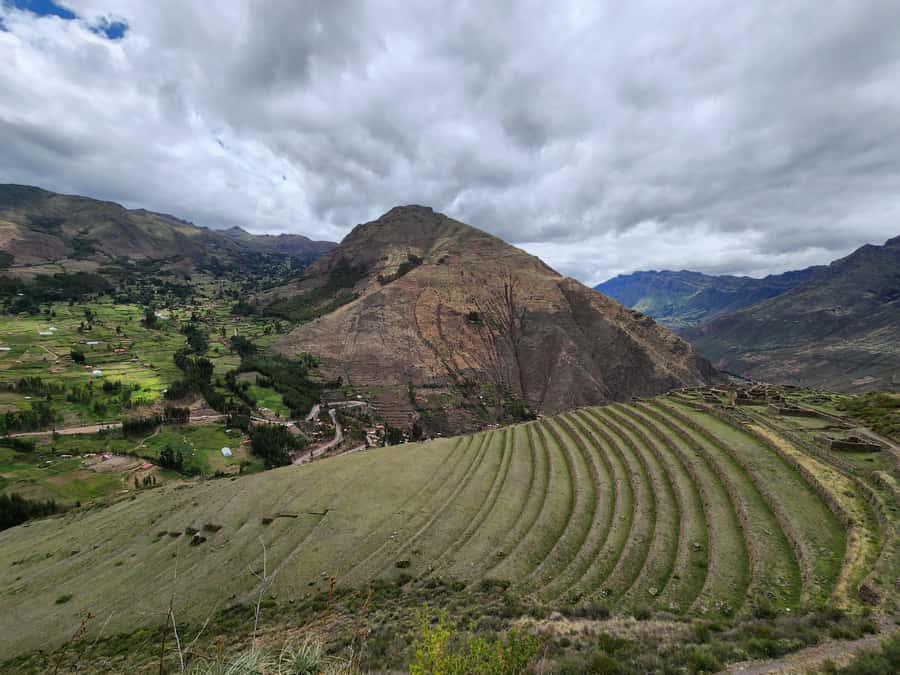
The final archaeological stop is Pisaq, reached after about an hour by bus from Ollantaytambo. The guided visit lasts around 40 minutes, followed by a 45-minute return to Cusco.
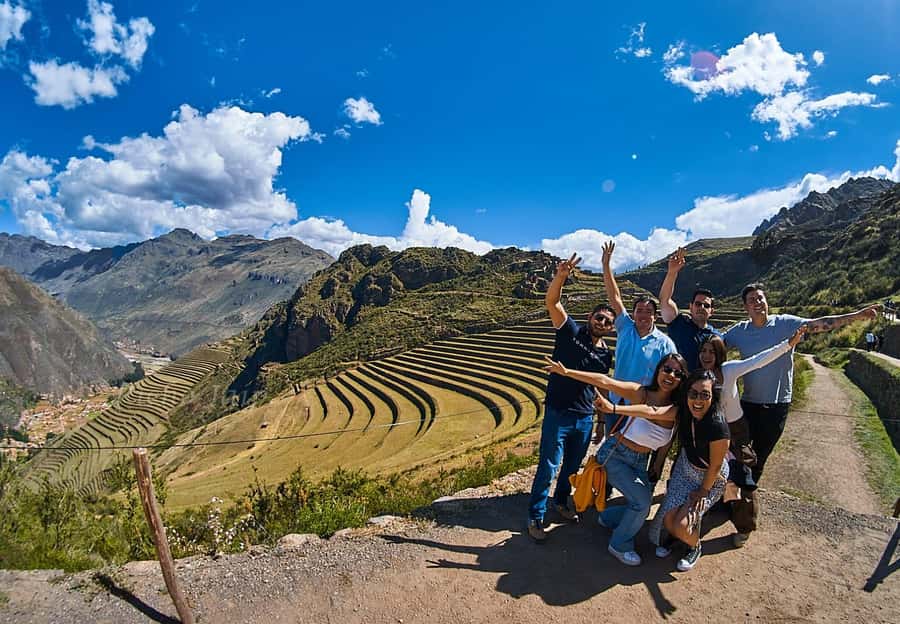
Pisaq includes agricultural terraces, royal Inca enclosures, and an Inca cemetery. That combination gives the final stop a different feel from Ollantaytambo. You see how the Incas shaped steep ground for farming, built spaces for royalty, and honored the dead.
The cemetery is an important detail. It adds a social and human dimension to the site, while the terraces show the practical work that supported communities. Your guide helps connect these separate areas so Pisaq does not feel like a quick photo stop.
Still, the day’s fatigue is real by this point. You have been on the road since morning, and the final visit is brief. Pay attention during the explanation, choose your photos carefully, and do not expect to wander every terrace.
The bus returns to Cusco and drops you at Plaza Regocijo, one block from the main square. That central finish is convenient for finding dinner or walking back to your accommodation.
The guide and driver matter more than usual
A route this busy depends heavily on organization. You need a guide who can explain the sites clearly, keep the group moving, and answer questions without losing the schedule. The strongest praise for this experience centers on the guide’s kindness, clear explanations, and strong understanding of the area.
The guide also explains Quechua culture and textile traditions, which adds value at Chinchero. That cultural context is one reason this excursion feels broader than a simple ruin-hopping day.
The driver deserves credit too. The road includes difficult curves, and a calm, capable driver makes a difference during a long day. With transport limited to 18 people, the group should be easier to manage than a large coach excursion, though you still need to stay aware of meeting times.
The language choices are English and Spanish. When booking, select the language you need and confirm your pickup details. The tour includes a professional bilingual guide, transport, lunch, and a first aid kit.
What the $45 price really covers
At $45 per person, the base price offers strong value for a 12-hour day. You get central hotel pickup, transport, a guide, and buffet lunch, along with visits to five important places.
But the actual cost is higher once admissions are added:
- Tour price: $45 per person
- Tourist ticket: 70 soles
- Maras Salt Mines: 20 soles
- Drinks and snacks: extra
The tourist ticket is a significant addition, so include it when comparing this tour with other Sacred Valley options. Even with the extra fees, the package can make financial sense if you want transport and a guide for all five sites.
The best value comes from the breadth of the route. You can see the major highlights in one day without arranging separate taxis, buses, meals, and admissions. The weaker value comes if you already know you want long visits at only one or two locations. In that case, a slower, narrower plan may suit you better.
Who should book this full-day outing?
I would recommend it to you if this is your first time in the Sacred Valley and you want an efficient orientation. It suits curious visitors who want archaeology, living craft, food, and scenery in one organized day.
It also works well if your schedule is short. You can use the tour to decide where to return for a longer stay, especially Ollantaytambo, Moray, or Pisaq.
You should think twice if you dislike early starts, long bus rides, tight stops, or group schedules. The tour is not designed for lingering. It is also not suitable for people over 95, according to the activity information.
Wear comfortable walking shoes, carry water and snacks, and bring money for the two entrance fees. Keep your camera ready, but listen to the guide: the explanations about Quechua culture, textiles, salt production, and Inca engineering are what give the day its meaning.
Should you book the Chinchero to Pisaq route?
Book this tour if you want the Sacred Valley’s greatest range in a single day and accept a brisk pace. The strongest reasons are the excellent site coverage, the cultural stop at Chinchero, the included buffet lunch, and the small-group transport.
Skip it if your priority is quiet exploration or detailed photography. Five major stops, several bus journeys, and a 12-hour schedule leave little room to slow down.
For a first overview at $45, it is a practical choice. Go in expecting an introduction, not an in-depth study, and the day should deliver plenty of useful context for planning what you want to see next.
FAQ
How long is the tour?
The tour lasts 12 hours. The stated starting time varies, so you need to check availability when selecting your date.
Does the tour include hotel pickup?
Yes. Pickup is included from hotels and Airbnb accommodations located in the center of Cusco.
Where does the tour finish?
The transport leaves you at Plaza Regocijo, one block from Cusco’s main square.
What languages are available?
The live guide is available in English or Spanish.
Is lunch included?
Yes. The tour includes an Andean buffet lunch with a vegetarian option. Drinks are not included.
Are entrance fees included in the $45 price?
No. The 70-sol tourist ticket and the 20-sol Maras Salt Mines entrance fee are separate costs.
Can I cancel the booking?
Yes. You can cancel up to 24 hours in advance for a full refund. You can also reserve now and pay later.
Just added in Sacred Valley
- Private Tour to Pisac Market and Pisac Ruins★ 5.0 · 4 reviews
- Sacred Valley Private Tour from Cusco, Guide and Driver only★ 5.0 · 4 reviews
- Sacred Valley of the Incas Tour★ 5.0 · 12 reviews
- Sacred Valley VIP Private Tour★ 5.0 · 32 reviews
- Private Tour Sacred Valley Vip Chinchero Ollantaytambo+lunch★ 5.0 · 10 reviews
- Private transfer Cusco to Ollantaytambo★ 5.0 · 7 reviews
- 6-Day Machu Picchu, Sacred Valley and Humantay Lake Tour★ 5.0 · 10 reviews
- Private Tour: 2-Day Exploration of the Sacred Valley and Machu Picchu★ 5.0 · 69 reviews
Sacred Valley Tours, compared.
From Cusco: Sacred Valley & Maras Salt Mines Tour with Lunch
Read our review →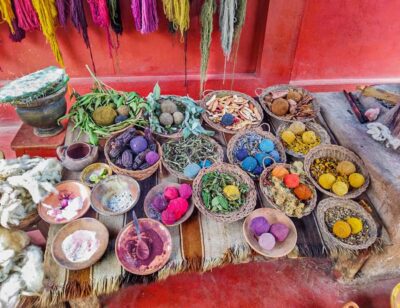
From Cusco: Moray, Maras Salt Mines & Chinchero Weavers Tour
Read our review →
2-Day Tour: Sacred Valley and Machu Picchu by Train
Read our review →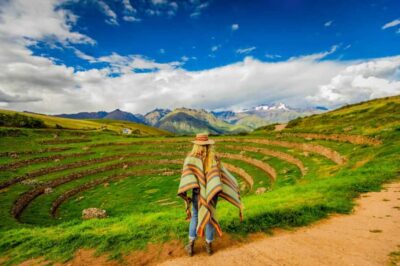
Sacred Valley, Pisac, Ollantaytambo, Salt Mines Moray
Read our review →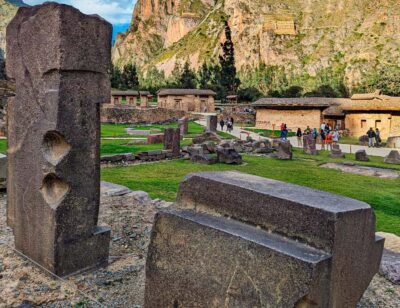
Chinchero,Moray & Salt Mines drop-off in Ollantaytambo
Read our review →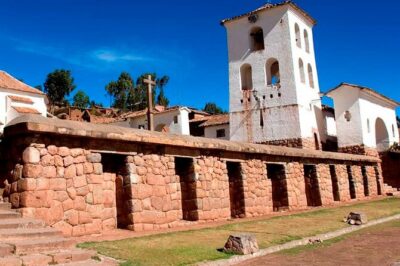
Sacred Valley and Maras Moray Tour with Full Day Buffet Lunch
Read our review →