
Reviewed · MACHU PICCHU TOURS
From Cusco: Machu Picchu 2-Day Inca Trail
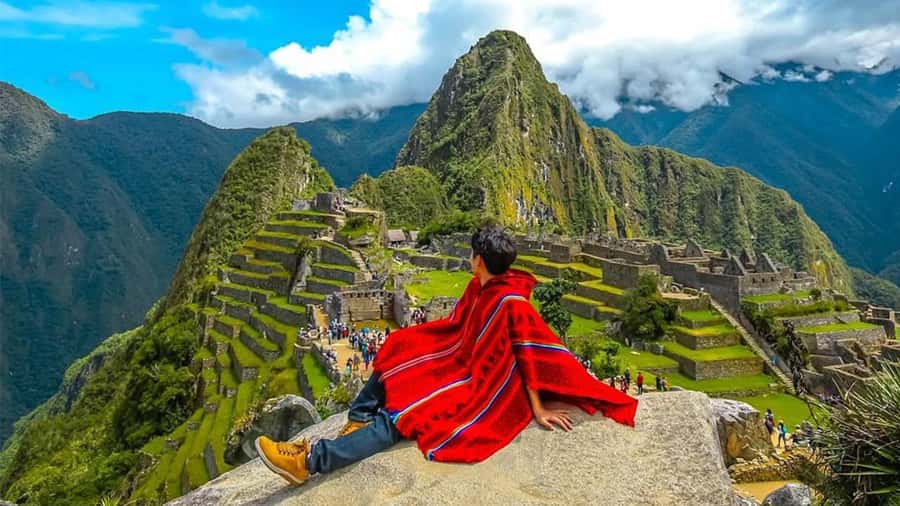
Machu Picchu feels different on foot. This two-day Inca Trail combines an ancient mountain path with a carefully arranged visit to the ruins, so you reach the citadel after walking through Andean scenery rather than simply arriving by train. I especially like the approach through Wiñay Wayna and the first view from Inti Punku, the Inca Gate of the Sun. I also like the small group size, capped at 13 people, and the strong guiding from people such as Lenin and Raoul.
The main catch is that this is a demanding day of walking, not a gentle stroll. The first day is described as about three hours to Wiñay Wayna, but the full outing can take around seven hours once stops, lunch, exploration, and the walk to the Sun Gate are included. Communication before departure has also been uneven, so you will want to pay close attention during the briefing.
In This Review
- What makes this two-day route special
- A practical look at the $653 price
- The Cusco briefing and early departure
- Train travel through the Sacred Valley
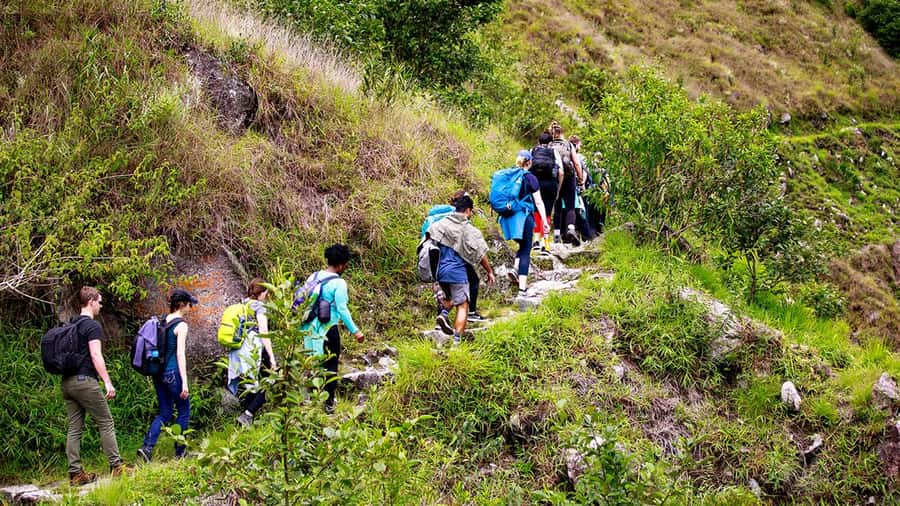
- Hiking to Wiñay Wayna
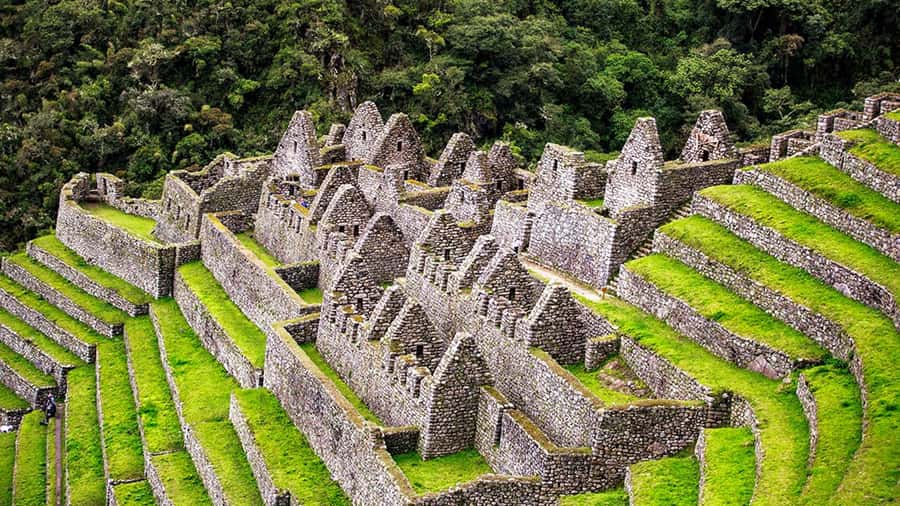
- Wiñay Wayna, terraces in the forest
- Reaching Inti Punku at the right moment
- Aguas Calientes and the overnight break
- Machu Picchu by bus on the second morning
- The return to Cusco
- Fitness, packing, and group comfort
- What the guide can change
- Should you book the two-day Inca Trail?
- FAQ
- How long is the experience?
- Where does pickup take place?
- How difficult is the first-day hike?
- What languages are available?
- What is included in the price?
- Is lunch on the second day included?
- Are Huayna Picchu and Machu Picchu Mountain included?
- What should I bring?
- Do I need to provide passport information?
What makes this two-day route special
- You enter Machu Picchu through Inti Punku: The Sun Gate gives you a memorable first view of the citadel after the trail, rather than after a direct train ride.
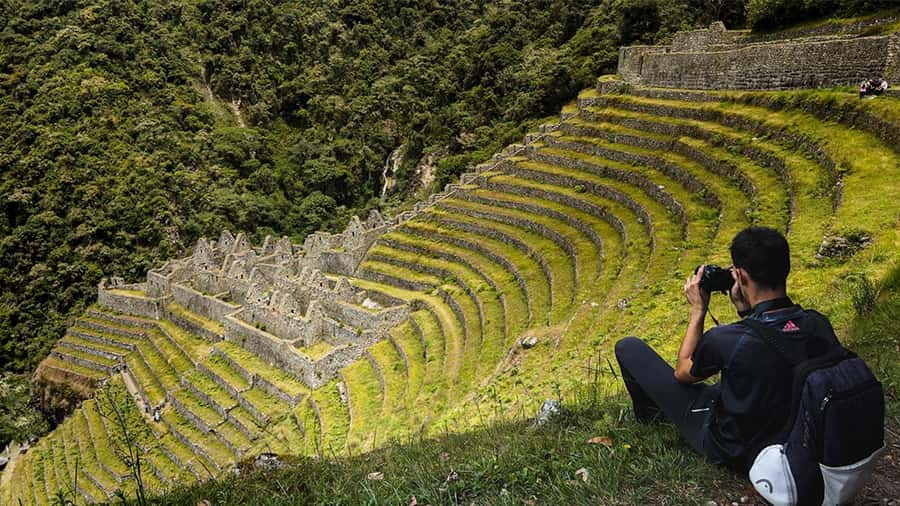
- Wiñay Wayna is part of the walk: You see Inca houses, terraces, and stonework in a setting where architecture and nature sit closely together.
- The route crosses changing ecosystems: Andean scenery gives way to cloudy forest, with changing micro-climates and native plant life along the way.
- Your group stays small: With no more than 13 participants, the guide can adjust the pace and give more attention to individual needs.
- The package covers the costly essentials: Trail and Machu Picchu permits, trains, buses, meals, hotel, guides, and transfers are included.
- Guide quality matters here: Lenin received repeated praise for his patience, explanations, energy, and help along the trail.
A practical look at the $653 price
At $653 per person, this is not a budget visit to Machu Picchu. It is also more than a simple train-and-entry package. The price includes the Inca Trail permit, Machu Picchu admission, a standard hotel in Aguas Calientes, a first-day lunch box, dinner, transport from Cusco to Ollantaytambo, train travel, buses, transfers, a guide, and a first aid kit.
Those permits and transport connections are the heart of the value. The operator handles the sequence from your Cusco hotel to the train, trail entrance, archaeological sites, hotel, Machu Picchu, and return transfer. That saves you from piecing together several time-sensitive bookings yourself.
You still pay for lunch after the Machu Picchu tour, and mountain permits for Huayna Picchu or Machu Picchu Mountain are not included. The train is listed as tourist class or panoramic, so this package is aimed at a comfortable, organized experience rather than a luxury one.
The standard hotel matters mainly because you spend one night in Aguas Calientes between the trail and the main Machu Picchu visit. The package does not promise a particular hotel or room category beyond standard accommodation, so I would not book it expecting a high-end stay.
More Machu Picchu trips:
- Classic Inca Trail Trek 4D/3N to Machu Picchu (Group Service)
★ 5.0 · 8,653 reviews - Machu Picchu: 4-Day Inca Trail Trek with Panoramic Train Ride
★ 5.0 · 4,568 reviews - Short Inca Trail to Machu Picchu 2D/1N
★ 5.0 · 3,007 reviews
The Cusco briefing and early departure
The process begins with a pre-departure briefing arranged for the day before departure. This is where you receive instructions, confirm the schedule, and provide passport details. Your passport information must match the booking, and if your passport has been updated, you need to carry both documents.
Pickup is available from hotels or establishments inside Cusco’s historic center. You should wait in the lobby 10 minutes before the arranged time. If your lodging is outside the historic center, the stated pickup service does not apply, so check that point before paying.
The briefing is more important than it sounds. One group had trouble because the scheduled person was delayed, the equipment bags were missing, and there was confusion about porters. The problem was sorted out the next day, but the episode shows why you should ask clearly about luggage, porter arrangements, meeting times, and the exact morning plan.
Train travel through the Sacred Valley
The first morning begins with a transfer from Cusco to the train station in Ollantaytambo. The drive passes through the Sacred Valley, giving you a look at the broad Andean setting before the trail becomes the focus.
At the station, use the toilets if needed. This simple tip is worth taking seriously because the day quickly shifts from road travel to a long hike. You then board the train to the trail starting point.
The train is not just a transfer. It gives you a gradual change from the settled valley to the quieter trail zone. The package includes tourist-class or panoramic train service, but the exact service depends on availability and confirmation.
Hiking to Wiñay Wayna
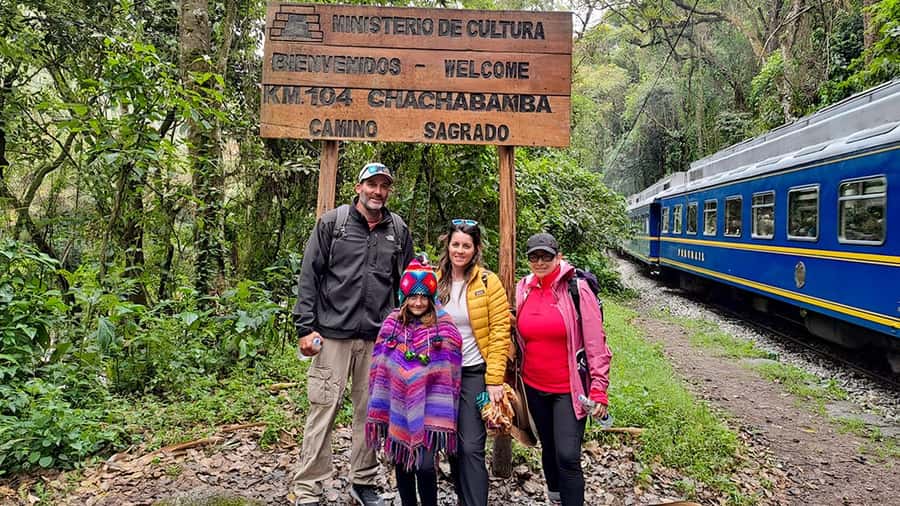
From the train, the guide handles the procedures needed to begin the walk. The route to Wiñay Wayna is described as roughly three hours, though the whole first day lasts much longer once breaks and sightseeing are counted.
This section is valuable because you are walking on part of the route used by the Incas. The point is not only to reach Machu Picchu. You are also seeing how the old path moves through different elevations, plant life, and weather conditions.
The trail includes climbs, and the overall effort should not be underestimated. One account describes about seven hours of walking, with much of it uphill. Another useful detail is that altitude was not a serious problem for one participant, even after having difficulty on other hikes. That does not guarantee an easy day for you, but it suggests that pacing and rest can make a real difference.
The guide is central to the experience. Lenin was praised for adjusting the pace, stopping when needed, helping with photographs, and explaining Inca culture and the surrounding plants. Raoul was also noted for slowing down when the walking pace became too fast and allowing people to move ahead when they wanted more space.
The small group limit helps here. A maximum of 13 people is still a group, but it is far more manageable than a large procession. If you are slower on climbs, tell the guide early rather than trying to hide it.
More hikes and treks in Peru:
- Salkantay Classic Trek 5 Days from Cusco
★ 5.0 · 4,062 reviews - 4-Day Salkantay Trek with Sky Camp Stay
★ 5.0 · 3,346 reviews - Salkantay Trek 5D/4N with Glass Cabins, Domes and Hobbit House
★ 5.0 · 2,488 reviews - 2-Day Inca Trail to Machu Picchu with Panoramic Train
★ 5.0 · 1,876 reviews
Wiñay Wayna, terraces in the forest
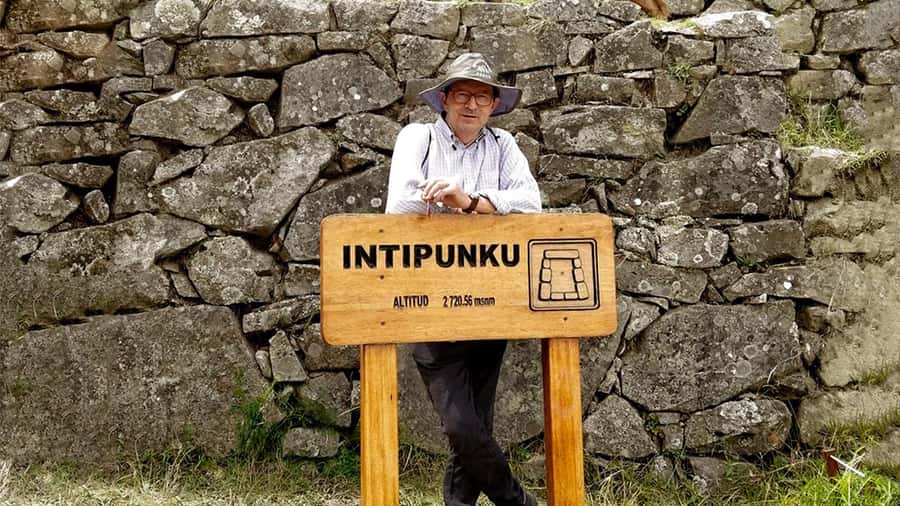
After the walk, you receive a first-day lunch box and explore Wiñay Wayna. This archaeological site includes houses and terraces built into the mountain. The setting helps you understand the Inca approach to farming, water, slope management, and settlement.
The site is one of the strongest parts of the route because it gives you substantial ruins before Machu Picchu. You are not saving every archaeological surprise for the final morning. Wiñay Wayna feels like a proper destination in its own right, and the terraces show how the Incas shaped steep terrain without separating the buildings from their surroundings.
You should expect the visit to involve more walking and uneven ground. After several hours on the trail, tired legs can make even a short archaeological stop feel demanding. Still, this is exactly the kind of stop that makes the two-day route more meaningful than a direct train visit.
Reaching Inti Punku at the right moment
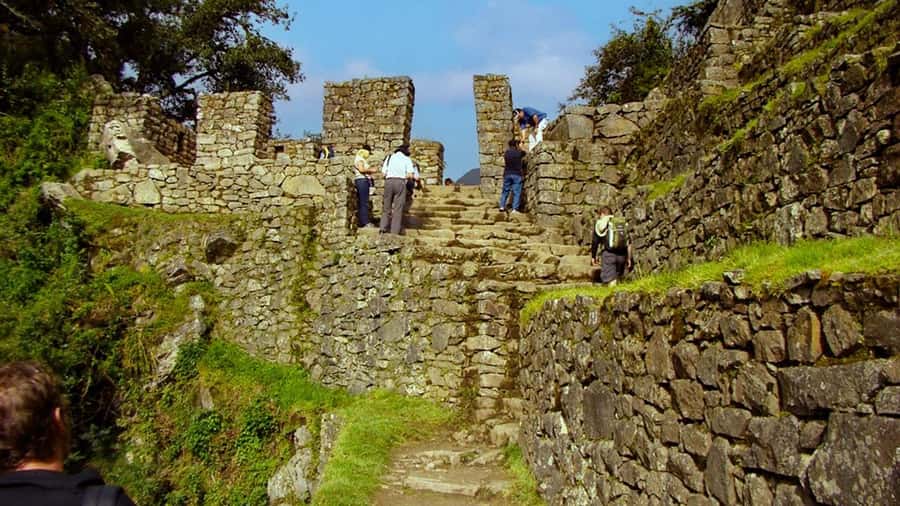
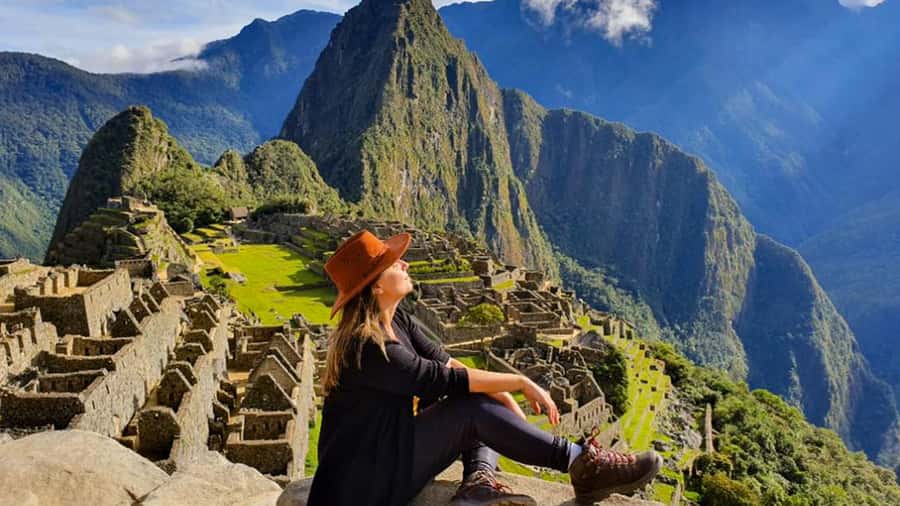
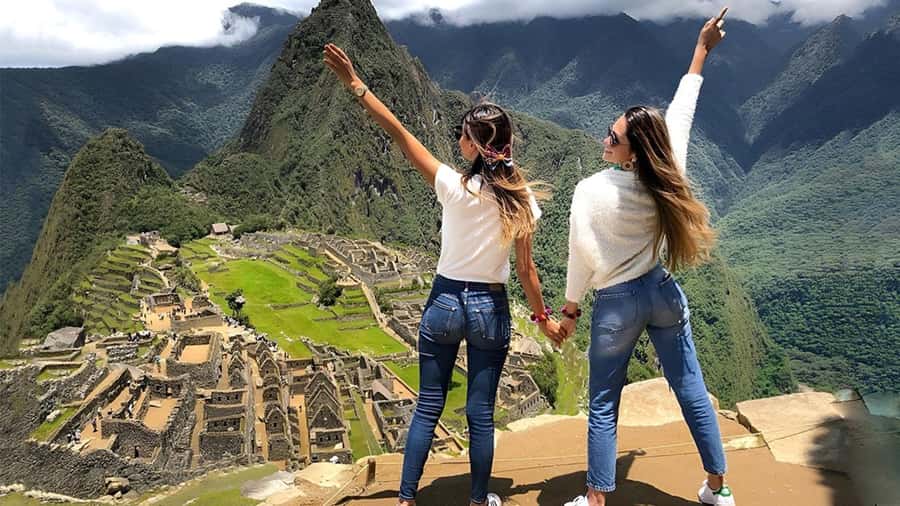
The trail continues to Inti Punku, the Inca Gate of the Sun. This is where you get your first views of Machu Picchu, set on its green mountain plateau.
Arriving by this route changes the emotional rhythm of the visit. You have already crossed the trail, dealt with the climbs, watched the scenery shift, and earned the view. One participant described reaching the Sun Gate as especially rewarding compared with arriving directly by train.
The view depends on weather, of course. The route passes through changing micro-climates, and cloudy forest conditions can affect what you see. Even if the first look is partly screened by cloud, the approach remains a major reason to choose this experience.
After Inti Punku, you take the bus down to Aguas Calientes. The bus ticket from Machu Picchu to Aguas Calientes on the first day is included. At the town, the guide takes you to the hotel, then you have dinner at a restaurant and receive instructions for the next morning.
Aguas Calientes and the overnight break
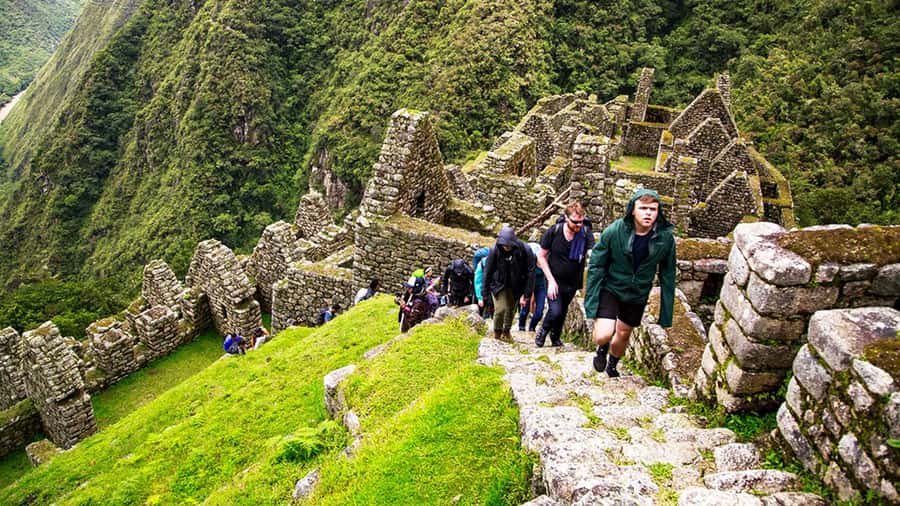
The overnight stay divides a demanding trail day from the main Machu Picchu tour. That is useful because you do not have to finish the trail and immediately complete a full guided visit to the citadel.
Your dinner is included, but lunch the next day is not. The guide gives you the next day’s instructions, so listen carefully for the meeting time, bus arrangements, and return train details.
The evening is practical rather than elaborate. You are in Aguas Calientes for rest and access, not for a long free evening. Bring toiletries and keep your overnight items small, since large luggage is not allowed on the activity.
Machu Picchu by bus on the second morning
After breakfast at the hotel, the guide meets you and takes you to the bus. The bus climbs the intricate road toward Machu Picchu and provides views of the Urubamba River and the canyon below.
The main guided visit covers the citadel’s terraces, stairways, ceremonial areas, and urban sections. These features are easier to appreciate with context. The stones are impressive, but the real interest lies in how the city occupies the ridge, how its levels work with the mountain, and how built spaces remain closely linked to the surrounding terrain.
Guide quality matters especially here. Lenin was repeatedly praised for explaining Inca subjects clearly, staying patient, and keeping the mood positive. A strong guide helps turn a beautiful place into a readable one. You should expect a guided tour followed by some time for lunch at a local restaurant, paid separately.
Huayna Picchu and Machu Picchu Mountain are not part of the standard price. Both require separate entry arrangements, have limited availability, and are described as medium to high difficulty. If you choose one, you need good physical condition and should check availability when booking.
The return to Cusco
At the time set by the guide, you return by train to Ollantaytambo. A transfer waits at the station to take you back to your Cusco hotel.
This final connection is one reason the package has practical value. A missed or poorly timed link between Machu Picchu, Aguas Calientes, Ollantaytambo, and Cusco could quickly turn a great visit into a stressful one. Here, those major pieces are arranged in advance.
The return day is still long. You have the early bus, guided ruins, lunch on your own, train travel, and the road transfer to Cusco. Keep your schedule flexible and do not plan an important evening commitment.
Fitness, packing, and group comfort
You do not need to be an endurance athlete, but you should be ready for sustained uphill walking. The route has enough climbing to challenge you, and one account describes it as pushing the body close to its limits.
The experience is not suitable for pregnant women, people with mobility impairments, or children under eight. If you are unsure about your fitness, the guide can adjust pace and rest stops, but the mountains still set the basic terms.
Bring:
- A daypack
- Your passport or identification card
- Travel insurance details
- Toiletries
Large bags and luggage are not allowed. The porter-bag confusion reported before one departure also makes it sensible to confirm in advance how much you may hand to porters and what you should keep in your daypack.
The tour operates with guides in Spanish, English, Portuguese, Italian, and French. You should confirm your preferred language when booking.
What the guide can change
The strongest pattern in the feedback is guide performance. Lenin was singled out several times for patience, warmth, detailed explanations, positive energy, and photography help. Raoul was praised for responding to different walking speeds and giving people room when appropriate.
That flexibility matters more on this route than on a short city tour. You may have one person in the group who walks quickly and another who needs frequent pauses. The guide’s ability to keep people together without turning the day into a race can shape the whole experience.
The one weak point is pre-trip communication. A delayed briefing and confusion about bags can cause unnecessary worry, particularly when permits and train times are involved. I would treat the briefing as essential and ask direct questions if anything sounds unclear.
Should you book the two-day Inca Trail?
You should book this experience if you want the feeling of approaching Machu Picchu through the Andes, but you do not have time for the longer four-day trail. The Sun Gate arrival, Wiñay Wayna, changing ecosystems, and small group format give you much more than a direct train visit.
You should also book it if you value having permits, trains, buses, meals, a hotel, and Cusco transfers handled together. At $653, the package is costly, but the included logistics make the price easier to justify.
Think twice if you want a relaxed visit, dislike uphill walking, need a guaranteed luxury hotel, or plan to add Huayna Picchu or Machu Picchu Mountain without checking permits early. This is a short route by Inca Trail standards, yet the first day remains a serious hike.
For the right person, the two-day format is a smart compromise. You get a real section of the Inca Trail, a powerful approach through Inti Punku, and a properly guided visit to Machu Picchu without committing to four days in the mountains.
FAQ
How long is the experience?
The experience lasts two days, including travel from Cusco, the Inca Trail walk, an overnight stay in Aguas Calientes, the Machu Picchu visit, and the return to Cusco.
Where does pickup take place?
Pickup is included for hotels or establishments located within Cusco’s historic center. You should wait in the hotel lobby 10 minutes before the scheduled pickup.
How difficult is the first-day hike?
The hike includes uphill sections and can be demanding. The walk to Wiñay Wayna is described as approximately three hours, while the full first-day outing can take around seven hours with sightseeing and stops.
What languages are available?
Guides are available in Spanish, English, Portuguese, Italian, and French.
What is included in the price?
The package includes the pre-departure briefing, Cusco and Ollantaytambo transfers, standard hotel accommodation, an official guide, a first-day lunch box, dinner, a first aid kit, Inca Trail and Machu Picchu entry tickets, buses, and tourist-class or panoramic train service.
Is lunch on the second day included?
No. Lunch after the guided Machu Picchu visit is not included and must be paid for separately.
Are Huayna Picchu and Machu Picchu Mountain included?
No. Entry to both mountains costs extra, has limited availability, and involves medium to high difficulty.
What should I bring?
Bring travel insurance, toiletries, a daypack, and your passport or identification card. Large bags and luggage are not allowed.
Do I need to provide passport information?
Yes. Passport details for every participant are required to confirm the reservation. If your passport information has changed, you must present both documents.
Just added in Peru
- Private Transfer from Airport to Hotel in the City of Cusco★ 4.0 · 5 reviews
- Best Cusco walking tour: dinner street food tasting★ 4.5 · 11 reviews
- Cusco Private Transportation for 2026★ 5.0 · 4 reviews
- Private Tour to Pisac Market and Pisac Ruins★ 5.0 · 4 reviews
- Machu Picchu Day Trip With Panoramic Train from Cusco★ 5.0 · 10 reviews
- Sacred Valley Private Tour from Cusco, Guide and Driver only★ 5.0 · 4 reviews
- Sacred Valley of the Incas Tour★ 5.0 · 12 reviews
- Private Tour of the Mountain of Colours by Quad★ 5.0 · 7 reviews
Machu Picchu Tours, compared.
Classic Inca Trail Trek 4D/3N to Machu Picchu (Group Service)
Read our review →
2-Day Inca Trail to Machu Picchu with Panoramic Train
Read our review →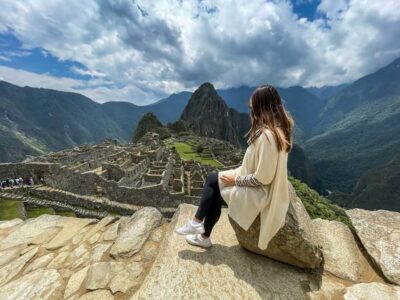
From Cusco: Full-Day Group Tour of Machu Picchu
Read our review →

2-Day Tour: Sacred Valley and Machu Picchu by Train
Read our review →
Machu Picchu: Full-Day Tour from Cusco with Optional Lunch
Read our review →
Machu Picchu Full Day from Cusco by Panoramic Train
Read our review →Browse the lists this tour appears in