Reviewed · SACRED VALLEY TOURS
From Cusco: Maras and Moray Half-Day Tour
Three Andean stops, one tidy morning. This excursion gives you a useful mix of culture, archaeology, and dramatic mountain views without taking a full day from Cusco. I especially like the Chinchero textile visit and the chance to see the working Maras Salt Flats, not just ancient ruins. The main consideration is the extra entrance cost, since the advertised $28 price does not include the 70-sol Moray ticket or the 20-sol Maras fee.
The schedule is practical, too. Pickup from hotels in Cusco’s historic center takes place around 8:00 to 8:40 a.m., with a return near 2:30 p.m. I like that you still have an afternoon free, though the early pickup window is approximate and the day includes stops at tourist shops.
In This Review
- Key points at a glance
- Why this half-day route works well from Cusco
- Chinchero and the living work behind Andean textiles
- Moray’s circular terraces and Inca farming experiments
- Maras Salt Flats, where the mountain produces salt
- Timing, transport, and the return to Cusco
- What the $28 price really covers
- Who will get the most from this tour
- Should you book the Maras and Moray half-day tour?
- FAQ
- How long does the tour last?
- What time is hotel pickup?
- Which places does the tour visit?
- Is transportation included?
- Are entrance tickets included in the price?
- Is the tour available in English?
- Can I cancel or pay later?
Key points at a glance
- Chinchero comes first: Visit a traditional textile center and see Andean spinning, natural dyeing, and weaving techniques.
- Moray is the archaeological centerpiece: Huge circular terraces show how Inca farmers worked with altitude and changing growing conditions.
- Maras is still a working site: Thousands of small salt pools cover the mountainside, with salt extraction continuing today.
- The tour lasts 330 minutes: Pickup is around 8:00 to 8:40 a.m., with a return to Cusco at about 2:30 p.m.
- The base price is only part of the budget: Add 90 soles for the listed Moray and Maras entrance fees, plus meals and personal expenses.
- English and Spanish guiding is available: The guide explains each stop, and recent bookings praised the clear English and enthusiastic presentation.
Why this half-day route works well from Cusco
Cusco offers enough museums, churches, ruins, and cobbled streets to fill several days. That makes a half-day outing especially useful. You can leave the city in the morning, see three very different places in the Sacred Valley area, and return with time for lunch, a rest, or more sightseeing.
The route is well chosen because each stop has a different purpose. Chinchero introduces you to living Andean craft traditions. Moray explains Inca farming methods. Maras shows a traditional salt industry that remains active. You are not looking at three versions of the same attraction.
The tour costs $28 per person before entrance fees. At that price, the included hotel pickup, tourist transport, and bilingual guide make it a reasonable package for someone who wants a straightforward outing without arranging separate taxis or figuring out the road connections alone.
You should budget separately for the listed 70 soles at Moray and 20 soles at Maras. That adds 90 soles per person before food, drinks, souvenirs, or other personal costs. The actual value depends on how many people are in your party and how much you value having transport and explanations arranged for you.
The tour has a 4.9 out of 5 rating from 17 verified bookings. The strongest praise centers on punctual pickup, clear explanations, enough free time for photographs, impressive views, and an enthusiastic guide. One important detail is that the guide can speak English, so you do not need to book only if you speak Spanish.
More Sacred Valley trips:
- From Cusco: Sacred Valley & Maras Salt Mines Tour with Lunch
★ 4.8 · 2,227 reviews - From Cusco: Moray, Maras Salt Mines & Chinchero Weavers Tour
★ 4.8 · 1,925 reviews - 2-Day Tour: Sacred Valley and Machu Picchu by Train
★ 5.0 · 1,127 reviews
Chinchero and the living work behind Andean textiles
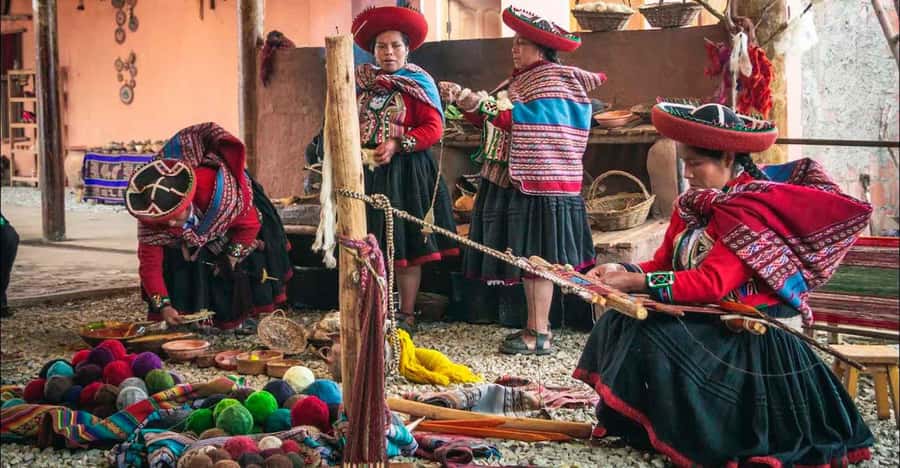
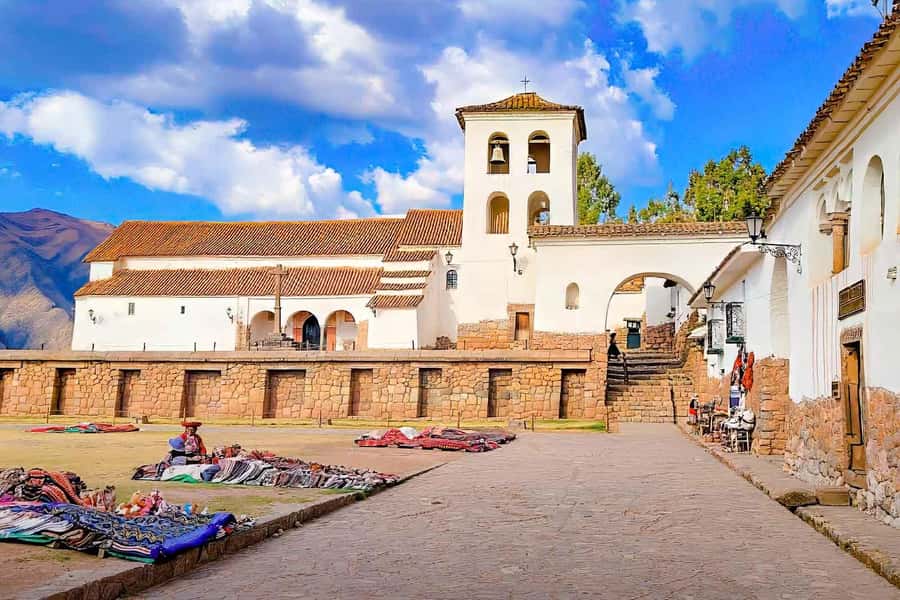
The first main stop is Chinchero, a picturesque village in the Cusco Region. Here, you visit a traditional textile center where you can learn how Andean garments are made.
The demonstration covers several stages of the process. You can expect explanations of spinning, natural dyeing, and the production of handmade clothing. This gives the stop more substance than simply browsing finished scarves or sweaters. You see how local craft depends on plant-based color, patient handwork, and techniques passed through Quechua communities.
I like this part because it provides cultural context before the archaeological sites. Moray and Maras are visually striking, but it is easy to treat them as empty monuments unless you understand that Andean knowledge is still practiced in daily life. The textile center offers that connection.
There is a practical point to keep in mind. The stop takes place at a traditional textile center, so you might have an opportunity to buy handmade goods. One booking specifically noted several tourist-shop stops, while also describing the products as good quality. If you dislike shopping stops, this may feel like time taken away from the ruins. If you want a handmade souvenir and enjoy seeing how it is produced, it can be worthwhile.
The amount of time at Chinchero is not specified, so you should not expect a long independent visit unless the guide confirms it on the day. Treat it as an introduction to Andean weaving and local culture, rather than a full exploration of every part of the village.
Moray’s circular terraces and Inca farming experiments
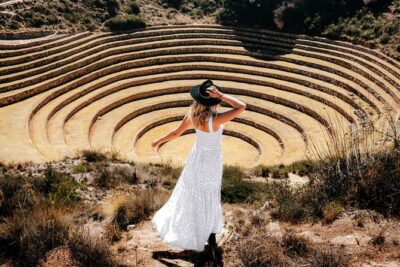
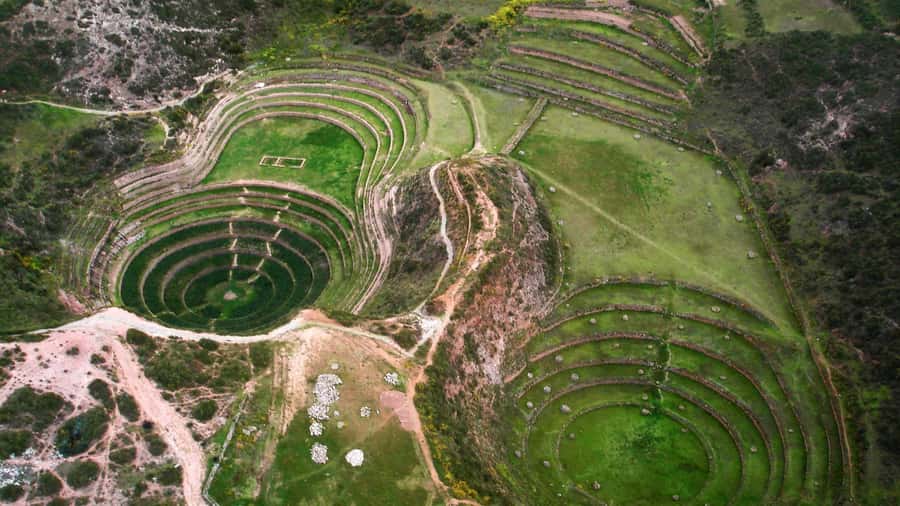
Moray is the most unusual archaeological stop on the route. Its enormous circular terraces descend into the ground in a series of curved steps. From above, the shape is immediately memorable, and the site offers an excellent setting for photographs.
The tour explains Moray as an Inca agricultural laboratory. The terraces were arranged at different altitudes and climates, allowing farmers to test growing conditions and improve crops. That explanation matters because the site can otherwise look like a grand amphitheater with no clear purpose.
As you look down into the circles, pay attention to the change in temperature and exposure between the upper and lower levels. The tour description connects these variations to Inca experiments with crops. You are not simply seeing impressive stonework. You are seeing a planned attempt to work with the region’s difficult geography.
The site is also where the extra cost becomes important. The listed entrance fee for Moray is 70 soles, and it is not included in the $28 tour price. Bring enough local currency or confirm accepted payment methods before departure, since the supplied information does not specify how the fee is collected.
Time at Moray is intended for learning, walking around the viewpoint areas, and taking pictures. One booking described the free time at the sites as sufficient for photographs and a complete look around. Still, this is a half-day tour, so you should expect a managed visit rather than hours of quiet exploration.
I would place Moray near the top of your priority list if you want to understand Inca engineering and agriculture. It is also a good stop for anyone who prefers a site with a clear visual shape. The drawback is that the main view can be crowded or hurried depending on the group and the day, although no specific group size is provided.
Maras Salt Flats, where the mountain produces salt
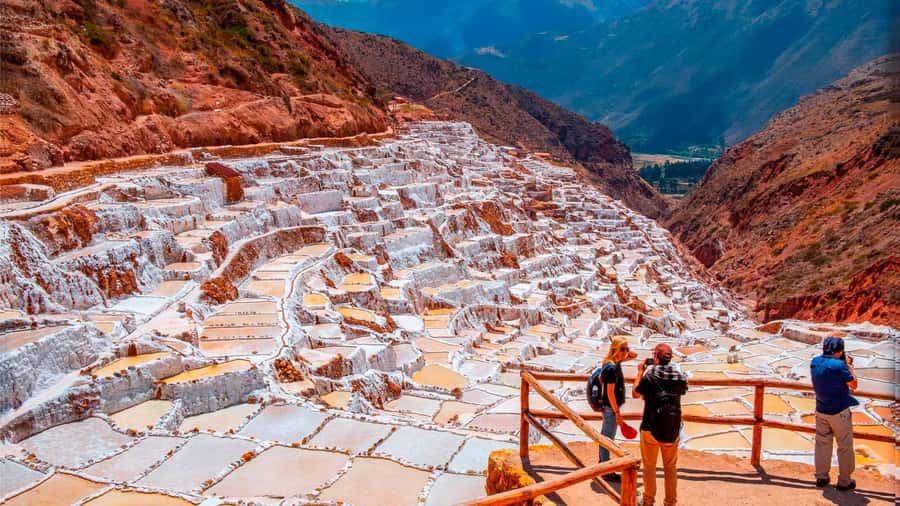
The Maras Salt Flats provide the day’s sharpest change of scenery. Thousands of small salt pools spread across a mountainside, creating a patchwork of pale terraces against the surrounding hills.
The salt pans have been used since pre-Inca times, and salt extraction continues today. That living connection is what makes Maras more than a scenic photo stop. You can learn how salt is gathered through a traditional process that has lasted for centuries.
The pools are small, individually managed salt beds rather than one large open basin. Water flows through the system, and salt collects as it dries. The tour guide explains the process while you take in the wide views from the mountainside.
The Maras entrance fee is listed as 20 soles, also paid separately. Add that to the 70 soles for Moray when planning your budget. The two sites have different fees, so keeping small amounts of local currency handy may make the day easier, although payment details are not provided.
Maras is especially good for photography. The pattern of the pools gives you something different at every angle, and the surrounding views make the stop feel much larger than the salt pans themselves. Conditions and colors can change with weather and season, so do not expect the exact appearance shown in every photograph.
You may also find this stop more exposed than Chinchero or a museum visit. The supplied details do not state what facilities are available, so plan for an outdoor visit and dress for changing conditions in the Cusco Region. A hat, water, and sun protection are sensible choices for any highland outing, though the tour does not list these as included items.
A completely different kind of day:
- Cusco: Sacred Valley, Pisac, Ollantaytambo, Salt Mines Moray
★ 4.6 · 1,058 reviews - Cusco:Chinchero,Moray & Salt Mines drop-off in Ollantaytambo
★ 4.8 · 793 reviews - Sacred Valley and Maras Moray Tour with Full Day Buffet Lunch
★ 5.0 · 670 reviews - The Ultimate Full Day Sacred Valley Tour
★ 5.0 · 644 reviews
Timing, transport, and the return to Cusco
The stated duration is 330 minutes, or five and a half hours. Pickup from a hotel in Cusco’s historic center is scheduled approximately between 8:00 and 8:40 a.m. The word approximately matters. You should provide a WhatsApp number and your hotel address so the operator can coordinate the meeting point.
The pickup service is included only for hotels in the historic center. If you are staying outside that area, do not assume the same arrangement applies. Confirm the pickup details before booking.
Tourist transport is included, which removes the need to negotiate separate rides between Chinchero, Moray, and Maras. That is useful because the attractions are spread around the Sacred Valley area and the route is easier when one vehicle handles the connections.
The guide speaks Spanish and English. The guide’s role is important here because the value of the day comes from understanding what you are seeing. At Chinchero, explanations give meaning to the textile work. At Moray, they explain the agricultural purpose of the terraces. At Maras, they describe how salt production works.
A French booking reported that pickup was on time and that the group was collected as planned in front of the hotel. It also noted enough free time at the sites for photographs and a walk around. Another booking praised the guide’s enthusiasm and clear explanations of Moray and Maras. These are exactly the details that make a short group tour work well.
The return to Cusco is expected around 2:30 p.m. That leaves you free to continue exploring the city or rest after the highland drive. If you have an evening reservation, keep some flexibility because the pickup time is approximate and road conditions can affect the schedule.
What the $28 price really covers
The base price is attractive, but you should read it as the cost of transport and guiding rather than the complete cost of the day.
Included:
- Pickup from a hotel in Cusco’s historic center
- Tourist transport
- A bilingual guide in English or Spanish
Not included:
- The 70-sol Moray ticket
- The 20-sol Maras ticket
- Meals
- Travel insurance
- Extra personal expenses
That means the tour is good value if you want an organized route and do not want to arrange transport yourself. It is less of a bargain if you already have a private vehicle, a group large enough to hire a driver cheaply, or a strong preference for setting your own pace.
The absence of meals is not a major flaw for a five-and-a-half-hour morning tour, but you should eat before pickup or carry something with you. The schedule does not promise lunch, and the return is around midafternoon.
The absence of travel insurance is standard for this type of booking, but it means you need to arrange your own coverage if that matters to you. Extra expenses also include anything purchased at the textile center or other tourist shops.
The flexibility is useful. You can reserve now and pay later, and cancellation is available up to 24 hours in advance for a full refund. Those terms suit a Cusco itinerary that may change with altitude, weather, or other plans.
Who will get the most from this tour
I would recommend this outing to you if you want a compact introduction to three well-known Sacred Valley attractions. It suits first-time visitors who want explanations in English or Spanish, hotel pickup, and a clear return time.
It is also a good fit if you care about more than ruins. Chinchero adds living craft traditions, while Maras introduces a working salt industry. Moray then supplies the large archaeological sight of the day.
The tour may suit photographers, too. Moray’s circular terraces and Maras’s repeating salt pools are both visually distinctive, and the available free time is intended to let you take pictures and walk around.
You may want another option if you prefer private touring, long visits, or a slow pace. The itinerary covers three stops before midafternoon, so each location receives a limited portion of the day. You also need to accept the possibility of tourist-shop stops.
This is not the right choice if you want a full Sacred Valley day with additional major sites. The route focuses on Chinchero, Moray, and Maras, then returns to Cusco. Its strength is focus, not breadth.
Should you book the Maras and Moray half-day tour?
Book it if you want good coverage in a short morning and appreciate having transport, a bilingual guide, and hotel pickup arranged in advance. The strongest parts are the unusual Moray terraces, the working Maras Salt Flats, and the cultural context provided at Chinchero.
Before paying, add the 90 soles in listed entrance fees to the $28 price. Leave room for food and possible purchases, and give the operator an accurate hotel address and WhatsApp number.
I would choose this tour for a first visit to Cusco when time is limited. I would skip it in favor of a private arrangement only if you need a slower schedule, want to avoid shopping stops, or plan to spend much longer at each site.
FAQ
How long does the tour last?
The tour lasts 330 minutes, which is five and a half hours. The planned return to Cusco is around 2:30 p.m.
What time is hotel pickup?
Pickup is approximately between 8:00 and 8:40 a.m. The service is provided for hotels in Cusco’s historic center.
Which places does the tour visit?
The route includes Chinchero, a traditional textile center, the Moray archaeological site, and the Maras Salt Flats.
Is transportation included?
Yes. Tourist transport and pickup from a hotel in Cusco’s historic center are included.
Are entrance tickets included in the price?
No. The listed cost is 70 soles for Moray and 20 soles for Maras. Meals, travel insurance, and extra expenses are also excluded.
Is the tour available in English?
Yes. The tour has a live guide in English or Spanish.
Can I cancel or pay later?
You can reserve now and pay later. Cancellation up to 24 hours in advance is available for a full refund.
Just added in Sacred Valley
- Private Tour to Pisac Market and Pisac Ruins★ 5.0 · 4 reviews
- Sacred Valley Private Tour from Cusco, Guide and Driver only★ 5.0 · 4 reviews
- Sacred Valley of the Incas Tour★ 5.0 · 12 reviews
- Sacred Valley VIP Private Tour★ 5.0 · 32 reviews
- Private Tour Sacred Valley Vip Chinchero Ollantaytambo+lunch★ 5.0 · 10 reviews
- Private transfer Cusco to Ollantaytambo★ 5.0 · 7 reviews
- 6-Day Machu Picchu, Sacred Valley and Humantay Lake Tour★ 5.0 · 10 reviews
- Private Tour: 2-Day Exploration of the Sacred Valley and Machu Picchu★ 5.0 · 69 reviews
Sacred Valley Tours, compared.
From Cusco: Sacred Valley & Maras Salt Mines Tour with Lunch
Read our review →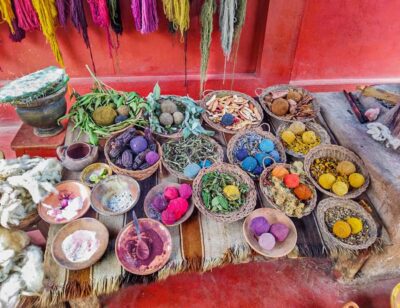
From Cusco: Moray, Maras Salt Mines & Chinchero Weavers Tour
Read our review →
2-Day Tour: Sacred Valley and Machu Picchu by Train
Read our review →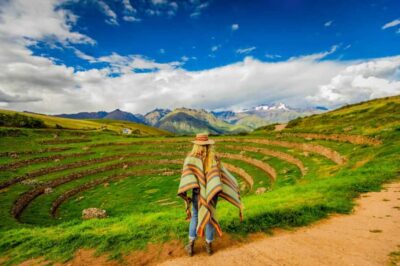
Sacred Valley, Pisac, Ollantaytambo, Salt Mines Moray
Read our review →
Chinchero,Moray & Salt Mines drop-off in Ollantaytambo
Read our review →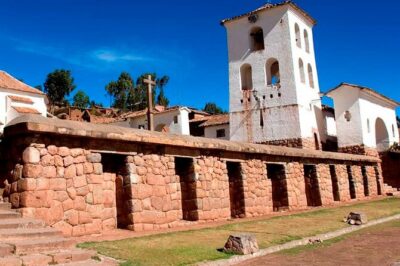
Sacred Valley and Maras Moray Tour with Full Day Buffet Lunch
Read our review →