
Reviewed · COLCA CANYON AND AREQUIPA TOURS
Full Day Tour Including Transfer to Puno / Colca Canyon
The condors are worth the brutal alarm. This long day links Arequipa and Puno while giving you a strong first look at the Colca Canyon, and I like the door-to-door transport and the chance to see Andean condors at Condor’s Cross. The mountain scenery, volcanoes, alpacas, llamas, and vicuñas make the transfer far more interesting than a plain bus ride.
The catch is the clock. You leave around 3:00 to 3:30 am, spend many hours on the road, and may not reach Puno until about 7:30 pm or later. I also like that the tour includes breakfast and a transfer onward to Puno, but the included meal can be very basic, and the canyon stops may feel rushed.
In This Review
- Key points to know before booking
- Why this Arequipa to Puno combination is useful
- Leaving Arequipa between 3:00 and 3:30 am
- Breakfast in Chivay: convenient, but keep expectations low
- Condor’s Cross gives you the best canyon moment
- Six hours around Colca Canyon, with beauty and hurry
- Chacapi hot springs: a pleasant optional pause
- The road to Puno passes volcanoes and camelids
- The second bus can make or break the final six hours
- What the $112 price really includes
- Who should choose this demanding day
- Should you book the Colca Canyon to Puno transfer?
- FAQ
- What time does the tour start?
- How long does the experience last?
- Is breakfast included?
- Is lunch included?
- How much is the Colca Canyon entrance fee?
- How much does Chacapi hot springs cost?
- Can I continue to Puno after visiting Colca Canyon?
- How many people can join the tour?
- What happens if bad weather cancels the tour?
Key points to know before booking
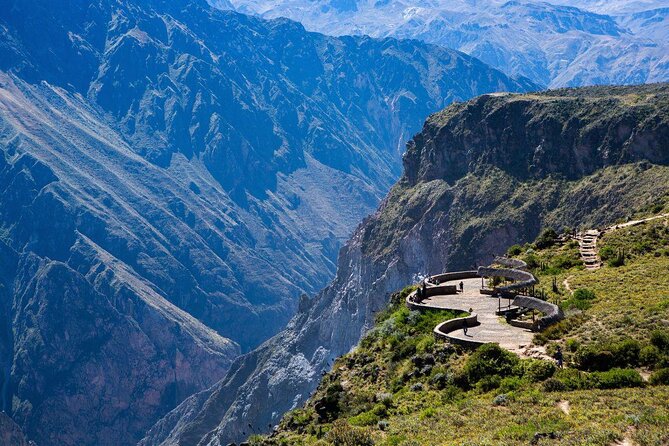
- Condor’s Cross is the star stop: You get about 40 minutes at the canyon viewpoint, with a good chance to see Andean condors gliding close to the cliffs.
- Expect a 14 to 16-hour day: Early pickup, several road sections, and the transfer to Puno make this an endurance test as well as a sightseeing trip.
- The transfer solves a real travel problem: You can see Colca Canyon and continue to Puno without returning to Arequipa.
- Bring extra cash: The Colca Canyon reserve fee is PEN70, the Chacapi hot springs cost PEN15, and the buffet lunch costs PEN30.
- The buses may differ: The Arequipa to Chivay section can be cramped, while the later Puno bus may have reclining, business-class-style seats.
- Pack for two climates: Early morning can be very cold, while the afternoon may feel warm.
Why this Arequipa to Puno combination is useful
Most people visit Colca Canyon as a return trip from Arequipa or as part of a longer stay in the valley. This tour takes a more practical route: you see the canyon in the morning, then continue toward Puno instead of backtracking.
That makes the $112 price easier to understand. You are paying for the canyon excursion and the long transfer between two major Peruvian destinations. It is not a cheap sightseeing ride, especially after adding the PEN70 canyon fee, PEN15 hot spring fee, and PEN30 lunch. Still, if you already need to get from Arequipa to Puno, the combined plan can save you a separate transport day.
I would not choose this experience simply because it is the cheapest way to see Colca Canyon. I would choose it because it combines two jobs in one day. The value is in the route, not in a relaxed visit.
The group is limited to 16 people, which is much better than a huge coach party. Even so, you should expect a structured group schedule, several guide changes, and limited control over how long you stay at each stop.
More Colca Canyon trips:
- 2 day 1 night trek / Colca Canyon
★ 5.0 · 1,069 reviews - From Arequipa: Colca Canyon Full-Day Guided Tour with Meals
★ 4.5 · 982 reviews - Tour to the Salinas Lagoon and National Reserve in Arequipa
★ 4.5 · 548 reviews
Leaving Arequipa between 3:00 and 3:30 am
The morning begins before most people have had a proper night’s sleep. The stated start time is 3:00 am, with departure from Arequipa around 3:30 am after the group has been collected. In practice, pickup can run late, so I would be ready early and keep your phone close in case the operator contacts you.
The first road section takes you toward Chivay, the main town near the canyon. This is the part of the day when you will most want a jacket, hat, and something small to eat. The vehicle may be a smaller bus, and the first five or six hours can feel cramped, especially if you are carrying luggage.
There has also been confusion about large bags. The service information does not clearly promise suitcase storage, and luggage has sometimes been squeezed under seats. If you are using this as a direct Arequipa to Puno transfer, confirm the luggage arrangement before departure. A small daypack is much easier to manage.
Communication can matter here. Some people have arranged details through WhatsApp without trouble, but pickup and bus connections can still create stress if names are not properly recorded. I would save the provider’s contact information, confirm your pickup point, and keep proof of your Puno booking available on your phone.
Breakfast in Chivay: convenient, but keep expectations low
The first proper stop is Chivay, where breakfast is included. That is welcome after the early start, and you will have a chance to use the restroom before continuing toward the canyon.
The meal has been described as cold scrambled egg and bread, so I would treat it as a basic courtesy rather than a reason to book. Bring a sandwich, fruit, crackers, or another simple meal from Arequipa. You will be glad to have familiar food if breakfast is disappointing.
Lunch is separate. A buffet in Chivay costs PEN30 per person, and food quality can vary from acceptable to lukewarm. The price is not outrageous, but the group schedule and payment arrangements may make lunch feel less flexible than expected. Carry cash, since card payment may not be handled as smoothly as advertised.
The timing here matters. Chivay is not just a meal stop. It is also the point where the canyon sightseeing and the onward transfer begin to fit together, so a slow breakfast or long restroom queue can reduce time later in the day.
Condor’s Cross gives you the best canyon moment
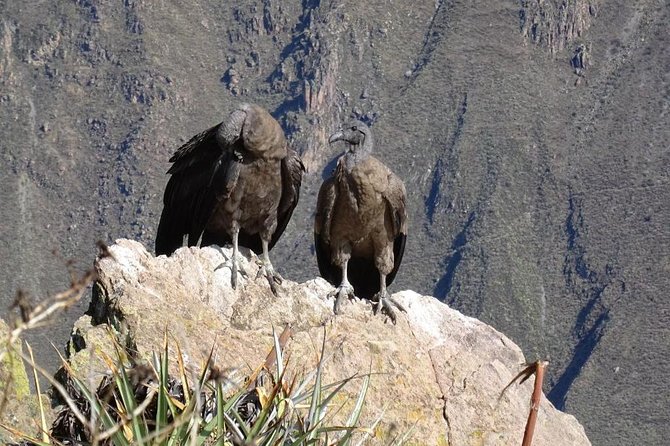
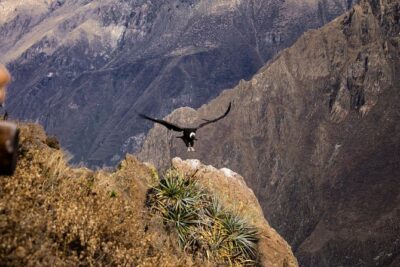
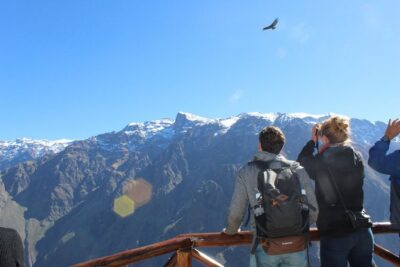
Condor’s Cross, or Cruz del Condor, is the emotional high point of the morning. You get around 40 minutes at the viewpoint, where the canyon opens below you and Andean condors may ride the rising air near the cliffs.
The condors are the main reason to take this route. These huge birds can appear suddenly, glide without flapping, and vanish beyond the canyon wall just as quickly. Bring binoculars if you have them, but the birds can still be impressive without special equipment.
Forty minutes is not generous, but it is more useful than the very brief stop sometimes given on longer multi-day schedules. You should have time to watch the cliffs, take photographs, and look for birds rather than simply step off the bus and step back on.
The cold can be sharp at this hour, particularly with open windows during the drive. Wear warm layers that you can remove later. A fleece, hat, and gloves make more sense than one heavy coat because the afternoon temperature can change quickly.
Try not to spend the whole stop taking pictures. Give yourself several minutes with the camera down. The condors are the sort of sight that is easy to miss if you are busy checking whether the last photograph worked.
More Lake Titicaca trips:
- 2-Day Tour Colca Canyon in Arequipa with end in Puno
★ 4.6 · 248 reviews - From Arequipa: Colca Canyon Day Trip with Transfer to Puno
★ 4.6 · 90 reviews - Turist Bus Colca Canyon (Chivay) To Puno
★ 5.0 · 83 reviews - From Puno to Arequipa: 2 Days/1 Night Colca Canyon Tour
★ 3.6 · 83 reviews
Six hours around Colca Canyon, with beauty and hurry
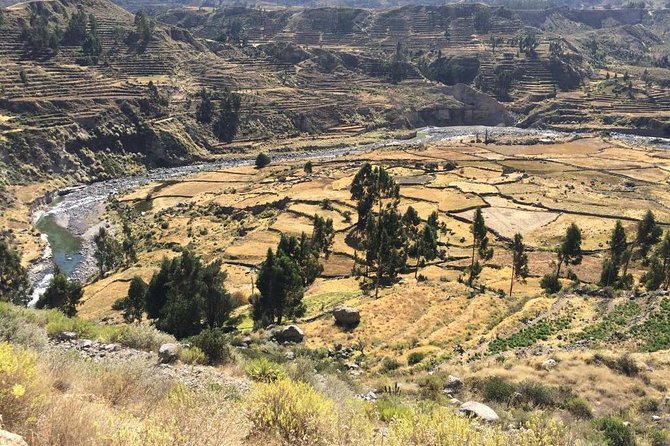
The Colca Canyon portion is listed as about six hours, but that does not mean six quiet hours at one viewpoint. The time includes driving through the canyon area, passing traditional towns, stopping at scenic points, and moving between the main attractions.
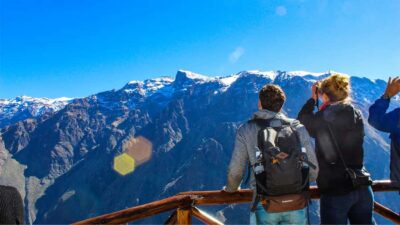
The canyon is described as twice as deep as the Grand Canyon, although the experience here is less about one single dramatic overlook than about changing views along the route. Snow-capped peaks form the backdrop, with Ampato reaching 6,388 meters above sea level.
The area is also known for its plant and animal life. You might see some of the more than 100 bird species found in the region, along with native plants and many types of cactus. The later route adds camelids, so the day gives you a broad sample of highland Peru rather than one narrow attraction.
The tradeoff is time. Several stops are beautiful but short, and a 20 or 30-minute walk can feel hurried when you have traveled so far to reach the canyon. Restroom lines can also eat into a short stop, particularly when many people need the facilities at once.
I would keep your expectations realistic. This is a panoramic introduction, not a proper canyon hike. If you want silence, long walks, village visits, or time to sit and watch the light change, stay in the Colca Valley for at least one night instead.
The guide works hard to keep the group moving and explain the route, but the schedule leaves little room for delays. That can make the day feel efficient to one person and stressful to another. You will need to return to the bus on time, even when a viewpoint deserves another ten minutes.
Chacapi hot springs: a pleasant optional pause
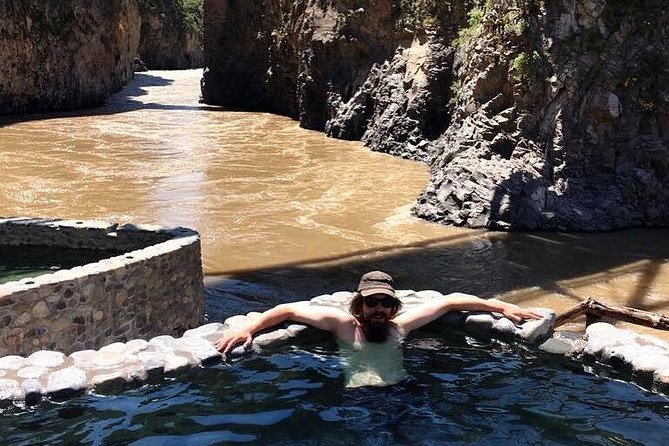
After Condor’s Cross, the route returns toward Chivay and stops at Chacapi hot springs. The visit lasts about an hour, and entering is optional.
The pools have water temperatures ranging from about 30 to 60 degrees Celsius. That gives you a choice between warmer and cooler areas, although you should take care around the hottest water. Bring a swimsuit, towel, and dry clothes if you want to take part.
The springs can be a welcome break after the cold morning and long bus ride. You get to move around instead of sitting in a vehicle, and the warm water can make the early start feel less punishing.
Admission costs PEN15 and is not included. If the pools do not appeal to you, you can skip them, but check how the meeting time works before wandering away. Some people have chosen other paid activities in the area, including kayaking for about PEN30 per person, but that option is not part of the advertised tour and should not be treated as guaranteed.
An hour is enough for a quick soak, not a full spa afternoon. Bring your own supplies and be prepared to change quickly so the group can stay on schedule.
The road to Puno passes volcanoes and camelids
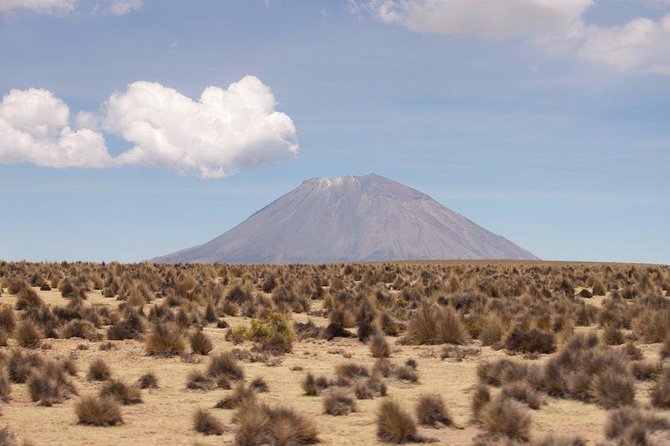
The journey from Chivay to Puno is the practical backbone of this experience. After the canyon visit, you continue through Salinas y Aguada Blanca National Reserve, stopping at Pampa Cañahuas.
The formal stop is only about 15 minutes, but you may see volcanoes and camelids for more than an hour as the vehicle continues through the reserve. Look for alpacas, llamas, and wild vicuñas near the road. This is one of the most appealing parts of the transfer because the scenery keeps changing while you are already making progress toward Puno.
You will want your camera ready before the scheduled stop. Animals may appear beside the road rather than at the exact place where the bus parks. The stop is free, but it is short, so do not count on a long walk or a quiet wildlife session.
The reserve also provides a useful change of pace after the concentrated canyon sightseeing. Instead of staring at the same rock walls, you get open highland views, volcanoes, and herds of South American camelids.
The second bus can make or break the final six hours
One of the most important practical details is the vehicle change. The first bus from Arequipa to Chivay may be small and cramped, while the later bus toward Puno can be far more comfortable, with reclining seats that feel close to business class.
That contrast is significant. Six hours on a comfortable coach is manageable. Six hours in a tight seat after waking at 3:00 am is another matter. I would ask at Chivay exactly where to go, confirm that your name is on the onward passenger list, and keep your bags with you during the change.
The connection has worked smoothly for some departures, but a paperwork mistake could leave you worrying about whether there is a seat on the Puno bus. This is not a reason to reject the tour, but it is a reason to confirm the handoff instead of assuming it will happen automatically.
A bus guide may use part of the trip to offer additional tours. If you prefer to rest, listen to music, or watch the views, you may find the sales talk tiring. The scenery outside is the better use of your attention, especially as the route crosses high Peruvian country.
Arrival in Puno is usually followed by a drop-off at a centrally located hotel. The service does not promise hotel delivery outside the city center, so check that your accommodation fits the stated area before booking.
What the $112 price really includes
At $112 per person, this is a middle-priced option for a full-day canyon visit and intercity transfer. The listed inclusions are breakfast, private transportation, and the transfer from Chivay to Puno.
Your actual cost is higher once you add the required or likely extras:
- Colca Canyon National Reserve entrance: PEN70
- Chacapi hot springs: PEN15, only if you enter
- Chivay buffet lunch: PEN30, if you buy it
That brings the basic added cost to PEN100 without the hot springs, or PEN115 with them. You should also budget for snacks and drinks because the included breakfast may not carry you through such a long day.
I consider the price reasonable for someone who needs to reach Puno and wants to see Colca Canyon along the way. I consider it weak value for someone who only wants a relaxed canyon excursion. In that case, a slower two-day plan would give you more time for views and less time watching the clock.
Who should choose this demanding day
I would recommend this tour to you if:
- You need to travel from Arequipa to Puno in one day.
- You want to see condors but do not have time for a longer Colca stay.
- You can handle a 3:00 am start and a possible 16-hour day.
- You are comfortable with scheduled stops and long bus rides.
- You want a small group, capped at 16 people.
- You value the route connection more than a leisurely pace.
I would steer you elsewhere if you want a serious hike, long photography stops, quiet time at the canyon, or a polished food experience. The tour covers a lot, but it asks you to accept early mornings, bus changes, basic meals, and tight timing.
Most people can participate, and service animals are allowed. The activity requires good weather. If poor weather causes cancellation, you are offered another date or a full refund, but ordinary cancellation is non-refundable and changes are not allowed.
Should you book the Colca Canyon to Puno transfer?
Book it if your main goal is efficient routing. You will see the canyon, likely watch condors, soak in Chacapi if you choose, spot Andean camelids, and reach Puno without spending another day returning to Arequipa.
Do not book it expecting a restful day or a deep visit to Colca Canyon. Bring food, warm layers, cash, and patience. Confirm luggage space and the Chivay to Puno connection before departure, then treat the day as a scenic transfer with major sightseeing stops rather than a relaxed canyon holiday.
FAQ
What time does the tour start?
The stated start time is 3:00 am. The group departs Arequipa at about 3:30 am after pickups.
How long does the experience last?
The advertised duration is about 14 hours. Depending on pickup and road conditions, the full day can run to around 16 hours or more.
Is breakfast included?
Yes. Breakfast in Chivay is included in the price.
Is lunch included?
No. A buffet lunch in Chivay costs PEN30 per person.
How much is the Colca Canyon entrance fee?
The entrance fee for Colca Canyon National Reserve is PEN70 per person and is not included.
How much does Chacapi hot springs cost?
Admission to Chacapi hot springs costs PEN15 per person and is not included. Entering the springs is optional.
Can I continue to Puno after visiting Colca Canyon?
Yes. The experience includes transfer from Chivay to Puno, with hotel drop-off in central Puno.
How many people can join the tour?
The activity has a maximum group size of 16 people.
What happens if bad weather cancels the tour?
If poor weather causes cancellation, you can receive a different date or a full refund. The normal cancellation policy is non-refundable, and amendments are not accepted.
Just added in Arequipa
- Sillar Route★ 5.0 · 4 reviews
- Salinas Lagoon + Mini Volcano DE Lojen★ 5.0 · 9 reviews
- 3-Day Colca Canyon trek with Professional Guide★ 5.0 · 40 reviews
- Full Day Tour To The Salt Lake Salinas in Arequipa★ 4.5 · 34 reviews
- Walking City tour including the Monastery of Santa Catalina★ 5.0 · 6 reviews
- Trekking, Waterfalls and Thermal Baths★ 4.5 · 47 reviews
- Downhill Tour – Mountain Bike in Arequipa★ 3.5 · 5 reviews
- 2 Days 1 Night trekking Through Colca Canyon, Private room★ 5.0 · 16 reviews
Colca Canyon and Arequipa Tours, compared.
From Arequipa: Colca Canyon Full-Day Guided Tour with Meals
Read our review →
Tour to the Salinas Lagoon and National Reserve in Arequipa
Read our review →
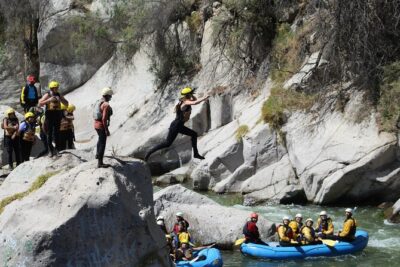
Rafting Arequipa – Chili River Canoeing – Cusipata Rafting Arequipa
Read our review →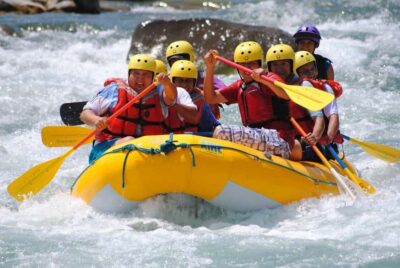
Chili River White Water Rafting with Hotel Pickup
Read our review →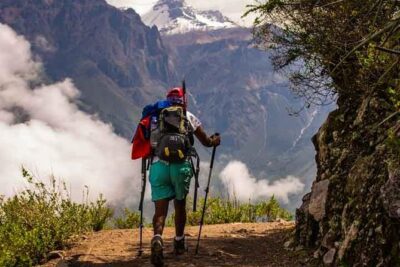
Browse the lists this tour appears in