
Reviewed · MACHU PICCHU TOURS
Inca Jungle Multi-Day Tour to Machu Picchu 4 DAYS
Machu Picchu is only part of the adventure. This four-day route reaches the ruins by way of mountain biking, jungle trails, coffee country, hot springs, zip lining, and a long walk beside the railway. I like the mix of activities, and I like that the trip includes lodging, meals, transport, bikes, safety gear, and a bilingual guide for $444 per person.
The main consideration is fitness. You will bike downhill for hours, walk for long stretches, handle heat and humidity, and spend one day on a demanding 13-kilometer trek. The return from Hidroeléctrica to Cusco is also a long travel day, and the exact arrangement for the return train and bus deserves a careful check before departure.
In This Review
- Key points to know before booking
- What you are really paying for at $444
- Day one: from cold Abra Malaga to hot Santa Maria
- Day two: coffee, old paths, and Cocalmayo hot springs
- Day three: zip lines and the railway walk to Aguas Calientes
- Day four: the ruins, then a long ride back to Cusco
- Guides, group size, and the human side of the trip
- Who should book this four-day route?
- Should you book the Inca Jungle Tour?
- FAQ
- Where does the tour start?
- Where does the tour end?
- How long is the Inca Jungle Tour?
- Is Machu Picchu entry included?
- Is transportation included?
- Are meals included?
- Is rafting included?
- Is the Cocalmayo hot springs entrance included?
- How fit do I need to be?
Key points to know before booking
- A 55-kilometer downhill bike ride starts the trip: You descend from Abra Malaga toward Huamanmarca, with a support vehicle available if you decide not to ride.
- The route mixes action with local culture: A traditional coffee preparation session gives the trip more substance than a simple outdoor sports package.
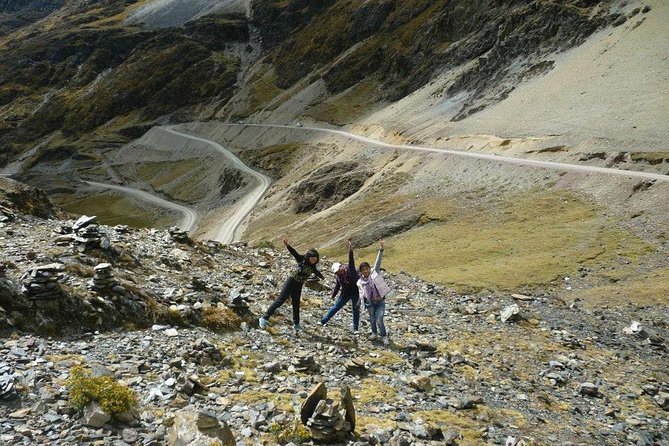
- Day two is the hardest day: Expect roughly nine hours of hiking, with both uphill and downhill sections before reaching Cocalmayo hot springs.
- The final approach to Machu Picchu is on foot: From Hidroeléctrica, you walk about 10 kilometers beside the railway to Aguas Calientes.
- Optional activities cost extra: Rafting is listed at 100 soles, and the hot springs entrance is not included.
- The group is capped at 15 people: That is small enough for a more personal guide experience without making the trip private.
What you are really paying for at $444
At $444, this is not simply a hiking tour with a Machu Picchu ticket attached. The fee covers three nights of accommodation, meals from the first breakfast through the third dinner, pickup in Cusco, minibus transport, mountain bikes, protective equipment, a bilingual adventure guide, Machu Picchu entry, and transport connected with the return journey.
That package can be good value if you plan to take part in the included activities. Buying transport, lodging, meals, Machu Picchu admission, and guided access separately would require more planning and could cost more, especially during busy periods.
Still, the price does not cover everything. The rafting option costs 100 soles, the Cocalmayo hot springs entrance is extra, and you pay for lunch and dinner on the final day. Personal spending and tips are also outside the price.
I would not choose this tour because it is the cheapest way to reach Machu Picchu. I would choose it because it gives you four days of varied travel for one price. The value is strongest for someone who wants movement and local contact, not just the most direct trip to the ruins.
More Machu Picchu trips:
- Classic Inca Trail Trek 4D/3N to Machu Picchu (Group Service)
★ 5.0 · 8,653 reviews - Machu Picchu: 4-Day Inca Trail Trek with Panoramic Train Ride
★ 5.0 · 4,568 reviews - Short Inca Trail to Machu Picchu 2D/1N
★ 5.0 · 3,007 reviews
Day one: from cold Abra Malaga to hot Santa Maria
Pickup begins at about 6:20 AM in Cusco. The first drive takes you toward Ollantaytambo, with a short break of roughly 25 minutes for water, snacks, rain gear, or a bathroom stop.
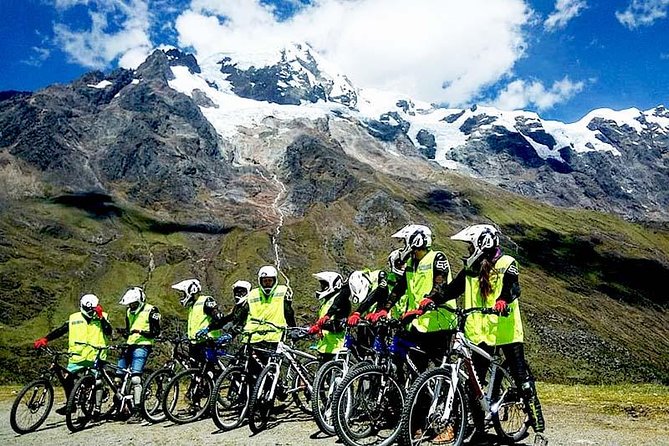
From there, the vehicle continues to Abra Malaga, the high starting point for the bike descent. This is where the climate changes dramatically. You begin in dry, cold mountain air, then drop toward warmer and more humid parts of the Cusco jungle. Snow-capped peaks and changing vegetation give you plenty to watch as the road winds downward.
The biking section lasts about two to three hours and covers approximately 55 kilometers, or 34 miles. You receive a helmet and other safety equipment based on conditions and the guide’s assessment. The route is mainly on the road, and the surface can include water crossings. In wet weather, you should expect muddy or soaked feet.
You do need some biking experience. This is not presented as a technical mountain-bike course, but a long downhill ride still demands control, attention, and comfort around traffic and changing road conditions. If you decide not to ride, you can use the accompanying vehicle. That backup matters, especially if the weather turns poor or your legs are not cooperating.
After reaching Huamanmarca, you travel by car for about 30 to 40 minutes to Santa Maria. Lunch provides a welcome pause before the next activity.
Rafting on the Vilcanota, also called the Urubamba in parts of the route, is optional and costs 100 soles. The advertised difficulty changes with the season. During the drier months, the river is described as level II to III, while rainy-season conditions can rise to levels IV or V. The guides assess the river before setting out.
That seasonal variation is important. A rafting trip that sounds like a fun add-on in one month may be unavailable or much more serious in another. One useful point to clarify before leaving Cusco is the exact weather policy. In rainy conditions, rafting may be stopped by government or safety rules.
After Santa Maria, a short drive leads to the beginning of an uphill walk lasting about an hour and 15 minutes. You climb toward La Casa del Mono or La Choza, a local family home where you spend the first night. Expect simple accommodation rather than hotel polish, but the setting and family connection are part of the appeal.
Dinner is included, and the guide explains the next day. After a dawn pickup, a long descent, biking, and possible rafting, this first night is likely to feel earned.
Day two: coffee, old paths, and Cocalmayo hot springs
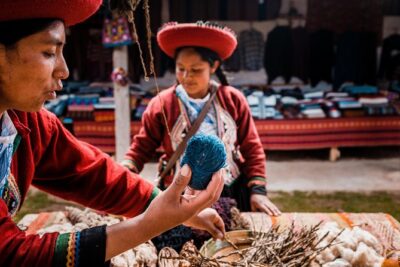
Day two begins with a coffee session before breakfast. Your guide explains how coffee is produced, then you help prepare it using traditional local methods. You taste the result with a breakfast made from local ingredients.
This is one of the most distinctive parts of the trip. It gives you a direct connection to the farming economy of the region, and it slows the pace before the longest walk. If you care about food and local customs, this hour may stay with you longer than another viewpoint stop.
After breakfast, you begin a demanding trek toward the Santa Teresa area. The stated distance is 13 kilometers, with the full day described as lasting around nine hours. The walking includes ascents and descents, so the distance alone does not tell the whole story.
Along the route, you follow sections of the original Inca road network. These paths remain part of everyday local movement, which gives the walk a more genuine feel than a route built only for sightseeing. Your guide explains the Inca road system, local customs, and the role of the old paths.
After about five hours, you reach Quellomayu beside the river for lunch and a rest of around 45 minutes. This break is not a luxury. You will want time to eat, refill water, and let your legs settle before the afternoon section.
The route then follows the Vilcanota River toward Cocalmayo. You cross the river once by bridge and once by cable car. The cable car crossing adds a small thrill, but the broader point is that this is a route shaped by local geography rather than a neatly engineered walking path.
Cocalmayo hot springs arrive around 4:30 PM, with about an hour and a half available for soaking. The pools offer a practical reward after the day’s effort. Entrance is not included, so keep soles ready.
From the springs, you transfer to Santa Teresa for the night. Dinner is served at a local restaurant, and you stay in town rather than at a remote family property. This makes the evening easier, but the day itself remains the physical heart of the tour.
Pack this day carefully. You will want sturdy walking shoes, water, sunscreen, insect repellent, a hat, and dry clothing for the evening. The route passes through warm, humid country, but temperatures can change quickly during the larger trip.
Day three: zip lines and the railway walk to Aguas Calientes
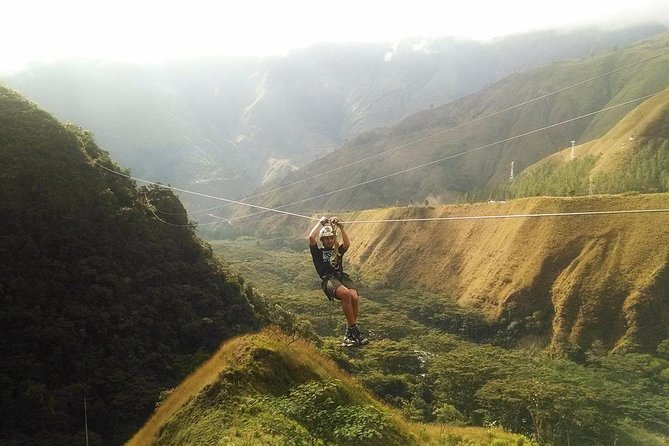
Breakfast is scheduled for 7:00 AM, followed by the zip line. The activity uses four cables and is described as one of the longest zip lines in South America. You get a high view over the surrounding country while adding another burst of adrenaline to the trip.
The zip line lasts about three hours, including preparation and the activity itself. This is an included feature, unlike rafting and the hot springs. If you enjoy active travel, it helps keep the tour from becoming a long sequence of hikes.
Next comes a car ride to Hidroeléctrica. You stop for lunch, then begin the final walk to Aguas Calientes. The distance is about 10 kilometers, and the walk takes roughly three hours.
The route follows the railway tracks through thick vegetation. You hear birds, see the surrounding greenery, and gradually get glimpses of the area around Machu Picchu. This is not the most comfortable surface for every walker, but it is a memorable approach because the destination appears slowly rather than all at once.
You should also understand what this walk means physically. By day three, your legs have already handled the bike ride, the long second-day trek, and the hot springs climb. The railway walk is less steep than day two, but fatigue can make three hours feel longer.
At Aguas Calientes, you check into the third night’s accommodation, eat dinner, and receive instructions for the Machu Picchu visit. This briefing is useful because the next morning starts early and entry procedures can be time-sensitive.
More Amazon jungle trips:
- 4-Day Inca Jungle Trail to Machu Picchu Hiking and Biking Tour
★ 5.0 · 438 reviews - 4-Day Adventure Tour: Inca Jungle Trail to Machu Picchu
★ 5.0 · 426 reviews - 4-Day Inca Jungle Tour: Machu Picchu Biking, Rafting, and Zipline
★ 5.0 · 241 reviews - Manu National Park 4-Day Eco Tour from Cusco
★ 5.0 · 216 reviews
Day four: the ruins, then a long ride back to Cusco
You have two ways to reach Machu Picchu from Aguas Calientes. The bus takes about 30 minutes and departs regularly. Walking takes around an hour and a half, beginning with about 30 minutes of flatter ground followed by an hour-long climb.
The bus is the sensible choice if you want to save energy for the ruins. The walk is a good option if you want one more physical challenge and do not mind starting with a climb after three active days.
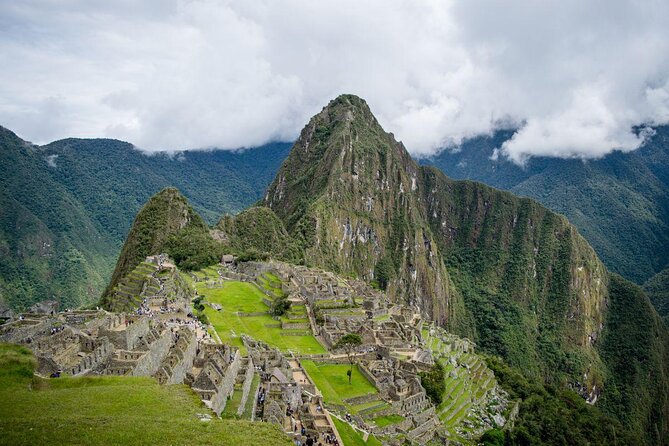
Inside the archaeological park, the guided visit lasts about two and a half hours. The route includes major places such as the Temple of the Sun, the Intihuatana, and the Sacred Plaza. Your guide explains the site’s architecture, history, and cultural importance, while you have time to take photographs and look across the famous stone complex.
The visit is the tour’s main reward, but it is not the only reason this route works. Reaching Machu Picchu after biking down from the Andes, walking through coffee country, soaking in hot springs, and following the railway gives the ruins a stronger sense of place.
The return logistics need attention. The supplied schedule says that if you return by car after the visit, you retrace the route to Hidroeléctrica in about two and a half hours. You must be at the bus station by 1:00 PM for the transfer to Cusco, with arrival around 9:00 PM at Plaza San Francisco.
There is also a train ticket from Aguas Calientes to Ollantaytambo included in the package description. Since the day-by-day schedule describes walking or driving back to Hidroeléctrica and then taking a bus, ask the operator exactly when the train is used, and which return option applies to your booking. That is the one point I would confirm in writing.
The final bus ride is about six hours. You are not finished when you leave Machu Picchu, so do not schedule an important flight or late-night connection from Cusco that same evening.
Guides, group size, and the human side of the trip
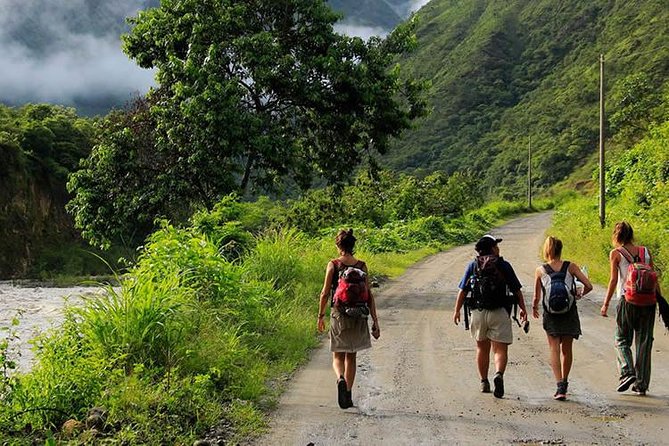
The group limit is 15 people, which keeps the experience social but not unwieldy. A group of that size also helps with safety checks before biking, rafting, zip lining, and river crossings.
Guide quality is central here. José, José Luis, Jimmy, Richard, Alfredo, and Chose are among the guides praised for clear explanations, patience, humor, and personal attention. Jimmy is noted for his enthusiasm and regional knowledge. José Luis receives particular praise for explaining local culture and making special occasions feel personal. Alfredo is described as friendly and experienced, while Chose is singled out for strong English and extra help during birthday celebrations.
You should still confirm the language of your departure and the guide assignment, since individual guides can vary. The bilingual format is useful, but the quality of your experience will depend heavily on how well the guide manages the group’s different speeds and comfort levels.
Food is another strong point. Meals are included, and the food stops are described as fresh and satisfying, with some ingredients coming directly from local homes or farms. Do not expect a restaurant tour, but you can expect food to be part of the experience rather than an afterthought.
Who should book this four-day route?
I would recommend it to you if you:
- Want Machu Picchu paired with several outdoor activities
- Have strong physical fitness
- Like small-group travel and local guides
- Are comfortable with basic lodging
- Enjoy biking, hiking, zip lining, and optional rafting
- Want meals and transport organized in one package
I would hesitate if you want a gentle holiday, private rooms with hotel-level comfort, or the shortest possible route to Machu Picchu. The long walks, early starts, heat, wet-road biking, and late return to Cusco can wear you down.
Bring light luggage, waterproof layers, sun protection, insect repellent, comfortable walking shoes, and extra money for rafting, hot springs, personal expenses, and tips. Since pickup is listed for 6:20 AM at Plaza de Armas and the tour ends at Plaza San Francisco, plan your lodging around those central points.
Free cancellation is available up to 24 hours before the start time. Changes or cancellations inside that window are not accepted for a refund.
Should you book the Inca Jungle Tour?
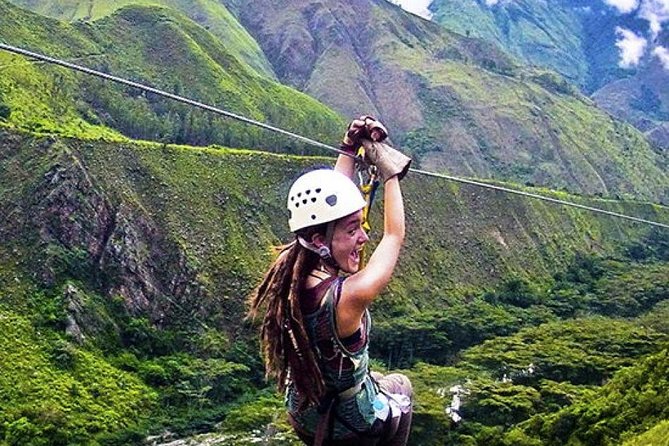
Book this tour if you want the journey to Machu Picchu to be as active and varied as the destination. The coffee preparation, family lodging, old Inca paths, Cocalmayo hot springs, and railway walk add character that a direct train trip cannot provide.
Skip it if you are mainly interested in seeing Machu Picchu with minimal exertion. For fit, curious people who enjoy a bit of mud, sweat, river air, and group camaraderie, the $444 price is a solid package. Just confirm the return transport, prepare for the long second day, and treat the optional activities as extras rather than guaranteed features.
FAQ
Where does the tour start?
Pickup starts at Plaza de Armas in Cusco at approximately 6:20 AM.
Where does the tour end?
The tour ends at Plaza San Francisco in Cusco, with expected arrival around 9:00 PM on day four.
How long is the Inca Jungle Tour?
The experience lasts four days and includes three nights of accommodation.
Is Machu Picchu entry included?
Yes. Entrance to Machu Picchu is included in the tour price.
Is transportation included?
Yes. Cusco pickup, minibus transport, transport to the biking area, and transportation connected with the return journey are included. The package also lists a train ticket from Aguas Calientes to Ollantaytambo and transport onward to Cusco.
Are meals included?
Breakfast, lunch, and dinner are included during the first three days. Lunch and dinner on the final day are not included.
Is rafting included?
No. Rafting is optional and costs 100 soles. It may also depend on river and seasonal conditions.
Is the Cocalmayo hot springs entrance included?
No. The entrance fee for the hot springs is not included.
How fit do I need to be?
You should have a strong fitness level. The tour includes a long downhill bike ride, a demanding 13-kilometer trek with uphill and downhill sections, a 10-kilometer railway walk, and an optional climb to Machu Picchu on foot.
Just added in Cusco
- Cusco Private Transportation for 2026★ 5.0 · 4 reviews
- Private Transfer from Airport to Hotel in the City of Cusco★ 4.0 · 5 reviews
- Best Cusco walking tour: dinner street food tasting★ 4.5 · 11 reviews
- Private Tour to Pisac Market and Pisac Ruins★ 5.0 · 4 reviews
- Machu Picchu Day Trip With Panoramic Train from Cusco★ 5.0 · 10 reviews
- Sacred Valley Private Tour from Cusco, Guide and Driver only★ 5.0 · 4 reviews
- Sacred Valley of the Incas Tour★ 5.0 · 12 reviews
- Private Tour of the Mountain of Colours by Quad★ 5.0 · 7 reviews
Machu Picchu Tours, compared.
Classic Inca Trail Trek 4D/3N to Machu Picchu (Group Service)
Read our review →
2-Day Inca Trail to Machu Picchu with Panoramic Train
Read our review →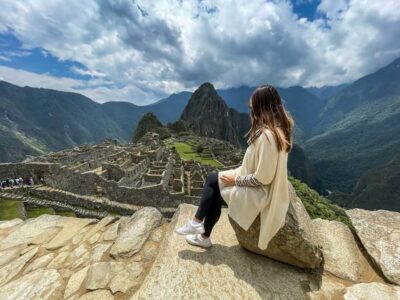
From Cusco: Full-Day Group Tour of Machu Picchu
Read our review →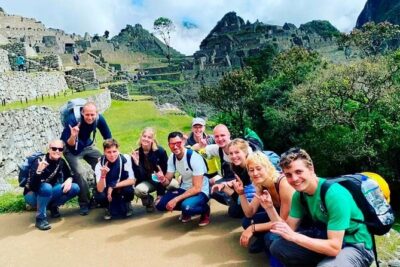
2-Day Tour: Sacred Valley and Machu Picchu by Train
Read our review →
Machu Picchu: Full-Day Tour from Cusco with Optional Lunch
Read our review →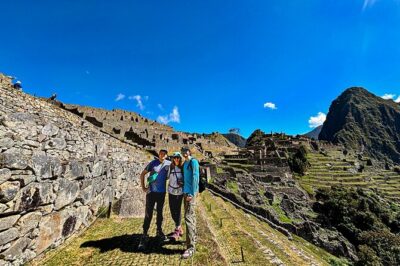
Machu Picchu Full Day from Cusco by Panoramic Train
Read our review →Browse the lists this tour appears in