
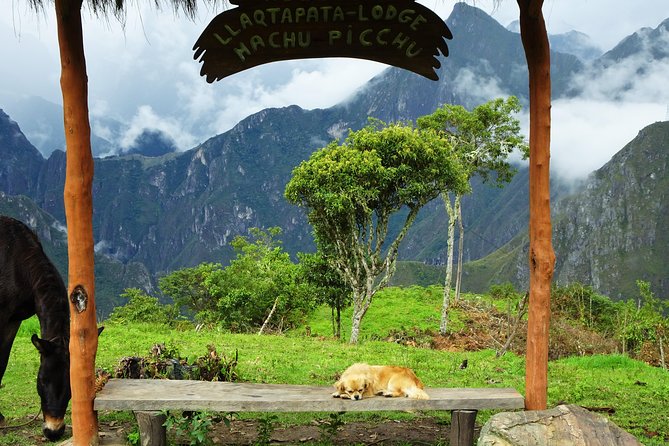
Reviewed · MACHU PICCHU TOURS
Inca Jungle Premium to Machu Picchu 4-Day and 3-Nights
Adventure starts before breakfast. The Inca Jungle Premium route gives you an active, varied way to reach Machu Picchu, with mountain biking, optional rafting, forest walks, hot springs, and a final visit to the citadel. I especially like the small group limit of 15 people and the way transport, meals, lodging, activity gear, entry tickets, and the return train are handled for you. A second plus is the mix of local stops, including coffee and achiote with a native family. The main drawback is the demanding schedule: four days include long transfers, early starts, several hours of walking, and high-altitude roads.
At $550 per person, this is not the cheapest way to see Machu Picchu, but it covers a lot. You get three nights of accommodation, nine meals, a private bilingual guide, the mountain activities, hot springs, the Machu Picchu entrance, buses, and the train back toward Cusco. If you want a quiet, slow holiday, choose another plan. If you want to earn your arrival at Machu Picchu with a string of memorable activities, this route deserves a close look.
In This Review
- Key points at a glance
- What the four-day route is really like
- Day one: Málaga Pass to Santa Maria by bike
- Day two: Four hours through the Inca Jungle
- Day three: Hydroelectric to Aguas Calientes
- Day four: Sunrise and two guided hours at Machu Picchu
- Why the small group and guide matter
- What the $550 price buys you
- Packing for altitude, heat, rain, and insects
- Who should book this route?
- Should you book the Inca Jungle Premium route?
- FAQ
- How long is the Inca Jungle Premium tour?
- What time does the tour begin?
- What is the maximum group size?
- Is Machu Picchu entrance included?
- Is the train back to Cusco included?
- Are meals included?
- Is rafting included?
- What fitness level is required?
- Do I need a passport?
Key points at a glance
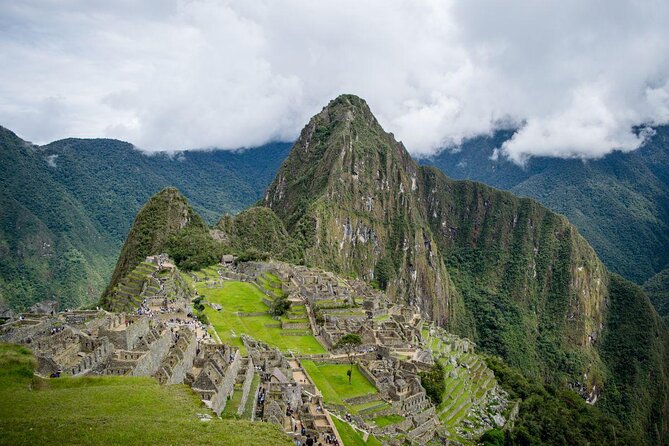
- The 4,350-meter Málaga Pass begins the adventure: You descend by bicycle from the highest point of the route toward the warmer town of Santa Maria.
- The rafting is optional: The Urubamba River section is described as moderate, giving you a chance to add water action without committing to an extreme ride.
- Cocalmayo is the recovery stop: Warm mountain springs give your legs a welcome rest after the first long forest walk.
- The route reaches Machu Picchu by foot: You walk from Hydroelectric to Aguas Calientes beside the Urubamba River instead of taking the train in.
- The group stays small: A maximum of 15 people makes it easier to ask questions, keep together, and get help during active sections.
- The $550 price covers the major pieces: Lodging, meals, activities, guide, entry fees, buses, and the train back are included, while snacks, water, and gratuities are extra.
What the four-day route is really like
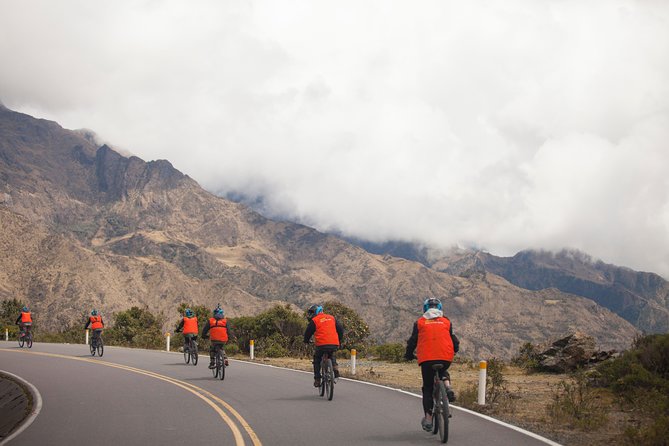
This is not a standard sightseeing bus trip. The Inca Jungle route links several kinds of movement: a high mountain road, a long bike descent, an optional river activity, forest walking, a hot-spring visit, and a final approach to Machu Picchu on foot.
You leave your Cusco accommodation at about 5:30 a.m., so the first day starts early. That matters because the program packs a great deal into each day. Most days are listed at roughly seven hours of activity, not counting every transfer, meal, and stop.
You should have moderate physical fitness and be comfortable with changing conditions. The route begins at high altitude, then drops into warmer country. You will want layers, solid walking shoes, sun protection, insect repellent, and rain protection close at hand.
A private bilingual guide leads the group. That is useful here, since you are not simply following a marked path. You will need help with timing, equipment, transfers, and the changing activity schedule. The small group also gives the guide a better chance to keep the day organized.
More Machu Picchu trips:
- Classic Inca Trail Trek 4D/3N to Machu Picchu (Group Service)
★ 5.0 · 8,653 reviews - Machu Picchu: 4-Day Inca Trail Trek with Panoramic Train Ride
★ 5.0 · 4,568 reviews - Short Inca Trail to Machu Picchu 2D/1N
★ 5.0 · 3,007 reviews
Day one: Málaga Pass to Santa Maria by bike
The first morning begins with pickup in Cusco, followed by a trip toward Ollantaytambo. Breakfast is taken there before the vehicle continues to Málaga Pass, at 4,350 meters above sea level, beside the snowy Veronica mountain.
This is the most dramatic altitude point of the trip, but it is not where you spend the night. The route descends by bicycle from the pass toward Huamanmarca and Santa Maria, which sits at about 1,890 meters. That huge change in elevation explains why clothing matters. A thick jacket may be welcome at the pass, while lighter clothing becomes more useful later.
The cycling section is the day’s main physical event. The supplied details do not specify the exact road surface or bike model, so you should follow the guide’s instructions closely and use the provided equipment as directed. The long descent can be exciting, but it still requires attention. This is not a casual city bike ride.
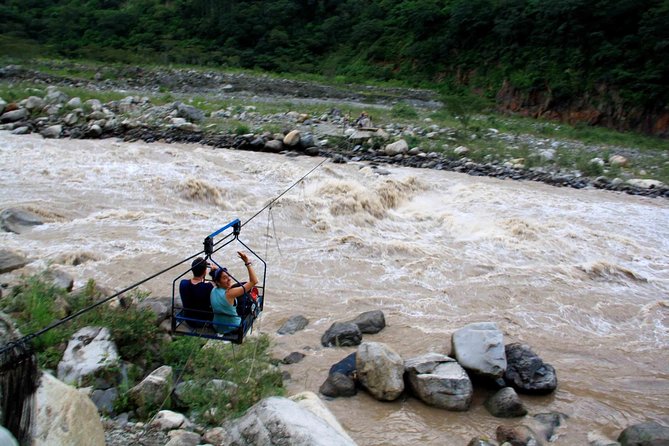
Once you reach Santa Maria, lunch provides a proper break. The schedule then offers optional rafting on the Urubamba River. It is presented as fun but not highly dangerous, a middle-ground activity rather than a serious white-water test. The optional nature is helpful: you can choose based on energy, comfort, and weather on the day.
The evening is more personal. After a short walk, you reach Bella Victoria, a local home where a native family serves dinner. You also get an introduction to coffee and achiote. That kind of stop gives the route more character than a chain of anonymous hotels and restaurants. It also means you should arrive ready for a simple, local setting rather than a polished resort experience.
Day one includes a lot of road time, altitude change, cycling, and possibly rafting. I would keep your small backpack light and avoid packing anything you do not need for the day.
Day two: Four hours through the Inca Jungle
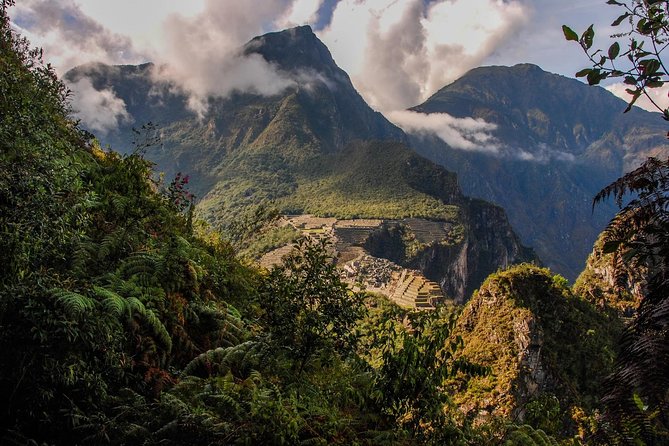
After breakfast, you begin walking along the Inca route through high forest. The walking section lasts about four hours, with a focus on plants, orchids, birds, and other wildlife.
The appeal here is not one grand ruin or a single photo stop. It is the gradual change in surroundings as you walk through a warm, biologically varied part of the route. Your guide can add value by pointing out plants and explaining what you are seeing, so this is a good day to ask questions rather than simply march along.
Lunch comes from a local community and includes native fruits and tubers. That is a useful part of the experience because food becomes part of the route itself. You are not just being moved between attractions. You are getting a taste of ingredients connected to the area.
The walk is long enough to test your legs, especially after the first day’s bike ride. Wear shoes with a firm grip and bring water. Snacks and extra water are not included, but you can buy them along the way. The packing advice calls for only one bottle of water at the start, so plan to refill or purchase more as needed.
The reward is Cocalmayo Hot Springs. Warm water in the mountains is exactly the sort of stop that makes a strenuous itinerary feel manageable. You can relax there before heading to your accommodation for the night.
The schedule calls this a seven-hour day, but that total includes more than walking. You should expect breakfast, the forest route, lunch, the springs, and transfers to take most of the day. The hot springs are not an optional extra in the way the rafting is. They are one of the included activities and an important rest point.
Day three: Hydroelectric to Aguas Calientes
The third day includes one of the route’s most distinctive sections: a mostly flat walk from Hydroelectric to Aguas Calientes, also known as Machu Picchu Town.
Before reaching the trail, the plan includes breakfast and the chance to take a zip line service in Santa Teresa. The zip line has six cables, each about 800 meters long, with a stated maximum speed of 80 kilometers per hour. The activity also includes a suspension bridge and a light rock climb.
This is an optional-feeling addition in the sense that the wording says you can take the zip line service, so confirm with Conde Travel before departure if you need to know whether it is included in the $550 price. The main included activity list names biking, rafting, and Cocalmayo Hot Springs, but it does not clearly list the zip line.
After the Santa Teresa activity, a bus takes you to Hydroelectric for lunch. You then rest for a while before starting the walk to Aguas Calientes. The trail takes about three hours and follows the Urubamba River, with waterfalls and wildlife along the way.
This is a fine alternative to riding directly to Machu Picchu Town because you arrive on foot, after seeing more of the river corridor. The tradeoff is time and effort. You will already have several active days behind you, and the three-hour walk comes before dinner and the evening briefing.
Once you reach Aguas Calientes, dinner is provided. Your guide then explains the plan for the next morning, including the visit to Machu Picchu. You have free time afterward to walk around town. Do not expect a full night of sleep if you want to make the sunrise departure, but the free evening gives you a chance to buy last-minute snacks or simply rest.
Two nights of hotel accommodation are included in the overall package, and this section is where you use one of them. The first night is at an ecolodge, while the other two nights are in hotels. The exact names and room details are not provided, so I would treat the accommodation as practical rather than assume a luxury standard from the word Premium.
More Amazon jungle trips:
- 4-Day Inca Jungle Trail to Machu Picchu Hiking and Biking Tour
★ 5.0 · 438 reviews - 4-Day Adventure Tour: Inca Jungle Trail to Machu Picchu
★ 5.0 · 426 reviews - 4-Day Inca Jungle Tour: Machu Picchu Biking, Rafting, and Zipline
★ 5.0 · 241 reviews - Manu National Park 4-Day Eco Tour from Cusco
★ 5.0 · 216 reviews
Day four: Sunrise and two guided hours at Machu Picchu
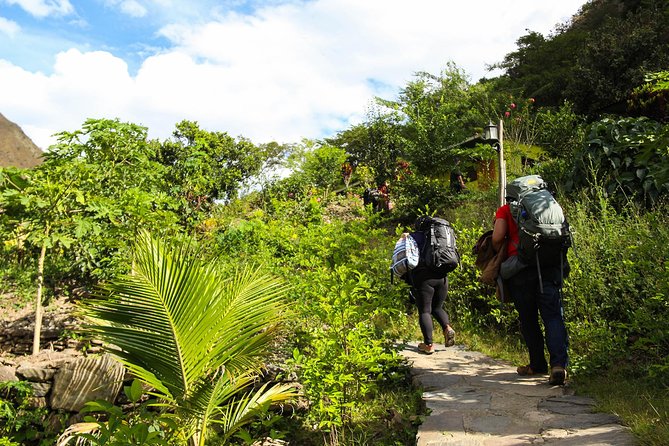
The final morning starts early. You walk uphill from Aguas Calientes toward Machu Picchu through high forest, with the possibility of seeing sunrise along the route.
This is a physical finish, not a simple bus transfer. The round-trip bus to Machu Picchu is included, but the itinerary describes the group getting up early and following the ascending route on foot. Ask the guide during the briefing how the bus and walking portions will be arranged for your departure time.
Inside the sanctuary, the guide leads a visit of about two hours. That guided time gives you an organized introduction to the site before you have free time to explore independently. The distinction matters: the guided portion is relatively short compared with the time and money spent reaching Machu Picchu, so pay attention and ask questions while the guide is with you.
After your visit, you take the train to Ollantaytambo and continue by transfer to Cusco. The return train and transfer are included. Lunch and dinner on the last day are not included, so keep cash available for food after the sanctuary.
Your current passport is required on the day of the tour. Passport name, number, expiry date, and country are also required at booking for every person. Machu Picchu entry arrangements are tied to those details, so check them carefully before paying.
Why the small group and guide matter
A maximum of 15 people is one of the strongest practical features. A group this size is easier to manage during bike preparation, river activities, forest walking, and the early departure to Machu Picchu.
It also helps socially. One direct account of the trip praised how quickly a smaller group connected and singled out the guide, Stif, for being helpful and happy to explain Peruvian culture. You cannot assume Stif will lead every departure, but the example shows what you should hope for from the guiding service: help with logistics, clear explanations, and attention to the people in the group.
A private bilingual professional guide is included. That is particularly useful when the day contains optional activities, changing transport, and several meals and lodging stops. I would use the briefing the day before departure to settle practical questions about the bike ride, rafting, zip line, water purchases, and the final morning.
What the $550 price buys you
At $550, the tour offers solid value if you plan to take part in most of the included activities. The package includes:
- Transportation from Cusco and back to Cusco
- A private bilingual guide
- Biking, rafting, and Cocalmayo Hot Springs
- Activity equipment
- One night in an ecolodge and two nights in hotels
- Entrance to Machu Picchu
- Round-trip bus service to Machu Picchu
- The train back to Ollantaytambo
- Three breakfasts, three lunches, and three dinners
- Coffee or tea
- First aid equipment
The value comes from reducing the number of separate arrangements you need to make. Machu Picchu entry, the train, lodging, meals, and long-distance transfers can become costly and confusing when booked one by one.
Still, the price is not all-inclusive. Your first breakfast, final-day lunch and dinner, snacks, water, and guide gratuity are extra. You also need to bring personal clothing, a light backpack, and any medical supplies you require.
The tour has a 4.9 rating from 40 published evaluations, with 100 percent recommending it. One especially positive account praised the quick response from the agents, the handling of entry tickets and rides, the guide’s support, and the feeling of accomplishment from completing so many activities. Those are meaningful strengths for a trip with this many moving parts.
Packing for altitude, heat, rain, and insects
Pack light, but do not pack too lightly. The route moves from a cold high pass to warmer forest and river country, so layers are more useful than one heavy outfit.
Bring strong walking shoes or tennis shoes, a thick jacket, a sweater, a hat, sunglasses, long and short pants, and long-sleeved shirts. A good raincoat is important. The suggested list also includes insect repellent, sunscreen with at least SPF 40, toilet paper, a lantern, plastic bags, personal medicines, a camera and charger, and some cash in small change.
A lightweight backpack per person is recommended. You will be carrying personal items during active sections, and a small bag is easier on the forest walks than a full suitcase. Leave heavy luggage according to the provider’s instructions during the briefing.
Who should book this route?
I would recommend it to you if you want more than the ruins themselves. This route suits people who enjoy physical activity, changing scenery, local meals, and a structured schedule. It is also a good fit if you want the main logistics handled by one company.
You should think twice if you dislike early mornings, long walks, mountain roads, or changing weather. The combination of cycling, rafting, hiking, zip lining, and an uphill final morning is not gentle.
It also may not suit anyone wanting a slow cultural trip with long free periods. The local family meal, community lunch, and forest route provide cultural contact, but the days are built around movement. You are always working toward the next stop.
Should you book the Inca Jungle Premium route?
Book it if you want an active four-day approach to Machu Picchu and value having the major pieces bundled together. The strongest reasons are the small group, the private bilingual guide, the variety of activities, the hot springs, and the walk from Hydroelectric to Aguas Calientes.
Skip it if your priority is comfort, flexibility, or a short and easy visit. The non-refundable booking rule also makes careful planning essential. Confirm your passport details, assess your fitness, and ask about the optional rafting and zip line before you commit.
For the right person, the $550 cost buys more than transportation to a famous ruin. It gives you a challenging route through changing parts of the Cusco region, with enough support to keep the adventure practical.
FAQ
How long is the Inca Jungle Premium tour?
The tour lasts four days and three nights, with most active days taking about seven hours.
What time does the tour begin?
Pickup begins at approximately 5:30 a.m. in Cusco.
What is the maximum group size?
The group can include a maximum of 15 people.
Is Machu Picchu entrance included?
Yes. The entrance to Machu Picchu is included.
Is the train back to Cusco included?
The return train to Ollantaytambo and the transfer onward to Cusco are included.
Are meals included?
Three breakfasts, three lunches, and three dinners are included. Breakfast on the first day, lunch on the last day, and dinner on the last day are not included.
Is rafting included?
Rafting is included in the activity list, but the day-one description calls it optional. Confirm participation and current arrangements with Conde Travel before departure.
What fitness level is required?
A moderate physical fitness level is recommended. The tour includes biking, several hours of walking, an uphill route to Machu Picchu, and optional adventure activities.
Do I need a passport?
Yes. You need a current valid passport on the day of travel. Your passport name, number, expiry date, and country are required when booking for all participants.
Just added in Cusco
- Private Transfer from Airport to Hotel in the City of Cusco★ 4.0 · 5 reviews
- Best Cusco walking tour: dinner street food tasting★ 4.5 · 11 reviews
- Cusco Private Transportation for 2026★ 5.0 · 4 reviews
- Private Tour to Pisac Market and Pisac Ruins★ 5.0 · 4 reviews
- Machu Picchu Day Trip With Panoramic Train from Cusco★ 5.0 · 10 reviews
- Sacred Valley Private Tour from Cusco, Guide and Driver only★ 5.0 · 4 reviews
- Sacred Valley of the Incas Tour★ 5.0 · 12 reviews
- Private Tour of the Mountain of Colours by Quad★ 5.0 · 7 reviews
Machu Picchu Tours, compared.
Classic Inca Trail Trek 4D/3N to Machu Picchu (Group Service)
Read our review →
2-Day Inca Trail to Machu Picchu with Panoramic Train
Read our review →
From Cusco: Full-Day Group Tour of Machu Picchu
Read our review →
2-Day Tour: Sacred Valley and Machu Picchu by Train
Read our review →
Machu Picchu: Full-Day Tour from Cusco with Optional Lunch
Read our review →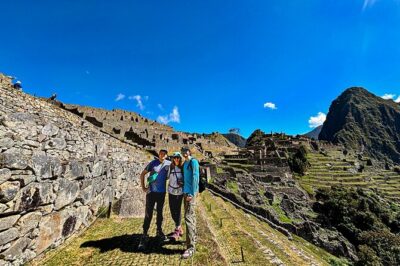
Machu Picchu Full Day from Cusco by Panoramic Train
Read our review →Browse the lists this tour appears in