
Reviewed · MACHU PICCHU TOURS
Inca Quarry Trail Trek to Machu Picchu 4-Day
This trek trades busy paths for big Andean views. I like the route’s mix of petroglyphs, waterfalls, Inca quarries, mountain lakes, and Machu Picchu. I also like the small maximum group of 12, with a guide, chef, and porters handling the practical work.
The main consideration is the altitude and effort. Day 2 reaches 4,450 meters, or 14,599 feet, followed by another high pass and a long descent. You need a moderate fitness level, and the weather can turn a fine trek into a wet, tiring one.
In This Review
- The Four Details That Shape This Trek
- What You Get for $840
- Day 1: Petroglyphs, Ñaupa Iglesia, and Perolniyoq Waterfall
- Day 2: The High Point at 4,450 Meters
- Day 3: The Cachiccata Quarry and Ollantaytambo
- Day 4: Machu Picchu With Time to Roam
- Guides, Porters, and Camp Service
- Food That Changes the Camping Experience
- How Hard Is the Inca Quarry Trail?
- Who Should Book This Trek?
- Should You Book the Inca Quarry Trail?
- FAQ
- How long is the Inca Quarry Trail trek?
- What time does the trek begin?
- What is the highest point on the trek?
- How many people can join the group?
- Is food included?
- Is vegetarian food available?
- Are porters included?
- Are the train and buses included?
- Can I climb Huayna Picchu or Machu Picchu Mountain?
The Four Details That Shape This Trek
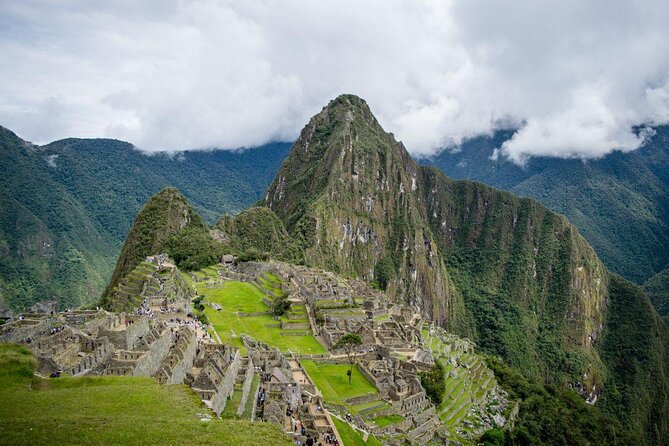
- Two high mountain passes: Charkahuaylla reaches 4,450 meters, then Buena Negra reaches 4,370 meters.
- A quieter route to Machu Picchu: You visit the Inca Quarry, Cachiccata, Intipunku, and small communities before reaching Aguas Calientes.
- Full camping support: Porters carry up to 7 kilograms of your personal belongings, while other porters carry food and equipment.
- A proper food operation in the mountains: The chef prepares breakfast, lunch, dinner, snacks, and hot drinks, with vegetarian and other dietary options available.
- One night in a hotel: After the trail, you sleep in Aguas Calientes before visiting Machu Picchu early the next morning.
- A useful group limit: With no more than 12 people, the guide can better manage pace, questions, and difficult sections.
What You Get for $840
At $840 per person, this is not a simple guided walk. The price covers four days of transport, camping, meals during the trek, a professional English-speaking guide, porters, a chef, Machu Picchu bus transport, and a round-trip train, with one direction on the Vistadome panoramic service.
It also includes pickup from your Cusco hotel and airport-to-hotel transfers. That matters because this trip has several moving parts: road transfers, mountain camps, a private bus to Ollantaytambo, a train to Aguas Calientes, buses at Machu Picchu, and the return journey to Cusco.
I see the value in the support team. You are not carrying four days of food and camping gear, and you do not need to plan every transport connection yourself. The porter allowance lets you send up to 7 kilograms of personal belongings ahead, although you still need a daypack for water, rain gear, sunscreen, and items you want during the walk.
The price does not cover the optional Huayna Picchu or Machu Picchu Mountain tickets. Those must be arranged well ahead of time. The information also lists the entrance fee separately, so I would ask the company to confirm exactly what standard Machu Picchu admission is included before you pay.
Your first breakfast and final lunch are not included. The first meal can usually be arranged through your hotel, and Aguas Calientes has plenty of places to buy lunch after your visit.
More Machu Picchu trips:
- Classic Inca Trail Trek 4D/3N to Machu Picchu (Group Service)
★ 5.0 · 8,653 reviews - Machu Picchu: 4-Day Inca Trail Trek with Panoramic Train Ride
★ 5.0 · 4,568 reviews - Short Inca Trail to Machu Picchu 2D/1N
★ 5.0 · 3,007 reviews
Day 1: Petroglyphs, Ñaupa Iglesia, and Perolniyoq Waterfall
Pickup begins around 7:00 a.m. in Cusco. The drive heads toward the Sacred Valley and the community of Racca, where the walking starts.
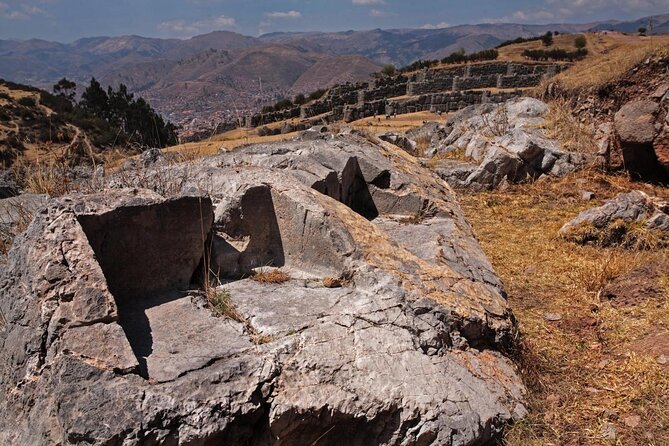
The first three hours combine several smaller sights rather than one grand ruin. You visit the petroglyphs of Pachar, then Ñaupa Iglesia, an Inca shrine with an unusual setting and a strong sense of place. You continue to Soccma, where lunch is waiting.
This is a good opening day because the route gives you cultural context before the trail becomes more demanding. You are not simply walking through scenery. You are seeing carved rock, a ceremonial site, local villages, and the changing terrain of the Sacred Valley.
After lunch, the trail turns uphill for about three hours. The destination is Perolniyoq Waterfall, one of the best natural stops on the route. Its water drops roughly 328 feet over rock, making it a dramatic reward after the climb.
The day ends near Q’orimarca, also called Rayanpata, an archaeological site where camp is set up. The total walking time is about six hours, split between the easier first section and the uphill second half.
The drawback is simple: this is a full first day after an early departure from Cusco. You are already gaining altitude and sleeping outdoors, so do not treat it as a gentle warm-up. Bring a headlamp, warm layers, and a dry change of clothes where you can reach them easily.
Day 2: The High Point at 4,450 Meters
The support begins early, with coffee brought to your tent before breakfast. That small service becomes especially welcome on a cold morning when getting out of a sleeping bag takes some persuasion.
The main climb lasts about four hours and reaches Charkahuaylla at 4,450 meters. This is the highest point of the trek. At the summit, the guide performs a traditional offering ceremony to the mountain Apus, giving the day a cultural moment that goes beyond scenery.
Altitude is the serious issue here. Even fit people can feel short of breath, tired, or slowed down at this height. Walk steadily, drink water, and tell your guide early if you feel unwell. The trip is supported, but the mountains still set the rules.
Lunch is served beside a lake. After eating, you climb Buena Negra, the second major summit, at 4,370 meters. From the top, the views open toward the Sacred Valley.
The trail then drops for about two hours to Intipunku, or Sun Gate. From here, you look toward Veronica Mountain, one of the day’s strongest views. Camp is at Choquetacarpo, at about 3,600 meters, in the middle of the Inca Quarry.
This is the longest and hardest day, listed at about eight hours. It is also the day that makes the route special. You get high ridges, a lake, a mountain ceremony, broad valley views, and an Inca quarry in one stretch.
Bad weather is possible. One party completed this day in heavy rain, with tents staying dry and sleeping bags warm enough for the conditions. That does not mean you should pack lightly. Rain clothing, waterproof bags, and a warm layer are important, and you should expect the walking to be harder if the trail is wet.
Day 3: The Cachiccata Quarry and Ollantaytambo
Day 3 begins in a remarkable camping spot facing the sunrise. The walking is downhill, a welcome change after the previous day’s climbs.
Your first major stop is Cachiccata Quarry, described as the largest quarry in the Inca Empire. It helps explain how stone for major Inca construction was cut and moved. The quarry was abandoned during the same broad period as Machu Picchu and other Inca sites, after the Spanish invasion disrupted the empire.
This stop gives the trek a useful theme. You are not only visiting finished temples and terraces. You are seeing where the building material came from and getting a glimpse of the work behind Inca architecture.
The route continues to the Cachiccata community for lunch and time with local villagers. The human side of the trip matters here. After two days in the mountains, a village meal and conversation can feel more memorable than another viewpoint.
A private bus then takes you to Ollantaytambo. You have time to explore the town before dinner in a local restaurant. Ollantaytambo is one of the Sacred Valley’s most important surviving Inca settlements, so this stop adds another layer of architecture before the final approach to Machu Picchu.
Later, you take the train to Aguas Calientes, where you spend the night. The day lasts about six hours, though the transfer and evening train make it feel longer than the walking time suggests.
This is also where the trip changes rhythm. The first two nights are camps, while the third night is in town. You gain a bed and easier access to meals, but you also move through a fairly busy transport schedule. Keep your important documents and valuables with you during the change from trail to bus to train.
More hikes and treks in Cusco:
- Salkantay Classic Trek 5 Days from Cusco
★ 5.0 · 4,062 reviews - 4-Day Salkantay Trek with Sky Camp Stay
★ 5.0 · 3,346 reviews - Salkantay Trek 5D/4N with Glass Cabins, Domes and Hobbit House
★ 5.0 · 2,488 reviews - 2-Day Inca Trail to Machu Picchu with Panoramic Train
★ 5.0 · 1,876 reviews
Day 4: Machu Picchu With Time to Roam
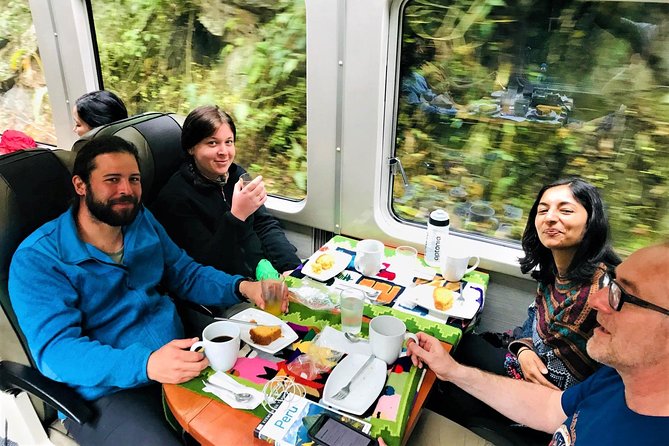
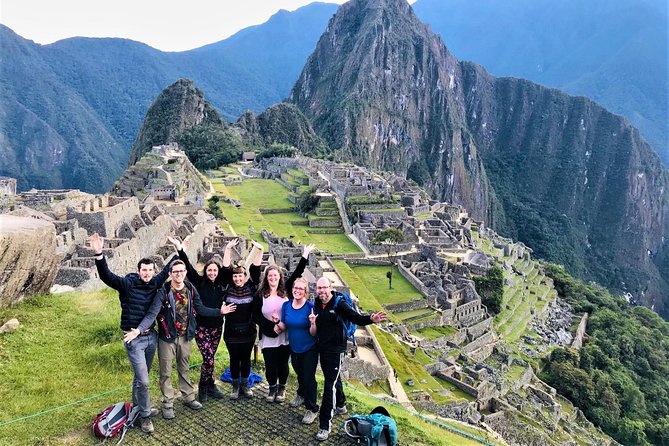
The final morning starts early. You take the bus up to Machu Picchu, then spend two to three hours with your guide on a detailed tour of the site.
That guided time is important. Machu Picchu can be visually overwhelming, but without context you may miss how its buildings, terraces, ceremonial areas, and setting fit together. Guides such as Roger, Jose, Nilton, Monica, and Rene have been praised for explaining Inca history, local culture, plants, and geography in an approachable way. Your own guide will vary, but the company provides an English-speaking professional guide and a second guide for groups of eight or more.
After the guided visit, you are left to explore on your own. If you have booked Huayna Picchu or Machu Picchu Mountain, this is when you may make that climb. Those permits are optional and must be booked far in advance, so do not wait until the last minute.
You then take the bus down to Aguas Calientes. Lunch is not included, but it is easy to buy in town. The train and bus return you to Cusco, completing a demanding but varied four-day journey.
The final day is not a relaxed sightseeing day. An early start, a fixed bus schedule, a major archaeological site, and the return train all require attention. Still, ending at Machu Picchu gives the trek a strong payoff.
Guides, Porters, and Camp Service
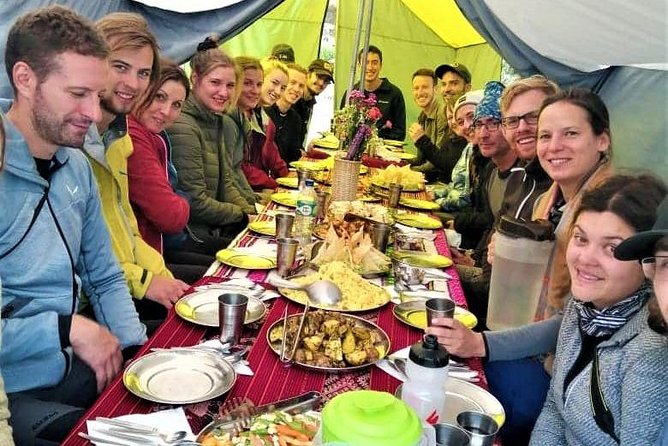
The staff is one of the strongest parts of this experience. The guide manages navigation, pacing, site explanations, and safety. For groups of eight or more, a second guide joins the party, which gives the group more support on climbs and descents.
The guide team has also been praised for checking pace, helping people through slippery sections, and keeping spirits up in rain. One especially good sign is the practical care described by past participants: sunscreen reminders, help after slips, and guides picking up litter along the route.
Porters carry camping equipment, food, and personal bags. A 7-kilogram allowance is generous enough for the essentials, but it is not a reason to pack your entire suitcase. A small daypack remains necessary.
The camps use four-person tents for two people, giving you more room than a tightly packed shared tent. Optional sleeping bags, mattresses, and trekking poles are available for an added cost, but the company can advise you about them. Ask about these items before departure, especially if you do not already own suitable gear.
Food That Changes the Camping Experience
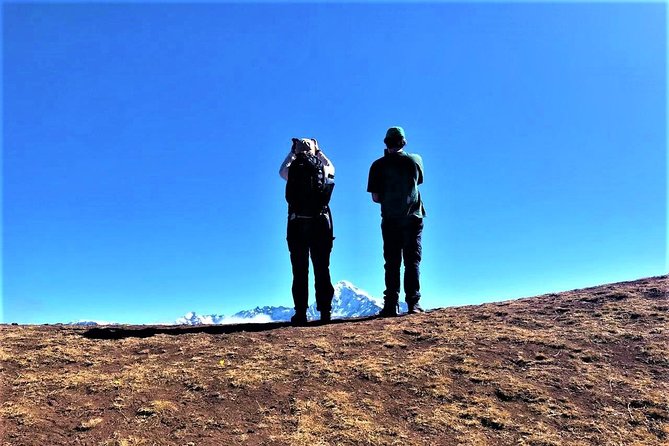
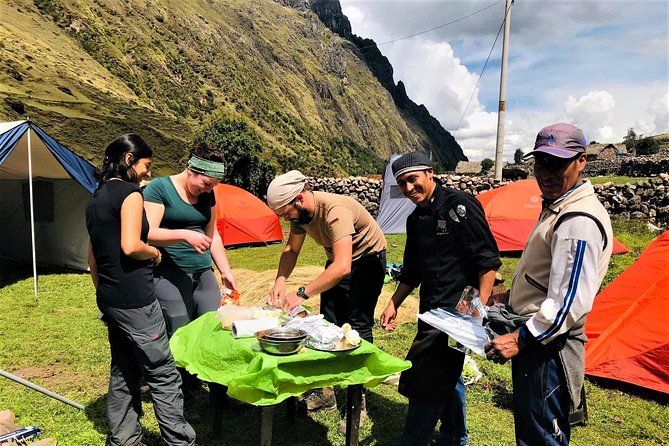
The food receives unusually strong praise, and I can see why it matters. Meals are prepared fresh by a chef in the mountains, with breakfast, lunch, and dinner included during the trek. Snacks and tea are also provided at rest stops.
Past menus have included Peruvian dishes such as ceviche, causa, stir-fry, chaufa, and corn cakes. Meals have been described as generous, hot, nutritious, and carefully plated, even at camp.
That level of food can make a real difference on Day 2. High-altitude hiking burns energy quickly, and a proper meal is far more useful than a few packaged snacks. Vegetarian food is available, and one pescatarian hiker received suitable meals throughout the trip.
You must provide dietary requirements when booking. Do not assume the kitchen will know about an allergy or restriction unless you state it clearly.
How Hard Is the Inca Quarry Trail?
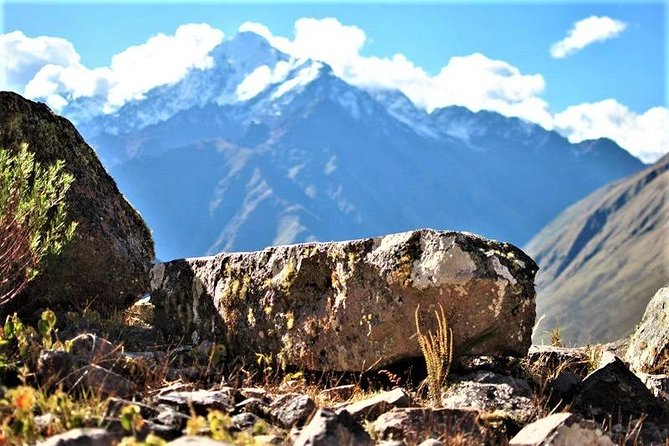
You should have a moderate fitness level and some experience with long uphill walks is helpful, though the tour information does not require previous trekking experience. One couple completed it as their first hike and felt well supported, but that should not hide the physical demands.
The hard sections are concentrated on Day 2. The 4,450-meter summit is followed by another high climb and a long descent. Descending can be rough on knees and ankles, even when it feels easier for your lungs.
Altitude preparation matters more than speed. Arrive in Cusco with enough time to adjust if your wider Peru schedule allows, and speak with a medical professional if you have concerns about high-altitude activity. The supplied information does not promise acclimatization support, so your own planning matters.
The group limit of 12 is useful. A small party makes it easier for the guide to watch the pace and answer questions, but you should still expect a shared walking rhythm rather than a completely private schedule.
Who Should Book This Trek?
I would recommend this route to you if Machu Picchu is important but you also want a quieter, more varied approach. It suits people who value local food, archaeological sites, mountain scenery, and a real camping experience.
It is a strong choice for first-time hikers who want support. The chef, porters, tents, transport, and guides remove much of the logistical burden. You still need to do the walking, but you do not have to organize the trail system alone.
It may not suit you if you want a soft adventure or a flexible holiday. The second day is long and high, weather can make conditions harder, and the return to Cusco involves several scheduled connections.
Children must be accompanied by an adult. The group is capped at 12 people, and confirmation is provided at booking. You need a valid passport on the day of travel, and passport name, number, expiry date, and country are required for everyone at booking.
The experience is non-refundable if you cancel or request a change. If poor weather cancels the trip, you are offered another date or a full refund. The same applies if the minimum number of participants is not met.
Should You Book the Inca Quarry Trail?
Book it if you want Machu Picchu to be the final chapter of a proper Andes trek rather than a quick day trip. The combination of Perolniyoq Waterfall, Ñaupa Iglesia, two high passes, Intipunku, Cachiccata Quarry, Ollantaytambo, and Machu Picchu gives you far more variety than a direct visit.
I especially like the strong support system and the attention given to food. At $840, the package earns its price through porters, a chef, camping equipment, transport, trains, buses, and a small group.
Before booking, check three things: your comfort with 4,450 meters, the exact Machu Picchu admission included, and availability for any mountain permit you want. If those points work for you, this is a demanding but rewarding way to reach one of Peru’s great sights.
FAQ
How long is the Inca Quarry Trail trek?
The experience lasts approximately four days, beginning with pickup from Cusco and ending with transport back to Cusco after the Machu Picchu visit.
What time does the trek begin?
The scheduled start time is 7:00 a.m., with pickup from your hotel.
What is the highest point on the trek?
The highest point is Charkahuaylla, at 4,450 meters or 14,599 feet.
How many people can join the group?
The maximum group size is 12 people.
Is food included?
Breakfast, lunch, and dinner during the trek are included, along with snacks and tea at rest stops. The first breakfast and final lunch are not included.
Is vegetarian food available?
Yes. Vegetarian meals are available if requested at booking. You should also provide any other dietary requirements at that time.
Are porters included?
Yes. A personal porter can carry up to 7 kilograms of your personal belongings, and additional porters carry food and camping equipment.
Are the train and buses included?
Yes. Transportation from the beginning to the end is included, along with the bus to and from Machu Picchu and a round-trip train. One train direction uses the Vistadome panoramic service.
Can I climb Huayna Picchu or Machu Picchu Mountain?
Yes, but these are optional and require separate tickets. The tickets must be booked as far in advance as possible.
Just added in Cusco
- Cusco Private Transportation for 2026★ 5.0 · 4 reviews
- Private Transfer from Airport to Hotel in the City of Cusco★ 4.0 · 5 reviews
- Best Cusco walking tour: dinner street food tasting★ 4.5 · 11 reviews
- Private Tour to Pisac Market and Pisac Ruins★ 5.0 · 4 reviews
- Machu Picchu Day Trip With Panoramic Train from Cusco★ 5.0 · 10 reviews
- Sacred Valley Private Tour from Cusco, Guide and Driver only★ 5.0 · 4 reviews
- Sacred Valley of the Incas Tour★ 5.0 · 12 reviews
- Private Tour of the Mountain of Colours by Quad★ 5.0 · 7 reviews
Machu Picchu Tours, compared.
Classic Inca Trail Trek 4D/3N to Machu Picchu (Group Service)
Read our review →
2-Day Inca Trail to Machu Picchu with Panoramic Train
Read our review →
From Cusco: Full-Day Group Tour of Machu Picchu
Read our review →
2-Day Tour: Sacred Valley and Machu Picchu by Train
Read our review →
Machu Picchu: Full-Day Tour from Cusco with Optional Lunch
Read our review →
Machu Picchu Full Day from Cusco by Panoramic Train
Read our review →Browse the lists this tour appears in