
Reviewed · MACHU PICCHU TOURS
Inca trail 4 days to Machu Picchu
Machu Picchu is better earned on foot. This four-day trek from Cusco follows the classic Inca Trail through archaeological sites, high mountain passes, camps, and the Sun Gate before reaching Machu Picchu. I like the small group limit of 15 people and the fact that the price includes permits, guides, porters, meals, camping equipment, and the train to Ollantaytambo.
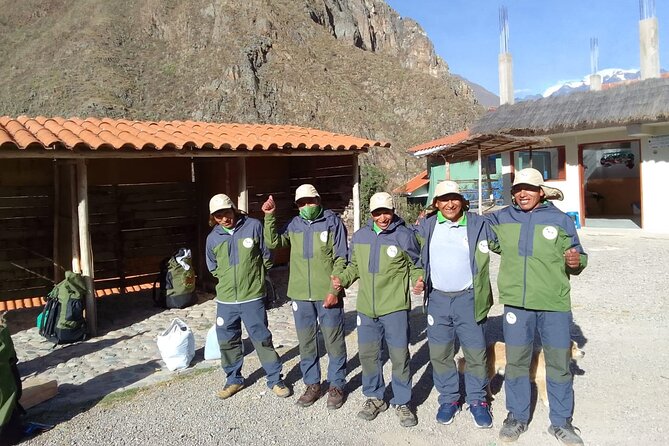
I also like the strong human side of the operation. Guide Rosalio receives repeated praise for clear explanations, patience, and help with photographs, while chef Tomas is singled out for tasty regional meals and careful camp organization. The main caution is simple: this is a demanding hike, not a gentle sightseeing tour. The second day lasts about 10 hours and reaches 4,215 meters, so you need solid fitness and sensible preparation.
In This Review
- Key points to know before booking
- What $849 buys you on the Inca Trail
- Day one: Km. 82 to Ayapata
- Day two: Dead Woman’s Pass at 4,215 meters
- Day three: Phuyupatamarca, Intipata, and Wiñay Wayna
- Day four: The Sun Gate and Machu Picchu
- Camping, food, and porter support
- The guide can shape the whole experience
- Practical concerns before you commit
- Who should book this four-day trek?
- Should you book it?
- FAQ
- Where does the Inca Trail tour begin?
- How long is the tour?
- What is the highest point of the trek?
- Is hotel pickup included?
- Are meals included?
- Is camping equipment included?
- Are porters included?
- Is transportation to Cusco included after Machu Picchu?
- Can I add Huayna Picchu?
Key points to know before booking
- The highest point is Dead Woman’s Pass at 4,215 meters, reached during a four-hour uphill climb on day two.
- You enter Machu Picchu through the Sun Gate, walking about one hour from camp before descending to the citadel.
- Rosalio is praised for his history talks, patience, and photo advice, giving the archaeological sites more meaning than a simple walk-by visit.
- The price includes three nights of camping, meals, porters, permits, buses, and the train to Ollantaytambo, making the $849 cost easier to assess.
- A six-kilo duffel bag is carried by porters, but sleeping bags, air mattresses, and trekking poles cost extra.
- Day two is the hard test, while days three and four reward you with major ruins and the approach to Machu Picchu.
What $849 buys you on the Inca Trail
At $849 per person, this is not a bare-bones hiking package. The fee covers pickup from your Cusco hotel, transport to Km. 82, the Inca Trail entrance ticket, the Machu Picchu entrance ticket, professional mountain guides, porters, chefs, three nights of camping, and all meals except the final lunch.
You also receive a travel duffel that porters carry, with a six-kilo limit. That is useful because you can keep your daypack lighter, but six kilos is not a huge allowance. Pack carefully and check the operator’s instructions before deciding what stays in your personal bag.
The included transport at the end is especially important. After visiting Machu Picchu, you take the bus down to Machu Picchu Pueblo, also called Aguas Calientes, then a train to Ollantaytambo. The stated plan continues back to Cusco, but the listed inclusion specifically names the train to Ollantaytambo, so I would confirm the final transfer into Cusco before paying.
Three breakfasts, three lunches, and three dinners are included, along with a fourth breakfast on the final morning. The last lunch is not covered, so keep money available for food in Aguas Calientes.
The package does not include a sleeping bag, air mattress, or trekking poles. Each is available for an added charge. Tips for the guide, chefs, porters, and other staff are also separate. Those exclusions are normal for a trek of this type, but they affect the real cost.
More Machu Picchu trips:
- Classic Inca Trail Trek 4D/3N to Machu Picchu (Group Service)
★ 5.0 · 8,653 reviews - Machu Picchu: 4-Day Inca Trail Trek with Panoramic Train Ride
★ 5.0 · 4,568 reviews - Short Inca Trail to Machu Picchu 2D/1N
★ 5.0 · 3,007 reviews
Day one: Km. 82 to Ayapata
The day begins early, with hotel pickup at 4:30 a.m. A 30-minute pickup window is given, so you should be ready before that time rather than waiting until the exact minute. The group then travels to Km. 82, where everyone reports to the checkpoint and begins the trail.
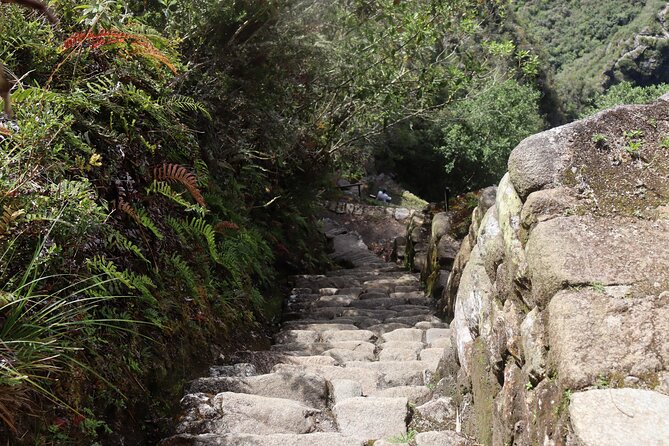
The first section is described as easy, with about two hours of walking to Llactapata. This first archaeological site gives you an early taste of the old route and an impressive view. It is a smart opening: you are walking through a historic setting from the start, but the day does not immediately throw the steepest climb at you.
From Llactapata, you walk another two hours to Hatuncancha, where lunch is served. After a rest, the route continues for about two more hours to Ayapata. That makes roughly six hours of hiking for the day.
At Ayapata, the crew has the campsite ready. A hot drink and a snack are provided in the evening, which is a small detail with real value after a full day outside. The combination of prepared camp, cooked meals, and porter support means you can focus on walking instead of setting up every part of the night yourself.
Day two: Dead Woman’s Pass at 4,215 meters
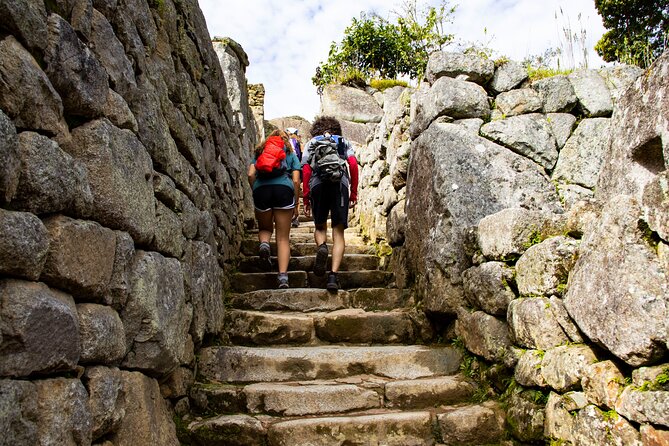
Day two is the part you must take seriously. Tea or coffee is ready at sunrise, followed by breakfast and a four-hour uphill walk to the pass known as Dead Woman’s Pass. At 4,215 meters, or 13,829 feet, it is the highest point of the trek.
The climb is not just a number on a schedule. Four hours uphill at high altitude can feel slow and demanding, even for fit hikers. You will want to keep a steady pace, drink regularly, and use rest stops wisely. The tour requires a strong physical fitness level, and this day explains why.
At the pass, you have time to rest and take in the surrounding mountain views. The route then drops for about two hours into the Pacaymayu Valley, where lunch awaits. Descending can be hard on knees and legs, particularly after the long climb, so trekking poles may be worth the additional cost.
After lunch, the trail becomes easier for another two hours. You pass the archaeological sites of Runqurakay and Sayacmarca before reaching Chaquicocha after about 20 minutes. These ruins break up the effort and give your guide useful moments to explain how the route functioned in Inca times.
The day is listed at about 10 hours, the longest of the trek. It is also the day when a supportive guide matters most. Rosalio is praised for patience when hikers became tired, including stopping to rest on climbs. That kind of calm pacing is more useful here than a guide who simply recites facts.
Day three: Phuyupatamarca, Intipata, and Wiñay Wayna
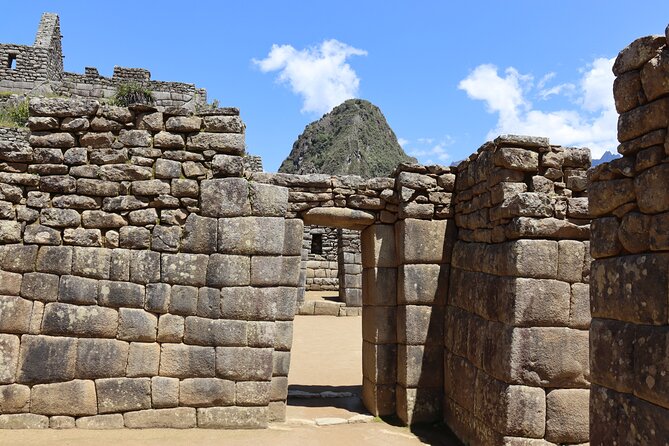
After the strain of day two, day three offers a more varied rhythm. The trek lasts about five hours to camp and includes two major archaeological sites, Phuyupatamarca and Intipata.
Phuyupatamarca is one of the route’s notable ruins, while Intipata adds another stop before camp. The schedule says you arrive around lunchtime, eat, and have free time to rest. That pause matters. This is not a four-day sprint where every minute is filled with walking.
In the afternoon, you visit Wiñay Wayna with the guide. This is one of the most important sites on the approach to Machu Picchu, and the tour gives it dedicated time rather than treating it as a quick photo stop. Rosalio’s detailed explanations of the ruins are one of the strongest reasons to value a guided trek here.
You then return to camp to rest. The day is listed at about seven hours, but the actual feel will depend on your pace, the terrain, and how your legs recovered from the pass. Compared with day two, it should feel less punishing, but you are still hiking at altitude and sleeping outdoors.
The camp service receives especially warm praise. Tomas, the chef, is credited with preparing breakfast, lunch, dinner, tea, and snacks using regional products. Cleanliness and order are also highlighted, which can make a big difference after several days of dust, sweat, and changing weather.
More hikes and treks in Cusco:
- Salkantay Classic Trek 5 Days from Cusco
★ 5.0 · 4,062 reviews - 4-Day Salkantay Trek with Sky Camp Stay
★ 5.0 · 3,346 reviews - Salkantay Trek 5D/4N with Glass Cabins, Domes and Hobbit House
★ 5.0 · 2,488 reviews - 2-Day Inca Trail to Machu Picchu with Panoramic Train
★ 5.0 · 1,876 reviews
Day four: The Sun Gate and Machu Picchu
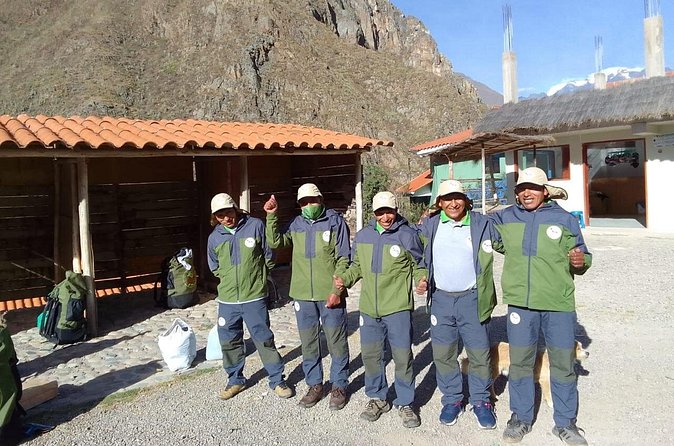
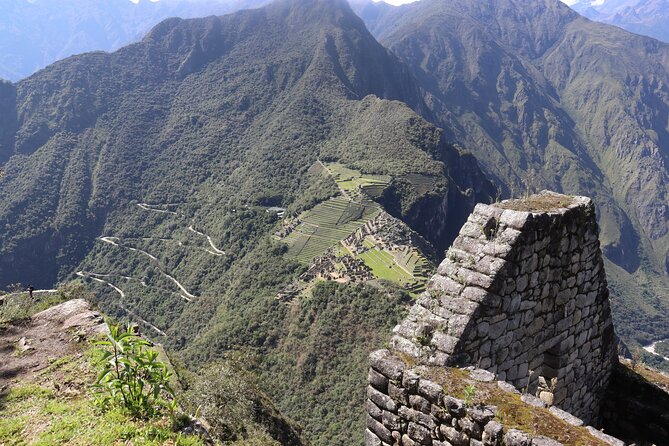
The final morning starts early. After breakfast, you walk for about one hour to the Sun Gate, the trail entrance that gives you your first major view of Machu Picchu. The schedule allows time to enjoy the sunrise from this point before descending to the Inca citadel.
This approach is a major advantage of taking the full trail. You do not simply arrive by bus and walk through the main entrance. You reach Machu Picchu after several days on the old route, with the final view connected to the effort that came before it.
Once inside the Inca city, the guide leads a tour of the site. This is where Rosalio’s background in local archaeology and Inca history, as described in the praise for his guiding, becomes valuable. A guide can point out the sites, explain their purpose, and help you frame photographs without turning the visit into a rushed walk.
After the guided visit, you take the bus to Machu Picchu Pueblo. The schedule leaves time for lunch and free time, though lunch is not included. You then take the train to Ollantaytambo and continue toward Cusco.
The final day is listed at about seven hours, but the timing involves walking, the Machu Picchu visit, the bus, lunch, free time, and train travel. Keep your belongings organized and pay attention to the guide’s instructions after the site visit. The end of a long trek is not the time to misplace your ticket or wander away from the group.
Huayna Picchu is optional and not included. Departure and return tickets for that mountain must be arranged separately, if available for your travel date.
Camping, food, and porter support
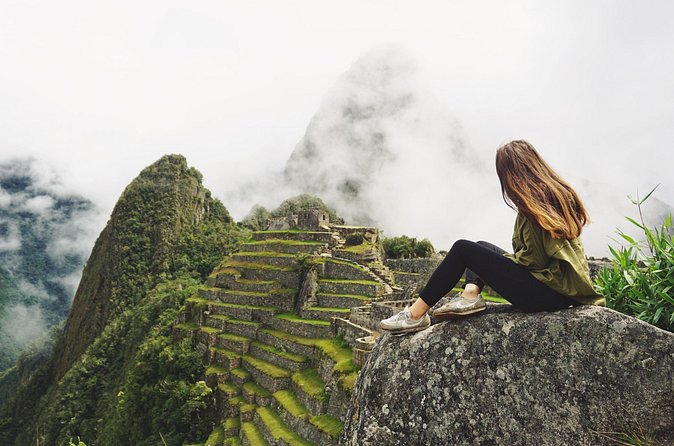
The tour provides three nights of camping with comfortable equipment, though the exact equipment list is not specified. You should ask what is supplied before deciding if you need to rent a sleeping bag or air mattress.
Porters carry your tour duffel up to six kilos. You still need a daypack for items you use during the walk, such as water, rain protection, snacks, sunscreen, and personal necessities. The six-kilo limit also means you should not assume the porter bag can hold everything you bring from Cusco.
The food service appears to be a major strength. Breakfast is provided each morning, including tea or coffee on day two and breakfast before the final walk to Machu Picchu. Lunch is served at Hatuncancha, Pacaymayu, and camp on day three, while dinners are included for the first three nights.
Tomas receives particular praise for food made with regional products, along with a friendly and attentive service style. You should still remember that the final lunch in Aguas Calientes is your own expense.
The staff also handles camp setup. On the first night, the campsite is already installed when you arrive, with a hot drink and snack waiting. The combination of porters, cooks, and guides helps turn a difficult hike into a managed expedition rather than a do-it-yourself camp trip.
The guide can shape the whole experience
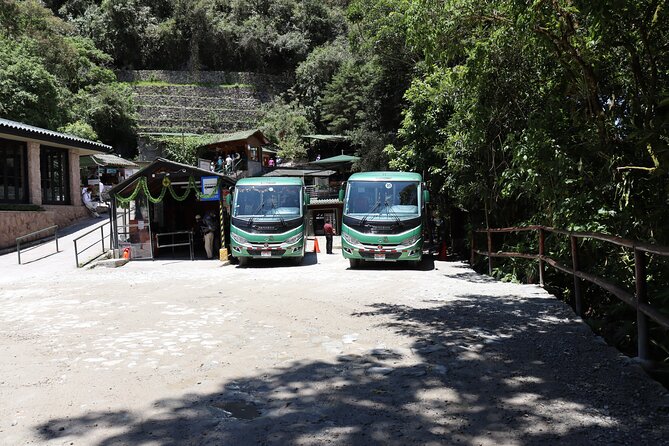
The strongest praise centers on guide Rosalio. He is credited with explaining the ruins and Machu Picchu in detail, bringing the story of the Inca sites to life, offering photo suggestions, and remaining patient when the group was tired.
That combination matters. On the Inca Trail, the guide is not just there to point out the next turn. The route contains several archaeological sites, and the historical context gives purpose to the stops. Without explanation, you might see stone terraces, walls, and paths. With a good guide, you have a better sense of how the route connected these places.
The feedback also highlights the wider crew, including porters and the chef. Several staff names are provided, including Aurelio, Esteban, and Syriac. The praise focuses on teamwork, responsible work, kindness, and good coordination.
The group maximum is 15 people. That is small enough to make communication easier than on a large coach tour, though it is not a private trek. Your experience will still depend on the final group’s pace, fitness, and ability to stay together.
Practical concerns before you commit
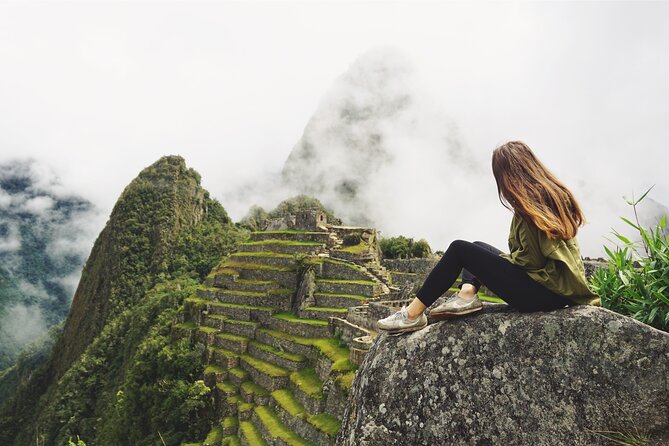
The most important issue is fitness. The itinerary includes six hours on day one, about 10 hours on day two, seven hours on day three, and seven hours on day four. Dead Woman’s Pass adds serious altitude, and the route includes both extended climbs and long descents.
Good weather is required. If poor weather forces cancellation, you are offered a different date or a full refund. The standard cancellation policy is strict: the experience is non-refundable and cannot be changed for any reason if you cancel or request an amendment.
There is also a required safety briefing at the operator’s office at 6:00 p.m. on the day before the trek. Plan your Cusco schedule around it. Missing that meeting could create a practical problem, especially since permits and transport are tied to a fixed departure.
Confirmation is provided at booking, and the tour is offered in English. Pickup is available from hotels in Cusco, with departures beginning at 4:30 a.m.
Because the included duffel, gear rentals, final lunch, and tips all affect your budget, I would make a complete cost list before booking. The headline price is $849, but your final spending will be higher if you rent equipment or want to add Huayna Picchu.
Who should book this four-day trek?
I would recommend it to you if you want the classic Inca Trail experience, prefer a small organized group, and value guide commentary at the ruins. It also suits hikers who like having meals, camps, porters, permits, and transportation arranged in one package.
It is a particularly good fit if you want to enter Machu Picchu from the Sun Gate rather than simply arrive by bus. That final approach gives the trip a clear sense of purpose.
I would not choose it for a relaxed holiday or a casual first hike. The early pickup, high pass, long second day, camping, and fixed schedule require commitment. If you are unsure about your fitness, the tour’s own requirement for strong physical condition should be taken seriously.
The seven listed ratings average five stars, and the most praised elements are consistent: Rosalio’s guiding, Tomas’s cooking, the porter team, careful organization, and the warm treatment of the group. Those are meaningful strengths because they affect both comfort and understanding, not just the postcard moment at Machu Picchu.
Should you book it?
Book this trek if you want a well-supported, four-day route with a strong guide, cooked meals, porter help, and a direct arrival at Machu Picchu through the Sun Gate. At $849, the package offers solid value because it includes the costly trail and site permits, camping, food, staff, buses, and the train to Ollantaytambo.
Before booking, confirm the final Cusco transfer, check the extra cost of sleeping equipment and poles, and make sure you can handle the 4,215-meter pass and the 10-hour second day. If those points fit your plans, this is a serious but rewarding way to reach Machu Picchu.
FAQ
Where does the Inca Trail tour begin?
The tour begins with hotel pickup in Cusco at 4:30 a.m. The group then travels to Km. 82, reports to the checkpoint, and starts the hike.
How long is the tour?
The experience lasts approximately four days. The daily hiking schedules are about six hours on day one, 10 hours on day two, seven hours on day three, and seven hours on day four.
What is the highest point of the trek?
The highest point is Dead Woman’s Pass, which reaches 4,215 meters or 13,829 feet.
Is hotel pickup included?
Yes. Pickup is offered from hotels in Cusco within 30 minutes of the 4:30 a.m. departure time.
Are meals included?
Yes. The package includes four breakfasts, three lunches, and three dinners. The final lunch in Machu Picchu Pueblo is not included.
Is camping equipment included?
Three nights of camping with comfortable equipment are included. Sleeping bags and air mattresses are listed as optional extras with an additional cost.
Are porters included?
Yes. Porters are included, along with a travel duffel bag for up to six kilos of your belongings.
Is transportation to Cusco included after Machu Picchu?
The itinerary says you return toward Cusco after taking the train to Ollantaytambo. The listed inclusions specifically confirm the bus from Machu Picchu to Aguas Calientes and the train from Machu Picchu to Ollantaytambo, so confirm the final transfer to Cusco before booking.
Can I add Huayna Picchu?
Huayna Picchu is optional. Its departure and return tickets are not included and require an additional arrangement.
Just added in Cusco
- Private Transfer from Airport to Hotel in the City of Cusco★ 4.0 · 5 reviews
- Best Cusco walking tour: dinner street food tasting★ 4.5 · 11 reviews
- Cusco Private Transportation for 2026★ 5.0 · 4 reviews
- Private Tour to Pisac Market and Pisac Ruins★ 5.0 · 4 reviews
- Machu Picchu Day Trip With Panoramic Train from Cusco★ 5.0 · 10 reviews
- Sacred Valley Private Tour from Cusco, Guide and Driver only★ 5.0 · 4 reviews
- Sacred Valley of the Incas Tour★ 5.0 · 12 reviews
- Private Tour of the Mountain of Colours by Quad★ 5.0 · 7 reviews
Machu Picchu Tours, compared.
Classic Inca Trail Trek 4D/3N to Machu Picchu (Group Service)
Read our review →
2-Day Inca Trail to Machu Picchu with Panoramic Train
Read our review →
From Cusco: Full-Day Group Tour of Machu Picchu
Read our review →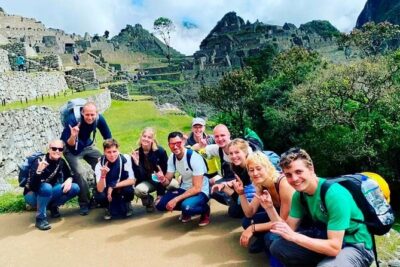
2-Day Tour: Sacred Valley and Machu Picchu by Train
Read our review →
Machu Picchu: Full-Day Tour from Cusco with Optional Lunch
Read our review →
Machu Picchu Full Day from Cusco by Panoramic Train
Read our review →Browse the lists this tour appears in