
Reviewed · MACHU PICCHU TOURS
Inca Trail to Machu Picchu 4 Days – Small Group / Reservations 2026
The classic trail earns its reputation. This four-day small-group trek combines high mountain passes, cloud forest, Inca ruins, and a dawn arrival at Machu Picchu, with a maximum of eight people. I like the personal porter service, which carries up to 7 kilos of your belongings, and the warm, practical support from the cooking and porter team. I also like that the price includes permits, meals, camping gear, the Machu Picchu guided visit, and transport back to Cusco.
The main catch is the physical demand. Dead Woman’s Pass reaches 4,200 meters, and the route includes long climbs, steep stone steps, and a very early final morning. You need moderate fitness, sensible clothing, and enough time in Cusco or the Sacred Valley to adjust to the altitude before setting out.
In This Review
- Key points to know before booking
- What the $860 price really covers
- Day 1: From Cusco to Patallacta and Wayllabamba
- Day 2: The climb to 4,200-meter Dead Woman’s Pass
- Day 3: Runkuracay, Sayacmarca, and Wiñay Wayna
- Day 4: Entering through the Sun Gate
- Food, porters, and camp comfort
- How the small group changes the experience
- Who should book this four-day trek?
- Should you book it?
- FAQ
- How long is the Inca Trail tour?
- Where can pickup take place?
- What documents should I bring?
- How many people are in the group?
- Is food included?
- Can special diets be accommodated?
- Is a sleeping bag included?
- Are walking sticks included?
- Is Huayna Picchu included?
- Is transport back to Cusco included?
Key points to know before booking
- Small group of up to eight: This keeps the trek more personal and makes it easier to walk at your own pace.
- The hardest day is Day 2: You climb from Wayllabamba to Dead Woman’s Pass, then descend to Pacaymayo.
- Porter help is built in: A personal porter carries up to 7 kilos, while the main porter team handles tents, food, and camp equipment.
- Excellent meal coverage: The price includes three breakfasts, four lunches, three dinners, and three tea times, with vegetarian, vegan, and special diets available by request.
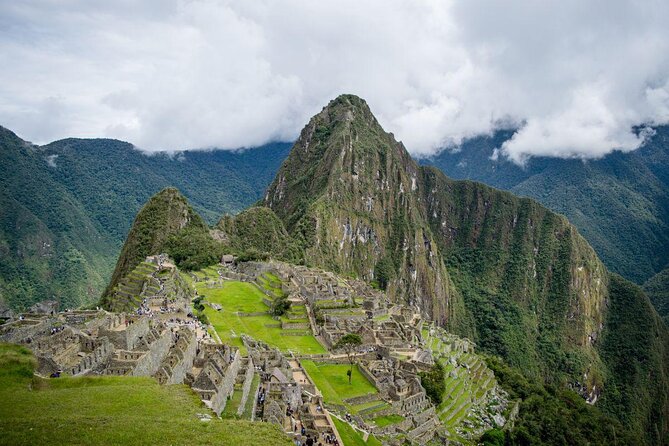
- A genuine Inca Trail finish: You enter Machu Picchu through the Sun Gate rather than arriving first by train.
- Huayna Picchu costs extra: The mountain ticket is not included and must be requested in advance for $70 per person.
What the $860 price really covers
At $860 per person, this is not a bare-bones camping trip. You are paying for one of Peru’s most regulated routes, where permits, entry tickets, cooks, porters, camps, and transport all need to be arranged in advance.
The fee includes pickup in Cusco or from a hotel in the Sacred Valley, transport to kilometer 82, the official start of the trail, and return transport from Ollantaytambo to your hotel. It also covers the Inca Trail permit, Machu Picchu entry, a bilingual professional guide, three nights of camping, and the tourist train from Aguas Calientes to Ollantaytambo.
Camping equipment is better than the simple word tent might suggest. Two people share a four-person tent, giving you more room for bags and clothing. You also receive a Thermarest inflatable mat and a travel pillow. The dining tent has tables, portable chairs, and a gas lamp, while a separate kitchen tent lets the cook prepare meals away from the sleeping area.
Food is a major part of the value. You receive four lunches, including the final lunch in Aguas Calientes, along with three breakfasts, three dinners, and three tea services. Boiled water is provided each morning for refilling your bottle. Vegetarian, vegan, and special diet meals can be prepared if you request them.
You still need to budget for a sleeping bag and walking sticks unless you bring your own. Both can be rented from the Cusco office before the trek. The price also excludes your personal backpack, clothing, and shoes. Huayna Picchu is another extra charge, so do not assume the mountain climb is part of the base price.
More Machu Picchu trips:
- Classic Inca Trail Trek 4D/3N to Machu Picchu (Group Service)
★ 5.0 · 8,653 reviews - Machu Picchu: 4-Day Inca Trail Trek with Panoramic Train Ride
★ 5.0 · 4,568 reviews - Short Inca Trail to Machu Picchu 2D/1N
★ 5.0 · 3,007 reviews
Day 1: From Cusco to Patallacta and Wayllabamba
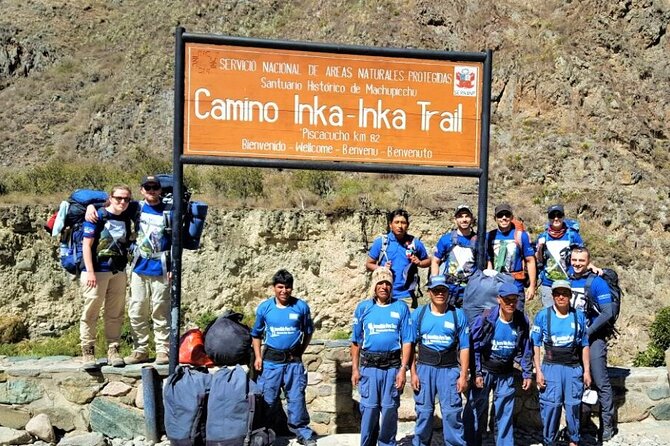
Pickup begins at 6:00 a.m. in Cusco. If you are staying in the Sacred Valley, pickup is available there too. Bring your original passport. Students should also bring a valid student ID, since these documents are checked at the trail control post.
The bus ride takes about three and a half hours. It is not wasted transport. You pass through the Sacred Valley with views of the Urubamba River, Andean towns, and the Inca fortress of Ollantaytambo. There is a final practical stop in Ollantaytambo for toilets and last purchases before the bus continues to Piscacucho, also called kilometer 82.
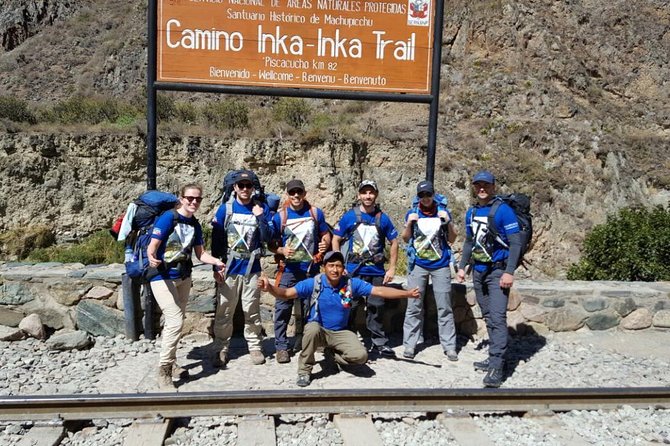
At Piscacucho, you meet the guide, cooks, porters, and the other members of the group. This is the first official control post, where permits, entrance tickets, and passports are checked. The trek begins near an impressive suspension bridge over the Urubamba River.
The first walking day is the gentlest. You follow the river on mostly moderate ground for about two hours before reaching Miskay, where lunch is prepared and served by the cooking team. This gradual opening is useful because it lets you get used to the rhythm of walking, eating, resting, and carrying only a light daypack.
After lunch, the trail reaches Patallacta. The old Inca settlement is marked by broad agricultural terraces, and it gives you an early look at the engineering that makes this route so special. You continue along the left side of the river, with views toward Veronica, a snowy peak rising to about 5,900 meters.
The first camp is at Wayllabamba, at roughly 3,000 meters, with arrival planned around 5:00 p.m. After tents are arranged, tea and snacks are served. Dinner comes around 7:30 p.m., and an early night is wise. The next morning brings the hardest climb of the trek.
Day 2: The climb to 4,200-meter Dead Woman’s Pass
Day 2 is the test. Staff bring coca tea to your tent in the morning, followed by breakfast before a 7:00 a.m. departure.
The first four hours lead uphill from Wayllabamba toward Dead Woman’s Pass. The path moves through cloud forest, native queñua trees, and high grasslands. Keep your pace slow. The route is not a race, and frequent short rests are more useful than one long collapse halfway up.
At Llulluchapampa, around 3,600 meters, you can rest beside a small stream, cool off with fresh water, and refill your bottle. From there, the final hard climb continues toward Warmiwañusca, the Quechua name for Dead Woman’s Pass.
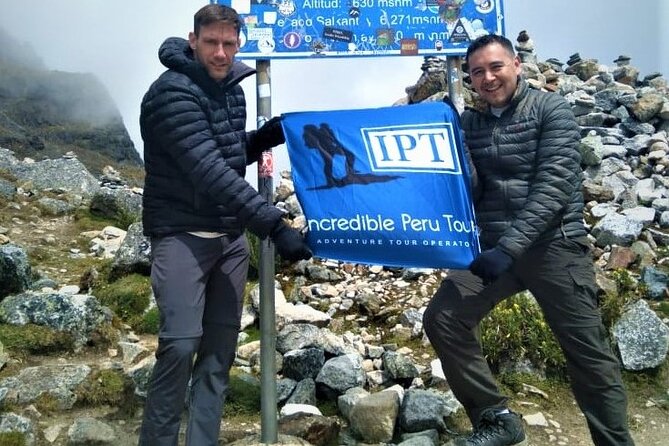
The pass reaches 4,200 meters, the highest point on the four-day route. The reward is a broad view of the Andes and a clear sense of achievement. The practical warning is just as important: temperatures can drop quickly at the top. Keep a warm coat and hat in your daypack rather than buried in your main luggage.
The route then descends for about two hours into the Pacaymayo Valley. This downhill section is easier on your lungs but can be tough on knees and ankles, especially after the climb. Walking sticks are worth renting if you normally use them on steep ground.
Lunch and the second camp are beside the Pacaymayo River, at about 3,600 meters. You have time for a long rest, afternoon tea, snacks, dinner, and another night in the tents. This day is demanding enough that the included food and porter assistance matter greatly.
Day 3: Runkuracay, Sayacmarca, and Wiñay Wayna
The third morning begins around 6:00 a.m. with tea delivered to your tent. After breakfast, the group leaves Pacaymayo at about 7:00 a.m.
The first climb lasts around two hours and leads toward the Runkuracay Pass. On the way, you visit Runkuracay, a small circular Inca site at approximately 3,800 meters. Your guide explains the site before you continue past two small lagoons toward the second high point, the pass at about 4,000 meters.
From here, the trail descends for roughly an hour to Sayacmarca, meaning Inaccessible Town. The name fits. The ruins sit among rocky cliffs, and the setting makes the defensive position easy to understand. A guided visit gives the stonework more meaning than a quick photo stop would.
After about another half hour, you reach Chaquicocha at 3,600 meters for lunch and a rest. Restrooms are available here. The afternoon section is one of the most varied parts of the trek, passing through cloud forest filled with orchids, mosses, bromeliads, and ferns.
You also pass through a tunnel cut into the mountain before climbing to a third pass at about 3,700 meters. From this point, you may see snowy peaks and the Urubamba River. The route then follows fine Inca stonework toward Phuyupatamarca, or Village Above the Clouds.
From Phuyupatamarca, expect a long descent on stone stairs. This is beautiful, but it is not easy. The stairs continue for about two hours toward Intipata, where wide terraces and water channels show how the Incas used steep ground for farming.
The final camp is at Wiñay Wayna, at about 2,680 meters. This is the last official camping area before Machu Picchu and one of the most anticipated stops on the route. Tea, hot chocolate, coffee, milk, cookies, and popcorn are served after arrival.
That evening, the guide explains the next morning in detail. There is also a small farewell ceremony to introduce and thank the porters. It is a fitting moment because the cooks and porters have carried the practical side of the trip while you focused on the trail.
More hikes and treks in Cusco:
- Salkantay Classic Trek 5 Days from Cusco
★ 5.0 · 4,062 reviews - 4-Day Salkantay Trek with Sky Camp Stay
★ 5.0 · 3,346 reviews - Salkantay Trek 5D/4N with Glass Cabins, Domes and Hobbit House
★ 5.0 · 2,488 reviews - 2-Day Inca Trail to Machu Picchu with Panoramic Train
★ 5.0 · 1,876 reviews
Day 4: Entering through the Sun Gate
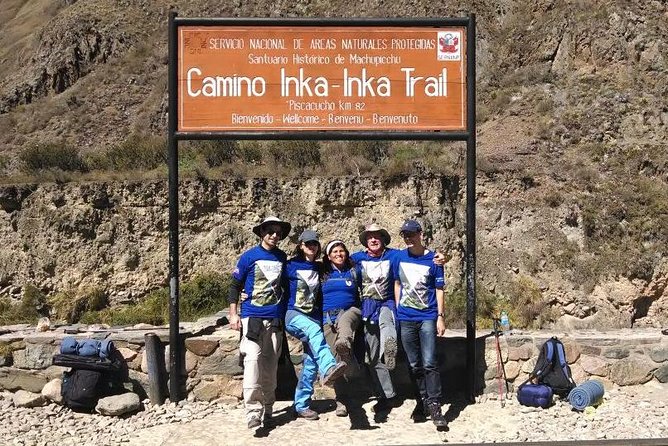
The final day starts at 4:00 a.m. Breakfast is served at 4:30, and you say goodbye to the cook and porter team. The control gate opens at 5:30 a.m., so an early start is necessary if you want to reach the Sun Gate around 7:00.
The path from Wiñay Wayna to Inti Punku, the Sun Gate, takes about two hours. Much of it is relatively flat through cloud forest, with giant ferns and narrow trail sections. Near the Sun Gate, a steep set of roughly 50 steps brings you upward.
Your first full view of Machu Picchu comes from Inti Punku. The citadel appears below, framed by mountains. After a short rest and photographs, you descend for about 40 minutes toward the main entrance.
The guided visit begins around 8:00 a.m. and lasts about two hours. The tour uses Circuits 1 and 3, with explanations of the Inca city and its major areas. Afterward, you have free time for photos and independent exploration within the rules of your assigned circuit.
Huayna Picchu requires special attention. The itinerary offers a climb of about one hour with the guide, but the ticket is not included in the $860 price. You must request it in advance and pay an additional $70 per person. If you want this climb, confirm it before departure rather than treating it as a same-day choice.
After Machu Picchu, a bus takes you to Aguas Calientes. Lunch in town is included, and you have time to visit the town or its thermal baths. The return train leaves around 6:00 p.m. for Ollantaytambo, arriving at about 7:40 or 7:50 p.m. A bus then returns you to Cusco, with arrival expected around 10:00 p.m.
This is a long final day. You reach the reward early, but you do not reach your Cusco hotel until late. Avoid scheduling an important flight or tight connection that night.
Food, porters, and camp comfort
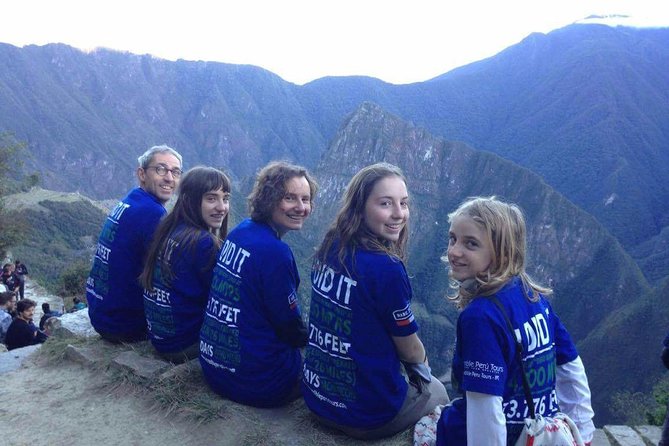
The strongest practical feature here is the support team. The porters carry tents, food, tables, chairs, and kitchen equipment, while a personal porter carries up to 7 kilos of your own luggage.
That allowance can make the trek much more comfortable, but pack carefully. Keep your passport, water, warm layer, rain protection, camera, and personal medication in your own daypack. The porter service is useful for clothing and sleeping equipment, not for items you need during the day.
Food receives especially strong praise, and the structure supports that impression. You get regular meals and tea breaks rather than relying on snacks alone. Ask for vegetarian, vegan, or special diet meals when you book.
The guide and team also carry a first aid kit and emergency oxygen. That does not remove the need to respect altitude symptoms, but it is reassuring on a route where the high passes are serious business.
How the small group changes the experience
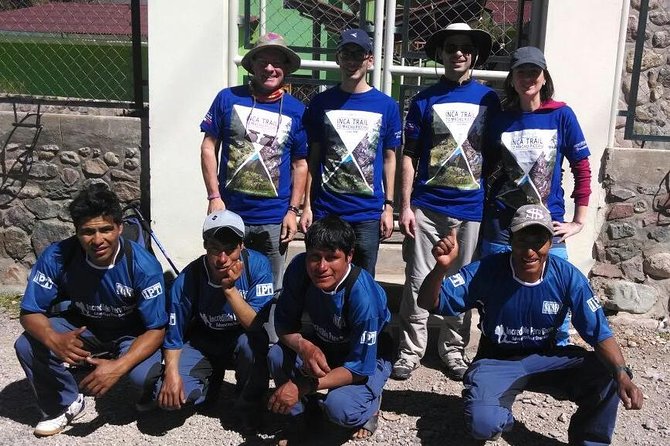
With a maximum of eight people, the group is small enough for the guide to give more individual attention. You can walk at your own pace, stop to rest, and still remain part of a manageable group.
A small group also helps at archaeological sites. At Runkuracay, Sayacmarca, Phuyupatamarca, and the other ruins, the guide can explain details without trying to manage a large crowd. The two written comments praise guide Paul and name team members Timoteo, Julián, Nicolás, and Pedro José Luis for their help with food, luggage, and camp service.
The exact staff assigned to your departure may differ, but the important point is the level of hands-on support promised by the operation. The cooking, porter, and guide roles are clearly part of the experience, not an afterthought.
Who should book this four-day trek?
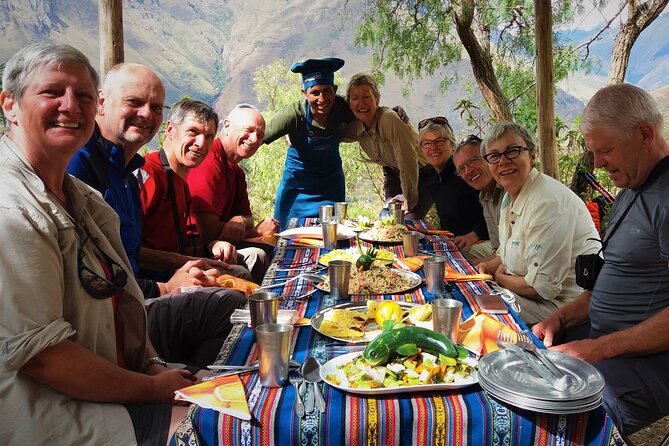
I would choose this trek if you want the full classic Inca Trail, prefer a small group, and value having most major costs bundled into one price. It suits someone who wants ruins and mountain scenery, not just a quick Machu Picchu visit.
You should be ready for four days of sustained walking, high altitude, early mornings, camping, and steep steps. Moderate physical fitness is required, and Day 2 deserves serious preparation.
This is less suitable if you want a relaxed holiday, dislike camping, or need a late start each morning. It is also not the best choice if you want to reach Machu Picchu and return to Cusco quickly, since the final return arrives around 10:00 p.m.
Reservations for 2026 should be handled early. The experience is booked an average of 57 days ahead, and Inca Trail permits are tied to availability. The cancellation policy allows a full refund if you cancel at least three full days before the start time. After that point, refunds and changes are not accepted.
Should you book it?
Yes, if you want a well-supported classic Inca Trail trek with a small group and a clear package of permits, meals, porters, camping equipment, guided visits, and transport.
The best reasons to book are the eight-person limit, personal porter allowance, strong meal coverage, and arrival at Machu Picchu through the Sun Gate. The main reasons to pause are the altitude, steep terrain, 4:00 a.m. final morning, and extra $70 cost for Huayna Picchu.
Pack lightly, rent walking sticks if useful, request any special diet in advance, and carry your passport and warm layers where you can reach them. If you are prepared for the effort, this offers a direct and memorable way to reach Machu Picchu on foot.
FAQ
How long is the Inca Trail tour?
The tour lasts approximately four days, beginning with pickup at 6:00 a.m. and ending with return to Cusco around 10:00 p.m. on Day 4.
Where can pickup take place?
Pickup is available from accommodations in Cusco. Pickup can also be arranged from hotels in the Sacred Valley.
What documents should I bring?
Bring your original passport. Students should also bring a valid student ID.
How many people are in the group?
The group has a maximum of eight people.
Is food included?
Yes. The package includes three breakfasts, four lunches, three dinners, and three tea services.
Can special diets be accommodated?
Yes. Vegetarian, vegan, and special diet meals can be prepared if requested.
Is a sleeping bag included?
No. You must bring or rent a sleeping bag. Rental is available through the Cusco office before the trek.
Are walking sticks included?
No. Walking sticks are not included, but you can rent them through the Cusco office before the tour.
Is Huayna Picchu included?
No. The Huayna Picchu ticket costs $70 per person and must be requested in advance.
Is transport back to Cusco included?
Yes. The package includes the train from Aguas Calientes to Ollantaytambo and transport from the Ollantaytambo station to your hotel in Cusco or the Sacred Valley.
Just added in Cusco
- Cusco Private Transportation for 2026★ 5.0 · 4 reviews
- Private Transfer from Airport to Hotel in the City of Cusco★ 4.0 · 5 reviews
- Best Cusco walking tour: dinner street food tasting★ 4.5 · 11 reviews
- Private Tour to Pisac Market and Pisac Ruins★ 5.0 · 4 reviews
- Machu Picchu Day Trip With Panoramic Train from Cusco★ 5.0 · 10 reviews
- Sacred Valley Private Tour from Cusco, Guide and Driver only★ 5.0 · 4 reviews
- Sacred Valley of the Incas Tour★ 5.0 · 12 reviews
- Private Tour of the Mountain of Colours by Quad★ 5.0 · 7 reviews
Machu Picchu Tours, compared.
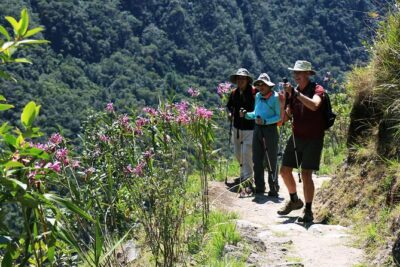
Classic Inca Trail Trek 4D/3N to Machu Picchu (Group Service)
Read our review →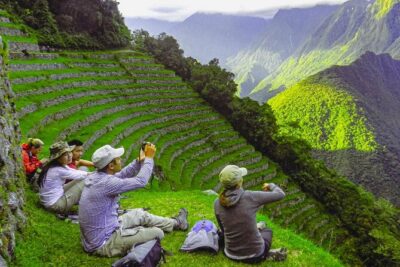
2-Day Inca Trail to Machu Picchu with Panoramic Train
Read our review →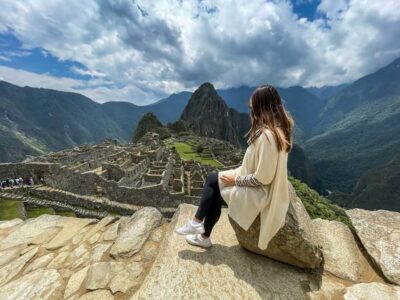
From Cusco: Full-Day Group Tour of Machu Picchu
Read our review →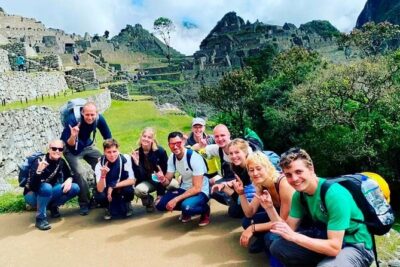
2-Day Tour: Sacred Valley and Machu Picchu by Train
Read our review →
Machu Picchu: Full-Day Tour from Cusco with Optional Lunch
Read our review →
Machu Picchu Full Day from Cusco by Panoramic Train
Read our review →Browse the lists this tour appears in