
Reviewed · MACHU PICCHU TOURS
Inca Trail To Machu Picchu
The hardest steps lead to the best views. This four-day Inca Trail journey combines high mountain passes, Inca ruins, jungle scenery, and a sunrise approach to Machu Picchu, with porters, cooks, camping gear, meals, entry tickets, buses, trains, and transport included. I especially like the excellent support team and the chance to learn about Quechua culture from guides such as Manuel and Juan. I also like that the pace can be adapted to different abilities, though the second day is a serious physical test at high altitude.
At $880 per person, this is not a budget hike. Yet it covers the costly and complicated parts of the route, including the Inca Trail permit, Machu Picchu entry, three nights of camping, food, porters, and the return train to Ollantaytambo. You still need to handle airfare, and extras such as a sleeping bag, walking poles, Huayna Picchu entry, or a personal porter cost more.
In This Review
- Key points to know before booking
- What the $880 price really covers
- Day one: Kilometer 82 to Wayllabamba
- Day two: The climb to 4,200 meters
- Day three: Runkurakay, Sayacmarca, and Wiñaywayna
- Day four: From Wiñaywayna to the Sun Gate
- Guides, porters, and the human side of the trek
- Food, camping, and comfort on the route
- Who should choose this four-day route?
- Should you book the Inca Trail to Machu Picchu?
- FAQ
- How long is the Inca Trail to Machu Picchu tour?
- What is the highest point on the route?
- What meals are included?
- Is camping equipment provided?
- Is a personal porter included?
- Is transportation back to Cusco included?
- Can I cancel for a full refund?
Key points to know before booking
- Reach 4,200 meters on day two: Warmiwañusca, also called Dead Woman’s Pass, is the trek’s highest point and its biggest physical challenge.
- Sleep at three different camps: You spend nights in Wayllabamba, Pacaymayo, and Wiñaywayna, with tents and thick foam mats supplied.
- Finish through the Sun Gate: The final approach reaches Intipunku, where Machu Picchu first comes into view from above.
- Meals are a real strength: Three breakfasts, lunches, and dinners are included, with vegetarian and other dietary requests available.
- Local staff shape the experience: Guides Manuel and Juan received particular praise for pacing, safety, cultural explanations, and encouragement.
- The return trip is organized: A bus takes you from Machu Picchu to Aguas Calientes, followed by a tourist train to Ollantaytambo and bimodal transport to Cusco.
What the $880 price really covers
The price looks high beside a simple day trip to Machu Picchu, but this is a very different product. You are paying for four days on a regulated trekking route, not just admission to an archaeological site.
The package includes transport from your Cusco hotel to Piscacucho at Kilometer 82, where the trail begins. It also includes the licensed guide, authorized porters, an experienced cook, tents, sleeping mats, a dining tent, kitchen equipment, boiled water, morning hygiene water, towels, tea time, and safety gear such as a radio, first aid kit, and oxygen cylinder.
The food package covers three breakfasts, three lunches, and three dinners. That matters on a hike where you need steady energy and cannot simply stop at a restaurant. The cooks prepare meals at camp and lunch stops, and the strongest praise was directed at the food, with dishes ranging from soups and pancakes to pasta with meatballs and stuffed chicken breast.
The return arrangements also add value. Your Machu Picchu entry, Consettur bus to Aguas Calientes, Expedition or Voyager train to Ollantaytambo, and onward bimodal transport to Cusco are included. You are not left to sort out several separate tickets after a tiring morning at the ruins.
The main extras are clear. A sleeping bag costs $25, walking poles cost $15 per pair, and a personal porter carrying up to 7 kilograms costs $150. Huayna Picchu entry costs an additional $80. Airfare is not included.
More Machu Picchu trips:
- Classic Inca Trail Trek 4D/3N to Machu Picchu (Group Service)
★ 5.0 · 8,653 reviews - Machu Picchu: 4-Day Inca Trail Trek with Panoramic Train Ride
★ 5.0 · 4,568 reviews - Short Inca Trail to Machu Picchu 2D/1N
★ 5.0 · 3,007 reviews
Day one: Kilometer 82 to Wayllabamba
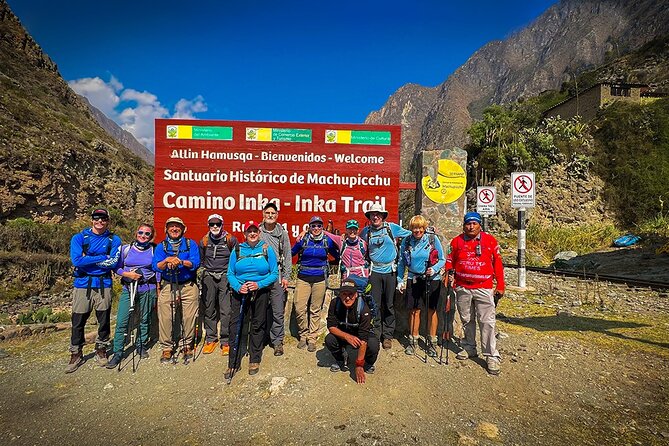
The first day begins very early in Cusco, with pickup from your hotel. The transport heads toward Ollantaytambo, where you have time for a calm breakfast before continuing to Piscacucho, the trailhead at Kilometer 82.
That early start is practical rather than glamorous. It gets you to the trail with time for the first archaeological stop and the five-hour walking day. You should eat well before reaching the trailhead, since the first full meal on the route comes as part of the support team’s schedule.
At Piscacucho, you meet the porters and cook. After a short briefing, the walk begins toward Llactapata, an Inca control site at about 2,650 meters. Its position was important for access toward Machu Picchu, and it gives the first day a useful historical focus right away.
From Llactapata, you continue toward lunch. The day then carries on to Wayllabamba, the first camp at roughly 3,000 meters. This is a steady introduction to the route, with enough time for the staff to set up camp before dinner.
Wayllabamba has small shops where you can buy drinks, snacks, or basic supplies. That is useful, but do not treat the shops as a replacement for careful packing. You should still bring the personal items you need for four days, since shop stock cannot be guaranteed.
The evening includes dinner with the support team and a briefing about day two. This is a good feature of the trip. The next day is the hardest, so knowing the plan before bed helps you set a sensible pace.
Day two: The climb to 4,200 meters
Day two is the physical heart of the trek. You begin with coca tea and a substantial breakfast, then tackle the long ascent to Warmiwañusca at 4,200 meters, or 13,776 feet.
The climb is described as the hardest section, and the numbers explain why. You gain height for much of the morning, and the altitude can make a firm pace feel very different from an ordinary hike. This is where a strong guide matters.
The best advice is to walk steadily and avoid trying to race other groups. Juan was praised for using a slow and steady rhythm, taking breaks when needed, and managing the timing carefully. One particularly useful point is that groups who rush early may not gain anything by the summit. A controlled pace can leave you with more energy for the descent.
At the pass, you get broad views of the valley behind you and the trail ahead. This is the moment for photos, a rest, and a breath before the route changes character. The descent leads to Pacaymayo, at around 3,500 meters.
The day takes about eight hours. That is a long stretch at altitude, so moderate physical fitness is the minimum stated requirement, not a promise that the route will feel easy. You should be ready for sustained uphill walking, uneven paths, and a demanding descent.
At Pacaymayo, the crew has already installed the tents and is preparing lunch. The afternoon is used to look at the local flora and fauna with the guide. This gives you a chance to slow down after the pass rather than treating the whole day as a race to camp.
Pacaymayo is also the night when the combination of altitude and camping may be most noticeable. The supplied thick foam mats and tents provide basic comfort, but this remains a mountain trek. The sleeping bag is not included, so you need to bring your own or pay the $25 rental fee.
Day three: Runkurakay, Sayacmarca, and Wiñaywayna
The third day brings a different kind of reward. After breakfast, you walk for about two hours to Runkurakay, an archaeological center at approximately 3,800 meters.
Runkurakay gives your guide room to explain the purpose and design of the Inca sites rather than simply pointing out stones as you pass. The route then rises to another pass before continuing to Sayacmarca, at about 3,580 meters.
This section is valuable because the scenery keeps changing. The high, open mountain setting begins to give way to thicker vegetation as the trail moves toward the jungle. You see the route shift from cold high-altitude terrain to a more sheltered and plant-filled setting.
By the afternoon, you reach Phuyupatamarca at around 3,600 meters. From here, the Urubamba Valley opens below, and the site is often treated as a visual gateway toward Machu Picchu. The route then turns sharply downward toward Wiñaywayna, the final camp, at about 2,650 meters.
The drop in altitude can feel welcome after the previous day. Still, an eight-hour walking day is demanding, and the descent can work your legs in a different way from the uphill climb. Walking poles are optional for $15, and you may find them useful on long descents.
At Wiñaywayna, the staff prepares hot mate before dinner. Your support crew has arrived ahead of you to set up camp, which is one of the quiet luxuries of this arrangement. You walk with a lighter load while the porters handle the camping equipment.
The final evening also has an emotional element. The support team says goodbye before the last morning, when you continue with the guide toward Machu Picchu. That farewell is a reminder that the porters and cooks are not just background service. They make the route possible.
More hikes and treks in Cusco:
- Salkantay Classic Trek 5 Days from Cusco
★ 5.0 · 4,062 reviews - 4-Day Salkantay Trek with Sky Camp Stay
★ 5.0 · 3,346 reviews - Salkantay Trek 5D/4N with Glass Cabins, Domes and Hobbit House
★ 5.0 · 2,488 reviews - 2-Day Inca Trail to Machu Picchu with Panoramic Train
★ 5.0 · 1,876 reviews
Day four: From Wiñaywayna to the Sun Gate
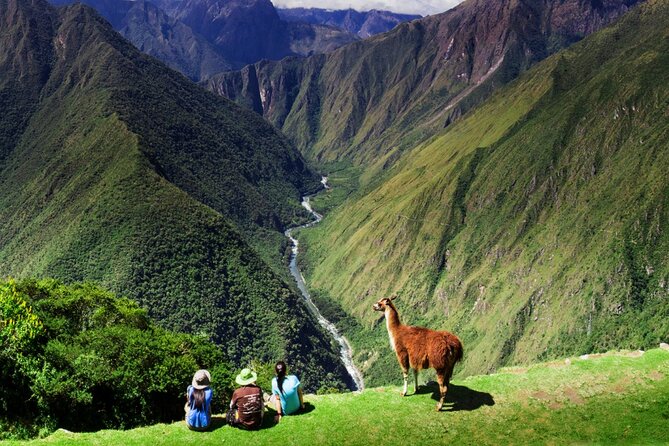
The final day starts with breakfast and the goodbye to the support staff. From Wiñaywayna, you continue with the guide for about two hours toward Intipunku, the Sun Gate.
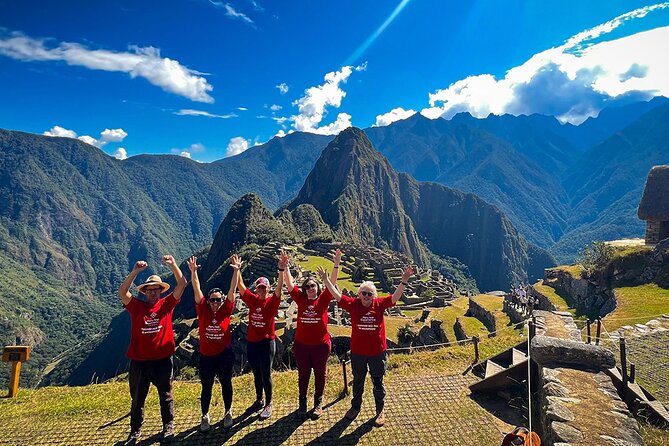
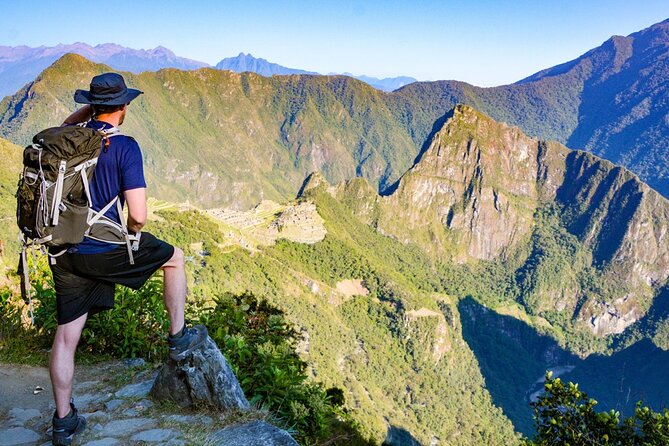
The Sun Gate sits at roughly 2,745 meters. From there, Machu Picchu appears below at about 2,430 meters. This first view is a major reason to choose the classic trail instead of taking the train directly to Aguas Calientes.
The timing also gives the arrival a sense of progress. You have not simply been delivered to the ruins. You have approached them through control points, mountain passes, terraces, changing vegetation, and several Inca sites. The final view connects all those days of walking.
From Intipunku, you descend to the citadel and tour the main sites with the guide. Machu Picchu entry is included, as is the bus from the main control gate down to Aguas Calientes.
You then have free time for lunch in Aguas Calientes before going to the station. The tourist train returns you to Ollantaytambo, where the same railway company route and bimodal transport take you back to Cusco.
The day is listed at about five hours, but the return journey adds a good deal of sitting and organizing. Keep essential items with you rather than burying them in luggage, and expect the day to feel full even after the hiking ends.
Guides, porters, and the human side of the trek
The strongest part of this experience is the staff. Manuel was praised for keeping morale high and creating a friendly atmosphere. Juan received especially strong praise for his care, pacing, cultural explanations, and communication with the porters, cooks, and local families.
Juan also speaks Quechua, which can add a level of local connection that a purely logistical guide may not provide. His explanations covered Inca and Quechua traditions, archaeological sites, wildlife, and the spiritual meaning attached to parts of the route.
That does not mean you are guaranteed a particular guide. If Juan or Manuel is important to your decision, ask the operator if a request can be accommodated before booking. The available information shows that both guides were highly appreciated, but it does not promise assignment to either one.
The porters and cooks are another major asset. Tents are put up before the group reaches camp, meals are ready at lunch and dinner, and hot drinks help at the end of cold or tiring days. Several people praised the friendly porters and the quality of the cooking.
A personal porter is available for $150 and can carry up to 7 kilograms. That may be worth considering if you want to keep your daypack light, especially on day two. You should also remember that porter support does not remove the need to carry your personal essentials during the hike.
Food, camping, and comfort on the route
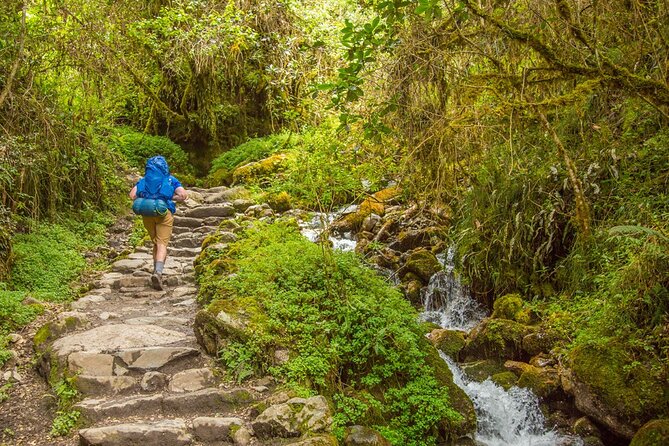
This is a supported camping trek, not a luxury lodge-to-lodge walk. Your tent, thick foam mat, dining tent, and kitchen setup are supplied, and the crew provides boiled water for your canteens.
You also receive a clean towel each morning and hot water for hygiene. Those details matter after several hours on the trail, even though you should keep your expectations practical. You are still sleeping outdoors at high altitude.
The food is better than many people expect from a remote trek. The cook prepares full breakfasts, lunches, and dinners, with tea time during the day. Dietary requests, including vegetarian meals and other food restrictions, can be arranged.
Tell the operator about dietary needs when you book. The package explicitly allows menu adjustments, but last-minute requests are not the time to test the kitchen’s flexibility.
Rain is possible on the trail, and one account praised the tents for staying comfortable during rainy days. That is encouraging, but I would still pack waterproof protection for your personal gear. The supplied equipment covers the camp, not every item in your backpack.
Who should choose this four-day route?
This trip suits you if reaching Machu Picchu on foot matters as much as seeing the ruins. It is a good match for someone who wants archaeological stops, local staff, full meal support, and a planned return to Cusco without arranging separate transport.
It also works well for private groups with mixed ability. The experience is private, and only your group participates. The guide can set a pace for your party instead of forcing you to keep up with a large public group.
You should think twice if you dislike camping, long days, steep climbs, or high altitude. The second day reaches 4,200 meters, and two days are listed at about eight hours of walking. Moderate fitness is required.
This is not a matching-shirt, highly staged type of outing. Its appeal is the local crew, the Quechua cultural connection, the hard-earned arrival at the Sun Gate, and the practical help provided along the way.
The average booking point is 64 days before departure, which suggests you should plan ahead. The exact permit and departure details should be confirmed before payment, since this is a route where space and tickets matter.
Should you book the Inca Trail to Machu Picchu?
Book it if you want the full classic route and value strong support more than the lowest price. The $880 cost includes the main permits, Machu Picchu entry, meals, camping, staff, buses, trains, and transport back to Cusco, so the package removes many expensive and stressful pieces.
I would be especially comfortable choosing it for a private group that wants a guide who can adjust the pace and explain Quechua culture along the way. Ask about requesting Juan or Manuel, decide in advance if you need a sleeping bag, poles, or a personal porter, and prepare honestly for day two.
Skip it if you want a short, easy visit to Machu Picchu or if camping at altitude sounds miserable. For everyone else, this offers a demanding but well-supported path to one of Peru’s great sights, with the journey itself carrying nearly as much weight as the destination.
FAQ
How long is the Inca Trail to Machu Picchu tour?
The tour lasts approximately four days. The walking days are listed at about five hours on day one, eight hours on day two, eight hours on day three, and five hours on day four.
What is the highest point on the route?
The highest point is Warmiwañusca, also called Dead Woman’s Pass, at approximately 4,200 meters or 13,776 feet.
What meals are included?
The tour includes three breakfasts, three lunches, and three dinners, plus tea time during the trek. Vegetarian meals and food restrictions can be requested.
Is camping equipment provided?
Yes. The package includes tents, thick foam mats, a dining tent, and kitchen equipment. A sleeping bag is not included, but one can be added for $25.
Is a personal porter included?
Authorized porters are included as part of the support team, but a personal porter is an optional extra. A personal porter can carry up to 7 kilograms for $150.
Is transportation back to Cusco included?
Yes. The package includes the bus from Machu Picchu to Aguas Calientes, a tourist train from Aguas Calientes to Ollantaytambo, and bimodal transport from Ollantaytambo to Cusco.
Can I cancel for a full refund?
You can receive a full refund if you cancel at least 24 hours before the experience start time. Cancellations or changes made less than 24 hours before the start time are not accepted for a refund.
Just added in Cusco
- Cusco Private Transportation for 2026★ 5.0 · 4 reviews
- Private Transfer from Airport to Hotel in the City of Cusco★ 4.0 · 5 reviews
- Best Cusco walking tour: dinner street food tasting★ 4.5 · 11 reviews
- Private Tour to Pisac Market and Pisac Ruins★ 5.0 · 4 reviews
- Machu Picchu Day Trip With Panoramic Train from Cusco★ 5.0 · 10 reviews
- Sacred Valley Private Tour from Cusco, Guide and Driver only★ 5.0 · 4 reviews
- Sacred Valley of the Incas Tour★ 5.0 · 12 reviews
- Private Tour of the Mountain of Colours by Quad★ 5.0 · 7 reviews
Machu Picchu Tours, compared.
Classic Inca Trail Trek 4D/3N to Machu Picchu (Group Service)
Read our review →
2-Day Inca Trail to Machu Picchu with Panoramic Train
Read our review →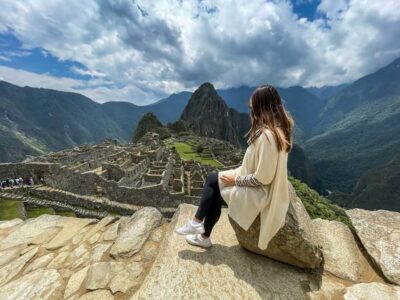
From Cusco: Full-Day Group Tour of Machu Picchu
Read our review →
2-Day Tour: Sacred Valley and Machu Picchu by Train
Read our review →
Machu Picchu: Full-Day Tour from Cusco with Optional Lunch
Read our review →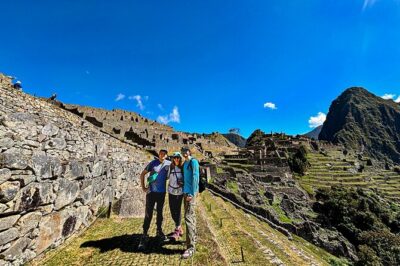
Machu Picchu Full Day from Cusco by Panoramic Train
Read our review →Browse the lists this tour appears in