
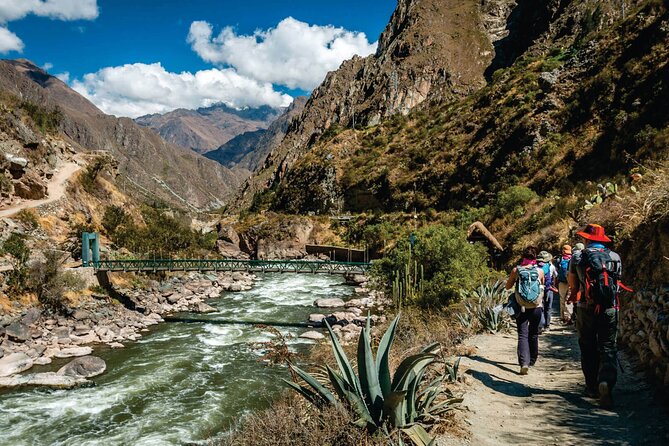
Reviewed · MACHU PICCHU TOURS
Inka Trail 4 Days to Machupicchu
The ancient road rewards every hard step. This four-day Inca Trail trek links high mountain passes, Inca ruins, cloud forest, and Machu Picchu in one carefully arranged journey from Cusco. I especially like the small group of up to 10 people and the way porters carry the cooking and camping gear, leaving you with a more manageable pack. The main drawback is clear: this is a demanding high-altitude hike, not a casual walk to the ruins.
You will also get an English-speaking bilingual guide, meals prepared at camp, a foam mattress, transport, and the return train to Ollantaytambo. Guides such as Yojhan, Zam, Mateo, Giovany, and Percy have been praised for their care and explanations. Still, you need to prepare well, since the second day reaches 4,200 meters and the longest days involve hours of steady walking.
In This Review
- Key points to know before you book
- Why this four-day route is worth the effort
- Day one: Ollantaytambo, Patallacta, and the first camp
- Day two: the climb to Dead Woman’s Pass
- Day three: stonework, tunnels, and cloud forest
- Day four: Intipunku and the first view of Machu Picchu
- Camping, porters, food, and comfort
- Guides and group size
- Who should choose this trek?
- Booking, cancellation, and final decision
- FAQ
- Where does the Inca Trail tour begin?
- How long is the tour?
- What is the highest point on the route?
- What level of fitness do I need?
- Are meals included?
- Is camping equipment provided?
- Is transportation included after the hike?
- Are Machu Picchu tickets guaranteed?
- How far in advance should I book?
Key points to know before you book
- Warmiwañiusca reaches 4,200 meters: Day two is the hardest part, with a major climb followed by a long descent.
- The route includes more than Machu Picchu: Patallacta, Runcurakay, Phuyupatamarka, Wiñayhuayna, and Intipunku give the trek its real character.
- Porters handle shared camping gear: Tents, cooking equipment, tables, chairs, and common areas are prepared at camp.
- The group is limited to 10 people: That can make the pace and guide support easier to manage.
- Machu Picchu entry depends on availability: Tickets are purchased through Peru’s Ministry of Culture, with circuits 1 and 2 listed as the standard options.
- The $807.50 price covers major essentials: Transport, entry fees, meals listed in the program, camping equipment, guides, and the return train are included.
Why this four-day route is worth the effort
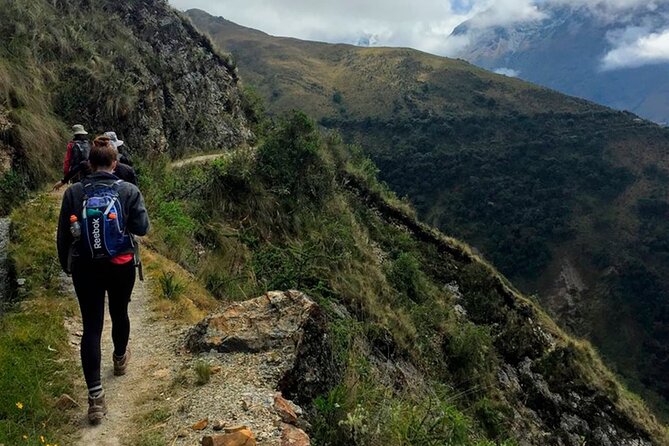
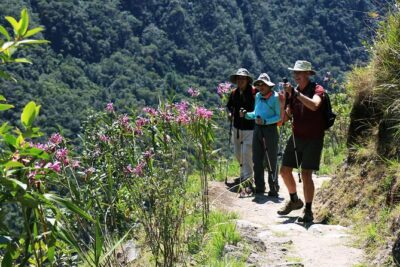
The classic Inca Trail is special because Machu Picchu is only part of the story. You walk through changing mountain environments and pass several Inca sites before reaching the citadel through Intipunku, the Gate of the Sun.
That approach feels earned. Instead of arriving by train and seeing Machu Picchu as a single stop, you spend four days moving through the old route that once connected important settlements. The ruins appear at different points, and each one gives you another reason to pause.
I also like the group size. With a maximum of 10 people, your guide can keep a closer eye on the group, explain the sites without shouting across a crowd, and help you find a pace that works. The published rating is 4.9 from nine ratings, and the strongest praise centers on the guides, porters, food, organization, and scenery.
The cost is $807.50 per person. That is a serious amount, but it includes the Inca Trail entrance, Machu Picchu entrance, transport to Kilometer 82, the return train from Aguas Calientes to Ollantaytambo, the onward ride to Cusco, three breakfasts, four lunches, three dinners, camping support, a mattress, and a bilingual guide.
You should still read the meal wording carefully. Breakfast on day one and lunch in Aguas Calientes are not included, even though the package lists four lunches overall. A single supplement also costs extra.
More Machu Picchu trips:
- Classic Inca Trail Trek 4D/3N to Machu Picchu (Group Service)
★ 5.0 · 8,653 reviews - Machu Picchu: 4-Day Inca Trail Trek with Panoramic Train Ride
★ 5.0 · 4,568 reviews - Short Inca Trail to Machu Picchu 2D/1N
★ 5.0 · 3,007 reviews
Day one: Ollantaytambo, Patallacta, and the first camp
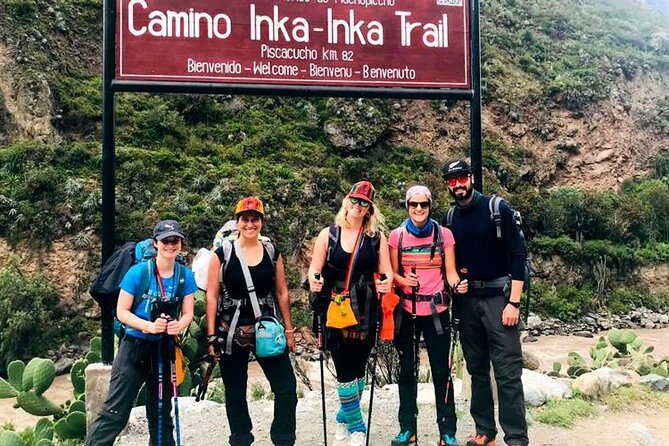
Your pickup begins very early at your hotel or Airbnb in Cusco. The vehicle takes you toward Kilometer 82 at Piscacucho, the trailhead and first control point.
The route description identifies the Archaeological Park of Ollantaytambo as the first stop, although the day’s walking begins at Kilometer 82. Ollantaytambo is an important place to start because it helps connect the modern transfer with the Inca world you are about to enter.
After roughly two hours on foot, you reach Patallacta at 2,750 meters. This Inca site is one of the day’s main rewards, and your guide explains its role before you continue. The early section gives you a first look at the Andes and begins the steady adjustment to walking at altitude.
Lunch is prepared by the cook and cooking team. That support matters more than it may sound. You are not stopping for a simple packed sandwich every day. The program includes a dining tent with tables and chairs, so camp meals have a proper shared setting.
The route then continues to Huayllabamba camp at about 3,000 meters. The day takes around seven hours, which makes the early departure sensible. After arrival, you have time to rest, eat, and settle into the camping routine before dinner and sleep.
One point to clarify: the itinerary uses the word lunch twice after arrival at camp, but the included meal list specifies three breakfasts, four lunches, and three dinners. Ask the operator to confirm the exact day one meal schedule before departure.
Day two: the climb to Dead Woman’s Pass
Day two is the physical test. After breakfast, you begin the long climb toward Warmiwañiusca, often called Dead Woman’s Pass, at approximately 4,200 meters.
The description gives about three hours to reach the pass. The distance is only part of the challenge. At this height, the air is thinner, and every stair or uphill section can feel harder than expected. If you have not prepared for altitude, this is the point where confidence can disappear quickly.
You will need to walk slowly, drink water, use snacks, and stop when needed. One useful training idea from past experience on this route is stair climbing. It prepares your legs for the repeated uphill steps better than ordinary flat-road walking.
Reaching the pass is a major moment. From the high point, you get broad views across several microclimates and mountain zones. The route then changes character as you descend toward Pacaymayo.
That descent should not be dismissed as easy. Tired knees and uneven stone can make downhill walking uncomfortable, especially after the climb. The day lasts about six hours and ends with dinner and a night at Pacaymayo.
The altitude is the issue to respect most. You should have a moderate level of physical fitness, but fitness alone does not remove altitude problems. Walk at the group’s safe pace, tell the guide when you feel unwell, and do not treat the pass as a race.
Day three: stonework, tunnels, and cloud forest
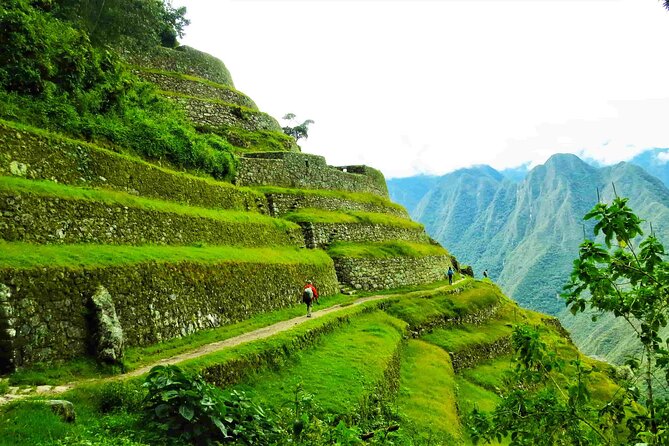
The third day covers about 15 kilometers and combines ruins with changing plant life. After breakfast at Pacaymayo, you head toward Runcurakay at 3,900 meters.
Runcurakay is an Inca complex shaped around towers and positioned to watch the eastern valley. Its setting helps you understand that these were not random structures placed along a pretty path. The location had a strategic purpose.
You then continue to Chaquicocha for lunch. The route remains active, with more climbing and descending before reaching Phuyupatamarka, whose name means place above the clouds.
A tunnel carved through rock adds a memorable change of pace. It is one of those small route details that makes the Inca Trail feel like a real journey rather than a simple hike between two famous sites.
The day continues to Wiñayhuayna, another important complex surrounded by thick vegetation. The combination of stone terraces, mountain views, and plant life is one of the finest parts of the route.
The planned third camp may change to Phuyupatamarca if space is unavailable. That is worth understanding in advance. The exact camp can affect how much walking remains on day three and how early day four begins.
This is also the night when the porters’ work becomes especially visible. They carry cooking and camping equipment, then set up tents, tables, and common areas before or around your arrival. One detailed account compared the camp setup to having a small hotel carried in backpacks. The comparison is playful, but it points to a real benefit: you can focus on walking rather than hauling group equipment.
More things to do in Cusco:
- Cusco: Rainbow Mountain and Red Valley Day Trip with Meals
★ 4.9 · 4,893 reviews - Salkantay Classic Trek 5 Days from Cusco
★ 5.0 · 4,062 reviews - 4-Day Salkantay Trek with Sky Camp Stay
★ 5.0 · 3,346 reviews - Excursion to Rainbow Mountain Full Day Optional Red Valley
★ 5.0 · 2,996 reviews
Day four: Intipunku and the first view of Machu Picchu
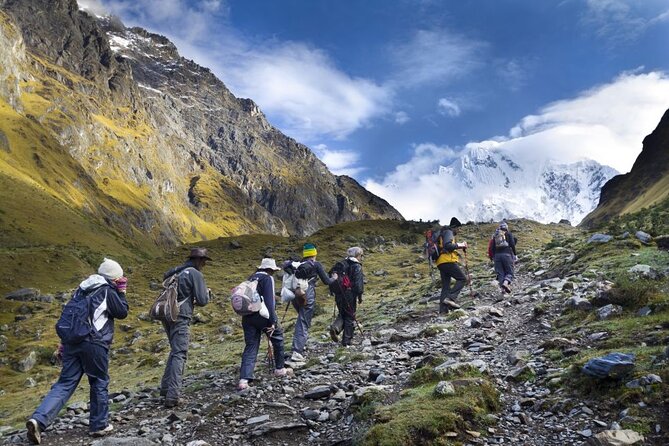
The final morning takes you toward Machu Picchu. You pass the last checkpoint and continue to Intipunku, the Gate of the Sun.
This is an important difference between the classic trail and a standard train visit. You approach the citadel on foot from above, and the first view comes after several days of effort. The citadel then appears as the payoff for the route, not just as an isolated sightseeing stop.
The day is listed at about seven hours. After reaching Machu Picchu, you return to Aguas Calientes, where lunch is not included. You then go to the station for the train to Ollantaytambo, followed by the vehicle transfer back to Cusco.
The transport package is useful because it handles the complicated final links. You do not need to arrange a separate train, station transfer, and Ollantaytambo to Cusco ride. Still, you should expect a long final day, especially after four days of walking.
Entry to Machu Picchu needs careful attention. Tickets are subject to availability, and the Ministry of Culture of Peru is the only authorized seller. The standard arrangements described here correspond to circuits 1 and 2. Other circuits may cost more, and if no Machu Picchu ticket of any type is available, the package states that you receive a full refund.
Get this point confirmed in writing before you pay. A trek without the final site visit would be a very different experience.
Camping, porters, food, and comfort
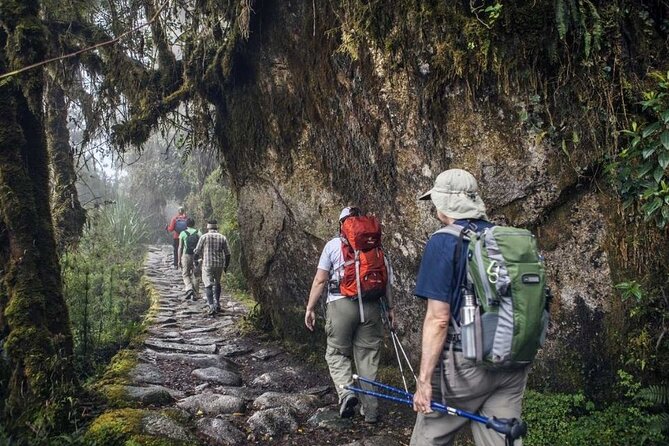
This is a camping trip, but the team provides more support than an independent hike. You receive a foam mattress, and porters carry the cooking and camping equipment. The dining tent has tables and chairs, which gives you a place to eat and recover each evening.
The cooks are an important part of the experience. The food has been praised as tasty and plentiful, though you should remember that meals are prepared in a remote camping setting. One person reported food poisoning and advised carrying Pepto-Bismol and Imodium as a precaution. That does not prove the food is unsafe, but it is sensible to pack basic stomach medicine on any multi-day trip.
The package includes breakfast, lunch, and dinner on the listed days, but not every meal. Breakfast on day one and lunch in Aguas Calientes are specifically excluded. Bring money for those meals and for any other food not stated in the package.
You should also ask what personal gear you must carry. The porters carry shared cooking and camping equipment, but the information does not state that they carry your private luggage. Pack light and confirm the baggage arrangement before you go.
Guides and group size
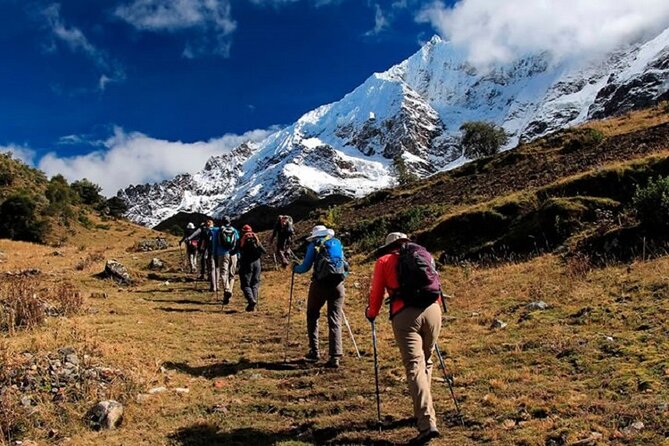
The professional bilingual guide is central to this trek. A strong guide does more than point out ruins. The guide sets the pace, explains the sites, helps the group manage the altitude, and keeps the mood steady when the trail gets hard.
The names Yojhan, Zam, Mateo, Giovany, and Percy appear in positive accounts of similar departures connected with the provider or related Inca Trail operations. You may not have any of them on your trip, so treat those names as examples rather than a guarantee.
The group maximum of 10 is a welcome limit. A smaller group usually makes it easier to hear explanations and speak with the guide. It may also help the group adjust its walking rhythm, although the route still follows fixed checkpoints and camping arrangements.
At least two people are required for the tour. Confirmation arrives within 48 hours of booking, subject to availability. Since the Inca Trail has limited permits and Machu Picchu has controlled entry, the advice to reserve early is practical. The average booking time is about 90 days ahead.
Who should choose this trek?
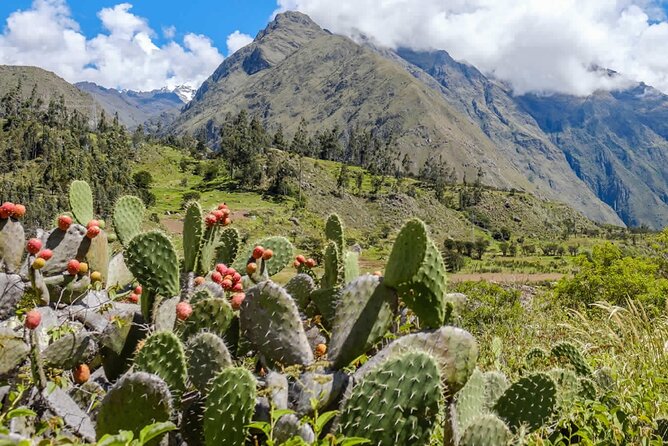
Choose it if you want the journey to be as important as the destination. You will suit this experience if you enjoy long days on foot, camping, archaeological sites, mountain scenery, and the satisfaction of reaching Machu Picchu through Intipunku.
You should have moderate physical fitness and prepare for altitude. Stair climbing is useful training, and you should be comfortable walking for six to seven hours on several days. The most demanding combination is day two’s high pass and day three’s 15-kilometer route.
This is not the best choice if you mainly want an easy visit to Machu Picchu. The train offers a simpler way to reach the citadel, and one account specifically suggested that ordinary visitors may prefer the train. That is not a criticism of this trek. It is an honest distinction between an adventure and a sightseeing transfer.
Booking, cancellation, and final decision
At $807.50, the package offers reasonable value if you use the included services. The price covers the permits, guide, food, camp support, return train, and ground transport, all of which would be difficult to arrange separately. Its value depends on receiving the Machu Picchu ticket and being comfortable with the camping and physical demands.
Cancellation terms are strict near departure. You receive a full refund if you cancel at least six full days before the start time. Cancelling two to six days ahead allows a 50 percent refund, while cancelling less than two full days ahead brings no refund. Changes are not accepted inside those shorter time windows.
I would book this tour if you want a supported classic Inca Trail experience with a small group and a clear transport plan. I would not book it simply because Machu Picchu is on your list. Book it because you want four demanding days of walking, ruins, mountain passes, camp meals, and a memorable arrival at the Gate of the Sun.
FAQ
Where does the Inca Trail tour begin?
Pickup is offered from your hotel or Airbnb in Cusco. Transportation then takes you to Kilometer 82 at Piscacucho, where the first trail control point is located.
How long is the tour?
The experience lasts approximately four days. The itinerary lists about seven hours on day one, six hours on day two, six hours on day three, and seven hours on day four.
What is the highest point on the route?
The highest point is Warmiwañiusca, also called Dead Woman’s Pass. It is approximately 4,200 meters above sea level.
What level of fitness do I need?
You should have a moderate level of physical fitness. The route includes long walking days, a demanding climb to 4,200 meters, and a 15-kilometer day three route.
Are meals included?
Three breakfasts, four lunches, and three dinners are included according to the meal list. Breakfast on day one and lunch in Aguas Calientes are not included.
Is camping equipment provided?
A foam mattress and a dining tent with tables and chairs are included. Porters carry the cooking and camping equipment.
Is transportation included after the hike?
Yes. The package includes transport from Machu Picchu to Aguas Calientes, the return train to Ollantaytambo, and transportation from Ollantaytambo to Cusco on day four.
Are Machu Picchu tickets guaranteed?
No. Tickets depend on availability through Peru’s Ministry of Culture. The stated arrangements correspond to circuits 1 and 2, while other circuits may involve an additional charge. If no type of Machu Picchu ticket is available, the package states that you receive a full refund.
How far in advance should I book?
The tour is booked on average 90 days in advance. Confirmation is sent within 48 hours of booking, subject to availability. A minimum of two people is required, and the group maximum is 10.
Just added in Cusco
- Cusco Private Transportation for 2026★ 5.0 · 4 reviews
- Private Transfer from Airport to Hotel in the City of Cusco★ 4.0 · 5 reviews
- Best Cusco walking tour: dinner street food tasting★ 4.5 · 11 reviews
- Machu Picchu Day Trip With Panoramic Train from Cusco★ 5.0 · 10 reviews
- Private Tour to Pisac Market and Pisac Ruins★ 5.0 · 4 reviews
- Sacred Valley Private Tour from Cusco, Guide and Driver only★ 5.0 · 4 reviews
- Sacred Valley of the Incas Tour★ 5.0 · 12 reviews
- Private Tour of the Mountain of Colours by Quad★ 5.0 · 7 reviews
Machu Picchu Tours, compared.
Classic Inca Trail Trek 4D/3N to Machu Picchu (Group Service)
Read our review →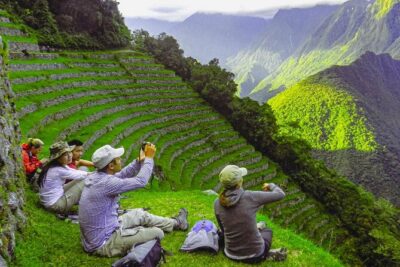
2-Day Inca Trail to Machu Picchu with Panoramic Train
Read our review →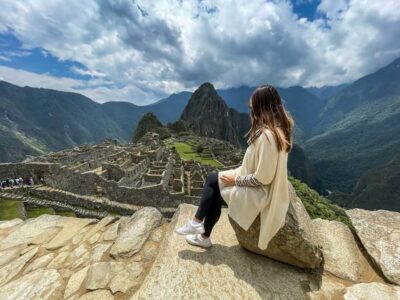
From Cusco: Full-Day Group Tour of Machu Picchu
Read our review →
2-Day Tour: Sacred Valley and Machu Picchu by Train
Read our review →
Machu Picchu: Full-Day Tour from Cusco with Optional Lunch
Read our review →
Machu Picchu Full Day from Cusco by Panoramic Train
Read our review →Browse the lists this tour appears in