
Reviewed · MACHU PICCHU TOURS
Lares Trek to Machu Picchu: 4-Day Tour
The quiet route earns its place. This four-day Lares Trek offers two things I especially like: close contact with Andean villages and far fewer people than the classic Inca Trail. You also get a small group capped at eight, a cook, mule support, tents, meals, train tickets, and Machu Picchu admission in one package. The main concern is altitude, with a 4,600-meter pass on day two and long hiking hours.
This is not a soft walk through the Sacred Valley. It is a proper mountain trek, but the final two days are easier and the route gives you time to adjust. Guides such as Luis and René have been praised for their patience, cultural explanations, and careful pacing. I would treat the $602.06 price as fair for the number of services included, though you still need to pay for a sleeping bag, thermal baths, Huayna Picchu, and lunch on the final day.
In This Review
- Key things to know before choosing the Lares Trek
- Why choose Lares instead of the classic Inca Trail?
- Day one: Calca, Lares hot springs, and Huacawasi
- Day two: Ipsay Pass at 4,600 meters
- Day three: Pumamarka terraces and the train to Aguas Calientes
- Day four: Machu Picchu before the crowds build
- Food, camping, and the value of the $602 price
- Guides, pace, and group size
- Who should book this four-day trek?
- Practical details before you commit
- Should you book the Lares Trek to Machu Picchu?
- FAQ
- How long is the Lares Trek to Machu Picchu?
- What is the highest point on the trek?
- How difficult is the Lares Trek?
- Is accommodation included?
- Are meals included?
- Is a sleeping bag included?
- Is Huayna Picchu included?
- What documents and group requirements apply?
Key things to know before choosing the Lares Trek
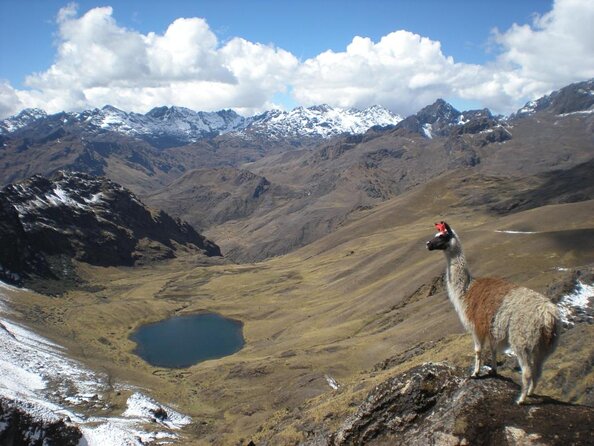
- The highest point is Ipsay Pass at 4,600 meters: Day two is the physical test, with thin air, steep walking, and views over Ipsaycocha Lake.
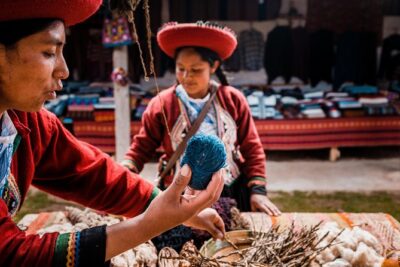
- You see village life, not just ruins: Huacawasi and Patacancha bring you close to local farming communities, alpacas, llamas, colorful clothing, and mountain homes.
- The route avoids the crowded Inca Trail: One account described seeing only one other trekking group on the way.
- Meals are a major strength: The cook prepares breakfast, lunch, and dinner for the first three days, with fresh food served at camp.
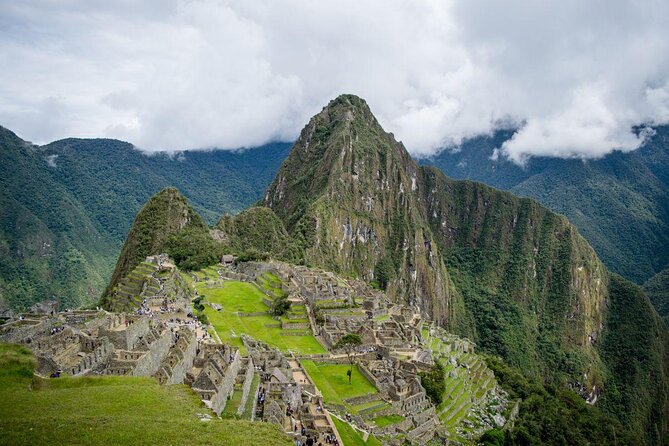
- Machu Picchu is the grand finish: The guided visit lasts about two hours, followed by free time and optional sites such as Huayna Picchu and the Inca Bridge.
- Pack light: Muleteers carry tents and shared equipment, but personal items are limited to 7 kilograms per person.
Why choose Lares instead of the classic Inca Trail?
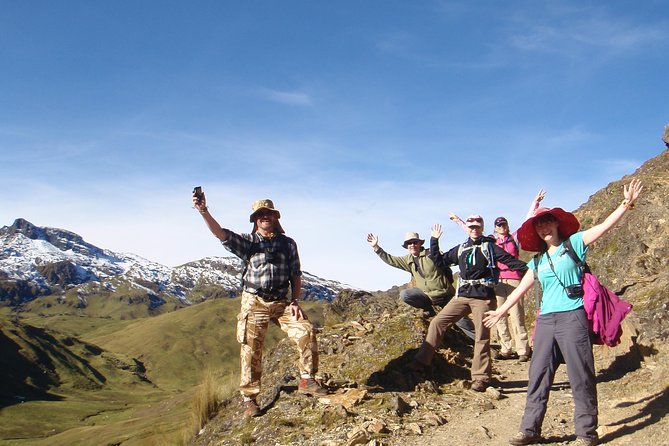
The Lares route gives you a different kind of Peruvian mountain experience. The Inca Trail is famous for its stone paths and archaeological sites, but Lares is quieter and more focused on scenery, village life, and high Andean culture.
You pass farmers tending crops and herds of llamas and alpacas. Children return from school. Mountain communities appear as part of daily life, not as a staged stop on a sightseeing route. That makes the route feel more personal, though it also means the cultural experience depends heavily on your guide’s ability to explain what you are seeing.
The small group size matters here. With a maximum of eight people, the guide can adjust the pace, stop for photographs, and keep an eye on anyone feeling the altitude. Luis and René received especially strong praise for patient pacing and clear explanations of Inca culture and local traditions.
The route is still demanding. You need to be comfortable hiking for several hours, often at high elevation. A minimum age of six is listed, but age alone does not tell you how well a child will handle 4,600 meters. Fitness, previous time in Cusco, and a sensible pace matter more.
More Machu Picchu trips:
- Classic Inca Trail Trek 4D/3N to Machu Picchu (Group Service)
★ 5.0 · 8,653 reviews - Machu Picchu: 4-Day Inca Trail Trek with Panoramic Train Ride
★ 5.0 · 4,568 reviews - Short Inca Trail to Machu Picchu 2D/1N
★ 5.0 · 3,007 reviews
Day one: Calca, Lares hot springs, and Huacawasi
Your day begins around 5:00 a.m. with pickup in Cusco. The drive heads first to Calca, at about 2,900 meters, then crosses the Sacred Valley toward Lares. The journey to Lares takes around two hours after crossing the valley, so this is an early start with plenty of road time before your boots hit the trail.
A stop at the Lares hot springs gives you a pleasant beginning. The pools are a chance to relax before the walk, though the entrance fee of 10 soles is not included. You may also pass through a local market, depending on the day and the schedule.
After lunch, you begin walking toward Huacawasi, the first camping area. The trek takes roughly four and a half hours. This section introduces the route gradually, with mountain views and frequent signs of rural life, including llamas and alpacas.
The overnight setup can vary. The planned arrangement is a tent, but a small group may sleep near a local family’s home or in a sheltered structure if the weather is especially cold. One couple found this local stay memorable because it offered a glimpse into how a family lives in the mountains. It is a more personal experience than a standard campsite, but it also means you should expect simple conditions rather than hotel comforts.
Your crew supplies tents, mattresses, a kitchen tent, and a dining tent. Muleteers carry the camping equipment and some of your luggage. You can leave up to 7 kilograms of personal items per person, so bring only what you truly need for the trail.
Day two: Ipsay Pass at 4,600 meters
Day two is the heart of the trek and the part that deserves the most respect. You leave early from Huacawasi and climb toward Ipsaycocha Pass, listed at 4,600 meters, or about 15,456 feet. The lake itself sits at roughly 4,280 meters.
The walking day lasts about eight hours. That number includes breaks and lunch, but the altitude can make every uphill section feel longer. The views change rapidly as you gain height, with the route opening toward high valleys and the lake.
This is where you may see Andean farmers in traditional ponchos and headwear, working crops or tending alpacas and llamas. One account also described seeing wild chinchillas close to the pass. A guide may include a traditional offering to the Earth, using coca leaves, which adds cultural meaning to the mountain crossing.
The best advice is simple: arrive in Cusco before the trek and give yourself time to adjust. One person who spent two days in Cusco beforehand reported only minor altitude problems, while another needed medication after feeling sick. The tour carries a first aid kit and oxygen tank, but those items are safety support, not a substitute for acclimatization.
After lunch near Ipsaycocha Lake, you descend toward Patacancha. The route ends in or near this community, where you spend the night according to the planned itinerary. The actual overnight arrangement can change with group size. Smaller groups may be transferred onward by bus to Ollantaytambo instead.
That flexibility can make the trip more comfortable, but it also means you should ask the operator to confirm the precise sleeping location before departure. The published schedule and individual accounts do not describe exactly the same overnight plan.
Day three: Pumamarka terraces and the train to Aguas Calientes
The third day is easier on your legs. You start with a viewpoint over the valley, then walk for about two hours toward Pumamarka. The Inca terraces here give you a chance to see how mountain agriculture shaped the area.
The route finishes in Ollantaytambo, one of the Sacred Valley’s most attractive towns. The itinerary allows time for a guided visit, and one guide led an additional tour of the town’s ruins. This is a useful stop because you see impressive Inca stonework without spending another full day on a difficult trail.
Later, you board the train to Aguas Calientes, the town below Machu Picchu. The train is included from Machu Picchu to Ollantaytambo in the package details, while the day-three schedule describes the trip in the opposite direction to Aguas Calientes. Since the transport wording is not fully consistent, confirm the exact train segments and departure times when you book.
Aguas Calientes is convenient, lively, and not especially quiet. One person specifically recommended earplugs because music carries through town. Your accommodation is included for one night, and the room has been described as comfortable, with hot water. You can also visit the local thermal baths, but that entrance fee is extra.
Lunch on this day is included, but the final lunch in Aguas Calientes is not. Keep some Peruvian soles available for that meal, the hot springs, and small personal purchases.
More hikes and treks in Cusco:
- Salkantay Classic Trek 5 Days from Cusco
★ 5.0 · 4,062 reviews - 4-Day Salkantay Trek with Sky Camp Stay
★ 5.0 · 3,346 reviews - Salkantay Trek 5D/4N with Glass Cabins, Domes and Hobbit House
★ 5.0 · 2,488 reviews - 2-Day Inca Trail to Machu Picchu with Panoramic Train
★ 5.0 · 1,876 reviews
Day four: Machu Picchu before the crowds build
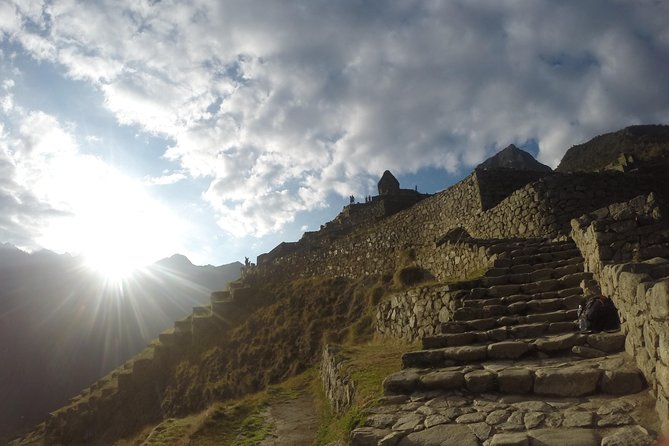
The final morning starts early. The schedule describes a walk of about 90 minutes uphill to the Machu Picchu citadel. Some arrangements use a bus, so confirm which option applies to your departure. Either way, the early start is sensible: it gives you more time inside the site and better light over the mountains.
Your guide leads an approximately two-hour visit through Machu Picchu. Circuit 2, used by one couple on the tour, is considered the more complete walking route, though your exact circuit depends on the ticket assigned to you. After the guided portion, you have free time to explore within the limits of your admission.
Huayna Picchu is optional and requires a separate ticket booked in advance. Timing matters. If you plan to climb it, leave at least two hours between your Machu Picchu circuit time and your Huayna Picchu entry time. A guide who handles these slots properly can save you from an unpleasant race through the citadel.
Other possible add-ons named in the schedule include Inti Punku and the Inca Bridge. These options require time and energy, so do not promise yourself every extra route before you see how you feel after four days of walking.
At the end of the day, you return by train to Ollantaytambo, then continue by private car to your hotel in Cusco. The day is listed as about four hours, though transport schedules and waiting times can make the return feel longer.
Food, camping, and the value of the $602 price
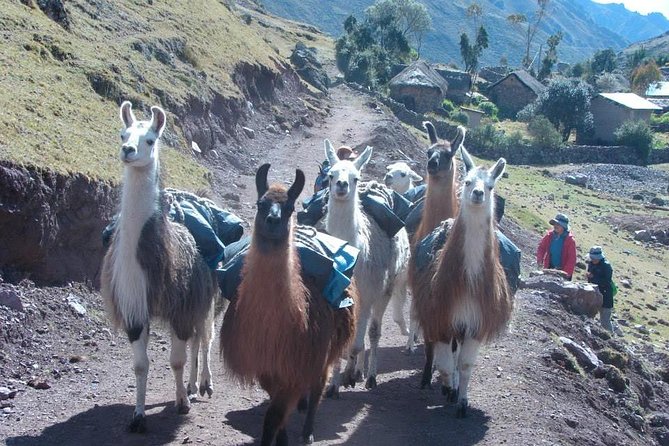
At $602.06 per person, this is not a budget hike, but the package includes a great deal. You receive hotel pickup, transport from Cusco to Lares, muleteers, mules, tents, mattresses, cooking and dining tents, a cook, a professional English and Spanish-speaking guide, three breakfasts, three lunches, three dinners, Aguas Calientes accommodation, Machu Picchu admission, train transport, and a private vehicle back to Cusco.
The food appears to be one of the strongest parts of the operation. Several accounts praised the cook, with Santo specifically remembered for preparing fresh meals and reaching camp ahead of the group. That matters on a high-altitude trek, where a hot dinner and a proper breakfast can change your whole mood.
You should not expect luxury in the mountains. Camps may be cold, and sleeping bags are not included. Bring your own or arrange one separately. Your main bag allowance is also limited, so use a small daypack and pack warm layers, rain protection, and only essential clothing.
The price also buys convenience. You do not need to arrange separate transport to Lares, find a guide at the trailhead, organize mules, buy a Machu Picchu ticket, or work out the train connection alone. For a first trek in Peru, that reduced planning burden has real value.
Guides, pace, and group size
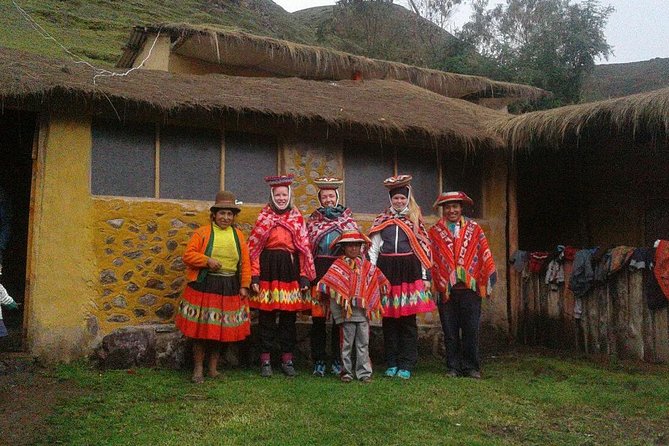
The guide can make or break a high-altitude trek. Luis and René are repeatedly praised for staying close to the group, explaining local culture, allowing photography stops, and noticing when people need rest. One guide also helped a participant find medication after altitude sickness began.
That kind of care is more important than a fast pace. You are not racing from one landmark to another. The strongest experience comes from taking time at the lake, watching village life, and letting the guide explain the mountains and traditions.
The maximum group size is eight, and at least two people are required for a booking. The small format should make questions and pacing easier, though the group still needs to move together for transport and scheduled entries at Machu Picchu.
The tour is offered in English and Spanish. You should be able to communicate in one of those languages to get the full benefit of the guide’s explanations and safety instructions.
Who should book this four-day trek?
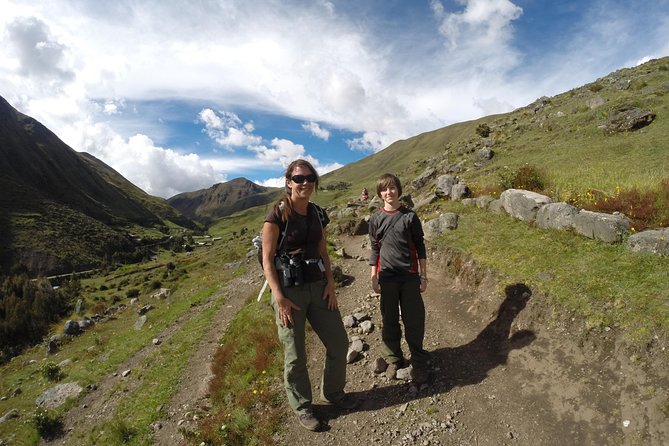
I would choose this trip if you want a quieter alternative to the Inca Trail, care about Andean communities, and are willing to work for the views. It suits moderately fit hikers who can handle a long second day and who have spent time adjusting to Cusco’s altitude.
It is also a good choice if you want an all-in-one arrangement. The operator handles the main moving parts, while the small group keeps the experience from feeling like a large coach tour.
I would hesitate if you dislike basic camping, struggle with early starts, or have no time to prepare for high altitude. The 4,600-meter pass is not a minor detail. Families should consider the listed minimum age of six alongside each child’s fitness and altitude experience.
The tour has a perfect 5 rating from 10 published ratings, and every rating recommends it. That is a small sample, so I would not treat it as proof that every departure will be identical. Still, the consistent praise for the guides, food, scenery, and personal service is a strong sign of what this operator does best.
Practical details before you commit
Pickup is offered, with a listed start time of 5:00 a.m. Confirmation arrives when you book, and you need a current passport on the day of the trip. The experience is non-refundable and cannot be changed after booking, so check your dates carefully before paying.
Bring extra soles for the Lares hot springs, your final lunch, and other optional costs. Huayna Picchu requires an advance ticket and is not included.
Plan to carry a small personal bag. Muleteers can take up to 7 kilograms of your belongings, but lighter is better, especially when you still need a daypack for water, layers, snacks, and camera equipment.
Should you book the Lares Trek to Machu Picchu?
Book it if your ideal Peru trip combines high mountain scenery, village life, a quiet trail, and a well-supported route to Machu Picchu. The included meals, mules, guide, camping gear, train, hotel night, and private return transport make the price reasonable for the work involved.
Skip it if your main goal is a relaxed sightseeing holiday or if 4,600 meters sounds beyond your comfort zone. For everyone else, this is a strong alternative to the Inca Trail, especially if you want the journey to Machu Picchu to feel like more than a transfer to a famous ruin.
FAQ
How long is the Lares Trek to Machu Picchu?
The tour lasts approximately four days. The first three days include the Lares route, Ollantaytambo, and travel to Aguas Calientes. The fourth day is devoted to Machu Picchu and the return journey to Cusco.
What is the highest point on the trek?
The highest point is Ipsaycocha Pass, listed at 4,600 meters, or about 15,456 feet. Ipsaycocha Lake sits at approximately 4,280 meters.
How difficult is the Lares Trek?
Day two is the hardest section because of the high pass and an estimated eight hours of walking. The first day takes about four and a half hours, while the third day is less demanding. You should be moderately fit and allow time to adjust to the altitude.
Is accommodation included?
Yes. Camping equipment is included for the trek, and one night of accommodation in Aguas Calientes is included. The exact overnight arrangement near Huacawasi, Patacancha, or Ollantaytambo can vary.
Are meals included?
Breakfast, lunch, and dinner are included for the first three days. The final lunch in Aguas Calientes is not included.
Is a sleeping bag included?
No. You need to bring a sleeping bag or arrange one separately.
Is Huayna Picchu included?
No. Huayna Picchu requires a separate ticket and must be booked in advance.
What documents and group requirements apply?
A current valid passport is required on the day of travel. At least two people are required per booking, and the maximum group size is eight. The listed minimum age is six.
Just added in Cusco
- Cusco Private Transportation for 2026★ 5.0 · 4 reviews
- Private Transfer from Airport to Hotel in the City of Cusco★ 4.0 · 5 reviews
- Best Cusco walking tour: dinner street food tasting★ 4.5 · 11 reviews
- Private Tour to Pisac Market and Pisac Ruins★ 5.0 · 4 reviews
- Machu Picchu Day Trip With Panoramic Train from Cusco★ 5.0 · 10 reviews
- Sacred Valley Private Tour from Cusco, Guide and Driver only★ 5.0 · 4 reviews
- Sacred Valley of the Incas Tour★ 5.0 · 12 reviews
- Private Tour of the Mountain of Colours by Quad★ 5.0 · 7 reviews
Machu Picchu Tours, compared.
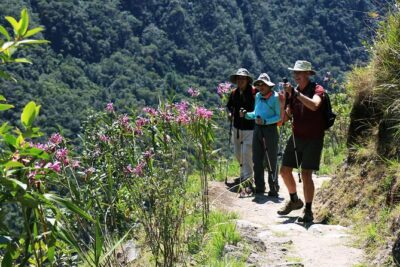
Classic Inca Trail Trek 4D/3N to Machu Picchu (Group Service)
Read our review →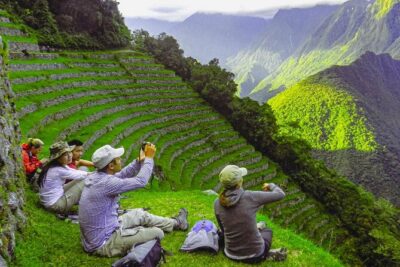
2-Day Inca Trail to Machu Picchu with Panoramic Train
Read our review →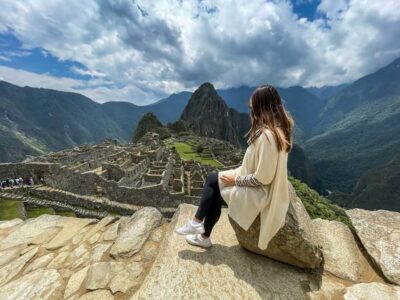
From Cusco: Full-Day Group Tour of Machu Picchu
Read our review →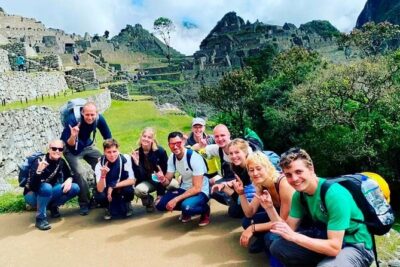
2-Day Tour: Sacred Valley and Machu Picchu by Train
Read our review →
Machu Picchu: Full-Day Tour from Cusco with Optional Lunch
Read our review →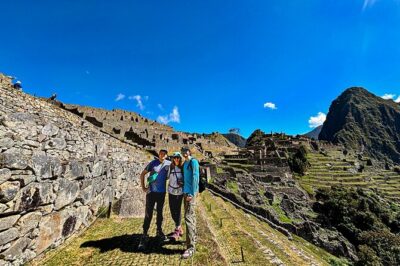
Machu Picchu Full Day from Cusco by Panoramic Train
Read our review →Browse the lists this tour appears in