
Reviewed · MACHU PICCHU TOURS
Lares Trek to Machu Picchu 4 days with Panoramic Train
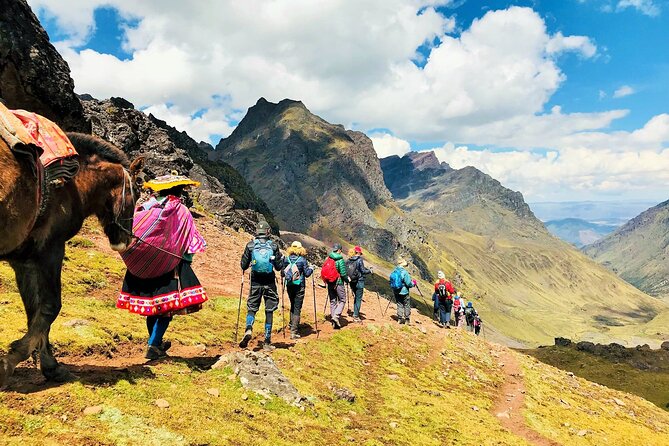
The quiet route to Machu Picchu takes work. This 4-day Lares Trek trades the busiest paths for high lakes, alpaca country, Andean villages, and a demanding climb to Condor Pass at 4,750 meters. I like the chance to meet local families and see traditional weaving, and I like that the final approach to Machu Picchu includes the comfortable Vistadome train.
You get excellent support for $698 per person: a guide, cooks, muleteers, meals, camping equipment, transport, entrance tickets, and a hotel night in Aguas Calientes. The main catch is physical: the altitude and long uphill day are serious, and the 4:30 am start will test anyone who prefers a slow morning.
The people behind the trip add real warmth. Guides such as Filio, David, Nilton, Neil, and Tairo have been praised for their humor, cultural knowledge, clear explanations, and care for the group. Bring warm clothes, even if you come from a cold country, because the camps sit high and the nights can be very cold.
In This Review
- Key points to know before booking
- Why choose the Lares route to Machu Picchu?
- Day 1: From Calca market to the Blue Lagoon
- Day 2: The climb to Condor Pass at 4,750 meters
- Day 3: Community life, farms, Maras, and Ollantaytambo
- Day 4: Sunrise at Machu Picchu and the Vistadome return
- The guides, cooks, and muleteers make the difference
- What to pack for two cold nights
- Who should book this $698 trek?
- Should you book the Lares Trek?
- FAQ
- How long is the Lares Trek to Machu Picchu?
- What time does the tour start?
- How high does the trek go?
- How many nights do I camp?
- Is Machu Picchu entrance included?
- Is Huayna Picchu or Machu Picchu Mountain included?
- Is the Vistadome train included?
- What meals are included?
- What is the maximum group size?
- Can the booking be canceled for a refund?
Key points to know before booking
- Condor Pass reaches 4,750 meters: This is the trek’s hardest climb and its highest point, with wide views across the Andes.
- Two nights under canvas: You camp at the Blue Lagoon at about 3,900 meters, then near Canchacancha at 3,750 meters.
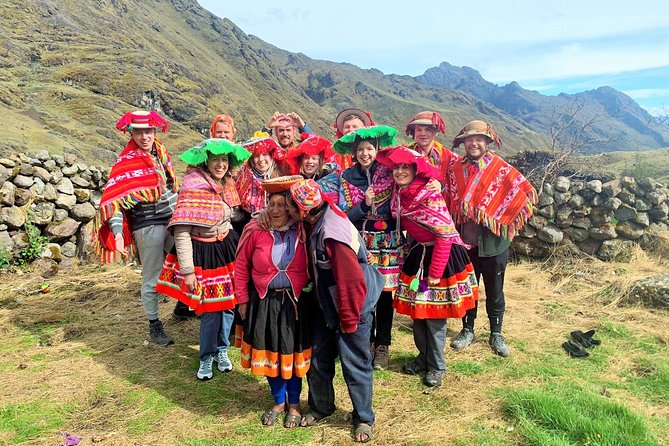
- The cultural stops are central to the trip: You visit a weaving cooperative, local homes, a school, and a community where Quechua traditions remain part of daily life.
- Food is a major strength: Three lunches, four breakfasts, and three dinners are included, with cooks preparing substantial Peruvian meals on the trail.
- Machu Picchu comes with a gentle finish: After the trek, you sleep in a 3-star hotel, take the bus to the citadel, and return by Vistadome train.
- Small groups keep support personal: The maximum group size is 16, with a guide and a support crew carrying food and gear by horse.
Why choose the Lares route to Machu Picchu?
The Lares Trek gives you a different sort of journey to Machu Picchu. The famous Inca Trail is prized for its stone ruins and tightly controlled permits. The Salkantay route is known for big scenery and a tougher wilderness feel. Lares leans toward mountain communities, grazing animals, weaving, farms, and quiet valleys.
That makes it a good choice if you want the walk itself to matter, not just the final visit to Machu Picchu. You still get the world-famous citadel, but the route takes you through places where daily life is more important than ancient monuments.
I also like the way the trip balances hardship and comfort. You spend two nights camping high in the mountains, then move into a hotel in Aguas Calientes before visiting Machu Picchu. Horses carry food and gear, while your personal duffel is limited to 7 kilograms, or 11 pounds.
The price is strong for what is included. At $698, you receive private transfers, a professional guide, meals, a personal duffel, camping support, entrance tickets to Machu Picchu, Maras, and the Lares hot springs, the Machu Picchu bus, and a Vistadome return train. You still pay extra for a sleeping bag, mattress, trekking poles, and optional Huayna Picchu or Machu Picchu Mountain tickets, so budget for those if you need them.
More Machu Picchu trips:
- Classic Inca Trail Trek 4D/3N to Machu Picchu (Group Service)
★ 5.0 · 8,653 reviews - Machu Picchu: 4-Day Inca Trail Trek with Panoramic Train Ride
★ 5.0 · 4,568 reviews - Short Inca Trail to Machu Picchu 2D/1N
★ 5.0 · 3,007 reviews
Day 1: From Calca market to the Blue Lagoon
Your day begins early, with pickup at about 4:30 am from Cusco or the Sacred Valley near Pisac. That early departure gives the group time to reach the high country, but you should expect a long first day with several stops before the walking begins.
The first useful pause is Calca, where you visit the local market. Fresh produce, textiles, and Andean food give you a quick look at the valley economy. It is not a staged museum visit. You are seeing a working market, although the early hour may mean the stop feels brief.
Next comes Ancasmarka, an Inca archaeological site with terraces and storehouses. The site once helped control trade routes through the valley, and it offers a quieter history lesson than the major ruins near Cusco. The route also reaches a high plateau where you can see Puyas de Raimondi, giant plants that flower only once in roughly a century.
The road then drops toward Lares and its hot springs. After the cold morning and rising altitude, the thermal baths are a smart addition. Entrance is included, and you also have breakfast here. This is one of the trip’s better design choices: you get a warm, restful pause before the trek becomes more demanding.
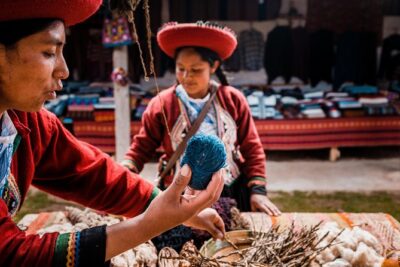
The cultural visit that follows is just as important. At a women-led weaving cooperative, you learn how natural dyes are made and how traditional backstrap looms produce Andean textiles. This gives meaning to the colorful goods you see in markets and helps you understand the skill behind them.
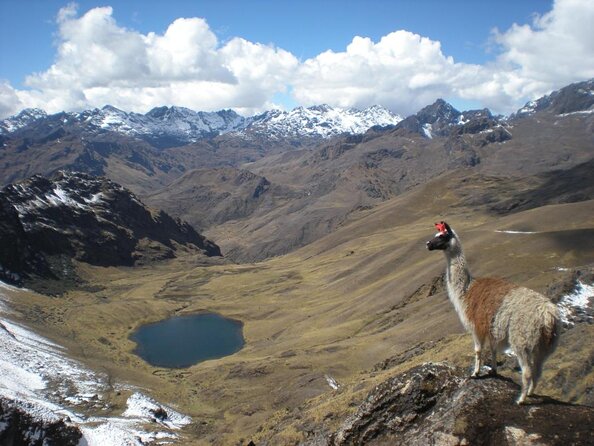
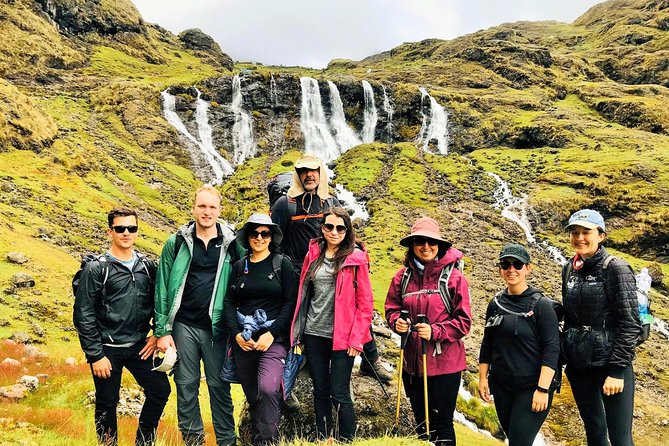
The walking portion begins around Kiswarani and nearby valleys. A freshly prepared meal comes before the hike, and the scenery shifts to open mountain country, with llamas and alpacas grazing near the route. You continue toward the Kiswarani waterfall, a large cascade in a remote setting.
The first campsite is at the Blue Lagoon, around 3,900 meters. You can expect a tent already prepared, tea, and a night beneath a clear highland sky. The comfort level is basic, but the support crew handles the heavy work. You should handle the altitude carefully and keep warm clothing close at hand rather than buried in your duffel.
Day 2: The climb to Condor Pass at 4,750 meters
Day two is the physical heart of the trek. You wake to coca tea or coffee brought to your tent, eat breakfast, and begin a steady uphill walk through valleys marked by turquoise lakes, alpacas, and Andean geese called wallatas.
The climb to Condor Pass reaches 4,750 meters. That height matters more than the distance alone. Even a fit person can feel the thin air, so the pace and support of the guide are important. The trip is rated for moderate physical fitness, but I would treat that description seriously. This is not a casual mountain walk.
At the pass, you get broad Andean views and a genuine sense of achievement. Your guide leads a traditional offering to the Apus, the sacred mountain spirits, followed by coca tea at the summit. The ritual adds cultural meaning to the climb without turning it into a performance for a camera.
After the pass, you descend for about two hours to Acopata, where lunch is ready. The downhill section is easier on your breathing but can be tiring on knees and legs. The route continues through dramatic valleys before reaching Canchacancha at around 3,750 meters.
That evening, you camp near local homes. You may have time to meet villagers, practice a few Quechua words, play soccer with children, or simply sit outside as the sun drops behind the mountains. This is the part of the trip that separates Lares from a standard scenic hike. The community visit is not an extra decoration. It is one of the main reasons to choose this route.
Day 3: Community life, farms, Maras, and Ollantaytambo
The third morning starts with breakfast and views across the Andes. You can visit local homes and the community school. Donations of notebooks, pens, or toys are welcome, but you should bring only practical items and follow your guide’s advice about how to offer them respectfully.
The walk is gentler than the day before. You descend for about four hours through changing farm country. High fields of potatoes and beans give way to corn and avocado as you approach the Sacred Valley at Huaran, around 2,700 meters.
This change in crops makes the descent feel like a journey through several climate zones. It also shows why the Sacred Valley has long supported dense farming communities. A picnic lunch is served in Huaran, followed by farewells to the muleteers and cook who supported the mountain portion.
Private transport takes you to the Salineras of Maras. Thousands of salt pools cling to the mountainside, with families harvesting salt through a system that reaches back to Inca times. The pools are photogenic, but the visit is not just about pictures. It is a working example of how old production systems still have a place in modern Peru.
Later, you explore Ollantaytambo, often called the Last Living Inca Town. Its stone streets, water channels, and traditional layout make it one of the most rewarding towns in the Sacred Valley. You also have dinner at a restaurant before taking the evening train to Aguas Calientes.
This is a full day. The combination of walking, driving, Maras, and Ollantaytambo gives you a lot to see, but it leaves little room for lingering. If you prefer slow travel, you may find the schedule packed. If you want the most from four days, the variety is a major advantage.
In Aguas Calientes, you check into a cozy 3-star hotel. After two nights at altitude, a proper bed and a private base before Machu Picchu are welcome luxuries.
More hikes and treks in Cusco:
- Salkantay Classic Trek 5 Days from Cusco
★ 5.0 · 4,062 reviews - 4-Day Salkantay Trek with Sky Camp Stay
★ 5.0 · 3,346 reviews - Salkantay Trek 5D/4N with Glass Cabins, Domes and Hobbit House
★ 5.0 · 2,488 reviews - 2-Day Inca Trail to Machu Picchu with Panoramic Train
★ 5.0 · 1,876 reviews
Day 4: Sunrise at Machu Picchu and the Vistadome return
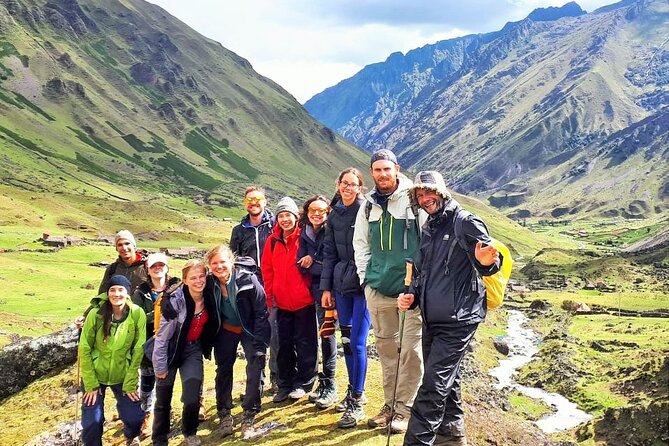
You begin with breakfast at the hotel, then take the bus up to Machu Picchu. The plan is to arrive around sunrise, when mist can lift from the citadel and the early light reaches the terraces.
Your guide leads a two to three-hour visit through temples, ceremonial spaces, terraces, and other parts of the Inca city. This guided time helps you read the site rather than simply walk from viewpoint to viewpoint. You learn about Inca engineering, daily life, and the purpose of the major structures.
The standard visit includes the classic viewpoints. Optional tickets for Huayna Picchu or Machu Picchu Mountain are not included and must be booked ahead. Ask about them before you finalize your plans, because they are not a last-minute add-on at the gate.
After the site visit, you return to Aguas Calientes for free time and lunch at your own expense. The afternoon train is the Vistadome, with large windows designed for viewing the Andes along the route to Ollantaytambo. From there, a private transfer takes you back to Cusco in the evening.
The return by panoramic train is a pleasant final touch. After several days of walking and camping, you can sit back and watch the scenery pass without carrying a pack or thinking about the next climb.
The guides, cooks, and muleteers make the difference
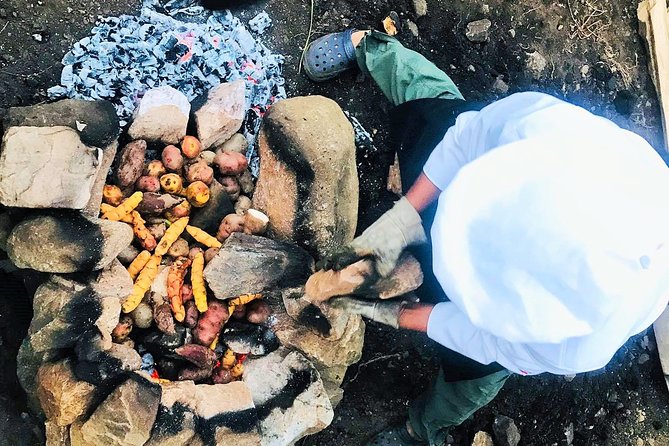
The strongest praise for this trip focuses on the people who run it. Filio is described as warm, funny, fluent in English, and deeply familiar with the mountains and Inca culture. David has been praised for explaining local history and traditions, taking photographs, teaching a kintu offering, and showing how to play a pututu.
Tairo is also praised for making Inca culture easy to understand. Nilton is noted for clear instructions and helping the group work together. Neil has been associated with a small group, a thoughtful program, and efforts to provide food and toys to a local family.
The food deserves special attention. Cooks including Ramon, Beto, Feliz, Salvador, and Julio have received strong praise for preparing generous Peruvian meals in difficult mountain conditions. The portions may even feel too large at altitude, when digestion can be slow, but that is a better problem than going hungry after a long climb.
Muleteers such as Jaime, Torivio, and Jerónimo help move the tents, food, and heavy supplies. You carry only your day essentials and use the personal duffel for up to 7 kilograms. That support makes the route more manageable, though it does not remove the need to walk uphill at high altitude.
What to pack for two cold nights
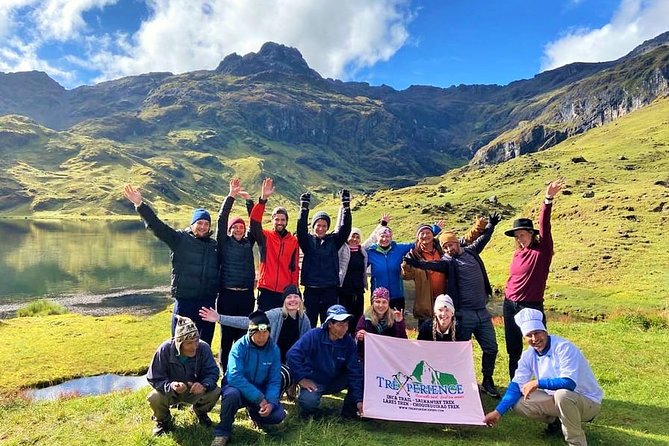
The most useful packing advice is simple: bring warm clothing. The camps are at about 3,900 and 3,750 meters, and nights can be cold even if Cusco feels mild.
A sleeping bag, mattress, and trekking poles are optional extras, not part of the listed inclusions. Ask the operator for guidance if you are unsure what to bring. You should also keep rain protection, sun protection, water, and warm layers accessible during the walk, though the exact equipment list should come from TreXperience before departure.
The company provides safety briefing, luggage storage in Cusco, meals, camp support, and a personal duffel. Tell the operator about dietary needs when booking. Vegetarian meals are available if requested in advance.
Who should book this $698 trek?
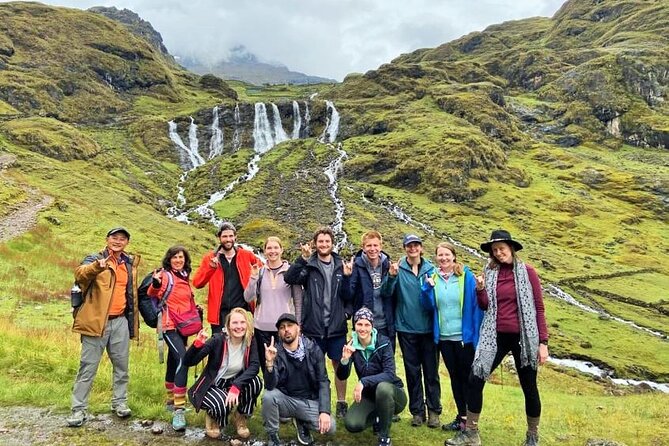
I would choose this trip if you want Machu Picchu combined with local culture and mountain walking, and if you prefer a smaller group over a busy classic trail. It suits people who can handle long walking days, steep uphill sections, cold camps, and altitude.
It is also a strong fit for families with older children, young adults, and friends who want a shared challenge. Children must be accompanied by an adult, and every participant needs a current passport. The maximum group size is 16, so the experience should feel more personal than a large coach excursion.
I would hesitate if your main goal is comfort, short walks, or a relaxed schedule. The 4:30 am pickup, high camps, 4,750-meter pass, and full third day demand energy. You should also remember that the booking is non-refundable and cannot be changed for personal reasons. Poor weather or failure to meet the minimum group size can lead to a new date or a full refund, but personal cancellation is not covered.
Should you book the Lares Trek?
Book it if you want the road to Machu Picchu to be part of the reward. The route gives you high lakes, alpacas, weaving, village visits, salt pools, Ollantaytambo, and a meaningful community connection before the final citadel visit.
The best reasons to go are the cultural contact, the excellent trail food, the small-group support, and the contrast between rugged camping and the Vistadome train. Skip it if you are not ready for serious altitude or if you need flexible cancellation terms.
For the price, this is a well-rounded four-day adventure. Pack warm clothes, prepare for Condor Pass, request a guide such as Filio if available, and leave room in your schedule to appreciate the people who make the trek work.
FAQ
How long is the Lares Trek to Machu Picchu?
The experience lasts approximately four days, beginning with an early pickup and ending with an evening arrival in Cusco.
What time does the tour start?
Pickup begins at about 4:30 am from Cusco or the Sacred Valley near Pisac.
How high does the trek go?
The route reaches Condor Pass at 4,750 meters, the highest point of the journey.
How many nights do I camp?
You spend two nights at campsites and one night in a 3-star hotel in Aguas Calientes.
Is Machu Picchu entrance included?
Yes. Entrance to Machu Picchu is included, along with the round-trip bus between Aguas Calientes and the citadel.
Is Huayna Picchu or Machu Picchu Mountain included?
No. Tickets for Huayna Picchu and Machu Picchu Mountain are optional and must be booked ahead of time.
Is the Vistadome train included?
Yes. The return Vistadome train from Aguas Calientes to Ollantaytambo is included, followed by private transport to Cusco.
What meals are included?
The package includes four breakfasts, three lunches, and three dinners. Vegetarian food is available if requested in advance.
What is the maximum group size?
The group can include up to 16 people.
Can the booking be canceled for a refund?
The experience is non-refundable and cannot be changed for personal reasons. If poor weather cancels the trip, or the minimum group size is not reached, you are offered another date or experience, or a full refund.
Just added in Cusco
- Cusco Private Transportation for 2026★ 5.0 · 4 reviews
- Private Transfer from Airport to Hotel in the City of Cusco★ 4.0 · 5 reviews
- Best Cusco walking tour: dinner street food tasting★ 4.5 · 11 reviews
- Private Tour to Pisac Market and Pisac Ruins★ 5.0 · 4 reviews
- Machu Picchu Day Trip With Panoramic Train from Cusco★ 5.0 · 10 reviews
- Sacred Valley Private Tour from Cusco, Guide and Driver only★ 5.0 · 4 reviews
- Sacred Valley of the Incas Tour★ 5.0 · 12 reviews
- Private Tour of the Mountain of Colours by Quad★ 5.0 · 7 reviews
Machu Picchu Tours, compared.
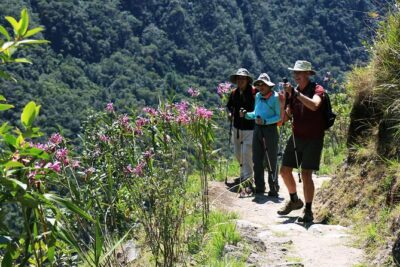
Classic Inca Trail Trek 4D/3N to Machu Picchu (Group Service)
Read our review →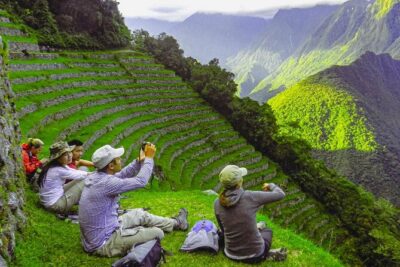
2-Day Inca Trail to Machu Picchu with Panoramic Train
Read our review →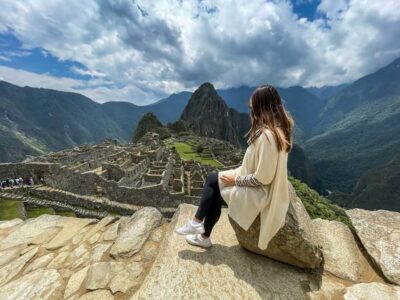
From Cusco: Full-Day Group Tour of Machu Picchu
Read our review →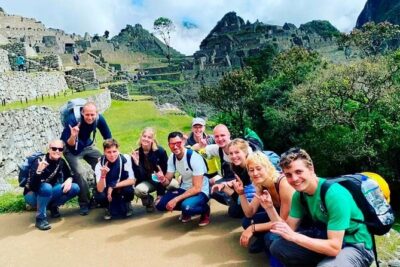
2-Day Tour: Sacred Valley and Machu Picchu by Train
Read our review →
Machu Picchu: Full-Day Tour from Cusco with Optional Lunch
Read our review →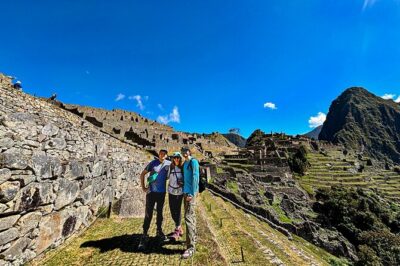
Machu Picchu Full Day from Cusco by Panoramic Train
Read our review →Browse the lists this tour appears in