
Reviewed · MACHU PICCHU TOURS
Lares Trek to Machu Picchu 4 Days
Go beyond the usual Machu Picchu route. This four-day Lares Trek combines remote Andean villages, high mountain passes, turquoise lagoons, hot springs, salt pools, and a guided visit to Machu Picchu. I especially like the time spent with a local family in Cancha Cancha and the support of muleteers, horses, and a cook, which lets you focus on the trail rather than hauling every item yourself.
The scenery is the other major strength. You get a serious mountain day at 4,500 meters, followed by a soothing stop at Lares Hot Springs and visits to Maras and Ollantaytambo. The main caution is simple: this is a demanding trek, and the early starts, high altitude, camping, and long second day are not minor details.
The tour costs $750 per person and has a maximum group size of 15. That price includes transport, a round-trip tourist train, Machu Picchu admission, meals, camping support, and a guide at the citadel. With a 4.9 rating from 68 reviews and a 97 percent recommendation rate, the strongest praise centers on the scenery, careful organization, friendly staff, and personal attention.
In This Review
- Key points to know before you book
- Why the Lares route feels different
- Day 1: Huaran to Cancha Cancha at 3,900 meters
- Day 2: Pachacutec Pass and the long descent to Quiswarani
- Day 3: Lares Hot Springs, Maras, and Ollantaytambo
- Day 4: Machu Picchu before the crowds build
- What the $750 price covers
- How the organization affects the experience
- Who should book this trek?
- Practical matters before you commit
- Should you book the Lares Trek?
- FAQ
- How long is the Lares Trek to Machu Picchu?
- Where does the tour begin?
- How difficult is the trek?
- What is the highest point on the route?
- How much personal luggage can the mules carry?
- Are meals included?
- Are train tickets included?
- Is the Machu Picchu entrance fee included?
- What camping equipment costs extra?
Key points to know before you book
- A 4,500-meter mountain pass: Day 2 is the physical test, with about seven hours of hiking to Pachacutec Pass.
- A rare village stay: Cancha Cancha offers time with a local family, weaving traditions, Quechua culture, and Andean astronomy.
- Support on the trail: Muleteers and horses carry general equipment and up to 7 kilograms of your belongings.
- More than a trek: Lares Hot Springs, Maras salt pools, Ollantaytambo, and Machu Picchu fill out the route.
- A useful package price: Meals, camping staff, transport, train tickets, and Machu Picchu entry are included.
- A strict physical requirement: You should have a strong fitness level and be ready for altitude, cold nights, and long walking days.
Why the Lares route feels different
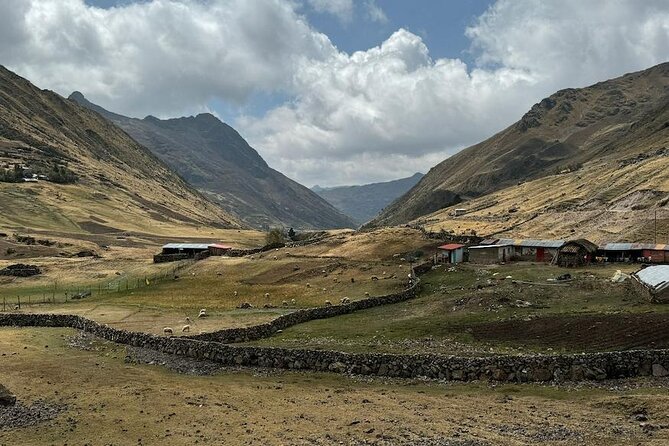
The Lares Trek is a good choice if you want Machu Picchu with more time in living Andean communities. The route passes through places where Quechua remains part of daily life, and traditional clothing is still worn. This gives the trip a human scale that can be missing from a route focused only on famous ruins.
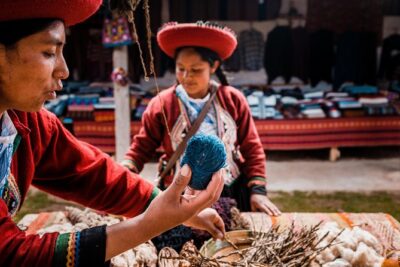
I like that the first overnight stop is not treated as a simple campsite. In Cancha Cancha, you spend an afternoon with a local family and learn about customs, weaving, and everyday life. After dark, the guide explains Inca constellations and how the stars relate to planting and harvesting. That is a small but meaningful touch, especially if you want cultural context rather than a string of scenic photo stops.
The route is also less saturated than Peru’s best-known trekking paths, according to the tour description and the strong praise for its quieter feel. You still get dramatic peaks and high-altitude scenery, but the focus is on remote settlements, lagoons, alpacas, and the trail itself.
There is a tradeoff. A quieter route usually means fewer comforts. You camp for two nights, rise early, and face a long day at altitude. If your main goal is an easy visit to Machu Picchu, this is not the right format. If you want the journey to matter as much as the destination, it makes more sense.
More Machu Picchu trips:
- Classic Inca Trail Trek 4D/3N to Machu Picchu (Group Service)
★ 5.0 · 8,653 reviews - Machu Picchu: 4-Day Inca Trail Trek with Panoramic Train Ride
★ 5.0 · 4,568 reviews - Short Inca Trail to Machu Picchu 2D/1N
★ 5.0 · 3,007 reviews
Day 1: Huaran to Cancha Cancha at 3,900 meters
The day begins very early. The listed meeting time is 4:00 a.m., while the departure from Cusco is described as 5:00 a.m. Confirm the exact pickup time when you book, because an hour matters when you are preparing for a full trekking day.
From Cusco, transport takes you to Huaran. There, you have breakfast and meet the muleteers and horses who support the group during the hike. This setup is valuable: you carry your daypack, while the animals handle general equipment and up to 7 kilograms of your personal belongings.
The first hike lasts about three hours and climbs gradually toward Cancha Cancha at 3,900 meters. That gradual start is welcome, since the altitude is already serious even before the most difficult day. A riverside lunch prepared by the trekking cook breaks up the walk and gives you time to rest before reaching camp.
Cancha Cancha is the day’s special stop. The village is described as one of the more remote and authentic communities in the region, and the afternoon visit with a local family adds substance to the scenery. You can learn about weaving and local customs instead of simply passing through with a camera.
The evening brings a useful cultural lesson about Inca constellations. These star patterns are connected to agricultural cycles, including planting and harvest times. It is the kind of detail that helps you understand how the mountains are part of a working culture, not just a backdrop.
The first day is not the hardest, but you should not treat it as a warm-up in the casual sense. You are starting early, gaining altitude, and sleeping at 3,900 meters. Keep your evening quiet, drink water, and organize your layers before bed.
Day 2: Pachacutec Pass and the long descent to Quiswarani
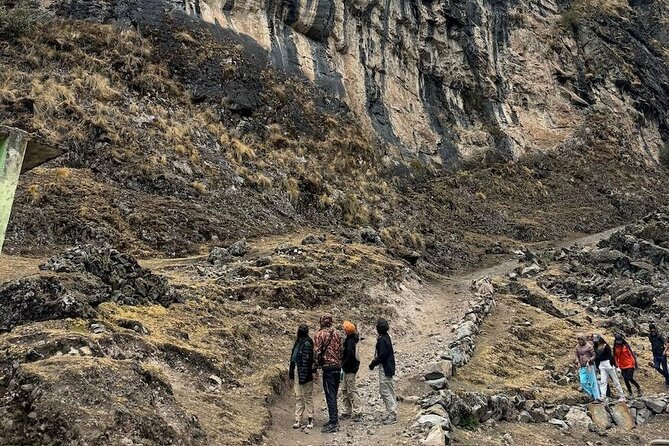
Day 2 is the heart of the trek and the point where your fitness matters most. You wake to Andean tea or coffee, then set out for roughly seven hours of hiking toward Pachacutec Pass at 4,500 meters, or 14,763 feet.
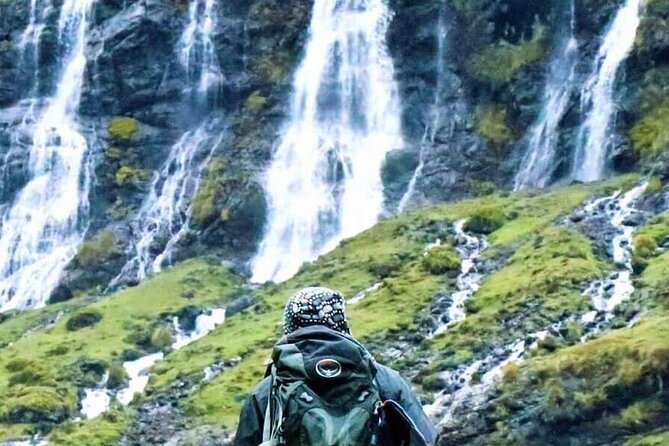
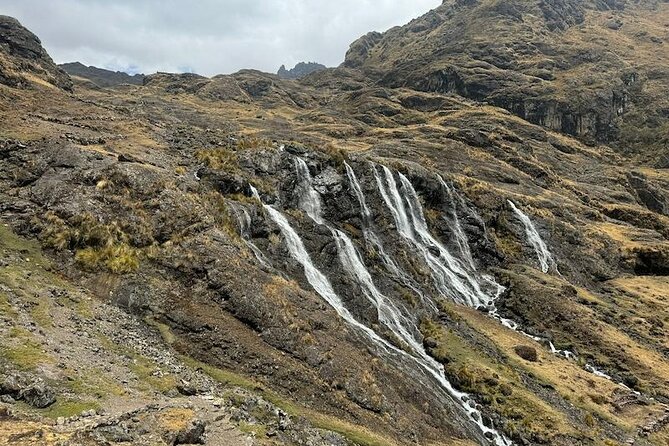
The climb brings the biggest views of the trip. The route includes turquoise lagoons, glaciers, broad mountain scenery, and herds of alpacas. These are not quick roadside sights. You reach them on foot, after working for the height, so the views feel earned.
The pass is also the most important warning in the itinerary. At 4,500 meters, breathing and walking can become difficult even for fit people. The tour requires a strong physical fitness level, and that requirement should be taken literally. You need to be comfortable with sustained uphill walking and a full day outdoors at high altitude.
The descent leads along remote trails toward Quiswarani, a community at about 3,700 meters. The downhill section may feel easier at first, but tired legs and uneven ground can make it demanding. Good footwear matters, and trekking poles may be useful. Professional poles are available for an additional $15 if you do not bring your own.
This is also the day when the cultural side of the route becomes especially clear. The itinerary highlights local people who speak Quechua and continue to wear traditional clothing. The guide serves as a cultural interpreter, helping you understand the living traditions around you without reducing them to a staged performance.
You spend the night at a campsite in Quiswarani. After seven hours on the trail, the attraction is not luxury. It is the chance to eat, rest, and sleep close to the communities and scenery that make this route different.
Day 3: Lares Hot Springs, Maras, and Ollantaytambo
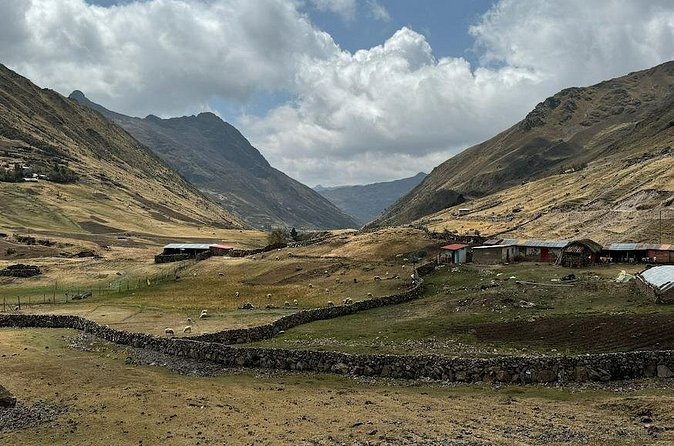
Day 3 changes the pace. After breakfast, you say goodbye to the camping team and travel by private transport to Lares Hot Springs. You have around two hours to relax in natural pools while looking toward the Andes.
This stop is well placed. After the pass and long descent, warm water gives your body a break before the sightseeing portion of the day. It is also a reminder that the Lares area is not only a hiking corridor. Its hot springs are part of what gives the route a broader sense of place.
The journey continues to Urubamba in the Sacred Valley, where lunch is served as an Andean buffet. The meal is included, along with breakfast and lunch on the other trekking days. Fresh local ingredients and regional dishes are part of the plan, although the exact menu is not specified.
In the afternoon, you visit the salt mines of Maras. More than 3,000 pre-Inca salt pools spread across the mountainside, and salt is still harvested there using traditional methods. This is one of the most unusual sights on the trip. The pools form a striking pattern, but their importance is practical as well as visual. You are seeing an old production system that remains in use.
The final stop is Ollantaytambo, an Inca town with cobbled streets and historic buildings. You have free time to explore before dinner at a local restaurant. This is a welcome chance to set your own pace after two structured hiking days.
Later, you board the train to Aguas Calientes. The tour includes round-trip tourist-class train tickets, with the return listed as an Expedition train. A Vistadome upgrade on the return costs an additional $65 per person. The train is not merely a transfer. It is the link between the Sacred Valley and the Machu Picchu area, and it saves you from extending the trek into another long walking day.
Day 3 is listed as about seven hours, but much of that time includes transport, bathing, sightseeing, dinner, and the train. You should expect a full day, not seven hours of hiking.
More hikes and treks in Cusco:
- Salkantay Classic Trek 5 Days from Cusco
★ 5.0 · 4,062 reviews - 4-Day Salkantay Trek with Sky Camp Stay
★ 5.0 · 3,346 reviews - Salkantay Trek 5D/4N with Glass Cabins, Domes and Hobbit House
★ 5.0 · 2,488 reviews - 2-Day Inca Trail to Machu Picchu with Panoramic Train
★ 5.0 · 1,876 reviews
Day 4: Machu Picchu before the crowds build
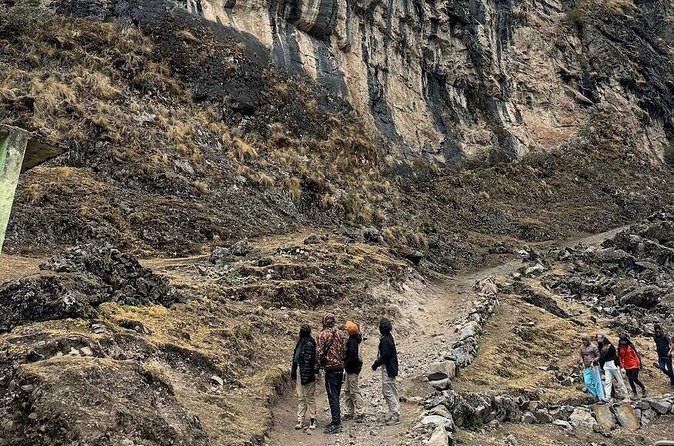
The final morning starts early again. From Aguas Calientes, you take one of the first buses up to Machu Picchu with the goal of seeing the citadel at sunrise.
Sunrise conditions depend on weather, so treat the early start as a chance rather than a promise. Clouds and mountain light can change quickly. Even without a clear sunrise, arriving early gives the visit a quieter beginning than a late-morning arrival may provide.
Inside Machu Picchu, a guide leads about two hours of exploration through the agricultural, residential, and religious areas. You learn about the site’s architecture, spiritual role, and historical setting. This guided time is important because the ruins can otherwise become a beautiful but confusing collection of walls and terraces.
After the tour, you return to Aguas Calientes. You have free time for lunch, shopping, the local museum, or the hot springs. The tour does not specify admission for these optional activities, so plan to cover those costs yourself if you choose them.
In the afternoon, you take the Expedition train back to Ollantaytambo, then continue to Cusco by private transfer. The day is listed as approximately seven hours, but the early start and return journey can make it feel longer. Avoid planning an important evening commitment in Cusco if you can.
What the $750 price covers
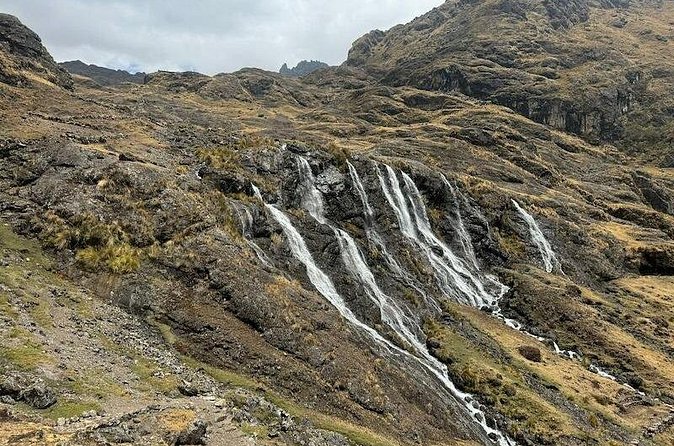
At $750 per person, this is not a bare-bones hike. The package includes:
- Tourist transport
- Round-trip tourist train tickets
- Entrance to Machu Picchu
- A guided Machu Picchu visit
- A professional cook and full kitchen equipment
- Muleteers, horses, and mules
- Up to 7 kilograms of personal belongings carried
- Four breakfasts
- Three lunches
- Three dinners
- A first aid kit with emergency oxygen
That list gives the price real value. You are paying for a trekking team, meals, transport, camping support, Machu Picchu admission, and the train connection. Booking each piece separately could be awkward, especially when you also need to coordinate mountain transport and the return to Cusco.
Several useful extras cost more. A sleeping bag is $15, an inflatable mattress is $20, a personal tent is $30, and professional trekking poles are $15. Huayna Picchu costs $70, and the Vistadome return train upgrade costs $65.
The included 7-kilogram porter allowance is helpful, but it is not permission to bring a large suitcase. Pack carefully and keep your essentials in your daypack, including water, sun protection, rain protection, warm layers, medication, and documents.
How the organization affects the experience
The most repeated praise is for organization and staff attention. The available rating is 4.9 from 68 reviews, with 97 percent recommending the experience. Specific praise focuses on attentive guides, helpful support, friendly service, and coordination that makes people feel safe and comfortable.
That matters more on a high-altitude trek than it does on a standard city tour. A good guide can help with pacing, explain cultural details, and respond when someone is struggling. The emergency kit and oxygen tank add a basic safety resource, though they do not remove the need to prepare properly for altitude.
The group maximum is 15 people. That is small enough to keep the walk more personal, while still large enough that the group may have different walking speeds. The muleteers and cook are part of the experience too, not invisible logistics. Their work allows the group to camp and eat without carrying the entire operation on its back.
No guide names are provided, so you cannot select the trip based on a particular guide. The consistent emphasis is on attentive service rather than a named individual.
Who should book this trek?
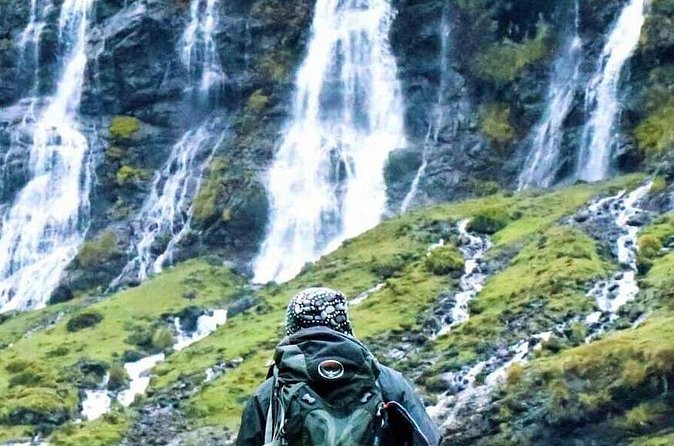
I would recommend this route to you if you:
- Want a multi-day hike rather than a quick Machu Picchu visit
- Care about Quechua culture and rural communities
- Enjoy high mountain scenery, lagoons, glaciers, and alpacas
- Can manage seven hours of hiking at high altitude
- Are comfortable camping for two nights
- Like having meals, horses, transport, and train tickets arranged
- Want a route that feels less saturated than the most famous trekking options
I would think twice if you:
- Have limited hiking fitness
- Are uncomfortable at 4,500 meters
- Need a soft bed every night
- Dislike early starts
- Want plenty of free time in Cusco or the Sacred Valley
- Prefer to control every part of your transport and sightseeing
The route is also a good fit for couples and small groups of friends who want a shared challenge. The available praise includes strong approval from couples and groups who valued the friendly staff and smooth coordination.
Practical matters before you commit
The experience is non-refundable and cannot be changed after booking. If you cancel or request an amendment, the money paid is not returned. The exception is poor weather: if the operator cancels for that reason, you are offered another date or a full refund.
The tour requires good weather, which is sensible for high mountain trails and sunrise plans. You should also clarify the exact meeting time, since the information gives both 4:00 a.m. and a 5:00 a.m. departure from Cusco.
Pack for changing conditions. You need equipment for cold camping nights, strong sun, possible rain, and long walking days. A sleeping bag and inflatable mattress are not included, but both can be rented for the listed fees. If you already own suitable gear, bringing it may save money.
Machu Picchu entry is included, but Huayna Picchu is not. If climbing Huayna Picchu is a priority, add the $70 fee and confirm availability before you rely on that plan.
Should you book the Lares Trek?
Book it if you want the journey to Machu Picchu to be the main event, not just the final stop. The Lares Trek gives you hard hiking, remote communities, traditional culture, high lagoons, hot springs, Maras, Ollantaytambo, and a guided citadel visit in one organized package.
The price is fair for what is included, especially with the cook, mule support, meals, train tickets, and return transport. The real question is fitness, not value. If you can handle the altitude, early mornings, and seven-hour mountain day, this offers a memorable and culturally focused route. If not, choose a shorter Machu Picchu plan and save your legs for exploring the ruins.
FAQ
How long is the Lares Trek to Machu Picchu?
The experience lasts four days, including the trek, Sacred Valley sightseeing, train travel, and a guided visit to Machu Picchu.
Where does the tour begin?
The tour begins in Cusco, with a listed meeting time of 4:00 a.m. The departure from Cusco is described as 5:00 a.m., so confirm the exact pickup time when booking.
How difficult is the trek?
You should have a strong physical fitness level. Day 2 includes about seven hours of hiking and reaches Pachacutec Pass at 4,500 meters, or 14,763 feet.
What is the highest point on the route?
The highest point is Pachacutec Pass at 4,500 meters, or 14,763 feet above sea level.
How much personal luggage can the mules carry?
The muleteers and mules carry general equipment and up to 7 kilograms of your personal belongings.
Are meals included?
Yes. The package includes four breakfasts, three lunches, and three dinners. A professional cook and full kitchen equipment are also included.
Are train tickets included?
Yes. Round-trip tourist train tickets are included. The return journey is listed on the Expedition train, and a Vistadome upgrade for the return costs $65 per person.
Is the Machu Picchu entrance fee included?
Yes. Entrance to Machu Picchu and a guided visit are included. Huayna Picchu is an optional extra costing $70 per person.
What camping equipment costs extra?
A sleeping bag costs $15, an inflatable mattress costs $20, professional trekking poles cost $15, and a personal tent costs $30 per person.
Just added in Cusco
- Cusco Private Transportation for 2026★ 5.0 · 4 reviews
- Private Transfer from Airport to Hotel in the City of Cusco★ 4.0 · 5 reviews
- Best Cusco walking tour: dinner street food tasting★ 4.5 · 11 reviews
- Private Tour to Pisac Market and Pisac Ruins★ 5.0 · 4 reviews
- Machu Picchu Day Trip With Panoramic Train from Cusco★ 5.0 · 10 reviews
- Sacred Valley Private Tour from Cusco, Guide and Driver only★ 5.0 · 4 reviews
- Sacred Valley of the Incas Tour★ 5.0 · 12 reviews
- Private Tour of the Mountain of Colours by Quad★ 5.0 · 7 reviews
Machu Picchu Tours, compared.
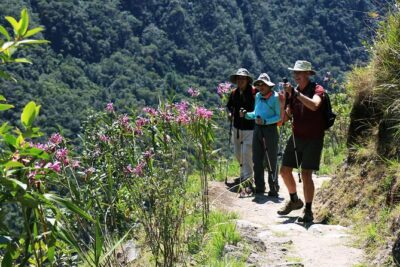
Classic Inca Trail Trek 4D/3N to Machu Picchu (Group Service)
Read our review →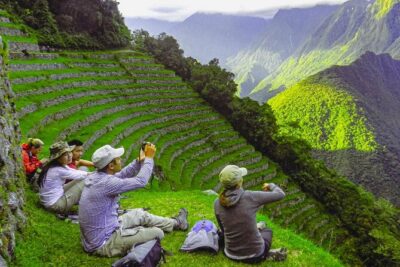
2-Day Inca Trail to Machu Picchu with Panoramic Train
Read our review →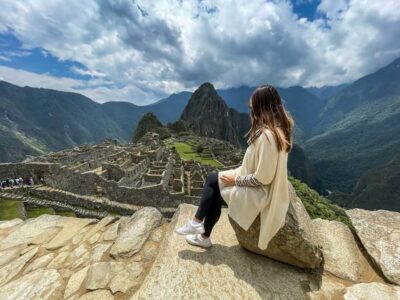
From Cusco: Full-Day Group Tour of Machu Picchu
Read our review →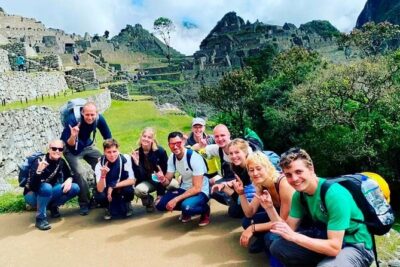
2-Day Tour: Sacred Valley and Machu Picchu by Train
Read our review →
Machu Picchu: Full-Day Tour from Cusco with Optional Lunch
Read our review →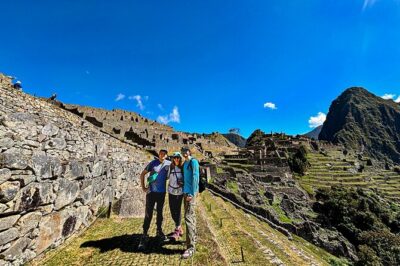
Machu Picchu Full Day from Cusco by Panoramic Train
Read our review →Browse the lists this tour appears in