
Reviewed · MACHU PICCHU TOURS
Lares Trek To Machupicchu With Thermal Baths 4Days
High passes, quiet trails, warm baths. This four-day route gives you a less crowded way to reach Machu Picchu, with two nights of camping, local Quechua communities, and a welcome soak in the Lares thermal baths. I especially like the small-group feel, with no more than 16 people, and the generous support team of guides, cooks, porters, and llamas.
I also like the food and cultural contact. The route visits Cancha Cancha and Quishuarani, includes time with local families, and ends with a comfortable hotel night in Aguas Calientes. The main caution is the altitude: you climb to 15,420 feet on day two, so this is not a casual walk. The $600 price is strong value if you need transport, meals, camping gear, train travel, and Machu Picchu buses arranged in one package.
In This Review
- Key points to know before booking
- What the $600 price really covers
- Day one: From the Sacred Valley to Cancha Cancha
- Day two: Pachacutec Pass is the serious test
- Day three: A final pass, then the Lares hot springs
- Day four: Machu Picchu without a rushed finish
- Food, camping, and the human side of the trek
- How hard is the Lares Trek?
- The quieter alternative to a standard Machu Picchu route
- Practical details before you commit
- Should you book this four-day Lares Trek?
- FAQ
- Where does the Lares Trek to Machu Picchu begin?
- How long does the tour last?
- What is the highest point of the trek?
- How difficult is the trek?
- How many nights are spent camping?
- Is camping equipment included?
- Are meals included?
- Are the Lares thermal baths included?
- Is Huayna Picchu included in the price?
- What is the maximum group size?
- Is the train to Cusco included?
Key points to know before booking
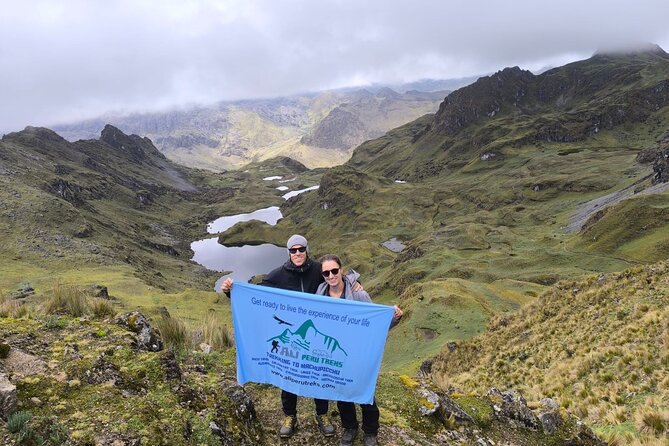
- Pachacutec Pass reaches 15,420 feet: This is the physical high point of the trip and the day most likely to test your fitness.
- Two nights are spent in mountain camps: You sleep at Cancha Cancha and Quishuarani, with tents, meals, porters, and llamas supporting the route.
- The Lares hot springs come after the hardest walking: On day three, the thermal baths give your legs a useful break before the transfer to Ollantaytambo.
- The route includes real community contact: You visit a local school and meet families connected to high-Andean farming traditions.
- Machu Picchu comes on day four: You get a two-hour guided visit, free time, bus transport, and a return train toward Ollantaytambo.
- Huayna Picchu costs extra: The climb takes about 45 minutes up and 45 minutes down, and its ticket is not included.
What the $600 price really covers
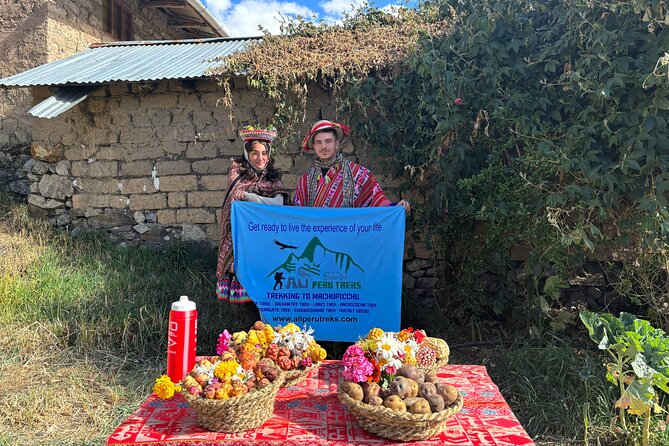
At $600 per person, this is more than a walking route. You are paying for a complete four-day connection between Cusco and Machu Picchu, including mountain support and transport at the far end.
The package includes hotel pickup, professional mountain guides, cooks, porters, llamas for luggage, camping equipment, meals during the trek, the thermal-bath entrance, Machu Picchu bus tickets, one hotel night in Aguas Calientes, and the return train. It also includes dinner in Ollantaytambo and transportation back to Cusco after the train journey.
That list matters. Organizing the same pieces yourself would mean arranging a mountain crew, food, camps, rail tickets, buses, and hotel rooms separately. Here, the horseman or porter team moves the main luggage while you carry a smaller day pack. That makes the high passes more manageable.
You still need to budget for a sleeping bag, air mattress, and trekking poles if you do not bring your own. These can be rented through the company. Lunch on the final day and a Huayna Picchu ticket are also extra.
The price looks particularly fair for anyone who values support in remote country. It is less attractive if you already have camping equipment, prefer independent travel, or want to cut out the hotel and rail arrangements. The convenience is the point.
More Machu Picchu trips:
- Classic Inca Trail Trek 4D/3N to Machu Picchu (Group Service)
★ 5.0 · 8,653 reviews - Machu Picchu: 4-Day Inca Trail Trek with Panoramic Train Ride
★ 5.0 · 4,568 reviews - Short Inca Trail to Machu Picchu 2D/1N
★ 5.0 · 3,007 reviews
Day one: From the Sacred Valley to Cancha Cancha
The morning begins early. The stated meeting time is 5:00 a.m., while the pickup description says 6:00 a.m. from hotels in Cusco, Urubamba, or Pisac. Confirm your exact pickup time at the required 6:00 p.m. briefing the day before, since the difference matters when you are trying to sleep before a long day.
The drive takes about two hours through the Sacred Valley to Huaran, at roughly 9,514 feet. A chef serves breakfast there before the walking begins. Starting with a proper meal is sensible, since the first day combines several hours of hiking with a rise to 12,631 feet.
From Huaran, you walk for about three hours through cloud forest. The ascent is described as gentle, and the forest provides the best chance for bird watching on the trek. The vegetation changes as you climb, giving the first day a useful sense of the Andes rising around you.
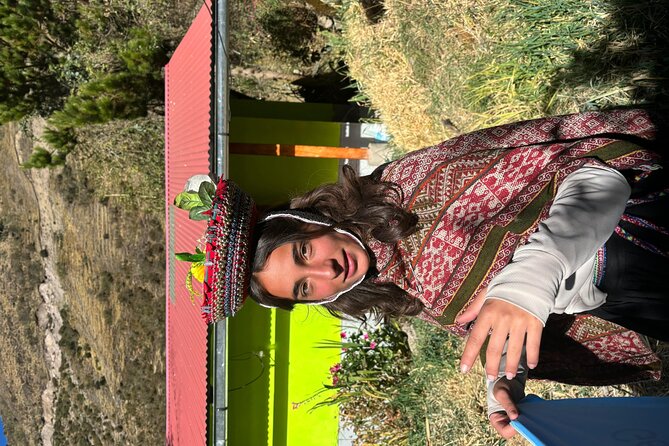
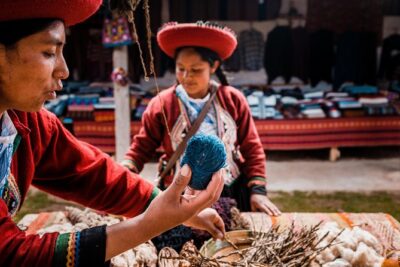
Lunch comes near the high-Andean community of Cancha Cancha. This is not just a rest stop. You visit the local school and hear about agricultural traditions that shape daily life in the area. The cultural element works because it is tied to the route itself, rather than added as a quick performance for visitors.
The afternoon brings another gradual two-hour climb. You pass the Ríos Waterfalls before reaching camp at Cancha Cancha. At 12,631 feet, this is high enough that cold evenings and thin air are part of the deal. Hot tea on arrival should be welcome, followed by dinner and an early night.
The total walking time is about six hours. I would treat day one as a settling-in day, not an easy warm-up. You are already sleeping at an altitude higher than many visitors have experienced.
Day two: Pachacutec Pass is the serious test
After breakfast at Accopata camp, you face the hardest climb of the trek. The ascent to Pachacutec Pass takes about three hours and reaches 15,420 feet.
At this height, pace matters more than pride. Walk slowly, drink often, and keep your warm layers accessible. The tour requires moderate physical fitness, but that phrase should not disguise the effort involved. A three-hour uphill push at this altitude can feel demanding even for regular hikers.
The reward is a broad view toward the snow-covered peaks of Pitusiray and Sahuasiray. At the summit, the guide performs a spiritual offering to the Apus, the sacred mountain powers of Andean tradition. This ceremony gives the high point of the route a cultural meaning beyond simply reaching a pass.
The descent takes about two hours to Qoyalayccocha Lagoon, at approximately 12,795 feet. Lunch is served beside the lagoon. The change in elevation should give your breathing some relief, though downhill walking can be hard on knees and thighs after the pass.
A final two-hour hike leads to Quishuarani camp, at 12,103 feet. The day totals around eight hours, making it the longest and most demanding day. You also visit a local family and learn about farming traditions. If the sky is clear, there may be time to look for Andean constellations after dinner.
This is the day that should guide your booking decision. If you want a scenic route but dislike long uphill walks at altitude, this trip may feel too tough. If you are prepared to walk slowly and accept a hard day in exchange for quiet mountain country, it is likely to be the highlight.
Day three: A final pass, then the Lares hot springs
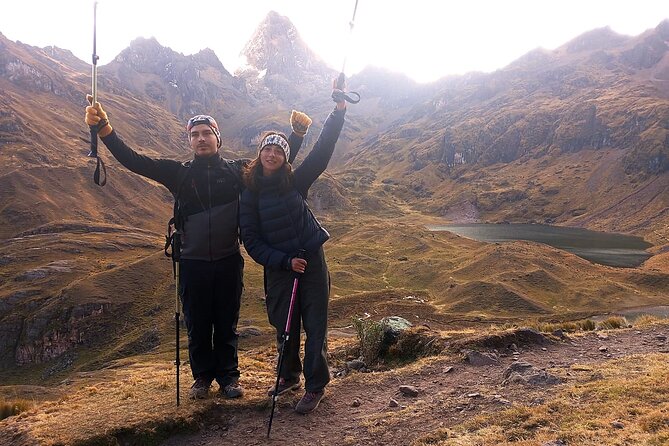
The third morning starts at Quishuarani with breakfast and a two-hour climb to Willcaccasa Pass, which reaches 14,399 feet. This is lower than Pachacutec Pass, but your legs have already worked hard for two days.
The summit offers views of the Andes and turquoise lagoons. Then comes a long descent, with a short stop in Cuncani at about 11,811 feet. You continue walking for roughly three hours toward the Lares thermal baths.
The timing is excellent. The baths arrive after the final major physical effort, not at the start of the trip when you might be tempted to linger too long. The medicinal thermal waters are intended for muscle recovery, and a warm soak can make a real difference after repeated climbs and descents.
After lunch, you say goodbye to the horsemen, chef, and porters. Their work is easy to underestimate. They help move luggage, prepare meals, and make it possible for you to focus on walking rather than logistics. Several named crew members receive especially warm praise for their care, including chef Valerio or Balero, horseman Segundo, and guides such as Ali, Alex, and Mesias. Team assignments can vary, but the pattern is clear: the people supporting the trek are a major part of the experience.
A private van then takes about three hours to Ollantaytambo, at 9,160 feet. You have dinner in this old Inca town before boarding the train to Aguas Calientes. The train ride shifts the mood quickly from remote trekking to the busy gateway below Machu Picchu.
In Aguas Calientes, you check into a three-star hotel. This is a welcome change after two nights in camp, and it gives you a bed, a shower, and a secure place to prepare for the early visit to Machu Picchu.
More hikes and treks in Cusco:
- Salkantay Classic Trek 5 Days from Cusco
★ 5.0 · 4,062 reviews - 4-Day Salkantay Trek with Sky Camp Stay
★ 5.0 · 3,346 reviews - Salkantay Trek 5D/4N with Glass Cabins, Domes and Hobbit House
★ 5.0 · 2,488 reviews - 2-Day Inca Trail to Machu Picchu with Panoramic Train
★ 5.0 · 1,876 reviews
Day four: Machu Picchu without a rushed finish
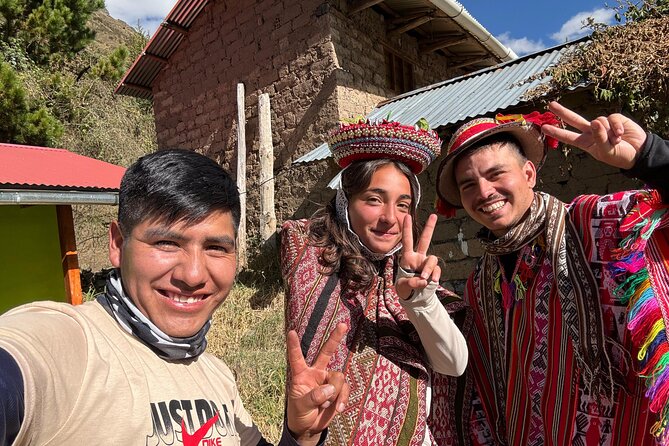
After breakfast at the hotel, you carry only what you need for the citadel. The hotel stores your larger luggage while you visit Machu Picchu, which keeps the morning simpler.
The bus from Aguas Calientes to the archaeological site takes about 25 minutes. Once inside, your guide leads a two-hour tour focused on Inca history and culture. That guided time is valuable because the ruins can otherwise become a collection of impressive stones without much context.
You also have time to explore independently. Keep an eye on the clock, since you are advised to return to Aguas Calientes no later than two hours before your train departure. The return train to Ollantaytambo takes about two hours, where staff meet you for the drive back to your Cusco hotel.
The description lists about three hours for the Machu Picchu portion, plus a separate 90-minute Huayna Picchu option. Huayna Picchu rises to 8,724 feet and sits beside the citadel, with a steep, narrow route that includes stairs cut into the rock. The climb takes about 45 minutes each way.
Huayna Picchu is not included in the $600 price. You need a separate ticket, and the route is not a gentle add-on. The information provided describes exposed, steep sections, so choose it only if you are comfortable with that kind of uphill path and have the required ticket.
Food, camping, and the human side of the trek
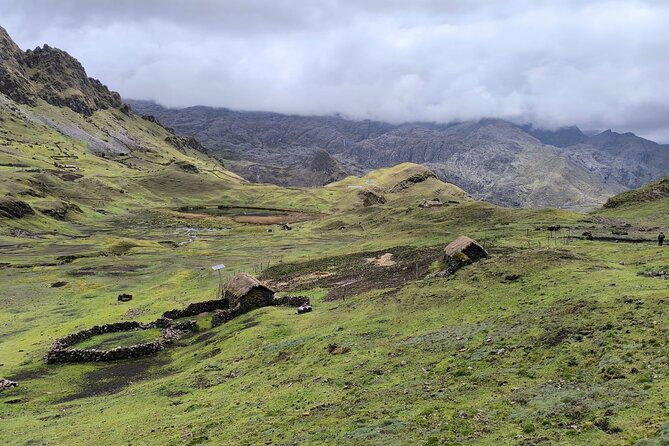
The food is one of the strongest parts of this trip. Meals use local natural ingredients, and the package includes four breakfasts, three lunches, and three dinners. The cooking receives repeated praise, including from a vegetarian who found plenty of satisfying choices.
That detail is useful. You should still state dietary needs before departure, but the kitchen appears comfortable adapting meals. One chef even prepared a special tea for a guest with an upset stomach on the second day. Small acts like that matter when you are tired, cold, and far from a shop.
The camping setup is described as comfortable, with two nights in the mountains. You receive support from chefs and porters, and llamas carry luggage. You will still need your own sleeping bag, air mattress, and trekking poles unless you rent them.
Do not expect a hotel-style mountain camp. The comfort comes from having the essentials handled, eating hot food, and not carrying all your equipment. Nights at 12,000 feet or higher can be cold, so pack warm layers even if Cusco feels mild.
The guide also makes a major difference. Ali is praised for explaining history clearly, using photographs to help with context, and helping with photographs at key points. Alex is described as warm and informative, while Mesias receives praise for guiding both the trek and Machu Picchu. These names suggest a company culture built around personal attention, though your assigned guide may be different.
How hard is the Lares Trek?
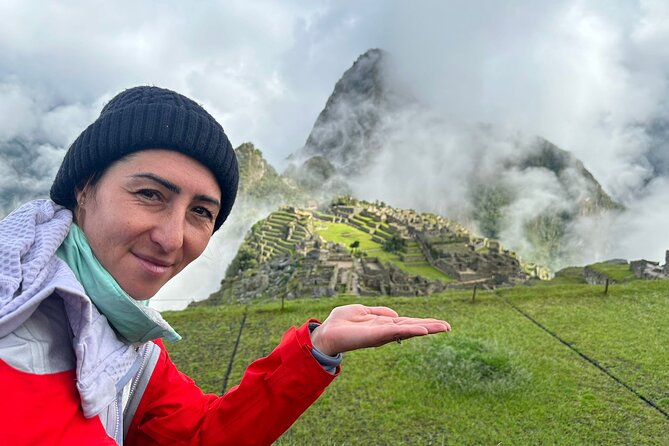
The route is classified as requiring moderate physical fitness, but the altitude makes it harder than the distance alone suggests. Day one takes around six hours, day two about eight hours, and day three about six hours before the hot springs and transfers.
The main challenge is not a single technical section. It is the repeated climbing, especially the ascent to Pachacutec Pass. You should be ready for long uphill sections, steep descents, cold camps, and early starts.
The route is a good fit if you enjoy mountain walking, want fewer people on the trail, and prefer a trip with cultural contact as well as scenery. It is less suitable if you want a relaxed holiday, dislike camping, or have not adjusted to high altitude.
The group cap of 16 helps. It is small enough for a guide to keep an eye on the group, while large enough to share the cost of the support crew. Still, ask about the pace and group makeup at the briefing so you know what to expect.
The quieter alternative to a standard Machu Picchu route
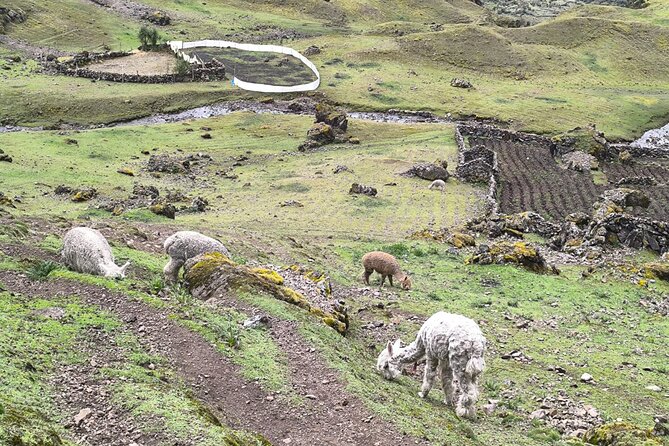
The Lares route appeals because it gives you a different approach to Machu Picchu. You spend time in cloud forest, high valleys, beside lagoons and waterfalls, and in communities connected to farming traditions.
The trail also appears quieter than the main routes. That matters if you want your mountain days to feel more personal and less like a procession. You trade some comfort and convenience for a stronger sense of place.
The route is not only about reaching Machu Picchu. You get three days of walking before the ruins, with the hot springs providing a physical reset and the Sacred Valley and Ollantaytambo adding historical depth to the journey.
Practical details before you commit
The tour begins and ends in Cusco, with pickup available from hotels in Cusco, Urubamba, or Pisac. The listed start time is 5:00 a.m., but the detailed pickup information says 6:00 a.m., so confirm your personal departure time during the safety briefing.
Bring a small day pack for valuables, water, warm clothing, and items you need during the day. Your main luggage is supported by llamas and the trek team, and your hotel in Aguas Calientes stores luggage during the Machu Picchu visit.
The experience accepts bookings with confirmation at the time of booking. It has a maximum group size of 16 people. Cancellation is free if you cancel at least 24 hours before the local start time. Changes or cancellations inside that window are not accepted for a refund.
Should you book this four-day Lares Trek?
I would book this trip if you want a complete Machu Picchu journey rather than a simple ruins visit. The combination of high passes, community visits, hot springs, supported camping, and rail travel gives you plenty for the $600 cost.
I would not book it if you want an easy introduction to Peru or if the 15,420-foot pass sounds intimidating. The route is demanding, and the early mornings and basic camping require a willing attitude.
For fit hikers who want quieter trails, excellent cooking, and a strong support team, this is a very appealing choice. Pack for cold nights, prepare for the altitude, confirm the start time, and decide early if Huayna Picchu is worth the separate ticket.
FAQ
Where does the Lares Trek to Machu Picchu begin?
The trip begins in Cusco, Peru. Pickup is available from hotels in Cusco, Urubamba, or Pisac.
How long does the tour last?
The experience lasts approximately four days.
What is the highest point of the trek?
The highest point is Pachacutec Pass, at about 15,420 feet or 4,700 meters.
How difficult is the trek?
The tour requires a moderate level of physical fitness. The longest walking day is day two, at approximately eight hours, and includes a three-hour climb to Pachacutec Pass.
How many nights are spent camping?
You spend two nights camping in the mountains, at Cancha Cancha and Quishuarani.
Is camping equipment included?
Comfortable camping equipment is included, but sleeping bags, air mattresses, and trekking poles are not included. These items can be rented through the company.
Are meals included?
Meals during the trek are included. The package lists four breakfasts, three lunches, and three dinners.
Are the Lares thermal baths included?
Yes. The entrance ticket to the thermo-medicinal baths is included.
Is Huayna Picchu included in the price?
No. The Huayna Picchu ticket is not included and must be purchased separately.
What is the maximum group size?
The group can include a maximum of 16 people.
Is the train to Cusco included?
The return train from Aguas Calientes to Ollantaytambo is included, along with staff transportation from Ollantaytambo back to Cusco.
Just added in Cusco
- Cusco Private Transportation for 2026★ 5.0 · 4 reviews
- Private Transfer from Airport to Hotel in the City of Cusco★ 4.0 · 5 reviews
- Best Cusco walking tour: dinner street food tasting★ 4.5 · 11 reviews
- Private Tour to Pisac Market and Pisac Ruins★ 5.0 · 4 reviews
- Machu Picchu Day Trip With Panoramic Train from Cusco★ 5.0 · 10 reviews
- Sacred Valley Private Tour from Cusco, Guide and Driver only★ 5.0 · 4 reviews
- Sacred Valley of the Incas Tour★ 5.0 · 12 reviews
- Private Tour of the Mountain of Colours by Quad★ 5.0 · 7 reviews
Machu Picchu Tours, compared.
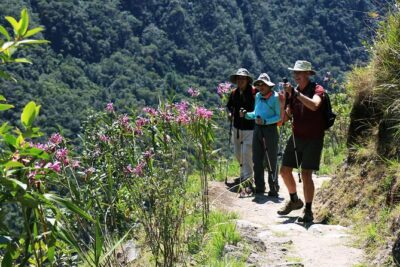
Classic Inca Trail Trek 4D/3N to Machu Picchu (Group Service)
Read our review →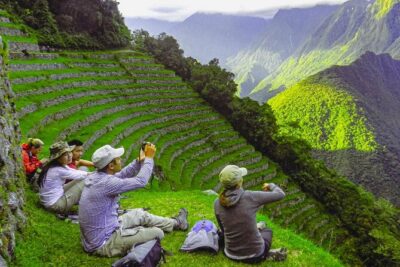
2-Day Inca Trail to Machu Picchu with Panoramic Train
Read our review →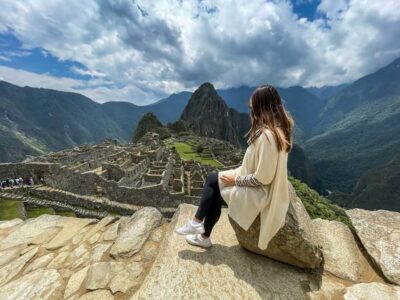
From Cusco: Full-Day Group Tour of Machu Picchu
Read our review →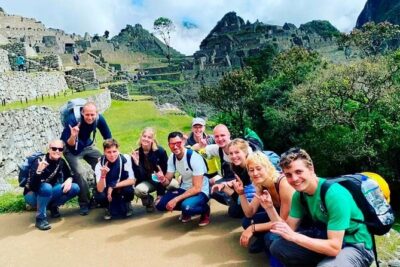
2-Day Tour: Sacred Valley and Machu Picchu by Train
Read our review →
Machu Picchu: Full-Day Tour from Cusco with Optional Lunch
Read our review →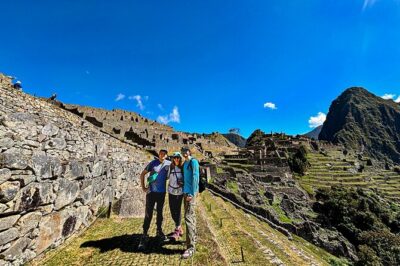
Machu Picchu Full Day from Cusco by Panoramic Train
Read our review →Browse the lists this tour appears in