
Reviewed · PERU FOOD TOURS AND COOKING CLASSES
Lima: Food Tour on Local Market
Come hungry, leave better oriented. This three-hour walk through Barrios Altos, Chinatown, and Lima’s Central Market gives you a useful first taste of Peruvian food and city life, with nine snacks prepared by local vendors. I especially like the mix of familiar and less familiar foods, from ceviche and papa rellena to lúcuma and picarones. I also like that the guide explains Chinese influence on Peruvian cooking instead of treating each stop as an isolated sample. The main drawback is the pace: nine tastings in three hours can feel like a lot, especially if you want long market visits or full portions.
This is a practical introduction to Lima rather than a formal restaurant meal. Food is included in the $75 price, and the route returns to Jr. Cusco 400. You should tell the agency about dietary restrictions when booking, since the tasting list includes fish, meat, dairy, fried foods, fruit, and drinks.
In This Review
- Key points to know before you book
- Why this tour works as a first look at Lima
- Starting in Barrios Altos with choclo con queso
- Ceviche brings the Pacific to the sidewalk
- Chinatown explains Lima’s Chinese-Peruvian connection
- Central Market: ingredients, smells, and street food
- Pan con chicharrón and emoliente at Chinitos
- Bolivarsito Bar closes the walk with fruit and Pisco
- What $75 buys you in practical terms
- Who will enjoy this food walk most
- Booking advice and final verdict
- FAQ
- How much does the Lima Market Food Tour cost?
- How long does the food tour last?
- Where does the tour start and finish?
- Which foods are included?
- Is the food included in the price?
- Is the Pisco Sour included?
- What languages are available?
- Is the tour wheelchair accessible?
- Can I cancel the booking?
Key points to know before you book
- Nine local tastings: The route includes ceviche, choclo con queso, papa rellena, siu mai, min pao, lúcuma juice, anticuchos, picarones, pan con chicharrón, and emoliente, with some seasonal fruit as well.
- A food walk with city context: You pass through Barrios Altos, Chinatown, the Central Market, and local streets rather than staying in one dining room.
- Chinese-Peruvian food connection: Chinatown is used to explain how Chinese cooking became part of everyday Peruvian cuisine.
- Three hours, no transport: The activity begins and ends at Jr. Cusco 400. Transfers are not included, so plan your own way to and from the meeting point.
- English or Spanish guiding: A certified guide leads the tour in either language. Giovanna received particular praise for her friendly explanations, while another guide was noted for knowing the food, history, and stories behind it.
- Pisco Sour costs extra: You can try one at Bolivarsito Bar, but it is optional and not included in the price.
Why this tour works as a first look at Lima
Food is a smart way to get your bearings in Lima. A plate of ceviche tells you about the city’s Pacific setting. Choclo con queso shows how simple local ingredients can make a filling snack. Chinatown adds another piece of the story, since Peruvian food is not a single tradition kept behind glass. It has been shaped by migration, trade, and everyday city life.
This route also gives you several kinds of Lima in a short stretch. Barrios Altos brings historic streets and local snack stalls. Chinatown shows a different cultural influence. The Central Market brings you close to the ingredients and smells that support the city’s cooking. The final stop in a park gives the route a pause, with fruit and popular Peruvian music.
I like that structure because it keeps the tour from becoming a string of disconnected bites. You are not just told what something is. You are shown where it fits into the city.
The format is informal and social, but the exact group size is not provided. One booking became a private tour, which suggests group arrangements can vary. You should not assume a private guide, but it is worth asking the agency if that matters to you.
More Food Tours and Cooking Classes in Lima
- Lima Ultimate Peruvian Food Tour
★ 5.0 · 1,845 reviews - #1 Reviewed Lima Cooking Class
★ 5.0 · 995 reviews - Peruvian Cooking Class, Local Market Tour & Exotic Fruit Tasting
★ 5.0 · 744 reviews
Starting in Barrios Altos with choclo con queso
The meeting point is Jr. Cusco 400. From there, the walk begins through Barrios Altos, an area that helps frame Lima beyond its polished restaurant image.
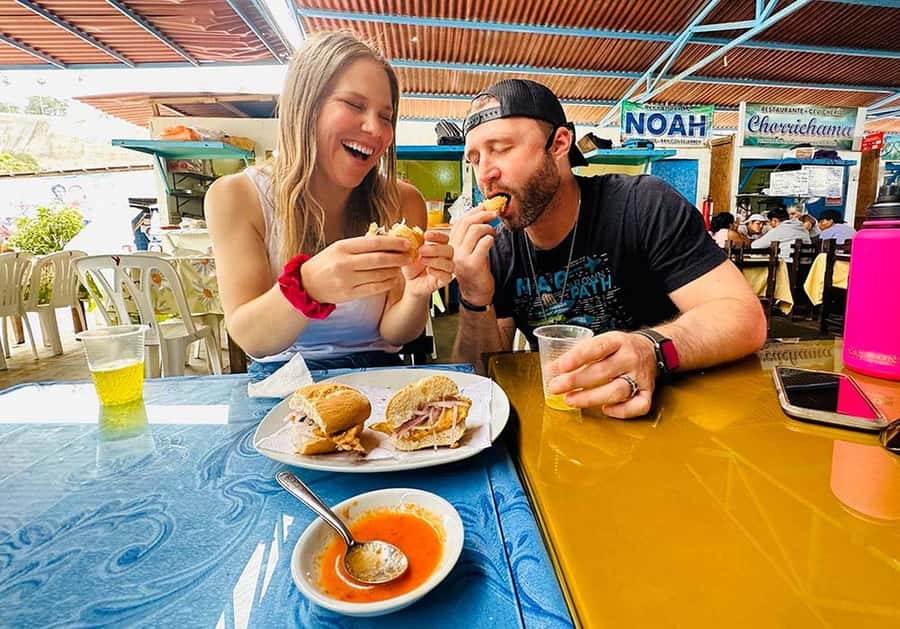
Your first food is choclo con queso, corn with cheese. It is a direct, uncomplicated introduction to Peruvian snacking: a local staple paired with a salty, creamy contrast. You also try papa rellena, a stuffed potato snack with a crisp outside and soft interior.
These first bites are useful because they give you a base for the rest of the tour. You get a feel for corn, potatoes, and the filling style of Peruvian street food before moving on to seafood and grilled meat.
The streets matter as much as the food here. The guide walks you through Barrios Altos and explains the setting as you go. Since this is a food tour rather than a dedicated architecture walk, do not expect a long historical lecture at every building. The benefit is the connection between neighborhood, vendor, and snack.
Ceviche brings the Pacific to the sidewalk
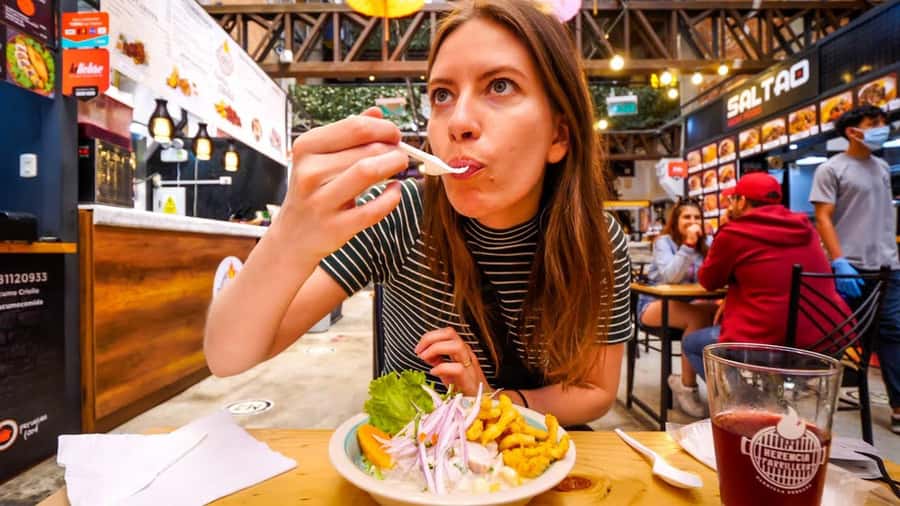
The ceviche stop adds a sharper flavor and a different food tradition. Fresh fish is prepared with the bright, acidic seasoning that makes ceviche one of Peru’s best-known dishes.
This is one of the most important tastings on the route, but it is also one of the reasons to mention dietary needs in advance. If you do not eat seafood, the guide needs to know before the tour. The information provided does not promise substitute dishes, so ask rather than rely on an improvised replacement.
For food lovers, the ceviche stop gives useful context. You can compare it with the heavier potato and fried snacks from the opening section. That contrast is part of the point: Peruvian food moves between fresh, filling, grilled, fried, sweet, and fruit-based dishes within one short walk.
The tour is designed as a sampling session, not a set of full meals. You will taste several items, but you should not expect a restaurant-sized ceviche course. That is helpful if you want variety, though less satisfying if you prefer to sit down and focus on one dish.
Chinatown explains Lima’s Chinese-Peruvian connection
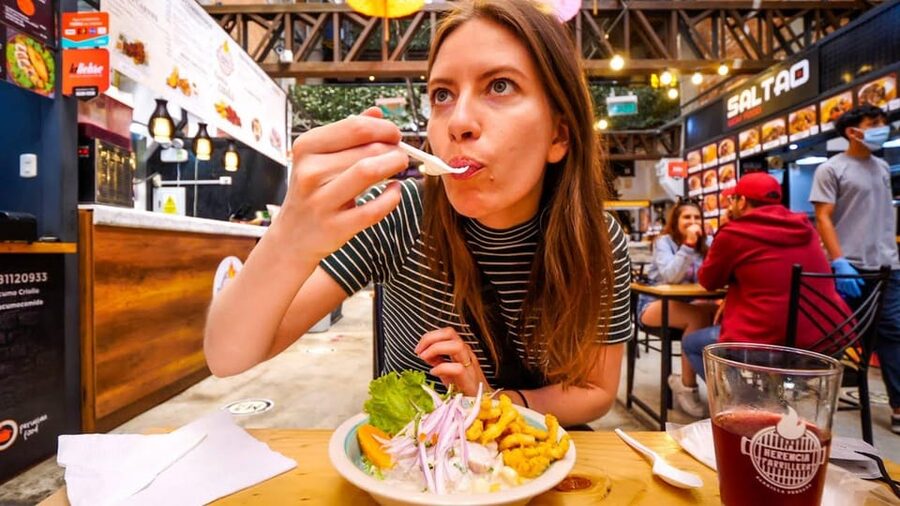
Chinatown is one of the most interesting parts of the route because it links food with migration and culture. Here, the guide explains Chinese influence on Peruvian society and introduces the fusion of Chinese and Peruvian cooking.
The tastings include siu mai and min pao. These give you a clear change of style after ceviche and papa rellena. They also show how foods associated with Chinese cooking can sit comfortably within Lima’s wider food culture.
I like this stop because it adds meaning to the meal. You are not simply checking another snack off a list. You are learning why Lima’s food tastes the way it does and how different communities have shaped daily eating.
The Chinatown visit is also a good moment to pay attention to the guide. The strongest part of this tour depends on explanations, not just the food itself. The available feedback gives particular weight to guides who could explain ingredients, history, and the stories behind each sample. One guide, Giovanna, was praised for her warmth and willingness to share what she knew. Another guide brought a cutting board to divide fruit for the group, a small practical touch that made sharing easier.
More Lima city tours:
- Premium Paracas & Huacachina Day Trip from Lima with Sunset Toast
★ 5.0 · 7,380 reviews - Full Day Tour From Lima: Paracas and Huacachina Oasis
★ 5.0 · 3,694 reviews - Lima Half-Day City Walking Tour (Small Groups)
★ 5.0 · 1,508 reviews - Epic Paracas & Huacachina – Day Trip From Lima
★ 5.0 · 1,041 reviews
Central Market: ingredients, smells, and street food
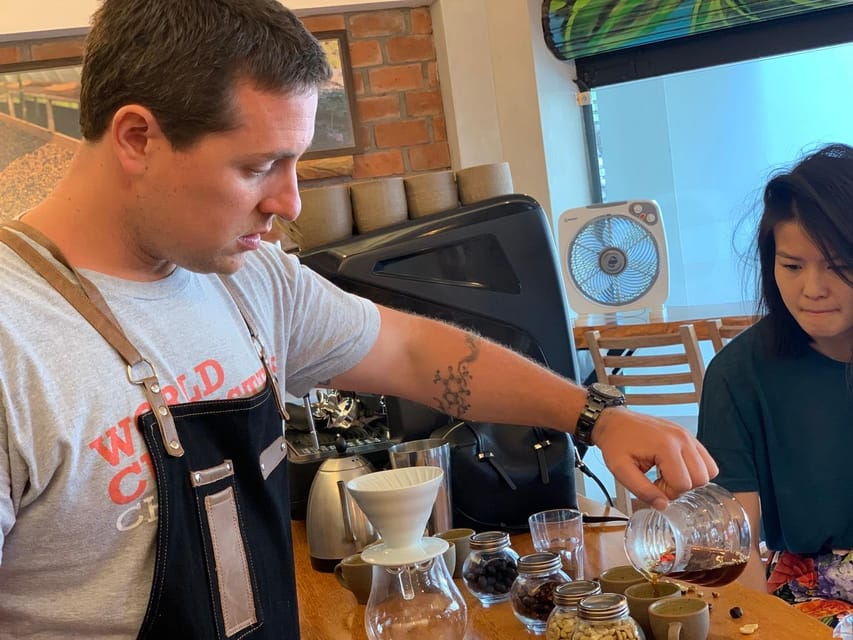
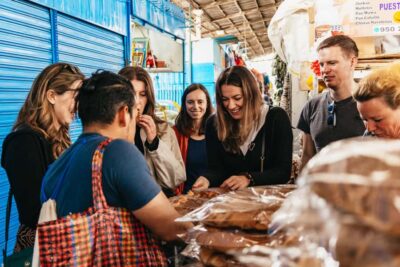
The Central Market shifts the focus from prepared dishes to the ingredients that supply the city. You can expect local spices, traditional produce, and the close-up market atmosphere that gives this tour its name.
A lúcuma juice is served here. Lúcuma is a distinctly Peruvian fruit with a sweet flavor often associated with desserts and drinks. In juice form, it gives you a break from savory food and introduces an ingredient you may not encounter often outside Peru.
The market also brings anticuchos and picarones. Anticuchos are grilled skewers, and part of the activity allows you to help prepare your own. That hands-on moment is a welcome change from simply receiving samples. It gives you a better sense of how the food is assembled and served.
Picarones are a traditional dessert, commonly associated with fried dough and sweet syrup. After ceviche, grilled skewers, and market fruit, this is the kind of snack that rounds out the tasting list with warmth and sweetness.
Markets can be crowded and noisy, although the supplied details do not specify conditions on a particular day. Keep your expectations practical. The Central Market is here for food, atmosphere, and explanation, not for a long shopping session or a quiet culinary class.
Pan con chicharrón and emoliente at Chinitos
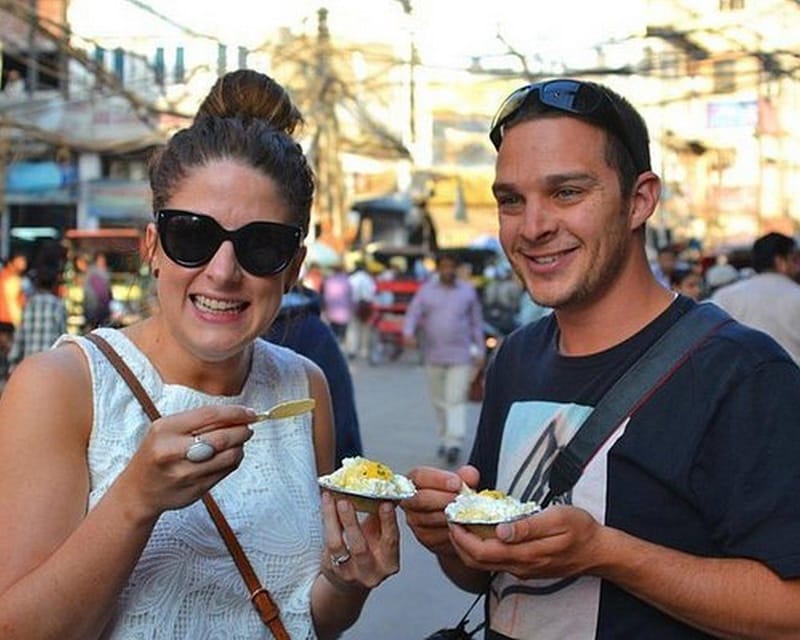
The stop at Chinitos restaurant brings you to pan con chicharrón, a well-known Peruvian sandwich built around pork, bread, and accompanying ingredients. It is a more substantial bite than some of the earlier snacks and helps keep the tour from feeling like dessert-sized nibbling all the way through.
You also receive emoliente, a traditional Peruvian drink. This pairing gives you a good example of how food is consumed in ordinary city life: a filling sandwich with a familiar drink rather than a carefully staged tasting menu.
This stop may be especially useful if you want to identify something to seek out later during your stay. A three-hour food walk cannot explain every dish in Peru, but it can give you a short list of foods worth ordering again. Pan con chicharrón is one of those practical discoveries.
The drawback is the same one that applies to the whole tour. You may be full by this point. Take small bites early and do not treat the first few samples as separate meals.
Bolivarsito Bar closes the walk with fruit and Pisco
The final stop is Bolivarsito Bar. You can try seasonal exotic fruits, and the tour ends with a chance to experience local music in a park setting.
The fruit tasting is subject to the season, so the exact selection can change. That is a positive feature for anyone who wants to try produce at its freshest, but you should not book this expecting a fixed fruit menu.
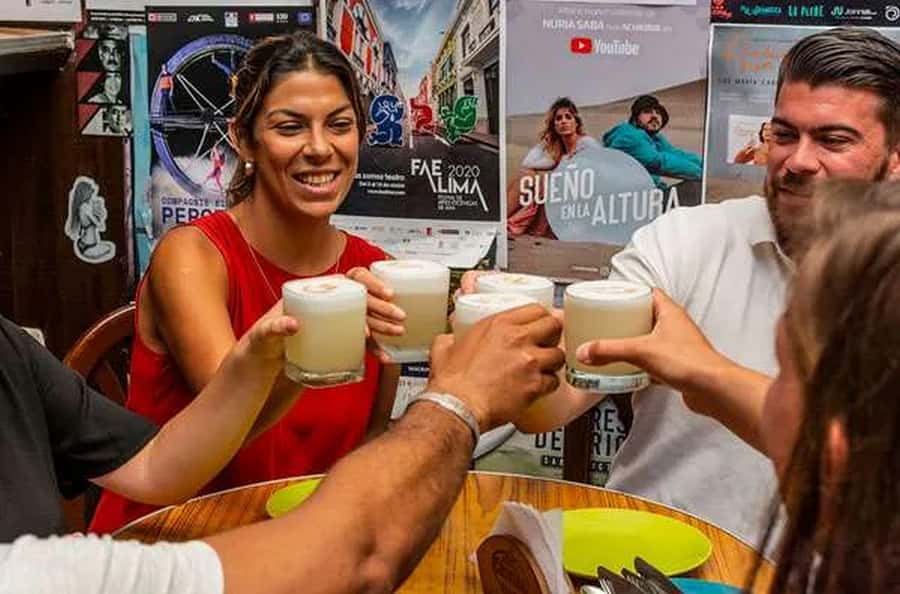
A Pisco Sour is available as an optional tasting, but it costs extra. Pisco is Peru’s best-known spirit, and the cocktail is a natural way to close a food-focused introduction to the country. Still, the tour price does not cover it, so bring a little extra money if you want to add the drink.
The closing park visit gives you time to slow down after a busy route. Popular Peruvian music and fruit make the ending feel less like a final transaction and more like a chance to talk about what you have tasted.
What $75 buys you in practical terms
At $75 per person, this is not a bargain street-food crawl if you measure value only by the amount of food. You are paying for nine tastings, a certified English or Spanish guide, local explanations, and a route through several parts of central Lima.
The price makes more sense for a first-time visitor who wants structure. You do not have to identify vendors, decode unfamiliar foods, or work out how Chinatown and the market connect. The guide handles the route and gives cultural background as you eat.
Food is included, but the Pisco Sour and transfers are not. Since the tour starts and finishes at Jr. Cusco 400, your transport costs will depend on where you are staying. Allow room in your plans for getting to the meeting point and returning afterward.
The three-hour length is also part of the value. It is long enough to cover several areas without taking your entire day. You can schedule a museum, a longer meal, or another city visit afterward. On the other hand, the short format means this is an introduction, not a full survey of Peruvian cooking.
Who will enjoy this food walk most
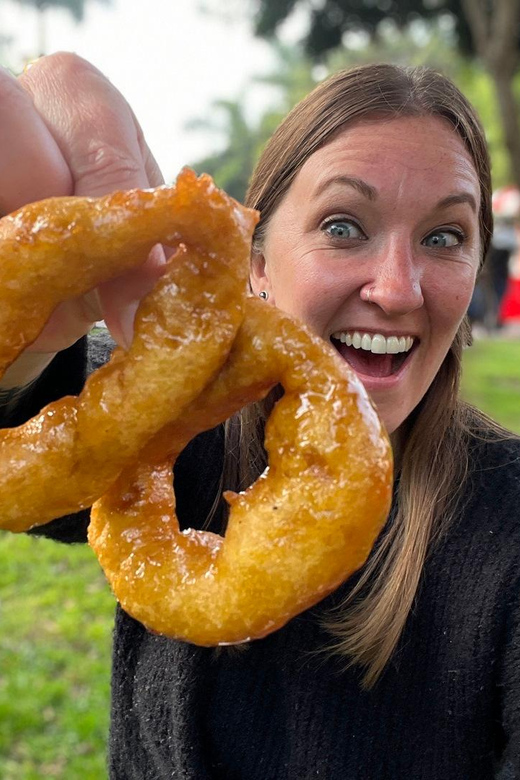
I would recommend it to first-time Lima visitors who want a quick cultural orientation through food. It suits people who like tasting many small portions, hearing local stories, and walking through ordinary city areas instead of spending the whole afternoon in a restaurant.
It is also a good choice for anyone nervous about ordering unfamiliar dishes alone. The guide gives you a safe starting point, and you can note the foods you want to revisit later.
Families and mixed-interest groups may appreciate the range of the route. Potatoes, corn, fish, meat, fruit, sweets, sandwiches, and drinks mean there is more variety than on a single-theme tasting.
You should think twice if you need a slow pace, dislike street food, or have strict dietary limits. Fish, meat, dairy, fried items, and alcohol all appear in the plan, and the provider only states that restrictions should be shared at booking. The tour is wheelchair accessible, but the route includes streets and markets, so ask the agency about the practical conditions for your particular needs.
The tour is offered in English and Spanish. That matters because the cultural explanations are a major part of the value. Choose the language in which you can comfortably ask questions about ingredients and customs.
Booking advice and final verdict
Book this tour if you want a compact, food-centered introduction to central Lima and you value guidance more than large portions. The best features are the range of nine tastings, the Chinatown connection, and the chance to see how market food fits into daily city life.
Skip it if you are mainly seeking a formal meal, a seafood-only tour, or a long visit at each market. At $75, the experience is priced as a guided cultural walk with food, not as three hours of restaurant dining.
My practical advice is simple: eat very little beforehand, wear comfortable walking shoes, tell The Traveller Agency about dietary restrictions, and bring extra money for the optional Pisco Sour and your own transfers. For a first day in Lima, this route can help you get oriented quickly and give you a reliable list of foods to try next.
FAQ
How much does the Lima Market Food Tour cost?
The tour costs $75 per person.
How long does the food tour last?
The tour lasts three hours.
Where does the tour start and finish?
It starts at Jr. Cusco 400 and returns to Jr. Cusco 400.
Which foods are included?
The tastings include choclo con queso, papa rellena, ceviche, siu mai, min pao, lúcuma juice, anticuchos, picarones, pan con chicharrón, emoliente, and seasonal exotic fruit. The exact fruit selection can vary.
Is the food included in the price?
Yes. Food is included in the tour price.
Is the Pisco Sour included?
No. The Pisco Sour at Bolivarsito Bar is optional and costs extra.
What languages are available?
The tour is offered in English and Spanish with a live certified guide.
Is the tour wheelchair accessible?
Yes, the activity is listed as wheelchair accessible.
Can I cancel the booking?
You can cancel up to 24 hours in advance for a full refund. The reserve now and pay later option is also available.
More Markets in Lima
- Street Food, Market & Old Eateries Tour in Lima’s Historic Center
★ 5.0 · 656 reviews - Food Tour and Market Experience: 12 Peruvian Snacks
★ 5.0 · 412 reviews - Lima City, Central Market & Catacombs Tour (Pick-up & Drop Off)
★ 5.0 · 228 reviews - Lima: Historic Center Street Food, Market, and Eateries Tour
★ 4.9 · 216 reviews
Just added in Lima
- Tour to the magical water circuit with dinner and dance show★ 5.0 · 4 reviews
- Tour to the sanctuary of Pachacamac★ 4.8 · 8 reviews
- Tour Huaca Pucllana: Pyramids and Pre-Columbian Antiquity★ 4.3 · 12 reviews
- Tour of Lima with a visit to the catacombs of San Francisco.★ 4.2 · 24 reviews
- Surfing experience in Lima★ 5.0 · 6 reviews
- Lima: Palomino Islands Speedboat Tour & Swim with Sea Lions★ 4.8 · 33 reviews
- Sandbording in Lima★ 5.0 · 12 reviews
- Pro Sanboarding or skiing in Huacachina from Lima – Day trip★ 4.6 · 8 reviews
Peru Food Tours and Cooking Classes, compared.
Peruvian Cooking Class Cocktails and Market Tour in Cusco
Read our review →
Peruvian Cooking Class, Local Market Tour & Exotic Fruit Tasting
Read our review →
3 Day Tour From Lima: Paracas, Huacachina Oasis & Pisco Vineyard
Read our review →
Peruvian Cooking Class, Cocktails & Local Market Tour
Read our review →Browse the lists this tour appears in