
Reviewed · MACHU PICCHU TOURS
Multi Day Tour of Salkantay Trek to Machu Picchu in from Lima
The Andes start before sunrise. This five-day Salkantay route links turquoise Humantay Lake, the high Salkantay Pass, cloud forest, hot springs, and Machu Picchu for $290 per person. I like the dramatic change in scenery and the fact that the package covers transport, meals, camps, a hotel night, a guide, and Machu Picchu entry. The main concern is ticket and communication reliability, since the operator has sometimes handed groups to another company and created confusion over add-on costs.
I also like the small-group format, with a stated maximum of 14 to 16 people, and the chance to meet guides such as Henry Javier, Edwin, Franco, Wellington, and Willie. They have been praised for helping with altitude, explaining plants and Inca culture, and keeping morale high. Still, you should clarify exactly who operates your trek, where you will sleep, and which Machu Picchu circuit and train are confirmed before paying.
In This Review
- Key points to know before booking
- What $290 buys you on this Salkantay route
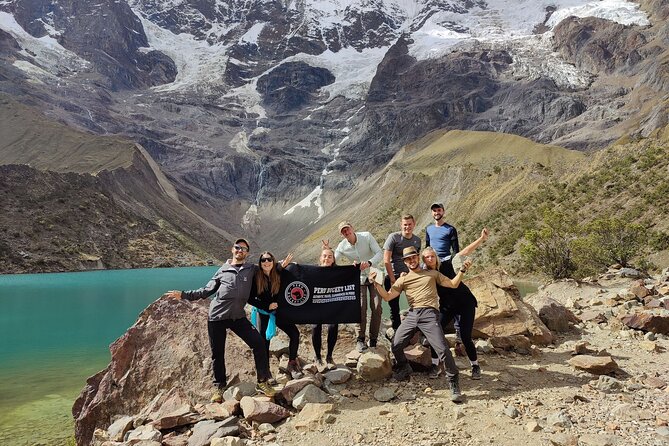
- Day 1: Mollepata, Soraypampa, and Humantay Lake
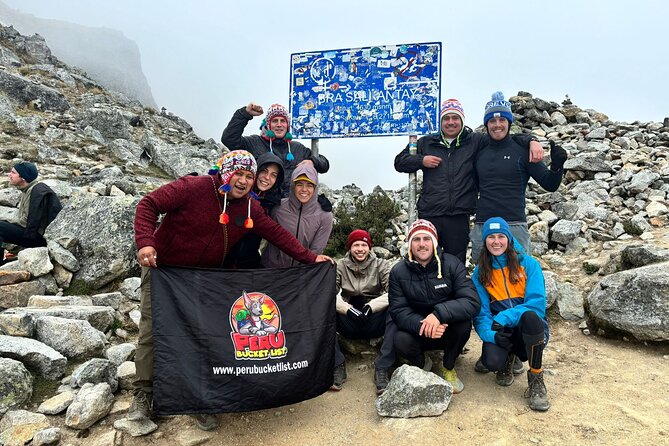
- Day 2: Salkantay Pass at 4,650 meters
- Day 3: Cloud forest, plantations, and Cocalmayo
- Day 4: Llactapata and the long walk to Aguas Calientes
- Day 5: Machu Picchu at sunrise
- Guides, group size, and the operator question
- What to pack and what to budget
- Who should book this trek?
- Should you book this Salkantay tour?
- FAQ
- Where does this Salkantay trek start?
- How long is the tour?
- What is the highest point on the route?
- Is Machu Picchu entry included?
- Is the bus up to Machu Picchu included?
- Are meals included?
- Can I cancel for a refund?
Key points to know before booking
- Humantay Lake comes early: You hike to 4,200 meters on the first afternoon, after an already demanding walk to camp.
- Salkantay Pass is the physical crux: Day 2 covers about 22 kilometers and reaches 4,650 meters before dropping into warmer forest.
- The scenery keeps changing: Snow peaks give way to waterfalls, coffee plots, bananas, orchids, and tropical forest.
- The final walk follows train tracks: The three-hour route from Hidroeléctrica to Aguas Calientes is scenic but long, and an optional train costs about $70 to $100.
- Machu Picchu tickets need written confirmation: Circuit 2 is subject to availability, and ticket problems have caused major changes for some groups.
- The low price has extras: Hot springs, sleeping bags, poles, zip lining, mountain hikes, and some transport are not included.
What $290 buys you on this Salkantay route
At $290, this is an inexpensive way to reach Machu Picchu by foot. The package includes pickup from your Cusco hotel or hostel, private transport to the trailhead, an English or Spanish-speaking mountain guide, a six-kilogram duffel bag allowance, meals, two nights in shared huts or tents, one shared hotel night in Aguas Calientes, and the return bus to Cusco.
You also get a pre-departure briefing, first-aid equipment, an oxygen bottle, coca tea each morning at camp, and vegetarian or vegan meals if requested in advance. Breakfast is included on four mornings, lunch on five days, and dinner on four nights.
That is solid value if everything runs as advertised. The price covers the main framework of the trip, not every part of the day. You will need to budget for a sleeping bag, trekking poles, the Humantay Lake fee, hot springs, and possibly a train from Hidroeléctrica.
The biggest financial question is Machu Picchu access. The package lists Circuit 2, subject to availability at the time of sale. Some departures have secured excellent early entries, including a 6 a.m. Circuit 2 visit. Other departures have faced ticket shortages, extra hotel nights, altered hiking plans, and delayed refunds. I would not treat the ticket as settled until you receive clear written confirmation showing the date, entry time, and circuit.
The title refers to a tour from Lima, but the practical details begin in Cusco. Pickup is offered in Cusco, and no Lima transfer is described. If you are starting in Lima, arrange your own connection to Cusco and allow time to adjust to the altitude before the 4 a.m. start.
More Machu Picchu trips:
- Classic Inca Trail Trek 4D/3N to Machu Picchu (Group Service)
★ 5.0 · 8,653 reviews - Machu Picchu: 4-Day Inca Trail Trek with Panoramic Train Ride
★ 5.0 · 4,568 reviews - Short Inca Trail to Machu Picchu 2D/1N
★ 5.0 · 3,007 reviews
Day 1: Mollepata, Soraypampa, and Humantay Lake
Your first morning starts at 4 a.m. The early departure lets you watch the Andes brighten during the drive toward Mollepata, but it also means you begin the trek tired. Breakfast is taken before continuing to Challacancha, at about 3,800 meters.
From there, you hike roughly seven kilometers toward Soraypampa. The route takes about five hours and climbs to around 3,900 meters. You pass rivers, green valleys, and views toward Salkantay Mountain. This is a good introduction to the route, but do not mistake the distance for an easy warm-up. High altitude makes even a moderate climb feel serious.
After lunch, you hike to Humantay Lake at about 4,200 meters. The water is famous for its blue-green color, framed by snow-covered peaks. It is one of the most photogenic stops on the trek, and the short distance does not make it effortless. The climb is steep in places, and the altitude can leave you short of breath.
The plan is to return to camp for tea, dinner, and stargazing. Accommodation is described as a small hut or tent, shared with others. Conditions are basic, and the appeal is the setting rather than comfort. Hot water and other services are not guaranteed as standard features.
Pack a warm layer for this night. The first day reaches high ground, and the next morning begins early again. A sleeping bag costs an additional $20 for the full trek, which is a sensible expense if you do not already have one suited to cold mountain nights.
There is also a Humantay Lake entrance charge listed separately at PEN 20. The package says all entrance fees are included, while the exclusions list this fee as extra. That contradiction should be settled before departure, ideally in writing.
Day 2: Salkantay Pass at 4,650 meters
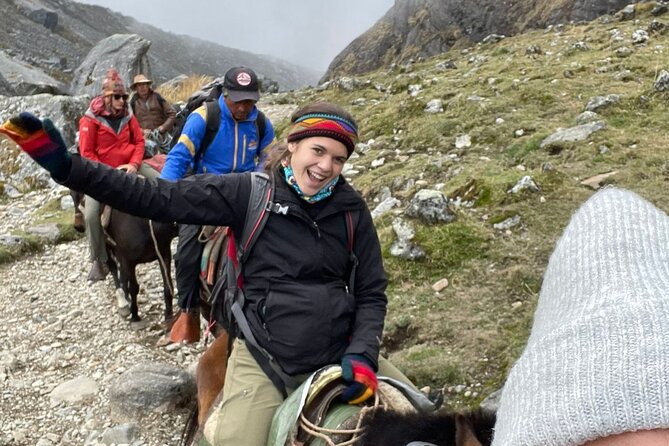
Day 2 is the toughest section for most people. You wake with coca tea and breakfast, then climb from Soraypampa toward the Salkantay Pass. The route covers about 22 kilometers, reaching 4,650 meters before dropping all the way to roughly 2,800 meters.
The pass is the high point of the trek, both physically and visually. You get broad views of high peaks and glaciers, and the route feels remote and stark compared with the warmer valleys below. A traditional Pachamama ceremony may take place at the summit, offering a cultural pause in the middle of a demanding climb.
Take this day slowly. The itinerary lists about 12 hours, so you need patience more than speed. Trekking poles are useful on both the ascent and the long descent. They cost $10 to rent for the entire trek, and that is modest compared with the strain they can take off your knees.
After the pass, the scenery changes quickly. You descend into cloud forest with rivers and waterfalls, then stop for lunch at Rayanniyoc, around 3,300 meters. The final section leads to Colpapampa at about 2,800 meters.
Optional hot showers and Wi-Fi may be available at camp for an extra charge. These small comforts can feel valuable after a long day, but they should not be confused with included services. The evening follows the usual pattern: tea, dinner, and, if the sky cooperates, stargazing.
Altitude safety matters here. The package includes an oxygen bottle and first-aid kit, and guides such as Henry Javier have received praise for paying attention to health during the walk. You should still tell the guide immediately if you develop severe headache, nausea, dizziness, or unusual weakness. A moderate fitness level is required, but your ability to handle altitude matters just as much.
Day 3: Cloud forest, plantations, and Cocalmayo
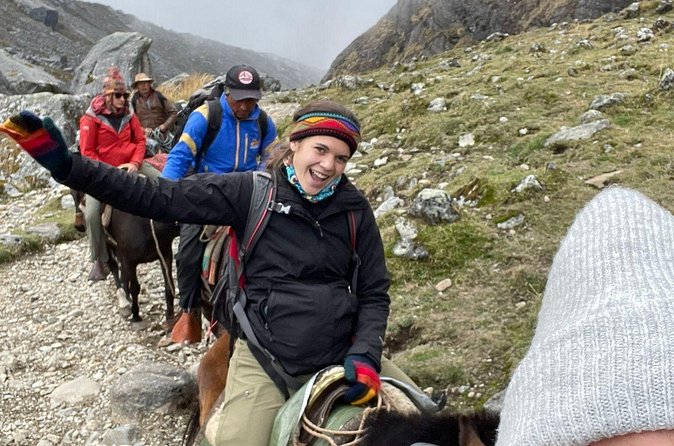
Day 3 brings a welcome change in climate. You descend from about 2,800 meters to 2,000 meters over roughly 16 kilometers. The high peaks give way to warmer forest, streams, orchids, bromeliads, butterflies, and small farms.
The route passes plantations where local families grow coffee, bananas, and avocados. This is one of the more grounded parts of the itinerary. Instead of looking only at famous ruins, you see the working countryside that supports communities along the route.
You reach La Playa around midday for lunch and a break. Afterward, you can visit the Cocalmayo hot springs for an additional PEN 20 entrance fee. Transport by bus from the camp area is listed at PEN 50 round trip. The water can be a welcome reward after three days of walking, but the outing is optional and not part of the $290 base price.
A zip line is another optional choice, costing about $35. Choose it only if your legs still have energy and you want an active afternoon. If you prefer a quieter day, the hot springs offer a more sensible pause.
The overnight location needs special attention. The itinerary names Santa Teresa, while some departures have stayed in Lucmabamba instead. Those places change the practical feel of the afternoon, especially if you hoped to walk to the hot springs. Ask for the exact accommodation location before departure.
The evening includes tea, dinner, and a Pisco Sour. It is a cheerful touch after a long route, but do not overdo the alcohol at altitude or before another full walking day. You still have a long approach to Aguas Calientes ahead.
More hikes and treks in Cusco:
- Salkantay Classic Trek 5 Days from Cusco
★ 5.0 · 4,062 reviews - 4-Day Salkantay Trek with Sky Camp Stay
★ 5.0 · 3,346 reviews - Salkantay Trek 5D/4N with Glass Cabins, Domes and Hobbit House
★ 5.0 · 2,488 reviews - 2-Day Inca Trail to Machu Picchu with Panoramic Train
★ 5.0 · 1,876 reviews
Day 4: Llactapata and the long walk to Aguas Calientes
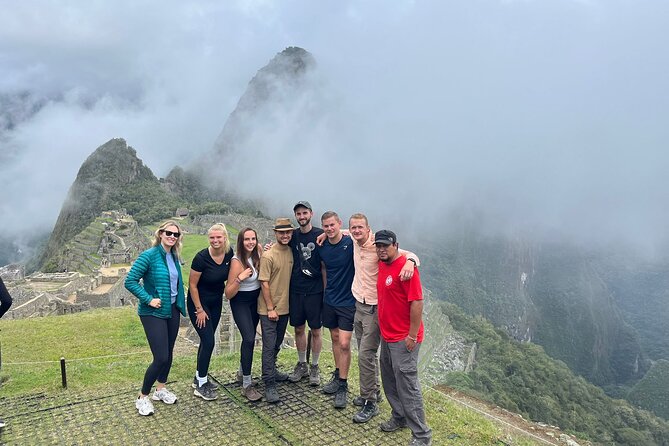
Day 4 covers about 18 kilometers. You climb from 2,000 meters to roughly 2,800 meters at Llactapata, then descend to Hidroeléctrica and continue to Aguas Calientes at about 2,040 meters.
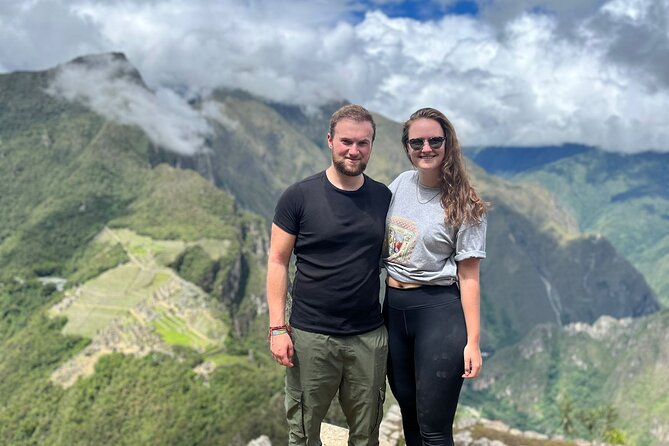
The ancient Inca path to Llactapata is the day’s main reward. From the viewpoint, you can see Machu Picchu in the distance. It is a valuable preview because you have not yet entered the citadel. Your guide explains the Inca connection and points out the setting from across the valley.
After Llactapata, you descend past waterfalls and forest toward Hidroeléctrica. Lunch is taken there before the final three-hour walk beside the railway tracks. The path is not a difficult mountain climb, but it becomes tiring after four days on foot. You need sturdy shoes, water, and patience.
A train from Hidroeléctrica to Aguas Calientes is available for about $70 to $100, depending on the service. It is a practical option if you are exhausted, but the walking route is part of the classic Salkantay approach and costs nothing extra. Ask about the exact train time if you are considering it, since late departures can leave little time in Aguas Calientes.
You check into a shared hotel room in Aguas Calientes and have time to rest or look around town before dinner. The guide should explain the next morning’s entry arrangements here. This is the point where clear communication matters most. Confirm your Machu Picchu ticket, entry time, circuit, bus plan, and return transport before going to bed.
The package includes a bus back to Cusco after Machu Picchu, but train arrangements from Hidroeléctrica are separate. Also confirm how your duffel bag reaches Aguas Calientes. Some groups have been asked to pay extra for baggage transport, despite expecting it to be included.
Day 5: Machu Picchu at sunrise
The final morning begins at 4:30 a.m. You can walk uphill for about 1.5 hours or pay $12 for the bus. The walk saves money, but it adds another climb after four days of trekking. The bus is the practical choice if you want to arrive with more energy for the ruins.
The citadel appears as the light changes, often with mist around the stone terraces and peaks. The package includes a guided tour of about two hours, covering temples, terraces, and stone structures. That guide is important. Without context, Machu Picchu can become a collection of impressive walls; with a good explanation, the site’s planning and purpose become much easier to understand.
Circuit 2 is listed as the intended entry, but it is subject to availability. Huayna Picchu and Machu Picchu Mountain can be added for about $70 each, also subject to availability. These hikes require separate planning and should not be assumed to be included.
After the guided visit, you have free time to explore within the rules of your assigned circuit. The itinerary suggests the Sun Gate, or Inti Punku, but your available route depends on the ticket type and current access rules. Do not count on reaching every viewpoint unless it is printed on your ticket.
The day is listed at about 14 hours, so the finish can be late. Your return to Cusco is by bus according to the package, but ask for the full timing. If you have an early flight the next morning, leave a generous buffer.
Guides, group size, and the operator question
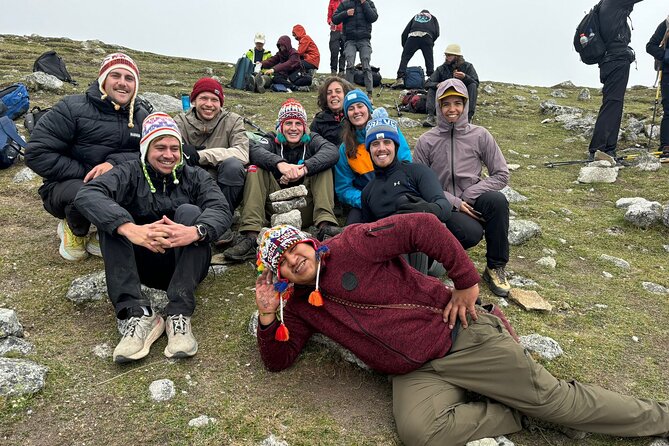
The guide can make or break a trek of this length. Henry Javier has been praised for explaining nature, Quechua culture, and the Inca Empire while keeping an eye on safety. Edwin and Franco have also received strong praise for practical help during the walk and for arranging last-minute Machu Picchu entry. Wellington and Willie are other names associated with very positive experiences.
The stated group limit is 14 to 16 people, though one departure reportedly reached 15 after being assigned to another operator. That is still a manageable group, but it is not the same as a private trek or a tiny walking party.
Peru Bucket List appears to use an operating partner for at least some departures, including KB Adventures. That is not automatically a problem. The guides and cooks working on the trail can be excellent. The concern is that the booking company and the on-the-ground operator may not share information well.
Ask these questions before you leave Cusco:
- Who is the actual operating company?
- What is the guide’s name?
- Where will you sleep on Night 3?
- Is Circuit 2 confirmed, with what entry time?
- Is the Humantay fee included?
- Is baggage transfer included all the way to Aguas Calientes?
- What time is the included return transport?
A compulsory briefing is held before departure. Allow more than the advertised 15 minutes, since one group found it lasted about 90 minutes. That meeting is the right place to settle costs and timings, not the morning you start walking.
What to pack and what to budget
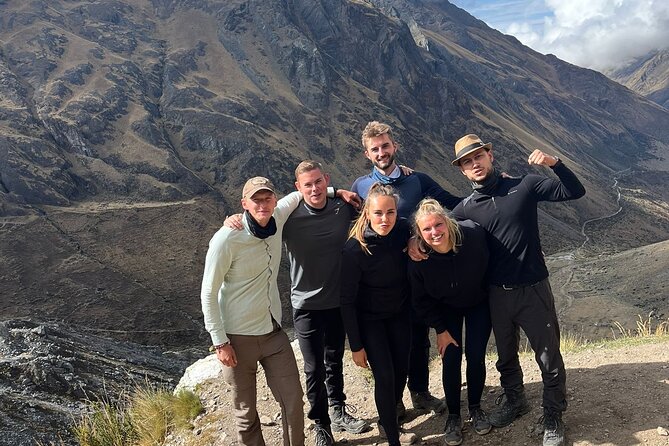
The six-kilogram duffel allowance is useful, but you still carry a daypack. Keep rain protection, warm layers, water, sunscreen, personal medication, a headlamp, and documents close at hand. Send the required passport photo through WhatsApp promptly, since it is needed for the Machu Picchu reservation.
Plan for these possible extras:
- Sleeping bag: $20 for the trek
- Trekking poles: $10 for the trek
- Humantay Lake entry: PEN 20
- Cocalmayo hot springs: PEN 20
- Bus to the hot springs: PEN 50 round trip
- Zip line: $35
- Machu Picchu entry bus: $12
- Train from Hidroeléctrica: about $70 to $100
- Huayna Picchu or Machu Picchu Mountain: about $70 each
- Travel insurance, which is recommended
Meals are included, and vegetarian or vegan food is available without an extra charge if requested. Bring small cash reserves for optional stops and unexpected transport changes.
Who should book this trek?
I would recommend it to you if you want a demanding route with major scenery changes and prefer a package that handles transport, meals, camps, a hotel, and Machu Picchu guiding. It suits people with moderate physical fitness who are ready for long days, steep climbs, basic accommodation, and early starts.
It is less suitable if you need a fixed luxury standard, a private group, or perfect control over every train and hotel detail. It is also a poor choice for a rushed Peru schedule. The trek starts in Cusco, reaches 4,650 meters, and finishes with a very full Machu Picchu day. Give yourself time around it.
The best value comes when the ticket, lodging, baggage, and transport details are confirmed before you arrive. The worst value comes when a low advertised price turns into daily arguments over small charges and last-minute changes.
Should you book this Salkantay tour?
Book it if the scenery and physical challenge matter more to you than comfort, and if you are willing to confirm every important detail in writing. The route itself is excellent: Humantay Lake, Salkantay Pass, cloud forest, Cocalmayo, Llactapata, and Machu Picchu create a satisfying five-day progression.
I would be cautious about booking it for a tight flight schedule or during a busy season unless you already have firm Machu Picchu documentation. Ask for the exact operator and ticket information before sending passport details, and keep enough money for the listed extras.
The guides and trail staff can deliver a memorable trip, with especially strong praise for Henry Javier, Edwin, Franco, Wellington, and Willie. The weak point is not the mountain route. It is the administration around tickets, lodging, and add-on fees. If the answers are clear, $290 can be a very good deal. If they are vague, book directly with a clearly identified trekking operator instead.
FAQ
Where does this Salkantay trek start?
The tour begins with pickup in Cusco at about 4 a.m. If you are outside the pickup area, the meeting point is Cusco Plaza de Armas. The description does not include a transfer from Lima.
How long is the tour?
The trek lasts approximately five days and includes four nights. The itinerary includes two nights in shared huts or tents and one shared hotel night in Aguas Calientes.
What is the highest point on the route?
The highest point is Salkantay Pass at about 4,650 meters. Humantay Lake reaches about 4,200 meters on Day 1.
Is Machu Picchu entry included?
Machu Picchu entry and a guided visit are included, with Circuit 2 listed subject to availability. You should confirm the date, circuit, and entry time before departure.
Is the bus up to Machu Picchu included?
No. You can walk up in about 1.5 hours or take the optional bus for approximately $12.
Are meals included?
Breakfast is included four times, lunch five times, and dinner four times. Vegetarian and vegan options are available on request at no extra charge.
Can I cancel for a refund?
You can cancel at least 24 hours before the experience begins for a full refund. Changes or cancellations made less than 24 hours before the start time are not accepted for a refund. If poor weather causes the operator to cancel, you will be offered another date or a full refund.
More Lima City Tours
- 7 Day Exploration Tour from Cusco to Lima
★ 5.0 · 85 reviews - Lima Machupicchu and Lake Titicaca Tour 9 days
★ 5.0 · 51 reviews - Lima: 7-Day Inca Tour with Flights and Machu Picchu
★ 3.7 · 7 reviews - Premium Paracas & Huacachina Day Trip from Lima with Sunset Toast
★ 5.0 · 7,380 reviews
Just added in Cusco
- Cusco Private Transportation for 2026★ 5.0 · 4 reviews
- Private Transfer from Airport to Hotel in the City of Cusco★ 4.0 · 5 reviews
- Best Cusco walking tour: dinner street food tasting★ 4.5 · 11 reviews
- Private Tour to Pisac Market and Pisac Ruins★ 5.0 · 4 reviews
- Machu Picchu Day Trip With Panoramic Train from Cusco★ 5.0 · 10 reviews
- Sacred Valley of the Incas Tour★ 5.0 · 12 reviews
- Private Tour of the Mountain of Colours by Quad★ 5.0 · 7 reviews
- Sacred Valley Private Tour from Cusco, Guide and Driver only★ 5.0 · 4 reviews
Machu Picchu Tours, compared.
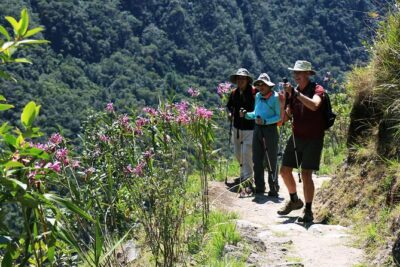
Classic Inca Trail Trek 4D/3N to Machu Picchu (Group Service)
Read our review →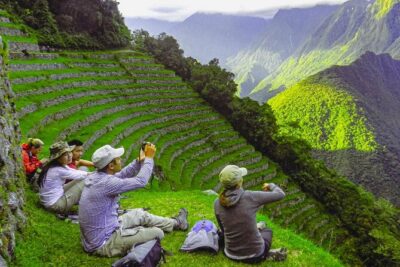
2-Day Inca Trail to Machu Picchu with Panoramic Train
Read our review →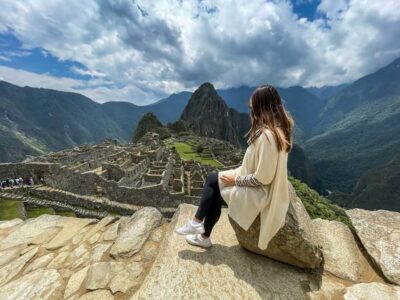
From Cusco: Full-Day Group Tour of Machu Picchu
Read our review →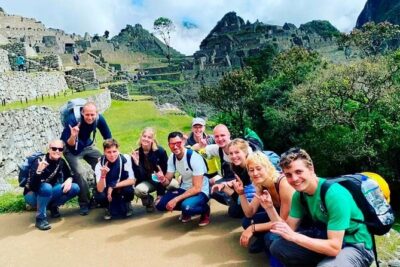
2-Day Tour: Sacred Valley and Machu Picchu by Train
Read our review →
Machu Picchu: Full-Day Tour from Cusco with Optional Lunch
Read our review →
Machu Picchu Full Day from Cusco by Panoramic Train
Read our review →Browse the lists this tour appears in